Why Shaving Does Not Cool a Chow Chow
It's scorching outside, and you look at your magnificent Chow Chow, panting heavily in the shade, and think, "Wouldn't it be so much kinder to shave off all that thick fur?" It’s a completely understandable thought, born from a deep love and concern for their comfort in the sweltering heat. However, this common assumption is actually one of the biggest misconceptions about caring for a Chow Chow. This guide will meticulously explain why shaving your Chow Chow not only fails to cool them down effectively but can also lead to a host of health and coat problems, offering better ways to keep them comfortable.
The Marvel of the Chow Chow's Double Coat
To truly understand why shaving a Chow Chow is counterproductive, we first need to appreciate the incredible design of their distinctive coat. Unlike single-coated breeds, Chow Chows possess a sophisticated double coat, a testament to their origins in colder climates, but equally vital for their well-being in warmer ones. This isn't just a lot of fur; it's a precisely engineered system.
The Outer Guard Hairs
The outer layer of a Chow Chow's coat consists of long, coarse, and somewhat bristly hairs, known as guard hairs. These aren't just for show; they serve as the primary protective barrier for your dog. Think of them as the roof shingles on a house. They are designed to be water-repellent, shielding the dog from rain, snow, and even harsh sunlight. When rain hits a Chow Chow's coat, it typically beads up and runs off, preventing the dog's skin from getting soaked and maintaining their body temperature. This layer also provides a robust defense against physical abrasions, insect bites, and environmental irritants, much like a natural suit of armor.
These guard hairs also play a crucial role in creating an air pocket system. They stand away from the body, preventing the undercoat from matting down and allowing air to circulate. Without these sturdy outer hairs maintaining loft, the entire coat would collapse, losing much of its insulating properties. They are the first line of defense, a tough exterior that faces the elements head-on, protecting the softer, insulating layer beneath.
The Dense Undercoat
Beneath those protective guard hairs lies the true workhorse of the Chow Chow's thermal regulation: the incredibly dense, soft, and woolly undercoat. This layer is what gives the Chow Chow its characteristic plushness and volume. It’s composed of fine, crimped hairs packed tightly together, forming a thick thermal barrier right next to the skin. This undercoat is designed to trap a layer of air, which then acts as an insulator, much like the down in a winter jacket or the insulation in your home's walls.
This trapped air is the secret to their temperature control. In cold weather, this air layer holds in body heat, keeping the dog warm and protected from the frigid temperatures. However, its function isn't limited to just keeping them warm. In hot weather, this same undercoat, when properly maintained and not matted, continues to trap air. This trapped air, cooler than the outside ambient temperature, acts as a barrier against the external heat, preventing it from reaching the skin. It essentially slows down heat transfer in both directions, making it indispensable for keeping a Chow Chow comfortable year-round. Understanding Why a Chow Chow's Double Coat Traps Heat is key to appreciating this natural design.
Why Shaving Actually Harms, Not Helps
The well-intentioned act of shaving a Chow Chow often stems from a lack of understanding about how their unique double coat truly functions. Far from providing relief, shaving can actually exacerbate heat problems and introduce a host of other health issues, compromising the very system designed to protect them.
Disrupting Natural Insulation
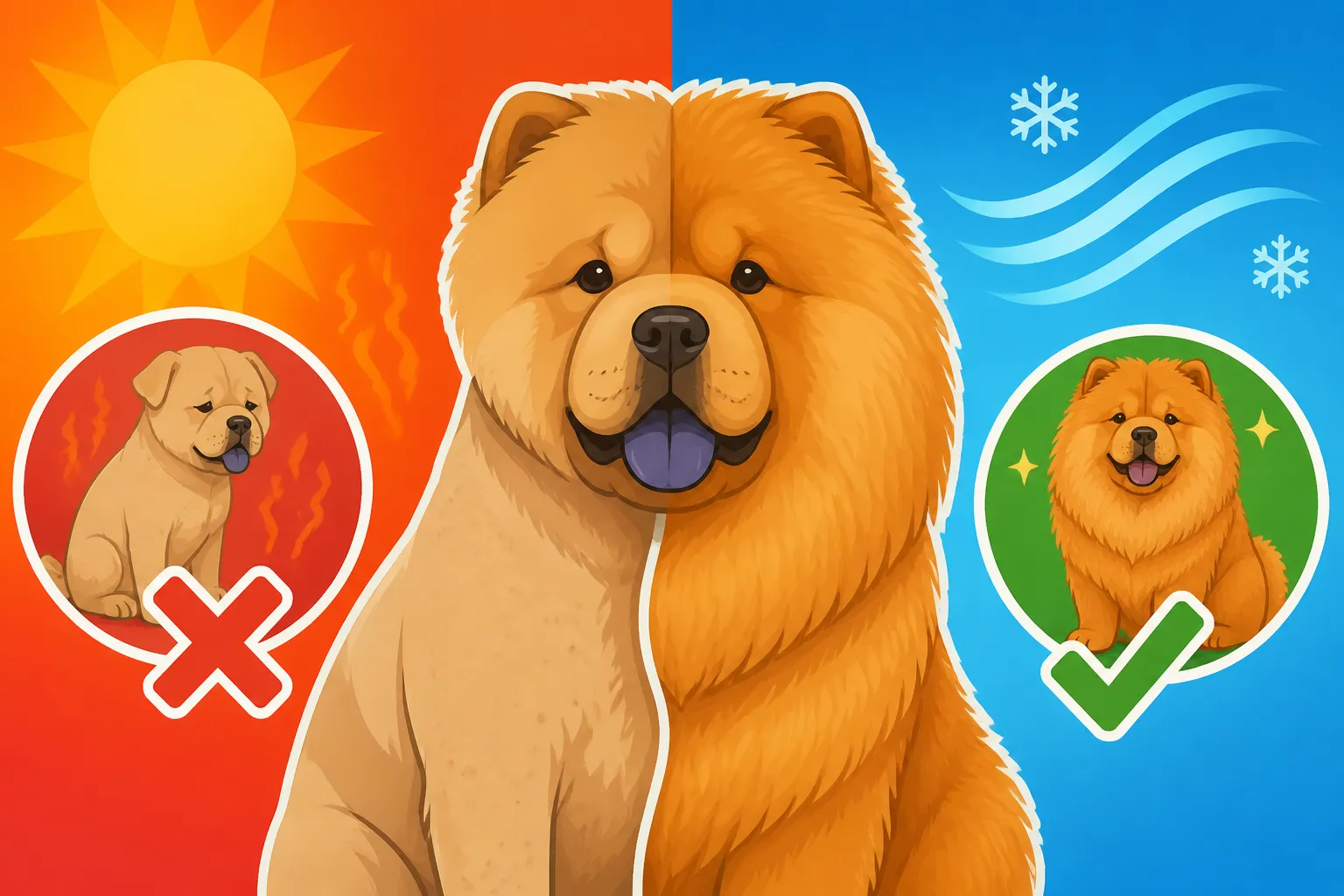
When you shave a Chow Chow, you strip away both the protective guard hairs and a significant portion of the insulating undercoat. The immediate thought is that removing the fur will allow the skin to breathe and cool directly. However, for a double-coated breed like the Chow Chow, this is a dangerous fallacy. You're removing the very mechanism that keeps them cool. The trapped air within the undercoat acts as a thermal barrier, preventing environmental heat from penetrating to the skin. Without this barrier, the skin is suddenly exposed to direct heat radiation from the sun and the surrounding air.
Imagine trying to cool your house by ripping out all the insulation in the walls. It wouldn't work, right? In fact, it would make it harder to regulate the indoor temperature. Similarly, removing a Chow Chow's natural insulation means their body has to work much harder to maintain a safe internal temperature. Instead of staying cooler, they often become hotter faster, putting them at higher risk of heat-related illnesses. The belief that a bare skin surface automatically means cooler is deeply flawed for these dogs.
Increased Risk of Sunburn and Skin Damage
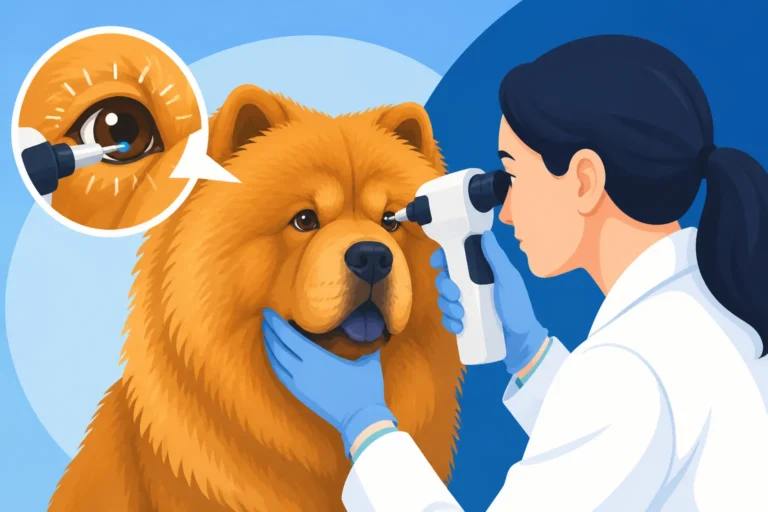
One of the most immediate and visible dangers of shaving a Chow Chow is the increased risk of sunburn. Their skin, accustomed to being shielded by a dense, protective layer of fur, is suddenly exposed to direct ultraviolet (UV) radiation. This delicate skin is not designed to withstand such exposure and can burn quickly, much like fair human skin without sunscreen. Sunburn in dogs can range from mild redness and peeling to severe, painful blisters, leading to discomfort and secondary infections.
Beyond acute sunburn, chronic exposure to UV rays can lead to long-term skin damage, including various types of skin cancer. Just as we use sunscreen and protective clothing, a Chow Chow's coat is their natural sunblock. Removing it leaves them vulnerable, and while you might try to apply dog-safe sunscreen, it's rarely as effective or comprehensive as their natural coat, especially with their deep wrinkles and thick hide. This vulnerability highlights why understanding their coat's protective role is so vital for their overall health.
Coat Regrowth Issues Post-Clipping Alopecia
One of the most frustrating and often irreversible consequences of shaving a Chow Chow is the potential for their coat to grow back improperly, a condition sometimes referred to as post-clipping alopecia. When shaved, especially with very short blades, the undercoat can grow back faster and thicker than the guard hairs. This disrupts the natural balance and texture of the coat. The new growth might be patchy, uneven, feel coarser, or even cease to grow in certain areas altogether. What Shaving Does to a Chow Chow's Undercoat is a significant concern because it can damage the hair follicles.
The original guard hairs, which take longer to regenerate, may struggle to push through the rapidly growing undercoat, leading to a dull, cottony, or sparse appearance that lacks the breed's signature luster and protective qualities. In some cases, the coat may never fully return to its original glory, leaving the Chow Chow with a permanently altered and often less functional coat. Owners often lament that their beautiful Chow Chow suddenly looks "different" or "scruffy" for years after a single shave, underscoring the irreversible nature of this damage for some dogs. Whether a Shaved Chow Chow's Coat Grows Back completely and correctly is a gamble.
Potential for Skin Irritation and Hot Spots
Shaving can also predispose a Chow Chow to a variety of skin irritations and problems. The act of clipping itself can cause razor burn, especially in areas with sensitive skin or existing folds. Furthermore, with the protective coat gone, the skin is more susceptible to environmental allergens, irritants, and insect bites. These external factors, combined with the lack of air circulation that the guard hairs usually provide, can create a perfect storm for skin issues.
One common problem is the development of hot spots (acute moist dermatitis). These are painful, red, oozing skin lesions that can appear rapidly and spread quickly. Without the natural protection and aeration of their double coat, minor irritations can quickly escalate into full-blown infections. Dogs may lick or scratch the irritated areas excessively, further traumatizing the skin and worsening the condition. Treating hot spots often requires veterinary intervention, including antibiotics, anti-inflammatory medications, and diligent wound care, which can be both costly and stressful for your dog. Pet insurance like Healthy Paws can be a lifesaver in these situations, helping to cover unexpected vet bills from such complications.
Safer, Smarter Ways to Beat the Heat
Instead of resorting to a harmful shave, there are numerous effective and safe strategies you can employ to help your Chow Chow manage warm weather. These methods work with their natural physiology, enhancing their comfort without compromising their health or the integrity of their coat.
Regular Brushing and Deshedding
The most crucial step in keeping a Chow Chow cool and comfortable is consistent, thorough grooming. A well-maintained double coat, free of mats and excessive undercoat, is the best insulator and air conditioner they possess. Regular brushing, especially with the right tools, helps to remove dead and shedding undercoat, preventing it from compacting and trapping heat against the skin. This creates space for air to circulate freely within the coat, allowing their natural cooling mechanisms to function optimally.
During seasonal coat blows, which typically happen twice a year, the amount of undercoat they shed is astounding. This is when deshedding tools like an undercoat rake are indispensable. By carefully and gently raking out the loose undercoat, you help them shed the insulation they no longer need for that season, while leaving the protective guard hairs intact. This process is far more effective at enhancing airflow and cooling than shaving, which just destroys the entire system. Remember, a clean, brushed, and aerated coat is a cool coat. For a rough-coated Chow Chow, this might mean dedicated sessions several times a week. If you need a refresher on the specifics, check out How Often a Rough Coated Chow Chow Needs Brushing.
Strategic Timing of Walks and Activities
Common sense dictates that exerting oneself in the peak heat of the day is a bad idea, and it's even more critical for a Chow Chow. Their dense coat, combined with their somewhat brachycephalic (short-nosed) structure, makes them incredibly susceptible to overheating. Therefore, adjusting their exercise schedule is non-negotiable during warm months.
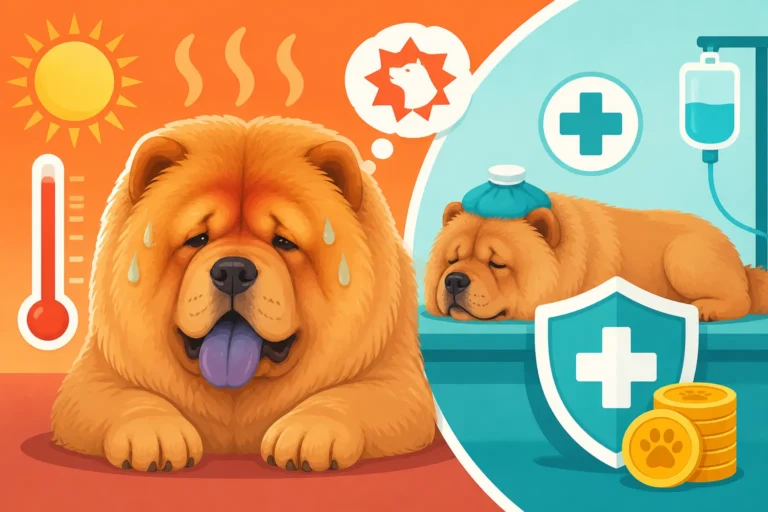
Aim for walks and any strenuous activity during the coolest parts of the day: early mornings, often before 8 AM, and late evenings, after the sun has begun to set and the asphalt has had a chance to cool down. Even on these cooler parts of the day, keep walks short and monitor your Chow Chow closely for any signs of discomfort or overheating, such as excessive panting, drooling, or a reluctance to move. Always carry water for both of you. Signs a Chow Chow Is Overheating on a Walk are important to recognize, as heat stroke can escalate rapidly and is a severe medical emergency. Remember, a gentle stroll on grass is always preferable to a long walk on hot pavement, which can burn their paws and radiate heat upwards.
Providing Access to Cool Environments
Ensuring your Chow Chow has access to genuinely cool environments is paramount. This means making sure they are not confined to hot outdoor spaces or rooms without proper ventilation or air conditioning. For many Chow Chows in temperate to hot climates, living without air conditioning during summer is simply not safe. The ideal indoor temperature for a Chow Chow should be kept comfortably cool, typically between 70-75°F (21-24°C) or even lower, especially on humid days. This also relates to The Temperature a Chow Chow Should Stay Indoors.
Indoors, provide them with cooling mats, which use gel or water to absorb body heat, offering a chilled surface for them to lie on. A simple tiled floor can also be a favored spot. Consider a fan positioned to create good air circulation, but don't rely on it as a sole cooling solution. If they spend time outside, ensure constant access to deep shade, not just partial shade that shifts with the sun. A small, shallow kiddie pool with cool water can also be a huge hit for chows who enjoy splashing, but always supervise to prevent accidents.
Hydration and Cooling Aids
Hydration is crucial for all dogs, but especially for Chow Chows trying to regulate their body temperature in the heat. Always provide multiple bowls of fresh, cool water in easily accessible locations. Consider adding ice cubes to their water or using a pet fountain to encourage drinking, as circulating water can be more appealing. You might be surprised at How Much Water a Chow Chow Drinks in Summer.
Beyond drinking water, there are several useful cooling aids. Cooling vests, made from evaporative cooling fabrics, can be effective. You wet the vest, and as the water evaporates, it draws heat away from the dog's body. Similarly, wet towels draped over their back (changed frequently to ensure they remain cool and don't just act as a warm compress) can offer temporary relief. Never use ice baths or very cold water for a dog experiencing heatstroke, as this can cause their peripheral blood vessels to constrict, trapping heat inside their core. Instead, use cool water and wet towels and seek immediate veterinary attention if you suspect heatstroke. Knowing How to Cool a Chow Chow Down Fast safely is essential.
Long-Term Health Considerations
Caring for a Chow Chow extends beyond just day-to-day comfort; it involves making choices that safeguard their long-term health, particularly regarding their unique coat and susceptibility to heat. Thinking ahead about preventative care can save a lot of heartache and expense down the road.
Protecting Skin Integrity and Coat Health
The natural defense mechanisms built into a Chow Chow's coat are irreplaceable. Beyond preventing sunburn and facilitating natural cooling, the coat protects their skin from cuts, scrapes, and insect bites. When this barrier is compromised by shaving, the skin is left vulnerable to a host of issues, including bacterial infections, fungal infections, and chronic dermatological conditions. Maintaining the coat's integrity through proper grooming, rather than removal, is a foundational aspect of their overall skin health.
A healthy coat reflects a healthy dog. Problems with coat quality, such as excessive shedding outside of seasonal blows, dullness, or poor regrowth, can sometimes signal underlying health issues like thyroid problems or nutritional deficiencies. Thus, actively protecting their coat health is not just about aesthetics; it's about supporting their full physiological well-being. Regular check-ups with your vet can help catch any emerging issues early, reinforcing the importance of comprehensive care.
Avoiding Costly and Preventable Vet Visits
The consequences of improperly caring for a Chow Chow's coat, especially through shaving, can quickly lead to expensive veterinary bills. From treating severe sunburn and subsequent skin infections to managing post-clipping alopecia or persistent hot spots, these issues often require multiple vet visits, diagnostic tests, medications, and sometimes specialized dermatological care. These aren't just minor inconveniences; they can become significant financial burdens.
Investing in high-quality grooming tools and pet insurance like Healthy Paws, which helps cover accident and illness costs, can be a much more cost-effective approach in the long run than repeatedly dealing with preventable health crises caused by shaving. Proactive care, understanding the breed's specific needs, and adhering to best practices for coat maintenance are key to minimizing health risks and ensuring a long, comfortable life for your Chow Chow. Remember, a dollar spent on prevention is often ten dollars saved on treatment.
Prioritizing Overall Well-being Over Misconceptions
Ultimately, the decision to shave a Chow Chow often comes from a place of wanting to do the best for our beloved companions. However, true care means educating ourselves on their specific needs and rejecting popular but misguided advice. The Chow Chow's coat is a marvel of natural engineering, finely tuned to protect them from both heat and cold. Interfering with this system can have unintended, and often detrimental, consequences.
By embracing proper grooming techniques, providing adequate cooling strategies, and understanding the unique physiology of your Chow Chow, you equip them with the best chance to thrive, even in challenging climates. Their long-term health and comfort rely on our informed decisions and commitment to respecting their natural design. Let's work with nature, not against it, to ensure our fluffy friends live their happiest, healthiest lives.
Disclaimer
This article provides general information and recommendations regarding Chow Chow care and should not be considered a substitute for professional veterinary advice. Always consult with a qualified veterinarian for any health concerns or before making significant changes to your pet's care routine.