How a Chow Chow Hides Pain
It’s a uniquely tough challenge to know when your beloved Chow Chow is hurting. These magnificent, often reserved dogs are masters at masking discomfort, leaving their devoted humans feeling confused and frustrated, wondering if they're missing crucial signs. This guide is here to unravel the mystery behind the Chow Chow's stoic nature, helping you understand their subtle signals and ensure your furry companion receives the care they need.
The Chow Chow's Stoic Nature and Its Roots
The Chow Chow's propensity for hiding pain isn't a personality quirk; it's a deeply ingrained trait stemming from their ancient lineage and survival instincts. Unlike some breeds that might dramatically vocalize their distress, Chows often suffer in silence, making it incredibly difficult for even the most observant owner to detect an issue early on. This inherent stoicism means you need to become a detective of the subtle.
The Ancient Instinct to Conceal Weakness
Imagine a Chow Chow's ancestors in the vast, often harsh landscapes of ancient China. In such environments, showing any sign of weakness, injury, or illness would have made them vulnerable to predators or relegated them to the bottom of the pack hierarchy. This isn't just a matter of "toughing it out"; it's a hardwired survival mechanism. This ancestral instinct translates into today's Chow Chows, making them incredibly adept at suppressing outward displays of pain. They don't typically cry out, whimper, or overtly limp until a painful condition has progressed significantly.
For example, you might expect a dog with a sore leg to hold it up or yelp when you touch it. A Chow Chow, however, might simply walk a little slower, avoid putting full weight on it for a split second, or just seem less enthusiastic about their morning walk. They might still try to participate in activities they usually enjoy, even if it causes them discomfort, because the instinct to appear "fine" is so strong. It's not stubbornness; it's a profound, ancient programming that tells them to keep any vulnerability hidden.
The "Cat-Like" Independence
Chow Chows are frequently described as "cat-like" in their demeanor, a comparison that extends to their independence and often less demonstrative nature. They aren't typically "velcro" dogs who constantly seek attention or physical closeness. This independent streak means that when they feel unwell or are in pain, their natural inclination might be to retreat rather than seek comfort from their human companions. Many other breeds might lean on you, paw at you, or bring you a toy when they're feeling down. A Chow, on the other hand, is more likely to disappear.
If your Chow Chow typically enjoys a good head scratch or a brief cuddle on the couch but suddenly starts moving away when you approach, or chooses to spend more time alone in a quiet room or under a bed, it could be a subtle sign of pain. They might not be actively avoiding you, but rather avoiding the potential for touch or interaction that could exacerbate their discomfort. This reclusiveness isn't a sign they love you less; it’s a quiet coping mechanism.
Physical Clues Hidden Beneath the Fluff and Folds
A Chow Chow's magnificent, dense coat and distinctive physical structure can ironically act as a camouflage for various ailments. Their famous "lion's mane" and deep-set eyes, while beautiful, require diligent observation to spot the hidden signs of physical discomfort or pain. What might be obvious in a short-haired breed can be nearly impossible to see in a Chow Chow without a careful, hands-on examination.
Subtle Changes in Gait and Movement
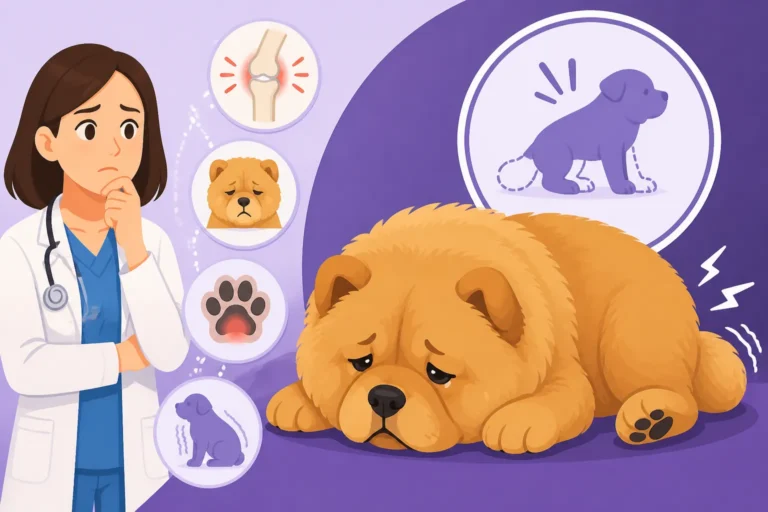
The Chow Chow's unique straight rear leg gives them a characteristic "stilted" gait, which can make it incredibly challenging to spot a limp or subtle lameness. What looks like their normal, somewhat deliberate movement might actually be a compensated effort to avoid pain. Conditions like Elbow Dysplasia Ranks the Chow Chow Near the Top or Hip Dysplasia in a Chow Chow are unfortunately prevalent in the breed, and the early signs can be incredibly subtle.
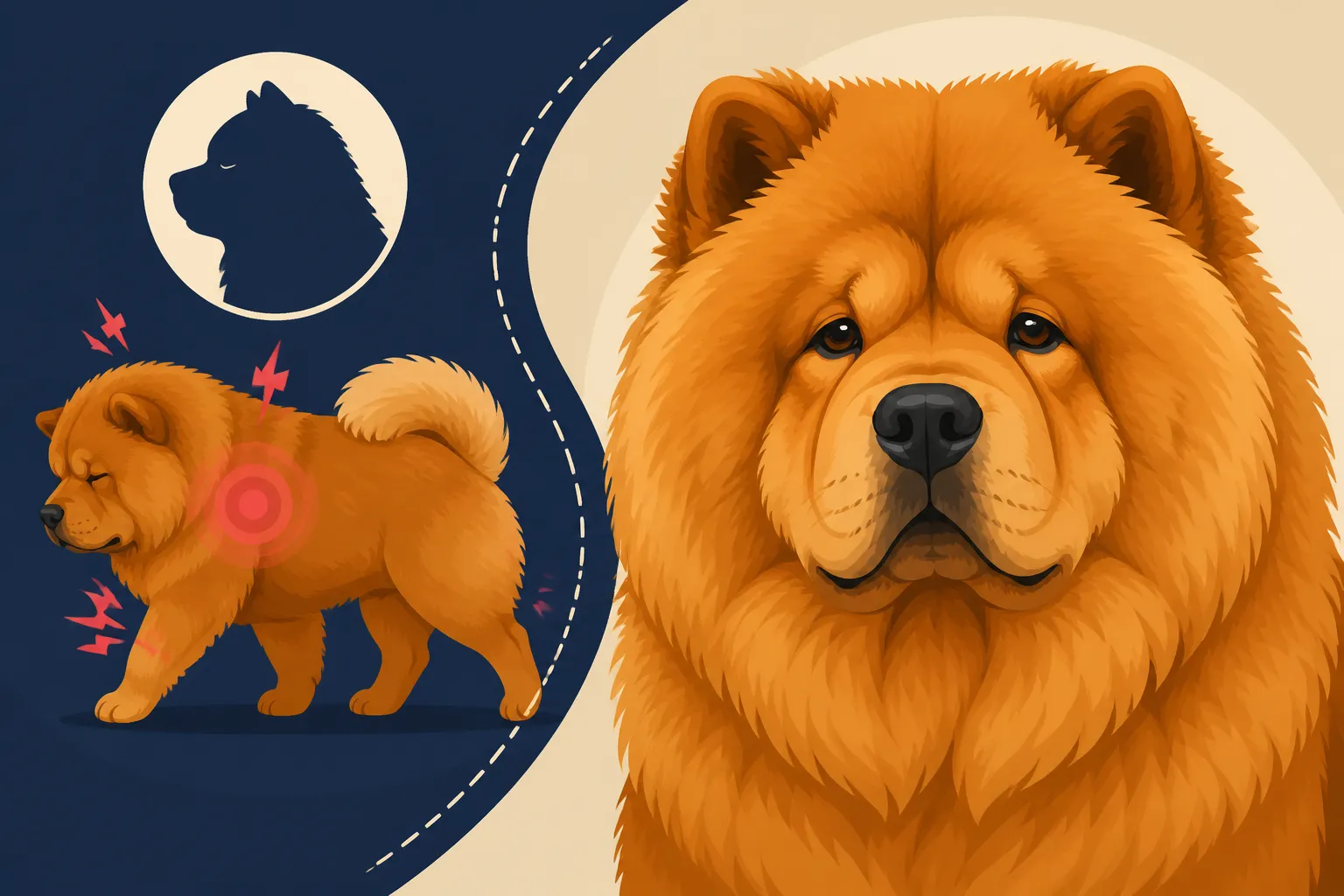
Look for changes in their normal routine. Do they hesitate before jumping onto the couch or into the car? Are they taking stairs slower, or trying to avoid them altogether? Even a slightly shorter stride, a minute shift in weight distribution, or a lack of fluidity in their typical trot can signal an underlying issue. You might notice them favoring one side when they lie down, or having difficulty settling into a comfortable position. These aren't always dramatic limps; sometimes it's just a general reluctance to move or a decreased range of motion that's barely perceptible.
Grooming Resistance and Skin Sensitivity
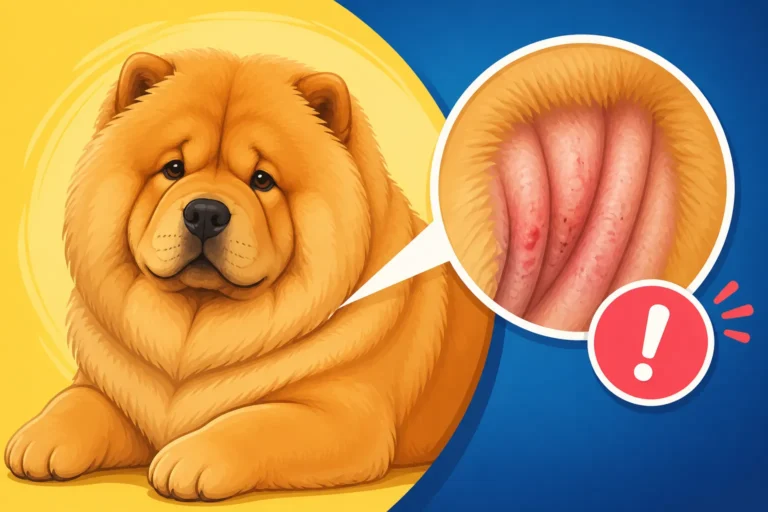
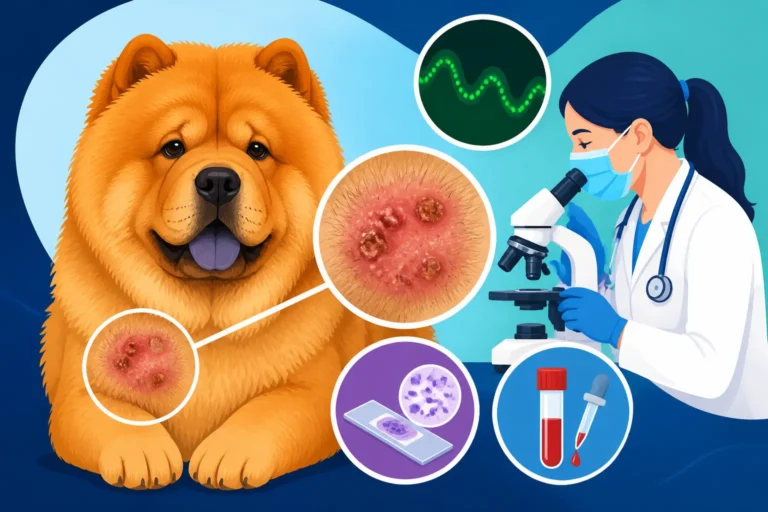
Chow Chows require diligent grooming, and while many tolerate it, an increase in resistance, especially in a particular area, can be a major red flag. Their thick double coat, designed to protect them from harsh weather, is also incredibly good at hiding skin irritations, lumps, or even inflammation. For instance, Why a Chow Chow's Dense Coat Hides Skin Disease is a well-known challenge for owners. You might only discover a hot spot or skin infection when you're deep-brushing and they flinch or snap unexpectedly.
If your Chow typically tolerates being brushed but now becomes agitated, growls, or tries to bite when you approach a specific area of their body – be it their hips, back, paws, or even their tail – it's a strong indicator of pain. This resistance isn't just about disliking grooming; it's a protective mechanism. They are trying to tell you that touching that spot hurts. Be particularly observant during their regular brushing sessions, as this is often when you'll feel subtle lumps, bumps, or areas of heat that indicate a problem.
Eye and Facial Indicators
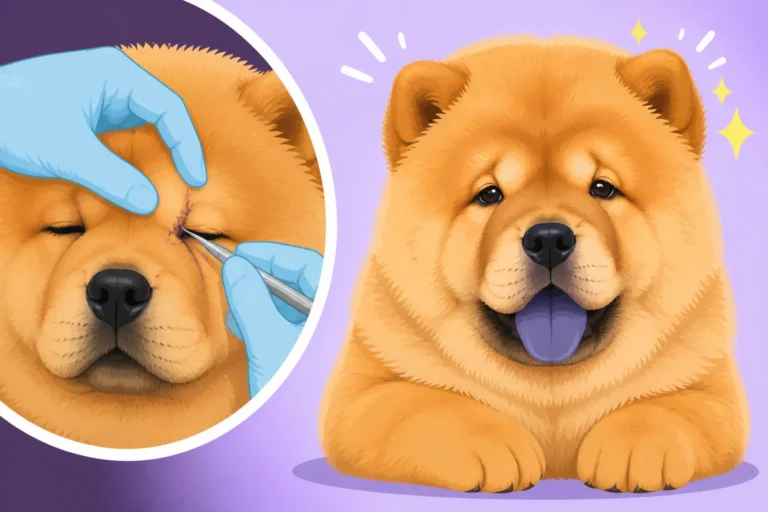
The Chow Chow's deep-set eyes and characteristic "scowl" are part of their breed standard, but these features can also mask signs of ocular pain or discomfort. It's easy to dismiss a bit of squinting or discharge as "just Chow Chow things," but these can actually be significant indicators. Conditions such as Entropion Is the Chow Chow's Signature Problem, where the eyelid rolls inward, or even the rapidly progressing Glaucoma Can Blind a Chow Chow in Days, often begin with subtle signs.
Keep an eye out for excessive tearing, redness in the whites of their eyes, or persistent discharge that seems more than usual. Your Chow might paw at their face more often, rub their head against furniture, or show increased sensitivity to light. While How a Chow Chow's Deep Set Eye Limits Its Vision is a known breed characteristic, any change in their visual acuity, bumping into objects, or hesitancy in navigating familiar spaces could also suggest eye pain or vision loss. Never assume eye issues are minor with a Chow; they can escalate quickly and cause immense discomfort.
Behavioral Shifts That Whisper of Discomfort
Beyond physical cues, subtle shifts in a Chow Chow's behavior, routine, and overall demeanor can be critical indicators of hidden pain. Because they are not typically demonstrative, these changes might be very quiet, requiring you to be highly attuned to their unique personality and daily habits. What might seem like a minor behavioral alteration could, in fact, be your Chow Chow's silent plea for help.
Changes in Appetite and Elimination Habits
A sudden and unexplained decrease in appetite is often one of the first and most noticeable signs of pain or illness in any dog, and Chow Chows are no exception. While they aren't always voracious eaters, a refusal of their favorite treat or a consistent disinterest in their usual meal can be a serious warning. Beyond just eating, observe how they eat. Are they having trouble bending down to their bowl? Is chewing painful? This could point to dental issues or even neck and back pain.
Changes in elimination habits can also signal discomfort. If your Chow Chow suddenly starts having accidents indoors after being perfectly housetrained, it's not necessarily a defiance issue. Pain, especially in the hips, back, or abdomen, can make it difficult for them to posture properly for urination or defecation. You might notice them straining, or a change in the frequency or consistency of their bowel movements, which can be related to conditions like Whether a Chow Chow Bloats or other gastrointestinal distress. Watch for these subtle signals, as they are often more reliable than a loud cry for help.
Increased Irritability or Reclusiveness
Chow Chows are known for their reserved and somewhat aloof temperament. However, a significant increase in irritability, grumpiness, or even uncharacteristic aggression can be a direct result of pain. A dog in pain often has a shorter fuse; they might snap or growl at family members or other pets for perceived slights that they would normally ignore. This is especially true if they are startled or if a painful area is touched unexpectedly. This connects directly to issues such as Why a Chow Chow Snaps at Someone It Did Not See, which pain can severely exacerbate.
Conversely, some Chows may become more reclusive, seeking solitude even more intensely than usual. If your Chow suddenly wants nothing to do with walks, games, or even your quiet presence, and instead retreats to a hidden corner or a different room for extended periods, it could be their way of signaling they don't feel well. They might also become less tolerant of being handled, touched, or even looked at directly. It's crucial not to punish these changes in behavior, as they are often a symptom of an underlying physical problem rather than a willful act.
Restlessness or Difficulty Finding a Comfortable Position
When a Chow Chow is in pain, especially joint or muscle pain, they may struggle to get comfortable. This can manifest as restlessness, even if they seem tired. You might observe them pacing, frequently getting up and lying back down, or circling their bed multiple times before settling (and often not for long). They might shift positions constantly while resting, unable to find a comfortable spot. This is particularly noticeable at night when the house is quiet, and their pain might become more apparent without the distractions of the day.
Sometimes, a Chow Chow will avoid lying on a specific side or prefer to stand for longer periods instead of lying down. They might also spend more time stretched out on cool, hard surfaces if they have generalized joint pain or are overheating. Observe their sleeping patterns; if they are usually sound sleepers but are now waking up frequently, groaning softly as they try to resettle, or panting excessively, these are strong indications that something is amiss.
Proactive Monitoring and When to Seek Veterinary Help
Given the Chow Chow's talent for masking discomfort, being proactive is not just a good idea—it's essential. Early detection and intervention can make a world of difference in their quality of life and the long-term prognosis for many health issues. You are their primary advocate, and understanding their unique needs is paramount.
Establishing a Baseline of Normal Behavior
The single most important tool you have for detecting pain in your Chow Chow is an intimate knowledge of their normal behavior. Every dog is an individual, and while Chows share common breed traits, each has their own quirks, habits, and tolerances. Pay close attention to their typical gait, appetite, sleep patterns, energy levels, and how they react to being touched in different areas of their body. What is their usual level of enthusiasm for a walk? How quickly do they eat their meals? How do they greet family members versus strangers?
Establishing this baseline means you'll be much quicker to notice even the most subtle deviations. I recommend conducting regular, gentle "body checks" at home, not just for grooming, but to familiarize yourself with their physical condition. Run your hands over their entire body, paying attention to any flinching, warmth, swelling, or sensitivity. This practice not only helps you detect problems but also desensitizes your Chow to being handled, which is invaluable during veterinary examinations.
Here's a quick checklist to help you monitor your Chow Chow's well-being:
| Area of Concern | Normal Chow Chow Behavior | Potential Pain Signal |
|---|---|---|
| Movement | Stilted, steady walk | Hesitation, limp, reluctance for stairs/jumps, slower pace |
| Appetite | Eats meals reliably | Skipping meals, refusal of treats, eating slower, picking at food |
| Temperament | Reserved, independent | Increased irritability, growling, hiding, avoiding touch, snapping |
| Grooming | Tolerates brushing | Flinching, growling, biting during brushing, excessive licking of a spot |
| Eyes/Face | Deep-set, "scowling" | Excessive squinting, discharge, pawing at face, redness, light sensitivity |
| Sleep | Sleeps soundly | Restlessness, pacing, difficulty settling, frequent position changes, disturbed sleep |
| Elimination | Consistent, easy posture | Straining, accidents, difficulty posturing, changes in frequency/consistency |
The Role of Regular Veterinary Check-ups and Early Intervention
Because Chow Chows are so skilled at hiding pain, regular veterinary check-ups are absolutely crucial, even if your dog seems perfectly fine. A vet can often detect subtle issues during a routine physical exam that you might miss at home. As Chows age, these check-ups become even more vital. Understanding Caring for a Chow Chow Past Eight or anticipating The Age a Chow Chow Is Considered Senior means preparing for more frequent vet visits.
Annual wellness exams, including blood work and sometimes urinalysis, can uncover internal problems like organ dysfunction or thyroid issues that contribute to discomfort long before outward signs become apparent. Be honest with your veterinarian about any minor changes you've observed, no matter how insignificant they seem. Because Chows can be wary of strangers and resistant to handling, sometimes a vet may recommend mild sedation to get a thorough, stress-free examination, as discussed in Whether a Chow Chow Needs Sedation for a Checkup. This ensures they can accurately assess your Chow without adding to their stress or discomfort.
Financial Preparedness for Unexpected Health Issues
Let's be realistic: treating pain and illness in any dog, especially a large breed like a Chow Chow, can become very expensive, very quickly. From diagnostic tests like X-rays, MRIs, and specialized blood panels, to medications, physical therapy, or even surgery, the costs can add up, making it feel like a heavy burden on top of the emotional stress of a sick pet. This is where forward planning makes a huge difference. Considering What a Chow Chow Costs Over Its Lifetime involves budgeting for potential health expenses.
Many Chow Chow owners find peace of mind and financial security through pet insurance. Companies like Healthy Paws offer comprehensive plans that can cover a significant portion of unexpected vet bills related to accidents and illnesses, including those that cause chronic pain. Having a policy with Healthy Paws in place before an issue arises can literally save you thousands of dollars and ensure your Chow Chow receives the best possible care without you having to make difficult financial decisions during an emergency. It's an investment in their health and your peace of mind. Without the worry of cost, you can focus on getting to the root of the problem and providing the necessary treatment. Explore options like Healthy Paws to protect your pet and your wallet.
Disclaimer
The information provided in this guide is for general educational purposes only and should not be considered a substitute for professional veterinary advice. Always consult with a qualified veterinarian for any health concerns or before making any decisions related to your Chow Chow's medical care.