Which Insurers List the Chow Chow as Restricted
Bringing a Chow Chow into your life is an incredible experience, but many prospective and current owners face an often-hidden hurdle: navigating the complex world of pet insurance and homeowner's liability. It's frustrating to find that your beloved fluffy companion, known for their dignity and loyalty, can be labeled as a "restricted breed" by insurance companies, leading to higher premiums, limited coverage, or even outright denial. This guide will walk you through why Chow Chows encounter these restrictions, the different types of insurance affected, and practical strategies to ensure your Chow Chow is properly covered without breaking the bank or sacrificing peace of mind.
Why Chow Chows Face Insurance Restrictions
It’s truly disheartening when an insurance company views your loving Chow Chow not as an individual dog, but as a risk statistic based purely on breed. This often stems from a combination of historical reputation, perceived temperament, and sometimes, even physical characteristics that can lead to certain health predispositions. It feels unfair, almost like guilt by association, when your well-behaved companion is painted with a broad brush.
Perceived Temperament and Bite Risk
Chow Chows have a reputation for being aloof, independent, and sometimes protective, which, in the wrong hands or without proper socialization, can manifest as guarding behavior. Insurance carriers often rely on data related to dog bite incidents, and unfortunately, some breeds, including Chow Chows, appear on lists associated with such claims. This isn't a reflection of every individual Chow Chow's nature, but rather a generalization that insurance actuaries use to assess potential risk. They see a powerful, compact dog with a strong will, and that translates into a higher perceived liability. It's particularly frustrating for owners who know their dogs are gentle and well-adjusted, but these individual traits are often overlooked in favor of broad breed categorization. The truth is, a dog's behavior is far more influenced by its upbringing, training, and socialization than by its breed alone, but insurance companies operate on a different set of metrics.
Historical Misconceptions and Breed Stereotypes
The history of the Chow Chow, which includes roles as guard dogs and hunters in ancient China, has unfortunately fed into some enduring misconceptions. While these dogs certainly have a protective instinct, it’s often directed at their immediate family and territory, not random aggression. However, the media and anecdotal stories can perpetuate stereotypes, portraying them as inherently aggressive or unpredictable. These narratives, often exaggerated or taken out of context, sadly influence public perception and, by extension, the insurance industry’s risk assessments. It's a battle against deeply ingrained perceptions, where the majestic lion-like appearance can sometimes work against them, implying a ferocity that isn't typically part of their calm, dignified temperament when properly raised.
The "Deep Set Eye" Factor and Breed-Specific Health Concerns
Beyond temperament, some physical traits and breed-specific health issues can also play a role, particularly when considering pet health insurance. Chow Chows are prone to certain conditions, such as Entropion Is the Chow Chow's Signature Problem, a condition where the eyelid rolls inward, causing irritation. They can also be susceptible to conditions like Glaucoma Can Blind a Chow Chow in Days and Elbow Dysplasia Ranks the Chow Chow Near the Top. While pet health insurance is different from liability insurance, the overall actuarial assessment of a breed can sometimes bleed into general perceptions. A breed known for potential health issues might be viewed as a higher overall cost risk, even if these are separate considerations. It’s a nuanced interplay of factors that often feels incredibly unfair to devoted Chow Chow parents.
Understanding the Different Types of Insurance and Your Chow Chow
When we talk about insurance for our dogs, it's really two distinct worlds: pet health insurance, which covers veterinary bills, and liability insurance, which is usually part of your homeowner's or renter's policy and covers damage or injury your dog might cause. It's critical to understand the distinction, because your Chow Chow might be perfectly insurable under one type while facing significant hurdles with the other.
Pet Health Insurance: What It Covers (and Doesn't)
Pet health insurance, much like human health insurance, helps you manage the cost of veterinary care. This can be a godsend for unexpected emergencies, illnesses, and even routine wellness, depending on the plan you choose. Many companies, like Healthy Paws or Ollie, offer various levels of coverage, from accident-only to comprehensive plans that include wellness visits, vaccinations, and dental care. For a Chow Chow, who might be prone to specific issues, having a good health insurance plan can be invaluable for managing conditions like What a Chow Chow's Corneal Ulcer Costs to Treat or chronic issues.
However, pet health insurance typically does not cover pre-existing conditions. This means if your Chow Chow was diagnosed with entropion before you got coverage, that specific condition likely won't be covered. It's why getting coverage early, ideally when your Chow Chow is a puppy, is so important. What it will cover are new accidents, illnesses, surgeries, medications, and sometimes even rehabilitation. The key is reading the fine print for exclusions, deductibles, reimbursement percentages, and annual limits. While pet health insurance doesn't usually "restrict" breeds in the same way liability insurance does, some companies might have higher premiums for breeds known for more health issues.
Homeowners and Renters Insurance: The Liability Angle
This is where Chow Chows often encounter the most significant restrictions. Homeowners and renters insurance policies include liability coverage, which protects you if someone is injured on your property or if your dog causes damage or injury to another person or their property, anywhere. This could be a visitor slipping on ice, or, pertinent to our discussion, your dog biting someone.
Insurance companies, based on their actuarial data of claims paid out, categorize certain breeds as "high-risk." The Chow Chow frequently appears on these lists. If your insurer has a restricted breed list and your Chow Chow is on it, you might face several outcomes:
- Policy Denial: Your application for insurance might be rejected outright.
- Exclusion: Your policy might be issued, but with a specific exclusion for dog-related liability incidents involving your Chow Chow. This means if your dog bites someone, your insurance company won't pay for medical bills or legal defense.
- Higher Premiums: Your policy might be approved, but at a significantly increased premium to offset the perceived risk.
- Cancellation: If you acquire a restricted breed after your policy is in effect and don't inform your insurer, they could cancel your policy if they find out.
This aspect of insurance is particularly stressful because it directly impacts your financial security and housing options. Whether a Landlord Can Refuse a Chow Chow often hinges on these very insurance restrictions, making finding suitable housing a challenge for Chow Chow owners.
The Impact of Breed Restrictions on Coverage
The impact of breed restrictions can be far-reaching. It’s not just about money; it's about peace of mind and the fundamental ability to own the dog you love. If your homeowner's policy excludes your Chow Chow, any incident, no matter how minor, could lead to devastating financial consequences. Imagine a scenario where your dog, startled by a sudden noise, nips a delivery person. Without coverage, you'd be personally responsible for all medical bills, potential lost wages, and legal fees. This financial exposure is precisely what liability insurance is designed to prevent.
Furthermore, these restrictions can impact your ability to move or rent. Many apartment complexes and homeowner associations (HOAs) also base their pet policies on insurance company restricted breed lists, regardless of the individual dog's history. It creates a challenging environment where responsible Chow Chow owners are penalized for their breed choice rather than their dog's actual behavior. It's a stark reminder that while pet health insurance is about protecting your wallet from vet bills, liability insurance is about protecting your entire financial future.
Navigating Homeowners and Renters Insurance with a Chow Chow
The truth is, finding homeowner's or renter's insurance when you own a Chow Chow can feel like navigating a minefield. Many reputable insurance providers have specific lists of breeds they consider high-risk, and the Chow Chow frequently finds its way onto these. It’s not a reflection of your individual dog, but rather a blanket policy based on statistical data that often doesn't tell the whole story.
Companies That List Chow Chows as Restricted Breeds
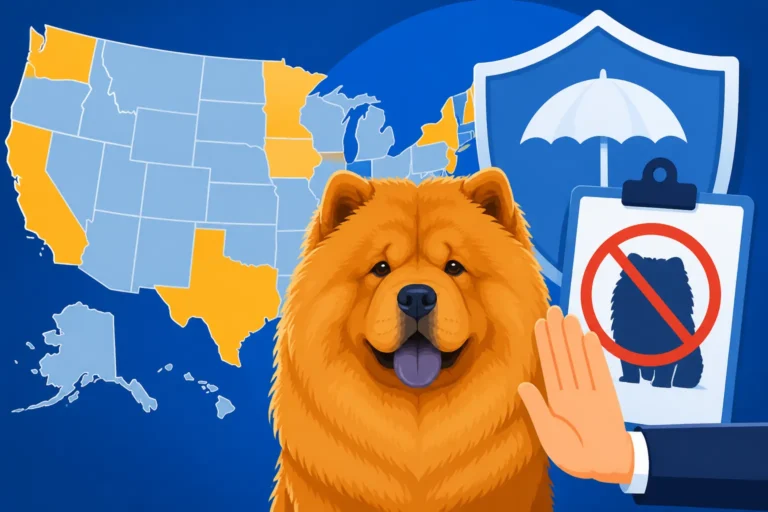
It's a common practice for many large insurance providers to maintain a "restricted breed" list, and the Chow Chow is almost invariably on it. These lists are not universal, but you'll find similar breeds appearing repeatedly. The exact reasons can be opaque, but they usually boil down to actuarial data on bite incidents and the severity of injuries. While I can't name specific current companies, many of the big-name national insurers often have policies regarding "aggressive breeds" that include Chow Chows. Some states have laws that prevent insurers from using breed-specific discrimination, but these are not widespread, leaving many owners struggling. It's crucial to understand that even if a company doesn't outright ban a breed, they might impose surcharges or specific exclusions that effectively amount to the same thing for your wallet or your coverage.
To give you an idea of how varied policies can be, here's a general comparison table. Remember, policies change, and this is a generalized view:
| Insurance Provider Type | Common Approach to Restricted Breeds (e.g., Chow Chows) | Potential Outcomes for Owners |
|---|---|---|
| Large National Carriers | Often have explicit restricted breed lists. | Denial of coverage, breed exclusions, higher premiums. |
| Regional/Smaller Insurers | May be more flexible, evaluate on a case-by-case basis. | Might offer coverage but with higher premiums; some may still deny. |
| Specialty Dog Liability | Designed specifically for high-risk breeds. | More likely to get coverage, but at a higher cost; may require a separate policy. |
| Online Aggregators | Can help compare policies, but final approval is by underwriter. | Useful for initial research, but doesn't guarantee acceptance. |
How Breed Restrictions Affect Your Policy and Premiums
If your Chow Chow is on your insurer's restricted list, you might find yourself in a tricky situation. The most severe consequence is an outright denial of coverage, leaving you unable to secure homeowner's or renter's insurance with that particular company. More often, you'll face a "dog bite exclusion" addendum to your policy. This means that while your home itself is covered against fire or theft, any incident involving your Chow Chow causing injury or property damage will not be covered by your liability insurance. You'd be on the hook for potentially hundreds of thousands of dollars in medical bills and legal fees.
Even if you manage to find an insurer willing to cover your Chow Chow, expect your premiums to be significantly higher. This increase is essentially the cost of the perceived risk, passed directly onto you. It’s not just a small bump; it can be a substantial amount that impacts your monthly budget. Furthermore, some policies might require you to take specific measures, like installing a higher fence, putting up warning signs, or even muzzle training your dog (regardless of its actual behavior), to qualify for coverage. This is a burdensome expectation for many responsible owners.
The Consequences of Undisclosed Ownership
It might be tempting to simply not mention your Chow Chow to your insurance company, especially if you're worried about denial or skyrocketing premiums. However, this is a dangerous game of risk that can have severe consequences. Insurance policies are contracts based on full disclosure of material facts. Your dog's breed and presence in your home are considered material facts because they directly impact the risk assessment.
If an incident occurs and your insurer discovers you have a restricted breed you failed to disclose, they have grounds to deny your claim entirely. Not only would you be personally liable for any damages or injuries, but your entire policy could be deemed void from inception due to misrepresentation. This means you could lose coverage for all perils, not just dog-related ones. You might also find it incredibly difficult to secure insurance from any other provider in the future, as you'd have a history of policy cancellation or claim denial due to non-disclosure. It's a path that can lead to being uninsured and financially vulnerable, which is simply not worth the gamble for any Chow Chow owner. Honesty, even if it's difficult, is always the best policy.
Finding Reliable Pet Health Insurance for Your Chow Chow
While homeowner's insurance is about liability, pet health insurance is all about your Chow Chow's well-being. Given that Chow Chows, like many purebreds, have specific health predispositions, investing in a good pet insurance policy can be one of the smartest financial decisions you make. It can truly ease the burden of unexpected veterinary costs, which as any seasoned Chow owner knows, can be substantial.
Comparing Coverage Options and Waiting Periods
Not all pet insurance plans are created equal, and it's essential to compare them carefully. You'll generally find a few tiers:
- Accident-Only: Covers injuries from accidents like broken bones or car accidents. This is usually the most affordable.
- Accident & Illness: The most common type, covering accidents plus a wide range of illnesses, from infections to cancer.
- Comprehensive/Wellness: Includes accident & illness coverage, plus a wellness rider for routine care like vaccinations, annual exams, and flea/tick prevention.
When comparing, look closely at:
- Deductibles: The amount you pay out of pocket before coverage kicks in.
- Reimbursement Percentage: The portion of the vet bill the insurer pays (e.g., 70%, 80%, 90%).
- Annual Limits: The maximum amount the policy will pay out in a year.
- Waiting Periods: Crucially, most policies have waiting periods before certain coverages begin. For accidents, it might be a few days; for illnesses, it could be weeks or even months. Orthopedic conditions like Hip Dysplasia in a Chow Chow or Elbow Dysplasia Ranks the Chow Chow Near the Top often have longer waiting periods. If your Chow Chow develops an issue during this time, it will be considered pre-existing and won't be covered. This is why enrolling your puppy early is vital.
Companies like Healthy Paws and even pet care sections on sites like Chewy often provide tools to compare different plans and get quotes, which is a great starting point for your research.
The Importance of Early Enrollment
I cannot stress this enough: enroll your Chow Chow in pet health insurance as early as possible. The primary reason is pre-existing conditions. If your dog is diagnosed with any health issue before or during the policy's waiting period, that specific condition will likely be excluded from future coverage. For a breed like the Chow Chow, where Entropion Is the Chow Chow's Signature Problem often manifests in puppyhood, having coverage in place before diagnosis can save you thousands.
Imagine getting a Chow Chow puppy and noticing them squinting a few weeks later. If you don't have insurance yet, or if you're within the waiting period, any diagnosis of entropion or a resulting corneal ulcer would be considered pre-existing. This means the costs for How Entropion Is Repaired in a Chow Chow would come entirely out of your pocket. Enrolling a healthy puppy, ideally as soon as you bring them home (after their initial vet check, of course), gives you the best chance to have all future, unexpected health issues covered. It's an investment in your Chow Chow's long-term health and your financial peace of mind.
How to Work Around Breed-Specific Exclusions (If Any)
While pet health insurance doesn't typically have the same "restricted breed" lists as liability insurance, some plans might have specific exclusions or limitations for conditions common to certain breeds, or they might charge higher premiums based on breed data. If you encounter a plan that explicitly excludes a condition known to Chow Chows (like certain eye or joint issues), you might need to reconsider that specific plan.
However, most reputable pet insurance providers focus on covering unforeseen accidents and illnesses, regardless of breed. The "workaround" here is less about fighting breed restrictions and more about smart shopping:
- Read Policies Thoroughly: Understand what is and isn't covered, paying special attention to genetic and hereditary conditions.
- Get Multiple Quotes: Don't settle for the first quote. Compare options from several providers like Healthy Paws or plans offered through Ollie.
- Consider a High-Deductible Plan: If premiums are a concern, a higher deductible can lower your monthly payments, making coverage more accessible for common issues while still providing a safety net for major events.
- Early Enrollment is Key: As mentioned, this is your best defense against pre-existing condition exclusions, which is the most common "breed-specific" challenge in pet health insurance.
By being proactive and diligent, you can find a reliable pet health insurance plan that provides comprehensive coverage for your beloved Chow Chow, allowing you to focus on their care rather than stressing over veterinary bills.
Strategies for Insuring Your Chow Chow
It's clear that insuring a Chow Chow can present unique challenges. But don't despair! There are definite strategies you can employ to increase your chances of securing coverage and managing costs effectively, ensuring your majestic companion is protected.
Researching Breed-Friendly Providers
The first and most critical step is to actively seek out insurance companies that do not have blanket breed restrictions or are more flexible in their underwriting. This often means looking beyond the largest, most conventional insurers. Start with:
- Specialty Pet Insurance Carriers: Some companies focus solely on pet insurance and may have different risk assessments than large carriers with diverse portfolios.
- Smaller, Regional Insurers: Local or regional insurance companies sometimes have more flexibility and may be willing to evaluate your specific situation rather than adhering strictly to national breed lists.
- Online Comparison Sites: Use online tools to get multiple quotes, but be prepared to follow up with each provider directly to confirm their specific breed policies. When looking for pet health insurance, even providers like Chewy sometimes partner with insurance companies, and they can be a good starting point for exploring options that might be more accommodating.
When you contact potential insurers, be upfront about owning a Chow Chow. Ask direct questions: "Do you have a restricted breed list? Is the Chow Chow on it? If so, what are my options?" Be persistent, as finding the right fit might take some time and several inquiries. It's better to be honest and find a willing insurer than to face consequences later.
Mitigating Risk with Training and Socialization
While insurance companies rely on broad statistics, you can demonstrate that your Chow Chow is a responsible, well-behaved member of society, potentially influencing a more flexible insurer or strengthening your case for appeal. A well-trained and socialized Chow Chow is less likely to be involved in incidents that lead to insurance claims.
- Professional Training: Enrolling your Chow Chow in obedience classes, especially those focused on positive reinforcement, can make a huge difference. A well-mannered dog is safer and happier. Consider certifications like the Canine Good Citizen (CGC) award from the AKC. While not a guarantee, having such a certification can sometimes be presented to an insurer as evidence of responsible ownership and a well-adjusted dog.
- Early Socialization: As discussed in Why Early Socialization Decides What a Chow Chow Becomes, exposing your Chow Chow puppy to a variety of people, places, sounds, and other calm, vaccinated dogs during their critical socialization window is paramount. This helps them develop into confident, stable adults, reducing the likelihood of fear-based reactions.
- Muzzle Training: Even if your dog has never shown aggression, teaching your Chow Chow to calmly accept wearing a muzzle (as covered in Teaching a Chow Chow to Wear a Muzzle) can be a responsible safety measure for vet visits or public outings, and it demonstrates responsible ownership.
- Secure Containment: Ensure your home and yard are secure. A fully fenced yard that your Chow Chow cannot escape from, and proper leash protocols during walks, are essential to prevent incidents.
While these measures may not instantly change a company's restricted breed policy, they portray you as a highly responsible pet owner, which might sway some more flexible underwriters or be beneficial if you ever need to appeal a decision.
Exploring Alternative Insurance Solutions
If traditional routes for liability insurance prove difficult, don't give up. There are other options:
- Umbrella Policies: An umbrella liability policy can provide additional liability coverage beyond what your homeowner's policy offers. These policies sometimes have more lenient breed restrictions or can be purchased to cover a gap left by a breed-specific exclusion in your primary policy. However, it typically requires you to have underlying homeowner's insurance in place, so it's not a standalone solution.
- Canine Liability Insurance: A few specialty companies offer standalone canine liability policies. These are specifically designed to cover dog-related incidents and are often more willing to insure "restricted breeds," albeit at a higher cost. This can be a vital option if your primary insurer issues an exclusion.
- Self-Insurance/Emergency Fund: For pet health insurance, if premiums are prohibitive, or if you prefer not to insure, creating a dedicated emergency savings fund for your Chow Chow's health needs is crucial. Set aside money regularly into an account specifically for vet bills. This way, when those inevitable unexpected costs arise (and they will arise over The Eight to Twelve Years a Chow Chow Gets), you're prepared. You can't truly self-insure for liability, though, as a single large claim could exceed any personal savings.
Insuring a Chow Chow requires a proactive, multi-pronged approach. By being diligent in your research, demonstrating responsible ownership, and exploring all available avenues, you can provide the necessary protection for both your beloved Chow Chow and your financial well-being. It's about finding creative solutions in a system that sometimes feels unfairly biased against these wonderful dogs.
What to Do If You're Denied or Face High Premiums
It can feel incredibly frustrating, even insulting, to be denied insurance or slapped with exorbitant premiums simply because of your Chow Chow's breed. It's easy to feel defeated, but remember, this isn't a judgment on your dog or your ownership. It's a business decision based on statistics, and you have avenues to explore.
Appealing a Denial or Seeking a Second Opinion
If you receive a denial or a quote that seems unreasonably high, don't just accept it.
- Understand the Reason: First, ask for the specific reason for the denial or the premium hike. Is it a blanket breed restriction? Is it based on past claims data for the area? Knowing the why helps you formulate a response.
- Gather Documentation: If you've invested in training, have a Canine Good Citizen certificate, or your Chow Chow has a clean bill of health with no history of aggression, gather that documentation. Proof of good temperament, professional training certificates, and vet records can all paint a picture of a responsible owner and a well-adjusted dog.
- Submit an Appeal (If Applicable): Some larger insurers have an appeals process. If so, write a concise, professional letter detailing why your situation should be an exception. Include all your supporting documents. Emphasize your commitment to responsible ownership and your dog's specific temperament.
- Seek a Second (or Third) Opinion: Even if one insurer says no, another might say yes. Policies vary widely. This is where researching breed-friendly providers really comes into play. Don't be afraid to call different agencies and brokers; independent agents often work with multiple carriers and can help you navigate different options that might not be available through direct sales.
Self-Insuring and Budgeting for Unexpected Costs
While you should always strive for liability insurance, if finding pet health insurance proves too challenging or expensive, establishing a robust emergency fund specifically for your Chow Chow is a non-negotiable step.
- Dedicated Savings Account: Open a separate savings account and contribute to it regularly, just as you would pay an insurance premium. Aim for a significant buffer to cover major emergencies, like surgery for a cruciate tear or extensive treatment for an autoimmune disease. Think about What Heat Stroke Costs to Treat in a Chow Chow or What Elbow Surgery Costs on a Chow Chow could run you.
- Budget for Routine Care: Beyond emergencies, factor in annual vet check-ups, vaccinations, parasite prevention, and quality food into your regular budget. Websites like Chewy can help you source food and supplies, making it easier to manage these recurring costs.
- Consider a Payment Plan with Your Vet: Many veterinary clinics understand financial constraints and offer payment plans for larger bills. It's always worth asking if this is an option for unexpected expenses.
- Preventive Care is Key: Regular check-ups and proactive care can prevent minor issues from becoming major, costly problems. Keep your Chow Chow at a healthy weight to reduce stress on joints, and ensure their coat is well-maintained to avoid skin issues.
This isn't just about money; it's about being a responsible Chow Chow owner, prepared for the full range of potential costs that come with owning a dog over What a Chow Chow Costs Over Its Lifetime.
Advocating for Your Breed
Finally, consider becoming an advocate. The reason breed restrictions persist is often due to outdated data and public perception.
- Support Breed-Specific Rescues: These organizations are often at the forefront of educating the public and working with insurers. Adopting a Chow Chow from a rescue can sometimes provide benefits, as rescues often have established relationships with veterinarians and can provide comprehensive health histories. What a Chow Chow Rescue Adoption Fee Covers often includes initial vet care and sometimes even behavioral assessments.
- Educate Others: When opportunities arise, politely educate friends, family, and even professionals about the true nature of the Chow Chow: a dignified, loyal, but independent companion who thrives with proper care and socialization. Highlight their calm nature and unique bond, as described in The Chow Chow Bonds to One Person and Tolerates the Rest.
- Join Breed Clubs and Associations: Organizations like the Chow Chow Club of America work to promote responsible ownership, health testing (which, like What a Chow Chow Breeder Should Have Tested, helps ensure healthier lines), and positive public perception of the breed. Being part of such a community provides resources, support, and a collective voice.
- Contact Your Legislators: In some areas, advocating for breed-neutral insurance laws or supporting initiatives that promote individual dog assessment over breed bans can make a long-term difference.
While facing insurance hurdles for your Chow Chow can be disheartening, remember that many dedicated owners navigate this successfully. With diligence, research, preparation, and perhaps a little advocacy, you can ensure your beloved Chow Chow is well-protected throughout their life.
Disclaimer
This article is for general informational purposes only and does not constitute professional advice. Laws, prices and regulations vary by location and change over time. Consult a qualified professional for guidance on your specific situation.