What a Chow Chow’s Sedated Exam Costs
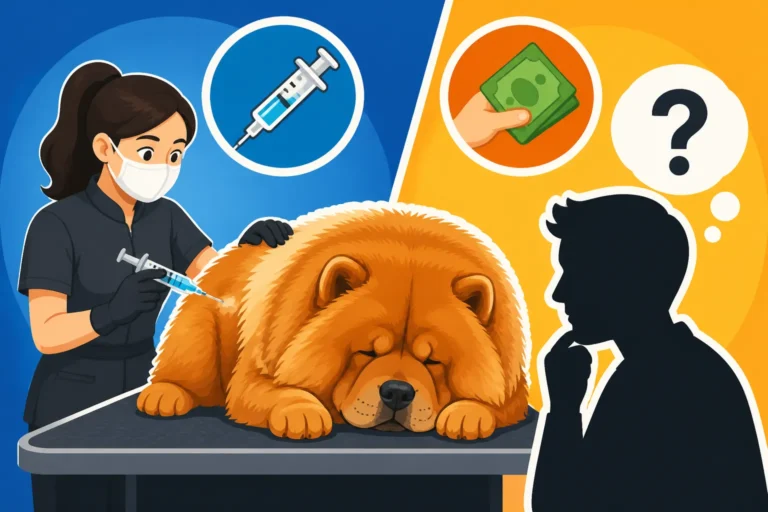
It’s a scenario many Chow Chow owners know all too well: your vet needs a closer look, perhaps at a suspicious lump nestled deep in that glorious coat, or to truly examine those often-obscured eyes, and the suggestion of sedation comes up. Suddenly, a routine exam sounds much more serious, and naturally, your mind immediately goes to the cost. This guide will walk you through why a sedated exam might be necessary for your dignified companion, what goes into the expense, and how you can prepare for it without feeling completely overwhelmed.
Why Sedation is Often Necessary for a Chow Chow Exam
Let's be honest, Chows aren't always the most cooperative patients at the vet's office. Their independent spirit, combined with some unique physical traits, can make a thorough examination a real challenge, even for the most patient veterinarian. It's not about them being "bad dogs"; it's just who they are, and sometimes, a little help is needed to ensure they get the best possible care.
The Chow Chow's Reserved Nature and Handling Challenges
Chow Chows are known for their aloofness and strong guarding instincts. They bond deeply with their chosen person but can be wary or outright resistant to strangers, including veterinary staff. This isn't aggression for aggression's sake; it's often a protective instinct or simply a refusal to be manhandled. Trying to force a Chow Chow into an uncomfortable position for an exam can be incredibly stressful for the dog, the owner, and the veterinary team. It can lead to a negative association with the vet, making future visits even harder. Why a Chow Chow Is Hard to Examine at the Vet delves deeper into these behavioral nuances.
Furthermore, many Chow Chows dislike having their feet, ears, or hindquarters touched. This makes routine procedures like nail trims, ear cleanings, or even checking anal glands, which are often part of a standard exam, extremely difficult. When a dog is stressed and potentially reactive, a quick, efficient, and safe examination is nearly impossible. Sedation removes that stress, allowing the vet to do their job without causing fear or escalating an already tense situation. It's about ensuring safety for everyone involved and getting an accurate picture of your dog's health.
Deep-Set Eyes and Dense Coats: Hiding Ailments
The Chow Chow's distinctive physical features, while beautiful, can inadvertently hide significant health issues, making a close inspection critical but also challenging. Their glorious, dense double coat, especially in the rough-coated variety, can conceal skin conditions, lumps, or weight changes. A vet might struggle to palpate lymph nodes, feel for organ enlargement, or even assess body condition accurately beneath all that fur. How a Chow Chow's Coat Hides Weight Loss is a great read if you've ever wondered how much those layers hide.
Then there are those soulful, deep-set eyes, which are unfortunately prone to conditions like entropion. Why a Chow Chow's Deep Set Eye Causes Trouble explains why these eyes are a concern. Examining them requires careful manipulation of the eyelids and often specialized equipment, which is nearly impossible if your Chow is squirming or trying to nip. Without sedation, a vet might only get a cursory glance, missing subtle signs of pain, inflammation, or early stages of serious eye diseases like glaucoma. A sedated exam allows for a detailed ophthalmic check, crucial for a breed with such ocular predispositions.
Minimizing Stress and Ensuring Thoroughness
Ultimately, the decision to sedate for an exam comes down to welfare and diagnostic accuracy. Forcing a nervous or defensive Chow Chow through an examination can be deeply traumatic. It elevates their heart rate, blood pressure, and cortisol levels, which can mask symptoms or even worsen existing conditions. A calm, sedated patient allows the vet to perform a thorough, unhurried examination.
This thoroughness means they can check every tooth, inspect every ear canal, palpate every joint, and visually examine every inch of skin without resistance. It provides the best chance of catching problems early, from subtle signs of arthritis that a Chow Chow might hide effectively to tiny skin lesions hidden beneath their ruff. While the idea of sedation can be worrying for owners, it's often the kindest and most effective path to truly understanding your Chow Chow's health, ensuring nothing important is missed. How a Chow Chow Hides Pain further illustrates why a thorough exam is so important for this stoic breed.
Components of a Sedated Veterinary Exam
A sedated exam isn't just about giving a quick shot and then poking around. It's a carefully planned procedure involving several steps, each with its own associated costs, all aimed at ensuring your Chow Chow's safety and the effectiveness of the examination. Understanding these components can help demystify the bill.
Pre-Sedation Assessment and Bloodwork
Before any sedation is administered, your vet will conduct a thorough pre-sedation assessment. This includes a physical examination to check heart and lung sounds, gum color, and general hydration. The goal is to identify any pre-existing conditions that might make sedation risky. Equally important is pre-anesthetic bloodwork. This typically involves a complete blood count (CBC) to check red and white blood cell levels, and a biochemistry panel to assess organ function, especially the kidneys and liver, which metabolize the sedative drugs.
These tests are crucial because they can flag underlying issues that aren't apparent from an external exam, like early kidney disease or anemia. If the bloodwork reveals abnormalities, the vet might need to adjust the sedation protocol, choose different medications, or even postpone the procedure until the underlying issue is addressed. While an added expense, this step is non-negotiable for your Chow Chow's safety. For a deeper dive into these initial checks, you might find What a Chow Chow's Anesthesia Panel Costs to be a helpful resource.
The Sedation Protocol Itself
The sedation protocol refers to the specific combination and dosage of medications used to achieve the desired level of calm and unconsciousness. This isn't a "one size fits all" approach; your vet will tailor it to your Chow Chow's individual needs, considering their age, weight, general health, and the nature of the examination. Some Chow Chows might only need light sedation for a quick nail trim, while others require deeper sedation for a full dental cleaning or extensive diagnostics.
The cost for the sedation protocol includes the drugs themselves, which vary in price, and the time of the veterinary staff to administer and monitor the initial effects. Different clinics use different combinations of sedatives, analgesics (pain relievers), and reversal agents, all contributing to the overall cost. The goal is always to use the lowest effective dose to minimize risks while ensuring your Chow Chow remains comfortable and still for the examination.
The Comprehensive Physical Exam
Once your Chow Chow is safely sedated, the real work of the comprehensive physical exam begins. This is where the vet can finally get their hands on your dog without resistance. They can perform a detailed head-to-tail check, including:
- Oral Examination: A thorough look at teeth, gums, tongue, and the roof of the mouth – crucial for Chows, who often hide dental pain.
- Eye Examination: A detailed inspection of the eyelids, cornea, lens, and retina, often using specialized lights and magnifiers to check for conditions like entropion, corneal ulcers, or early signs of glaucoma. Whether a Chow Chow Needs a Yearly Eye Exam covers the importance of these checks.
- Ear Examination: Cleaning and examining the ear canals for infection, mites, or foreign bodies, which can be challenging on a conscious Chow.
- Skin and Coat: A meticulous check for lumps, bumps, skin infections, parasites, or allergic reactions hidden by their thick fur.
- Musculoskeletal: Palpating joints, checking range of motion, and feeling for any signs of arthritis, dysplasia, or injuries, which can be hard to assess on a dog with a naturally stiff gait.
- Abdominal Palpation: Feeling the internal organs for any abnormalities or discomfort.
This thoroughness is why the sedated exam offers unparalleled diagnostic value. It's not just a quick once-over; it's a deep dive into your Chow Chow's physical well-being.
Factors Influencing the Cost of Sedation and Exam
When you look at the final bill for a sedated exam, it’s rarely just one line item. Several factors come into play, from where you live to your Chow Chow's specific health needs, all contributing to the total cost. Understanding these can help you anticipate the expense.
Geographic Location and Clinic Type
Just like human healthcare, veterinary costs can vary significantly based on geographic location. Urban centers, for example, tend to have higher overheads—rent, utilities, staff salaries—which translate into higher service fees compared to rural areas. A sedated exam in New York City or Los Angeles will likely cost more than the same procedure in a smaller town in the Midwest. It’s simply the reality of regional economics.
The type of veterinary clinic also plays a role. A general practice clinic will have a different fee structure than a specialty animal hospital that offers advanced diagnostics, 24-hour monitoring, or board-certified veterinary anesthesiologists. While a regular vet can certainly handle most sedated exams, if your Chow Chow has complex underlying health issues or specific concerns, a specialist might be recommended, which will naturally incur higher costs. It's always a good idea to call around for estimates if you have the option, remembering that the cheapest option isn't always the best when it comes to your pet's health.
Your Chow Chow's Size, Age, and Health Status
Your individual Chow Chow's characteristics are major determinants of the cost. Larger dogs generally require higher doses of sedative medications, which means more drug cost. While Chows aren't giant breeds, they are substantial dogs, and their dosages reflect that. An older Chow Chow, particularly one nearing The Age a Chow Chow Is Considered Senior, or one with pre-existing health conditions like heart murmurs, kidney disease, or a history of adverse reactions to anesthesia, will require a more conservative and often more expensive sedation protocol. This could mean more advanced pre-sedation bloodwork, specific types of medications, and extended monitoring.
A Chow Chow who is considered very healthy and young might have a simpler and therefore less expensive sedation plan. However, a Chow with a history of seizures or a difficult temperament might need more specialized sedative agents or a longer induction period, all adding to the overall expense. The goal is always to prioritize safety, and sometimes that means investing more in a tailored approach for your unique dog.
Anesthesia Monitoring and Recovery
The actual sedation and physical exam are only part of the process. The time your Chow Chow spends under the influence of sedatives, from induction to full recovery, requires constant monitoring, and this contributes significantly to the cost. During sedation, veterinary technicians will monitor vital signs such as heart rate, respiratory rate, blood pressure, oxygen saturation, and body temperature. This monitoring is often performed with specialized equipment that provides real-time data, allowing the vet to respond immediately to any changes.
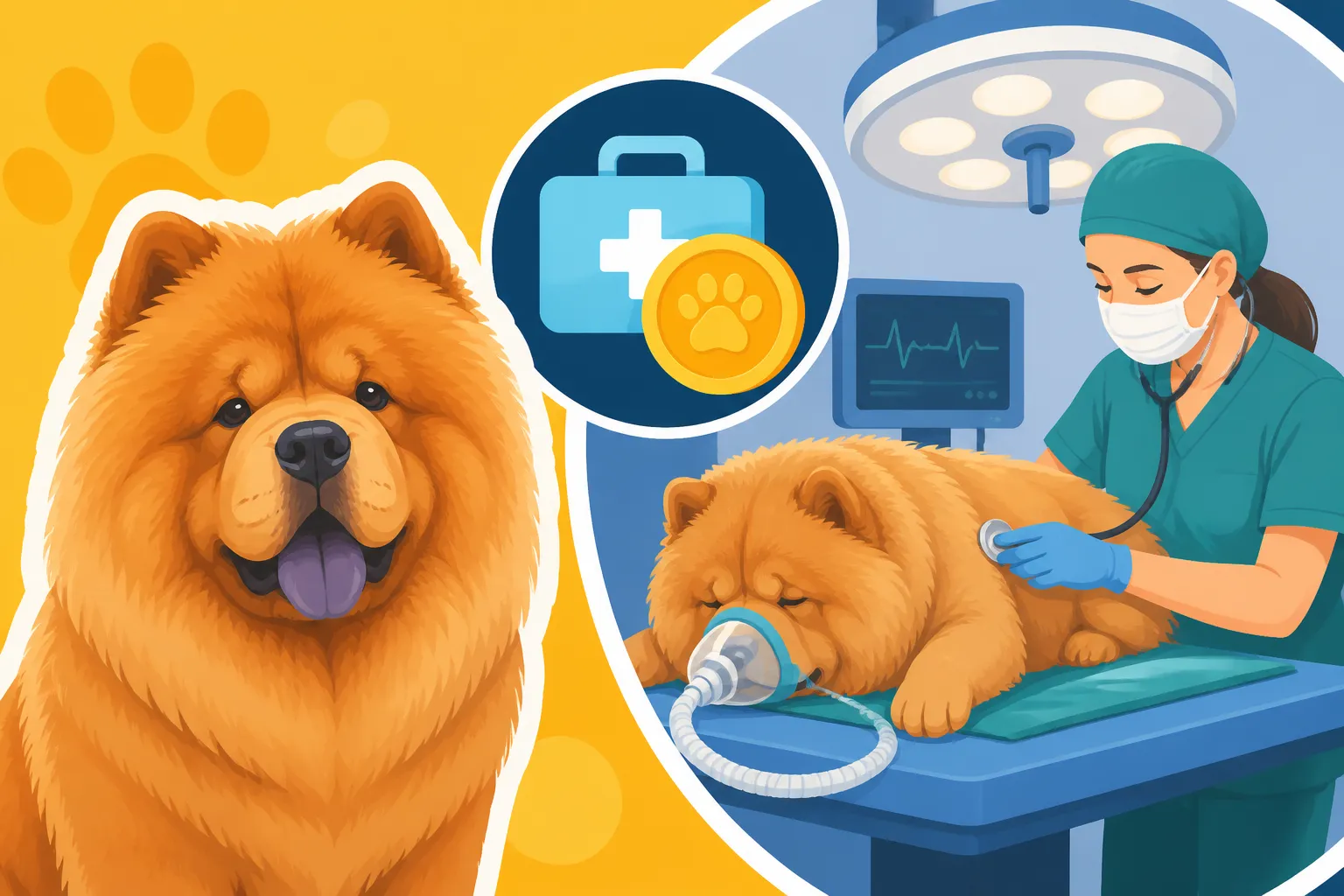
After the exam, your Chow Chow will need time to recover in a safe, quiet, and warm environment. This recovery period is crucial as the sedative drugs wear off, and staff continue to monitor them closely for any lingering effects or complications. The cost includes the staff's time for this continuous observation, the use of monitoring equipment, and any warming blankets or IV fluids that might be necessary to support your dog through the process. Think of it as an intensive care period, ensuring your beloved companion wakes up safely and comfortably. Whether a Chow Chow Tolerates Anesthesia is a good read if you're concerned about this aspect.
Beyond the Exam: Potential Additional Costs
While the sedated exam itself has its price, it's important to be prepared for the possibility of additional costs. The whole point of a thorough examination is to uncover issues, and sometimes, those discoveries lead to further diagnostics or treatments that weren't initially planned.
Diagnostics Uncovered During Sedation
One of the primary reasons for a sedated exam is to thoroughly investigate symptoms or concerns that couldn't be properly assessed when your Chow Chow was awake. If the vet finds something suspicious during the exam—say, an unexpected lump, dental disease, or a painful joint—they will likely recommend further diagnostics while your Chow Chow is still sedated. This is often the most practical and humane approach, as it avoids having to sedate your dog a second time.
These additional diagnostics could include:
- Radiographs (X-rays): To examine bones (e.g., for Hip Dysplasia in a Chow Chow or elbow problems), chest (for heart or lung issues), or abdomen (for organ enlargement or foreign bodies).
- Ultrasound: For a more detailed look at soft tissues and organs.
- Biopsies: Taking a small tissue sample from a lump or abnormal area for laboratory analysis.
- Blood or Urine Tests: More specialized tests beyond the pre-sedation panel if specific issues are suspected.
Each of these additional procedures will have its own cost, added to the initial exam and sedation fee. While it can be a surprise, remember that addressing these issues promptly is in your Chow Chow's best interest.
Concurrent Procedures or Treatments
Often, a sedated exam is combined with other procedures that are also difficult to perform on a conscious Chow Chow. If your dog is already sedated, it's an excellent opportunity to take care of necessary maintenance or minor treatments. Common concurrent procedures might include:
- Dental Cleaning: What a Chow Chow's Sedated Dental Costs explains that most dental work requires sedation to be thorough and safe.
- Professional Nail Trim: For Chows who are particularly resistant to nail trims, being sedated allows the vet or tech to safely trim nails deeply without causing stress or injury.
- Ear Cleaning and Plucking: If your Chow Chow has excessive hair in their ear canals or a chronic ear infection, sedation allows for a much more thorough cleaning and treatment.
- Minor Lump Removals: Very small, superficial masses might be removed and biopsied during the same sedation if deemed appropriate by the vet.
Discussing these potential add-ons with your vet beforehand can help you budget and ensure all necessary care is addressed in one go, rather than needing multiple sedation events down the line. It's often more cost-effective and certainly less stressful for your Chow Chow.
Emergency Considerations
While rare, it's important to be aware that any sedation carries a degree of risk, even with thorough pre-assessment and monitoring. Although modern veterinary medicine has made sedation very safe, unexpected reactions or complications can occur. These might include an allergic reaction to medication, an unexpected drop in blood pressure, or respiratory distress.
In such cases, the veterinary team will need to provide immediate emergency care to stabilize your Chow Chow. This could involve additional medications, IV fluids, oxygen support, or even overnight hospitalization. These emergency interventions come with significant additional costs. While no one wants to think about these possibilities, a responsible pet owner should be aware that they exist, however unlikely, and factor them into their financial preparedness. Having a robust pet insurance policy like those offered by Healthy Paws can be a real lifesaver in these unexpected situations.
Managing the Expense: Insurance and Budgeting
The costs associated with a sedated exam and any follow-up care can be substantial, and it’s completely understandable to feel concerned about the financial aspect. Fortunately, there are ways to prepare and manage these expenses, ensuring your Chow Chow gets the care they need without breaking the bank.
Understanding Pet Insurance Coverage
Pet insurance can be a fantastic tool for managing unexpected veterinary costs, including those for sedated exams and subsequent diagnostics. However, it's crucial to understand what your policy covers. Most accident and illness policies will cover the costs of a sedated exam if it's deemed medically necessary due to an injury or illness. This includes the sedation, the exam itself, diagnostic tests like X-rays or bloodwork, and any treatments for newly diagnosed conditions. Companies like Healthy Paws offer comprehensive plans that can cover a wide range of these unexpected veterinary bills.
However, many policies have waiting periods, so it's best to enroll your Chow Chow when they are young and healthy. Also, pre-existing conditions are typically not covered. This means if your Chow Chow already has a diagnosed eye condition like entropion before you get insurance, the sedated exam and subsequent treatment for that specific condition might be excluded. Wellness plans, which are sometimes offered as add-ons, might cover routine exams and vaccinations, but usually not the additional cost of sedation unless specifically bundled. Always read your policy documents carefully or call your provider to clarify coverage for sedated exams. Whether Insurance Covers a Chow Chow's Entropion is a helpful read for specific condition coverage.
Payment Plans and Veterinary Financing
If you don't have pet insurance or if your policy doesn't cover a particular expense, don't despair! Many veterinary clinics understand the financial burden of unexpected care and offer payment solutions. Some clinics have in-house payment plans that allow you to pay off a balance over several weeks or months. This usually requires an initial down payment and regular installments.
Another popular option is veterinary financing services, such as CareCredit or Scratchpay. These are essentially credit cards specifically designed for healthcare costs, offering deferred interest or low-interest payment plans for a set period. Approval usually depends on your credit history. Always inquire with your veterinary clinic about what options they provide or recommend. It's much better to discuss financial concerns upfront than to be surprised by a large bill. Many online pet supply retailers, like Chewy, also offer options for purchasing medications or special diets that your vet might prescribe, sometimes at a lower cost than directly from the clinic.
Proactive Care and Regular Check-ups
While a sedated exam might seem like a significant expense, proactive, preventative care can actually save you money in the long run by catching problems before they become critical and more expensive to treat. Regular wellness exams, even if they aren't sedated, allow your vet to establish a baseline of health for your Chow Chow. What a Chow Chow's Yearly Exam Costs can give you an idea of standard check-up expenses.
Staying on top of vaccinations, parasite prevention, and good nutrition (perhaps even exploring premium food options like Ollie for optimal health) contributes to overall well-being. A well-socialized Chow Chow who is comfortable with basic handling might also require less extensive sedation or fewer sedated procedures over their lifetime. Consider starting early with training to make vet visits easier; Teaching a Chow Chow to Stand for an Exam provides tips for this. While some issues, like entropion or elbow dysplasia, might be genetic and unavoidable, maintaining your Chow Chow's general health can make any necessary procedures safer and less complicated, ultimately reducing the overall cost of care throughout their The Eight to Twelve Years a Chow Chow Gets.
Table of Estimated Sedated Exam Cost Components
Understanding where your money goes can help you budget better. Please note these are general descriptions of costs, and actual figures will vary widely based on location, clinic, and your Chow Chow's specific needs.
| Component | Description | Cost Shape (Relative) |
|---|---|---|
| Pre-Sedation Assessment | Vet consultation, initial physical exam, health history review. | Moderate |
| Bloodwork (Pre-Anesthetic) | CBC, chemistry panel to assess organ function and red/white blood cells. | Moderate to High |
| Sedative Medications | Cost of drugs used for sedation, tailored to weight and health. | Moderate |
| IV Catheter & Fluids | Placement of IV line, administration of fluids to maintain hydration/BP. | Low to Moderate |
| Monitoring (Staff & Equipment) | Tech time for vital sign monitoring, use of specialized machines. | Moderate to High |
| Veterinarian's Exam Time | Vet's time for thorough physical examination while sedated. | Moderate |
| Recovery Period & Monitoring | Staff time for post-sedation observation until fully awake. | Moderate |
| Optional: Additional Diagnostics | X-rays, ultrasound, biopsies, advanced blood tests. (If needed) | High (per procedure) |
| Optional: Concurrent Procedures | Dental cleaning, nail trim, ear cleaning, minor lump removal. (If needed) | Moderate to High |
Disclaimer
This article is for general informational purposes only and does not constitute professional advice. Laws, prices and regulations vary by location and change over time. Consult a qualified professional for guidance on your specific situation.