Why Chow Chows Come Into Rescue
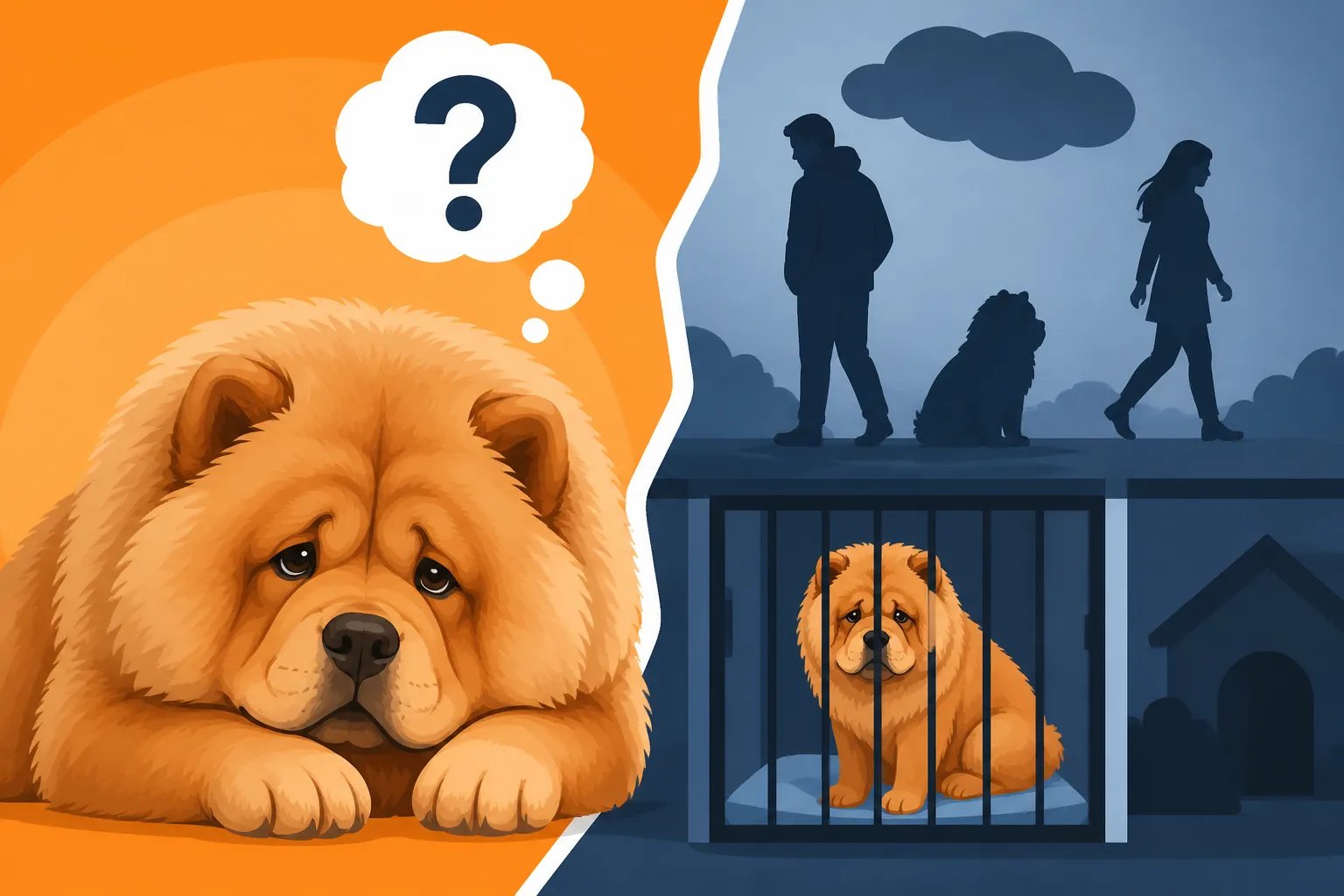
It's heartbreaking to see so many beautiful, majestic Chow Chows ending up in rescue organizations and shelters. Often, people are drawn to their magnificent appearance, imagining a cuddly, lion-like companion, only to find themselves completely unprepared for the unique realities of living with this ancient breed. This guide aims to shed light on the common, often misunderstood reasons Chow Chows frequently enter rescue systems, helping prospective owners truly understand the challenges and make informed decisions, and offering empathetic insights for those who might already be struggling.
The Unique Temperament of a Chow Chow
The Chow Chow's personality is perhaps the biggest surprise for unprepared owners, and it's a leading cause for surrender. They are often profoundly misunderstood because people project traits common in other breeds onto them.
Independent and Aloof Nature
If you're expecting a dog that greets you with boundless enthusiasm, follows you from room to room, and constantly seeks your affection, a Chow Chow might not be the right fit. These dogs are incredibly independent, often described as "cat-like" in their demeanor. They are reserved, thoughtful, and carry themselves with a regal detachment that can be misinterpreted as disinterest or even stubbornness. While they do form incredibly deep bonds, it's typically with one or two chosen people, and that affection is shown on their terms.
Many owners find themselves frustrated when their Chow Chow doesn't respond to their attempts at cuddles with the same eagerness they'd expect from a Retriever or a Spaniel. This isn't to say Chows aren't affectionate; they absolutely are, but it's often a quiet, dignified affection. A gentle lean, a soft nudge, or simply choosing to be in the same room as their person can be a profound show of love. However, for a family expecting a perpetually demonstrative pet, this reserved nature can lead to feelings of rejection and inadequacy, making them believe the dog doesn't "like" them, which isn't true. This fundamental misunderstanding of their inherent personality is a huge contributor to them entering rescue. If you're wondering what this really looks like day-to-day, you might find it helpful to read How Aloof a Chow Chow Really Is.
Challenging Socialization Needs
Chow Chows have a naturally wary and discerning nature, which means early and consistent socialization is not just recommended, it's absolutely critical. Without proper exposure during their crucial developmental window, they can easily become overly suspicious, fearful, or even reactive towards strangers, new environments, and other dogs. This isn't born of malice, but rather an instinct to protect their chosen people and territory, amplified by a lack of positive experiences.
Rescue organizations frequently take in Chow Chows whose owners couldn't manage their reactivity. Imagine guests arriving, and your dog barks incessantly, lunges, or even nips because they weren't taught how to appropriately handle new people in their space. Or perhaps they snap at other dogs on walks because they weren't properly introduced to canine etiquette as puppies. These situations can become dangerous and stressful for everyone involved, leading desperate owners to conclude they can't handle the dog. It's a tragedy, because often, with the right early intervention, these behaviors could have been prevented. The period from 8 to 16 weeks is especially vital for these pups. To understand more about this critical window, check out The Weeks That Matter Most for a Chow Chow Puppy. An undersocialized Chow Chow can develop significant behavioral challenges, making them difficult to rehome and manage, as explored in What an Undersocialized Chow Chow Becomes.
Grooming and Coat Care Misconceptions
The Chow Chow's magnificent coat is undeniably one of its most striking features, but it's also a colossal undertaking that many new owners drastically underestimate. The sheer volume of fur, especially on a rough-coated Chow, is a full-time commitment.
The Double Coat's Demands
That plush, dense double coat isn't just for show; it's designed to insulate them from harsh climates. However, in a domestic setting, it requires relentless maintenance. The undercoat is soft and downy, while the outer coat is coarser and acts as protection. Together, they can easily trap dead hair, dirt, and moisture, leading to painful mats that pull at the skin. These mats aren't just cosmetic; they can restrict movement, cause skin infections, and even hide parasites. Preventing them requires thorough line brushing several times a week, ensuring you get right down to the skin. A quick brush over the top simply won't cut it.
Then there's the infamous "coat blow." Twice a year, typically in spring and fall, a Chow Chow will shed their entire undercoat, a process that can last for weeks. During this time, the amount of fur they shed can be truly astounding, accumulating in drifts around your home. Owners who are unprepared for this seasonal deluge often become overwhelmed by the constant cleaning and the daunting task of brushing out the massive quantities of dead hair. It's not uncommon for Chows to be surrendered during these periods because owners simply can't cope with the shedding or the effort required to prevent matting. You can learn more about this intense seasonal event by reading The Twice a Year a Chow Chow Blows Its Coat.
Professional Grooming Challenges and Costs
Given the demanding nature of their coat, many Chow Chow owners wisely opt for professional grooming. However, this comes with its own set of challenges. First, not all groomers are willing or equipped to handle Chow Chows. Their reserved temperament and potential wariness of strangers, combined with the sheer amount of work involved in drying and brushing their dense coats, can make them a less appealing client for some salons. Those groomers who do specialize in Chows often charge a premium for their expertise and the extra time and effort required.
The financial strain of regular professional grooming can be significant. Depending on the size of the dog, the condition of its coat, and the services provided, grooming bills can add up quickly. If an owner is already stretching their budget, these unexpected, recurring costs can become a tipping point. Imagine budgeting for a dog, and then realizing you need to spend hundreds of dollars a year, potentially more, just to keep their coat healthy. This financial pressure, combined with the difficulty of finding a suitable groomer, leads some owners to neglect grooming, resulting in severe matting that often requires a costly full shave-down by a vet or specialized groomer, or worse, surrender. To get a better idea of these costs, you might want to look at What a Rough Coated Chow Chow Costs at the Groomer and understand Why Some Groomers Refuse a Chow Chow.
Health Issues and Unexpected Veterinary Expenses
While generally robust, Chow Chows are predisposed to certain health conditions that can lead to significant emotional and financial stress for owners, often contributing to dogs ending up in rescue. These aren't always immediately apparent when buying a puppy, but they can surface later with devastating impact.
Entropion: The Breed's Signature Eye Problem
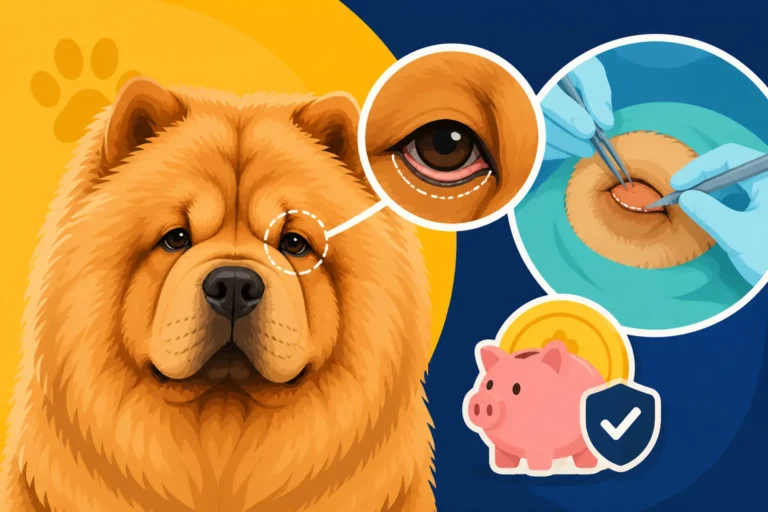
One of the most widely recognized health issues in the Chow Chow breed is entropion. This condition causes the eyelid to roll inward, leading the eyelashes and surrounding hair to rub against the sensitive surface of the eye. It's incredibly painful for the dog, causing constant irritation, excessive tearing, squinting, and if left untreated, can lead to corneal ulcers, scarring, and even blindness. While responsible breeders screen for this and often perform temporary "tacking" on puppies, it frequently requires corrective surgery once the dog reaches adulthood.
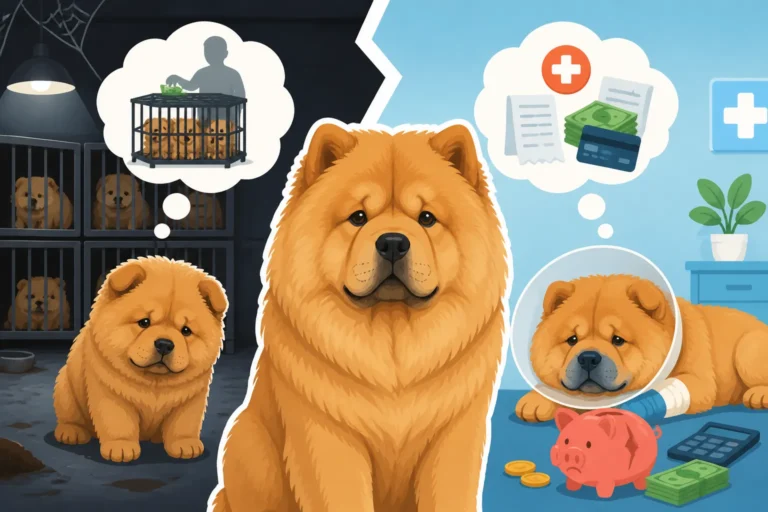
The financial burden of entropion surgery can be substantial. For owners who haven't budgeted for such an expense, or who purchased a puppy without a health guarantee or from a breeder who didn't screen, this unexpected cost can be crippling. It's not just the surgery itself; there are follow-up appointments, medications, and potentially even a second surgery if the first isn't fully successful. Sadly, many Chows in rescue are there because their previous owners couldn't afford or simply weren't prepared for the necessary medical intervention for their eyes. It's such a defining characteristic of the breed's health challenges that it's worth reading Entropion Is the Chow Chow's Signature Problem to grasp its full implications. Any potential Chow Chow owner truly needs to understand The Entropion Surgery Every Chow Chow Owner Should Budget For. This is where thinking ahead about pet insurance, like plans offered by Healthy Paws, can make a real difference in preventing a difficult choice later on.
Orthopedic and Other Health Concerns
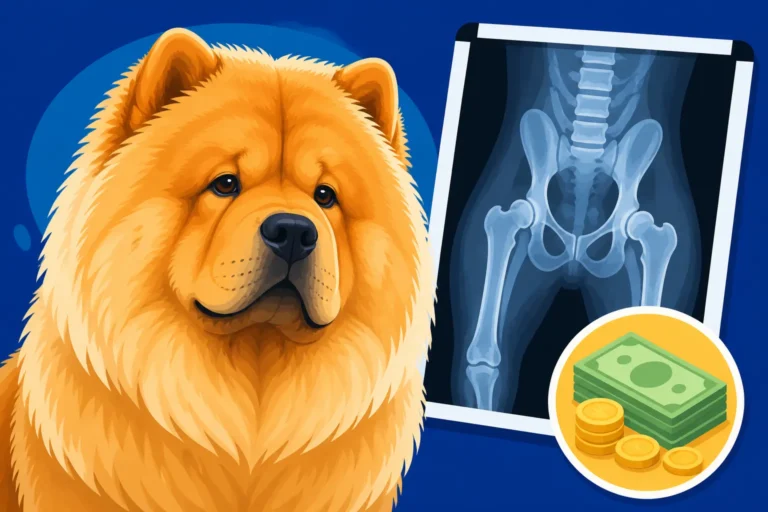
Beyond entropion, Chow Chows are also prone to certain orthopedic issues, most notably hip and elbow dysplasia. These conditions affect the proper development of the joints, leading to pain, arthritis, and lameness as the dog ages. Diagnosing and managing these conditions can involve expensive X-rays, medication, physical therapy, and in severe cases, costly surgeries. The long-term care for a dog with chronic joint pain can be financially and emotionally draining for families. Elbow Dysplasia Ranks the Chow Chow Near the Top gives a sobering perspective on this.
Additionally, like many deep-chested breeds, Chows are at a higher, though still moderate, risk for Gastric Dilatation-Volvulus (GDV), commonly known as bloat. This life-threatening condition occurs when the stomach fills with gas and twists, cutting off blood supply. Bloat is an emergency that requires immediate veterinary intervention and often extensive surgery to save the dog's life. The costs associated with emergency bloat surgery are astronomically high, easily reaching into the thousands. Unprepared owners facing such a sudden, critical emergency may feel they have no option but to surrender their dog if they cannot afford the treatment. Understanding Whether a Chow Chow Bloats is important for any owner. Again, robust pet insurance, like that from Healthy Paws, can be a lifesaver in these situations, helping owners afford critical care without facing financial ruin or having to make an impossible choice.
Lifestyle Mismatch and Management Issues
Bringing any dog into your home requires aligning their needs with your lifestyle. For Chow Chows, their specific requirements regarding exercise, climate, and training often become major points of friction that lead to owners giving up.
Not a High-Energy Dog, But Needs Engagement
It's a common misconception that because Chow Chows aren't built for long-distance running, they require virtually no exercise or mental stimulation. While it's true they aren't marathon runners and often prefer a more sedate pace, they are far from couch potatoes. An adult Chow Chow needs moderate daily exercise—think a couple of leisurely walks, perhaps 20-30 minutes each, or some purposeful playtime in a secure yard. This physical activity is crucial for their joint health, weight management, and overall well-being.
More importantly, these intelligent dogs need mental engagement. Left alone with nothing to do, a bored Chow can become destructive, chewing furniture, digging, or barking excessively. These behaviors are often misinterpreted by owners as spite or disobedience, rather than a natural outlet for pent-up energy or a cry for mental stimulation. Owners who fail to provide consistent, appropriate exercise and mental enrichment can quickly find themselves with a frustrated dog and a damaged home, leading them to believe the dog is "untrainable" or "too much trouble." To truly understand their needs, consider How Much Exercise a Chow Chow Actually Needs. You can find great puzzle toys and enrichment items at stores like Chewy to keep their minds active.
Heat Intolerance and Climate Challenges
The Chow Chow's thick, dense double coat, combined with their somewhat brachycephalic (short-nosed) facial structure, makes them highly susceptible to overheating. They are simply not built for hot, humid climates or prolonged exposure to high temperatures. What might feel like a pleasant summer day to us can be genuinely dangerous for a Chow. They struggle to dissipate heat effectively, and heatstroke can set in rapidly, leading to organ damage or death.
Many people living in warmer regions, or those who simply underestimate the heat, acquire a Chow Chow only to realize they cannot provide a safe environment. This means limiting outdoor activity to the coolest parts of the day, ensuring constant access to shade and fresh water, and often requiring significant air conditioning indoors throughout the summer months. The costs of keeping a home cool, or the restrictions on their lifestyle (e.g., no long summer walks or outdoor activities), can become overwhelming. When a Chow suffers repeated heat stress incidents, or if an owner realizes they cannot provide the necessary climate control, surrender becomes a heartbreaking option. It's paramount for potential owners to understand that Heat Is the Chow Chow's Most Immediate Danger and Why a Chow Chow Overheats So Easily.
Here's a quick comparison of what Chow owners often expect versus the reality of their needs:
| Category | Common Owner Expectation | Chow Chow Reality | Impact on Ownership |
|---|---|---|---|
| Temperament | Always eager for cuddles, highly obedient | Independent, reserved, bonds deeply with one person; intelligent but not always "eager to please" | Frustration, feelings of rejection, perception of stubbornness |
| Grooming | Occasional brushing, maybe professional once a season | Regular, thorough line brushing (multiple times/week); 2 major coat blows/year; expensive professional grooming often needed | Overwhelm, painful matting, skin issues, significant financial drain |
| Health | Standard vet care, minimal unique issues | High risk for entropion (surgery), hip/elbow dysplasia, heatstroke; requires proactive care | High, unexpected vet bills; critical need for pet insurance |
| Exercise | Minimal walks, can be left to their own devices | Moderate daily walks, mental enrichment vital; boredom leads to destructive behavior | Stress from property damage, perceived defiance, under-stimulated dog |
| Climate | Adaptable to most weather | Highly sensitive to heat; requires constant cooling in warm climates; strictly indoor dog | Lifestyle limitations, high utility bills, risk of heatstroke |
| Socialization | Naturally friendly with all people/dogs | Wary of strangers/dogs without extensive early exposure; can be territorial/reactive | Difficulty with visitors, other pets, public outings; potential for incidents |
Training and Handling Difficulties
Training a Chow Chow is a unique experience. They are highly intelligent, capable of learning commands quickly, but they are not inherently motivated by the desire to please in the same way many other breeds are. They need to understand the 'why' behind a command and decide if it's worth their effort. This means traditional, forceful, or repetitive training methods often backfire, causing a Chow to shut down, become resistant, or even resentful. Positive reinforcement, patience, consistency, and making training feel like a collaborative agreement rather than an order, are key.
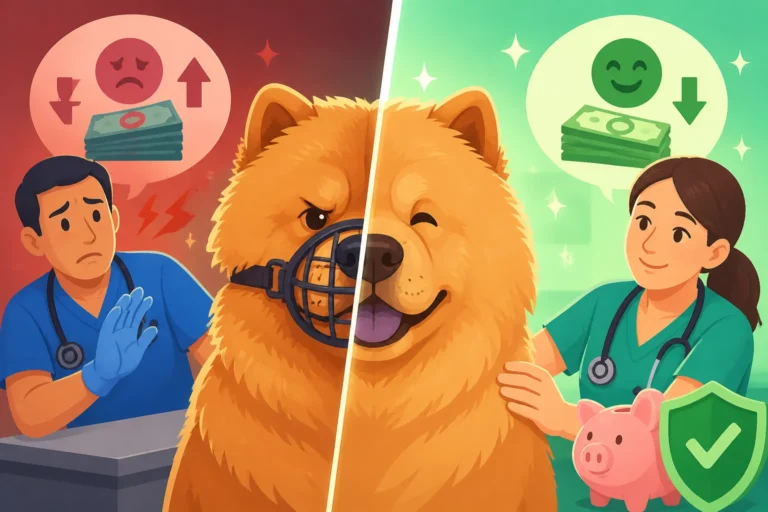
This independent streak, coupled with their inherent wariness, can make handling them a challenge, especially during veterinary visits. Without early, consistent, positive exposure to handling, restraint, and even muzzle training, routine vet check-ups can become extremely stressful for both the dog and the veterinary staff. Many Chows require sedation for even basic exams, adding significant cost to routine care. Owners who haven't invested in their Chow's training and desensitization from a young age may find these necessary medical interactions overwhelming, leading to delays in care or, tragically, decisions to surrender when faced with a difficult, unmanageable dog in a clinical setting. It's crucial to understand that A Chow Chow Trains by Agreement, Not Obedience, and that Why a Chow Chow Is Hard to Examine at the Vet is a common reality that needs proactive preparation. Treats from Ollie or various training aids from Chewy can be invaluable here.
Financial Strain Beyond Initial Purchase
The purchase price of a Chow Chow puppy, while often significant, is merely the tip of the iceberg when it comes to the true cost of ownership. Many owners are simply unprepared for the ongoing, often hidden, financial demands of caring for this breed.
The Hidden Costs of Ownership
Beyond the initial investment in the puppy, and even the predictable costs of food and basic supplies, Chow Chows come with a unique set of financial considerations. While they don't eat an excessive amount for their size, providing high-quality food is important for their health. You might be surprised to learn What a Chow Chow Eats in a Month. Then there are specialized supplies: durable crates, sturdy chew toys, high-velocity dryers for home grooming, cooling mats or vests for summer, and strong leashes and collars for their often powerful pulling.
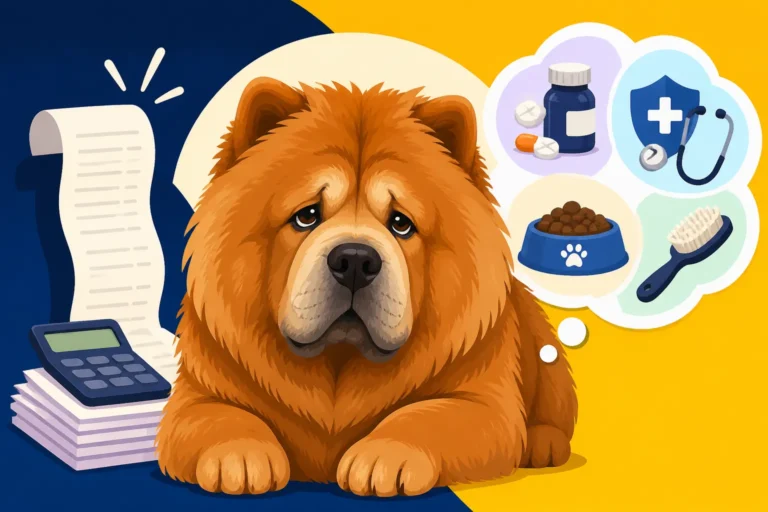
But the real financial surprises often come from unexpected medical bills (as discussed with entropion, dysplasia, and bloat), or the need for professional behaviorists if socialization or training goes awry. Even regular expenses can be higher than anticipated – things like higher-grade air filters to cope with their shedding, or the need for professional house cleaning services for those who can't keep up with the fur. When these accumulating costs exceed an owner's budget, especially during an economic downturn or an unforeseen personal expense, the impossible choice to surrender the dog becomes a stark reality. It's important to be aware that What the First Year With a Chow Chow Costs is often much more than anticipated, and understanding What a Chow Chow Costs Per Month can help paint a more realistic picture.
Insurance and Restricted Breed Lists
Another significant, often overlooked, financial and logistical hurdle for Chow Chow owners is related to insurance. Due to outdated stereotypes and often unjustified fears, Chow Chows frequently appear on "restricted breed" lists for homeowner's and renter's insurance policies. This can mean higher premiums, limited coverage, or even outright denial of insurance, making it incredibly difficult for owners to secure housing or protect themselves financially. Imagine moving to a new place only to find out your chosen dog breed makes you uninsurable or requires you to pay significantly more! You can delve deeper into this frustrating reality by reading Insuring a Chow Chow When Carriers Say No and Which Insurers List the Chow Chow as Restricted.
On the other side of the coin, pet insurance, while a wise investment for a breed with specific health predispositions, adds another monthly expense. While plans like those from Healthy Paws can be invaluable for covering unexpected medical crises, the premiums are still a regular payment that must be factored into the overall budget. For many, the combination of potential housing restrictions and the rising cost of pet ownership, including health and liability insurance, can simply be too much, leading to the heartbreaking decision that they cannot responsibly keep their beloved Chow Chow.
Chow Chows are magnificent dogs, full of character and quiet devotion. However, they are not for everyone, and their unique needs often catch prospective owners by surprise, leading to preventable surrenders to rescue organizations. From their independent temperament and critical socialization requirements to their demanding grooming needs, specific health predispositions, and the significant financial commitment, truly understanding a Chow Chow before bringing one home is paramount. Responsible ownership means being prepared for these realities, ensuring these noble dogs find their forever homes and avoid the trauma of rescue.
Disclaimer
This article is for general informational purposes only and does not constitute professional advice. Laws, prices and regulations vary by location and change over time. Consult a qualified professional for guidance on your specific situation.