Why a Vet Charges Extra to Handle a Chow Chow
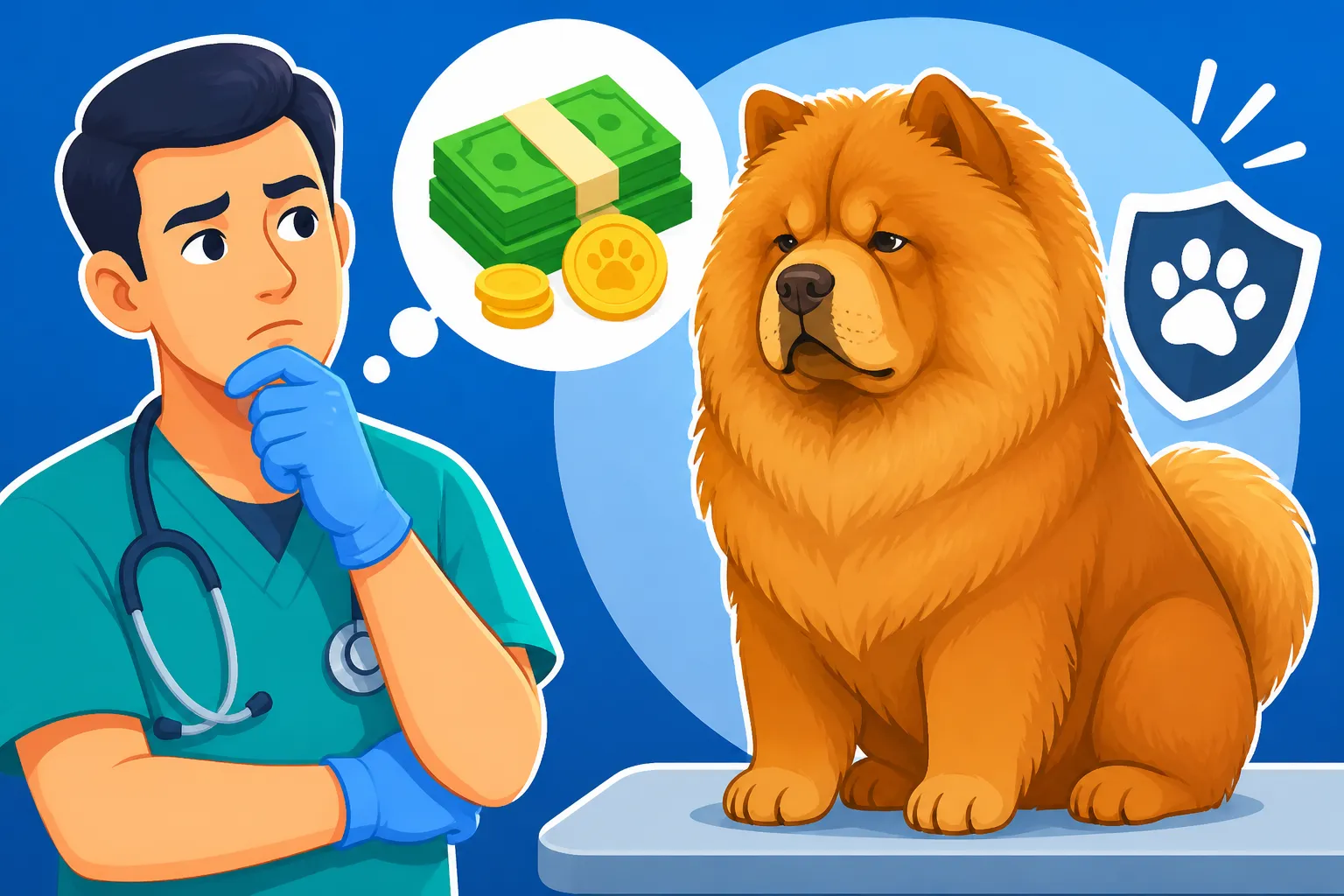
It's a frustrating, all-too-common scenario for many Chow Chow owners: you take your beloved, fluffy companion to the vet, anticipating a routine check-up, only to find an extra "handling fee" tacked onto your bill. This isn't just about a vet trying to make an extra buck; it reflects the unique challenges and increased resources required to safely and effectively examine a Chow Chow, a breed known for its reserved nature and powerful physique. This guide will delve into the specific reasons behind these additional charges and offer practical advice on how you can help make vet visits smoother for your Chow Chow and potentially ease the financial burden.
The Unique Challenges of Handling a Chow Chow at the Vet
Chow Chows, with their magnificent coats, proud stance, and distinctive scowl, are often admired for their stoic beauty. However, these very traits, combined with their inherent temperament, can make veterinary examinations particularly complex. Vets and their staff are trained to work with all breeds, but a Chow Chow presents a different kind of puzzle.
Temperament and Perception
The Chow Chow is not a breed that readily offers its affection to strangers. They are renowned for their discerning nature, often bonding fiercely with one primary person and tolerating others, rather than showering everyone with attention. This inherent aloofness means that a veterinary clinic, filled with unfamiliar faces, smells, and sounds, can be an incredibly stressful environment for them. They don't typically embrace new acquaintances with wagging tails and sloppy kisses. Instead, they observe, evaluate, and often react defensively if they feel threatened or encroached upon. This reserved disposition means that building trust with a vet takes time and patience, something that often isn't available during a busy appointment slot.
Their deep-set eyes, while contributing to their unique look, also mean they have restricted peripheral vision. An approach from the side or behind can easily startle them, even if the person means well. Imagine feeling a hand on your shoulder when you didn't see anyone approaching – it's naturally alarming. For a Chow Chow, this can trigger a defensive response, which a vet must be constantly aware of. It's not aggression born of malice, but often a startled reaction to a perceived threat that they couldn't visually track. Understanding Why a Chow Chow Snaps at Someone It Did Not See is crucial for both owners and veterinary staff to prevent incidents.
Physical Traits and Examination Difficulties
Beyond their temperament, the Chow Chow's physical characteristics themselves pose hurdles during examinations. Their dense double coat, particularly the profuse ruff around their neck, can make it difficult for a vet to accurately assess body condition, palpate lymph nodes, or even hear heart and lung sounds clearly without extra effort and time. Skin conditions, lumps, or subtle changes in muscle mass can easily be hidden beneath layers of fur, requiring thorough parting of the coat and careful inspection. Why a Chow Chow's Dense Coat Hides Skin Disease is a common frustration for vets and owners alike.
Furthermore, their unique skeletal structure, including their relatively straight rear legs and stilted gait, means their movement can be somewhat stiff. This can sometimes be misconstrued as pain or discomfort when it's just their natural way of moving, or it could genuinely be masking an underlying orthopedic issue like Elbow Dysplasia Ranks the Chow Chow Near the Top. Their powerful build means that if they do decide to resist handling, it takes significant strength and coordination from veterinary staff to ensure everyone's safety. Examining ears, checking teeth, or administering injections requires careful positioning and often more than one person to ensure the dog remains still and calm.
Fear, Anxiety, and Aggression
When a Chow Chow feels overwhelmed or threatened, their primary response is often to withdraw or, if that's not possible, to defend themselves. This can manifest as growling, snapping, or even biting. It's rarely an unprovoked attack; rather, it's typically a self-preservation instinct when their boundaries are crossed, and they feel trapped or cornered. The fear and anxiety they experience can be intense, leading to a "fight or flight" response. Unfortunately, due to their unique temperament, they often give very few obvious warning signs before escalating, making it imperative for veterinary staff to be hyper-vigilant and skilled in reading subtle cues. Signs a Chow Chow Is Uncomfortable can be very subtle in this breed.
This is precisely why vets must exercise extreme caution. An incident involving a bite can lead to serious injury for staff, necessitating medical attention, lost work time, and potential legal issues. For the Chow Chow, a highly stressful or painful vet visit can create a lasting negative association, making future visits even more challenging and potentially requiring sedation just for routine care. Understanding Why a Chow Chow Gives Little Warning is key to preventing these situations. It's a difficult balance between providing necessary medical care and respecting the dog's personal space and comfort level.
Understanding the "Handling Fee"
The "handling fee" isn't just arbitrary; it's a reflection of the legitimate additional resources and expertise required to care for a Chow Chow safely and effectively in a veterinary setting. It acknowledges the increased complexity and potential risks involved, ensuring that the practice can continue to provide high-quality care while protecting its staff.
Increased Time and Staff Resources
Simply put, a Chow Chow often requires more time and more hands to manage a veterinary appointment than many other breeds. A standard 15-minute appointment might be perfectly adequate for a laid-back Labrador, but for a wary Chow Chow, it could easily stretch to 30 minutes or more, just to allow for slow introductions, gentle handling, and multiple attempts at examination if the dog is uncooperative. This extended time ties up an exam room and takes staff away from other patients.
Furthermore, it often takes two or even three veterinary technicians or assistants to safely restrain a Chow Chow for procedures like vaccinations, blood draws, or even just a thorough physical exam. This means multiple highly trained individuals are dedicating their time and attention to one patient, rather than being able to assist with other appointments, lab work, or client calls. These additional staff members represent a significant operational cost that isn't typically factored into a standard examination fee, hence the need for a separate handling charge.
Specialized Training and Equipment
Veterinary professionals who work with Chows, or any dog with behavioral challenges, often invest in specialized training in low-stress handling techniques, fear-free practices, and canine body language. This expertise is invaluable for recognizing early signs of discomfort and de-escalating potential aggression, but it comes at a cost. Maintaining a "fear-free" environment might involve pheromone diffusers, specialized calming treats, or even dedicated quiet rooms, all of which are investments the clinic makes to provide better care for all patients, especially those prone to stress.
Sometimes, specialized equipment is necessary, such as sturdy basket muzzles that allow the dog to pant and breathe comfortably while preventing bites, or specific types of leashes and harnesses that offer better control without causing discomfort. In some cases, mild sedation might be recommended or even required for a thorough exam or minor procedure, adding the cost of medication and additional monitoring time. What a Chow Chow's Sedated Exam Costs can be significant, but it's often a safer and less stressful option for everyone involved.
Risk Mitigation for Staff and Pet
Ultimately, the handling fee also accounts for the increased risk associated with managing a Chow Chow. Veterinary medicine is one of the professions with the highest rates of workplace injuries, and dog bites are a significant contributor. A bite can range from a minor nip to a severe injury requiring stitches, surgery, or even long-term disability. This not only impacts the individual staff member but also the entire practice, potentially leading to increased insurance premiums, lost productivity, and the emotional toll on the team.
By charging a handling fee, clinics acknowledge and attempt to offset these risks. It's a way to ensure they can afford to employ adequately trained staff, maintain appropriate safety protocols, and cover the potential costs associated with an incident. It also encourages owners to be proactive in preparing their dogs for vet visits, which ultimately benefits the pet by reducing their stress and making necessary medical care more accessible and less confrontational.
What Owners Can Do to Reduce Handling Charges
While some handling charges might be unavoidable given your Chow Chow's personality, there are many proactive steps you can take as an owner to minimize stress for your dog and, consequently, potentially reduce or eliminate these additional fees over time. Investing in these practices early can make a world of difference for your dog's lifetime veterinary experience.
Early Socialization and Desensitization
The most impactful thing you can do for your Chow Chow is to start early and consistent socialization. This doesn't mean forcing them to interact with every stranger or dog they meet, but rather exposing them to a wide variety of sights, sounds, smells, and gentle handling in a positive, controlled manner during their critical puppyhood window. Regularly touch their paws, ears, mouth, and tail, rewarding them with high-value treats (like those from Ollie, perhaps, if your dog is food motivated!) for calm acceptance. Practice "happy visits" to the vet clinic where no procedures are performed, just positive reinforcement for being in the environment. Your vet might even allow a quick weigh-in and a treat from a staff member.
It's vital to teach your Chow Chow that being handled by people other than you is a positive experience. Encourage friends and family to offer treats and gentle pets, always respecting your dog's boundaries. The more comfortable your Chow Chow is with varied human interaction and handling from a young age, the less likely they are to react fearfully or defensively at the vet. Consider structured puppy classes or working with a professional trainer to guide you through this process. You can find many useful supplies for training on sites like Chewy. Getting your Chow Chow accustomed to these experiences from a young age can significantly improve their temperament at the vet, potentially removing the need for extra handling. How Much Socialization a Chow Chow Puppy Needs is often underestimated by new owners. Regular, positive exposure to the veterinary environment, even for non-medical reasons, can build confidence. For example, simply driving to the vet, walking into the waiting room, getting a treat from the receptionist, and leaving can create positive associations. Don't underestimate Whether a Chow Chow Puppy Should Visit the Vet for Nothing.
Muzzle Training as a Tool, Not a Punishment
For many Chow Chows, a muzzle can be a game-changer, not a sign of a "bad" dog. Proactive muzzle training teaches your dog to comfortably wear a basket muzzle, viewing it as a normal, even positive, part of life, rather than something only used when they're stressed or about to be hurt. Start by introducing the muzzle slowly, pairing it with high-value treats. The goal is for your Chow Chow to willingly put their nose into the muzzle. This can take time and patience, but it’s an investment that pays dividends.
A properly fitted and positively conditioned muzzle provides a safety net for veterinary staff, allowing them to perform necessary examinations and treatments without fear of being bitten. When staff feel safe, they can often be calmer and more efficient, which in turn can reduce stress for your dog. It prevents the need for more restrictive or forceful handling, which can exacerbate fear and aggression. A muzzle can actually reduce the likelihood of a handling fee because it creates a safer environment where staff can work more confidently. Teaching a Chow Chow to Wear a Muzzle is an invaluable skill for any Chow Chow owner.
Choosing a Fear-Free Veterinary Practice
Seek out veterinary practices that explicitly promote "Fear-Free" or low-stress handling techniques. These clinics prioritize reducing anxiety and creating a positive experience for pets. They often have staff certified in Fear-Free methods, offer separate waiting areas for dogs and cats, use calming pheromones, and are adept at reading subtle canine body language. They understand that a stressed dog might need a slower approach, more breaks, or even a different appointment time when the clinic is quieter.
Fear-Free practices are often more willing to work with owners on a long-term plan for managing their Chow Chow's anxiety, which might include pre-visit calming medications or specific protocols for handling. While these practices might not eliminate handling fees entirely, their commitment to reducing stress can make visits much smoother, potentially reducing the amount of extra handling needed. Ask your veterinarian about their approach to anxious or reactive dogs, and look for signs of a calm and patient environment. Whether a Chow Chow Needs a Fear Free Practice is a crucial question to ask when selecting a veterinary clinic.
Financial Considerations and Pet Insurance
Navigating the costs of veterinary care, especially with added handling fees, can be a significant concern for Chow Chow owners. It's essential to plan for these expenses, understanding that specialized care often comes with a higher price tag.
Budgeting for Unexpected Vet Costs
Beyond the routine vaccinations and annual check-ups, owning a Chow Chow means being prepared for potential unexpected health issues, which can include the need for specialized handling. These handling fees can add a considerable amount to each visit, particularly if your dog requires frequent monitoring or specialized procedures. It's wise to set aside a dedicated savings fund specifically for veterinary emergencies and ongoing care.
Consider that a Chow Chow might develop conditions like Glaucoma Can Blind a Chow Chow in Days or Autoimmune Disease in a Chow Chow, both of which can require frequent, potentially high-stress vet visits and specialized examinations. Each of these visits could incur handling fees on top of diagnostic and treatment costs. Regular proactive care, like proper grooming to prevent mats (which can be painful and require vet attention), can sometimes reduce emergency visits. However, budgeting for regular professional grooming for a rough-coated Chow Chow is also a significant cost in itself.
The Role of Pet Insurance
Pet insurance can be a lifesaver when it comes to managing the costs of unexpected illness or injury, and it can also help with the additional expenses associated with handling a Chow Chow. Many pet insurance providers, such as Healthy Paws, offer comprehensive plans that cover accidents and illnesses, which would include the costs of examinations, diagnostics, treatments, and even emergency care. While handling fees themselves might be a smaller component, they are often part of the overall cost of a covered vet visit.
It's important to read the policy details carefully to understand what is covered, what the deductible is, and what percentage of the vet bill the plan reimburses. Some policies might have waiting periods for certain conditions, so it's best to enroll your Chow Chow when they are young and healthy. While insurance might not cover preventative care or routine handling for a well dog, it can certainly help offset the expenses when an injury or illness requires multiple, potentially challenging, vet visits. Researching providers and their coverage for breeds with known health concerns or handling considerations is a wise move for any Chow Chow owner. Insuring a Chow Chow When Carriers Say No can be a hurdle, but solutions exist.
Exploring Payment Plans and Assistance Programs
If you find yourself facing significant vet bills, including those increased by handling fees, don't hesitate to speak openly with your veterinary practice. Many clinics understand the financial burden of pet care and may offer in-house payment plans or work with third-party financing options. These options can help break down a large bill into more manageable monthly payments, easing the immediate stress.
Additionally, there are various non-profit organizations and assistance programs that help pet owners with veterinary costs, especially for urgent or life-threatening conditions. While they may not cover routine handling fees, they can be invaluable if a serious health issue arises that also involves complex or prolonged vet care for your Chow Chow. Always communicate your financial concerns with your vet; they often have resources or suggestions you might not be aware of.
| Reason for Extra Charges | Owner's Proactive Solutions | Potential Impact on Bills |
|---|---|---|
| Chow Chow Temperament | Early, positive socialization; desensitization to handling | Can reduce frequency of required sedation/extra staff |
| Restricted Vision | Approach slowly, verbally announce presence, avoid startling | Prevents defensive reactions requiring more staff/time |
| Dense Coat | Regular grooming, practice at-home exams, maintain ideal weight | Aids quicker, more accurate exams, reduces missed issues |
| Fear/Anxiety/Aggression | Muzzle training, Fear-Free practice, calming protocols | Allows safer, less stressful exams, reduces need for sedation |
| Increased Time/Staff | Choose off-peak appointments, prepare dog well, use pre-visit meds | Potentially reduces time needed, leading to fewer staff involved |
| Risk of Bites | Muzzle training, positive reinforcement, working with behaviorists | Staff feel safer, reducing need for extensive restraint |
Disclaimer
This article is for general informational purposes only and does not constitute professional advice. Laws, prices and regulations vary by location and change over time. Consult a qualified professional for guidance on your specific situation.