What a Chow Chow Adds to a Homeowners Premium
It's a disheartening reality for many Chow Chow guardians: the simple act of owning one of these magnificent, lion-maned dogs can throw a wrench into your homeowners insurance plans. You're simply trying to protect your home and family, but suddenly your furry companion is seen as a liability, leading to increased premiums, special exclusions, or even outright refusal of coverage. This comprehensive guide will peel back the layers on why Chow Chows sometimes trigger these insurance hurdles and, more importantly, equip you with the knowledge and strategies to navigate these often-frustrating waters, ensuring both your home and your cherished Chow Chow are adequately protected.
The Insurance Reality: Why Some Breeds Raise Flags
Homeowners insurance is fundamentally about risk assessment. Insurers are in the business of calculating potential financial losses and setting premiums accordingly. When it comes to dogs, this calculation often gets complicated, leading to blanket policies that can unfairly target certain breeds. It’s not always about an individual dog's temperament, but rather a perceived statistical risk based on breed.
Understanding Breed Restrictions and "Dangerous Dog" Lists
Many insurance companies maintain what are often referred to as "restricted breed" lists. These are compilations of dog breeds that the insurer deems to have a higher propensity for biting or causing damage, thus presenting a greater liability risk. The breeds on these lists vary from company to company but frequently include Rottweilers, Pit Bull-type dogs, German Shepherds, and, yes, Chow Chows. It’s a frustrating reality that these lists are often based on outdated statistics, media sensationalism, or generalized perceptions rather than scientific evidence of inherent aggression.
The underlying rationale is purely financial. Dog bite claims can be incredibly costly, involving medical bills, legal fees, and pain and suffering compensation. Insurers, therefore, attempt to mitigate their exposure by either charging more for homeowners with these breeds, excluding bite coverage entirely, or refusing to issue policies altogether. Local ordinances and state laws can also play a role, sometimes designating certain breeds as "dangerous" and influencing how insurers view them, even if your specific dog is a gentle giant.
The Perceived Risk of Certain Breeds
The perception of risk goes beyond just bite statistics. It encompasses a breed's physical characteristics, such as size, strength, and jaw power, as well as its historical purpose. Breeds originally developed for guarding, fighting, or protection often find themselves on these lists, regardless of how domesticated and beloved they are today. Insurers view these traits as contributing to a higher potential for severe injury should an incident occur, even if incidents are rare.
It's a tough pill to swallow for responsible owners who know their dogs are well-behaved, but for an insurance company operating on broad actuarial tables, an individual dog's character often takes a backseat to breed generalities. They are trying to cover their bases against significant financial payouts that could arise from dog-related claims, which in some cases can run into the hundreds of thousands of dollars. The perceived financial exposure, therefore, directly dictates their policies and the restrictions they impose on homeowners.
How Chow Chows Landed on "Restricted" Lists
For many Chow Chow owners, it's baffling why their fluffy, sometimes stubborn, but ultimately devoted companion is on a "dangerous dog" list. Understanding the breed's unique traits and how they're often misinterpreted by the general public and, consequently, by insurance algorithms, can shed some light on this frustrating situation.
The Chow Chow's Guarding Instinct and Aloof Nature
Chow Chows are ancient dogs with a deep-seated guarding instinct. Historically, they served as temple guardians, hunters, and protectors of property in China. This background has honed a naturally reserved, independent, and highly protective temperament. They typically bond fiercely with one or two primary family members and are often aloof or indifferent to strangers. While this makes them loyal and effective guardians, it can also be misinterpreted.
Their protective nature means they are generally wary of unfamiliar people approaching their home or their beloved human companions. Unlike many breeds that eagerly greet visitors, a Chow Chow might stand back, observe, and maintain a quiet vigilance. This reserved demeanor, combined with their powerful build, can be perceived as standoffish or even aggressive by those unfamiliar with the breed. An insurer, looking at generalized breed profiles, might interpret "protective" and "aloof" as a higher risk for defensive nips or bites when a stranger inadvertently crosses a perceived boundary. Many owners can attest to How Aloof a Chow Chow Really Is, which for some, is part of their charm.
The "Deep Set Eyes" Factor and Limited Peripheral Vision
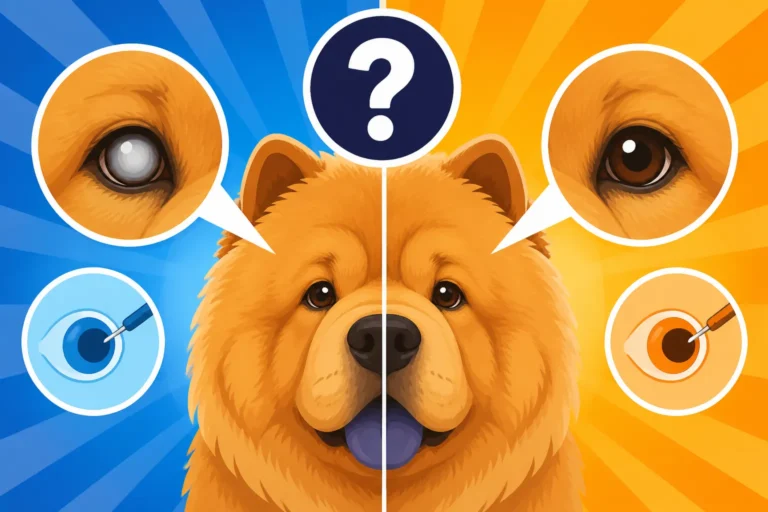
One of the Chow Chow's most distinctive features—its deep-set eyes, often framed by a dense ruff—contributes significantly to its unique "scowling" expression. While aesthetically striking, this facial structure actually has a practical implication: it limits the dog's peripheral vision. A Chow Chow cannot see as widely to its sides or rear as many other breeds. This physiological trait is often overlooked but is crucial to understanding their reactions.
Because they have a more restricted field of vision, Chow Chows can be easily startled if approached from the side or, especially, from behind. Imagine suddenly being touched by someone you didn't see coming – your natural reaction might be to jump or spin around defensively. For a Chow Chow, this sudden, instinctive reaction can manifest as a quick snap or growl, particularly if they feel threatened or surprised. This doesn't necessarily indicate aggression but rather a startled response to an unforeseen stimulus. It's why owners are often advised to approach their Chow Chows carefully and announce their presence. You can learn more about this in Why a Chow Chow Snaps at Someone It Did Not See.
Public Perception and Misunderstanding
Beyond their inherent traits, public perception plays a huge role in how Chow Chows are viewed. Their lion-like mane, often solemn or "scowling" expression, and their tendency to not overtly display affection to strangers can contribute to a misunderstanding of their true nature. Media portrayals, often focusing on isolated negative incidents, can unfortunately paint a broad stroke that labels the entire breed as inherently aggressive or unpredictable.
Unlike a Golden Retriever whose wagging tail and panting smile signal friendliness, a Chow Chow's body language is often more subtle and can be misread by those unfamiliar with the breed. How to Read a Chow Chow's Face is a skill, not an innate understanding for most people. This misinterpretation can lead to people approaching them inappropriately or failing to recognize signs of discomfort, which can then escalate into an undesirable interaction. These public perceptions, regardless of accuracy, feed into the narrative that insurers use to justify higher premiums or restrictions, making it harder for responsible owners to get fair coverage.
Navigating Homeowners Insurance with a Chow Chow
So, you have a Chow Chow and you're hitting roadblocks with insurance. Don't despair! While it can be challenging, there are definitive steps you can take and options you can explore to ensure your home and your cherished companion are covered. The key is to be proactive, transparent, and persistent.
Shopping for Insurance When You Own a Chow Chow
The first rule of thumb is transparency. Never try to hide the fact that you own a Chow Chow from your insurance provider. Doing so could lead to your policy being voided if an incident occurs, leaving you completely unprotected. Instead, be upfront from the very beginning. When getting quotes for homeowners insurance, always disclose that you own a Chow Chow. You'll quickly discover that some companies have blanket bans on certain breeds, while others are more flexible or take a breed-neutral approach.
This is where shopping around becomes absolutely critical. Don't settle for the first "no" or the highest quote. Contact multiple insurance carriers. Look for companies that specifically state they do not have breed restrictions, or that evaluate dogs on a case-by-case basis. Working with an independent insurance agent can be incredibly beneficial here. These agents work with many different insurance providers and can often find a carrier that is more understanding or offers a policy without breed-specific exclusions. They can help you navigate the nuances and find policies that might otherwise be hidden from a direct search.
What to Expect in Terms of Premium Adjustments
Even if you find an insurer willing to cover a home with a Chow Chow, you should be prepared for potential adjustments to your policy. This might come in several forms:
- Higher Premiums: It's common for premiums to be somewhat higher if you own a restricted breed, simply due to the perceived increased risk.
- Breed-Specific Exclusions: Some policies might offer coverage for everything except incidents involving your Chow Chow. This means if your dog bites someone, the insurance company will not cover the medical or legal costs associated with that event. While not ideal, it's a step up from no coverage at all, as it still protects against other perils like fire or theft.
- Increased Deductible: You might find that the deductible for any dog-related claims is higher than for other types of claims.
- Require Additional Measures: An insurer might mandate specific safety measures, such as a securely fenced yard, a "Beware of Dog" sign, or even a professional liability rider.
Always read the fine print of any policy carefully, especially the sections pertaining to pet liability. Understand exactly what is covered and what is excluded. For example, while a pet health insurance plan like Healthy Paws is fantastic for covering unexpected vet bills, it will not cover your liability if your dog causes harm to a person or property. It’s important to understand the distinction between pet health and homeowners liability.
Alternatives and Workarounds for Coverage
If you find that traditional homeowners insurance options are severely limited or prohibitively expensive, there are still avenues to explore for protecting yourself financially.
One common workaround is purchasing a canine liability policy or a stand-alone dog liability policy. These are separate insurance policies specifically designed to cover damages, medical bills, and legal fees resulting from incidents involving your dog. They act as a specialized safety net when your homeowners policy falls short. Some specialty insurers focus specifically on these types of policies, so they are worth investigating if you find yourself with a breed exclusion on your main homeowners insurance.
Another robust option is an umbrella insurance policy. This type of policy provides additional liability coverage beyond the limits of your homeowners and auto insurance. If a major incident occurs, such as a severe dog bite that results in substantial damages exceeding your homeowners policy's limits, your umbrella policy kicks in to cover the remainder, up to its own high limits. It’s a broader form of protection that can provide peace of mind for significant claims, not just those related to your dog.
You might also find some success with state-specific or local programs. In some regions, laws are in place that prevent insurers from discriminating solely based on breed. Research your local regulations to see if you have any protections. Finally, consider organizations that advocate for specific breeds or responsible pet ownership. They might have resources or recommendations for insurers known to be more friendly to Chow Chow owners. Regardless of the route, having some form of liability protection is always better than facing a potentially devastating lawsuit completely uninsured.
| Insurance Approach | Description | Pros | Cons |
|---|---|---|---|
| Standard Homeowners Policy | Covers liability as part of a general policy; may have breed restrictions. | Broad coverage for home, personal property, and general liability. | May deny coverage, impose higher premiums, or include breed exclusions. |
| Breed-Neutral Homeowners Policy | A standard homeowners policy that does not specifically list or exclude breeds. | No direct discrimination based on your Chow Chow's breed. | Can still assess individual dog history; may be harder to find. |
| Canine Liability Policy | Separate insurance specifically for dog-related liability claims. | Fills the gap if your homeowners policy has breed exclusions. | Adds an extra monthly/annual cost; might have lower coverage limits. |
| Umbrella Insurance Policy | Extends liability coverage beyond your home and auto policy limits. | Provides high-limit, broad protection for major claims, including dog-related. | Requires existing homeowners/auto policies; higher overall cost. |
Mitigating Risk and Showing Responsible Ownership
Being a responsible Chow Chow owner isn't just about providing love and care; it's also about proactively managing their unique traits to ensure they are well-adjusted and safe within their community. This proactive approach can also strengthen your position when dealing with insurance companies or, more importantly, prevent incidents from occurring in the first place.
Training and Socialization as a Defense
Early and consistent training and socialization are paramount for any dog, but especially for a Chow Chow given their protective instincts and reserved nature. A well-socialized Chow Chow is confident, comfortable with a variety of people and situations, and less likely to react defensively out of fear or surprise. Start socialization as early as possible, exposing your Chow Chow puppy to different sights, sounds, people, and other calm, vaccinated dogs in a positive, controlled manner. Why Early Socialization Decides What a Chow Chow Becomes cannot be overstated.
Consistent training, focused on positive reinforcement, helps establish clear communication and builds trust between you and your dog. A Chow Chow Trains by Agreement, Not Obedience, so punitive or harsh methods will likely backfire, making your Chow Chow more withdrawn or reactive. Consider enrolling in puppy classes and then moving on to advanced obedience. A Canine Good Citizen (CGC) certification can be a powerful testament to your dog's good manners and might even sway an insurance company or a landlord. Investing in quality training treats from a retailer like Chewy can make training sessions more rewarding and effective. Many owners find value in asking Whether a Chow Chow Needs a Professional Trainer Early and often the answer is yes, due to their unique personality.
The Importance of a Secure Environment
Creating a secure and controlled environment for your Chow Chow is non-negotiable. This means having a robust, escape-proof fence around your yard. Chows are generally not known for being escape artists, but any dog can get out if a fence is inadequate. A secure fence prevents your dog from wandering off and potentially encountering unfamiliar people or other animals in unsupervised situations. What Fencing a Chow Chow Requires details how to properly secure your property.
When taking your Chow Chow out in public, always use a sturdy leash and harness, ensuring you have full control. Their limited peripheral vision means they can be easily startled, and being on a leash allows you to manage unexpected encounters safely. Avoid dog parks or crowded public spaces if your Chow Chow shows discomfort with strangers or other dogs. Supervision is key, especially around children or unfamiliar guests. It's also wise to consider muzzle training your Chow Chow early and positively, so that if ever a situation requires it (like a vet visit where they might be in pain and react defensively), they are comfortable wearing one. Teaching a Chow Chow to Wear a Muzzle can be a valuable tool for responsible ownership, not a sign of an aggressive dog.
Documenting Your Chow Chow's Temperament
In the unfortunate event of an incident, or even when seeking insurance, having documented proof of your Chow Chow's good temperament and your responsible ownership practices can be invaluable. Keep detailed records of:
- Training Certificates: Any certifications like Canine Good Citizen (CGC) or participation certificates from obedience classes.
- Veterinary Records: Regular vet check-ups showing good health and notes from your vet about your dog's temperament during exams.
- Professional Trainer Testimonials: Letters or reports from professional dog trainers attesting to your Chow Chow's behavior and your dedication to responsible ownership.
- Photos/Videos: Positive interactions with family, friends (who are comfortable with your dog), and in appropriate public settings.
- Licensing and Vaccinations: Ensure all municipal dog licensing is current and your dog is up-to-date on all vaccinations.
This documentation can serve as evidence that you are a diligent owner and that your Chow Chow is a well-managed family member, rather than a reckless liability. For example, if you feed a high-quality fresh food diet from a service like Ollie, ensuring your Chow Chow is healthy and well-nourished, it contributes to their overall well-being, which can indirectly support a calm temperament. While these may not guarantee coverage, they certainly present a stronger case for responsible ownership and could potentially lead to a more favorable outcome with an insurer or in a legal situation.
Disclaimer
This article is for general informational purposes only and does not constitute professional advice. Laws, prices and regulations vary by location and change over time. Consult a qualified professional for guidance on your specific situation.