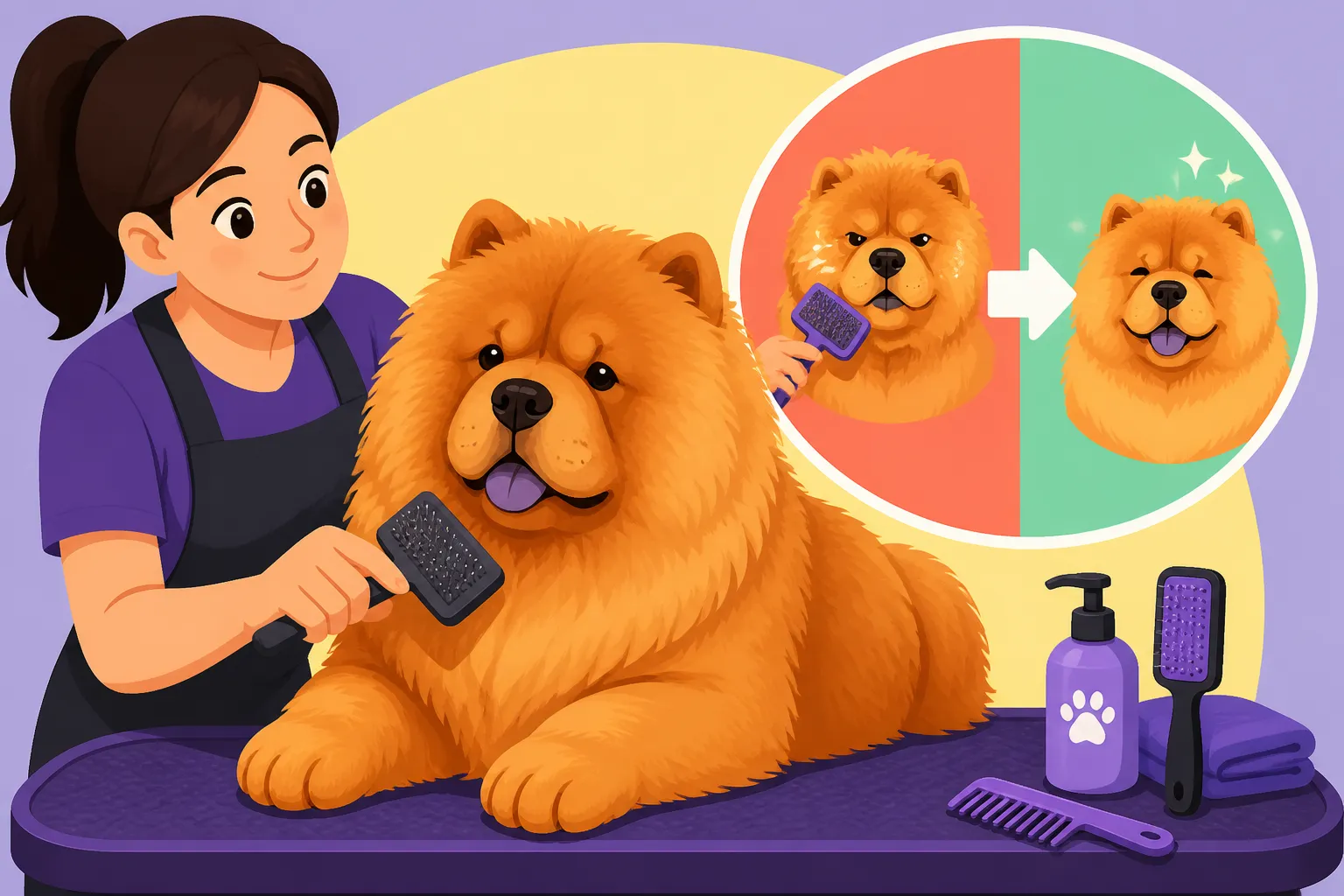
Teaching a Chow Chow to Accept Being Groomed
For many Chow Chow owners, the thought of a grooming session can feel like gearing up for battle. It’s a common frustration, isn't it? Their magnificent, dense coats are truly a hallmark of the breed, but that very beauty comes with a hefty maintenance requirement that clashes head-on with their famously independent and often touch-averse nature. This guide is here to walk you through a comprehensive approach to teaching your Chow Chow not just to tolerate, but to genuinely accept being groomed, turning a chore into a calm, even pleasant, routine for both of you.
Understanding the Chow Chow's Grooming Challenges
Before we dive into techniques, let's acknowledge why grooming a Chow Chow can be such a unique challenge. It's not just about a stubborn dog; there are very real, physical, and behavioral factors at play that make this breed distinct. Understanding these underlying issues is the first step toward empathy and finding effective solutions.
The Double Coat Dilemma
Whether you have a rough-coated Chow Chow, with its abundant, stand-offish fur, or a smooth-coated one, which still boasts a dense, thick double coat, you’re dealing with a serious amount of hair. This double coat consists of a harsh outer guard coat and a soft, woolly undercoat. It’s designed to protect them from extreme temperatures, but it's also a magnet for debris, prone to matting, and sheds profusely during seasonal "coat blows."
The sheer volume and texture of their fur mean that even a minor lapse in grooming can quickly lead to painful mats. These mats aren't just an aesthetic problem; they can pull on the skin, cause discomfort, create hot spots, and even hide skin infections or parasites. Trying to brush out severe mats on a dog that already dislikes handling is a recipe for disaster, often leading to fear, pain, and further resistance. It’s a vicious cycle that many Chow Chow owners find themselves in, feeling overwhelmed and guilty that their dog’s coat has become unmanageable.
Independent Spirit and Touch Aversion
Chow Chows are often described as "cat-like" for a reason. They tend to be reserved, dignified, and have a profound sense of personal space. Unlike some breeds that crave constant physical affection and thrive on being fussed over, a Chow Chow often prefers to initiate contact and can be quite particular about who touches them and how. This natural aloofness extends directly to grooming. They are not typically a breed that will joyfully roll over for a belly rub from a stranger, let alone happily submit to prolonged brushing, nail trims, or ear cleaning by their own trusted person if not properly conditioned.
Many owners face the heartbreaking reality of their Chow Chow growling or even snapping when a brush is introduced or their paws are touched. This isn't usually malice; it's often a deeply ingrained preference for independence and a low tolerance for invasive handling. It’s incredibly frustrating when you know you need to groom them for their health and comfort, but your dog communicates a clear "no." The key is to shift from "making them submit" to "teaching them to cooperate" through positive association and respect for their boundaries.
Deep-Set Eyes and Limited Vision
Another factor that often goes overlooked is the Chow Chow's unique facial structure. Their deep-set eyes, combined with the heavy ruff around their neck and head, can limit their peripheral vision. This means they might startle easily if approached from behind or from the side, or if a hand or tool comes into their field of vision unexpectedly. This can make grooming around the head, ears, and face particularly tricky and anxiety-inducing for them.
When you're trying to clean around their eyes or gently brush their ruff, sudden movements can trigger a defensive reaction. They might pull away, snap, or become generally agitated, simply because they weren't prepared for the sensation or couldn't see what was coming. Understanding this visual limitation helps us approach them more carefully and predictably, reducing potential stress and making the experience less frightening for them.
Starting Early: The Puppy Foundation
The saying "an ounce of prevention is worth a pound of cure" couldn't be more true when it comes to grooming a Chow Chow. Laying a solid, positive foundation during puppyhood is absolutely critical. This isn't just about getting them used to the brush; it's about building trust and teaching them that handling is a normal, non-threatening, and even rewarding part of their life.
The Critical Socialization Window
A Chow Chow puppy's most impressionable period, often called the critical socialization window, typically runs from about 3 to 16 weeks of age. This is the prime time to introduce them to a wide variety of sights, sounds, people, and experiences in a positive and controlled manner. The Weeks That Matter Most for a Chow Chow Puppy During this time, every positive interaction with handling and grooming tools is building a crucial mental database that says, "This is safe, this is good."
If you wait until your Chow Chow is an adult to start serious grooming, you're working against deeply ingrained habits and natural wariness. An adult Chow Chow will be far more resistant to new or uncomfortable experiences. Think of it like trying to teach an adult a new language versus teaching a child – the child's brain is simply more wired for absorption and acceptance. So, as soon as your puppy comes home, even before their vaccinations are complete and they can explore the world, you can begin the foundation for grooming.
Gentle Handling from Day One
From the moment your Chow Chow puppy enters your home, make gentle handling a daily, positive ritual. This isn't about full grooming sessions yet, but about desensitizing them to touch all over their body. Start with petting, not just on their head and back, but also touching their ears, gently stroking their legs, and briefly touching their paws. Always pair these touches with calm praise and tiny, high-value treats.
The goal is to create a positive association: "Touch equals good things!" Keep these initial sessions very short – literally just a few seconds at first. End on a positive note before your puppy shows any signs of discomfort or resistance. Gradually increase the duration and intensity of the handling. If your puppy pulls away, don't force it. Take a step back, try a lighter touch, and increase the reward. Building this foundation of trust and comfort with touch is the bedrock for all future grooming.
Short, Frequent Sessions
Instead of waiting until your puppy is matted or stinky for a long, arduous grooming session, integrate very short, frequent bursts of grooming into their daily routine. For example, spend two minutes in the morning gently brushing a patch of fur, and two minutes in the evening checking their paws. This continuous, low-pressure exposure prevents grooming from becoming a big, overwhelming event.
These micro-sessions should always be positive. You’re not aiming for perfection or a perfectly groomed coat at this stage. You’re aiming for calm acceptance. Use a soft puppy brush, offer delicious treats, and talk in a soothing voice. If your puppy looks relaxed, that's a win! If they get restless, stop immediately, even if it's only been 30 seconds. The idea is to make grooming so routine and non-threatening that it just becomes another part of their day, like mealtime or a potty break.
The Right Tools for the Job
Having the correct grooming tools isn't just a matter of convenience; it's essential for effectively maintaining your Chow Chow's coat and making the experience as comfortable as possible for them. Trying to tackle their dense fur with inadequate tools can cause pain, pull their hair, and quickly turn a cooperative Chow Chow into a resistant one. Investing in quality equipment is truly an investment in your dog's comfort and your sanity.
Essential Brushes and Combs
For a Chow Chow, you'll need a specific arsenal of brushes and combs to penetrate their thick double coat. You can find many of these professional-grade tools on platforms like Amazon, making them accessible to home groomers.
- Slicker Brush: This brush has fine, short wires packed closely together on a flat or curved head. It's excellent for removing loose undercoat and detangling surface mats. Always use a gentle hand, sweeping away from the skin to avoid brush burn.
- Pin Brush: With widely spaced, stiff metal pins, often with rounded tips, this brush is good for going through the longer outer guard hairs. It helps separate the coat and can be used for general fluffing and finishing.
- Undercoat Rake: This is perhaps the most crucial tool for a Chow Chow. It features a single or double row of widely spaced, sharp (but blunt-ended) teeth designed to reach deep into the undercoat and pull out loose, dead hair without damaging the topcoat. Regular use of an undercoat rake during coat blow seasons will dramatically reduce shedding and prevent mats. Be sure to choose one with rotating teeth to minimize pulling.
- Metal Comb: A sturdy metal comb with both wide and fine teeth is indispensable for checking your work and for detailed areas. After brushing, you should be able to run the comb through the coat all the way to the skin with minimal snagging. If it snags, you've missed some tangles.
These tools, when used correctly, will allow you to systematically work through your Chow Chow's coat without causing unnecessary discomfort. Learning How to Line Brush a Chow Chow is also vital; this technique ensures you reach all the way down to the skin, preventing hidden mats.
| Tool Type | Primary Use | Chow Chow Specific Benefit |
|---|---|---|
| Slicker Brush | Detangling surface mats, removing loose topcoat | Efficient for breaking up minor tangles, general brushing. |
| Pin Brush | General brushing, separating longer guard hairs | Good for fluffing, stimulating skin, and everyday maintenance. |
| Undercoat Rake | Removing dense, dead undercoat | Essential for preventing mats and managing seasonal shedding. |
| Wide-Toothed Comb | Finishing, checking for missed tangles, delicate areas | Ensures complete mat removal, useful for ruff and britches. |
| Nail Grinder | Smooth and shortens nails without clipping risks | Less intimidating than clippers for many Chows, prevents splits. |
| High-Velocity Dryer | Rapid drying, blowing out loose undercoat | Speeds up drying, forces out loose hair, reduces grooming time. |
The High-Velocity Dryer Advantage
If there's one piece of grooming equipment that can transform the Chow Chow grooming experience, it's a high-velocity force dryer. This isn't just a fancy hairdryer; it's a powerful tool specifically designed for dogs. Its primary function is to blow water off the coat with force, dramatically speeding up drying time after a bath. This is critical for a Chow Chow, as their dense double coat can take hours, even a full day, to air dry, leading to potential skin issues if left damp. Why a Chow Chow Must Be Dried to the Skin
Beyond drying, a high-velocity dryer is a miracle worker during a "coat blow." The powerful stream of air literally blasts loose undercoat out of the dog's fur, often removing handfuls of dead hair that brushing alone can't reach. This makes brushing sessions significantly easier and more effective. You can find excellent quality high-velocity dryers on Amazon that are surprisingly affordable for the immense benefit they provide. Introduce it slowly, starting on a low setting and pairing it with treats, so your Chow Chow associates the noise and sensation with positive rewards.
Nail Trimmers and Grinders
Nail care is another critical, often dreaded, aspect of grooming. Overgrown nails can cause discomfort, alter your Chow Chow's gait, and even lead to painful splits or infections. For a Chow Chow, you have two main options: traditional clippers (guillotine or scissor style) or a nail grinder.
Many Chow Chows are sensitive about their paws, so starting early with paw handling is vital. For adult Chows, a nail grinder (like a Dremel tool designed for pet nails) can be less intimidating than clippers, as it gradually files the nail down rather than snipping. The vibration and noise take some getting used to, but many dogs prefer it to the sudden pressure of clippers. Whichever tool you choose, ensure it's sharp and well-maintained to make the process quick and clean. Regular, small trims or grinds are far better than infrequent, traumatic sessions.
Desensitization and Counter-Conditioning Techniques
Once you have the right tools, the next step is to teach your Chow Chow to accept them. This involves two powerful training techniques: desensitization and counter-conditioning. Desensitization means gradually exposing your dog to a stimulus (like a brush or dryer) at such a low level that it doesn't cause a negative reaction. Counter-conditioning means changing your dog's emotional response to that stimulus from negative (fear, anxiety) to positive (excitement, anticipation) by pairing it with something they love, like high-value treats.
The "Touch and Treat" Method
This simple yet effective method is the cornerstone of positive grooming training. The principle is straightforward: every time you touch your Chow Chow with a grooming tool, they get a treat.
- Introduce the Tool Visually: Start by simply showing your Chow Chow the brush or comb. If they look at it calmly, reward with a treat. Repeat a few times. Don't touch them with it yet.
- Brief, Gentle Touch: Take the brush and lightly touch a part of their body where they are least sensitive – perhaps their shoulder or upper back. Immediately after the touch, give a high-value treat and praise. The touch should be so fleeting and gentle that they barely notice it.
- Increase Duration and Pressure (Gradually!): Over many, many sessions (this is not a quick fix), slowly increase how long you touch them with the brush, and then how much pressure you apply. For example, instead of a tap, try one gentle stroke. Treat. Then two strokes. Treat.
- Vary Body Parts: Once they are comfortable with a light touch on one area, gradually expand to other areas: their sides, belly, legs, and finally, their more sensitive spots like their rear, tail, and paws. Always return to an "easy" spot if they show any tension.
The key is to go at your Chow Chow's pace. If they show any signs of discomfort – tensing up, pulling away, lip licking, yawning, or growling – you've gone too far, too fast. Back off to a step they were comfortable with and build up again more slowly. Remember, we are aiming for acceptance, not simply tolerating. Teaching a Chow Chow to Be Brushed using this methodical approach will make a huge difference.
Gradual Introduction of Tools
This method extends the "touch and treat" principle to all grooming tools, especially the more intimidating ones like the high-velocity dryer or nail grinder.
- The Dryer: Start by simply having the dryer visible in the room. Treat. Then, plug it in but don't turn it on. Treat. Next, turn it on the lowest, quietest setting from a distance. Treat. Gradually, over days or weeks, bring the running dryer closer, always pairing it with treats and praise. Don't point it at your Chow Chow until they are comfortable with the noise nearby. Once they are, start by aiming it at their back legs on a low setting for just a second, then treat. Slowly move to other body parts.
- Nail Grinder/Clippers: Similar approach. Let them sniff the tool. Treat. Touch their paw lightly with the non-working tool. Treat. Turn the grinder on briefly nearby. Treat. Touch the working grinder to just one nail for a fraction of a second, then treat. Build up to grinding for longer and doing more nails.
The process of gradual introduction requires immense patience. It might feel painstakingly slow, but rushing it will undo all your progress and instill fear. Think of it as investing time now to save years of struggle and stress later. Online resources, like those offered by BAXTER & Bella, can provide structured lessons and visual guides for these desensitization techniques, which many owners find incredibly helpful.
Managing Restraint
While we want voluntary cooperation, there will be times when some gentle restraint is necessary for grooming, even if it's just keeping them still for a quick brush. Teaching your Chow Chow to accept being held or positioned calmly is part of the desensitization process.
Start by practicing simply holding them gently for a few seconds. For instance, put an arm around their body or gently hold their collar while offering a treat. Release immediately. Over time, you can gradually increase the duration. If they learn to Teaching a Chow Chow to Stand for an Exam at the vet's office, this skill translates beautifully to the grooming table. Using a non-slip mat on your grooming surface can also make them feel more secure and less likely to try and jump away. Never use force or intimidation, as this will only create fear and resistance. If your Chow Chow actively struggles, release, allow them to calm down, and restart at an easier step. The goal is a calm, brief acceptance of necessary handling.
Making Grooming a Positive Experience
Beyond just desensitization, the ultimate goal is to make grooming something your Chow Chow associates with good feelings. This means creating an environment and routine that is low-stress, highly rewarding, and consistent. When your Chow Chow sees the grooming tools and thinks "treats!" instead of "torture!", you've won half the battle.
Calm Environment and Routine
Chow Chows thrive on routine and can be sensitive to their environment. A chaotic or noisy setting is not conducive to a calm grooming session. Choose a quiet, well-lit space in your home where you and your Chow Chow can focus. This might be a laundry room, a quiet corner of the living room, or even on a sturdy grooming table if you have one.
Establish a consistent time for grooming. Perhaps it's after their morning walk when they're a bit tired, or in the evening after dinner. The predictability of the routine itself can be calming. Before you even bring out the tools, spend a few minutes gently petting your Chow Chow and speaking in a soothing voice. This signals that it's a calm interaction, not an emergency. Always ensure you have everything you need within arm's reach before you start, so you don't have to break the flow by searching for a comb or treats.
High-Value Rewards
For an independent breed like the Chow Chow, praise alone often isn't enough to motivate them through an uncomfortable experience. You need to pull out the big guns: high-value treats. These are treats your Chow Chow absolutely adores and rarely gets otherwise. Think small pieces of cooked chicken, cheese, hot dogs, or liverwurst. These treats create a powerful positive association. Which Treat a Chow Chow Will Work Hardest For will vary from dog to dog, so experiment to find your Chow Chow's absolute favorite.
Deliver the treat immediately after the desired behavior (even if it's just letting you touch them for a second). This creates a clear link: "I let them brush my paw, and bam, delicious chicken appeared!" Don't make them work for it or jump through hoops; the treat is the reward for enduring the grooming. Keep the treats small so you can give many during a session without overfeeding. You can also use a LickiMat spread with peanut butter or plain yogurt as a distraction and calming mechanism during grooming.
Recognizing Stress Signals
One of the most crucial aspects of positive grooming is learning to read your Chow Chow's body language. Chow Chows, with their deep-set eyes and thick fur, can sometimes be harder to read than other breeds, but they still communicate discomfort. Failing to recognize and respect these signals can lead to escalation of fear or even defensive aggression. Signs a Chow Chow Is Uncomfortable during grooming might include:
- Lip licking or yawning: Often subtle signs of stress.
- Turning their head away or trying to avoid eye contact.
- Tensing their body: Becoming stiff, not relaxed.
- Whale eye: Showing the whites of their eyes.
- Low tail carriage or tail tucked: Even if their tail is usually curled over their back, observe if it's held lower than normal. Whether a Chow Chow's Tail Tells You Anything
- Growling or snapping: These are clear warnings that you've pushed too far.
If you see any of these signs, immediately stop what you're doing. Give your Chow Chow a break, let them move away, and offer reassurance. Trying to push through their discomfort will only make future sessions harder. When you resume, go back to a step they were comfortable with and proceed even more slowly. It teaches them that you listen to their communication and that grooming is a safe space where they can signal their needs. Many online training programs, such as those offered by BAXTER & Bella, emphasize reading canine body language, which is invaluable for Chow Chow owners.
Addressing Specific Problem Areas
Every Chow Chow owner knows there are certain areas that present more of a challenge than others. These "hotspots" require extra patience, careful technique, and sometimes a different approach to ensure your Chow Chow remains comfortable and cooperative.
Tackling the Mane and Britches
The thick ruff around a Chow Chow's neck (the mane) and the dense fur on their hind legs (the britches) are two notorious areas for matting. These are also areas that can be sensitive due to underlying skin or joint issues, or simply because they're harder for the dog to reach themselves.
The key to these areas is thorough, systematic line brushing. You need to part the coat in small sections, brush from the skin out, and then move to the next section. Don't just brush the top layer of fur. For the mane, pay particular attention behind the ears and under the chin, where mats often form first due to friction. Why a Chow Chow's Ruff Mats Behind the Ears can often be attributed to collar rubbing or simply the natural movement of their head.
For the britches, the long, feathery hair combined with sitting and movement makes it a prime matting zone. Why a Chow Chow's Britches Mat First is due to constant friction. Be extra gentle here, as some Chows can be sensitive about their rear end being touched. Use your undercoat rake to clear out the dense undercoat regularly, followed by a comb to ensure all tangles are gone. If you encounter a mat, don't just pull at it. Gently work it out with your fingers, or use a mat splitter if it's severe. Never yank on a mat; it causes immense pain and will instantly erode any trust you've built.
Foot Handling and Nail Trimming
For many dogs, not just Chow Chows, their paws are highly sensitive areas. They use them constantly, and they contain many nerve endings. Introducing paw handling and nail trims needs to be a very gradual and positive process. Start by simply touching their leg, then moving your hand down to their paw, always rewarding with treats. Teaching a Chow Chow to Have Its Feet Handled is a fundamental skill that pays dividends for a lifetime.
When it comes to nails, don't try to do all four paws, or even all nails on one paw, in a single session at first. Aim for one nail, or even just touching the clippers/grinder to one nail without actually trimming, followed by a big reward. Over time, you can gradually increase the number of nails you tackle per session. The sound and vibration of a grinder can be particularly startling, so spend ample time desensitizing them to the tool before you ever touch it to their nail. Keep sessions short and positive, even if it means you only get one or two nails done in a day. Consistency is more important than speed.
Face and Ear Care
Grooming around a Chow Chow's face and ears requires particular delicacy, especially given their deep-set eyes and potential for startling. When cleaning their face, use a soft, damp cloth to gently wipe around their eyes and any facial folds they may have. How to Clean Around a Chow Chow's Eyes is crucial, as tear staining and debris can accumulate and cause irritation. Always wipe away from the eye, and never use harsh chemicals or wipes not specifically designed for dogs.
For their ears, a visual inspection during grooming is usually sufficient unless you notice discharge or a foul odor. Chow Chows typically have small, rounded ears that don't trap as much moisture as floppy-eared breeds, but they still need occasional cleaning. If you need to clean inside the ear, use a veterinarian-approved ear cleaner and cotton balls, never cotton swabs, which can push debris further in or damage the eardrum. Make sure to reward heavily for ear handling, as this can be a very vulnerable area for them.
When to Seek Professional Help
While home grooming is essential, there are times when it's best to call in the professionals. Recognizing when you're in over your head, or when your Chow Chow's needs exceed your capabilities, is a sign of responsible pet ownership, not failure.
Matted Coats and Skin Issues
If your Chow Chow's coat has developed severe, tight mats, especially close to the skin, trying to remove them yourself can be incredibly painful and traumatic for your dog. Whether Mats Hurt a Chow Chow is a resounding yes; they pull on the skin, restrict movement, and can hide serious skin infections. In such cases, a professional groomer or veterinarian is the best option. They have specialized tools and techniques, including professional clippers, to safely remove mats without causing injury. Sometimes, a full shave-down is the only humane option for a severely matted coat. While Why a Chow Chow Must Never Be Shaved for general cooling, in cases of severe matting, it becomes a medical necessity to alleviate pain and allow the skin to breathe and heal.
Similarly, if you notice any skin irritations, redness, bumps, or foul odors underneath their fur, it's time for a vet visit. Why a Chow Chow's Dense Coat Hides Skin Disease means that problems can go unnoticed until they become severe. A professional can assess the underlying issue and provide appropriate treatment before attempting to groom over the problem area.
Aggression or Extreme Fear
If, despite all your efforts with positive reinforcement and desensitization, your Chow Chow displays consistent aggression (growling, snapping, biting) or extreme fear (shaking, urinating, panic attacks) during grooming, it’s a clear signal that you need expert intervention. This isn't something to "power through." Such behaviors indicate a significant welfare issue and a potential safety risk.
A certified professional dog trainer or a veterinary behaviorist can help you understand the root cause of the behavior and develop a specialized modification plan. They can guide you through more advanced counter-conditioning techniques and potentially suggest medication to reduce anxiety during training if needed. Sometimes, even the presence of a calm, experienced professional can make a difference in how your dog reacts.
Finding a Chow Chow-Savvy Groomer
If you decide professional grooming is the best route, or if you simply want a professional touch for baths and major coat blows, finding the right groomer is paramount. Not all groomers are equipped or willing to handle Chow Chows due to their dense coats and often reserved temperaments. Finding a Groomer Who Will Take a Chow Chow might take some research, but it's worth the effort.
Look for a groomer who has experience with northern breeds or double-coated dogs. Inquire about their handling techniques – do they use positive reinforcement? Are they patient? Ask if you can stay with your dog for the first session or two, or at least observe how they interact. A good groomer will prioritize your dog's comfort and safety above all else, even if it means a longer, slower session. They should never force or punish your Chow Chow. Building a relationship with a trusted professional groomer can be invaluable over your Chow Chow's lifetime.
Maintaining a Lifetime of Grooming Acceptance
Congratulations! You've successfully taught your Chow Chow to accept, or even enjoy, grooming. But the work doesn't stop there. Maintaining this positive relationship with grooming is an ongoing commitment that will benefit both you and your beloved companion for years to come.
Regularity is Key
Consistency is the single most important factor in maintaining your Chow Chow's grooming acceptance. Once you've established a routine, stick to it. Daily short brushing sessions, weekly or bi-weekly paw checks and nail trims, and regular full grooming sessions (whether at home or with a professional) are all crucial. Skipping sessions, especially during coat blow seasons, can quickly lead to mats, discomfort, and a regression in their acceptance.
Think of it like exercise or dental hygiene for humans. You wouldn't stop brushing your teeth just because they feel clean for a day. Similarly, a Chow Chow's coat constantly needs attention. Even if their coat looks perfectly fine, a quick brush-through keeps the positive association strong and helps you catch any developing issues early. This regular, gentle contact reinforces that grooming is just a normal, pleasant part of their life, not an occasional ordeal.
Health and Grooming Connection
Regular grooming isn't just about keeping your Chow Chow looking good; it's a vital part of their overall health and well-being. During grooming sessions, you have an unparalleled opportunity to perform a thorough "health check" of your dog. As you brush, you can feel for new lumps, bumps, or tender spots. You can visually inspect their skin for redness, irritation, parasites, or dry patches. Why a Chow Chow's Dense Coat Hides Skin Disease means that grooming might be the only time you spot these subtle changes.
Checking their paws allows you to look for cuts, cracked pads, or foreign objects lodged between their toes. Ear inspections can catch early signs of infection. Regular teeth brushing (if your Chow Chow allows, another area for desensitization!) prevents dental disease. Your grooming routine becomes a proactive health surveillance program, enabling you to detect potential issues early and seek veterinary attention before they become serious.
Continual Positive Reinforcement
Even after your Chow Chow has become a grooming champion, never stop with the positive reinforcement. Every grooming session, no matter how brief or routine, should still involve praise, gentle handling, and ideally, high-value treats. The goal is to keep the positive emotional bank account full.
Imagine you've been doing well at your job, and suddenly your boss stops acknowledging your hard work. Over time, your motivation might wane. The same applies to your Chow Chow. Continuing to reward their cooperation keeps them engaged and happy during grooming. It reinforces that their good behavior is seen and appreciated. This lifelong commitment to positive reinforcement ensures that grooming remains a calm, cooperative, and even enjoyable activity for your Chow Chow, strengthening your bond and making their life, and yours, much more comfortable.
Disclaimer
This article is for general informational purposes only and does not constitute professional advice. Laws, prices and regulations vary by location and change over time. Consult a qualified professional for guidance on your specific situation.