Where to Socialize a Chow Chow Puppy
It’s a common dilemma for new Chow Chow puppy parents: you know socialization is critical for raising a well-adjusted dog, but all the advice out there seems to be for golden retrievers, not your reserved, dignified fluffball. Traditional dog parks or boisterous puppy free-for-alls can actually be detrimental to a Chow Chow, leaving you wondering where on earth you’re supposed to take them. This guide is here to cut through the generic advice and give you realistic, actionable strategies for safely and effectively socializing your Chow Chow puppy, ensuring they grow into a confident, tolerant, and happy adult without being overwhelmed.
Understanding the Chow Chow's Unique Social Needs
Before we even talk about where to socialize your Chow Chow puppy, it's absolutely vital to understand who a Chow Chow is at their core. This isn't a breed that generally thrives on meeting every new person and dog with unbridled enthusiasm. They are ancient, independent, and notoriously discerning. Ignoring these inherent traits is like trying to fit a square peg in a round hole – it just won't work, and it can create more problems than it solves.
Why Standard Socialization Advice Falls Short for Chows
Many common socialization checklists suggest exposing your puppy to as many new people, dogs, and environments as possible, often equating "more" with "better." While this quantity-over-quality approach might suit some breeds, it often backfires spectacularly with a Chow Chow. They aren't wired to be outgoing and can quickly become overwhelmed, leading to fear, anxiety, or defensive behaviors if pushed too far too fast. Their natural aloofness isn't a flaw; it's a defining characteristic that needs to be respected and managed, not "fixed."
Moreover, the Chow Chow's unique physical characteristics contribute to how they perceive the world and, therefore, how they should be socialized. Their deep-set eyes, framed by that glorious ruff, limit their peripheral vision. This means they can be easily startled by sudden movements or approaches from the side or behind, making cautious introductions paramount. Why a Chow Chow's Deep Set Eye Limits Its Vision Their somewhat stiff, stilted gait also means they aren't built for the same kind of rough-and-tumble play that many puppies enjoy, further emphasizing the need for controlled, low-impact social interactions.
The Critical Socialization Window for a Chow Chow
Just like every puppy, a Chow Chow has a critical socialization window, generally from about 3 to 16 weeks of age. This period is paramount for shaping their view of the world as safe or threatening. For a breed already predisposed to wariness, missing this window can have profound and lasting consequences, often resulting in an adult dog that is chronically fearful, reactive, or even aggressive towards anything new or unfamiliar. The Weeks That Matter Most for a Chow Chow Puppy
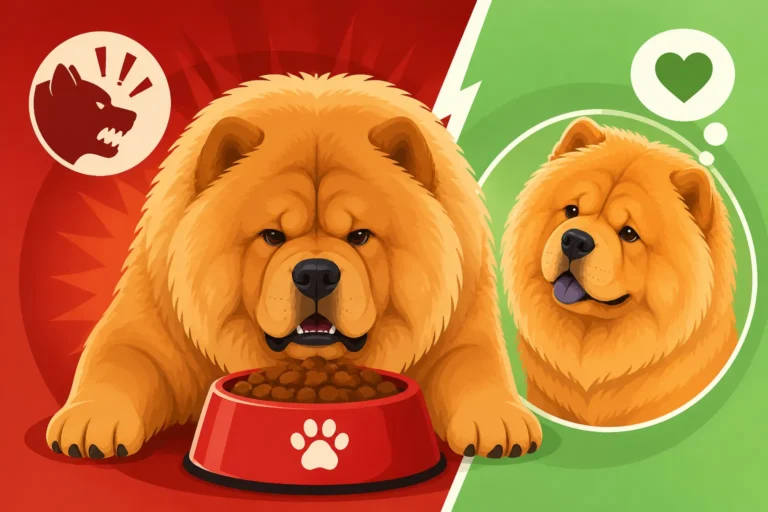
The goal during this window for a Chow Chow isn't to create a social butterfly who loves strangers. Instead, it's about fostering tolerance and neutrality. You want your Chow Chow puppy to observe new people, sounds, and environments without reacting with fear or aggression. They should learn that unfamiliar things aren't necessarily threats. This proactive, positive exposure during these formative weeks lays the groundwork for a calm, well-adjusted adult, even if they remain politely indifferent to the world outside their inner circle. Without careful, intentional socialization, the risk of developing an undersocialized Chow Chow that is fearful and reactive drastically increases. What an Undersocialized Chow Chow Becomes
Safe Environments for Early Puppy Socialization
When your Chow Chow puppy is tiny, vulnerable, and still developing their immune system, the safest and most effective socialization begins right at home, in carefully controlled environments. This isn't about isolating them; it's about curating their experiences to be overwhelmingly positive and stress-free.
The Importance of Home and Controlled Encounters
Your home is your Chow Chow puppy's first classroom. Here, you have complete control over every variable, making it the ideal place to introduce them to a wide variety of sights, sounds, and textures without the unpredictable chaos of the outside world. Think about everything from the vacuum cleaner (start it far away and gradually move it closer), the washing machine, different flooring surfaces like tile, carpet, and wood, to the sound of children playing outside or even thunder recordings. The goal is to make these everyday occurrences just background noise, rather than terrifying events.
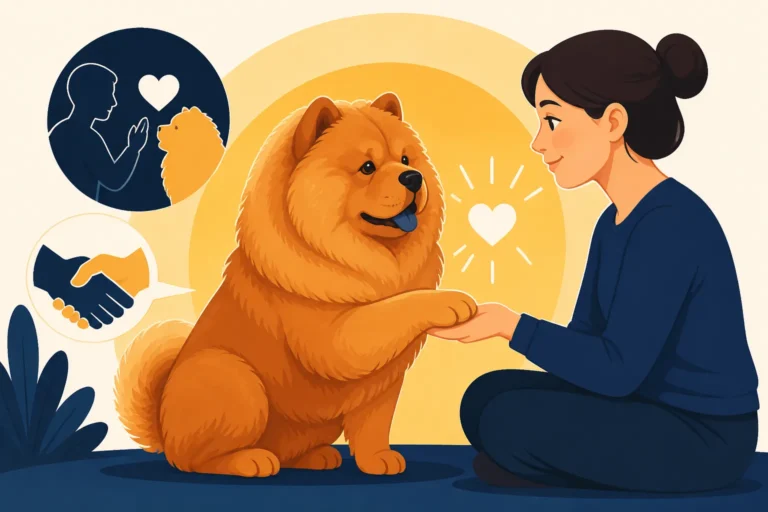
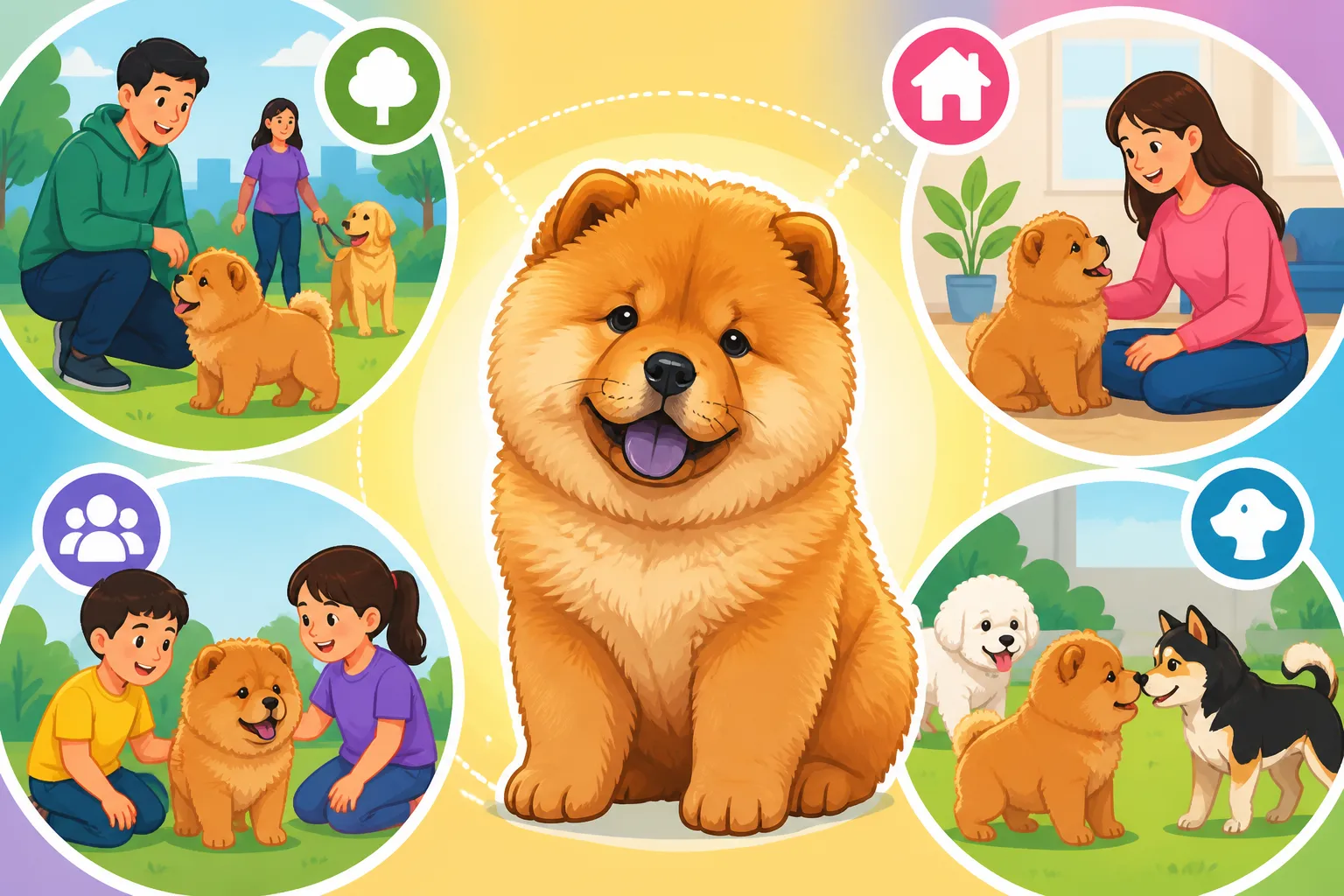
Once they're comfortable with the basics, it's time to introduce carefully selected people. Start with immediate family members or trusted, calm friends who understand that interaction should be gentle, brief, and always on the puppy's terms. Have them sit quietly on the floor, offer a high-value treat, and let the puppy approach. Avoid grabbing, excessive petting, or overwhelming the puppy with too much attention. The aim is to create positive associations with different types of people, from those wearing hats and glasses to individuals with varying voices and gaits. Remember, it's about exposure and positive association, not forced interaction.
Puppy Classes and Structured Environments
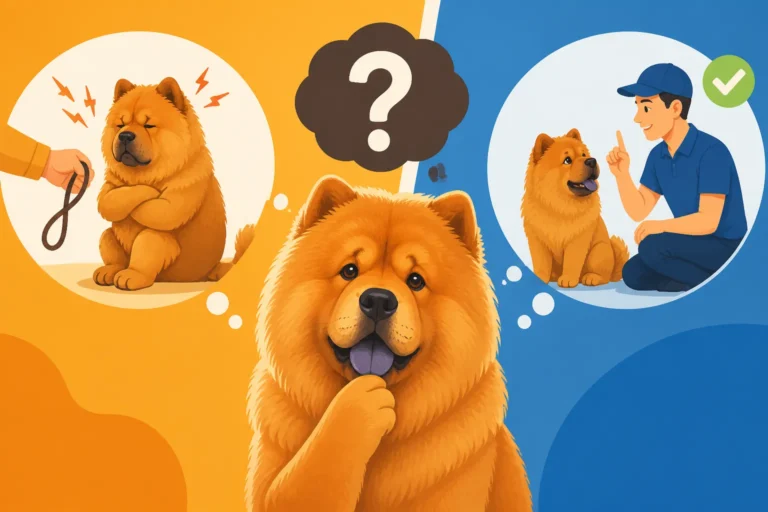
Once your puppy has received their initial vaccinations and your vet gives the green light, a well-run puppy socialization class can be an invaluable resource. However, this comes with a huge caveat: not all puppy classes are created equal, especially for a Chow Chow. You need to seek out classes that prioritize positive reinforcement, gentle handling, and a deep understanding of breed-specific temperaments. Look for trainers who advocate for controlled play, discourage "free-for-all" scenarios, and can recognize signs of stress or discomfort in individual puppies.
A good puppy class will expose your Chow Chow to a variety of other puppies (preferably those of a similar calm temperament, not overly boisterous ones), different people, and novel objects or sounds in a safe, structured setting. The instructor should actively manage interactions, ensuring no puppy is overwhelmed or bullied. This controlled environment is perfect for teaching impulse control and polite greetings, skills that are crucial for a Chow Chow. Online training programs, such as those offered by BAXTER & Bella, can also be a fantastic supplement, allowing you to practice foundational skills and introduce new stimuli in the comfort of your home, setting your puppy up for success before they even step foot in a physical class. Whether Puppy Class Suits a Chow Chow
Expanding Beyond the Home: Thoughtful Exposure
Once your Chow Chow puppy has a solid foundation of positive experiences at home and in a structured class, it’s time to carefully expand their world. This isn't about throwing them into the deep end, but rather, about strategic, low-stress exposure to public environments.
Navigating Public Spaces Safely
When taking your Chow Chow puppy out into the wider world, think of it as "observation" rather than "interaction" walks. The goal isn't for them to meet every person or dog they see; it's for them to simply exist calmly in varied environments. Start with quiet, low-traffic areas like a peaceful neighborhood park during off-peak hours or a less busy hiking trail. Find a bench and just sit, allowing your puppy to watch the world go by from a safe distance. Reward their calm curiosity with high-value treats.
Crucially, you need to be your Chow Chow's advocate. People will inevitably be drawn to a fluffy Chow Chow puppy and want to pet them. Politely but firmly explain that your puppy is in training and needs space. This protects your puppy from potentially overwhelming or negative interactions. Short, frequent outings are much more beneficial than one long, stressful excursion. Also, remember to take them on car rides that don't always end at the vet. Just a quick spin around the block, a treat, and back home can build positive associations with car travel. How Many Car Rides a Chow Chow Puppy Needs
The Vet's Office and Groomer's Salon as Socialization Opportunities
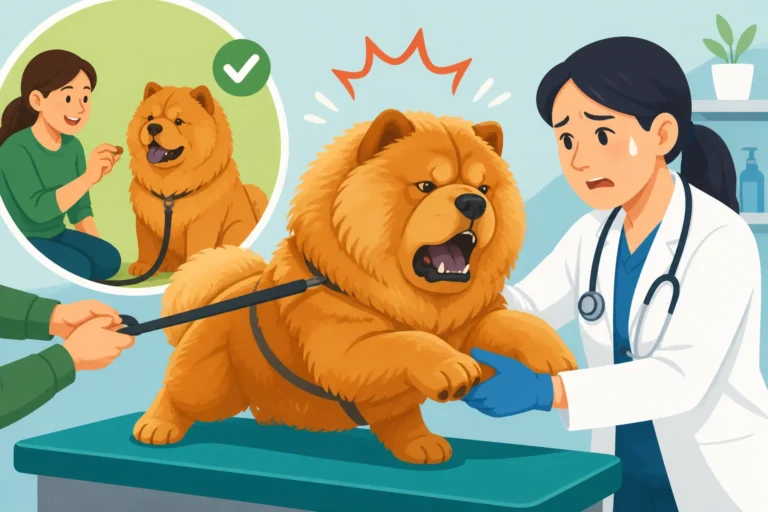
The vet's office and groomer's salon are places your Chow Chow will need to visit regularly throughout their life. Turning these into positive experiences from puppyhood is non-negotiable. Many vets offer "happy visits" or "puppy parties" where your young Chow Chow can come in just to say hello, get weighed, receive some treats, and get praised – all without any scary pokes or prods. This desensitizes them to the sounds, smells, and people of the clinic, building positive associations for future necessary visits. Whether a Chow Chow Puppy Should Visit the Vet for Nothing
Similarly, early, positive exposure to a groomer is paramount for a breed with such a dense coat. Find a groomer who is experienced with Chows and understands their sensitive nature. Start with short visits just for a brush-out and a treat, gradually increasing the duration and types of handling. This will make routine grooming much less stressful for both your Chow Chow and the groomer in the long run. Consider having a discussion with your chosen groomer about a "fear-free" approach. Whether a Chow Chow Puppy Should Visit the Groomer Early
Whom to Socialize Your Chow Chow Puppy With
It's not just about where you socialize your Chow Chow, but who they interact with. For a Chow, quality trumps quantity every single time, especially when it comes to people and other animals.
People: Quality Over Quantity
When introducing your Chow Chow puppy to people, focus on controlled, positive interactions with a diverse group. This means carefully selecting individuals of different ages, genders, and appearances – think people wearing hats, glasses, or using mobility aids. The key is to ensure these encounters are calm, brief, and rewarding. Instruct people to approach slowly, avoid direct eye contact initially, and let the puppy come to them. Offering a high-value treat can help build a positive association with the new person.
Always advocate for your puppy. If they show signs of discomfort or choose not to interact, that's perfectly fine. Never force an interaction. The goal is for your Chow Chow to learn that new people are not a threat, and that they can choose to engage or simply observe. A few genuinely positive interactions are worth far more than dozens of rushed, overwhelming ones. Understanding how many different types of people your puppy should meet is important, but more so is the quality of those interactions. How Many People a Chow Chow Puppy Should Meet You should also educate anyone who will be interacting with your Chow Chow on the best way to approach them to ensure a positive outcome for both parties. How to Introduce a Chow Chow to a Stranger
Other Dogs and Animals: Careful Introductions
This is where the Chow Chow's unique temperament really comes into play. While many breeds benefit from dog park visits, a dog park is generally not a suitable environment for a Chow Chow, especially not for socialization. Whether a Dog Park Suits a Chow Chow The unpredictable nature of these environments, with unknown dogs of varying temperaments and play styles, can quickly overwhelm a Chow Chow and lead to negative experiences that are hard to overcome.
Instead, prioritize carefully arranged "playdates" with known, calm, and well-socialized adult dogs who are tolerant of puppies. Ensure these interactions happen in a secure, neutral environment, like a fenced yard, with vigilant supervision. The aim is for polite sniffing and observation, not necessarily boisterous play. If you have other pets at home, such as cats, introductions must be slow, supervised, and positive, with clear escape routes for the other animal. Remember, a Chow Chow's prey drive can be quite strong, so respect the boundaries of all animals involved. Living With a Chow Chow and a Cat
| Interaction Type | Recommended for Chow Chow Puppy Socialization? | Key Considerations |
|---|---|---|
| Family & Close Friends | Yes, highly recommended | Calm, controlled, positive reinforcement (treats). Gentle handling. |
| Puppy Socialization Class | Yes, with caveats | Small classes, experienced trainer, positive reinforcement, controlled play. |
| Quiet Neighborhood Walks | Yes | Observation focused, short durations, controlled leash handling. Be your puppy's advocate. |
| Vet "Happy Visits" | Yes, essential | Positive associations with clinic staff, smells, sounds. No procedures. |
| Groomer "Happy Visits" | Yes, essential | Gentle desensitization to handling and tools. Find a Chow-experienced groomer. |
| Calm Adult Dogs (known) | Yes, highly recommended | Supervised, neutral environment. Focus on polite interactions, not rough play. |
| Different Objects/Surfaces | Yes, essential | Gradual introduction in safe home environment. |
| Busy Public Areas | Limited, observation only | From a distance, in a carrier or stroller initially. Avoid direct interaction. |
| Dog Parks | No, generally not recommended | High risk of negative, overwhelming, or aggressive encounters. |
| Boisterous Strangers | No, avoid | Can overwhelm, cause fear. Always advocate for your puppy's space. |
Common Pitfalls and How to Avoid Them
Even with the best intentions, it's easy to make mistakes during socialization, especially with a sensitive and independent breed like the Chow Chow. Understanding these common pitfalls can help you navigate the process more successfully.
Overwhelm and Negative Experiences
One of the biggest mistakes you can make with a Chow Chow puppy is to push them too far, too fast, or to expose them to overwhelming or negative experiences. Unlike some more resilient breeds, a single bad encounter can have a lasting detrimental effect on a Chow Chow, making future socialization efforts significantly harder. If a puppy is forced into an interaction they find scary, or if they're exposed to too much sensory input at once, it can lead to generalized fear, reactivity, or defensiveness.
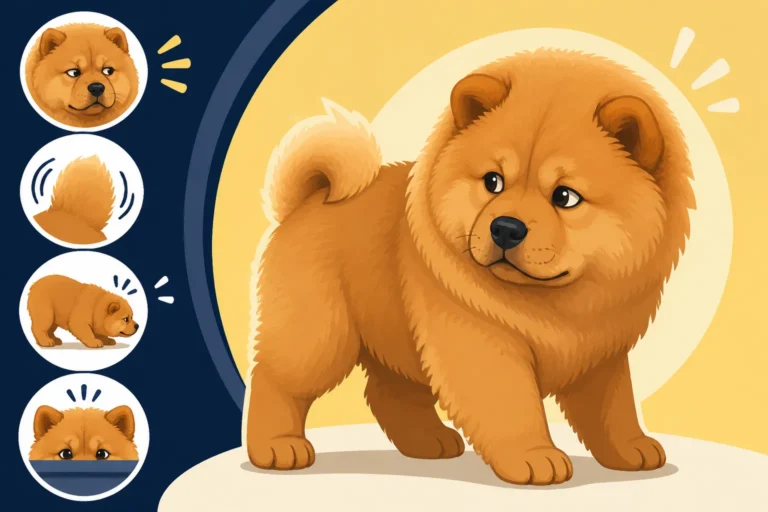
It's crucial to be constantly monitoring your puppy's body language. Signs of stress can be subtle: lip licking, yawning, turning their head away, a stiff body posture, tucked tail, or excessive panting. Signs a Chow Chow Is Uncomfortable If you see these signals, it's your cue to remove them from the situation immediately. Always err on the side of caution. It's far better to end an outing early and build up confidence slowly than to risk a traumatic experience. Remember, quality of exposure and positive associations are more important than the sheer volume of new experiences.
The Myth of "Socialization Cures All"
It's tempting to believe that if you just socialize your Chow Chow enough, they'll become an outgoing, social butterfly. This is a common and often frustrating misconception. Socialization, especially for a Chow Chow, isn't about changing their inherent personality. It's about teaching them to tolerate and navigate the human world safely and calmly, even if they remain reserved or aloof. Your Chow Chow is unlikely to ever be the type of dog who greets every stranger with a wagging tail or revels in the chaos of a dog park. This is okay! It's part of who they are.
A well-socialized Chow Chow is one who can remain calm and confident in various situations, accepting new people and experiences without fear or aggression, even if they choose not to interact closely. It means they won't feel the need to defend themselves out of insecurity. Think of it as teaching them good manners and resilience, rather than trying to transform them into something they're not. And remember, socialization is not a one-and-done event; it's an ongoing process throughout your dog's life, requiring continued thoughtful exposure and maintenance to reinforce those positive foundations.
Tools and Resources to Aid Socialization
Equipping yourself with the right tools and knowing where to turn for help can make a world of difference in your Chow Chow's socialization journey. You don't have to go it alone, and a little preparation goes a long way.
Essential Gear for Safe Outings
Having the right gear isn't just about convenience; it's about safety, control, and making positive experiences easier to manage.
- Sturdy Harness: A well-fitting, comfortable harness is crucial for controlling your Chow Chow puppy without putting pressure on their delicate neck. Look for harnesses that offer both front and back clip options, as a front clip can help with leash manners and redirection. Brands like Ruffwear offer durable, well-designed options that can be found easily on platforms like Amazon.
- High-Value Treats: These are your secret weapon. Small, soft, incredibly tasty treats (think tiny pieces of cooked chicken, cheese, or specialized training treats) are essential for reinforcing positive behavior during socialization. Every calm observation or polite interaction should be immediately followed by a reward.
- Secure Leash: A sturdy, fixed-length leash (avoid retractable leashes which offer less control) is fundamental. A four to six-foot leash is often ideal for teaching loose-leash walking and keeping your puppy close in new environments.
- Comfortable Car Crate or Seatbelt Harness: Safety in the car is paramount. A crash-tested car crate or a secure seatbelt harness ensures your puppy is safe and contained, reducing distractions for you and preventing them from becoming a projectile in the event of a sudden stop.
- A "Do Not Pet" Vest/Bandana: While you can always politely ask people not to approach, a brightly colored vest or bandana signaling "in training" or "do not pet" can be a visual cue that helps manage public interactions, especially important for a breed like the Chow Chow who needs their space.
Training Aids and Professional Help
You don't have to be a professional trainer to successfully socialize your Chow Chow, but utilizing available resources can greatly enhance your efforts.
- Online Training Programs: For those initial stages, or for supplementing in-person classes, online platforms offer structured guidance. Programs like BAXTER & Bella provide comprehensive, step-by-step instructions for everything from basic obedience to desensitization exercises, which can be done at home. This is particularly helpful for introducing novel sounds and textures in a controlled environment, preparing your puppy for the outside world.
- Qualified Professional Trainers: If you're feeling overwhelmed, or if your Chow Chow puppy is showing signs of fear or reactivity, do not hesitate to seek help from a certified professional dog trainer or a veterinary behaviorist. Look for someone who uses positive reinforcement methods and has experience with independent, guardian breeds like Chow Chows. They can offer personalized guidance, help you read your puppy's body language more accurately, and design a tailored socialization plan.
- Puppy Books & Resources: There's a wealth of information out there. Invest in some reputable puppy training books that focus on positive reinforcement and understanding canine behavior. These can provide a deeper understanding of the developmental stages and how to best support your Chow Chow.
Socializing a Chow Chow puppy requires patience, understanding, and a tailored approach that respects their unique nature. By focusing on controlled, positive experiences, advocating for your puppy's space, and utilizing the right tools and support, you can raise a confident, well-adjusted Chow Chow who is a joy to live with.
Disclaimer
This article is for general informational purposes only and does not constitute professional advice. Laws, prices and regulations vary by location and change over time. Consult a qualified professional for guidance on your specific situation.