Whether Puppy Class Suits a Chow Chow
Bringing a Chow Chow puppy into your home is an incredibly exciting time, full of dreams of a well-behaved, confident companion. However, many new Chow Chow owners find themselves wondering if traditional puppy classes, with their boisterous play and group obedience, are truly a good fit for their uniquely independent and often reserved furry friend. It's a common and completely valid concern, and this guide is here to help you navigate whether puppy class is the right environment for your Chow Chow, or if alternative approaches might serve them better.
Understanding the Chow Chow Temperament and Puppy Class Goals
Before enrolling your fluffy companion in any class, it’s crucial to understand the Chow Chow’s inherent personality and what typical puppy classes aim to achieve. The mismatch here can be a source of frustration for both you and your pup if not properly addressed.
The Independent Nature of the Chow Chow Puppy
Chow Chows are not your typical Golden Retrievers or Labradors, eager to please and easily molded. From a young age, Chow Chows exhibit a strong sense of self and an independent streak that's woven deep into their ancient lineage. They were originally bred for a variety of working roles in ancient China, from guarding to hunting, tasks that often required them to think for themselves rather than constantly checking in with a handler. This translates into a puppy that might seem aloof, less interested in group activities, and perhaps even a bit stubborn.
When you observe a Chow Chow puppy in a new environment, you'll often see them taking everything in with a dignified reserve. They might not rush headlong into a pile of other puppies. Instead, they might stand back, observe, and decide on their own terms if they want to engage. This isn't shyness or fear, necessarily; it's often their intelligent, self-possessed nature at play. They form deep, unwavering bonds with their chosen person or family, but their circle of trust for strangers and other dogs tends to be quite small. This means that a room full of unfamiliar puppies and people, all clamoring for attention, can be an overwhelming sensory experience rather than a fun one for a young Chow. Understanding this fundamental aspect of their character is the first step in deciding on the best socialization path.
What Puppy Classes Aim to Achieve (and Why Chows Are Different)
Most puppy socialization classes are designed with a few key goals in mind:
- Exposure to new sights, sounds, and smells: To prevent fear or anxiety later in life.
- Positive interactions with other puppies: To develop appropriate play skills and prevent dog-on-dog aggression.
- Basic obedience cues: Sit, stay, come, leash manners, to build a foundation for future training.
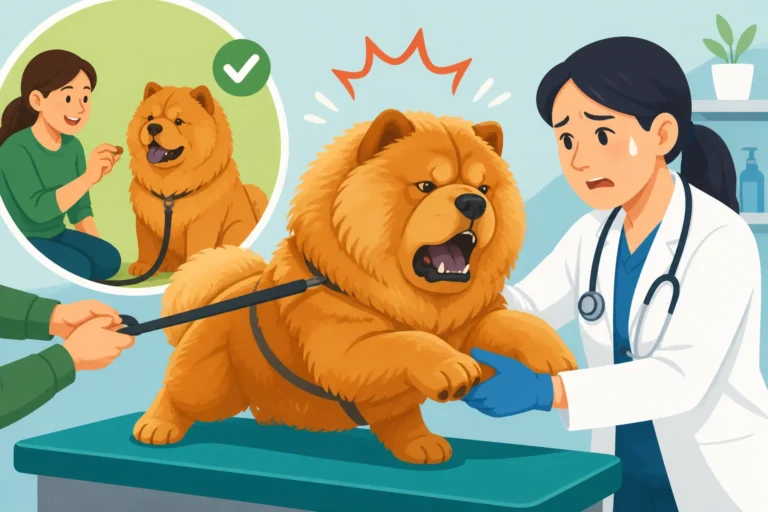
- Handling by various people: To get puppies comfortable with vet exams, grooming, and general interaction.
For many breeds, these goals are perfectly aligned with their natural inclinations. A Golden Retriever, for instance, thrives on meeting new friends, human and canine alike, and loves the challenge of learning new cues for a tasty treat. Their enthusiasm makes them fantastic candidates for group classes.
However, a Chow Chow’s inherent independence and natural wariness mean they might interpret these situations very differently. While exposure to new things is undoubtedly important, the manner of that exposure is critical for a Chow Chow. Forcing them into an overly stimulating environment, or one where they feel pressured to interact when they’d rather observe, can easily backfire. Instead of building confidence, it can create anxiety and reinforce their natural reserve, leading to a puppy that becomes more withdrawn or reactive. The boisterous, rough-and-tumble play that's encouraged in many puppy classes might be too much for a Chow, who often prefers a more sedate, polite interaction. This isn't to say a Chow Chow can't benefit from careful socialization and training, but rather that the "one size fits all" approach of many puppy classes might need significant adaptation for this unique breed. How Much Socialization a Chow Chow Puppy Needs is a topic that requires careful consideration for this breed.
Socialization: The Double-Edged Sword for a Chow Chow
Socialization is paramount for any puppy, but for a Chow Chow, it's particularly critical that it's done correctly. The wrong kind of socialization can do more harm than good, reinforcing negative behaviors rather than preventing them.
Controlled Exposure vs. Overwhelm
The key to successful socialization for a Chow Chow lies in control and quality over quantity. Instead of throwing your Chow Chow puppy into a chaotic environment with a dozen other puppies and expecting them to just "figure it out," focus on structured, positive, and gradual exposure. Think of it less as a free-for-all party and more like carefully curated, positive encounters.
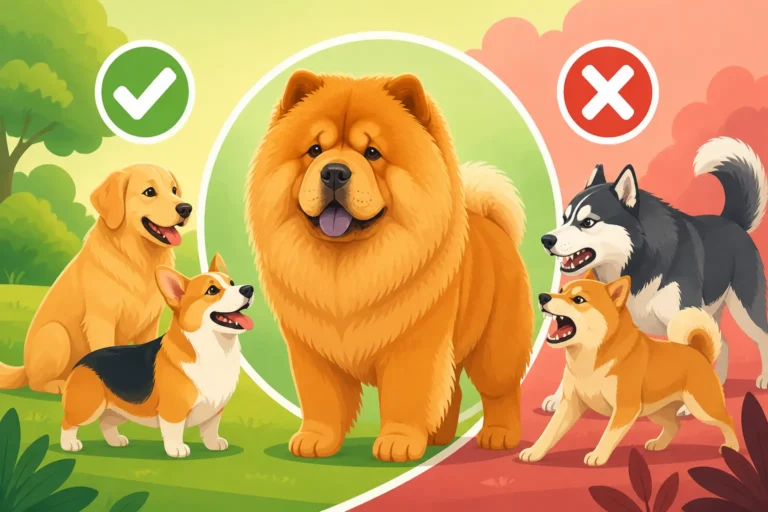
A small group setting with just one or two calm, well-socialized puppies can be far more beneficial than a large class where your Chow might feel swamped. The goal isn't necessarily for your Chow to become best friends with every dog they meet, but rather to teach them that other dogs exist, that their presence isn't threatening, and that polite coexistence is the norm. When introducing your Chow to new people, prioritize calm, respectful individuals who understand not to rush in for a hug. How Many People a Chow Chow Puppy Should Meet should be a gradual, positive experience, not a mass greeting. You want to build a foundation of trust and neutrality, showing your puppy that the world, while busy, isn't something to be feared or aggressively guarded against.
The Importance of Positive First Impressions
Every interaction a Chow Chow puppy has during its critical socialization period, typically between 8 and 16 weeks, lays the groundwork for their future behavior. A single negative experience can have a lasting impact due to their sensitive and intelligent nature. This is particularly true for interactions with other dogs and with strangers. If a puppy class involves an overly pushy puppy or a handler who doesn't understand Chow Chow body language and forces interaction, it can teach your Chow to be wary or defensive.
For example, imagine a puppy class where a boisterous Labrador puppy barrels over to your Chow, attempting to initiate rough play. A typical Chow might not appreciate this direct, energetic approach. If the instructor doesn't intervene to facilitate a more appropriate, gentle interaction, your Chow might learn to associate other dogs with unpleasant, overwhelming encounters. This can lead to your Chow becoming reactive on leash or displaying avoidance behaviors later in life. It's about ensuring that the early experiences are overwhelmingly positive and that your puppy feels safe and secure. Whether a Chow Chow Puppy Should Meet Strange Dogs should always be a controlled scenario.
When "Socialization" Can Backfire
Paradoxically, attempting to over-socialize a Chow Chow, or doing so incorrectly, can lead to the very problems you're trying to prevent. Pushing a naturally reserved Chow Chow into situations where they are uncomfortable can result in them becoming more anxious, fearful, or even defensive. If they consistently feel overwhelmed, they may learn that the best defense is to keep others at bay, either through barking, growling, or snapping. This isn't an aggressive dog; it's often a dog that has been put in a position where it feels it has no other choice but to protect itself.
Consider a class where puppies are expected to be handled by multiple strangers. While the intent is good, a Chow Chow might find this invasive if not introduced very carefully. Whether a Chow Chow Puppy Should Be Handled by Strangers is crucial, but it needs to be done with respect for their boundaries and personal space. An adult Chow Chow who was forced into uncomfortable interactions as a puppy may develop a strong aversion to being touched by anyone other than their trusted family members. The idea is to teach them tolerance and neutrality, not necessarily to make them a social butterfly who loves everyone. An Undersocialized Chow Chow Becomes a dog prone to fear and reactivity, but improperly socialized can lead to similar outcomes through different avenues.
Training Methodology: Finding the Right Fit for a Chow Chow
Training a Chow Chow is a rewarding experience, but it requires patience, understanding, and a willingness to adapt your methods. They respond best to specific approaches that respect their intelligence and independent spirit.
Why Traditional Methods Often Fail Chows
Many traditional puppy classes, and indeed, traditional dog training in general, rely on repetitive drills and a "do as I say" mentality. For breeds like German Shepherds or Border Collies, who thrive on direction and have a strong desire to work with their handler, this can be incredibly effective. However, for a Chow Chow, this approach often falls flat. Their independence means they don't necessarily feel the same overwhelming urge to please. They're smart enough to understand what you want, but they'll often weigh the perceived benefit to themselves before complying. Why a Chow Chow Ignores a Cue It Knows isn't about stupidity; it's often about choice.
Harsh corrections, loud voices, or physically forcing a Chow Chow into a position will almost always backfire. This breed is sensitive and remembers negative experiences vividly. Instead of learning to comply, they learn to distrust, to shut down, or to simply refuse to engage. Why Harsh Correction Backfires on a Chow Chow is a lesson many Chow Chow owners learn the hard way. They might comply in the moment out of fear, but it erodes the bond and does lasting damage to their willingness to learn and participate. Look for instructors who advocate positive, consent-based training.
The Value of Positive Reinforcement and Agreement
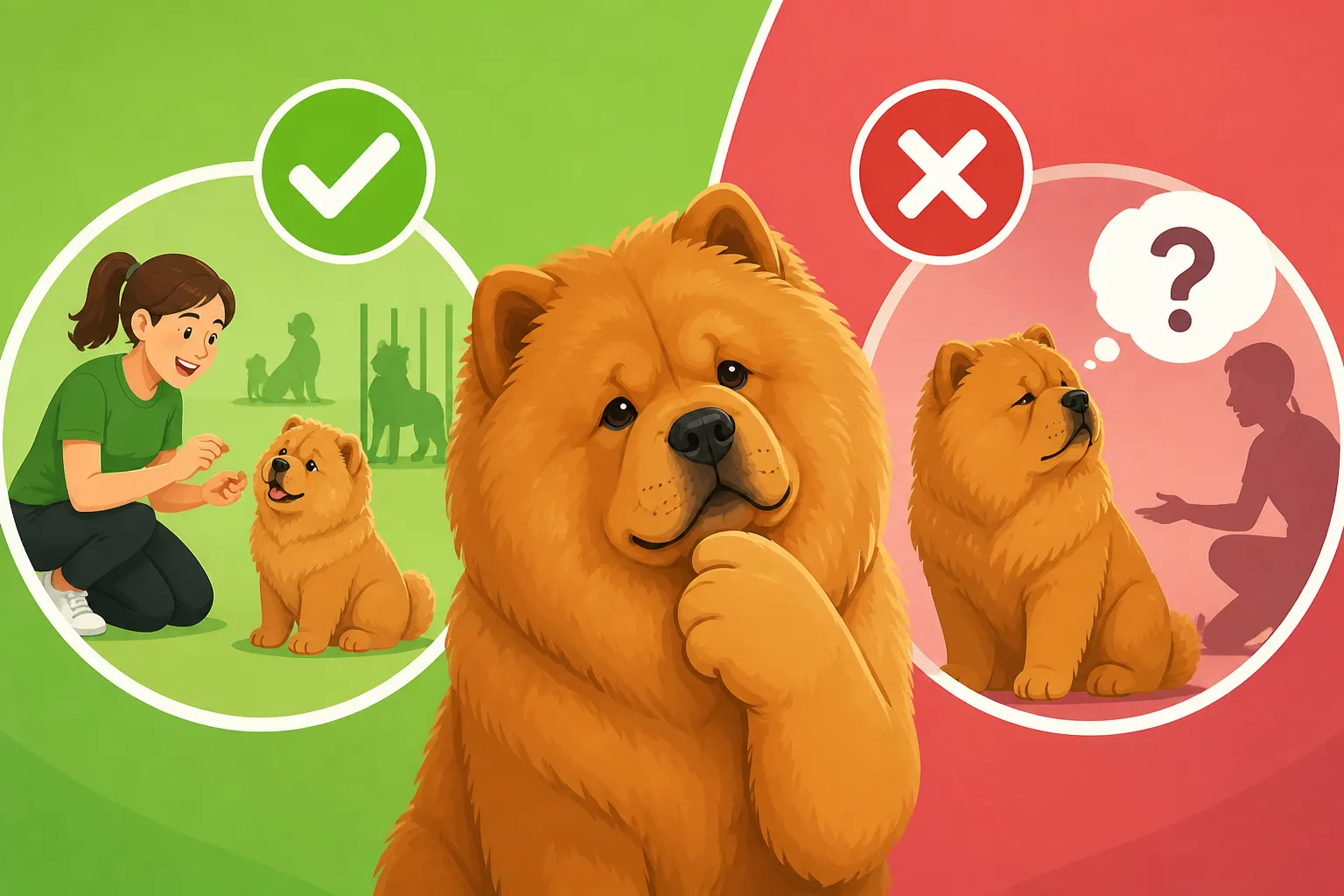
Chow Chows respond wonderfully to positive reinforcement and a training philosophy based on building an "agreement" rather than demanding obedience. This means making training a fun, rewarding game where they choose to participate because it benefits them. High-value treats, toys, and genuine praise are far more effective than compulsion. When a Chow Chow genuinely understands what you want and feels that cooperating is in their best interest, they are incredibly willing and capable learners.
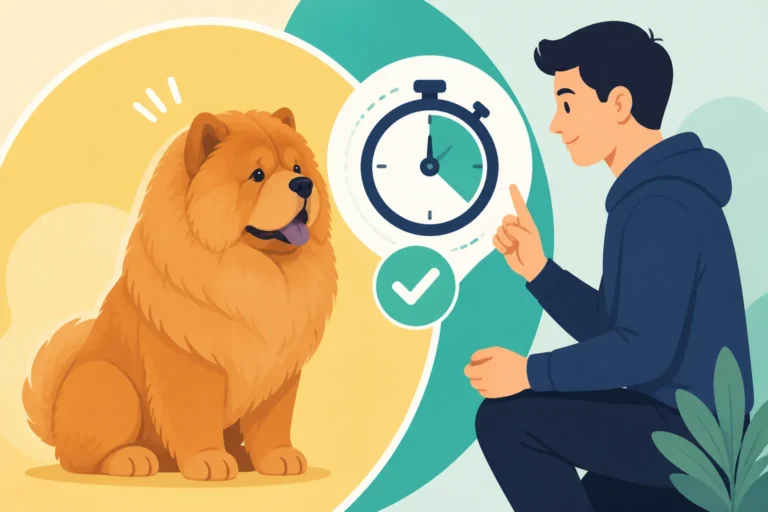
Short, engaging training sessions that end on a positive note are crucial. How Long a Chow Chow's Training Session Should Be is typically much shorter than for other breeds – think 5-10 minutes tops – to keep them interested and prevent boredom. Celebrate small successes enthusiastically. If your Chow offers a behavior, reward it. If they look at you when you say their name in a distracting environment, reward it. This builds a positive association with training and with you as their leader and source of good things. Online platforms like BAXTER & Bella offer excellent positive reinforcement puppy courses that you can do at home, allowing you to tailor the pace to your Chow Chow's specific needs and comfort level, without the pressure of a group class.
Instructor Experience with Independent Breeds
If you do decide to explore a puppy class, the single most important factor will be the instructor's experience, particularly with independent or guarding breeds. An instructor who understands Chow Chow behavior, respects their boundaries, and knows how to facilitate appropriate interactions is invaluable. They should be able to read subtle canine body language and step in before a situation escalates.
Ask potential instructors about their philosophy on managing different temperaments in a group setting. Do they allow puppies to opt out of play? How do they handle an overly boisterous puppy? Do they use positive reinforcement exclusively? An instructor who claims "all dogs are the same" or promotes old-school, dominance-based methods is not the right fit for your Chow Chow. A good instructor will recognize that Whether a Chow Chow Needs a Professional Trainer is less about the "need" and more about finding the right kind of trainer who uses methods that resonate with this unique breed's intelligence and sensitive nature. Don't be afraid to observe a class before enrolling your puppy to ensure it's a calm, supportive environment.
Practical Considerations for Chow Chow Owners in Puppy Class
Even in the right class with the right instructor, Chow Chows have specific physical and behavioral needs that must be accounted for to ensure their comfort and success. Ignoring these can lead to a miserable experience for everyone.
Managing Overheating and Physical Comfort
Chow Chows, with their dense double coats, are notoriously susceptible to overheating. A warm room, combined with the excitement and physical exertion of puppy play, can quickly become dangerous. Why a Chow Chow Overheats So Easily is due to their thick fur acting as insulation and their brachycephalic (short-muzzled) structure making it harder to pant efficiently.
Before enrolling, ask about the class environment. Is the room air-conditioned? Is there good ventilation? Can your Chow have access to cool water at all times? You might need to bring a cooling mat or a cooling vest (many options available on Amazon) for your pup to rest on during breaks. Monitor your Chow constantly for signs of overheating, such as excessive panting, lethargy, or a bright red tongue. If you see these signs, remove them immediately and work to How to Cool a Chow Chow Down Fast. It’s always better to err on the side of caution and step out of the class for a cool-down break than to risk your puppy's health. Their comfort is paramount to their ability to learn and enjoy the experience.
Observing for Stress Signals in a Crowded Environment
Chow Chows often communicate stress in subtle ways that can be easily missed if you're not paying close attention. Because they are often reserved, they may not be overtly vocal or dramatic in their distress. Instead, you might see licking lips, yawning (when not tired), head turns, whale eye (showing the whites of their eyes), or a stiff body posture. They might try to create distance from other puppies or people. Signs a Chow Chow Is Uncomfortable can be very quiet and understated.
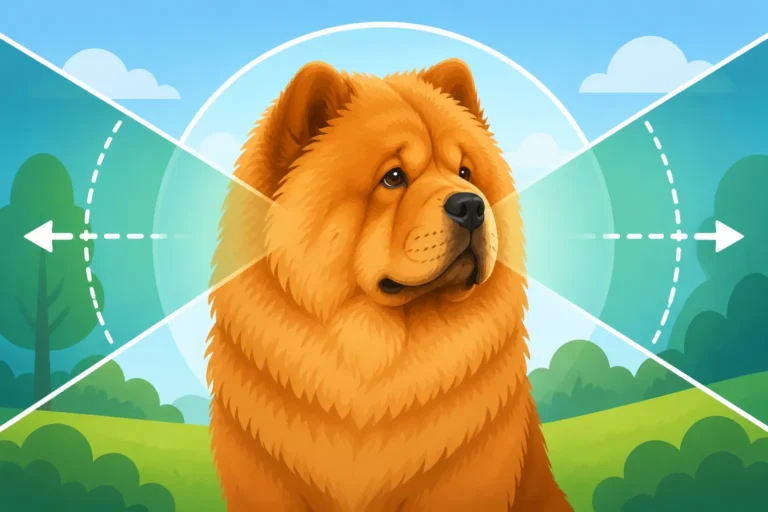
In a busy puppy class, it’s your job to be your Chow's advocate. Watch their body language like a hawk. If you see them consistently showing signs of stress, it’s time to intervene. Don't force them to "tough it out." Remove them from the situation, give them a break, or consider if this particular class environment is truly suitable. Their deep-set eyes also mean their peripheral vision is limited, so they can easily be startled by approaches from the side or behind, which can exacerbate feelings of being overwhelmed. Why a Chow Chow's Deep Set Eyes Limit What It Sees means approaches need to be deliberate and from the front to avoid startling them.
Setting Realistic Expectations for "Success"
It's important to adjust your definition of "success" when taking a Chow Chow to puppy class. For a Golden Retriever, success might mean enthusiastically playing with every dog and greeting every person. For a Chow Chow, success might look very different. It might be:
- Calmly observing other puppies without reacting negatively.
- Politely tolerating a brief, appropriate interaction with one or two other dogs.
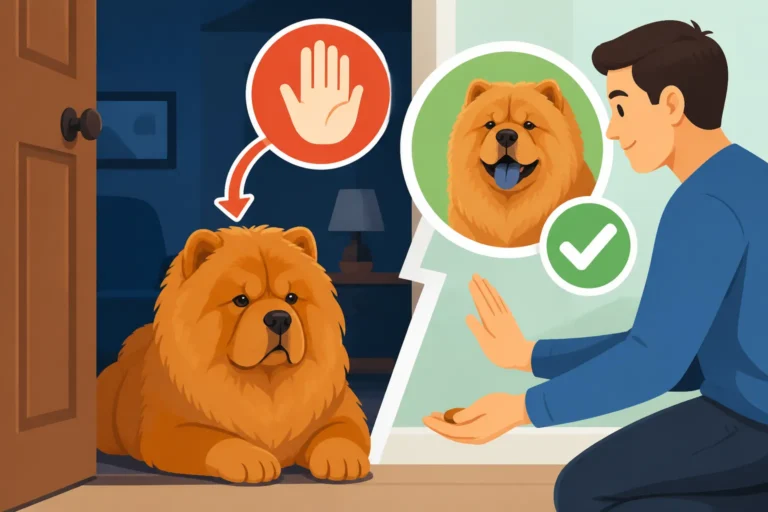
- Accepting a treat from a stranger without backing away.
- Successfully performing a basic cue like "sit" or "stay" even once in a distracting environment.
Don't expect your Chow Chow to be the life of the party or the star student in obedience. Celebrate their small victories in neutrality and tolerance. If your Chow can navigate the class without becoming overwhelmed, reactive, or fearful, that is a huge win. The goal is to build confidence and positive associations, not to transform them into a breed they are not. Remember, The Chow Chow Bonds to One Person and Tolerates the Rest; their social needs are often more about selective, deep connections than broad, casual ones.
Alternative Socialization and Training Approaches
If a traditional puppy class doesn't feel right for your Chow Chow, or if you find it's causing more stress than benefit, don't despair! There are many highly effective alternative approaches that can provide excellent socialization and training tailored to their unique needs.
One-on-One Training and Private Lessons
For many Chow Chows, private, one-on-one training sessions with a qualified professional are the absolute best investment. This allows the trainer to focus entirely on your dog's individual personality, learning style, and specific challenges, without the distractions and pressures of a group setting. A private trainer can come to your home, work in a controlled outdoor environment, or even meet you in carefully selected public spaces once your puppy is ready.
This personalized approach means your Chow Chow can learn at their own pace, and the trainer can use methods that are specifically tailored to them. They can help you address specific behaviors, build a strong foundation of positive reinforcement, and guide you through effective socialization strategies outside of a group class. This can be especially beneficial for developing crucial skills like polite leash walking and recall in a distraction-free setting before gradually introducing more complex environments. It's often more effective in the long run, even if the upfront cost is higher, because it yields better, more lasting results. What a Chow Chow Costs Over Its Lifetime should always factor in appropriate training investments.
Small, Curated Social Groups
Instead of large, chaotic puppy classes, seek out opportunities for small, highly curated social groups. This might involve setting up "play dates" with one or two other known, calm, and vaccinated puppies whose owners understand Chow Chow dynamics. Look for puppies who are more polite in their play, rather than overly boisterous or pushy. These controlled interactions allow your Chow to learn appropriate social cues without feeling overwhelmed.
You can also find professional puppy play groups run by trainers who specialize in managing different personalities and understand the importance of appropriate play styles. These groups are typically smaller, supervised, and focused on positive interactions. The emphasis should be on polite greetings, shared space, and calm coexistence, rather than wrestling matches. This ensures that your Chow Chow's experiences with other dogs are positive and confidence-building. How Many People a Chow Chow Puppy Should Meet and How Many Car Rides a Chow Chow Puppy Needs are often better handled in a gradual, one-on-one fashion at first.
Focusing on Home-Based Desensitization
Much of a Chow Chow's socialization can and should happen in and around their home environment. This involves systematically introducing them to a wide variety of sights, sounds, textures, and smells in a calm, controlled manner. For example, playing recordings of city sounds, thunder, or children playing at a low volume and gradually increasing it while your puppy is relaxed and receiving treats.
Practicing handling exercises – touching their paws, ears, tail, and mouth – daily, with lots of rewards, is crucial for future vet visits and grooming sessions. Teaching a Chow Chow to Accept Being Groomed starts with gentle, positive interactions at home. You can expose them to different surfaces, such as grass, concrete, gravel, and even stairs, while keeping it positive with treats. Regularly having calm, respectful friends or family members visit your home and interact gently with your Chow (always rewarding calm acceptance) can also be a powerful form of socialization. The online courses from BAXTER & Bella are fantastic for guiding you through these home-based desensitization exercises, giving you structured lessons to follow at your own pace. This steady, incremental exposure builds resilience and confidence without the pressure of a group setting.
Disclaimer
This article is for general informational purposes only and does not constitute professional advice. Laws, prices and regulations vary by location and change over time. Consult a qualified professional for guidance on your specific situation.