How Many Hours a Chow Chow Can Be Left
It's a common dilemma for Chow Chow owners: how long is too long to leave your majestic, independent companion alone? Life happens, work calls, and sometimes you just need to run errands, but the worry about your Chow being bored, destructive, or just plain lonely can weigh heavily. This guide is here to shed light on how much alone time a Chow Chow can truly tolerate, the factors that influence it, and practical strategies to ensure their well-being when you can't be by their side.
Understanding the Chow Chow's Independent Nature
When you consider how many hours a Chow Chow can be left alone, it’s crucial to first grasp their unique temperament. Chows are often described as "cat-like" in their independence, and there's a good reason for this comparison. Unlike some breeds that thrive on constant human interaction and can become quite clingy, Chows tend to be more self-sufficient and reserved. This isn't to say they don't love their people—they absolutely do—but their expression of affection is often more subtle and on their own terms.
The "Cat-Like" Dog Stereotype
The "cat-like" descriptor isn't just a quirky saying; it genuinely reflects a core aspect of the Chow Chow personality. They are known for their dignity, aloofness, and a general disinterest in effusive displays of emotion. While they appreciate companionship, they don't necessarily demand it every waking moment. This trait can be a double-edged sword: it might make them more tolerant of solitude than a Golden Retriever, but it can also lead owners to misunderstand their needs. A Chow might not throw a dramatic fit when you leave, but that doesn't mean they're thriving in isolation if left for excessively long periods without proper preparation.
Their self-possessed nature means they often prefer to observe rather than actively participate in every family activity. They can be perfectly content to lie in a sunny spot, watching the world go by, rather than being constantly at your heels. This inherent independence suggests that a properly conditioned Chow Chow might handle alone time better than breeds bred for constant partnership, like herding or sporting dogs. However, "better" doesn't mean "indefinitely." Every dog needs interaction, mental stimulation, and physical relief. For more insight into their general disposition, you might want to read How Aloof a Chow Chow Really Is.
How a Chow Chow Shows Affection
Don't mistake their independence for a lack of love. Chow Chows have a deep, loyal bond with their chosen person or family, but they show it in their own distinctive ways. Instead of slobbery kisses and tail wags that could knock you over, a Chow's affection might be a quiet lean against your leg, a gentle nudge of their head, or simply choosing to be in the same room as you. They are often content just to be near you, absorbing your presence rather than demanding constant petting or play.
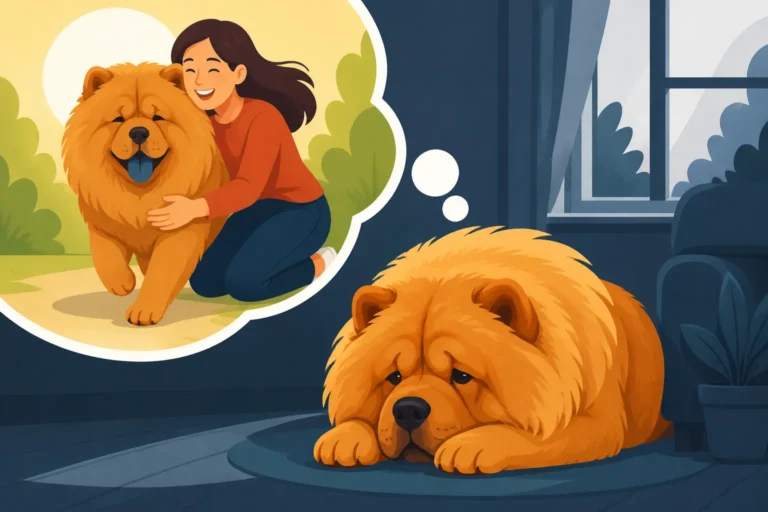
This understated affection extends to their ability to cope with solitude. A Chow that feels secure and loved, even without constant overt attention, is likely to manage alone time more successfully. If your Chow settles down quietly after you leave, perhaps grabbing a favorite toy or finding their preferred napping spot, it's a good indication they're comfortable with their own company. However, if they become destructive, anxious, or vocal, it's a sign that their unique way of showing affection might also be expressing distress, and their alone time tolerance has been exceeded. Understanding How a Chow Chow Shows Affection can help you interpret their subtle cues even when you're not there.
Factors Influencing Alone Time Tolerance
The ideal amount of time a Chow Chow can be left alone isn't a single, fixed number. It's a spectrum that changes based on several key factors, including their age, individual personality, training, and the environment you've set up for them. What works for a well-adjusted adult might be detrimental to a young puppy or an elderly dog.
The Puppy Stage and Alone Time
Chow Chow puppies, like all puppies, have very limited bladder control and an intense need for socialization and supervision. You simply cannot leave a young Chow Chow puppy alone for long periods. Their bladders are tiny, requiring frequent potty breaks – often every 2-3 hours for very young pups. Beyond physical needs, this is a critical period for development. Leaving them alone for too long during their formative months can lead to separation anxiety, destructive behaviors, and difficulty with housetraining.
Puppies need constant exposure to new sights, sounds, and experiences during their critical socialization window, which typically closes around 16 weeks of age. While short, positive periods of alone time are essential for teaching independence, extending these past a few hours can hinder their development and impact their ability to cope as adults. It's during this phase that you begin to shape The Weeks That Matter Most for a Chow Chow Puppy. Gradually increasing alone time in a positive, safe environment, like a properly introduced crate, is key. Think in terms of hours, not full workdays. For example, a 10-week-old puppy might only manage 2-3 hours max.
Adult Chow Chows and Their Limits
An adult Chow Chow, generally considered to be over 18 months old, can typically be left alone for longer stretches than a puppy, but still within reason. A healthy adult Chow with a regular routine, who has been properly housetrained and accustomed to solitude, can often manage 6-8 hours. However, this isn't an absolute. Individual Chows vary greatly. Some might comfortably snooze through an entire workday, while others might start to get restless or anxious after 4-5 hours.
The quality of the time they spend with you when you are home also plays a significant role. A Chow who receives adequate mental stimulation, physical exercise, and quality interaction when their human is present will be much more content during alone time. If they've had a good walk, some training, or a puzzle toy before you leave, they're more likely to settle down. Factors like access to water, a comfortable resting spot, and a secure environment are also non-negotiable. For many owners, a mid-day check-in, a dog walker, or a pet sitter can be invaluable for adult Chows who are left for 8+ hours regularly.
Senior Chow Chows: Changing Needs
As a Chow Chow ages, their needs often revert somewhat to those of a puppy, though for different reasons. Senior Chows, typically those aged 8 and above, may experience declining bladder control, increased need for comfort, and potential discomfort from conditions like arthritis. The Age a Chow Chow Is Considered Senior is a good time to reassess their alone time tolerance. They might need more frequent potty breaks, making long stretches alone uncomfortable or even unhealthy.
An aging Chow might also become more sensitive to changes in routine or environment, potentially developing anxiety where none existed before. Their vision or hearing might decline, making them more prone to startling or feeling insecure when left alone in a quiet house. Providing extra comfortable bedding, ensuring easy access to water, and considering shorter periods of solitude, or arranging for more frequent check-ins, becomes paramount. Observing How an Aging Chow Chow Stiffens might also indicate that long periods in one position are uncomfortable, necessitating shorter alone times or more strategic comfort provisions.
| Chow Chow Age Group | General Alone Time Guideline | Key Considerations |
|---|---|---|
| Puppy (8-16 weeks) | 2-3 hours (max) | Tiny bladder, critical socialization, high supervision needs |
| Young Adult (4-18 months) | 4-6 hours (building up) | Energy levels, continued training, preventing destructive habits |
| Adult (1.5-7 years) | 6-8 hours (optimal) | Established routine, enrichment, mental/physical exercise |
| Senior (8+ years) | 4-6 hours (max) | Bladder control, comfort, potential anxiety, health issues |
Note: These are general guidelines. Every Chow Chow is an individual. Observe your dog's behavior closely.
Strategies for Successful Alone Time
Successfully leaving a Chow Chow alone isn't just about how long you're gone; it's about what you do before you leave, while you're away, and when you return. Proactive strategies can make all the difference in ensuring your Chow is happy, healthy, and well-behaved during their solo hours.
Creating a Safe and Stimulating Environment
A critical component of a Chow Chow's successful alone time is their environment. It needs to be safe, secure, and stimulating enough to prevent boredom and anxiety. Consider these elements:
- Designated Safe Space: Whether it's a crate, a dog-proofed room, or a confined area, your Chow needs a space where they feel secure and can't get into trouble. This area should be free of hazards like electrical cords, toxic plants, or small objects they might ingest. For a dog that is reliably housetrained and non-destructive, a larger dog-proofed area or even free-roam of the house might be appropriate, but always start small and expand as trust builds.
- Comfort: Provide a comfortable bed or blanket. Chows appreciate a soft, elevated spot where they can oversee their domain or simply curl up for a nap.
- Mental Enrichment: This is vital. A bored Chow Chow can quickly become a destructive one. Invest in puzzle toys that dispense treats, long-lasting chews, or even a snuffle mat for their meal. Rotating these items can keep them novel and engaging. You can find a wide variety of interactive toys and durable chews on platforms like Amazon, which can be a lifesaver for keeping their minds active.
- Water Access: Always ensure they have fresh water readily available. A heavy, tip-proof bowl is usually best to prevent accidental spills.
- Sound and Scent: Some Chows benefit from background noise, like a radio or television set to a calm channel, or even a white noise machine, to mask outdoor sounds that might trigger barking or anxiety. A familiar scent, like an unwashed shirt of yours, can also be comforting.
The Importance of Routine and Exercise
Chow Chows, like many breeds, thrive on routine. A predictable schedule helps them understand what to expect throughout their day, reducing uncertainty and anxiety. This predictability is especially important for alone time.
- Consistent Schedule: Try to leave and return around the same times each day. Feed them at regular intervals, and take them out for potty breaks and exercise on a consistent schedule. This helps them anticipate your departures and arrivals, making the transitions smoother.
- Pre-Departure Exercise: Before you leave your Chow alone, ensure they've had adequate physical exercise and mental stimulation. A brisk walk, a training session, or a good play in the yard can help burn off excess energy and satisfy their need for activity. A tired dog is a good dog, and a tired Chow is much more likely to settle down and nap rather than pacing or becoming anxious. For a discussion on their typical activity levels, consider reading How Much Exercise a Chow Chow Actually Needs.
- Potty Break: Always offer a comprehensive potty break right before you leave. Even if they don't seem to need to go, the opportunity can prevent accidents and discomfort during your absence.
- Departure Cues: Establish a calm, low-key departure routine. Avoid making a big fuss when you leave. A simple "Be a good dog, I'll be back" can be sufficient. This teaches your Chow that your departure is not a big event, reducing the chance of heightened anxiety.
Crate Training for Peace of Mind
For many Chow Chow owners, crate training is an invaluable tool for managing alone time, especially during puppyhood and for adult dogs who need a safe, secure space. A crate, when introduced properly, becomes a den—a comfortable, personal retreat for your Chow.
- Proper Introduction: Never use the crate as punishment. Introduce it gradually and positively, associating it with good things like meals, treats, and favorite toys. Start with short periods and slowly extend the time your Chow spends inside. This process is crucial for preventing negative associations.
- Safety and Security: A crate prevents destructive behaviors and keeps your Chow safe from household hazards when unsupervised. It also helps immensely with housetraining, as dogs are naturally reluctant to soil their sleeping area. You might be surprised at Why a Chow Chow Housetrains So Quickly, and a crate can leverage this natural inclination.
- Appropriate Size: The crate should be large enough for your Chow to stand up, turn around, and lie down comfortably, but not so large that they can use one end as a potty area. For puppies, a divider can adjust the size as they grow.
- Comfort Items: Line the crate with a soft, washable bed or blanket. You can also include a safe, chew-proof toy to keep them occupied.
When thinking about purchasing a crate or any other enrichment items, reputable online retailers like Amazon offer a wide array of options, from sturdy wire crates to soft-sided travel crates, along with a plethora of puzzle toys and durable chews suitable for Chows.
Recognizing and Addressing Separation Issues
Even with the best preparation, some Chow Chows may still struggle with being left alone. It's vital to recognize the signs of distress and address them proactively, rather than letting them escalate into serious behavioral problems.
Signs of Distress or Destructive Behavior
A Chow Chow who is unhappy or anxious when left alone might display a range of symptoms. These are not signs of spite or naughtiness, but rather indicators of underlying distress.
- Excessive Barking or Howling: While some barking is normal, continuous vocalization when you're gone is a common sign of separation anxiety or extreme boredom. Neighbors are often the first to alert owners to this issue.
- Destructive Chewing: If your Chow targets furniture, doorframes, or personal items specifically when you're out, it's likely linked to anxiety or frustration. This isn't just chewing; it's often an attempt to cope with stress or a desperate need for stimulation. Understanding What a Bored Chow Chow Does can help differentiate between normal puppy chewing and anxiety-driven destruction.
- Inappropriate Urination or Defecation: For an otherwise housetrained Chow, accidents inside the house specifically when left alone can be a strong indicator of anxiety, especially if they occur shortly after you've left. This isn't usually due to lack of bladder control but rather a stress response.
- Pacing or Panting: If you use a pet camera (many excellent, affordable options are available on Amazon), you might observe your Chow pacing restlessly, panting excessively (even when it's not hot), or drooling. These are physiological signs of stress.
- Escaping: Attempts to escape their crate or confined area, often resulting in injury, are extreme signs of distress and can be very dangerous. This indicates a severe aversion to being left alone.
If you observe these behaviors, it's a clear signal that your Chow's alone time tolerance has been exceeded and they need intervention.
Gradual Desensitization Techniques
If your Chow Chow is struggling with being left alone, the solution often involves a gradual desensitization process, slowly teaching them to feel comfortable and confident in your absence.
- Start Small: Begin by leaving your Chow alone for very short periods—just a few minutes—and gradually increase the duration. This might mean stepping out for just long enough to grab the mail, then returning.
- Practice Departures: Perform your departure routine (grabbing keys, putting on shoes) without actually leaving. This helps desensitize your Chow to these cues, so they don't immediately associate them with panic.
- Calm Departures and Arrivals: Make your departures and arrivals low-key. Avoid effusive greetings when you return, as this can inadvertently reinforce the idea that your absence was a major event worthy of a big celebration. Wait until your Chow is calm before giving attention.
- Provide Distraction: Before leaving, give them a high-value, long-lasting chew or a puzzle toy stuffed with something delicious. This creates a positive association with your departure and keeps them occupied for the initial critical period.
- Monitor Progress: A pet camera can be incredibly useful here. It allows you to observe your Chow's behavior in real-time and assess how they're coping, helping you adjust the duration and strategies as needed.
Remember, patience is key. This process can take time, especially for Chows with entrenched anxiety.
Professional Help and Resources
Sometimes, despite your best efforts, a Chow Chow's separation anxiety or alone-time struggles can be severe enough to warrant professional intervention. There's no shame in seeking expert guidance; in fact, it's often the most effective path to a happy, well-adjusted dog.
- Certified Professional Dog Trainer (CPDT): A trainer specializing in behavior can offer tailored strategies and guidance. They can help you identify triggers, implement desensitization protocols, and teach you techniques to build your Chow's confidence. Organizations like BAXTER & Bella also offer comprehensive online puppy and dog training programs that include guidance on alone time and crate training, providing structured support that can be invaluable.
- Veterinary Behaviorist: For severe cases of separation anxiety, especially those involving destructive behavior or self-harm, a veterinary behaviorist might be necessary. These are veterinarians with advanced training in animal behavior, who can diagnose underlying medical conditions that might contribute to anxiety and, if appropriate, prescribe medication to help manage the symptoms alongside behavior modification.
- Consistency is Crucial: Whatever approach you take, consistency across all family members is paramount. Everyone needs to be on the same page with the training protocols to avoid confusing your Chow. Building a secure and trusting relationship is at the heart of helping your Chow Chow cope when you're not around.
Ultimately, while Chow Chows possess a wonderful independent spirit that can make them more tolerant of solitude than some other breeds, they are still living beings with emotional and physical needs. Understanding their unique temperament, providing a safe and enriching environment, establishing a clear routine, and addressing any signs of distress are all crucial steps in ensuring your Chow can enjoy their alone time as much as they cherish their time with you.
Disclaimer
This article is for general informational purposes only and does not constitute professional advice. Laws, prices and regulations vary by location and change over time. Consult a qualified professional for guidance on your specific situation.