How Close a Chow Chow Sits to You
It’s a common scenario that many Chow Chow owners — or prospective owners — grapple with: you envision a dog that curls up on your lap for endless snuggles, only to find your furry companion prefers a dignified distance. This guide is here to unravel the unique concept of "closeness" for a Chow Chow, helping you understand their independent nature and how to foster a bond that respects their inherent need for personal space while still feeling deeply connected.
Understanding the Chow Chow's Personal Space Bubble
Many breeds are known for being shadow dogs, constantly at your heels, or eager to leap onto the sofa for a cuddle. Chow Chows? Not so much. Their approach to proximity is distinct, and understanding this is the first step toward a harmonious relationship. They aren't aloof out of malice or disinterest; it's simply how they are wired.
The Myth of the "Cuddly" Chow Chow
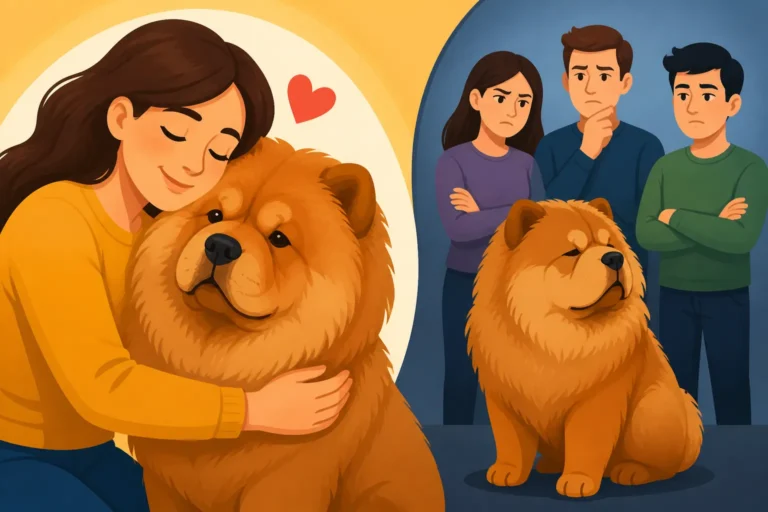
Let's be real, the image of a fluffy, lion-maned dog often conjures up dreams of deep, warm hugs. And while a Chow Chow is fluffy and lion-maned, those dreams of constant physical affection might need a bit of adjustment. Many owners, especially those new to the breed, feel a pang of disappointment or even confusion when their Chow Chow declines an overt cuddle invitation. It’s easy to misinterpret their independence as coldness or disinterest, but that’s rarely the case.
Chow Chows are frequently described as "cat-like" in their demeanor. They appreciate comfort, enjoy their own company, and tend to be quite particular about when and how they receive affection. Their ancient history as versatile working dogs—guarding, hunting, and even pulling carts—forged a spirit of self-reliance, not clinginess. They were bred to be watchful and resilient, often operating without constant human direction. This historical context provides valuable insight into why a Chow Chow's default setting is often "independent" rather than "needy." It’s not a reflection on your love for them; it’s just them being quintessentially Chow. If you want to dive deeper into this trait, you might find How Aloof a Chow Chow Really Is helpful.
What "Close" Means to a Chow Chow
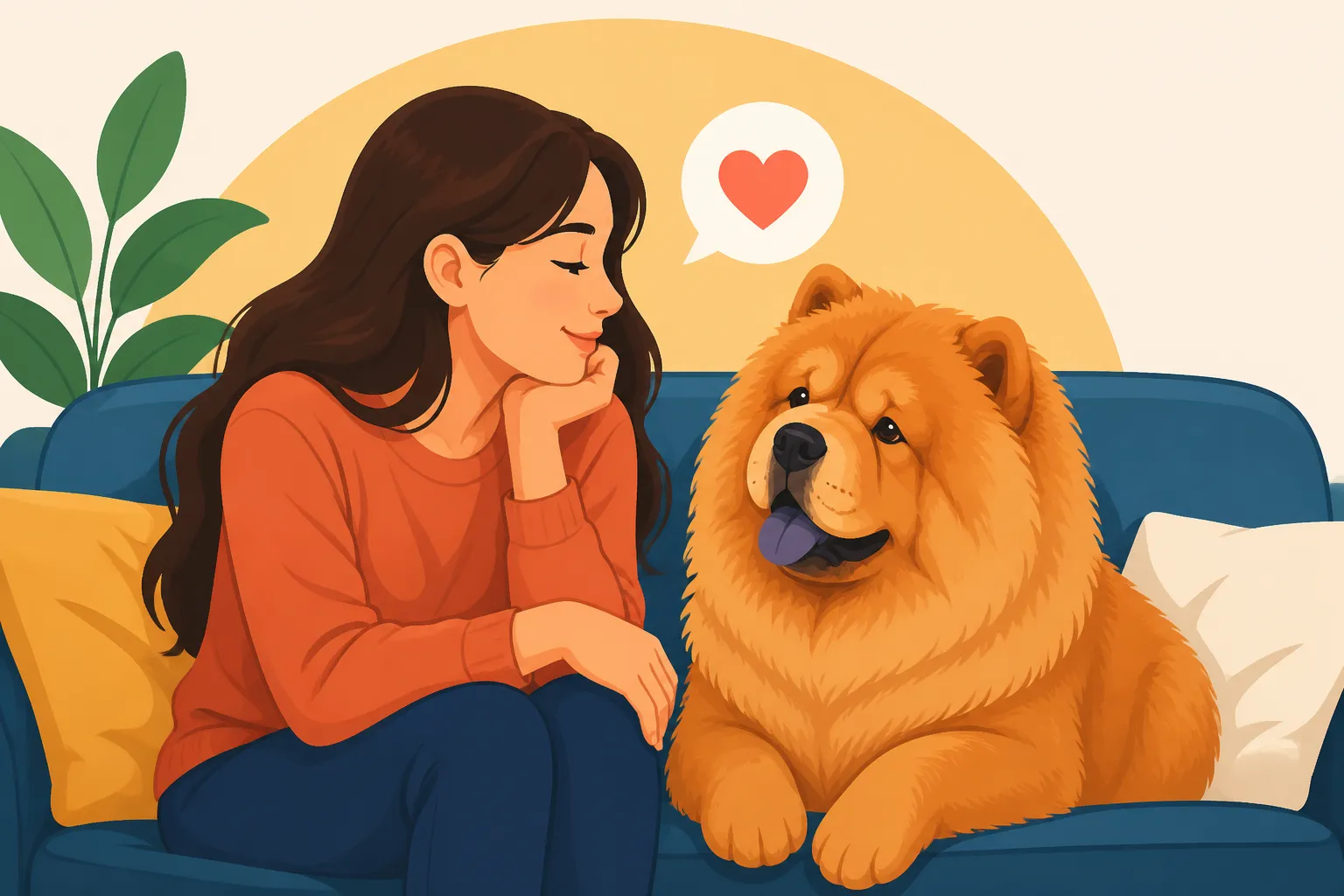
So, if "cuddly" isn't their primary mode, what does closeness look like for a Chow Chow? It's often far more subtle than a full-body snuggle. For many Chows, closeness means being in the same room as you, perhaps settled comfortably at your feet while you work, or on a different cushion on the same sofa. They might lean against your leg while you’re standing in the kitchen, or rest their chin on your foot as they nap. These quiet gestures, this shared space without demanding physical contact, are often their profound expressions of affection.
They are present, they are aware of you, and they find comfort in your proximity—but on their own terms. It's a connection built on mutual respect for space, rather than constant physical entwining. When a Chow Chow chooses to settle near you, even without touching, it's a significant vote of confidence and a display of their bond. It’s their way of saying, "I choose to be here, with you." Understanding these nuanced signals can help you appreciate their unique form of devotion. To learn more about their affection, check out How a Chow Chow Shows Affection.
Factors Influencing a Chow Chow's Closeness
While their independent nature is a breed characteristic, several factors can influence just how close your individual Chow Chow might feel comfortable getting. Every dog is an individual, after all, and their environment and early experiences play a huge role.
Individual Personality and Early Socialization
Even within the breed, there's a spectrum. Some Chow Chows might be a touch more tolerant of physical closeness than others, while some are resolutely firm about their personal bubble. A lot of this boils down to individual personality, which starts developing from birth. Just like people, some Chows are simply more extroverted or more reserved.
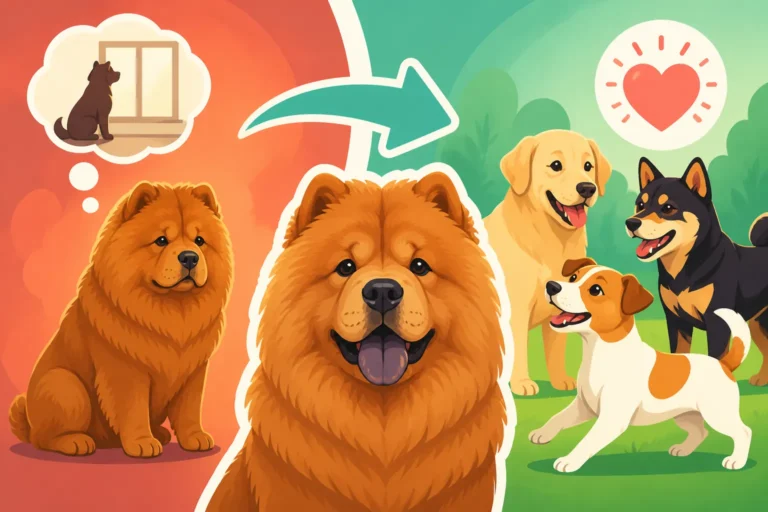
However, a critical factor in how comfortable a Chow Chow is with the world around them, and by extension with their people, is early and positive socialization. A Chow Chow puppy exposed to a wide variety of people, sights, sounds, and gentle handling in a controlled and positive manner during their crucial developmental window will generally be more well-adjusted and secure. This security often translates into a greater comfort level with their humans being in their space, and a greater willingness to initiate gentle contact. Conversely, an undersocialized Chow might be far more guarded, wary, and thus, more distant. The window for this crucial development is short, so it's vital to make the most of it. You can read more about this in When a Chow Chow's Socialization Window Closes and How Much Socialization a Chow Chow Puppy Needs.
Relationship with Their Chosen Person
It’s no secret that Chow Chows are often considered "one-person dogs." While they may live harmoniously with an entire family, they typically bond most deeply with one primary individual. This "chosen person" will often experience a slightly different level of closeness or solicitations for attention than other family members. It might be a greater willingness to lie nearer, a more frequent lean against a leg, or an occasional soft head nudge.
This bond is built on trust, consistency, and respect. If you are that chosen person, your Chow Chow might seek out your presence more actively, even if that presence is simply them settling in the same room. They observe you, they monitor your movements, and they find reassurance in your steady presence. It's a subtle favoritism, a quiet acknowledgement of their deepest connection. This unique bond is truly special and worth cherishing. For more insights into this dynamic, explore Why a Chow Chow Picks One Person.
Comfort and Environment
Imagine trying to snuggle up when you're feeling incredibly hot and bothered. Not appealing, right? The same goes for a Chow Chow, perhaps even more so. Their incredibly dense double coat, while beautiful, makes them highly susceptible to overheating. A Chow Chow that is too warm will instinctively seek out cool, open spaces, prioritizing comfort over closeness. You might find them stretched out on cool tile floors, far from any human body heat.
Beyond temperature, a secure and calm home environment is crucial for a Chow Chow to feel relaxed enough to express any level of closeness. If they are stressed, anxious, or constantly on alert, their instinct will be to retreat, creating more physical and emotional distance. Loud noises, unpredictable routines, or perceived threats can all cause a Chow to become more withdrawn. Providing a consistent, tranquil space where they feel safe allows them to let their guard down and choose to be near you. Factors like temperature management are vital for their overall well-being and willingness to relax in your presence. Why a Chow Chow Overheats So Easily and Whether a Chow Chow Needs Air Conditioning offer more details on keeping your Chow comfortable.
Building Trust to Bridge the Distance (Without Forcing It)
You can't force a Chow Chow to be more affectionate than their nature dictates, but you can certainly create an environment and relationship that encourages them to choose closeness on their own terms. The key is always respect, patience, and positive reinforcement.
Respecting Their Space and Initiating Contact on Their Terms
This is the golden rule for building trust with a Chow Chow: never, ever force physical affection. Reaching in for an unsolicited hug, pulling them onto your lap when they're resistant, or restraining them for pets will only erode their trust and teach them to avoid you when they anticipate unwanted contact. It's a quick way to sour the relationship.
Instead, let them initiate. Offer a calm, open hand for them to sniff. If they nudge into it or lean against you, that’s your cue for a gentle, brief pet or a quiet "good boy." Reward any voluntary closeness with calm praise or a very small, high-value treat. Keep interactions short and sweet, ending before they show any signs of discomfort. Avoid big, enveloping hugs, which they often find restrictive and threatening. If you want to know more about this, Why a Chow Chow Dislikes Being Hugged is an excellent read. Online training resources, like those offered by BAXTER & Bella, often have fantastic modules on positive reinforcement and building a trusting relationship through understanding canine body language, which can be invaluable for Chow Chow owners.
Creating Inviting "Near You" Zones
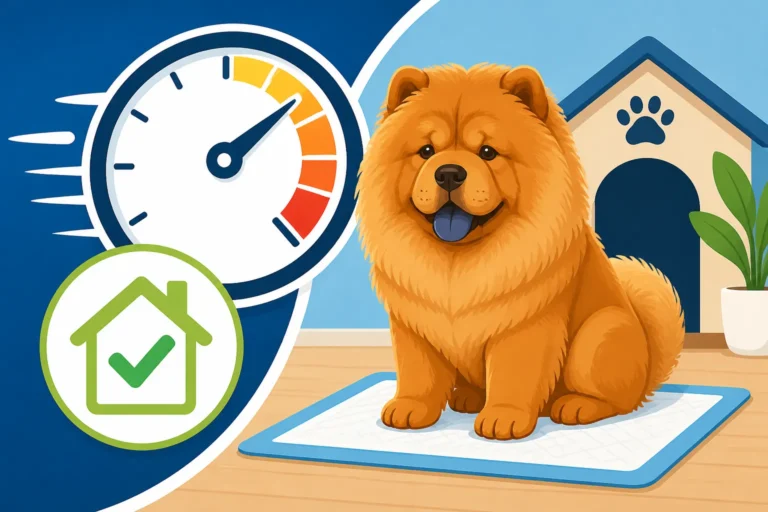
While they might not want to be on you, they might still want to be near you. Create comfortable, appealing spots right next to where you frequently spend your time. This could be a designated dog bed next to your desk, a cozy mat beside the sofa, or a cooling mat on the floor near your favorite chair. The idea is to give them options to choose proximity without feeling obligated to be on top of you.
You can encourage them to use these spots by scattering a few treats there or giving them a chew toy to enjoy in that location. The goal is to make these "near you" zones attractive and safe. Having their own comfortable spot close by allows them to maintain their sense of personal space while still benefiting from your presence. You might find a great cooling mat or a cozy bed on Amazon that your Chow Chow can claim as their own, offering a perfect blend of comfort and proximity. For cooling solutions, Whether a Chow Chow Needs a Cooling Mat has some great ideas.
Gentle Grooming and Handling Practice
Regular, gentle grooming sessions, even if brief, are not just about maintaining their magnificent coat; they are also invaluable opportunities to build your Chow Chow's tolerance for being touched and handled. Start slowly, with very short sessions. Use a soft brush and work in areas where they are least sensitive. Talk to them calmly and offer high-value treats frequently.
The moment they show any discomfort, stop. The goal is to create positive associations with your hands and with being still for handling. Over time, these sessions can gradually extend, making them more comfortable with your presence and touch. This practice isn't just for grooming; it translates to vet visits and general interactions, making them more accepting of you being within their personal bubble for care. Consistency is key, and never push them past their comfort level. Teaching a Chow Chow to Be Brushed and Teaching a Chow Chow to Have Its Feet Handled provide excellent guidance on how to approach these essential activities.
Recognizing and Respecting Your Chow's Boundaries
Understanding your Chow Chow's non-verbal communication is paramount to maintaining trust and preventing misunderstandings. They may not give dramatic signals, so paying close attention to their subtle cues is incredibly important.
Reading Subtle Cues of Discomfort
Chow Chows are not typically demonstrative dogs, and their signals of discomfort can be quite subtle. You might not get a big snarl or a loud bark as a first warning. Instead, look for a stiffening of their body, a slight turn of the head, avoiding eye contact, a low rumbling growl (which can be easily missed under their ruff), or a quick lip lick. Sometimes, they might just shift their weight away from you or give a subtle "whale eye," where you see the whites of their eyes.
Their famous "scowl" can often be misinterpreted as anger or meanness, when it's often just their natural facial structure. It's crucial not to project human emotions onto their expressions but rather to learn their unique canine language. When you see any of these subtle signs, the most important thing you can do is immediately back off and give them space. Respecting these boundaries reinforces that you understand and listen to them, building a stronger bond of trust over time. Failing to heed these warnings can escalate discomfort into a more pronounced negative reaction. Learning to read your Chow Chow is a vital skill for any owner. Signs a Chow Chow Is Uncomfortable and How to Read a Chow Chow's Face are invaluable resources for this.
The Importance of a Predictable Routine
Chow Chows are creatures of habit and thrive on predictability. A consistent daily routine provides a sense of security and reduces anxiety. Knowing when to expect meals, walks, potty breaks, and quiet time helps them feel in control of their environment, which in turn allows them to relax more fully.
When a Chow Chow feels secure and unstressed, they are far more likely to choose to be near you and to accept your presence in their space. A chaotic or unpredictable home environment, on the other hand, can make them constantly on guard, leading them to be more withdrawn and less inclined to seek proximity. Think of it this way: a dog that feels safe and grounded is a dog that can afford to be more relaxed and open. This stability helps them cope better with being alone as well. For more on their coping mechanisms, see How Well a Chow Chow Copes Alone.
Teaching Children and Visitors How to Interact
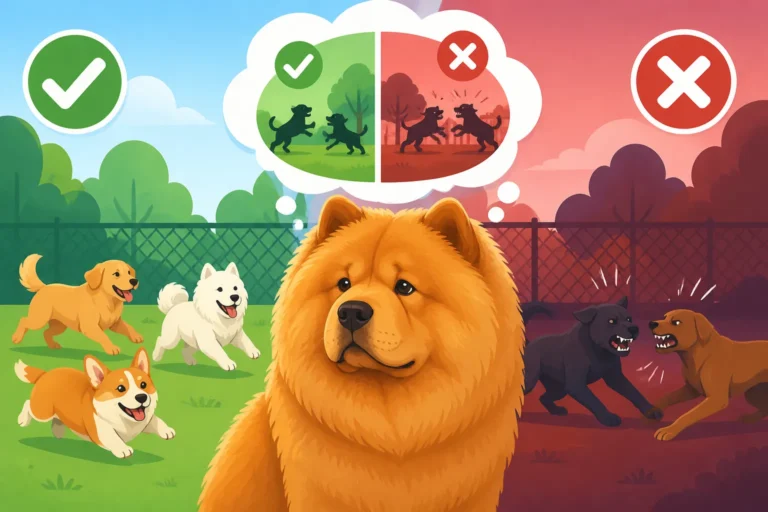
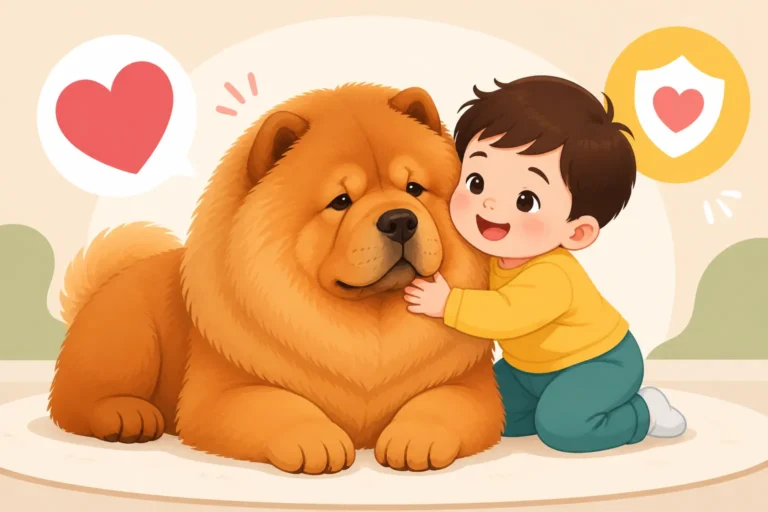
This cannot be stressed enough: interactions between Chow Chows and children or unfamiliar visitors must always be managed and supervised. Children, in particular, often don't understand canine body language and can be prone to sudden movements or intrusive affection that a Chow Chow will not tolerate. Never allow a child to hug, pull on, or climb on your Chow Chow. Teach children, and remind adult visitors, to always let the Chow Chow approach them, rather than rushing in for a pet.
Educate everyone who interacts with your Chow on how to offer a hand for a sniff and to only pet if the dog solicits it, preferably on the chest or shoulder, avoiding the head or tail. Emphasize that a Chow Chow needs space, and a polite refusal to engage should always be respected. This proactive approach ensures the safety and comfort of both your dog and your guests, fostering an environment where your Chow Chow feels respected and understood. This is fundamental to their well-being and helps to create a peaceful home. You can find more advice on this in How to Teach a Child to Approach a Chow Chow and How to Introduce a Chow Chow to a Stranger.
| Chow Chow Comfort Signal | Chow Chow Discomfort Signal | Meaning | Action for Owner |
|---|---|---|---|
| Resting head on your foot | Stiffening body, freezing | Content with your presence, seeking reassurance. | Gentle, calm praise, continue what you're doing. |
| Settling nearby, not touching | Turning head or body away | Happy to be in your general vicinity. | Acknowledge with a soft voice, respect their choice of distance. |
| Slow blink, soft eyes | Hard stare, "whale eye" | Relaxed and comfortable. | Maintain calm demeanor. |
| Soft sigh, deep breath | Lip licking, yawning (out of context) | Feeling secure and unwinding. | Enjoy the moment, don't intrude. |
| Gentle lean against leg | Low growl or rumble | Seeking connection on their terms. | Brief, gentle scratch in an accepted spot, then let them be. |
| Approaches and sniffs hand | Retreating or backing away | Open to a brief, gentle interaction. | Offer a calm hand, wait for further invitation, keep contact brief. |
Remember, your Chow Chow's version of "close" might look different from a Labrador's or a Golden Retriever's, and that's perfectly okay. It's a unique bond, built on respect, understanding, and a deep appreciation for their independent spirit.
Disclaimer
This article is for general informational purposes only and does not constitute professional advice. Laws, prices and regulations vary by location and change over time. Consult a qualified professional for guidance on your specific situation.