Whether a Chow Chow Puppy Should Be Handled by Strangers
It’s an age-old dilemma for every new puppy parent: you want your adorable, fluffy Chow Chow puppy to be well-adjusted and friendly, so you naturally think that letting everyone pet them and coo over them is the best way to socialize them. But with a breed as unique and often misunderstood as the Chow Chow, this well-intentioned approach can actually backfire, creating a dog that's more wary or even reactive down the line. This guide will help you navigate stranger interactions with your Chow Chow puppy, focusing on methods that build confidence and trust rather than fear or aggression.
The Chow Chow's Distinct Socialization Landscape
When you picture puppy socialization, you might imagine a Golden Retriever puppy joyfully greeting every person and dog it meets. With a Chow Chow, you need to adjust that picture significantly. Their heritage and temperament are distinctly different, and understanding this is the first crucial step in guiding them through interactions with strangers. They aren't built to be everyone's friend, and forcing them into that mold can be detrimental to their development and your relationship.
Understanding the Chow Chow Temperament
Chow Chows are often described as regal, dignified, and aloof, and these aren't just pretty words – they accurately reflect the breed's intrinsic nature. They are typically reserved, calm, and highly independent, often showing a "one-person dog" tendency. This means that while they form an incredibly deep bond with their chosen human, they tend to be quite indifferent or even wary of strangers. Their natural caution isn't fear or aggression, but a discerning reserve. They don't see the need to engage with every new face that comes along, which is a far cry from the effusive greetings of many other breeds.
This inherent aloofness, combined with their strong guarding instincts, means that passive exposure or even gentle petting from strangers might not be interpreted as a positive experience. If they feel crowded, overwhelmed, or threatened, a Chow Chow puppy might develop a defensive posture or even snap as they get older. This isn't because they are "mean" dogs; it's because their boundaries weren't respected during their formative weeks. You might find it frustrating when your puppy doesn't immediately warm up to your friends, but it's vital to remember that their confidence comes from feeling secure, not from being forced to accept unwanted attention. As we explore How Aloof a Chow Chow Really Is, you'll see why their nature demands a different approach.
The Critical Socialization Window
The most impactful period for a puppy's socialization is generally considered to be between 3 and 16 weeks of age. This is the window when their brains are like sponges, soaking up experiences and forming lasting impressions about the world. During this time, positive exposure to new sights, sounds, people, and environments is paramount. However, for a Chow Chow, "positive exposure" doesn't necessarily mean hands-on interaction with every stranger.
Think of it more as controlled observation. You want your Chow Chow puppy to see different kinds of people—tall, short, wearing hats, carrying umbrellas, kids, seniors—from a safe distance, ideally without any direct physical interaction initially. The goal is for them to learn that these different types of people exist and are generally harmless, without feeling pressured to engage. Forcing a Chow Chow puppy into a situation where numerous strangers are trying to pet them can be overwhelming and counterproductive, potentially teaching them that strangers are a source of stress or intrusion. It's about building a foundation of calm acceptance, not boisterous greeting. This period is incredibly important, as detailed in The Weeks That Matter Most for a Chow Chow Puppy.
The Pitfalls of Uncontrolled Stranger Handling
While the intention behind letting everyone handle your cute Chow Chow puppy is usually good—to make them friendly—the reality for this specific breed can be quite different. A Chow Chow isn't a "pass the puppy" kind of dog. Uncontrolled or forced handling by strangers can lead to a host of behavioral issues that are difficult to correct later on, impacting their trust in humans and their overall stability.
Building Trust vs. Causing Overwhelm
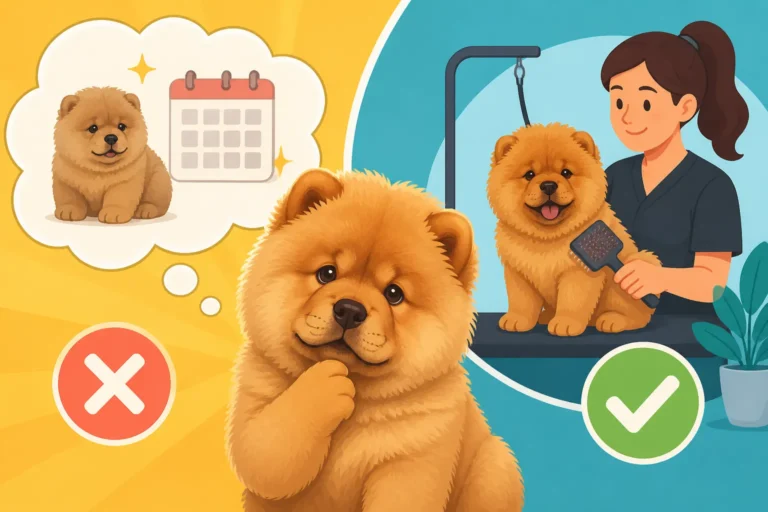
A Chow Chow builds trust deeply with their inner circle, and they thrive on consistency and respect from their primary caretakers. When a puppy is repeatedly handled by strangers, especially without their consent (even if it's just puppy consent, like not being able to move away), it can erode that foundational trust. They might learn that their comfort and boundaries are secondary to human desires for interaction. This can manifest as a puppy who, while perhaps not outwardly aggressive, becomes increasingly withdrawn, shuts down, or shows subtle signs of stress like lip licking, yawning, or turning their head away.
Imagine being in a crowded room where everyone wants to touch you, even if you’re uncomfortable. That’s how some Chow Chow puppies might perceive constant stranger handling. Instead of learning that strangers are fun, they learn that strangers are pushy and unpredictable. This isn't the foundation for a confident, well-adjusted adult dog. It’s far better to focus on building a strong, trusting relationship with your Chow Chow puppy first, teaching them that you are their safe harbor, and then gradually introducing them to the concept of polite, distant acceptance of others.
Recognizing Signs of Discomfort
One of the challenges with Chow Chows is their somewhat stoic nature and dense coat, which can make it harder to read their body language compared to more expressive breeds. However, it's absolutely vital to learn to recognize the subtle cues that indicate your Chow Chow puppy is uncomfortable with stranger interaction. Ignoring these signs teaches them that their communication is ineffective, and they may escalate their warnings in the future.
Look for:
- Head turns or looking away: A classic sign of avoidance.
- Lip licking or yawning (when not tired): Stress signals.
- Body stiffening or leaning away: Resistance to interaction.
- Tail tucked or held very still: Indicates apprehension.
- Ears flattened back: Fear or discomfort.
- Low growl or air snap: These are clear warnings that the puppy feels threatened and their boundaries have been breached.
It’s crucial to understand How to Read a Chow Chow's Face and other body language signals. If you see any of these, immediately create distance between your puppy and the stranger. Politely explain that your puppy isn't comfortable with petting right now. Far too often, people push past these initial subtle warnings because the puppy is "cute," leading to a dog that feels it has no option but to escalate its defensive behavior. Respecting these boundaries early on is key to preventing future behavioral problems and ensuring your Chow Chow grows into a confident, rather than reactive, adult. For more insights on what to look for, check out Signs a Chow Chow Is Uncomfortable.
The Long-Term Impact on Behavior
A Chow Chow puppy that is routinely overwhelmed by stranger interactions can develop lasting behavioral problems. This isn't just about growling or snapping; it can manifest in a variety of ways:
- Increased shyness or fear: They may become extremely hesitant around new people, trying to hide or avoid situations.
- Resource guarding of their person: If they feel their safety comes from you, and strangers continually invade their space, they might become possessive and protective of you, growling or pushing people away to maintain that perceived safety.
- Aggression: When all other warnings fail, a Chow Chow might resort to aggression to communicate their discomfort. This is often a last resort when they feel trapped or threatened.
- Avoidance behaviors: They might refuse to go on walks, hide when visitors come over, or generally become less engaged with the world outside their trusted circle.
It's a misconception that constant physical handling makes a Chow Chow friendly. For many, it breeds resentment or anxiety. Instead, we want to create a dog that is politely tolerant, secure in its environment, and confident that its boundaries will be respected. This is a much healthier and safer outcome for both the dog and the people around them.
Strategies for Controlled Stranger Interactions
So, if constant petting isn't the answer, what is? The key for a Chow Chow puppy is controlled, positive exposure where they feel safe and in control of the interaction. This means you, as their dedicated human, are their advocate and guide, ensuring their experiences are positive and not overwhelming.
Observation Over Interaction
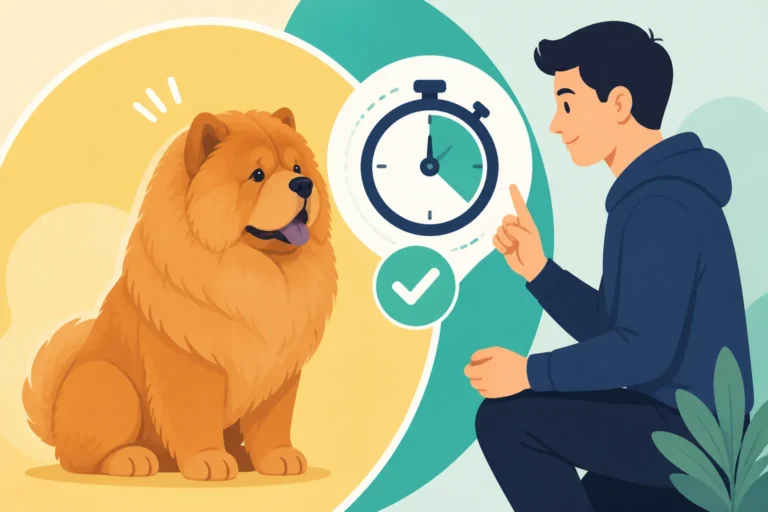
Instead of allowing strangers to rush in for a cuddle, prioritize opportunities for your Chow Chow puppy to observe people from a distance. Take your puppy to a park bench or a quiet cafe patio where they can sit with you and watch people walk by. The goal is for them to see people, hear their voices, and get accustomed to their presence without feeling the pressure to interact.
- Create Distance: Start with enough distance so your puppy isn't reacting negatively. They should be calm and curious, not tense or worried.
- Positive Reinforcement: While observing, quietly reward your puppy with small, high-value treats (perhaps something delicious you picked up from a reputable pet supply store on Amazon) or soft praise whenever they look calmly at a passing stranger. This helps them associate strangers with good things.
- Short Sessions: Keep these observation sessions brief, especially at first. End on a positive note before your puppy shows any signs of stress or boredom. You want them to leave feeling good about the experience.
This method teaches your Chow Chow that strangers exist, they are often interesting, and they pose no threat, all while reinforcing that you are their protector and guide. It’s about building quiet confidence rather than boisterous engagement.
Positive Associations, Not Physical Contact
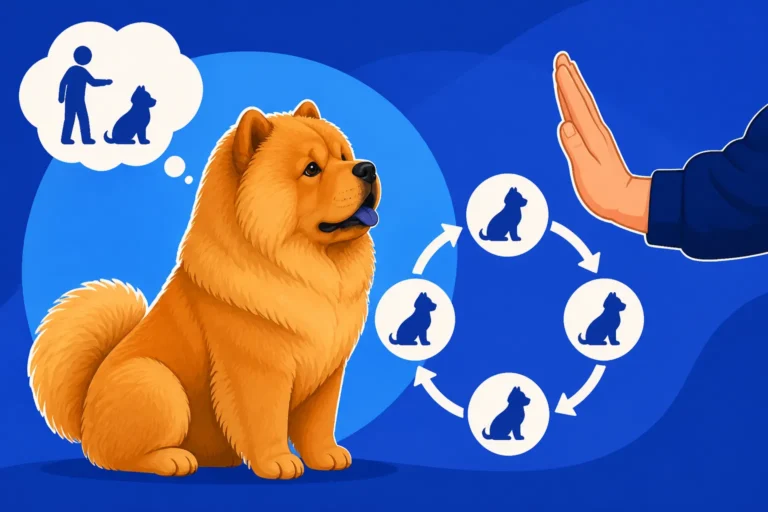
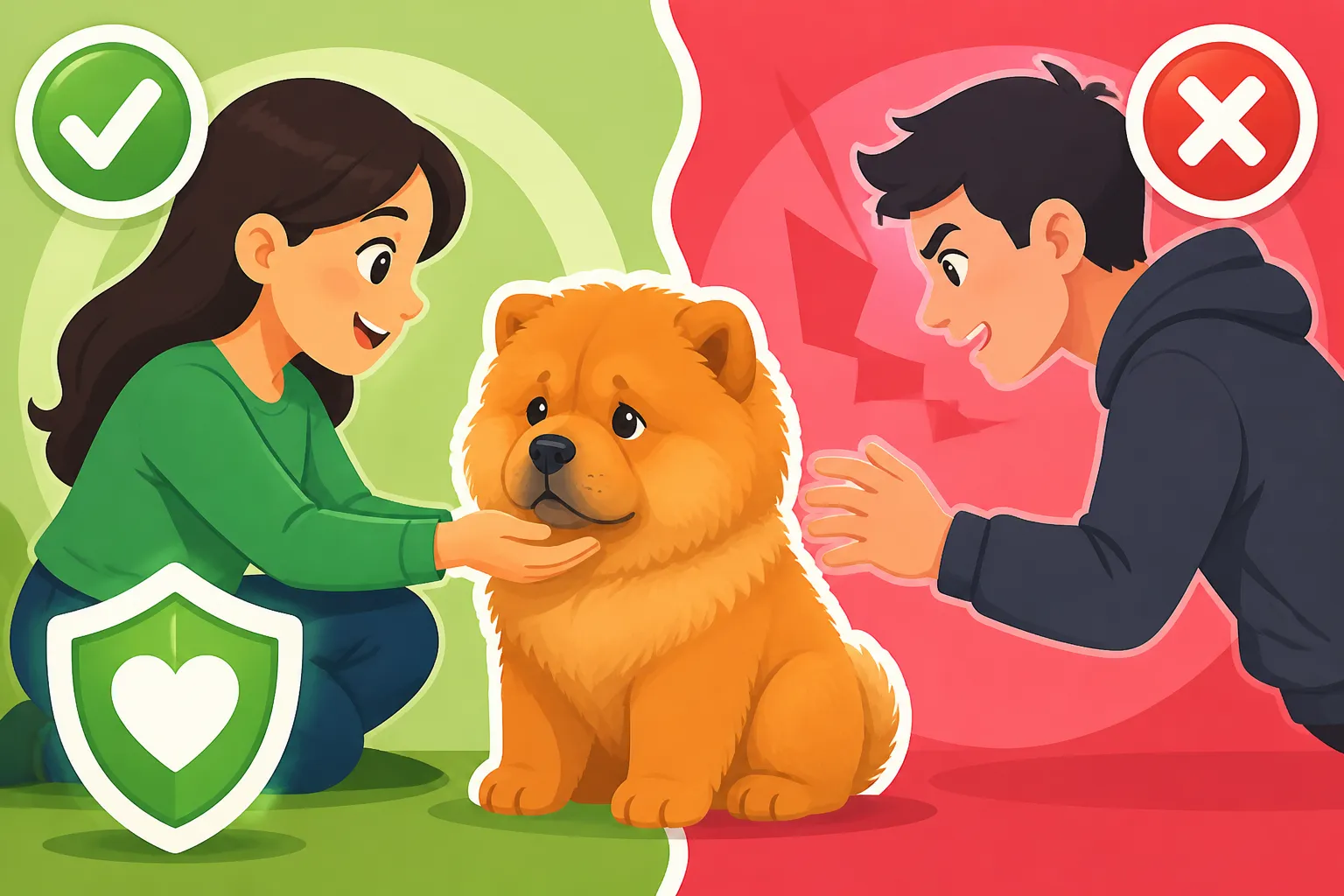
When a stranger does approach, redirect their energy. Instead of allowing them to reach for your puppy, ask them to toss a treat instead. This keeps a respectful distance while still creating a positive association.
Here's how to manage it:
- Be Prepared: Carry high-value treats.
- Polite Request: When someone approaches, say something like, "He's still learning to be polite, so we're working on no-touch greetings for now. Would you mind tossing him a treat instead?" Most people are happy to comply, especially when they see a cute puppy.
- Treat Delivery: Encourage the stranger to toss the treat a few feet away from your puppy, allowing your Chow Chow to approach it on their own terms. This maintains the puppy's sense of control and reduces pressure.
- No Eye Contact/Direct Approach: Ask strangers to avoid direct eye contact or leaning over your puppy, as these can be perceived as threatening.
This strategy ensures that your puppy associates strangers with good things (tasty treats!) without the stress of unwanted physical contact. It also helps reinforce the idea that you are in charge of interactions, which is crucial for a breed that bonds strongly with one person, as explored in How a Chow Chow Chooses Its Person.
Teaching Polite Greetings
Your goal isn't necessarily for your Chow Chow to be a social butterfly, but rather a well-mannered citizen who can calmly coexist with others. This means teaching them to be neutral or calmly curious, rather than demanding attention or acting defensively.
- "Go Say Hi" (Optional and Controlled): If your puppy is showing confidence and curiosity from a distance, you might, on very rare occasions, allow a highly trusted, calm stranger to offer a brief, gentle pet if your puppy initiates. The key is your puppy initiates. If they don't, no interaction.
- Focus on You: Practice "look at me" or "heel" commands when strangers are nearby. This reinforces your leadership and helps your puppy learn to focus on you, rather than feeling overwhelmed by external stimuli.
- Walk Away: Always be prepared to calmly walk away from an interaction that is becoming too much for your puppy. There’s no shame in protecting your dog’s emotional well-being.
Consider enrolling in a well-regarded online puppy program, like those offered by BAXTER & Bella. These platforms often provide structured socialization guidance that you can adapt to your Chow Chow's specific needs, helping you understand timing and cues. This structured approach helps ensure that every interaction, even with strangers, is a learning opportunity that builds confidence. You can also explore What Puppy Socialization Classes Cost a Chow Chow Owner to see if in-person options are right for you.
Seeking Professional Guidance
Sometimes, despite our best efforts, a Chow Chow puppy might still display excessive shyness, fear, or early signs of reactivity towards strangers. If you find yourself struggling, don't hesitate to seek professional help from a qualified dog trainer or veterinary behaviorist.
A professional can:
- Assess Body Language: Help you fine-tune your ability to read your specific puppy's subtle cues.
- Develop a Tailored Plan: Create a customized socialization and training plan that addresses your puppy's individual needs and challenges.
- Guide Interactions: Provide hands-on guidance for controlled interactions, ensuring positive outcomes.
- Address Underlying Issues: Rule out any medical reasons for behavioral concerns and offer appropriate interventions.
Choosing a trainer who understands independent, often strong-willed breeds like the Chow Chow is crucial. Look for positive reinforcement trainers who emphasize building trust and communication, rather than force or intimidation, as discussed in Why Harsh Correction Backfires on a Chow Chow. You're laying the groundwork for a lifetime of trust and a stable relationship, and sometimes, a little expert help can make all the difference. Whether a Chow Chow Needs a Professional Trainer Early is a worthwhile question to consider for this breed.
Here's a quick comparison of effective versus less effective stranger interactions for your Chow Chow puppy:
| Interaction Type | Chow Chow's Experience | Potential Outcome |
|---|---|---|
| Controlled Observation | Calmly views strangers from a safe distance, rewarded. | Develops polite tolerance, neutral curiosity, confidence. |
| Stranger Tosses Treats | Receives good things from strangers without touch pressure. | Positive association with strangers, reduced anxiety. |
| Brief, Gentle, Puppy-Initiated Pet | Chooses to approach a calm, trusted person for a brief pet. | Builds confidence in self-advocacy, positive reinforcement. |
| Forced Petting/Cuddling | Feels trapped, overwhelmed, boundaries ignored. | Fear, withdrawal, defensive aggression, distrust. |
| Loud, Boisterous Greetings | Startled, feels vulnerable, may lead to guarding. | Anxiety, reactivity, heightened guarding instincts. |
| Strangers Lean Over/Direct Eye Contact | Perceived as threatening, invasive. | Increased defensiveness, fear, or avoidance. |
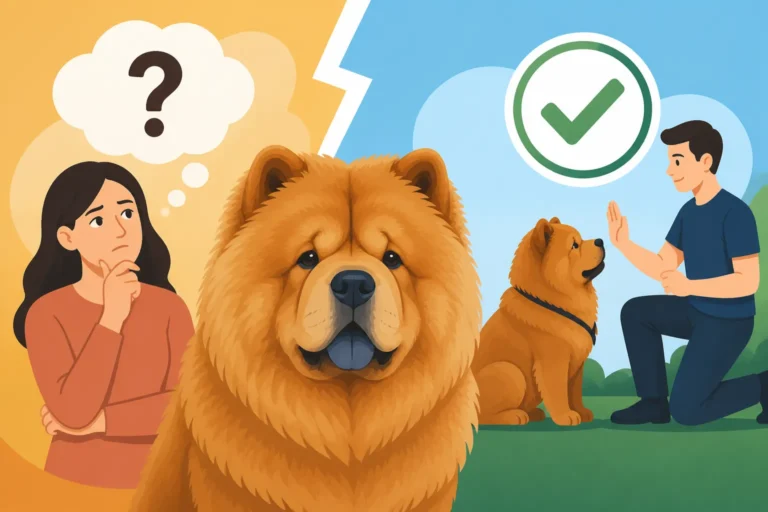
Ultimately, raising a well-adjusted Chow Chow puppy involves understanding their unique personality and respecting their boundaries. It's about quality over quantity when it comes to stranger interactions, ensuring each experience builds positive associations and confidence, not fear.
Disclaimer
This article is for general informational purposes only and does not constitute professional advice. Laws, prices and regulations vary by location and change over time. Consult a qualified professional for guidance on your specific situation.