How a Chow Chow Behaves With Children
Bringing a Chow Chow into a home with children can feel like a tightrope walk for many families, filled with worries about whether their strong-willed, sometimes aloof canine companion will truly integrate safely and happily with the kids. This guide aims to shed light on the Chow Chow's unique personality traits, how they typically manifest around children, and, most importantly, provide actionable strategies for fostering a harmonious and safe environment for everyone involved.
Understanding the Chow Chow Temperament Around Children
The Chow Chow is a breed often misunderstood, and nowhere is this more apparent than in discussions about its interaction with children. Unlike many effusive breeds that eagerly seek out play and affection, the Chow Chow carries a distinct set of characteristics that require careful consideration, especially when youngsters are involved. It’s not that they dislike children, but their approach to family dynamics is simply different.
Natural Aloofness and Independence
Chow Chows are famously independent and can be quite reserved, even with their own family members. They are not typically "velcro dogs" that follow you from room to room or constantly demand attention. This aloofness means they might not initiate play with children or tolerate being treated like a giant, fluffy toy. A child’s boisterous attempts at play, like chasing or roughhousing, can easily be misinterpreted by a Chow Chow, leading to discomfort or a snap if the dog feels cornered or threatened. They appreciate quiet companionship and respect for their personal space far more than constant physical interaction. For more on their general demeanor, you might find How Aloof a Chow Chow Really Is insightful.
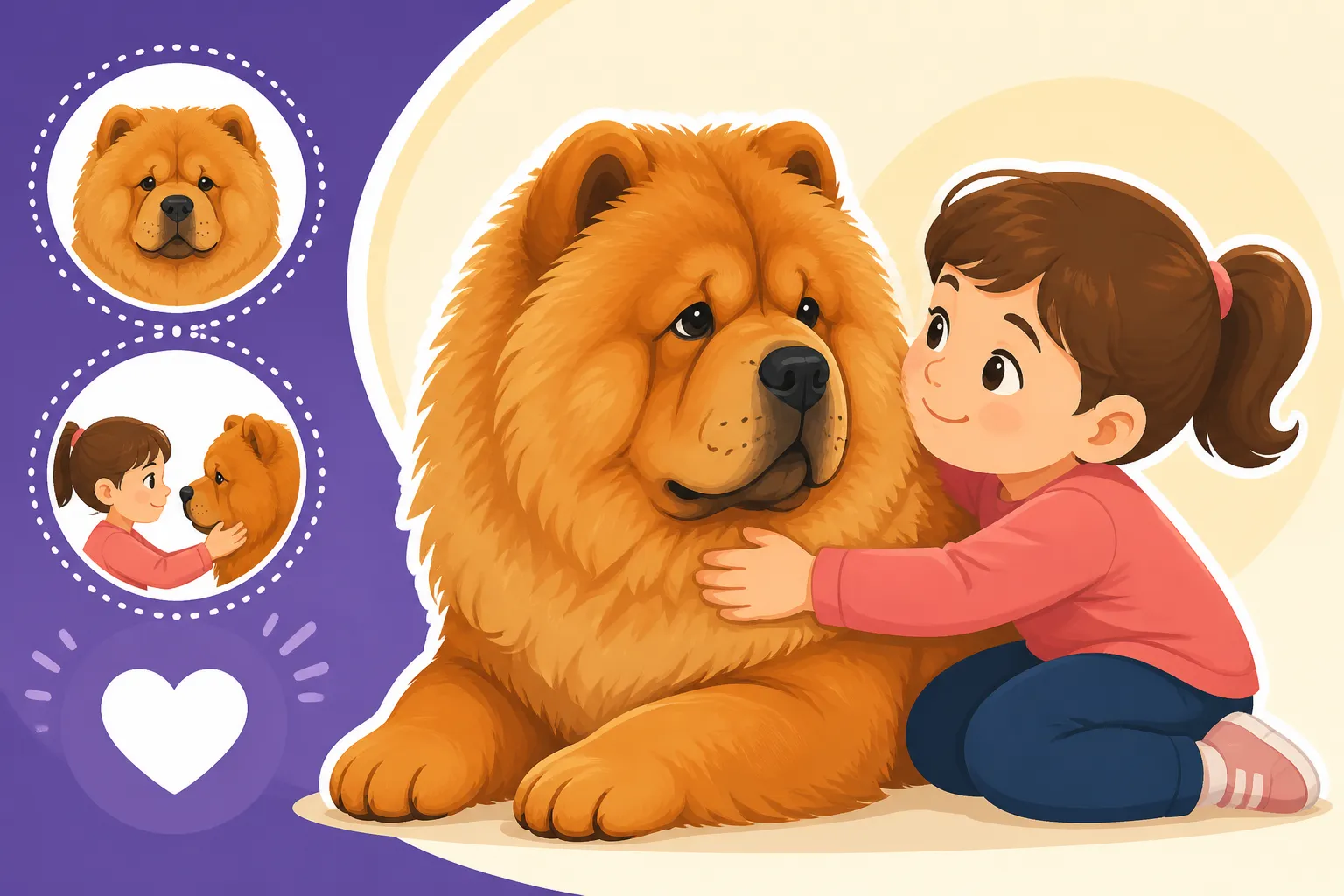
This independent streak also means that a Chow Chow might not seek reassurance from a human when startled or uncomfortable, opting instead to retreat or, if that’s not possible, to stand their ground. Imagine a toddler suddenly grabbing a handful of fur or trying to climb on a sleeping Chow Chow. While another breed might simply move away or vocalize a soft growl, a Chow Chow’s first reaction might be less forgiving if they feel their boundaries have been severely crossed without warning. It's crucial for parents to understand that a Chow Chow's lack of overt affection doesn't equate to a lack of bond, but rather a different expression of it, which children need to learn to respect.
Protective Instincts and Resource Guarding
Chow Chows were originally bred as guard dogs and hunters, and these protective instincts are deeply ingrained in their DNA. While this can make them excellent guardians for their families and homes, it also means they can be territorial and prone to resource guarding. This guarding behavior isn't always about aggression; it’s about control over their perceived possessions or space. This can manifest around food bowls, toys, beds, or even a particular spot on the couch.
When children are in the mix, this can become a significant issue. A child approaching a Chow Chow's food bowl, attempting to take a favorite toy, or even disturbing the dog's resting place can trigger a guarding response. This isn't usually born of malice, but a strong instinct to protect what they consider theirs. It's vital to teach children never to disturb a Chow Chow while it's eating, sleeping, or playing with a prized possession. Furthermore, a Chow Chow might see themselves as a protector of the children in their "pack," which can be a double-edged sword. While it may mean they guard children from perceived outside threats, it can also lead to issues if the dog decides to "protect" a child from another family member or even a friend entering the home, creating an unpredictable situation. Understanding What a Chow Chow Guards and Why can provide additional context.
Low Tolerance for Rough Handling
One of the most critical aspects of Chow Chow behavior with children is their typically low tolerance for rough or intrusive handling. Their dense double coat, while beautiful, can make them sensitive to pulling or grabbing, and their stoic nature means they often give very subtle warnings before reacting more strongly. Unlike some breeds that might enjoy a wrestling match or tolerate a child leaning heavily on them, a Chow Chow is much less likely to appreciate such interactions.
Picture a child attempting to ride the dog like a pony, pulling its tail, or poking its eyes – behaviors common for small, uneducated children. A Chow Chow is highly unlikely to find this amusing or acceptable. Their deep-set eyes limit their peripheral vision, meaning they can easily be startled by sudden approaches from the side or rear. If a Chow Chow feels discomfort, fear, or pain from a child's actions and perceives no escape, they may resort to a defensive snap or bite. This is not inherently aggressive behavior but a self-preservation response to perceived threats or pain. It's imperative that every interaction between a child and a Chow Chow is supervised and guided, ensuring the dog's personal space and comfort are always respected to prevent any unfortunate incidents. How a Chow Chow's Deep Set Eye Limits Its Vision further explains their visual limitations.
The Importance of Early Socialization with Children
Proper socialization is the single most critical factor in shaping a Chow Chow's behavior, especially concerning its interactions with children. Without a carefully planned and executed socialization regimen, a Chow Chow can develop fear, aggression, or an inability to cope with the unpredictable nature of kids. This isn't just about exposing a puppy to children; it's about making those exposures positive, controlled, and consistent.
Critical Socialization Period
The most crucial period for a Chow Chow puppy's socialization is between 3 and 16 weeks of age. During this window, puppies are highly impressionable, and positive experiences can lay the foundation for a confident, well-adjusted adult dog. Exposing a Chow Chow puppy to a wide variety of sights, sounds, people, and experiences – including children of different ages – is paramount. However, this must be done safely and positively. Simply throwing a puppy into a group of boisterous children can do more harm than good, instilling fear rather than confidence.
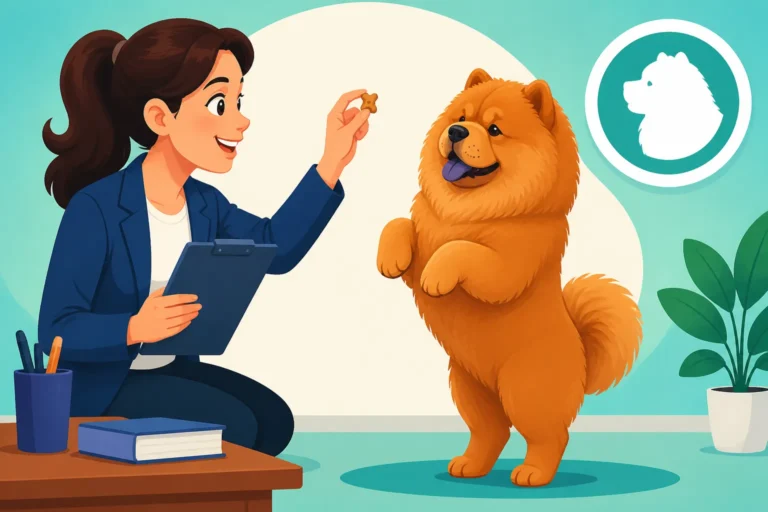
For families with young children, this period is an opportunity to teach both puppy and child appropriate behavior. Short, positive interactions where the child is taught to offer a treat gently, stroke calmly, and then retreat, help the puppy associate children with good things. Enrolling in a reputable puppy socialization class, like those offered by online platforms such as BAXTER & Bella, can provide structured opportunities for controlled exposure and guidance on positive reinforcement techniques. Remember, this isn't just about the puppy meeting children; it's about forming positive associations that will last a lifetime. When a Chow Chow's Socialization Window Closes can offer more detail on this critical timeframe.
Controlled and Positive Introductions
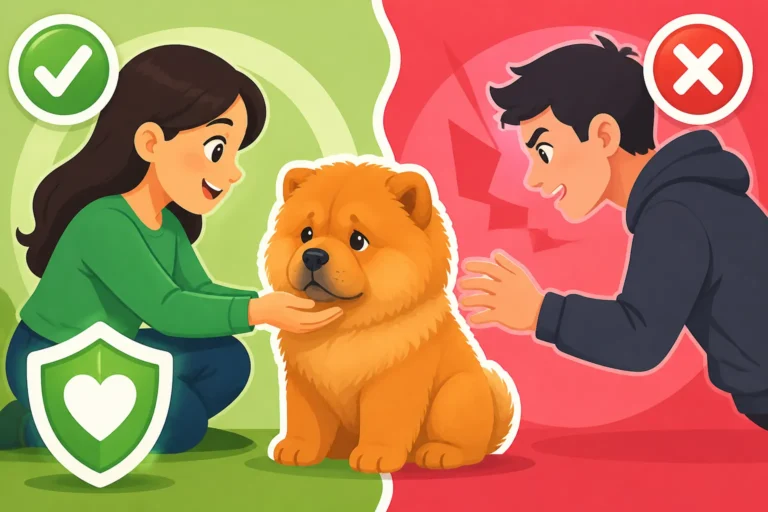
Introducing a Chow Chow to children must always be a carefully managed process. It's not about letting them "figure it out" themselves; it's about active supervision and guidance. When introducing a puppy to children, ensure the environment is calm and quiet. Both the child and the puppy should be relaxed. Teach children to approach the puppy slowly, offer the back of their hand for a sniff, and only pet gently on the chest or shoulder, avoiding the top of the head or tail. Always provide high-value treats to the puppy during these interactions, creating a positive association with children.
For older Chow Chows, or if you're bringing a rescue dog into a family with kids, the introductions might be even more sensitive. Start with the Chow Chow on a leash, allowing it to observe children from a distance, rewarding calm behavior. Gradually decrease the distance and allow brief, supervised interactions, always ready to intervene if either the dog or child shows signs of stress. The goal is to build trust and positive associations gradually, never forcing an interaction. Creating a safe retreat for the Chow Chow, like a crate in a quiet room, is also crucial, allowing them to disengage when they feel overwhelmed.
Beyond Puppyhood: Ongoing Exposure
Socialization isn't a one-time event that ends when puppyhood does. It's an ongoing process throughout a Chow Chow's life. Even a well-socialized adult Chow Chow benefits from continued, positive exposure to children. This helps reinforce good habits and prevents regression, especially if there are periods where the dog doesn't interact with kids frequently. This could mean inviting calm, respectful children over for supervised visits, taking your Chow Chow on walks where they can observe children playing from a safe distance, or participating in family-friendly events where controlled interactions are possible.
Consistency is key. Every interaction should be monitored to ensure it remains positive for the Chow Chow. Any sign of discomfort, fear, or overstimulation should be addressed immediately by creating distance or ending the interaction. The goal is to ensure the Chow Chow always sees children as a normal, non-threatening, and ideally pleasant part of their environment. An undersocialized Chow Chow can develop significant behavioral problems, as explored in What an Undersocialized Chow Chow Becomes, so ongoing efforts are truly vital.
Teaching Children How to Interact Safely with a Chow Chow
The responsibility for safe interactions lies equally with the adults in the home to educate their children. Children, by nature, are curious, enthusiastic, and often lacking in understanding canine communication. It is our job to equip them with the knowledge and skills to interact with a Chow Chow in a way that respects the dog's boundaries and ensures everyone's safety.
Gentle Interactions and Respectful Boundaries
It's paramount to teach children that a Chow Chow is not a toy, but a living, feeling creature with needs and limits. This means teaching them how to pet gently, avoiding pulling fur, ears, or tails. Demonstrate how to pet in calm, slow strokes on the dog's sides or chest, rather than over the head, which can be perceived as threatening. Explain that the Chow Chow needs its personal space, especially when eating, sleeping, or resting in its crate. Never allow children to disturb the dog during these times.
Establish clear rules:
- Always ask an adult if it's okay to approach the dog.
- Never run up to the dog or surprise it.
- Pet gently, like stroking a cloud, not pulling.
- Leave the dog alone when it's eating, sleeping, or in its special safe place.
- Never take food or toys from the dog.
- If the dog walks away, let it go.
These rules should be reinforced consistently by all adults in the household. It might feel repetitive, but the safety of both the child and the dog depends on it.
Understanding Canine Body Language
One of the most valuable lessons you can teach a child is how to read a dog's body language. Chow Chows, in particular, can be subtle in their communication, often giving minimal warning before reacting. Teach children to look for signs that a Chow Chow is uncomfortable or stressed:
- Stiff body: The dog freezes or becomes rigid.
- Lip licking: A quick flick of the tongue.
- Yawning: When not tired, this can signal stress.
- Turning head/body away: Avoiding eye contact or interaction.
- Ears flattened or pulled back: A sign of anxiety.
- Whale eye: The whites of the eyes show.
- Growling: This is a clear warning sign that must never be punished.
- Tucked tail: Although a Chow Chow's tail naturally curls, a tightly tucked tail can signal fear.
If a child sees any of these signs, the immediate action should be to stop, stand still, and let the adult know. Learning How to Read a Chow Chow's Face and understanding Why a Chow Chow Gives Little Warning are essential for preventing incidents. Parents should actively point out these signals in real-time, explaining what the dog is "saying."
Avoiding Triggers
Beyond teaching gentle interactions, parents and children must actively work to avoid situations that might trigger a negative response from a Chow Chow. Given their guarding instincts and lower tolerance for rough handling, certain activities are best avoided entirely or heavily modified. For instance, chasing games, loud shouting, or sudden, erratic movements can easily startle or overstimulate a Chow Chow.
Here are a few common triggers to avoid:
- Approaching a Chow Chow from behind: Their limited peripheral vision makes them prone to startling. Always approach from the front or side, vocally announcing your presence.
- Invading personal space: Reaching into a crate, disturbing a sleeping dog, or cornering a dog against a wall.
- High-value items: Never allow children near a Chow Chow's food bowl, prized chews, or favorite toys. These are prime targets for resource guarding.
- Rough play: Tug-of-war, wrestling, or other physical games that encourage mouthiness or aggression.
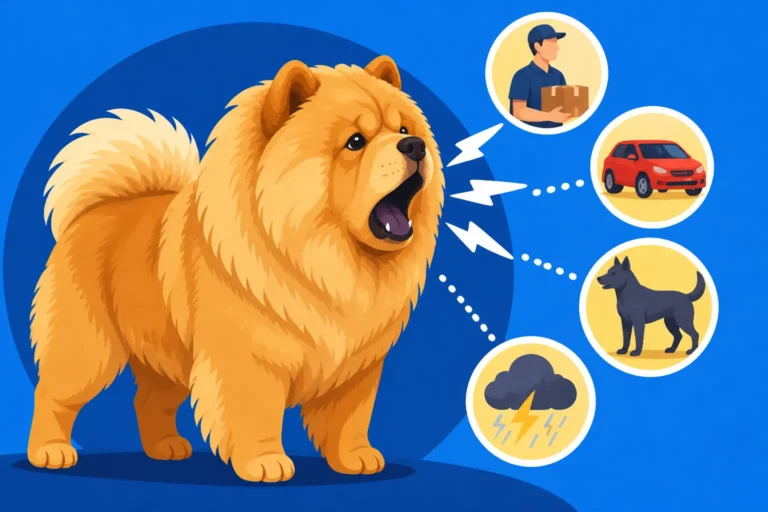
- Loud noises and sudden movements: These can easily overwhelm a sensitive Chow Chow.
By consciously avoiding these triggers and teaching children to respect the Chow Chow's needs, families can significantly reduce the risk of conflict. How to Teach a Child to Approach a Chow Chow provides more guidance on specific interaction techniques.
Supervision, Management, and Creating a Safe Environment
Even with the best socialization and education, a Chow Chow's inherent nature demands constant vigilance when children are present. Creating a safe environment isn't just about training the dog; it's about active management, establishing physical boundaries, and ensuring every interaction is supervised by a responsible adult. Never assume your Chow Chow is "good with kids" – always be present and attentive.
Constant Adult Oversight
The golden rule for Chow Chows and children is never leave them unsupervised. Not for a minute, not for a second. This applies whether the children are toddlers or teenagers, and whether the Chow Chow is a puppy or a senior dog. An adult must always be actively engaged and ready to intervene if interactions become inappropriate or if either the dog or the child shows signs of stress. This isn't just watching from across the room; it means being close enough to physically separate them if necessary.
This constant supervision is especially crucial during times when children are most boisterous, such as playtime or when friends are visiting. It’s also important when the dog is eating, resting, or playing with toys, as these are common guarding triggers. If you cannot provide direct, active supervision, then the dog and child should be separated. This might mean placing the dog in its crate, behind a baby gate, or in another room.
Safe Spaces for Both Dog and Child
Creating designated safe spaces is vital for managing a Chow Chow in a family with children. A "safe space" for the Chow Chow is an area where they can retreat and be undisturbed. This could be a sturdy crate in a quiet room, a dog bed tucked away in a corner, or even an elevated resting platform. Teach children that this is the dog's personal sanctuary, and they are never allowed to disturb the Chow Chow when it is in its safe space.
Equally important are safe spaces for children, particularly very young ones. This might involve a playpen, a separate gated room, or an area inaccessible to the dog. This ensures that children can play freely without inadvertently triggering the dog or being at risk. Using pet gates, easily found on platforms like Amazon, to separate living areas can be incredibly effective in creating these boundaries and managing interactions. These physical barriers are not punishments but tools to ensure everyone's comfort and safety.
Management Tools and Strategies
Beyond supervision and safe spaces, a variety of management tools and strategies can help maintain harmony between a Chow Chow and children. These are not substitutes for training and socialization, but rather complementary measures that create a structured environment.
- Leash Management: Keeping your Chow Chow on a leash, even indoors, when children are present can give you immediate control over their movements and interactions. This is particularly useful during initial introductions or when guests are over.
- Gates and Barriers: As mentioned, baby gates are invaluable. Use them to block off rooms, create a "dog-free zone" for children, or give the Chow Chow a quiet retreat. You can find a wide selection of sturdy gates on Amazon.
- Crate Training: A properly crate-trained Chow Chow will view its crate as a safe den. This provides a clear, secure place for the dog to go when you cannot supervise, or when it needs a break from the activity of children.
- "Place" Command: Teaching your Chow Chow a solid "place" command, where they go to a specific mat or bed and stay there, allows you to direct them to a safe spot away from children during busy times. Programs like BAXTER & Bella often cover this extensively, helping you build a dog that can politely disengage when needed.
- Rotating Toys and Chews: To minimize resource guarding, provide a variety of toys and chews, but pick them up when not in use. Only offer high-value items when the Chow Chow is in its safe space, away from children.
- Structured Exercise: A well-exercised Chow Chow is generally a calmer Chow Chow. Ensure they get their daily walks and mental stimulation appropriate for the breed to help manage their energy and reduce anxiety that could lead to reactivity.
| Interaction Type | Child's Behavior | Chow Chow's Response (Likely) | Safety Implication |
|---|---|---|---|
| Gentle Petting | Slow, soft strokes on side/chest | Calm acceptance, possibly lean into hand | Safe, builds positive bond |
| Rough Petting | Grabbing fur, pulling ears/tail, hugging tightly | Stiffening, lip-licking, turning head | Risk of snap/bite, stress |
| Approaching Food | Child approaches or touches food bowl while dog eats | Growl, air snap, guarding posture | High risk of bite, guarding |
| Invading Space | Child climbs on dog, disturbs sleeping dog | Growl, snap, retreat if possible | High risk of bite, fear |
| Quiet Observation | Child watches dog from a distance, plays calmly | Ignores child, relaxes | Safe, dog feels secure |
| Loud Play/Chasing | Child screams, runs erratically around dog | Startled, retreats, may bark/react | Risk of dog being overwhelmed |
| Offering Treat Gently | Child offers treat calmly, waits for dog to take | Takes treat, positive association | Safe, builds trust |
Recognizing Stress Signals in a Chow Chow Around Children
A Chow Chow's reputation for being stoic means they often don't wear their emotions on their sleeve quite as overtly as some other breeds. This can make it challenging for even experienced dog owners to recognize when a Chow Chow is feeling stressed or uncomfortable, especially around children. However, they do communicate, and understanding these subtle signals is paramount to preventing incidents and ensuring everyone's safety.
Subtle Cues of Discomfort
Many of a Chow Chow's early warning signs are quite subtle and can be easily missed if you're not paying close attention. These are often indicators that the dog is uncomfortable, anxious, or feeling overwhelmed by a situation, and they are trying to communicate this non-verbally before escalating to more overt warnings.
Look for behaviors such as:
- Averted Gaze or Hard Stare: A Chow Chow might avoid eye contact, turning its head away, or conversely, give a very hard, fixed stare, which is often a warning.
- Lip Licking or Excessive Yawning: When not hungry or tired, these are classic signs of stress or appeasement. The dog is trying to self-soothe or signal that it means no harm, but it's often under pressure.
- Stiffening or Freezing: The dog's body becomes rigid, and it might stop moving entirely, even mid-action. This is a clear signal that the dog is uncomfortable and considering its next move.
- Turning Away or Attempting to Leave: The Chow Chow might try to put distance between itself and the child. If the child pursues or blocks its exit, this can quickly escalate the dog's stress.
- Slight Trembling or Shivering: A subtle tremor can indicate fear or anxiety.
- Pinned Ears or Head Lowered: While a Chow Chow's ears are small, they can still be flattened against the head as a sign of anxiety. A lowered head can also indicate unease.
Understanding these cues is a crucial part of living safely with a Chow Chow and children. Signs a Chow Chow Is Uncomfortable offers a deeper dive into these important signals. If you observe any of these, it's your cue to immediately create space between the dog and the child and reassess the situation.
Escalation of Warnings
If a Chow Chow's subtle signals are ignored or if the dog feels its attempts to communicate discomfort are unsuccessful, it will often escalate its warnings. These are more overt attempts to create distance or end an interaction that it perceives as threatening or overwhelming. It's vital to recognize and respect these warnings, as they are the last steps before a potential bite.
Common escalation warnings include:
- Low Growl: This is an unmistakable vocalization of discomfort or a clear "back off" signal. Never punish a growl, as it's the dog's way of telling you it's about to bite. Punishing it teaches the dog to skip the warning and go straight to biting.
- Showing Teeth (Snarl): Often accompanied by a growl, this is a very serious warning where the lips are pulled back to expose the teeth.
- Snapping (Air Biting): The dog might quickly snap its jaws in the air near the child, without making contact. This is a sharp warning, indicating that it could bite, and is prepared to do so if the situation doesn't change.
- Body Posture: A Chow Chow might lower its head, stiffen its legs, or even take a slight step forward or back, depending on whether it's trying to warn or retreat. Its hackles might rise along its back, indicating arousal or fear.
These escalating signals mean the Chow Chow is feeling seriously threatened or overwhelmed. Immediate intervention by an adult is required to prevent an actual bite. Learning Why a Chow Chow Gives Little Warning highlights why recognizing these signals quickly is so important.
When to Intervene Immediately
Knowing when to step in is just as important as knowing how to manage the environment. Any time you see a Chow Chow exhibiting stress signals, subtle or overt, it's time to intervene. The goal is always to prevent the situation from reaching a point where the dog feels it has no other option than to bite.
Intervention means:
- Physically Separating: Gently but firmly guide the child away from the dog, or the dog away from the child. Use a leash, a baby gate, or your body as a barrier.
- Creating Space: Ensure there is adequate space for the Chow Chow to move away from the child if it chooses. Do not block its escape route.
- Redirection: If the dog is still calm but showing early signs of discomfort, you might redirect its attention with a favored toy or a walk to another room, but this should be done carefully, not as a distraction from an escalating situation.
- Removing the Stimulus: If a particular toy or item is causing resource guarding, remove it from the area (safely) when children are present.
- Assessing the Situation: Once separated, consider what triggered the dog's reaction. Was the child too close? Was the dog startled? What can be done to prevent a repeat scenario?
It's better to over-intervene than to regret not intervening. Chow Chows are magnificent dogs, but their unique temperament, combined with a child's natural exuberance, requires responsible and proactive management. By understanding their signals and consistently enforcing boundaries, you can foster a safe and respectful home for your Chow Chow and your children.
Disclaimer
This article is for general informational purposes only and does not constitute professional advice. Laws, prices and regulations vary by location and change over time. Consult a qualified professional for guidance on your specific situation.