How to Introduce a Chow Chow to a Stranger
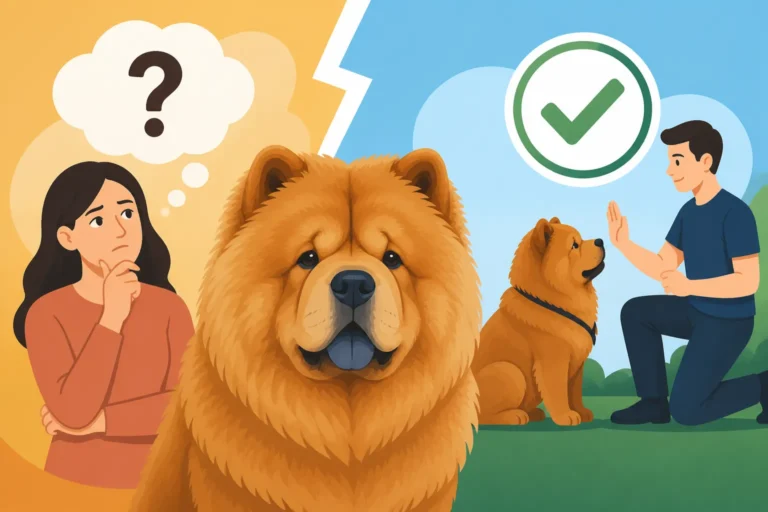
Many Chow Chow owners find themselves in a tricky situation: well-meaning strangers often want to greet their beautiful, fluffy dog, but the Chow Chow's natural reserve makes these encounters challenging, and sometimes even risky. It's frustrating when people don't understand that your dog isn't just a big, cuddly teddy bear. This guide will walk you through how to navigate these interactions, helping you introduce your Chow Chow to strangers safely and positively for everyone involved.
Understanding the Chow Chow's Natural Reserve
Let's be real, your Chow Chow isn't usually the type to bound up to every new person with a wagging tail and an invitation for belly rubs. This isn't because they're "mean" or poorly behaved; it's deeply ingrained in their breed's history and temperament. Understanding this fundamental aspect of their personality is the first step to successful introductions.
Why Your Chow Chow Isn't a Social Butterfly
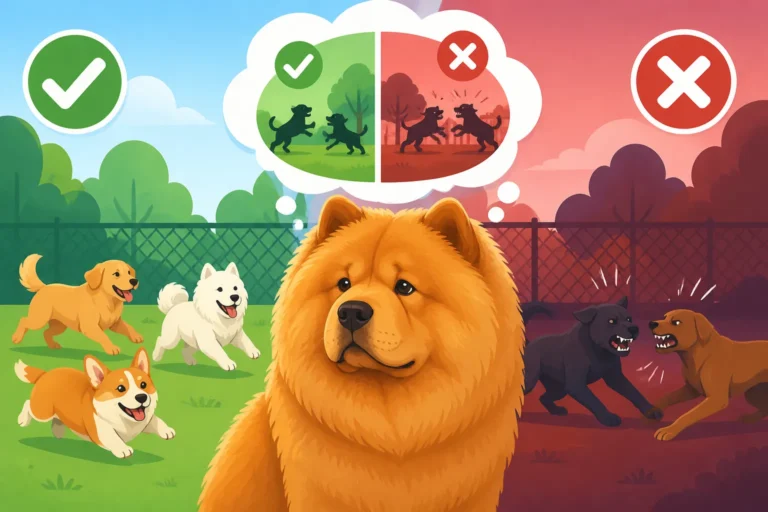
Chow Chows were originally bred as guardians and protectors, and that instinct is still very much alive in them today. They are typically independent, discerning, and naturally aloof with strangers. Think of them more like a dignified, observant lion than a golden retriever. While they form incredibly strong, devoted bonds with their chosen family – often one primary person – they tend to view outsiders with a healthy dose of suspicion or indifference. This isn't personal; it's simply how they're wired. They don't crave widespread social interaction in the same way many other breeds do. For more insight into their general temperament, you might want to read How Aloof a Chow Chow Really Is.
This reserved nature means they don't appreciate being rushed, hugged, or subjected to sudden movements by people they don't know. They need space and time to assess a situation and decide if they want to engage. Pushing them past their comfort zone can lead to stress, which can manifest as withdrawal, growling, or even a snap if they feel threatened and can't escape. It's not aggression for aggression's sake, but rather a strong boundary being communicated.
Reading Your Chow Chow's Body Language
Because Chow Chows are so famously stoic, it can be tough to read their subtle cues, especially for those who aren't familiar with the breed. They don't always give big, flamboyant warnings like some other dogs. Their deep-set eyes and "scowling" expression can also make it harder for strangers to interpret their mood correctly. This is where you, as their owner, become their primary advocate and interpreter. You need to be hyper-aware of their body language to know when they're comfortable, anxious, or signaling that they've had enough.
Look for subtle signs:
- Lip licks: A quick flick of the tongue is often a stress signal.
- Head turns or averting gaze: They're trying to disengage.
- Yawning (when not tired): Another common stress indicator.
- Stiffening body: Their muscles tense up, indicating discomfort.
- Tail position: While their tail is usually curled over their back, a lower or very rigid curl can signal tension.
- A "hard" stare: They might be fixating on the stranger, which isn't usually a good sign.
- Tightening of the mouth or a wrinkled brow: Their already expressive face can show increased tension.
If you see any of these, it's a clear signal that the interaction needs to stop or be modified immediately. Never dismiss these subtle warnings; they are your Chow Chow's way of communicating. You can find more details on interpreting their signals in Signs a Chow Chow Is Uncomfortable.
Preparing Your Chow Chow for New Introductions
The best way to manage stranger introductions isn't just about controlling the moment; it's about laying a strong foundation long before the stranger ever appears. This means consistent, thoughtful work on socialization and training.
Early Socialization: The Foundation of Confidence
I cannot stress this enough: early, positive socialization is absolutely critical for a Chow Chow. Their natural reserve can easily tip into fear or reactivity if they aren't exposed to a wide variety of sights, sounds, people, and experiences during their critical developmental window. This period, roughly from 3 to 16 weeks, is when puppies are most open to new things. Think of it as building a robust emotional toolkit for navigating the world.
This doesn't mean forcing them into situations they're uncomfortable with, but rather creating controlled, positive exposures. For example, have a few trusted, calm friends gently offer treats while ignoring the puppy at first. Take them to places where they can observe people and the world from a safe distance, without being overwhelmed. Puppy classes can be beneficial, but choose one that emphasizes positive reinforcement and offers smaller class sizes, allowing your Chow Chow to observe without being pressured to interact directly with every dog or person. An online puppy training program, such as one from BAXTER & Bella, can also provide structured guidance on socialization from the comfort of your home, helping you introduce new concepts and people in a controlled environment. Remember, the goal is quality, positive experiences, not quantity. If you want to know more about this crucial period, check out When a Chow Chow's Socialization Window Closes and What an Undersocialized Chow Chow Becomes.
Training for Calmness and Control
Beyond socialization, solid obedience training is your best friend when it comes to managing stranger interactions. Commands like "sit," "stay," "leave it," and a reliable "come" are not just party tricks; they are vital tools for safety and control. If your Chow Chow can reliably hold a sit-stay while a stranger walks past, you've gained immense control over potential issues.
Practice these commands in various environments, gradually increasing distractions. Start in a quiet room, then move to your yard, a quiet park, and eventually busier areas. High-value treats are a must for Chows – think small pieces of cooked chicken or cheese – because they are often highly food-motivated. You might be surprised to learn that a Chow Chow typically responds best to training built on agreement rather than forced obedience. They are smart and will learn quickly if they see the value in it. Training sessions should be short, positive, and fun, to keep their attention. Consider investing in a long line, available on platforms like Amazon, to practice recall and 'leave it' in open spaces while maintaining safety. Whether a Chow Chow Needs a Professional Trainer Early can offer more insights into this aspect.
The Step-by-Step Introduction Protocol
When it comes to the actual moment of introduction, planning and setting the stage are paramount. You can't just let a stranger barge in. This process requires a proactive approach from you and clear instructions for the stranger.
Setting Up for Success: The Environment Matters
Where and how an introduction happens can make all the difference. Always choose a neutral territory for initial meetings, if possible. Your home is not neutral territory; it's where your Chow Chow feels most protective. What a Chow Chow Guards and Why perfectly explains their territorial nature. A quiet park, a friend's yard, or even a wide sidewalk where you can maintain distance are much better options.
- Distance is key: Start with the stranger at a significant distance – far enough that your Chow Chow notices them but shows no signs of anxiety or reactivity. Gradually decrease the distance only if your Chow Chow remains relaxed.
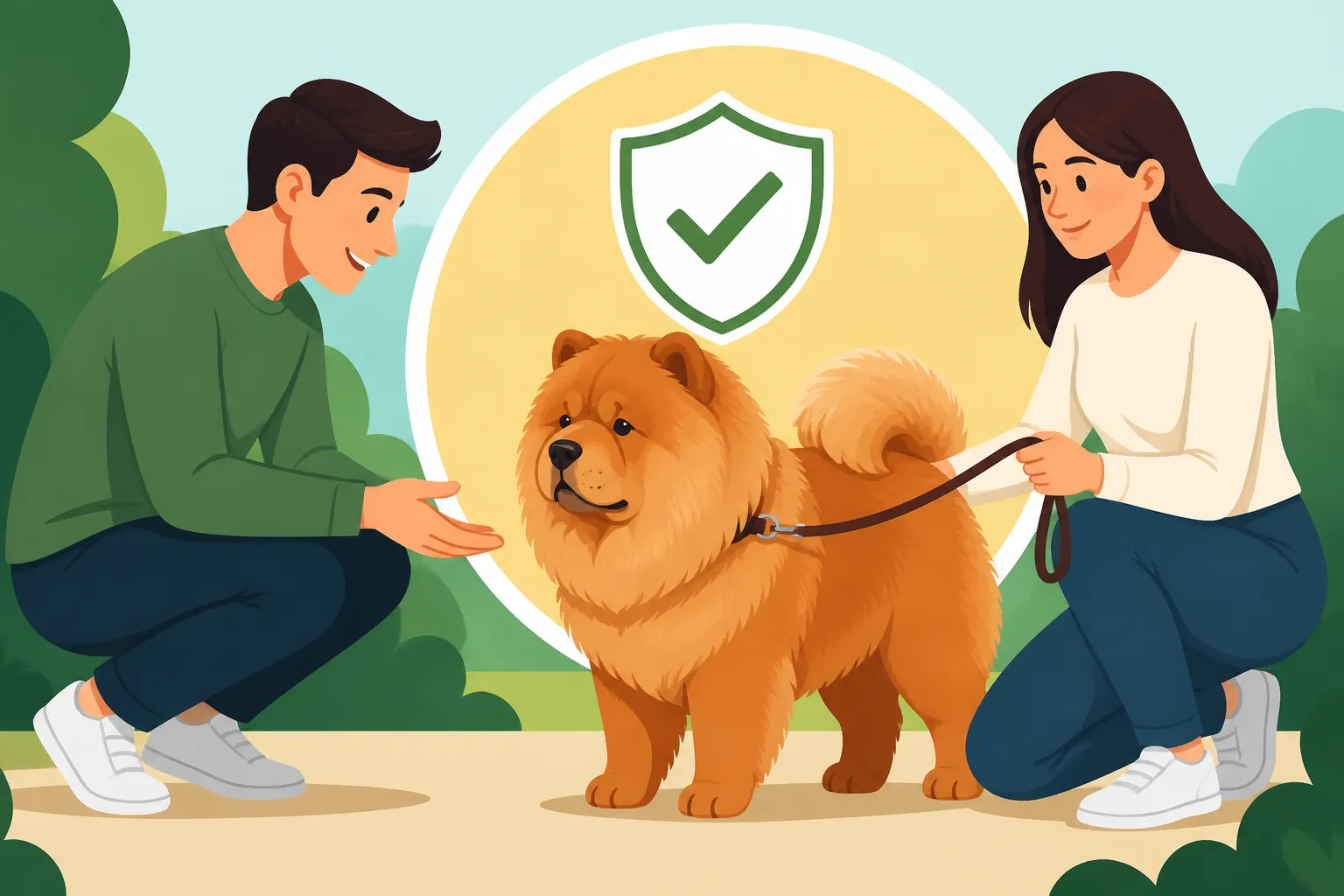
- Leash control: Always keep your Chow Chow on a leash. A sturdy, non-retractable leash and a well-fitting harness (avoiding collars that put pressure on their throat if they lunge) are essential. This gives you physical control and prevents impulse reactions.
- No pressure: Ensure there's no pressure on your Chow Chow to interact. They should always have an escape route or the option to simply ignore the person.
Guiding the Stranger: Rules for Interaction
Most people mean well, but their approach can be completely counterproductive for a Chow Chow. You need to be firm and clear with instructions. Don't be shy about advocating for your dog!
Here's what to tell the stranger:
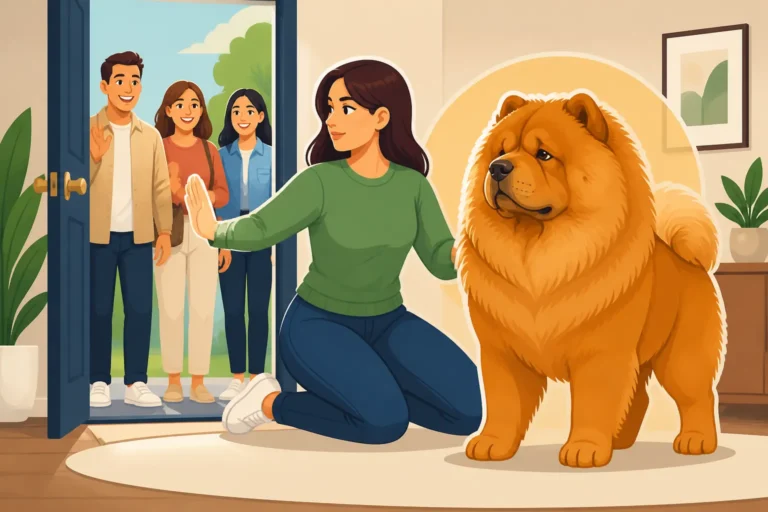
- "Ignore my dog at first." This is the golden rule. No direct eye contact, no reaching out, no talking to the dog. Let your Chow Chow approach if they choose to, on their own terms.
- "Let them sniff." If your Chow Chow does approach, they'll likely want to sniff. This is their way of gathering information. Allow it, but still, no touching.
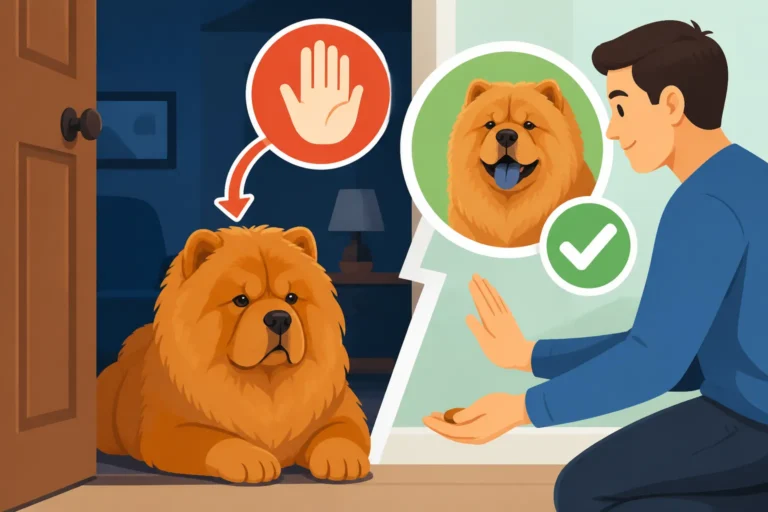
- "Offer a treat, gently." If your Chow Chow seems comfortable, suggest the stranger gently toss a high-value treat (which you've provided) a few feet away. This creates a positive association without direct interaction. Many people find excellent training treats on Amazon.
- "No bending over, no reaching out." A person leaning over or reaching directly for their head can be perceived as threatening. They should remain standing, or squat down sideways, making themselves smaller and less imposing.
- "Pet the chest or shoulder, if invited." If your Chow Chow leans into them or nudges for attention (a rare but possible sign of acceptance), they can offer a gentle scratch on the chest or side of the neck. Avoid petting the head or back, especially over the tail, which can be sensitive.
- "Keep it short." Initial interactions should be brief. End on a positive note before your Chow Chow shows any signs of discomfort.
You may need to remind people that your Chow Chow has limited peripheral vision due to their deep-set eyes and thick ruff, and they can easily be startled by an unexpected touch. This is explained further in Why a Chow Chow Snaps at Someone It Did Not See.
Managing the Encounter: Your Role as Advocate
You are your Chow Chow's guardian and advocate. Your confidence and ability to manage the situation will directly impact your dog's comfort level.
- Stay calm and confident: Your dog picks up on your emotions. If you're anxious, they will be too. Project calm assurance.
- Intervene swiftly: If the stranger isn't following instructions, or if your Chow Chow shows any signs of discomfort, step in immediately. Politely but firmly say, "Thank you, that's enough for now," and guide your dog away. Don't worry about offending the person; your dog's safety and well-being come first.
- Reward positive behavior: Lavishly praise and treat your Chow Chow for calm, neutral behavior around strangers. Even just observing a stranger without reacting is a huge win.
- Use a verbal cue: Teach a phrase like "all done" to signal that an interaction is over, helping your dog transition away calmly.
Here's a quick comparison of effective vs. ineffective approaches for strangers:
| Effective Stranger Behavior | Ineffective Stranger Behavior |
|---|---|
| Ignores dog initially, waits for dog to approach | Rushes dog, reaches out immediately |
| Tosses treats a short distance away | Tries to hand-feed treats directly or force-feed |
| Stays standing or squats sideways | Leans over dog, makes direct eye contact |
| Pets chest or shoulder (if invited) | Pets top of head, grabs face, hugs dog |
| Keeps interaction brief and calm | Prolongs interaction, gets overly excited |
| Asks owner for permission and instructions | Assumes all dogs are friendly, ignores owner |
Remember, every Chow Chow is an individual. Some may eventually tolerate gentle pets from a select few strangers, while others may never truly enjoy it, and that's perfectly okay. The goal isn't to force them to be something they're not, but to ensure they feel safe and understood. You can learn more about how they choose their people in How a Chow Chow Chooses Its Person.
Troubleshooting Common Challenges
Even with the best intentions and preparation, you might encounter situations where things don't go as planned. It's important to know how to handle these moments gracefully and continue to build positive experiences.
When Your Chow Chow Says "No Thanks"
There will be times when your Chow Chow simply isn't interested, or worse, actively tells a stranger to back off. They might stiffen, turn their head away, give a low growl, or even air snap. These are strong "no thanks" signals. Your job is to listen. Why a Chow Chow Backs Away From a Hand can help you understand these non-verbal cues.
- Respect their boundaries: Never, ever force an interaction. Pushing a Chow Chow past their comfort threshold can erode trust and escalate behaviors. Whether Forcing a Chow Chow to Greet Backfires is a critical read on this topic.
- Remove them from the situation: If your Chow Chow is clearly uncomfortable, gently but firmly remove them. Say to the stranger, "They're not feeling social today," or "We're still working on introductions." You don't owe anyone a detailed explanation.
- Re-evaluate and adjust: Think about what went wrong. Was the environment too busy? Did the stranger move too quickly? Was your Chow Chow already stressed from something else? Use these experiences as learning opportunities to adjust your strategy for next time. Perhaps you need to work on desensitization from a greater distance, or with a more experienced, dog-savvy friend.
Building Positive Associations Over Time
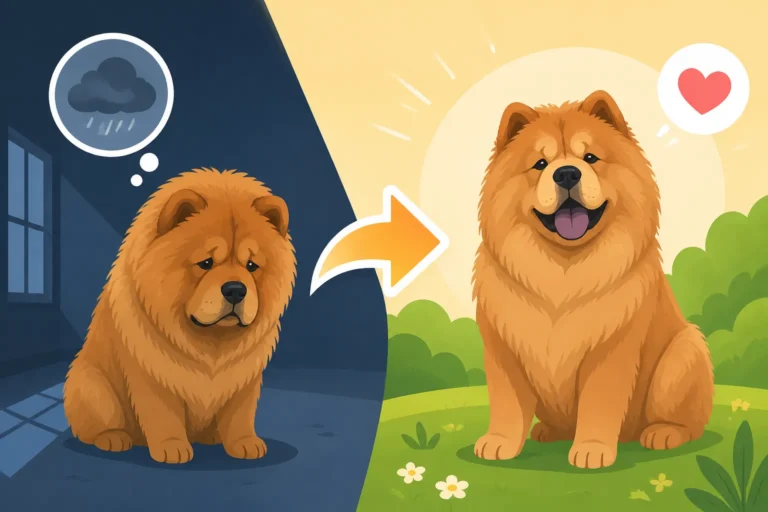
Consistent, positive experiences are what will gradually build your Chow Chow's confidence around strangers. It's not about one big breakthrough, but many small, successful steps.
- Short and sweet sessions: Keep interactions brief and always end them on a positive note. You want your Chow Chow to associate strangers with good things happening and then the pressure being removed.
- The power of high-value treats: Whenever a stranger is in sight (even at a distance), start a positive reinforcement session. "Yes! Good dog!" followed by a delicious treat. This classic counter-conditioning helps your Chow Chow build a positive emotional response to the presence of new people.
- Enlist trusted friends: Ask a few patient friends to help you practice. They should understand the "ignore and toss treats" protocol. Repeated, positive encounters with the same few calm individuals can slowly build familiarity and acceptance.
- Observe without pressure: Sometimes, the best "introduction" is simply allowing your Chow Chow to observe strangers from a safe distance without any expectation of interaction. A quiet bench at a park or a walk through a calm neighborhood can be excellent for this, with you intermittently praising and treating for calm observation.
- Muzzle training: For Chows who are particularly anxious or reactive around strangers, muzzle training can be a responsible and humane tool. It's not a punishment, but a safety measure that allows you to continue socialization in a controlled way while preventing bites. Make it a positive experience with treats and praise, and consider a comfortable basket muzzle.
Remember, patience is paramount. Building trust and changing ingrained behaviors takes time, especially with a breed as discerning as the Chow Chow. Celebrate every small victory, and always prioritize your Chow Chow's comfort and safety above all else. For insights into introducing children, specifically, check out How to Teach a Child to Approach a Chow Chow.
Disclaimer
This article is for general informational purposes only and does not constitute professional advice. Laws, prices and regulations vary by location and change over time. Consult a qualified professional for guidance on your specific situation.