Why a Chow Chow Turns Its Whole Body to Look
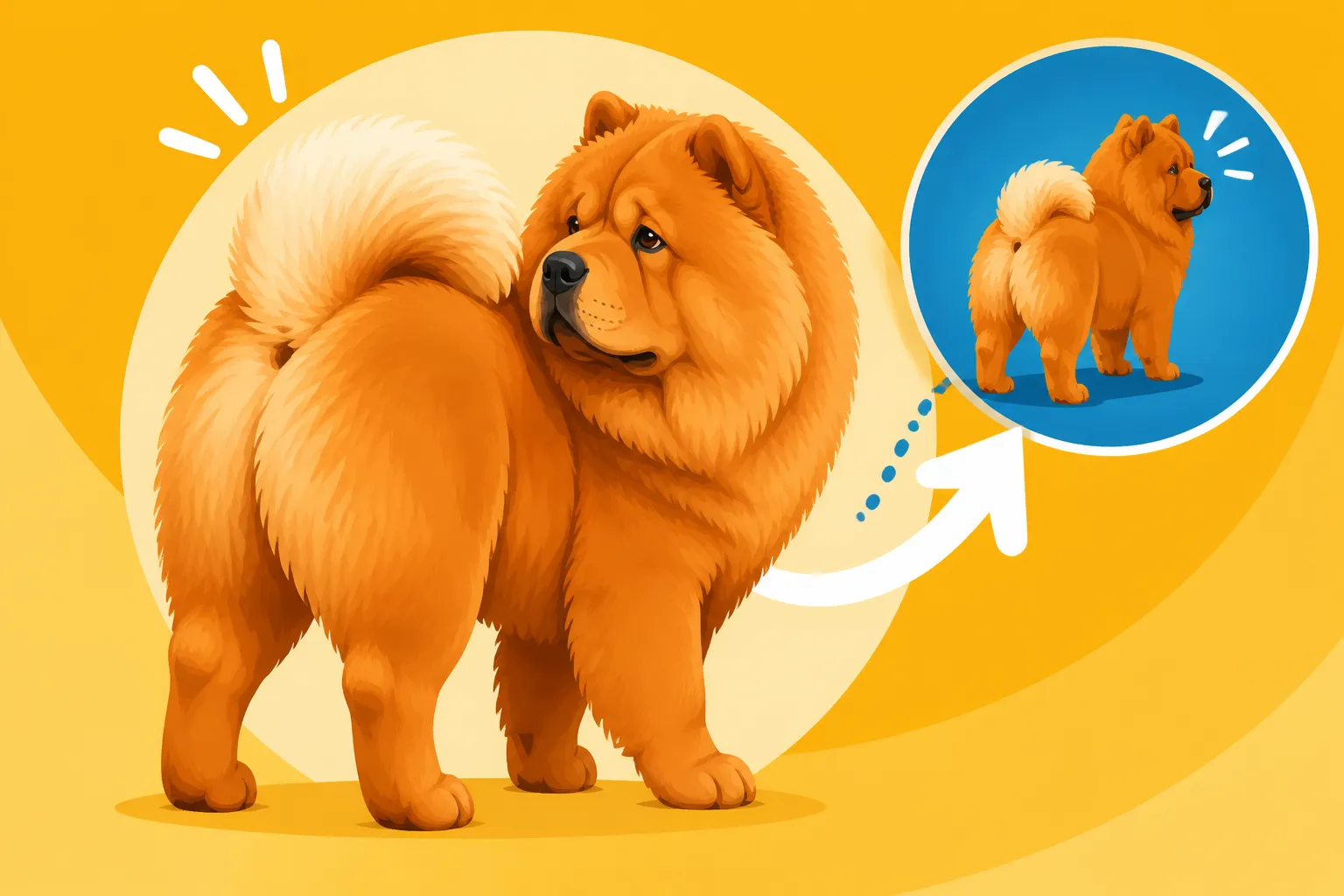
If you've ever watched a Chow Chow try to look at something off to its side or behind it, you've probably noticed something unique: they don't just flick their eyes or turn their head slightly like many other dogs. Instead, they often swing their entire body around to face the object of their attention directly. This isn't just a quirky habit; it's a deeply ingrained behavioral trait stemming from their distinct physical anatomy and how they perceive the world around them. This guide will delve into the fascinating reasons behind this full-body swivel, helping you understand your Chow Chow's visual world and interact with them more effectively.
The Unique Anatomy Behind the Chow Chow's Vision
Understanding why a Chow Chow turns its whole body to look at something starts with appreciating their distinctive physical build. Unlike many breeds with broader visual fields, the Chow Chow's skull structure and facial features create a unique way of seeing the world.
Deep-Set Eyes and Limited Peripheral Vision
One of the most defining characteristics of the Chow Chow is their deep-set eyes. While beautiful and contributing to their signature stoic expression, this eye placement significantly limits their peripheral vision. Imagine looking through a pair of binoculars; you have excellent focus on what's directly in front of you, but anything happening to your immediate sides is completely outside your view. This is a bit like the world your Chow Chow navigates.
Because their eyes are nestled so deeply within their orbital sockets and often partially obscured by their brow and facial structure, their field of vision to the sides is greatly reduced. Where a dog with prominent eyes might catch movement in a wide arc without turning its head, a Chow Chow simply cannot. They physically need to orient their entire head and body towards the stimulus to bring it into their more acute central vision. This isn't a choice; it's a necessity imposed by their anatomy. It's a key reason why you might observe them performing a full pirouette just to confirm who just walked into the room from the kitchen. This limited side vision is a crucial aspect of Why a Chow Chow's Deep Set Eye Limits Its Vision.
The "Scowl" and Eyelid Structure
Beyond the deep-set nature of their eyes, the Chow Chow's characteristic "scowl" or furrowed brow also plays a role in how they see. This look, often admired for its dignified appearance, is created by the way their skin folds and eyebrow structure sit around their eyes. While giving them that unique, lion-like expression, these folds can, at times, further narrow their field of view.
For some Chows, particularly those with more pronounced wrinkles or heavier brows, these physical features can act like blinkers, even more so than just the deep-set eyes alone. Think of it as having a slight hood over the top and sides of your eyes, which, while offering protection, also restricts your ability to see without a full head turn. In more extreme cases, this eyelid structure can even lead to health concerns like entropion, where the eyelid rolls inward, causing irritation and pain. If you're observing an excessive need for your Chow to turn its head, it's always wise to rule out any underlying issues that might be exacerbated by their natural structure. It also explains Why a Chow Chow's Eyelid Rolls Inward and contributes to the need for a full-body turn.
How Limited Vision Impacts Their Behavior and Reactions
The Chow Chow's unique visual perception has profound implications for their behavior, particularly how they react to unexpected stimuli and interact with their environment. Their startle reflex and their need to fully process visual information are direct consequences of their limited peripheral vision.
The Startle Reflex and Why It Happens
Because their peripheral vision is so restricted, a Chow Chow can easily be caught off guard by something that appears suddenly from their side or behind them. Imagine you're deeply focused on something straight ahead, and then someone taps you on the shoulder from behind – you'd likely jump! For a Chow Chow, this sensation can be even more intense because they had absolutely no visual warning.
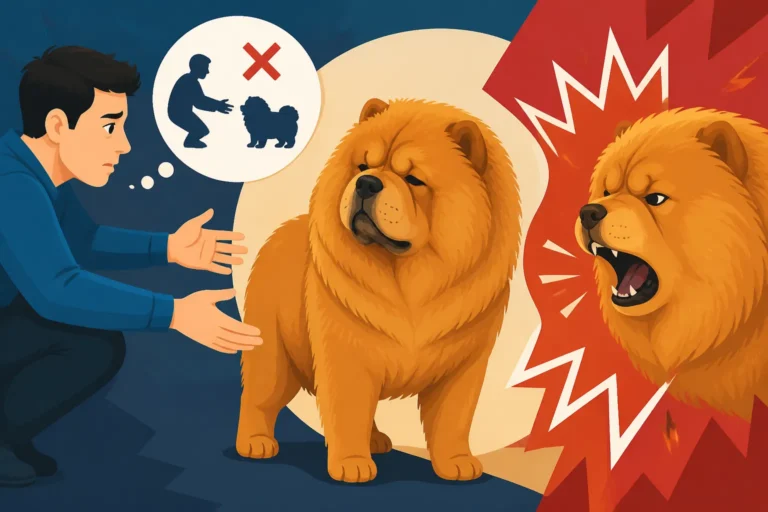
When something enters their blind spot, their natural instinct is to immediately pivot their entire body to bring the unexpected item or person into their central field of vision. This full-body turn isn't just about curiosity; it's a survival mechanism, a swift action to assess potential threats or opportunities that were previously unseen. This explains Why a Chow Chow Snaps at Someone It Did Not See. For example, a child excitedly running up from behind, or a family member quietly approaching their resting spot, can trigger a sharp, startling reaction that might seem unwarranted to someone unfamiliar with the breed's visual limitations. It's crucial for owners and guests to understand that this isn't aggression, but a startled response to feeling vulnerable due to unseen movement.
The Importance of Seeing to Understand
For a Chow Chow, processing and understanding their environment often requires them to directly face what they're engaging with. They don't just "glance over"; they "turn and observe." This means that when you call their name from the side, or another dog approaches them from an oblique angle, they will often perform that characteristic body swivel. It's their way of gathering all available visual data, placing the object of their attention squarely in their narrow field of focused vision.
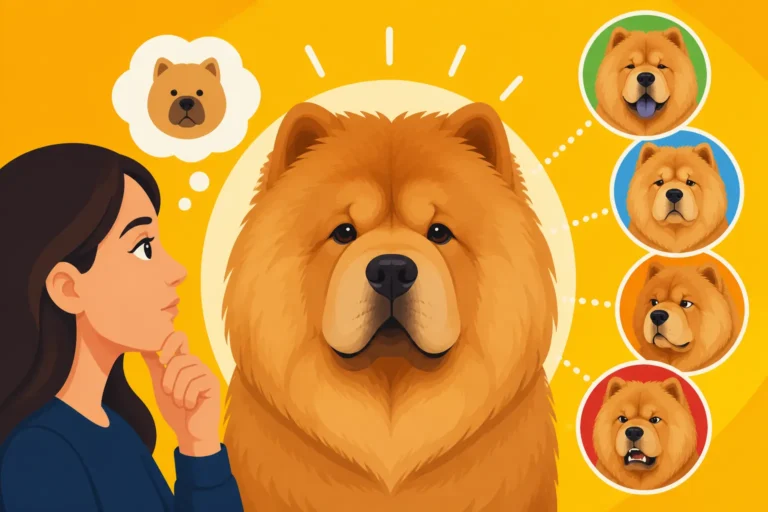
This behavior is often misinterpreted as stubbornness or disinterest. An owner might think their Chow Chow is ignoring them because it takes a moment to turn its whole body. In reality, the dog is actively trying to bring you into view so it can properly "see" and respond. This detailed visual assessment helps them feel secure and allows them to properly gauge the situation before reacting. It's a fundamental part of How to Read a Chow Chow's Face, as their full body orientation is often a more reliable indicator of their engagement than a subtle eye flick might be in other breeds. They need to see to truly understand and interact.
Practical Management and Interaction Strategies
Living with a Chow Chow who turns their entire body to look requires a mindful approach to daily interactions and environmental management. Understanding their unique visual needs can prevent misunderstandings and foster a stronger, more trusting relationship.
Approaching Your Chow Chow Safely
Because of their limited peripheral vision and strong startle reflex, how you, your family, and guests approach your Chow Chow is incredibly important. The golden rule is always to approach from the front, allowing them to see you coming clearly. Speak to them gently as you approach to announce your presence, giving them auditory cues before you're fully in their visual field. This gives them time to orient themselves and avoid being surprised.
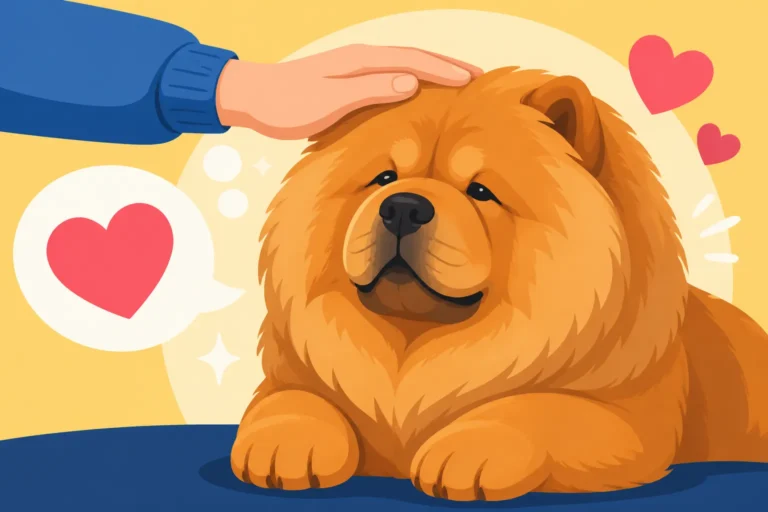
Avoid sudden movements, especially reaching out to touch them from above or behind. Imagine if someone suddenly put a hand on your shoulder from out of your sight – it's jarring. For a Chow Chow, this can escalate quickly if they feel threatened. When greeting, let them come to you and initiate contact if they choose. A good practice is to crouch down, turn slightly sideways to appear less imposing, and offer an open hand (palm up) for them to sniff. This allows them to assess you visually and through scent, putting them in control of the interaction. Educating children and guests about these safe interaction methods is paramount to preventing unwanted incidents and ensuring everyone's safety. This guidance builds on knowing How to Approach a Chow Chow Safely.
Environmental Considerations and Training
Thoughtful environmental management can significantly reduce situations where your Chow Chow needs to make a dramatic full-body turn out of surprise. Consider the placement of their bed or resting areas. A corner or a spot against a wall where they can survey the room from a more central position might be more comfortable for them than an open space where people could approach from behind. If they spend time in a crate, ensuring it's in a quieter, less trafficked area can also reduce unexpected stimuli.
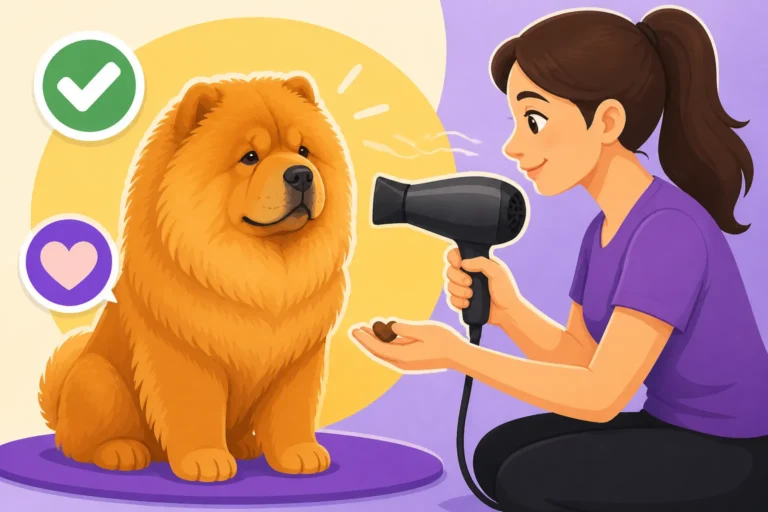
Training plays a vital role in helping your Chow Chow feel more secure despite their visual limitations. Gentle desensitization to handling and unexpected approaches can be beneficial. Practice approaching them from various angles while offering treats and praise, so they associate unexpected presence with positive outcomes. You might also train a "watch me" or "look" cue, which encourages them to turn their head and focus on you when prompted, building a proactive response rather than a startled one. For structured training guidance, online resources like BAXTER & Bella offer fantastic support for Chow Chow owners navigating their unique personalities and learning styles. Items like specific harnesses or gentle lead leashes, easily found on platforms like Amazon, can also aid in controlled movements and training while out and about. Preparing them for veterinary visits by practicing gentle handling, for instance, can make a huge difference, as outlined in Teaching a Chow Chow to Stand for an Exam.
| Visual Field Trait | Chow Chow | Typical Dog Breed (e.g., Labrador) | Impact on Behavior |
|---|---|---|---|
| Eye Placement | Deep-set | More prominent, less recessed | Reduces peripheral vision significantly |
| Peripheral Vision | Narrower | Wider | Prone to startling from sides/behind |
| Central Vision | Acute | Acute | Requires full body turn to focus |
| Facial Folds | Can further obscure sides | Generally less impactful | Can act like blinkers, necessitating more movement |
| Head Movement | Frequent full body turns | Often just head/eye movement | Need to orient directly to assess |
Common Misinterpretations of the Chow Chow's Body Language
The Chow Chow's tendency to turn their whole body to look is a behavior that's often misunderstood by those unfamiliar with the breed. It can easily be mistaken for something entirely different from its true meaning, leading to misinterpretations of their personality and intentions.
Not Aloofness, But Attention
One of the most frequent misconceptions about a Chow Chow's full-body turn is that it signifies aloofness or a lack of interest. Because they often don't just glance over or offer a quick head tilt, but rather take their time to pivot, some observers might think they are being slow to respond or simply don't care. "Oh, my Chow is so stubborn, he won't even turn his head for me!" is a common lament.
However, the opposite is true. When a Chow Chow takes the time to turn their entire body and square themselves up to you, they are actually engaging in a deep and deliberate act of attention. They are physically positioning themselves to absorb as much information as possible from what you are presenting, whether it's a verbal command, a visual cue, or an approaching person. This isn't disinterest; it's a dedicated effort to understand. It reflects their thoughtful and often independent nature – they want to fully process something before responding. It's a key part of why their How Aloof a Chow Chow Really Is can be misunderstood; their process of engagement simply looks different.
Tail Signals and Overall Posture
Chow Chows are already a breed whose body language can be challenging to interpret for the uninitiated. Their famously curled tail, which rests over their back, doesn't wag in the same obvious, enthusiastic way as many other breeds. Their somewhat stiff, stilted gait and often serious "scowl" also mean that classic dog signals like a loose, wagging body or a happy-go-lucky expression aren't always present.
In this context, the full-body turn becomes an even more crucial piece of their communication puzzle. When they physically shift their entire orientation, it's a clear signal that they are actively trying to engage with something they've just detected. It shows deliberate assessment and focus. If you combine this with other subtle cues – perhaps a slight tension in their ears, a focused gaze, or even a low, rumble-like growl – you can start to piece together their true feelings. Learning to read these nuanced signals is vital for understanding Whether a Chow Chow's Tail Tells You Anything and their overall mood. What might seem like an odd movement is, in fact, a necessary and often diligent effort for them to interact with their world effectively.
Disclaimer
This article is for general informational purposes only and does not constitute professional advice. Laws, prices and regulations vary by location and change over time. Consult a qualified professional for guidance on your specific situation.