How to Manage a Chow Chow When Guests Arrive
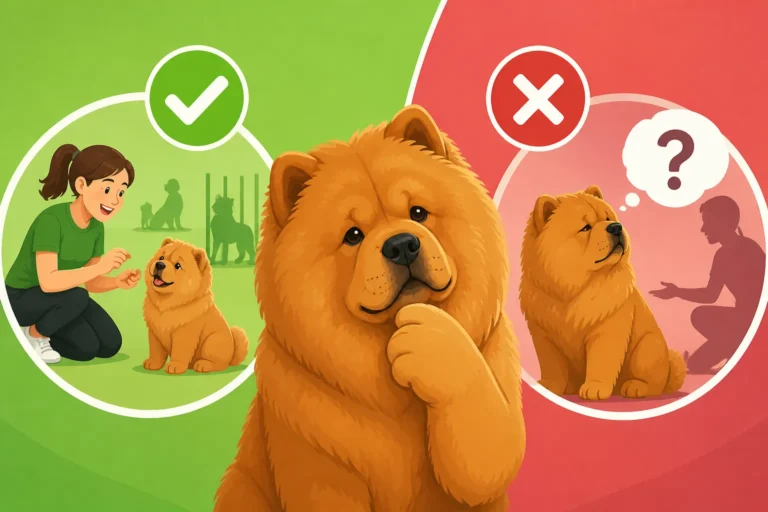
One of the trickiest situations for any Chow Chow owner is when visitors come calling. Our Chows are famously independent and discerning, and while that's part of their charm, it can lead to some truly awkward, or even unsafe, moments when new people step across the threshold. This guide is all about giving you practical, empathetic strategies to ensure everyone, two-legged and four-legged, feels safe and comfortable when guests arrive.
Understanding Your Chow Chow's Instincts Around Strangers
Chow Chows are not golden retrievers, and expecting them to bound with joy at every new face is setting both of you up for failure and disappointment. Their unique temperament means that managing introductions requires a deep understanding of their natural inclinations. You can't change who your Chow is at its core, but you can certainly learn to work with those instincts.
The Chow Chow's Natural Aloofness and Guarding Tendencies
Let's be real: your Chow Chow probably isn't going to be the life of the party, at least not with strangers. These magnificent dogs were historically bred for guarding, and that protective instinct runs deep in their veins. They often bond fiercely with one person, or a small, select group, and view everyone else with a healthy dose of suspicion. This isn't rudeness; it's simply how they're wired. When a new person enters their space, their primary concern isn't "friend or foe?" but rather "threat or not threat?" They're assessing, observing, and often, guarding their perceived territory and their beloved human. This can manifest as anything from a quiet, watchful stare to a low rumble, or even a bristling of their magnificent mane. It's crucial to acknowledge this fundamental aspect of their personality rather than trying to force them into a more socially exuberant role they were never meant to play.
Their aloofness means they don't typically crave attention from just anyone. Unlike many other breeds that thrive on being petted and praised by strangers, a Chow Chow often prefers to keep its distance. Forcing an interaction, or allowing an unknowing guest to rush in for a hug, can be a recipe for disaster. They might tolerate it out of politeness for a short time, but push too far, and you'll quickly see their patience wear thin. It’s important for every member of the household to understand How a Chow Chow Greets Visitors and what their body language is truly communicating.
Why a Chow Chow Gives Little Warning
One of the most challenging aspects of living with a Chow Chow, especially when it comes to visitors, is their tendency to give minimal warning before reacting negatively. This isn't because they're "mean"; it's a characteristic often attributed to their deep-set eyes, which can limit their peripheral vision, and their inherently stoic nature. They might not offer the obvious barks, growls, or exaggerated body language that other breeds do. Instead, a subtle shift in posture, a slight stiffening of the body, or a hard stare might be all the communication you get before they decide they've had enough. This makes it incredibly important for you, as their owner, to become an expert in How to Read a Chow Chow's Face and subtle cues.
Because they're not overtly demonstrative, guests can easily misinterpret their quietness as friendliness or indifference, when in reality, the Chow might be building up a quiet resentment to an unwanted approach or extended interaction. This is particularly true if the guest approaches them from behind or from a side they can't easily see. Why a Chow Chow Snaps at Someone It Did Not See highlights the importance of understanding their visual limitations and how that impacts their reactions. It puts the onus on us, as owners, to manage the environment and educate our guests, ensuring everyone respects the Chow's personal space and avoids startling them into a defensive posture.
Preparing Your Home and Your Chow Chow for Visitors
Successful interactions with guests don't start at the moment the doorbell rings. They begin with careful preparation, both of your home environment and your Chow Chow's state of mind. Thinking ahead can significantly reduce stress for everyone involved and set the stage for a calm, controlled visit.
Creating a Safe Space for Your Chow Chow
Having a designated "safe zone" for your Chow Chow is non-negotiable when guests are coming over. This isn't about punishment; it's about providing a retreat where they can feel secure and undisturbed, away from the hustle and bustle of new people. This space could be a comfortable crate in a quiet room, a partitioned-off area in the house, or even their own bed in a room with a closed door. The key is that it's a place where your Chow can relax, observe from a distance if they choose, or completely disengage. Make sure this area has fresh water, a favorite chew toy or bone, and a soft bed. Many owners find robust crates, readily available on platforms like Amazon, to be invaluable for this purpose, offering a secure den-like environment.
Remember, a Chow Chow often prefers to keep its own counsel and isn't always looking to be in the thick of things. Giving them the option to retreat empowers them and prevents them from feeling overwhelmed or cornered, which can lead to defensive behaviors. If your Chow is prone to guarding resources or certain areas of the house, defining their safe space before guests arrive also helps mitigate potential conflicts over prized possessions or preferred lounging spots. This step is fundamental to managing their comfort levels and ensuring a positive experience for all. For some Chows, the best solution might be to simply have them crated in a quiet room for the entire duration of the visit, and that’s perfectly okay if it keeps everyone safe and happy. Whether a Chow Chow Should Be Crated for Visitors delves deeper into this strategy.
Pre-Arrival Exercise and Potty Breaks
A tired Chow Chow is a good Chow Chow – or at least, a calmer one. Before any guests are due to arrive, make it a priority to give your Chow Chow a good, solid exercise session. This isn't about exhausting them to the point of collapse, but rather about burning off excess energy and providing mental stimulation. A brisk walk around the neighborhood, a session of fetch in the yard (if they enjoy it), or some structured playtime can work wonders. Physical activity helps to reduce anxiety and makes them more likely to settle down peacefully when people arrive. Remember, Chows don't need hours of intense running, but a purposeful, engaging walk can make a huge difference.
Beyond physical exertion, a thorough potty break right before guests appear is crucial. The last thing you want is a Chow Chow pacing anxiously because they need to relieve themselves but feel reluctant to do so with strangers present, or worse, having an accident indoors. A well-exercised and relieved Chow is far more likely to be relaxed and less inclined to engage in attention-seeking or nervous behaviors. Combine this with some quiet time in their safe space immediately after the exercise, allowing them to decompress before the doorbell even thinks about ringing. This thoughtful pre-arrival routine sets the stage for a much smoother experience, laying the groundwork for a successful visit.
Strategies for a Smooth Introduction
Introducing your Chow Chow to guests isn't a one-size-fits-all scenario, and it definitely shouldn't be rushed. It requires patience, careful management, and clear communication with your visitors about how to interact respectfully with your unique canine companion.
Controlled Introductions and Leash Management
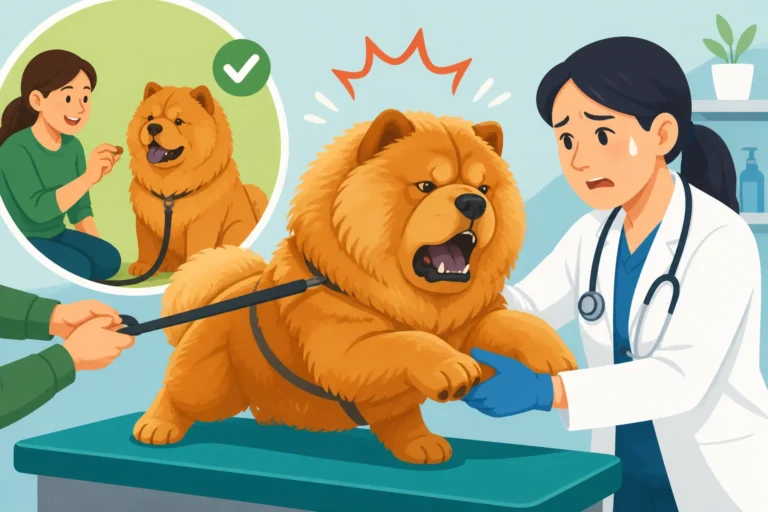
When guests first arrive, having your Chow on a leash, even if they're typically well-behaved, can be an absolute game-changer. This isn't about punishing them; it's about giving you control and preventing any impulsive lunges or unwanted advances from either your Chow or an overly eager guest. A sturdy leash and collar, or a well-fitting harness, allows you to maintain a safe distance and guide your Chow as needed. Consider using a familiar leash your dog is comfortable with, perhaps one you regularly use for walks, which you can easily find on Amazon. You can keep your Chow a few feet away from the door, allowing them to observe the new arrivals from a safe, non-threatening vantage point. Many owners prefer to have their Chow in their designated safe space initially and only bring them out on a leash once guests are settled.
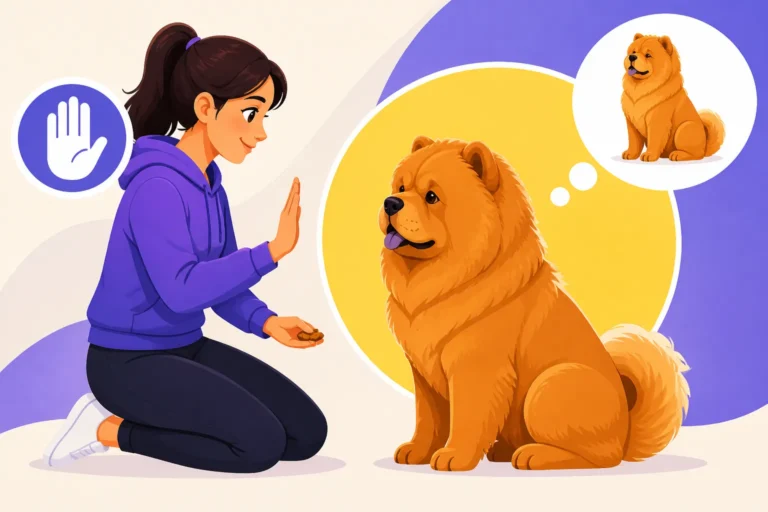
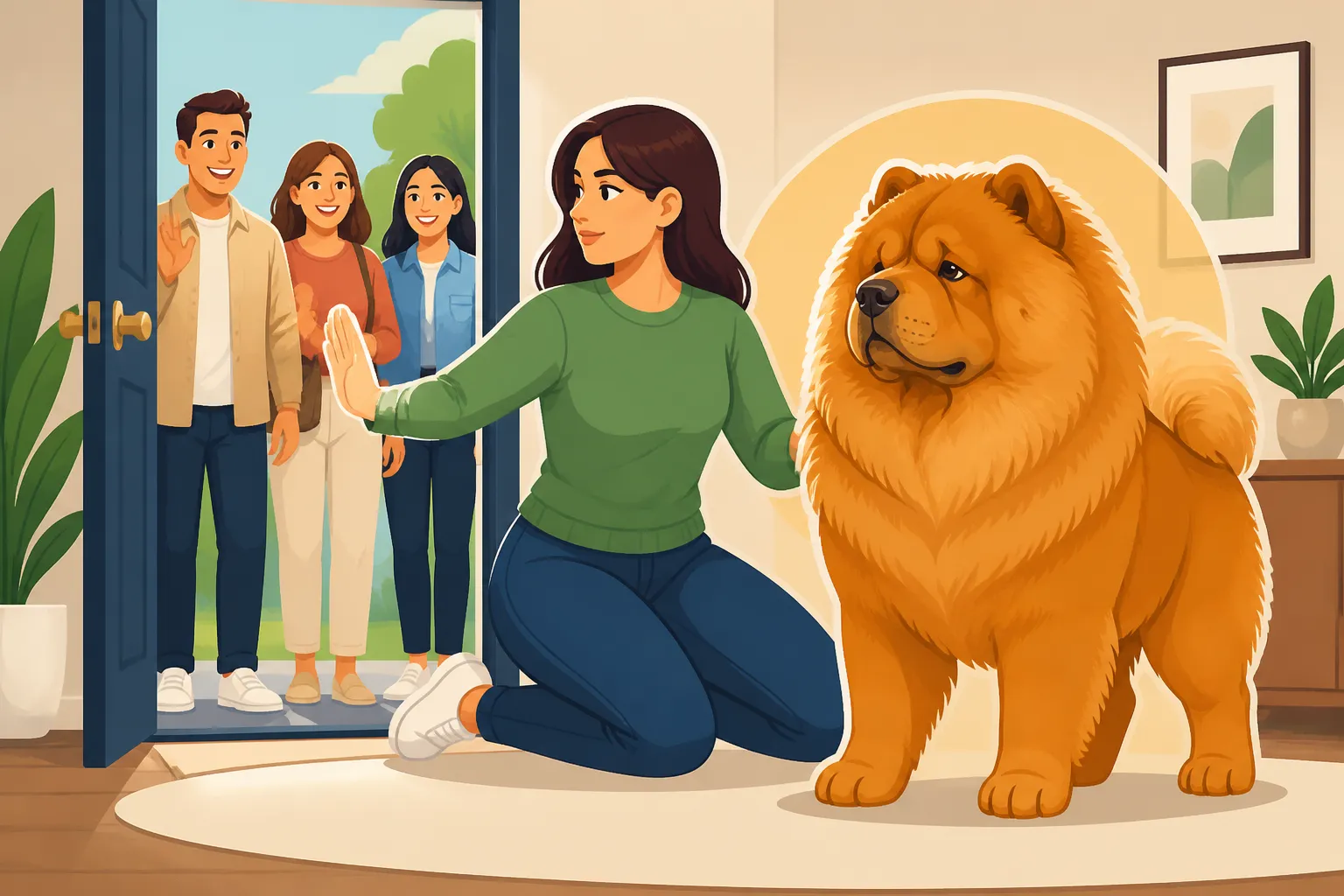
When you do bring them out, guide them gently. Don't force direct interaction immediately. Instead, allow your Chow to sniff the air, observe from a distance, and gauge the situation at their own pace. You are essentially teaching your Chow that new arrivals are a non-event, something to be calmly observed rather than intensely reacted to. It's about showing them, through your calm demeanor and controlled actions, that you've got things handled. For more in-depth guidance on structured greetings, resources from online training platforms like BAXTER & Bella can be incredibly helpful for owners working on controlled introductions. Remember, the goal is not necessarily for your Chow to become best friends with every visitor, but for them to tolerate their presence peacefully. Detailed advice on How to Introduce a Chow Chow to a Stranger will emphasize the importance of these controlled, calm moments.
Teaching Guests How to Interact Safely
This is perhaps the most critical step and often the most overlooked. Your Chow Chow's safety, and your guests' comfort, depends entirely on effective communication. Before your guests even step foot inside, or immediately upon their arrival, take a moment to educate them on the "Chow Chow Rules." Explain that your dog is particular, not openly affectionate with strangers, and values its personal space. Emphasize that direct eye contact, sudden movements, or reaching out to pet without invitation are all things to avoid. Advise them to let the Chow approach them if it chooses, rather than the other way around. Often, a Chow will just give a quick sniff and move on, which should be respected.
It's also a good idea to explain their limited peripheral vision and the potential for startling them, particularly if approached from behind. Suggest that if they need to move around the room, they do so calmly and announce their presence softly if they are near the Chow. A table outlining key do's and don'ts can be helpful:
| Action | Do's | Don'ts |
|---|---|---|
| Greeting | Ignore initially, let Chow approach | Rush in for a hug, extend hand for sniff |
| Petting | Wait for invitation, gentle chin scratch | Pat head, rub belly, force affection |
| Movement | Move slowly, announce presence | Sudden movements, approach from behind |
| Eye Contact | Soft gaze, look away | Stare directly |
| Children | Supervise constantly, educate child | Allow child to run up, tease, or pull fur |
| Food/Toys | Never offer human food or prized toys | Offer treats without asking, try to take toys away |
Be firm but polite. Remind them that this isn't a reflection on them; it's just how your unique Chow Chow operates. If your guests truly care about you and your dog, they will respect these boundaries. If you have children visiting, reinforce the rules about How to Teach a Child to Approach a Chow Chow, as kids, with their unpredictable movements and high-pitched voices, can inadvertently trigger a Chow Chow's guarding instincts.
Maintaining Calm During the Visit
Even with the best preparations and introductions, managing the ongoing interaction during a visit can still pose challenges. The key is to remain vigilant, proactively manage the environment, and always prioritize your Chow Chow's comfort and safety.
Managing Excitement and Overstimulation
A house full of guests, even calm ones, can be a lot for a Chow Chow. The increased noise, movement, and general energy can quickly lead to overstimulation, even for a dog that seems to be handling things well. You need to be the conductor of this orchestra, ensuring the volume doesn't get too high for your furry friend. One effective strategy is to provide calming activities. A long-lasting chew, like a robust bone or a stuffed Kong toy, can keep your Chow happily occupied and focused on something positive away from the main hub of activity. These sorts of enrichment items are widely available from pet retailers, including online on Amazon.
Periodically check in with your Chow, even if they're in their safe space. If they seem agitated or overly alert, it might be time for another short, quiet break outside, or simply a calm moment with you. Don't feel guilty about stepping away from your guests for a few minutes to give your Chow some one-on-one attention or a quiet moment to decompress. Sometimes, simply having them lie near you under the table or at your feet can be comforting, as long as guests are respecting their space. You might notice your Chow getting restless, pacing, or even trying to get How Close a Chow Chow Sits to You, indicating they’re seeking reassurance or feeling uneasy. Recognizing these subtle cues early can prevent issues from escalating.
Recognizing Signs Your Chow Chow Needs a Break
Your Chow Chow might not bark or growl to signal discomfort, so you need to be constantly observing their body language. Learning to read these subtle signals is paramount. Are their ears slightly back? Is their mouth tightly closed, or are they lip-licking excessively? Are they giving a hard stare at a guest, or turning their head away, avoiding eye contact? These can all be Signs a Chow Chow Is Uncomfortable. Other signs might include yawning when not tired, repeated sniffing of the floor, or trying to put a barrier (like a piece of furniture) between themselves and the guests. If you notice any of these indicators, it's time to act.
Don't wait for your Chow to escalate its behavior. Proactively intervene by either gently guiding them back to their safe space, or asking guests to temporarily give them more room. You are your Chow Chow's advocate, and it's your responsibility to ensure they don't get pushed past their comfort zone. If the visit is going to be a long one, consider scheduling multiple "Chow breaks" where they can fully retreat to their quiet area for a nap or a chew. This episodic management helps to prevent cumulative stress, ensuring that your Chow, and your guests, have a positive and safe experience in your home. Remember, your calm and confident leadership helps your Chow feel secure, even amidst the arrival of strangers.
Disclaimer
This article is for general informational purposes only and does not constitute professional advice. Laws, prices and regulations vary by location and change over time. Consult a qualified professional for guidance on your specific situation.