When a Chow Chow Blows Its Coat
One of the most surprising realities of living with a magnificent Chow Chow is the sheer volume of fur they can produce, especially when they decide it’s time for a "coat blow." Many new owners feel completely unprepared for the seemingly endless snowfall of hair that can blanket their homes. This guide aims to demystify the Chow Chow's seasonal shedding cycles, helping you understand when and why these massive coat changes occur, and crucially, how you can navigate them without losing your mind—or your upholstery.
Understanding the Chow Chow's Double Coat
Before we dive into when a Chow Chow blows its coat, it’s essential to appreciate the incredible engineering of their fur. These dogs originated in harsh climates, and their coat is their ultimate survival tool. It’s not just hair; it's a meticulously designed insulation system.
The Anatomy of the Chow Chow Coat
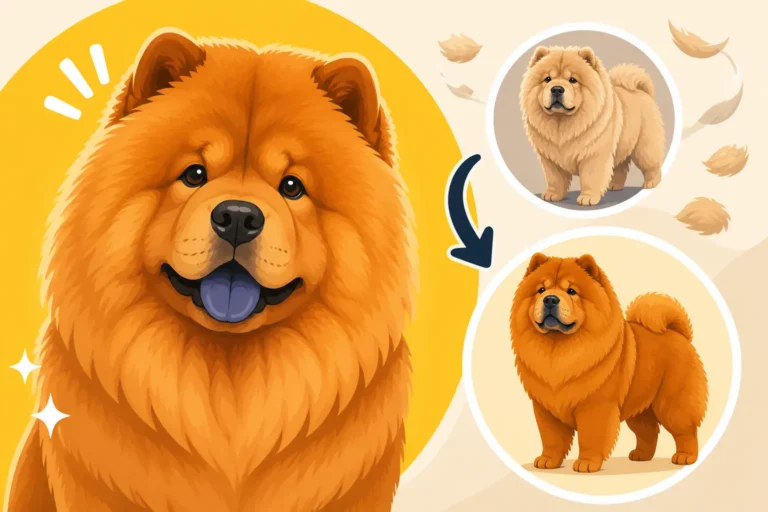
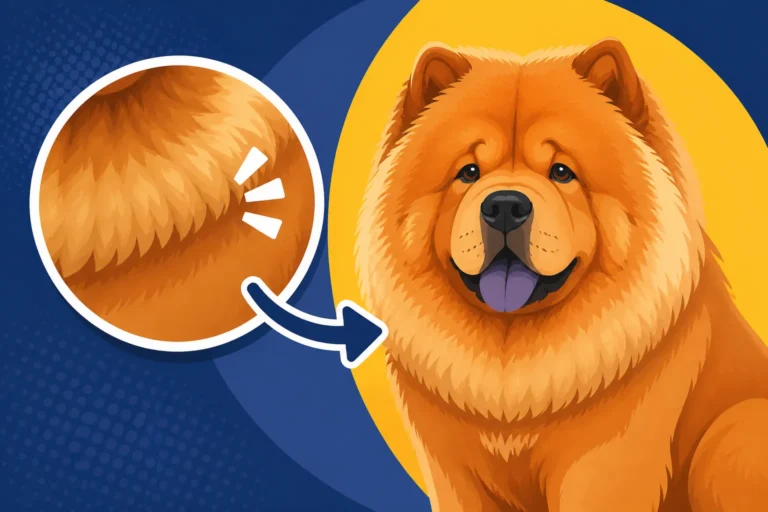
A Chow Chow possesses what's known as a double coat, a characteristic that defines much of its grooming and shedding needs. This isn't just a fancy term; it means two distinct layers of hair with very different functions. The outer layer consists of long, coarse guard hairs. These hairs are designed to protect the dog from external elements like rain, snow, and sunlight. They're somewhat water-resistant and provide a protective barrier.
Beneath this impressive outer layer lies an incredibly dense, soft, and woolly undercoat. This undercoat is the true insulation powerhouse. It traps air close to the body, keeping the Chow Chow warm in winter and, surprisingly, helping to keep them cool in summer by providing a barrier against heat. Think of it like a down sleeping bag: fluffy insulation. When people describe the sheer volume of fur a Chow Chow produces during a coat blow, it’s primarily this undercoat they’re talking about. Understanding What a Chow Chow's Double Coat Is Made Of is key to appreciating their grooming needs.
Rough vs. Smooth Coats and Shedding
Chow Chows come in two distinct coat types: rough and smooth. While their overall shedding patterns are similar, the visual impact and management can differ.
The rough-coated Chow Chow is the image most people conjure: a majestic, lion-like mane with abundant fur around the head and neck, and dense feathering on the legs and tail. This coat type, due to its length and sheer volume, tends to make shedding much more noticeable. When a rough-coated Chow Chow "blows" its coat, the amount of loose fur can be truly astonishing, forming tumbleweeds of fluff across your floors and clinging to every surface. The longer guard hairs also make it easier for loose undercoat to get trapped, leading to mats if not brushed out regularly. You'll quickly learn How Often a Rough Coated Chow Chow Needs Brushing to manage this.
In contrast, the smooth-coated Chow Chow has a shorter, denser outer coat with less prominent ruffing and feathering. While they still possess that crucial double coat and shed just as much undercoat, the shorter length means the shedding might appear less dramatic. The loose hairs might be less prone to forming large clumps but can still permeate everything. Don't be fooled by the "smooth" description; these Chows still have a thick undercoat, and they still blow it. It's often debated Whether a Smooth Chow Chow Still Has an Undercoat, but rest assured, they do! While the visual impact of shedding may be less extreme, the actual volume of hair lost is comparable.
The Seasonal Rhythm of a Chow Chow's Coat Blow
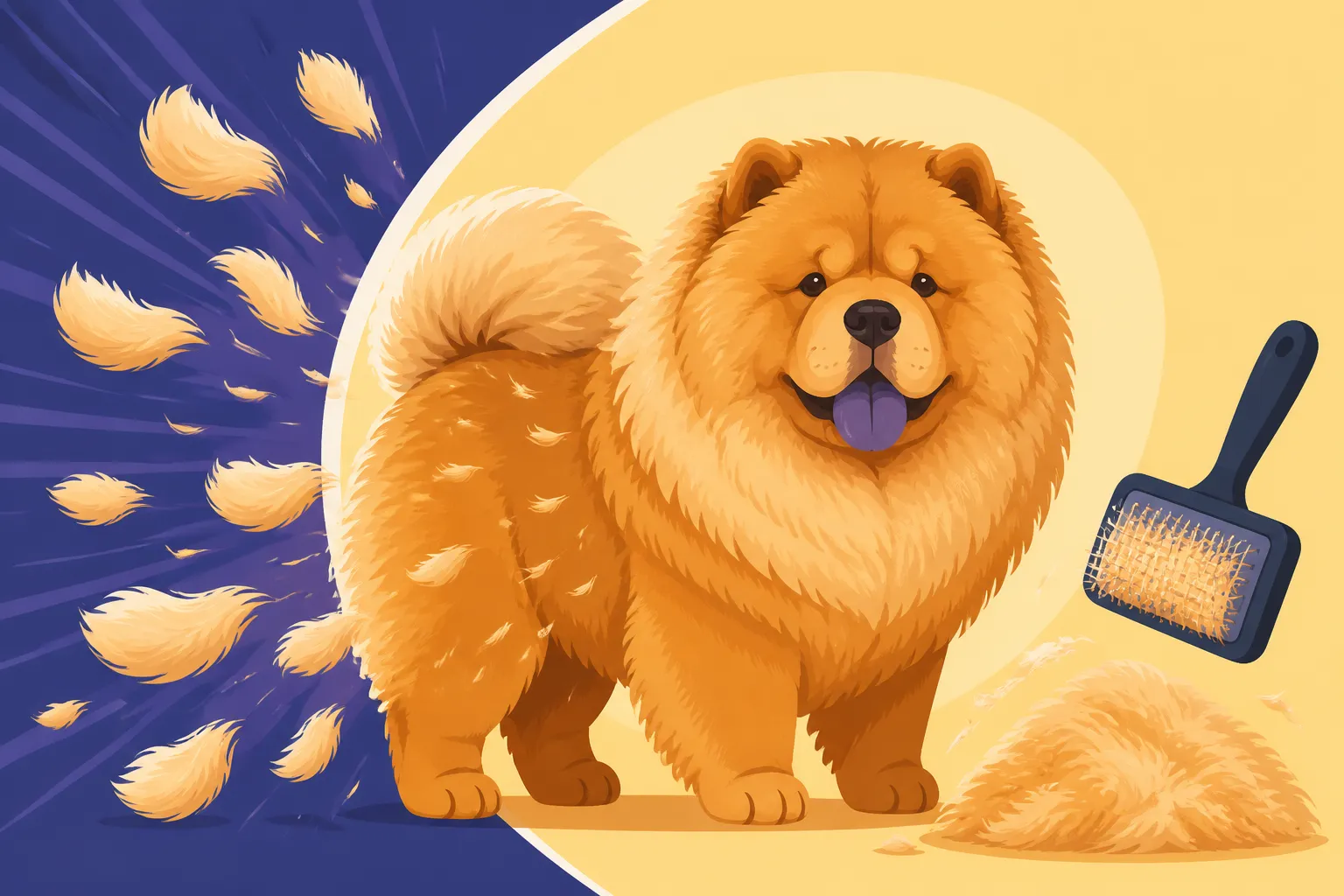
The phrase "coat blow" isn't just a cute way of describing heavy shedding; it refers to a specific, intense period where your Chow Chow essentially sheds its entire undercoat in preparation for a new season. This isn't a continuous process like typical, daily shedding; it's a concentrated event.
The Primary Coat Blow Seasons
For most Chow Chows, the major coat blows happen twice a year, typically in spring and autumn. These periods are largely dictated by changes in daylight hours and temperature, signaling to your dog’s body that it’s time to adapt its insulation.
The spring coat blow is often the most dramatic. As the days lengthen and temperatures rise, your Chow Chow will start shedding the thick, dense undercoat that kept them warm through the winter. This is a crucial physiological process, allowing them to lighten their load and prepare for warmer weather. Imagine wearing a heavy winter parka in July – that's what a Chow Chow's winter coat feels like to them in spring. This is why it's so important to help them shed it out.
The autumn coat blow, while still significant, can sometimes be a bit less intense than the spring one. As days shorten and temperatures drop, they shed the lighter summer undercoat to make way for a new, thicker, warmer winter coat. It’s a complete cycle of renewal designed to keep them comfortable in all conditions. While "twice a year" is the general rule, remember that indoor living with artificial lighting and controlled temperatures can sometimes blur these lines, leading to a more consistent, year-round moderate shed interspersed with the main blows.
How Long a Chow Chow's Coat Blow Lasts
This is the question every Chow Chow owner dreads and wants an honest answer to! A typical coat blow can last anywhere from two to four weeks, though for some individuals, it might feel longer, stretching closer to six or even eight weeks if not actively managed. The exact duration depends on several factors: your dog's individual genetics, their diet, their overall health, and perhaps most significantly, how diligent you are with grooming during this period.
If you don't actively brush out the dead undercoat, it can get trapped, leading to matting and prolonging the shedding process. The goal during a coat blow isn't just to collect the fur, but to remove it from the dog. A thorough grooming session can remove an astonishing amount of hair, sometimes enough to fill a small pillow. The sheer volume can be overwhelming, making it feel like it will never end. This is why consistency is key; regular, thorough grooming sessions can significantly reduce the duration and intensity of the coat blow, getting you back to a more manageable level of shedding sooner.
Recognizing the Signs of an Impending Coat Blow
Knowing what to look for can give you a head start on managing the chaos of a coat blow. It's not always a sudden avalanche of fur; often, there are subtle clues that your Chow Chow is about to embark on their seasonal shedding journey.
Visual and Tactile Clues
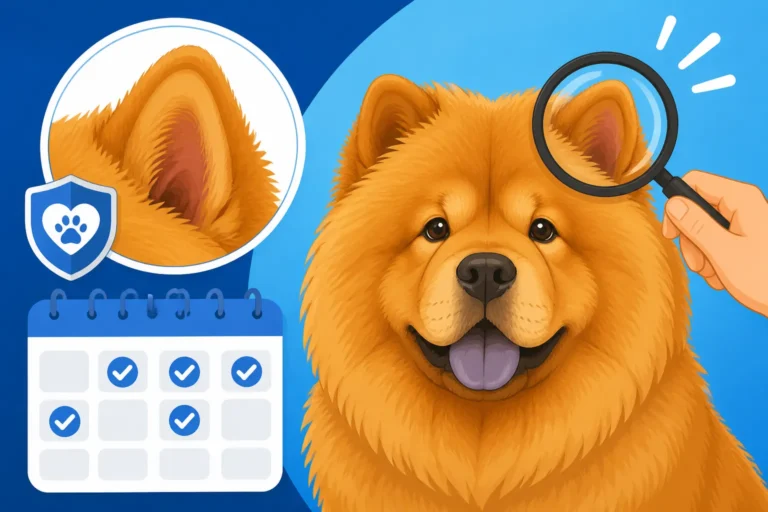
One of the first things you might notice is a change in the texture and appearance of your Chow Chow's coat. It might start to look a little less vibrant, perhaps a bit duller, as the dead undercoat builds up. When you run your hands through their fur, especially along their flanks, belly, and behind the ears, you’ll start to feel more loose hair coming away easily. You might even notice tufts of undercoat starting to separate from the main coat, almost like cotton balls caught in the longer guard hairs.
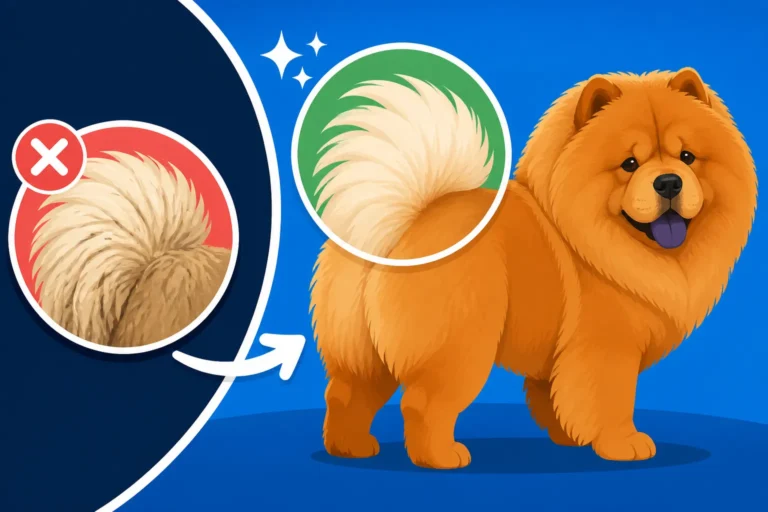
For rough-coated Chows, the mane and britches—the long hair on their hind legs—are often the first places to really start shedding heavily. The coat may seem to "stand off" the body more than usual, losing some of its sleekness and appearing fluffier in an unkempt way. You might also see small tangles or mats forming more easily, particularly in areas of friction or where the coat is densest, which is a clear sign that the dead undercoat needs to be addressed.
Increased Shedding and Matting Risk
The most obvious sign, of course, is a noticeable increase in the amount of hair you find around your home. What might have been a few stray hairs becomes a dusting on furniture, tumbleweeds rolling across the floor, and a constant companion on your clothing. If you haven't been brushing daily, you'll find that even a quick pet will leave your hand covered in fur.
This is also the period where the risk of matting skyrockets. The dead undercoat, when not removed, becomes tightly interwoven with the live hair. As your dog moves, sleeps, and plays, this loose fur spins into dense, painful mats, especially in high-friction areas like behind the ears, under the armpits, in the groin, and on the britches. These mats don't just look bad; they pull on the skin, causing discomfort, pain, and even skin infections if left untended. Severe matting can restrict movement and even hide underlying skin issues, making regular and thorough grooming during a coat blow absolutely non-negotiable. It's truly vital to prevent these uncomfortable situations.
Managing a Chow Chow During a Coat Blow
Successfully navigating a Chow Chow's coat blow requires dedication and the right tools. It's a hands-on process that you can't really delegate entirely without some personal effort. Think of it as a temporary increase in your grooming duties, but one that pays off in a much happier, healthier dog and a cleaner home.
Essential Grooming Tools and Techniques
First things first: you need the right arsenal of tools. A simple slicker brush alone won't cut it for a full coat blow. You'll need a combination of tools to effectively remove that dense undercoat.
- Undercoat Rake: This is your MVP during a coat blow. An undercoat rake has long, sturdy teeth designed to reach through the guard hairs and pull out the loose undercoat without damaging the topcoat. Investing in a good quality one is crucial. Brands like Furminator offer various tools, but there are many great options available on Chewy or Amazon.
- Slicker Brush: While not for deep undercoat removal, a slicker brush is excellent for finishing, smoothing the topcoat, and catching any remaining loose hairs. It also helps to fluff up the coat and identify any smaller mats.
- Pin Brush: Great for initial detangling and general brushing, especially on longer coats.
- Steel Comb: Essential for checking your work. After brushing with a rake and slicker, run a steel comb through the coat. If it snags, you still have some tangles or dead undercoat to remove.
The technique itself is just as important as the tools. You need to "line brush." This involves parting the coat, exposing the skin, and then brushing a small section at a time, working your way through the entire dog. You start at the bottom of a leg or flank, brush upwards against the grain to lift the hair, and then brush downwards, ensuring your brush reaches all the way to the skin. Then, you move up a small section, creating a new "line," and repeat. This methodical approach ensures you don't miss any areas and effectively remove the dead undercoat. It’s a time-consuming process, but absolutely necessary. For a thorough guide, refer to How to Line Brush a Chow Chow. You'll be amazed at How Much Undercoat Comes Off a Chow Chow when done correctly.
Bathing and Drying for Maximum Impact
Bathing can actually be a huge help during a coat blow, but only if followed by proper drying. A good bath helps to loosen dead hair and allows it to be more easily brushed out. Use a quality dog shampoo designed for dense coats. Make sure to thoroughly wet your Chow Chow down to the skin, which can be a challenge with such a dense coat, and rinse equally thoroughly.
The real game-changer after a bath during a coat blow is a high-velocity dryer, sometimes called a forced-air dryer. This isn't just a regular human hairdryer; it’s a powerful tool that blows air at high speed, literally blasting the water and, more importantly, the loose undercoat out of your dog’s fur. When used on a damp coat, a high-velocity dryer can remove an incredible amount of dead hair that even the best brushes might miss. This also ensures your Chow Chow is dried completely to the skin, preventing skin issues like hot spots. Without a high-velocity dryer, drying a Chow Chow can take hours, and damp undercoat can lead to serious problems. You can find excellent options for these on Amazon, making the process much more efficient. How Long a Chow Chow Takes to Dry without one is truly shocking.
The Importance of a Professional Groomer
While diligent home grooming is paramount, there are times when a professional groomer is your best friend during a coat blow. If you're overwhelmed, if your dog is developing mats despite your best efforts, or if you simply don't have the time or specialized equipment, a professional groomer can make a world of difference.
Experienced groomers, especially those familiar with double-coated breeds like Chow Chows, have industrial-strength high-velocity dryers, specialized bathing systems, and years of expertise in safely and effectively deshedding. They can often accomplish in a single session what might take you several days of intense brushing at home. A professional deshedding treatment can significantly cut down on the duration and intensity of the coat blow in your home. It’s an investment that can save your sanity and your dog’s comfort. Just be sure to find a groomer who understands the unique needs of a Chow Chow and, crucially, will never shave a double-coated dog unless medically necessary. Shaving a Chow Chow can actually damage their coat and compromise their natural insulation. For more on this, check out Why a Chow Chow Must Never Be Shaved.
Environmental and Nutritional Support
Beyond the immediate hands-on grooming, there are broader strategies you can employ to make coat blow season more manageable and even promote healthier coat growth year-round.
Keeping Your Home Manageable
Let's be realistic: even with diligent grooming, you're going to find some Chow Chow fur in your home during a coat blow. The goal here is to manage it, not eliminate it entirely. Regular vacuuming, often daily or even twice daily during peak shedding, will become your new normal. Invest in a good quality vacuum cleaner, ideally one designed for pet hair, as Chow Chow fur can quickly clog standard machines. What Chow Chow Fur Does to a Vacuum is something you'll quickly discover!
Consider washable covers for furniture, or throw blankets that you can easily toss in the laundry. Air purifiers with good filters can also help reduce the amount of airborne dander and fur, which is a blessing for allergy sufferers in the household. Designate a specific "grooming zone" in your home, perhaps an easily cleaned area like a bathroom or utility room, to contain most of the detached fur during brushing sessions. This helps prevent the hair from spreading throughout the entire house.
Nutritional Considerations for Coat Health
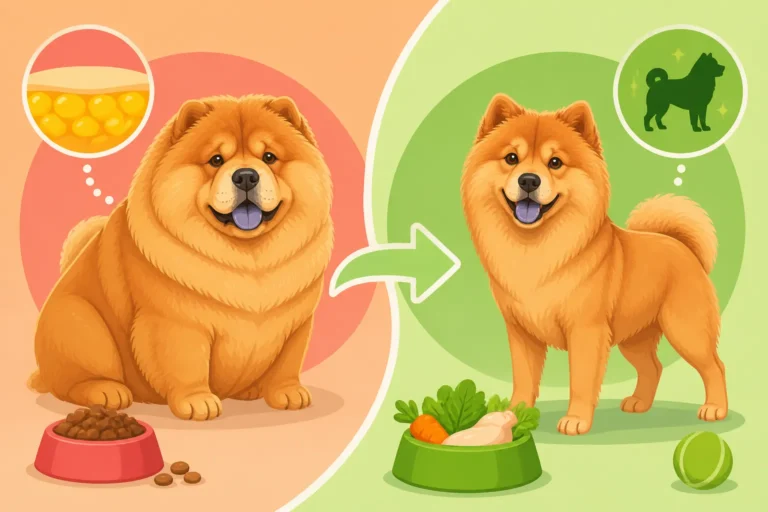
While diet won't stop a coat blow, good nutrition plays a vital role in the overall health and quality of your Chow Chow's coat, which in turn can influence the ease and speed of shedding. A healthy coat is a resilient coat, and healthy skin means less irritation and easier shedding of dead hair.
Look for high-quality dog foods with excellent protein sources and healthy fats. Omega-3 and Omega-6 fatty acids are particularly beneficial for skin and coat health. Many premium dog foods, like those from Ollie, incorporate these. You might also consider supplementing with fish oil if your vet approves, especially if your Chow Chow's coat seems dull or dry between blows. Good nutrition supports strong hair follicles, helping the new coat grow in healthy and making the old, dead hair release more easily. Dehydrated or poorly nourished dogs might experience more brittle coats and potentially more stubborn shedding. Always discuss any dietary changes or supplements with your veterinarian to ensure they are appropriate for your individual Chow Chow's needs. For general guidance on feeding, you can review What an Adult Chow Chow Eats.
| Tool Name | Primary Use | How it Helps During a Coat Blow | Where to Find It |
|---|---|---|---|
| Undercoat Rake | Reaches deep to pull out loose undercoat. | Essential for detaching vast quantities of dead, dense undercoat. | Pet stores, Chewy, Amazon |
| Slicker Brush | Removes loose surface hair, smooths coat. | Finishes the job, catches remaining topcoat shed, fluffs. | Pet stores, Chewy, Amazon |
| Steel Comb | Detangles, checks for missed mats. | Identifies hidden tangles and ensures thorough undercoat removal. | Pet stores, Chewy, Amazon |
| High-Velocity Dryer | Blasts water and loose fur from the coat. | Speeds drying, forcibly removes massive amounts of dead undercoat. | Specialty pet suppliers, Amazon |
| Deshedding Shampoo | Loosens dead hair, cleanses coat and skin. | Prepares the coat for brushing, helps dead hair release easily. | Pet stores, Chewy |
Disclaimer
This article is for general informational purposes only and does not constitute professional advice. Laws, prices and regulations vary by location and change over time. Consult a qualified professional for guidance on your specific situation.