Why a Rough Coated Chow Chow Looks Like a Lion
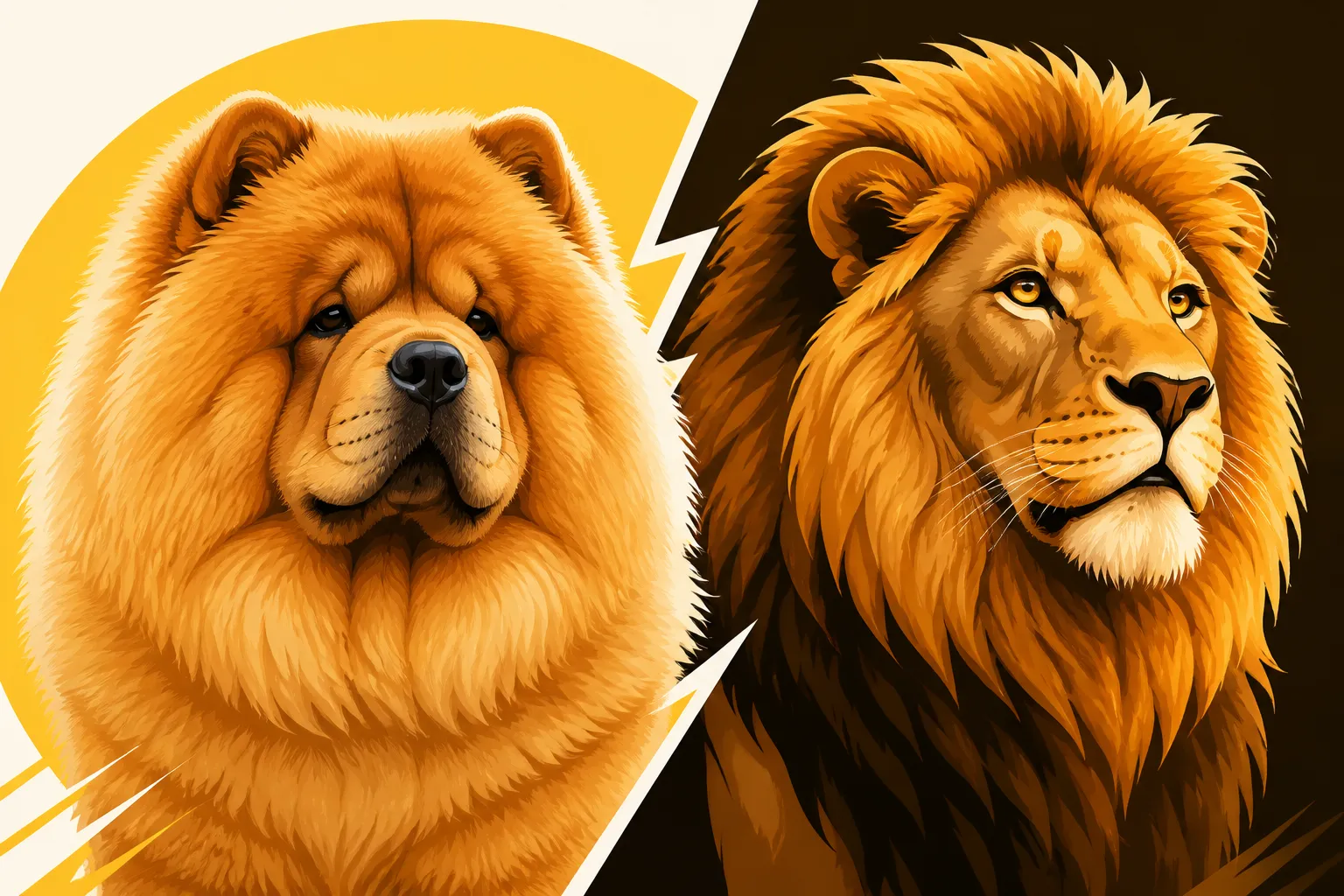
If you've ever looked at a magnificent, rough-coated Chow Chow and thought, "Wow, that dog looks like a lion!" you're certainly not alone. It's one of their most striking and enduring characteristics, but it's not just a happy accident. This guide will explore the fascinating blend of genetics, physical traits, and specific coat characteristics that give the Chow Chow its unmistakable regal, leonine appearance, helping you appreciate this ancient breed even more.
The Magnificent Mane: Understanding the Rough Coat's Structure
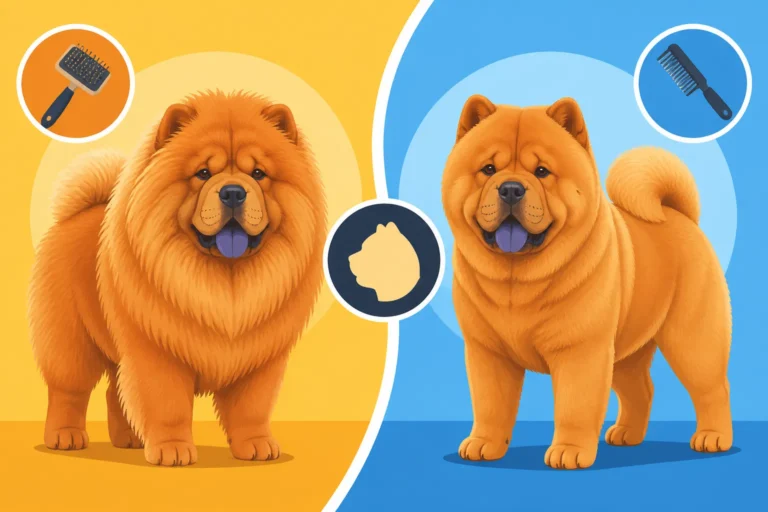
The rough coat is truly what sets many Chow Chows apart, giving them that majestic, lion-like silhouette. It’s not just long hair; it's a complex, multi-layered system designed for protection and warmth, and happens to be incredibly beautiful.
The Double Coat: Outer Guard Hairs and Dense Undercoat
At the heart of the rough-coated Chow Chow's grand appearance is its double coat. This isn't just a fancy term; it's a functional marvel. Imagine two distinct layers of fur working in harmony.
First, you have the outer coat, often called the guard hairs. These hairs are long, coarse, and stand straight out from the body. They’re designed to protect the Chow Chow from elements like rain, snow, and rough terrain. Think of them as the protective armor. But aesthetically, these guard hairs add incredible volume and a somewhat wild, untamed quality that contributes heavily to the lion resemblance. They create that impressive, flowing look that catches the eye. The texture itself is quite stiff, not soft and flowing like some other long-haired breeds, which also gives it a more robust, "mane-like" feel.
Beneath this formidable outer layer lies the undercoat. This is where the true density comes in. The undercoat is soft, thick, and woolly, packed tightly against the skin. Its primary job is insulation, keeping the Chow Chow warm in cold climates, which is essential given their origins. However, this dense undercoat is also responsible for lifting the coarser outer coat away from the body, preventing it from lying flat. This creates an incredible fluffiness and volume that makes the Chow Chow seem larger and more substantial. Without this dense undercoat, the outer coat would simply hang, losing that characteristic puffiness that evokes a lion's powerful presence. The sheer amount of fur in the undercoat is astonishing, and it's what demands such diligent grooming to prevent mats and ensure air circulation. For more on this, you might find Rough or Smooth: the Two Chow Chow Coats and What Each Needs an interesting read.
The Iconic Ruff and Mane: Where the Volume Comes From
While the double coat provides the foundation, specific areas of the Chow Chow's body are responsible for creating the most dramatic "mane" effect. The fur is not uniformly long across the entire dog; certain regions boast a luxurious abundance that truly mimics a lion.
The most prominent feature is undoubtedly the ruff, which encircles the head and neck. Here, the outer coat hairs are exceptionally long and dense, fanning out majestically. This creates a wide, impressive collar of fur that frames the Chow Chow's face, making its head appear even larger and more powerful. Just like a lion's mane, this ruff adds an air of regal dignity and makes the dog seem incredibly formidable. It's a statement piece, a natural crown of fur that instantly draws comparisons to the king of the jungle.
Extending from the ruff, the fur along the shoulders and chest also grows considerably longer, contributing to this "mane." It flows downwards, blending seamlessly with the r ruff to enhance the overall impression of a massive, furry cloak. This extension of the ruff helps to give the entire forequarters a broader, more robust appearance, further cementing the lion analogy. The density here is also crucial; it's not just length but the sheer volume that creates the powerful, sculpted look. When grooming, maintaining the integrity and fullness of this ruff is paramount, as mats can quickly diminish its glory. Brushing a Chow Chow's Mane Down to the Skin offers valuable tips on how to keep this area looking its best.
Beyond the Fur: Other Lion-like Features of the Chow Chow
While the coat is the most obvious connection, the Chow Chow possesses several other physical characteristics that contribute to its overall leonine allure, from its facial expression to its unique way of moving.
Deep-Set Eyes and Broad Skull: The Scowl of a Big Cat
Take a moment to truly look at a Chow Chow's face, and you'll notice a distinct expression – often described as a "scowl" or a "puzzled" look. This isn't because they're perpetually grumpy (though they can be wonderfully serious!), but rather a direct result of their unique facial structure.
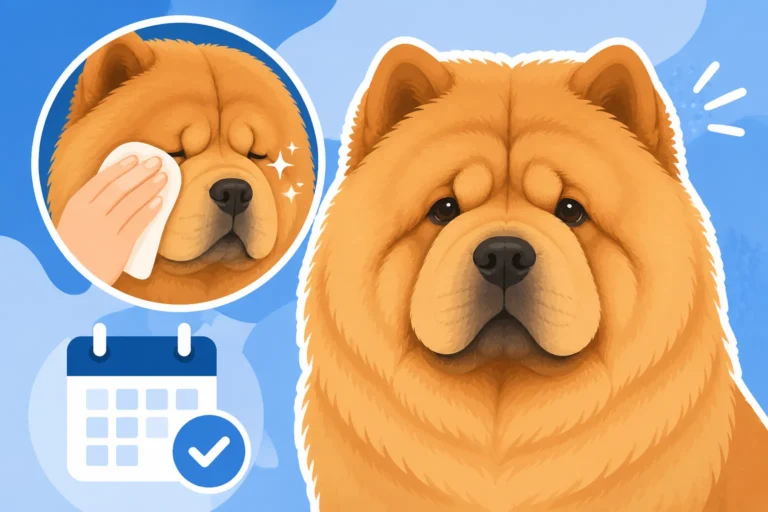
Chow Chows have a broad, massive skull with a relatively flat forehead, and their eyes are deeply set within their orbits. These deep-set eyes are characteristic of the breed and are often framed by heavy brows and slight wrinkles. This combination of a broad skull and deeply recessed eyes creates shadows around the eyes and brow, giving the impression of a perpetually serious, watchful, and sometimes even formidable gaze. It’s this very facial architecture that contributes to the "scowl" and evokes the stoic, powerful expression seen in a lion. A lion, too, often has a powerful brow and deep-set eyes that give it an intense, unyielding stare. The Chow Chow’s almost almond-shaped eyes, though small in comparison to its head, add to this ancient, wise, and slightly aloof expression, reminiscent of a large, predatory cat observing its domain. Unfortunately, Why a Chow Chow's Deep Set Eye Causes Trouble for their vision, but contributes to their signature look.
Stilted Gait and Powerful Build: The Apex Predator Stance
Beyond their striking head and coat, the Chow Chow’s overall body structure and movement also play a significant role in its lion-like perception. They aren't built like typical sporting dogs or lean sighthounds; their physique is distinctively powerful and compact.
Chow Chows possess a sturdy, square build. They are robust and well-muscled, giving them a substantial, weighty presence. This compact, powerful body, coupled with strong bone, creates an impression of strength and endurance, much like a lion's muscular frame. When you see a Chow Chow standing, they often exude an air of quiet power, a sense that they are capable and self-assured. This solid build is far from dainty; it speaks of resilience and raw strength. For a clearer picture of their size, refer to What a Chow Chow Weighs and How Tall It Stands.
Their movement further enhances this impression. Chow Chows are famous for their unique "stilted" gait. This distinctive movement comes from their unusually straight rear legs and hocks, with very little angulation compared to most dog breeds. While this anatomical feature has implications for their joint health and agility, it creates a rather deliberate, almost shuffling walk, rather than a flowing, powerful stride. When they move, it's not a fluid trot but a more measured, somewhat stiff progression. This "stilted" movement, paradoxically, can contribute to the leonine image. It’s not the agile pounce of a smaller cat, but the steady, powerful, almost ponderous walk of a large, confident predator, owning its territory with every step. It gives them an undeniable air of importance and self-possession, making them appear even more formidable. The impact of this unique anatomy is further explored in Why a Chow Chow's Straight Rear Leg Limits Running.
Grooming for the Lion Look: Maintaining That Majestic Appearance
While genetics lay the foundation for the Chow Chow's lion-like appearance, proper grooming is absolutely essential to maintain and enhance it. Without diligent care, that magnificent mane can quickly become a matted mess, diminishing the regal aesthetic.
Regular Brushing: Preventing Mats and Enhancing Volume
The rough coat of a Chow Chow is a double-edged sword: beautiful, but high-maintenance. Regular and thorough brushing is the cornerstone of keeping that lion-like volume and preventing painful matting. This isn't a quick once-over with a brush; it's a deep dive into their incredibly dense fur.
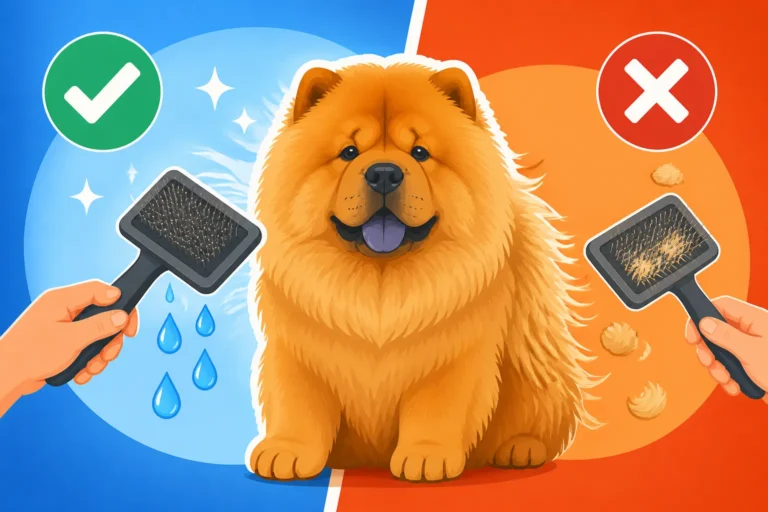
You'll need specific tools for the job. A good quality slicker brush is excellent for working through the top layers and stimulating the skin, but it won't penetrate to the root of the problem (or rather, the root of the hair). An undercoat rake is absolutely vital for reaching down into that thick, woolly undercoat and pulling out loose hair before it forms mats. Without it, you're only scratching the surface. A metal comb with both wide and fine teeth is also indispensable for checking your work and teasing out any small tangles.
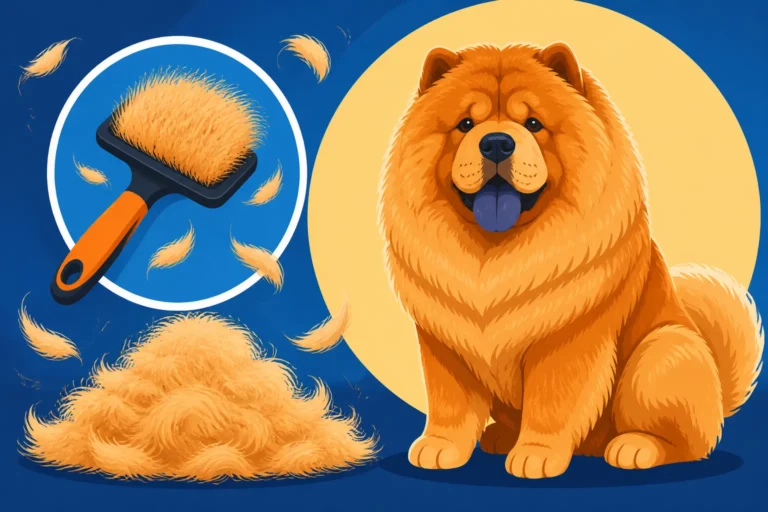
The technique is key: you must "line brush." This involves parting the coat in small sections, brushing from the skin outwards, layer by layer. If you only brush the top, the undercoat will compact and mat against the skin, leading to severe discomfort and potentially skin infections. This process, especially during a coat blow, can be time-consuming, sometimes taking over an hour for a thorough session. How Long Brushing a Rough Chow Chow Takes offers more insight into the time commitment. By consistently removing dead undercoat, you not only prevent mats but also allow the remaining fur to stand out, maximizing that glorious, fluffy volume that defines their lion-like appearance. You can find excellent undercoat rakes and slicker brushes on platforms like Chewy or Amazon, making it easy to stock up on the right tools. Whether an Undercoat Rake Suits a Chow Chow delves deeper into why this tool is a must-have.
Strategic Bathing and Drying: The Key to a Fluffy Mane
Bathing a Chow Chow is not a casual affair, and improper drying can undo all your diligent brushing in mere hours. For that full, majestic lion look, strategic bathing and, crucially, thorough drying are non-negotiable.
Due to their incredibly dense double coat, getting water all the way down to the skin is a challenge. You’ll need a good quality shampoo designed for double coats, potentially diluted, and plenty of patience. Make sure to rinse thoroughly – any residual shampoo can irritate the skin and leave the coat feeling heavy and dull, which certainly won't contribute to the "lion" effect.
The real secret to a fluffy, voluminous coat post-bath lies in the drying. You absolutely cannot let a Chow Chow air dry. The dense undercoat will trap moisture against the skin, creating a perfect breeding ground for bacteria, leading to hot spots, and causing severe matting as the hair dries in clumps. A high-velocity dryer is your best friend here. It blasts water out of the coat and helps to straighten and separate each hair, fluffing it up from the root. This is where you really build that impressive volume. You must dry the dog completely, down to the skin, section by section, much like line brushing. It can take hours, but it's essential for both their health and their appearance. For a detailed guide on this strenuous task, look into Bathing and Drying a Chow Chow's Dense Coat and Why a Chow Chow Must Be Dried to the Skin. Finding a good quality high-velocity dryer on Amazon can make this process significantly easier and more effective.
| Grooming Tool | Purpose | Contribution to Lion Look | Frequency of Use |
|---|---|---|---|
| Slicker Brush | Removes loose topcoat hair, detangles | Smooths outer coat, adds initial fluff | Daily/Every other |
| Undercoat Rake | Reaches deep into undercoat, removes shedding | Essential for maintaining volume and preventing matting | 2-3 times/week |
| Metal Comb | Checks for mats, finishes coat | Defines sections, ensures thorough detangling | After brushing |
| High-Velocity Dryer | Dries coat quickly, separates hairs | Crucial for maximum volume, prevents matting after bath | After every bath |
| Deshedding Shampoo | Helps release loose undercoat | Contributes to a lighter, fuller coat by removing dead hair | As needed |
Natural Factors Influencing the Lion-like Appearance
While grooming is vital, the Chow Chow's signature look is primarily rooted in its genetics and the breed standard that has been carefully preserved over centuries. These foundational elements ensure that the lion-like qualities are inherent to the breed.
Genetics and Breed Standard: Breeding for the Look
The Chow Chow's distinctive appearance is no accident; it's the result of generations of selective breeding guided by a specific breed standard. This standard, established by kennel clubs, describes the ideal Chow Chow, and a significant portion of it focuses on the coat and overall impression.
Breeders who are dedicated to preserving the integrity of the Chow Chow actively select dogs for breeding that exhibit the desired coat qualities: the appropriate length, density of the double coat, and the characteristic ruff and feathering that create the lion-like silhouette. They look for that broad skull, the deep-set eyes, and the unique stilted gait. This careful selection ensures that puppies inherit these traits. Without this intentional focus, the unique features that make a Chow Chow look like a lion could easily be diluted over time. When seeking a puppy, responsible breeders will be able to discuss the lineage and how the parents exemplify the breed standard's description of their magnificent coats. Sometimes, even in a single litter, you might see differences in coat density; Whether a Chow Chow Puppy's Coat Type Is Obvious addresses this fascinating aspect.
Age and Hormones: Coat Changes Over Time
A Chow Chow's coat isn't static; it undergoes significant changes throughout its life, with age and hormonal influences playing a big role in its texture and fullness, directly impacting that lion-like appearance.
Puppies typically have a softer, fluffier coat that's adorable but not yet the full, coarse adult "mane." As they mature, usually between 6 and 18 months, their puppy coat gradually gives way to the much denser, coarser adult double coat. This "blowing coat" period can be intense, with a massive amount of shedding as the adult guard hairs and dense undercoat develop. It's during this time that the characteristic ruff really starts to emerge and fill out, solidifying their leonine resemblance.
Hormones also have a profound effect, particularly spaying or neutering. After a Chow Chow is spayed or neutered, many owners notice a significant change in their dog's coat. It often becomes even denser, softer, and can appear much more profuse or "cottony." While this adds to the overall volume, it can also make the coat more prone to matting and harder to manage, demanding even more rigorous grooming. Some Chow Chows might even develop a condition called "spay coat," where the texture becomes particularly soft and fluffy, potentially altering the classic coarse lion-like texture. Proper nutrition, such as that provided by high-quality dog food brands like Ollie, can help support overall skin and coat health throughout these changes, ensuring the coat remains as healthy and beautiful as possible. Keeping an eye on their weight is also important, as sometimes coat changes can mask weight fluctuations; How a Chow Chow's Coat Hides Weight Loss explores this further.
Disclaimer
This article is for general informational purposes only and does not constitute professional advice. Laws, prices and regulations vary by location and change over time. Consult a qualified professional for guidance on your specific situation.