How to Feel a Chow Chow’s Ribs Under the Coat
It's incredibly frustrating, isn't it? You look at your beautiful Chow Chow, with their magnificent mane and dense double coat, and you just know there's a whole dog under there somewhere. But actually feeling their ribs, or getting a real sense of their body condition, can feel like trying to find a needle in a haystack made of fluff. Many of us owners stare at our Chows, wondering if they're a healthy weight or slowly turning into a giant, furry potato, all hidden beneath that impressive coat. This guide is all about cutting through the fluff, quite literally, to confidently assess your Chow Chow's physical condition and ensure they stay happy and healthy.
The Unique Challenge of a Chow Chow's Coat
Let's be honest, the Chow Chow's coat is both their crowning glory and a master of disguise. It's what makes them so iconic, but it's also what makes basic health checks, like assessing their weight, a real head-scratcher. You can't just glance at a Chow and know if they're carrying a few extra pounds; that thick fur camouflages a multitude of sins, or in this case, extra snacks.
Why Their Coat Hides So Much
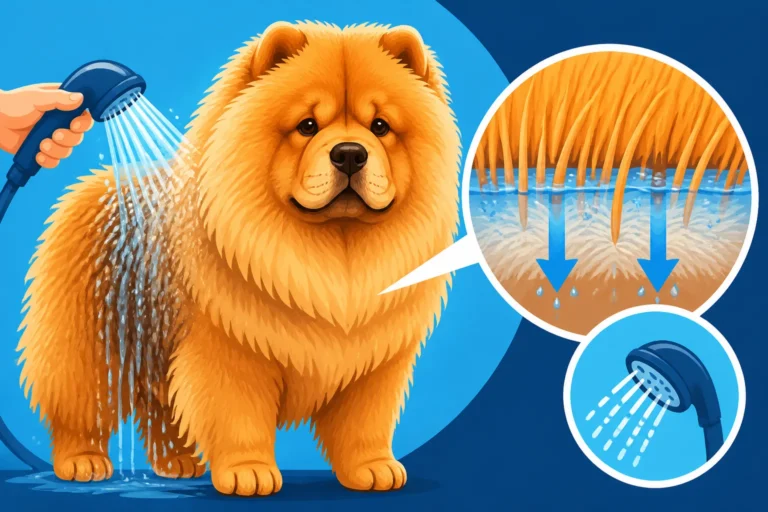
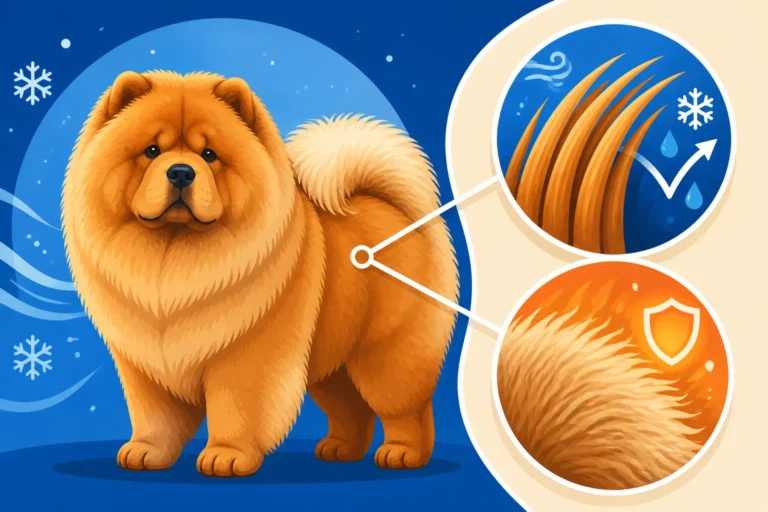
A Chow Chow's double coat is a marvel of nature, designed to protect them from extreme temperatures. It consists of a harsh, abundant outer coat and a soft, dense undercoat. When you look at your Chow, especially a rough-coated one, you're seeing layers upon layers of insulation. This isn't just a surface layer; it's a deep, plush barrier that stands off the body, creating an optical illusion that can easily mask changes in their physique. A dog that might be gaining weight will simply look a little "fuller" in their coat, rather than obviously rounder.
Think of it like wearing a very oversized, puffy winter coat. It’s hard for anyone to tell if you’ve put on a few pounds underneath when you’re bundled up so effectively. The Chow’s impressive "ruff" around their neck and shoulders, in particular, can make them appear much more substantial than they actually are, making it difficult to gauge neck, chest, and shoulder fat deposits. This means we, as owners, have to rely on more than just our eyes. Understanding What a Chow Chow's Double Coat Is Made Of is the first step to appreciating this challenge.
The visual cues we often use for other breeds – like seeing a defined waist or ribs – simply don't apply to the Chow Chow. Their coat makes their silhouette almost uniformly square or barrel-like, even when they are at a perfectly healthy weight. This can lead to a false sense of security, where an owner might assume their dog is a good weight because they don't look "thin," when in reality, they could be significantly overweight without it being apparent. It's a silent creeping weight gain that can go unnoticed for far too long, simply because the evidence is buried under a fluffy blanket.
The Importance of Regular Body Condition Checks
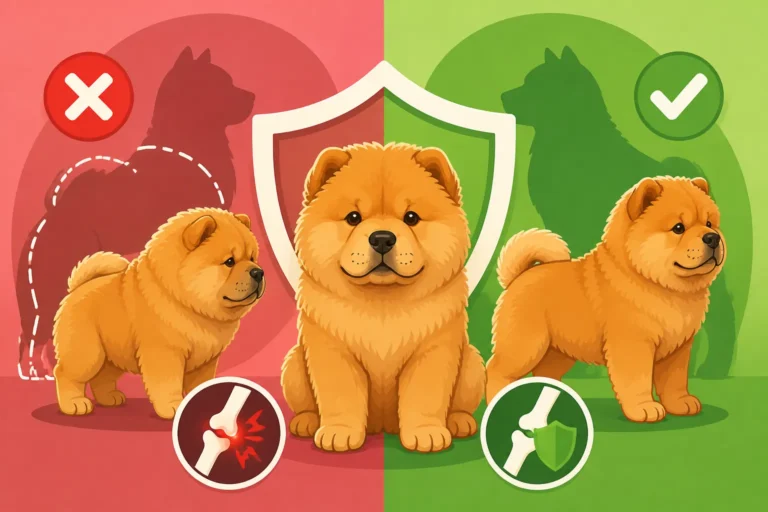
Given this masterful camouflage, regular, hands-on body condition checks are not just a good idea for a Chow Chow; they are absolutely essential. Excess weight in any dog puts extra strain on their joints, heart, and other organs, but for a Chow Chow, who can be predisposed to conditions like Elbow Dysplasia Does to a Chow Chow and Hip Dysplasia in a Chow Chow, maintaining an ideal weight is critical for their long-term comfort and mobility. Even a few extra pounds can accelerate the onset or worsen the symptoms of these debilitating conditions.
Imagine a Chow Chow with early signs of elbow or hip pain; now imagine adding the stress of carrying an extra five or ten pounds on those already aching joints. It’s a recipe for increased discomfort and a reduced quality of life. Regular body condition checks allow you to catch subtle weight fluctuations early, before they become significant health issues. It's about proactive care, recognizing that your Chow Chow's unique build and coat demand a different approach to weight management than, say, a Labrador.
Beyond joint health, obesity contributes to a host of other problems, including diabetes, heart disease, and a decreased ability to tolerate heat, which is already a significant concern for Chows. Why a Chow Chow Overheats So Easily is well-documented, and extra body fat only exacerbates this risk by acting as an additional layer of insulation. By regularly checking their body condition, you're not just preventing your Chow from getting chunky; you're safeguarding their overall health, ensuring they can enjoy their The Eight to Twelve Years a Chow Chow Gets as comfortably as possible.
Mastering the Art of Palpation: How to Find Those Ribs
Since seeing isn't believing with a Chow Chow, feeling is where it's at. This hands-on technique, called palpation, is the most reliable way to assess your Chow's body condition. It might feel a bit awkward at first, navigating through all that fur, but with practice, it'll become second nature.
Setting Up for Success
Before you dive in, setting the stage can make a big difference. Chows, by nature, can be a bit reserved and not always thrilled with excessive handling, especially by strangers. However, for their primary person, they often tolerate, if not enjoy, gentle interaction. Choose a quiet time when your Chow is relaxed, perhaps after a short walk or during a petting session. Having a few high-value treats on hand can turn this into a positive experience for them, rather than a chore. Brands like Chewy often have a great selection of healthy, motivating treats that can help keep your Chow focused and happy during these checks.
Encourage your Chow to stand naturally, not hunched or stretched out, as this gives you the most accurate feel of their body. You might want to get down on their level, perhaps kneeling beside them. This isn't just about comfort; it's about minimizing any potential anxiety they might feel from being hovered over. If your Chow is initially resistant, start with very brief sessions, pairing the handling with lavish praise and treats. Gradually increase the duration as they become more comfortable. This ties into the general concept of Teaching a Chow Chow to Stand for an Exam, making vet visits easier too.
Consider integrating these checks into your regular grooming routine. If you're already brushing them regularly (and with a Chow, you should be!), then pausing to check their ribs just becomes another familiar touch. The more accustomed they are to being handled all over their body, the easier and less stressful these important health checks will be for both of you. A good undercoat rake or slicker brush, easily found on Amazon, can help thin the undercoat slightly before a check, making it a tiny bit easier to feel, though it's never truly "easy."
The Rib Test: Step-by-Step Guidance
Okay, let's get down to business. The goal here is to feel for their ribs, not to see them.
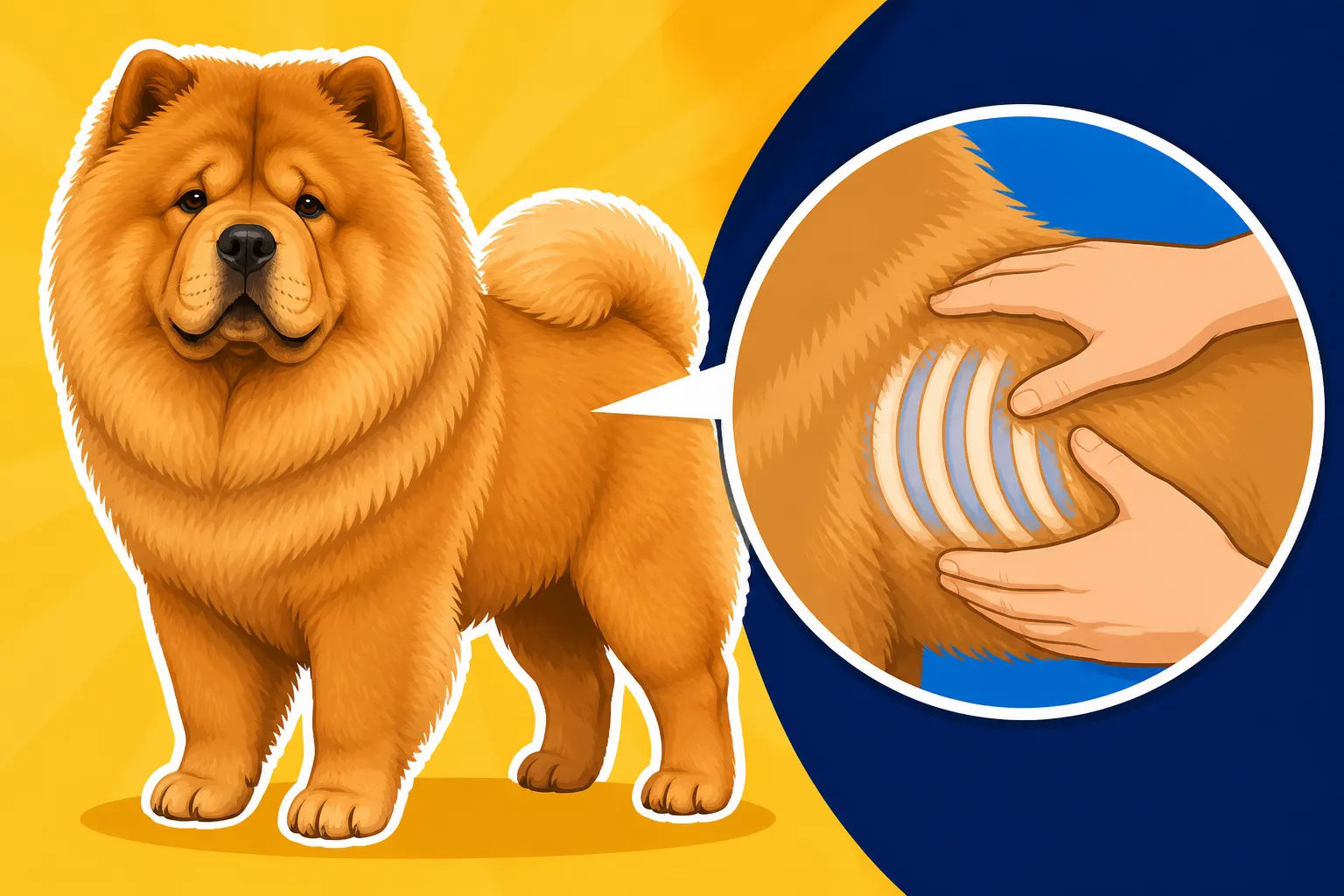
- Position your hands: Place both of your hands flat on your Chow Chow's side, just behind their front leg. Your fingers should be pointing towards their chest.
- Apply gentle pressure: Start by pressing gently, but firmly, through the thick outer coat and the dense undercoat. You’ll need more pressure than you might expect due to the sheer volume of fur. Don't be afraid to really lean into it a little, but always be mindful of your dog’s reaction.
- Sweep your fingers: Slowly run your open palm and fingers across their rib cage. You should be able to feel the individual bumps of the ribs beneath the muscle and a thin layer of fat. The feeling should be similar to running your hand over the knuckles on the back of your hand when your hand is held flat – you can feel the distinct bumps, but they aren’t sharply protruding.
- What you're looking for:
- Ideal weight: You should be able to feel the ribs distinctly with a moderate amount of pressure, but not see them. They should feel like speed bumps under your fingertips.
- Overweight: If you have to press hard, or can't feel the ribs at all, only a soft, spongy layer, your Chow is likely overweight. It might feel like pressing into a soft cushion.
- Underweight: If the ribs feel very sharp and prominent with little to no pressure, and you might even be able to see them (though this is rare with a Chow's coat), your dog is likely too thin.
Remember, the goal isn't to bruise them, but to get past the insulation. Be patient and persistent. If your Chow flinches or shows discomfort, ease up and try again with less pressure or in a different spot. Consistency is key here; doing this regularly helps you learn what "normal" feels like for your individual Chow, as every dog is a little different.
Checking Other Key Areas
While the ribs are a primary indicator, a holistic assessment includes other areas of your Chow Chow's body. These spots also provide clues about their overall body condition and can help confirm what you're feeling (or not feeling) on the ribs.
- The Spine: Run your hand firmly along your Chow Chow's back, from their shoulders down to the base of their tail. In an ideal weight Chow, you should be able to feel the individual bumps of their vertebrae without them being sharply prominent. If you can't feel them at all, and it feels like a smooth, fleshy surface, they might be carrying too much weight. Conversely, if the vertebral bumps feel very distinct and sharp, they could be underweight. This can be tricky due to the dense hair along the back, but gentle, firm pressure is key.
- The Hip Bones: Move your hands to your Chow Chow's hips. These are the bony protrusions on either side of their tail base. With a healthy weight, you should be able to feel these bones with gentle pressure, but they shouldn't stick out sharply. If they are difficult to find under a layer of padding, your Chow is likely overweight. If they are very prominent and easily seen or felt, without any fat or muscle covering, then your Chow might be too thin.
- The Base of the Tail: This area can be surprisingly informative. Feel around the very base of your Chow Chow's tail where it joins their body. There should be a smooth transition, and you should be able to feel the tail bones without excessive fatty deposits. If there's a significant amount of squishy fat accumulated here, it's another indicator of being overweight.
- The Abdominal Tuck: While you might not see an abdominal tuck on a Chow Chow due to their deep chest and abundant coat, you can still feel for it. When your Chow is standing, run your hands along their underside, from the rib cage back towards the hind legs. You should feel a slight upward curve of the abdomen. If the belly feels distended or hangs low, indicating a lack of tuck, it could point to excess weight. This area is often How a Chow Chow's Coat Hides Weight Loss or gain effectively.
Combining these touch points gives you a much clearer picture of your Chow Chow's overall body condition than any single spot alone. It allows you to build a comprehensive understanding of what's going on under all that beautiful fur.
Understanding the Body Condition Score (BCS) for Chow Chows
Once you've gotten the hang of feeling your Chow's ribs and other bony prominences, you can start to apply the Body Condition Score (BCS) system. This is a standardized scale that veterinarians use, usually ranging from 1 (emaciated) to 9 (morbidly obese), with 4 or 5 being ideal. While it's harder to see the score on a Chow, learning to feel it makes you a pro.
Visualizing Ideal vs. Overweight
For most breeds, a BCS chart includes visual cues like a visible waist and palpable ribs. For Chow Chows, we really focus on the palpable aspects. Here's a breakdown tailored for our furry friends:
| BCS Score | Description | Tactile Cues for a Chow Chow |
|---|---|---|
| 1-3 | Underweight | Ribs, spine, hip bones very prominent, felt easily with no pressure; may feel sharp. |
| 4-5 | Ideal Weight | Ribs easily felt with gentle pressure, but not visible. Spine and hip bones felt with light pressure, not sharp. Smooth abdominal tuck felt. |
| 6-7 | Overweight | Ribs require firm pressure to feel; may feel a layer of fat. Spine and hip bones felt with difficulty or not at all. Abdomen feels rounded, no tuck. |
| 8-9 | Obese | Ribs, spine, hip bones impossible to feel under thick fat layer. Abdomen very distended, noticeable fat deposits at tail base. |
An ideal Chow Chow, at a BCS of 4 or 5, should feel like running your hand over those knuckles on the back of your hand – distinct, but covered. They should also have a slight muscle tone, especially in their legs, which you can feel when they're relaxed. An overweight Chow, on the other hand, will feel like you're pressing into a plush toy, with ribs and other bones buried deep. The key is to constantly remind yourself that you're aiming for feel, not sight.
Many Chow Chow owners, myself included, can fall into the trap of thinking a fluffy dog should be big. But a well-conditioned Chow is robust and muscular, not simply fat. Their density comes from bone and muscle, not excess padding. Regularly feeling your Chow allows you to make an informed decision, rather than just guessing based on their voluminous coat.
What to Do if Your Chow Chow is Off Target
If your hands-on assessment suggests your Chow Chow is veering off course from their ideal weight, don't despair! You've just identified a crucial area for improvement, and that's the first step. For an underweight Chow, increasing their food intake slightly and ensuring they're on a high-quality, nutrient-dense diet is key. Companies like Ollie offer personalized meal plans that can be beneficial for specific dietary needs, though always discuss changes with your vet first.
For an overweight Chow Chow, the strategy generally involves a combination of diet adjustment and appropriate exercise. Reducing portion sizes is often the easiest first step. You might be surprised How Many Cups a Day an Adult Chow Chow Eats compared to what you're currently feeding. Even small reductions, coupled with swapping out high-calorie treats for healthier options (think plain cooked green beans or small pieces of carrot, readily available at any grocery store), can make a big difference over time. Consulting with your vet can help determine the right calorie intake for your dog.
Exercise, while important, needs to be managed carefully for Chow Chows due to their tendency to overheat. Short, frequent walks during cooler parts of the day are much better than one long, strenuous outing. Think gentle strolls around the block or some structured play in a cool, shaded yard. How Much Exercise a Chow Chow Actually Needs is often less than what people assume for a large dog. Focus on consistency rather than intensity. Using puzzle feeders, easily found on Amazon or Chewy, can also slow down meal times, making your Chow feel fuller on less food. Remember, Keeping a Chow Chow at the Weight Its Elbows Can Carry is paramount for their long-term health and comfort.
Common Pitfalls and When to Seek Professional Help
Even with the best intentions, it's easy to make mistakes when it comes to a Chow Chow's weight. Their unique characteristics present challenges that aren't typical of most other breeds, and knowing these pitfalls can help you avoid them.
The "Fluffy" Trap and Other Misconceptions
The most common pitfall, as we've discussed, is the "fluffy" trap. It's incredibly easy to look at a Chow Chow and assume their substantial appearance equates to a healthy weight, simply because their coat is so voluminous. Many owners unknowingly allow their Chows to become overweight, attributing their size to breed characteristics rather than excess fat. This means we have to consciously override our visual instincts and rely heavily on touch. Don't be fooled by the impressive ruff or the dense body hair; a healthy Chow Chow should feel lean and muscular underneath it all, not squishy or padded.
Another misconception is relying solely on the bathroom scale. While useful for tracking trends, a scale alone doesn't tell you about body composition. A Chow Chow could be at a "normal" weight for their breed but still be carrying too much fat and not enough muscle. This is why the hands-on BCS is superior. Furthermore, owners might inadvertently cause problems by over-grooming or under-grooming, which can affect the coat's ability to lie naturally, sometimes giving a false impression of body shape. Learning to properly groom, such as with How Long Home Grooming a Chow Chow Takes Weekly, can also get you more familiar with their underlying structure. It’s important to remember that the dense coat can also How a Chow Chow's Coat Hides Weight Loss if they are ill, so consistent checks are vital for early detection of any changes.
Lastly, some owners might mistake a naturally heavy bone structure for fat. Chow Chows are a solidly built breed, and they will feel substantial. The trick is discerning bone and muscle from soft, yielding fat. This takes practice, but once you've felt a Chow at an ideal weight, you'll recognize the difference.
Partnering with Your Vet
Even if you become a pro at feeling your Chow Chow's ribs, there are times when professional guidance is absolutely necessary. Your veterinarian is your best partner in ensuring your Chow maintains optimal health. If you're unsure about your assessment, if your Chow's weight is changing rapidly (either up or down), or if you suspect there are underlying health issues contributing to weight fluctuations, it's time to book an appointment.
Your vet can provide an objective body condition score, offer dietary recommendations, and rule out any medical conditions that might be impacting your Chow's weight. Conditions like thyroid issues or other metabolic problems can cause unexplained weight gain or loss, and these require veterinary diagnosis and treatment. Regular How Often a Chow Chow Needs a Wellness Exam includes a body condition assessment by a professional, which is invaluable.
It's also worth remembering that Chows can be quite stoic and might not openly show discomfort or pain, even if they are struggling with joint issues exacerbated by weight. Their reserved nature means you might not see obvious signs of lameness until a problem is quite advanced. This is why a vet's trained eye and hands, especially during a thorough physical exam, are crucial. Be prepared, as Why a Chow Chow Is Hard to Examine at the Vet, sometimes requiring specialized handling or even mild sedation to get a full picture of their health. Don't hesitate to seek their expertise – it's an investment in your Chow Chow's long, healthy life.
Disclaimer
This article is for general informational purposes only and does not constitute professional advice. Laws, prices and regulations vary by location and change over time. Consult a qualified professional for guidance on your specific situation.