Caring for a Chow Chow Past Eight
Watching your beloved Chow Chow transition into their golden years is a bittersweet journey. While their puppy exuberance might have mellowed, their need for comfort, understanding, and specialized care only grows. This guide is here to walk you through the unique aspects of caring for a Chow Chow once they hit that significant milestone of eight years and beyond, helping you ensure their senior years are as joyful and healthy as possible.
Understanding the Aging Process in Chow Chows
It’s a funny thing with dogs; one minute they’re tearing around the yard, and the next you notice a little grey around the muzzle or a slight hesitation on the stairs. With Chow Chows, their dignified nature can sometimes mask the subtle shifts of aging, making it even more important for us to be observant and proactive.
When a Chow Chow is Considered Senior
For most Chow Chows, the benchmark for entering their senior years typically hovers around the eight-year mark. Think of it as their 50s or 60s in human terms – not ancient by any means, but definitely past their prime youth. However, this isn't a hard and fast rule set in stone. Just like people, every Chow Chow ages at their own pace. Some might show signs of slowing down a little earlier, especially if they've had pre-existing health conditions like orthopedic issues, while others might remain remarkably spry well into their double-digit years.
Genetics play a huge role here, as does the quality of care they've received throughout their lives. A Chow Chow with a history of good nutrition, regular appropriate exercise, and consistent veterinary attention might experience a gentler transition into seniority. Conversely, a dog that has faced more health challenges or lived a more sedentary lifestyle might age more rapidly. It's truly about knowing your individual dog. For a deeper dive into their overall lifespan, you might find our article on The Eight to Twelve Years a Chow Chow Gets helpful.
Common Age-Related Changes to Expect
As your Chow Chow gracefully ages, you'll start to notice a range of changes, both physical and behavioral. These aren't necessarily problems to be fixed, but rather natural evolutions that require your understanding and adaptation.
Physically, you might observe a gradual stiffening, especially after long naps. This isn't just them being lazy; it often signals the onset of arthritis or general joint discomfort. Their once plush coat, which we all adore, might begin to thin in places, perhaps become a bit coarser, or even develop some grey hairs, particularly around the muzzle and eyes. You might also notice their eyes starting to cloud over slightly, a condition often referred to as lenticular sclerosis, which is a normal aging change that usually doesn't significantly impair vision, though true cataracts can also occur. You can learn more about this in Whether an Aging Chow Chow's Eyes Cloud. Their movements might become a little less fluid, their signature "stilted gait" possibly becoming even more pronounced.
Behaviorally, you might see shifts in their energy levels and social interactions. A senior Chow Chow might be less tolerant of boisterous young children or other pets, preferring quiet solitude to rambunctious play. Their sleep patterns can change, leading to more napping during the day and sometimes restlessness at night. Some Chows might become even more aloof, or conversely, more clingy with their chosen person. They might not jump up to greet you with the same enthusiasm they once did, or they might take longer to respond to commands due to Deafness in an Aging Chow Chow or just general cognitive decline. It's crucial not to dismiss these subtle shifts as "just old age" but to see them as indicators that their needs are evolving. Our guide on What Changes in a Chow Chow After Eight offers further insights into these transformations.
Navigating Joint Health and Mobility Challenges
One of the most common and often distressing issues for senior Chow Chows is the decline in joint health. Their unique structure, combined with potential genetic predispositions, means their joints can bear the brunt of aging.
Managing Arthritis and Stiffness
Chow Chows, with their compact, heavy build and that distinctive "stilted" gait resulting from their relatively straight rear legs, can be particularly susceptible to joint issues. Conditions like hip and elbow dysplasia, while often diagnosed earlier in life, can certainly worsen with age, leading to chronic arthritis. This means the smooth cartilage protecting their bones starts to wear down, causing inflammation, pain, and stiffness.
Recognizing the signs of discomfort is paramount, as Chows are often stoic and experts at hiding pain. You might notice your senior Chow taking longer to get up after lying down, especially after a deep sleep. They might be reluctant to climb stairs or jump onto the sofa, opting instead to lie on the floor. A subtle limp, a decrease in their willingness to go for walks, or even a change in their posture when standing can all be indicators. They might lick at their joints excessively or even show a slight grumpiness when touched in certain areas. Understanding How an Aging Chow Chow Stiffens can help you identify these subtle cues.
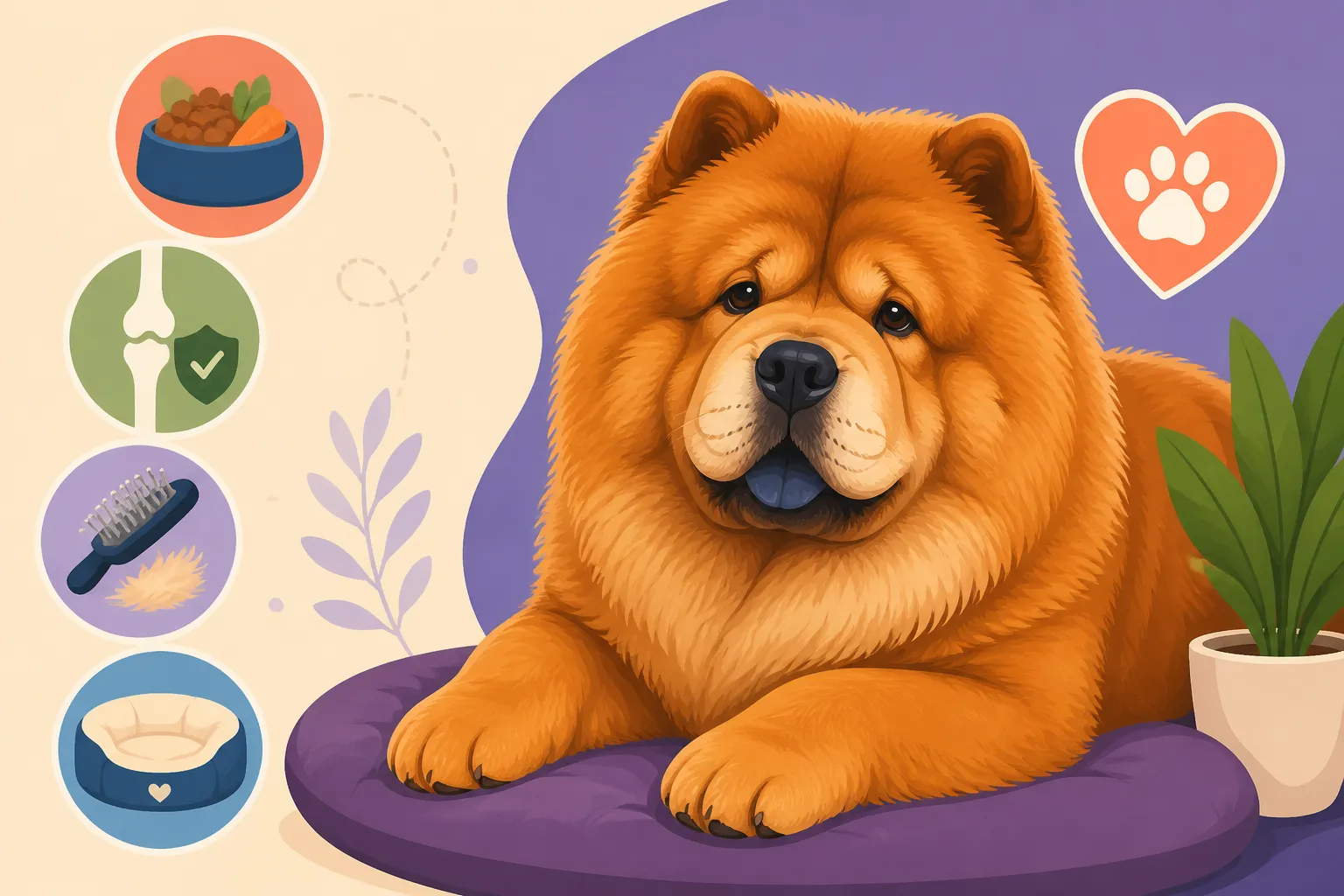
Beyond medication, there's a lot you can do to provide comfort. A warm, orthopedic dog bed can make a world of difference, cushioning their aching joints and providing support. Ramps placed next to furniture or leading into the car can eliminate the need for painful jumps. Non-slip rugs on slick floors can give them better traction and prevent falls. Maintaining a consistent, comfortable temperature in your home, especially during colder months, can also alleviate some discomfort.
Dietary and Supplement Support for Joints
Nutrition plays a pivotal role in managing your senior Chow's joint health. First and foremost, keeping them at an ideal weight is critical. Every extra pound puts additional stress on already compromised joints, exacerbating pain and accelerating cartilage breakdown. If you're wondering What an Adult Chow Chow Should Weigh, consult your vet, as their dense coat can sometimes mask a heavier frame. Feeding a high-quality senior dog food, often formulated with slightly fewer calories and increased fiber, can help manage their weight while providing essential nutrients.
Beyond a balanced diet, specific supplements can offer significant support. Glucosamine and chondroitin are popular choices, known for their role in cartilage repair and anti-inflammatory properties. Many vets also recommend Omega-3 fatty acids, particularly EPA and DHA, derived from fish oil, for their powerful anti-inflammatory effects which can significantly reduce joint pain. Green-lipped mussel extract is another ingredient gaining popularity for its natural anti-inflammatory benefits. When choosing supplements, look for reputable brands and always discuss dosages with your veterinarian, as they can recommend products tailored to your Chow Chow's specific needs. For pet owners considering proactive financial planning for their senior Chow's health, exploring options from providers like Healthy Paws for potential coverage of supplements and veterinary care can offer peace of mind.
Physical Therapy and Gentle Exercise
While your senior Chow Chow might not be up for long hikes anymore, appropriate exercise remains vital for maintaining muscle mass, joint flexibility, and overall well-being. The key is "gentle" and "consistent." Short, frequent walks are far better than one long, strenuous outing. Aim for two or three 15-20 minute strolls a day, allowing them to dictate the pace. These walks help keep their joints lubricated and muscles strong, preventing further stiffness.
Consider low-impact activities like swimming or hydrotherapy if available in your area. The buoyancy of water supports their body weight, reducing stress on their joints while allowing them to move freely and build muscle. Canine massage, performed by a certified professional or even learned by you, can also improve circulation, reduce muscle tension, and increase flexibility.
Even when physical activity is limited, mental stimulation is crucial. Interactive puzzle toys, scent games where they have to find hidden treats, or simply teaching them new, low-impact tricks can keep their minds sharp and engaged. This helps prevent boredom and cognitive decline, keeping their spirits high even if their body is slowing down.
Maintaining Optimal Coat and Skin Health
The Chow Chow's magnificent double coat is one of their most defining features, but as they age, managing it requires even more attention. Beyond just aesthetics, their coat and skin health are indicators of their overall well-being.
Dealing with Coat Changes in Senior Chows
As your Chow Chow enters their golden years, you might notice changes in their luxurious coat. It can become thinner, less dense, and sometimes coarser to the touch. The undercoat, which provides much of their insulation, might not be as profuse as it once was, and you may even see patches of hair loss. Greying is common, particularly on the face, but can also appear elsewhere. This shift makes them more susceptible to temperature extremes, requiring you to be extra mindful of their comfort.
This changed coat texture can also mean it's more prone to matting and tangling, especially in areas like behind the ears, under the legs, and in their "britches" (the feathering on their hindquarters). Regular grooming, which was always essential, becomes even more critical. However, senior Chows might be less tolerant of long, vigorous grooming sessions due to joint pain or general discomfort. The goal is frequent, shorter, and gentler sessions. Invest in a high-quality slicker brush and a wide-toothed comb to carefully work through their fur. Brushing down to the skin is crucial to remove dead undercoat and prevent painful mats.
Making grooming a positive, calm experience is key. Use a sturdy grooming table to reduce strain on your back and theirs. Offer plenty of praise and high-value treats. If they become uncomfortable, take a break. A professional groomer experienced with Chows can also be invaluable, but ensure they understand the specific needs and limitations of a senior dog.
Preventing and Treating Skin Issues
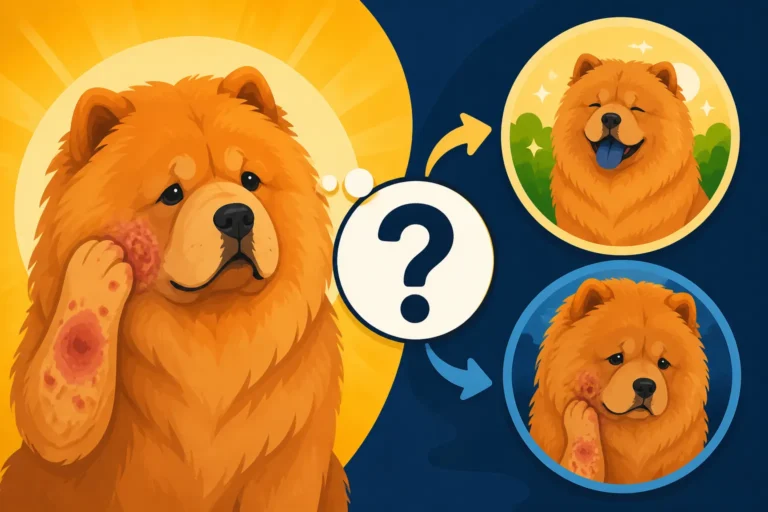
With a thinning coat and a potentially less robust immune system, senior Chow Chows can be more susceptible to various skin issues. Dry, flaky skin is common, sometimes caused by reduced natural oils or underlying health conditions. This can lead to itching and scratching, which in turn can break the skin and open the door for secondary infections like "hot spots."
Their characteristic facial folds and dense ruff also require diligent attention. These areas can trap moisture, dirt, and debris, creating a breeding ground for yeast and bacterial infections. Regularly and gently wipe their facial folds with a soft, damp cloth, ensuring they are thoroughly dried afterward to prevent irritation.
When bathing your senior Chow, opt for a mild, moisturizing shampoo formulated for sensitive skin. Avoid harsh chemicals or anything that could further dry out their skin. After bathing, thorough drying is absolutely paramount to prevent skin irritation and matting. Use a high-velocity dryer on a cool setting if your Chow tolerates it, or towel dry meticulously, ensuring the undercoat is completely dry. If you notice persistent itching, redness, lesions, or unusual odors, it's time for a vet visit. These could be signs of allergies, fungal infections, or more serious underlying health issues that require medical attention.
Eye and Ear Care in the Golden Years
Our senior Chows rely on us more than ever to be their eyes and ears, figuratively and sometimes literally, as their own senses might begin to wane. Proactive care can make a huge difference in their quality of life.
Addressing Vision and Hearing Decline
It’s heartbreaking to see your Chow Chow bump into furniture they’ve navigated for years or hesitate on stairs they once bounded up. These can be clear indicators of declining vision. As mentioned before, lenticular sclerosis (a normal age-related clouding of the lens) is common, but it's important to differentiate it from cataracts, which can significantly impair vision. Other conditions like glaucoma, to which Chows are predisposed due to their deep-set eyes, can also be a serious concern and often requires emergency intervention. You can read more about this breed-specific issue in Why a Chow Chow's Deep Set Eye Causes Trouble. If you suspect serious vision issues, a veterinary ophthalmologist can provide a definitive diagnosis and treatment plan.
To help a vision-impaired Chow Chow, keep their environment consistent. Avoid moving furniture around unnecessarily. Use baby gates to block off unsafe areas. Consider scent cues or even textured mats to help them navigate. When approaching them, speak gently before touching to avoid startling them.
Similarly, hearing loss is a common age-related change. You might notice they don't respond to their name as readily, don't react to the doorbell, or sleep more soundly through household noises. To adapt, use hand signals alongside verbal commands, or teach them new hand signals. When waking them, approach from the front and gently touch them rather than startling them with a loud noise. Patience and consistency are key as you both adjust to these changes.
Regular Eye and Ear Cleaning and Checks
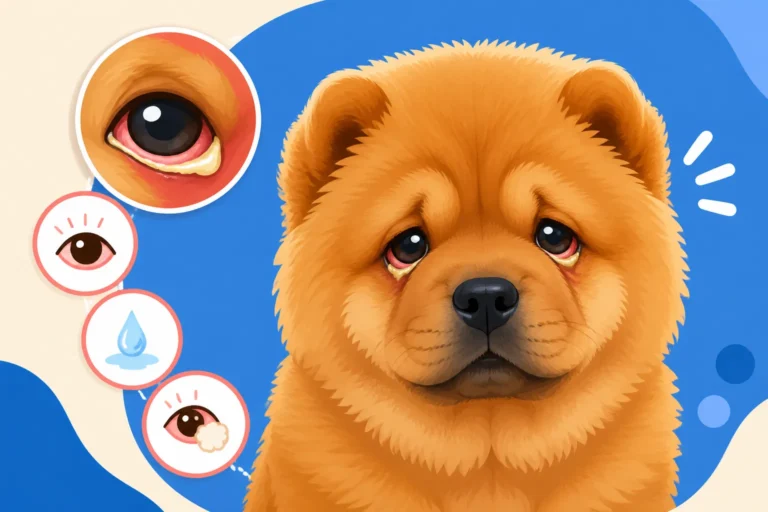
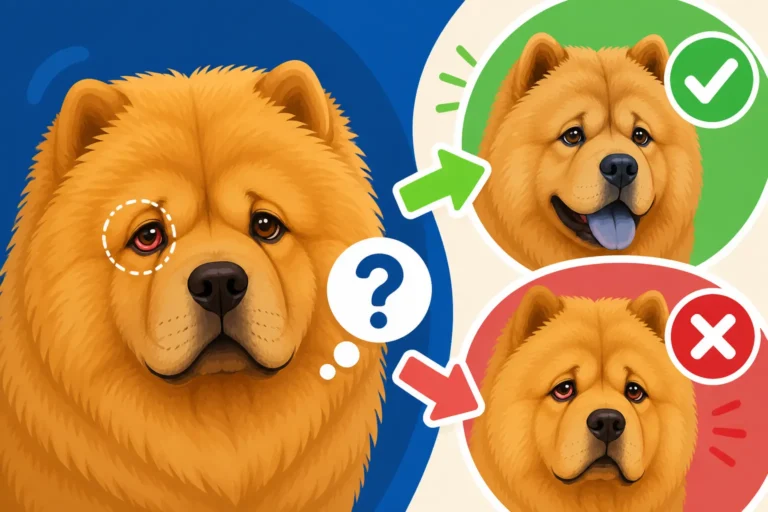
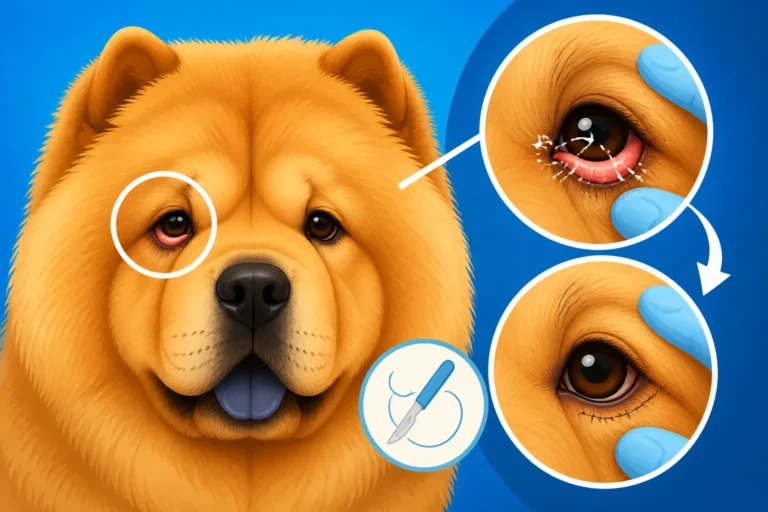
Regular, gentle cleaning and inspection of your senior Chow Chow’s eyes and ears are crucial for comfort and early detection of problems. Due to their deep-set eyes, Chow Chows are prone to tear staining and collecting debris around the eye area. Gently wipe around their eyes daily with a soft, damp cloth or a vet-approved eye cleaning solution to remove discharge and prevent irritation. Watch for excessive tearing, redness, swelling, or any changes in the eye itself, which could indicate infection, injury, or conditions like entropion, another common Chow Chow issue.
Chow Chows have relatively small, rounded ears, often tucked into their dense fur. While this can make them less prone to certain types of ear infections than breeds with floppy ears, it also means air circulation can be limited. Weekly checks for redness, swelling, foul odor, or excessive wax buildup are important. If their ears seem dirty, gently clean the outer ear canal with a vet-approved ear cleaning solution and a cotton ball – never use cotton swabs deep inside the ear, as this can cause damage. If you notice any signs of infection, pain, or excessive scratching, consult your veterinarian promptly. Early intervention can prevent minor issues from becoming major, painful problems.
Nutritional Needs and Weight Management
As Chow Chows enter their senior years, their nutritional requirements shift significantly. Their metabolism slows down, activity levels decrease, and their bodies may need different types of support. Getting their diet right is paramount for their continued health and comfort.
Adjusting Diet for an Aging Metabolism
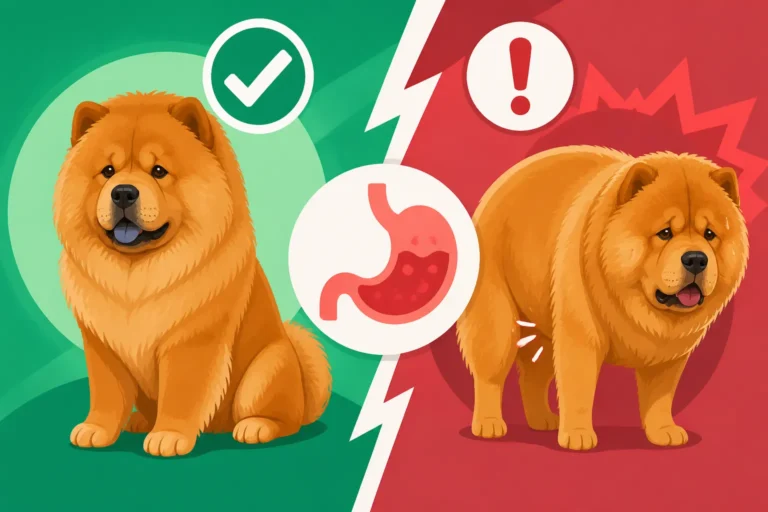
Think about how our own eating habits change as we get older – we might not need as many calories, but nutrient density becomes even more important. The same applies to your senior Chow Chow. Their metabolism slows, meaning they burn fewer calories just to maintain basic bodily functions. If they continue to eat the same amount of food they did in their prime, weight gain is almost inevitable. This excess weight puts unnecessary strain on their joints, exacerbates existing conditions like arthritis, and can contribute to other health issues like diabetes and heart disease.
This is where senior-specific dog foods come in handy. These formulas are typically designed with fewer calories to prevent weight gain, but they often have increased fiber to promote satiety and aid digestion. They also tend to be fortified with ingredients beneficial for aging bodies, such as glucosamine and chondroitin for joint support, and antioxidants for immune health. Carefully read feeding guidelines, but remember these are just starting points. The best approach is to monitor your Chow Chow's weight regularly and adjust their portion sizes accordingly. A veterinarian can help you determine their ideal weight and calorie intake.
Managing Appetite Changes and Hydration
It’s not uncommon for senior Chows to experience changes in appetite. Some might become pickier eaters, while others might show a decreased interest in food altogether. This could be due to a variety of factors: dental issues making chewing painful, a reduced sense of smell and taste, underlying medical conditions, or simply a slower metabolism. If your Chow suddenly goes off their food for more than a day, it’s always best to consult your vet to rule out any health problems.
To entice a reluctant eater, try warming their food slightly, which can enhance its aroma. Adding a little low-sodium chicken broth or water to dry kibble can also make it more palatable and softer to chew. If dental issues are suspected, switching to a softer canned food or soaking kibble until it's mushy can help.
Hydration is critically important for senior Chow Chows, especially for kidney health and to prevent constipation. Encourage water intake by ensuring fresh, clean water is always available in multiple locations. Consider using a ceramic or stainless steel bowl, as some dogs dislike plastic. A pet drinking fountain can also be a great motivator, as many dogs prefer flowing water. If they're not drinking enough, you can add water or broth to their meals, or offer water-rich treats like small pieces of cucumber or watermelon (seedless). Consistent hydration is a simple yet powerful way to support their overall health in their later years.
Veterinary Care and Health Monitoring
As your Chow Chow gracefully ages, their need for diligent veterinary care becomes even more pronounced. Regular check-ups transition from routine to absolutely essential for maintaining their quality of life.
The Importance of Bi-Annual Vet Visits
While annual vet visits might have been sufficient in their younger years, once your Chow Chow crosses the threshold into senior status (around eight years old), most veterinarians recommend bi-annual (twice-yearly) check-ups. Why the increased frequency? Senior dogs are more susceptible to age-related diseases, and many conditions, if caught early, can be managed effectively, allowing your Chow to live a longer, more comfortable life. Conditions like kidney disease, heart murmurs, diabetes, and certain cancers can develop subtly and progress quickly. Our article on How Often a Chow Chow Needs a Wellness Exam elaborates on this vital care schedule.
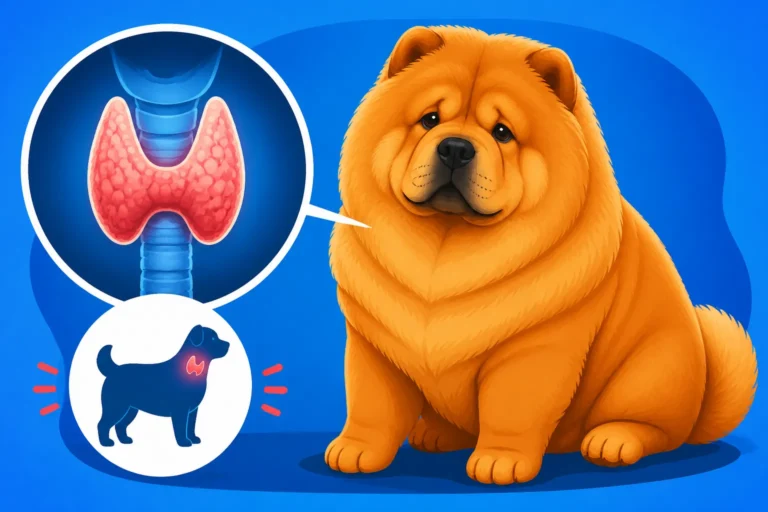
During these bi-annual wellness exams, your vet will perform a thorough physical assessment, checking their weight, listening to their heart and lungs, palpating their abdomen, and examining their eyes, ears, and mouth. Beyond the physical, these visits usually include important diagnostic tests. Routine bloodwork, including a complete blood count and a chemistry panel, can reveal issues with organ function (kidneys, liver), blood sugar levels, and thyroid function. A urinalysis can also provide valuable information about kidney health and detect urinary tract infections. Early detection allows for earlier intervention, which often means more treatment options and a better prognosis. This proactive approach is where pet insurance, such as a plan from Healthy Paws, can be incredibly beneficial, helping to cover the costs of these more frequent diagnostic tests and treatments.
Common Health Concerns in Senior Chows
Unfortunately, aging brings with it an increased risk of various health conditions. Beyond arthritis, which we’ve already discussed, several other concerns are prevalent in senior Chow Chows:
- Kidney Disease: This is a common silent killer in older dogs. Signs might include increased thirst, more frequent urination, decreased appetite, and weight loss. Routine bloodwork and urinalysis are key to early detection.
- Heart Conditions: Heart murmurs or even congestive heart failure can develop. Symptoms might include coughing, reduced exercise tolerance, or difficulty breathing. Your vet will listen to their heart carefully during exams.
- Diabetes Mellitus: Similar to humans, dogs can develop diabetes. Increased thirst and urination, along with unexplained weight loss despite a good appetite, are classic signs.
- Cancer: Like all breeds, Chow Chows can be prone to various cancers as they age. Early detection of lumps, bumps, or unexplained symptoms is crucial. Our article on Whether a Chow Chow Gets Melanoma discusses one specific concern.
- Cognitive Dysfunction Syndrome (CDS): Similar to Alzheimer's in humans, CDS can cause confusion, disorientation, changes in sleep patterns, house-soiling, and altered social interactions. There are medications and management strategies that can help slow its progression and improve quality of life.
Staying vigilant for any changes in behavior, appetite, thirst, or bathroom habits is your most important role as a senior Chow Chow owner. Promptly reporting these changes to your vet allows for timely investigation and management. For more details on diagnostic tests, check out What a Chow Chow's Yearly Bloodwork Should Cover.
Preparing for End-of-Life Care Decisions
This is arguably the hardest part of loving a senior dog, but it's an essential conversation to have with yourself and your veterinarian. Thinking about end-of-life care isn't about giving up; it's about honoring the bond you share and ensuring your Chow Chow's comfort and dignity until their very last moment.
Start by having an honest conversation with your vet about your Chow Chow's prognosis and quality of life. They can provide objective assessments, discuss pain management options, and help you understand when treatment might no longer be beneficial. Tools like quality of life scales can help you objectively evaluate their daily enjoyment of life, considering factors like pain, appetite, hydration, hygiene, and happiness.
Making decisions about euthanasia is incredibly painful, but it's a profound act of love when faced with incurable suffering. Knowing your options, understanding the process, and making arrangements beforehand can help ease some of the stress during an emotionally charged time. Some vets offer in-home euthanasia, which can provide a peaceful, familiar setting for your Chow Chow's final moments. Organizations like Healthy Paws can sometimes offer support for end-of-life care decisions, including hospice and euthanasia, depending on your plan. Remember, you don't have to go through this alone; your vet and a support network are there to help you navigate these incredibly difficult decisions.
Adapting the Home Environment
Just as we might child-proof our homes for a new puppy, we need to "senior-proof" for our aging Chow Chow. Small modifications can significantly improve their comfort, safety, and independence.
Creating a Safe and Accessible Space
Imagine navigating your home with stiff joints, reduced vision, and perhaps a touch of confusion. That's what many senior Chows experience. Making their environment safe and accessible is paramount.
Start by assessing your flooring. Slick hardwood or tiled floors can be treacherous for dogs with compromised mobility, leading to slips and falls that could cause serious injury. Lay down non-slip rugs or runners, especially in high-traffic areas and on paths to food and water bowls. For raised beds or sofas, consider pet ramps or steps. These eliminate the need for painful jumps and allow your Chow to continue enjoying their favorite cozy spots next to you.
Their sleeping area should be easily accessible, comfortable, and away from drafts or excessive noise. An orthopedic dog bed with good support is a must for aching joints. If they’ve always slept upstairs but now struggle with stairs, it might be time to move their bed to a downstairs living area or invest in a second bed.
Given their dense double coat, temperature regulation is also a critical consideration. Chow Chows are notoriously sensitive to heat, and this sensitivity can increase with age. Ensure they have access to cool, shaded areas in summer, and a warm, draft-free spot in winter. For insights into keeping them comfortable in warmer climates, our article Whether a Chow Chow Needs Air Conditioning offers practical advice. During hot periods, cooling mats or strategically placed fans can be invaluable. Conversely, in colder weather, a warm, elevated bed can protect them from cold floor drafts.
Maintaining Mental Stimulation and Comfort
While physical activity might decrease, mental stimulation remains crucial for an aging Chow Chow. A bored senior dog can become anxious or destructive, or simply retreat into themselves. Gentle puzzle toys that dispense treats, sniff mats, or short, simple scent games can keep their minds engaged without putting strain on their bodies. Revisit basic obedience commands with gentle, positive reinforcement to keep their cognitive gears turning.
Consistency in routine is incredibly comforting for senior dogs, especially those experiencing some cognitive decline or vision/hearing loss. Knowing when to expect meals, walks, and bedtime provides a sense of security and reduces anxiety. Try to keep their feeding, potty, and sleeping schedules as regular as possible.
Finally, remember that senior Chows often need more quiet time. Create a comfortable, peaceful sanctuary where they can retreat from household commotion. Minimize sudden loud noises or boisterous play, especially if they are startled easily. Their world might be getting a little smaller, but you can make it a deeply comforting and enriching one through thoughtful care and boundless love. Sometimes, knowing How a Chow Chow Hides Pain is vital to providing that comfort.
Disclaimer
The information provided in this guide is for general informational purposes only and does not constitute veterinary advice. Always consult with a qualified veterinarian for any health concerns or before making any decisions about your Chow Chow's care, diet, or treatment. Individual needs may vary.