How Much a Chow Chow Weighs
One of the most common questions new Chow Chow owners, or those simply admiring these magnificent "lion dogs" from afar, have is about their size. It’s easy to get a feel for their dense coats and sturdy build, but pinning down an exact weight can feel a little elusive, especially with all that fluff! This guide will dive deep into what a healthy Chow Chow should weigh, what factors influence that number, and how to ensure your furry companion stays in peak condition.
Understanding the Standard Weight Range for Chow Chows
When we talk about a Chow Chow's weight, we're not just throwing out random numbers. Reputable breeders and breed enthusiasts often refer to the breed standard set by organizations like the American Kennel Club (AKC). This standard provides a blueprint for the ideal Chow Chow, including their size and conformation. It helps ensure the breed maintains its distinctive characteristics and health over generations.
Chow Chows are considered a medium-sized breed, but their substantial bone structure and thick double coat can make them appear larger than their actual weight might suggest. It's not uncommon for people to overestimate how much these fluffy giants truly weigh, often thinking they are in a much higher weight class than they actually are. Understanding the standard range is the first step in knowing if your Chow is on the right track.
Male vs. Female Weight Differences
Just like in many other dog breeds, there's a noticeable difference in weight between male and female Chow Chows. Males typically carry a bit more heft and generally have a more robust build, which contributes to their slightly higher weight range. It's a natural biological difference that contributes to the overall look and feel of the breed.
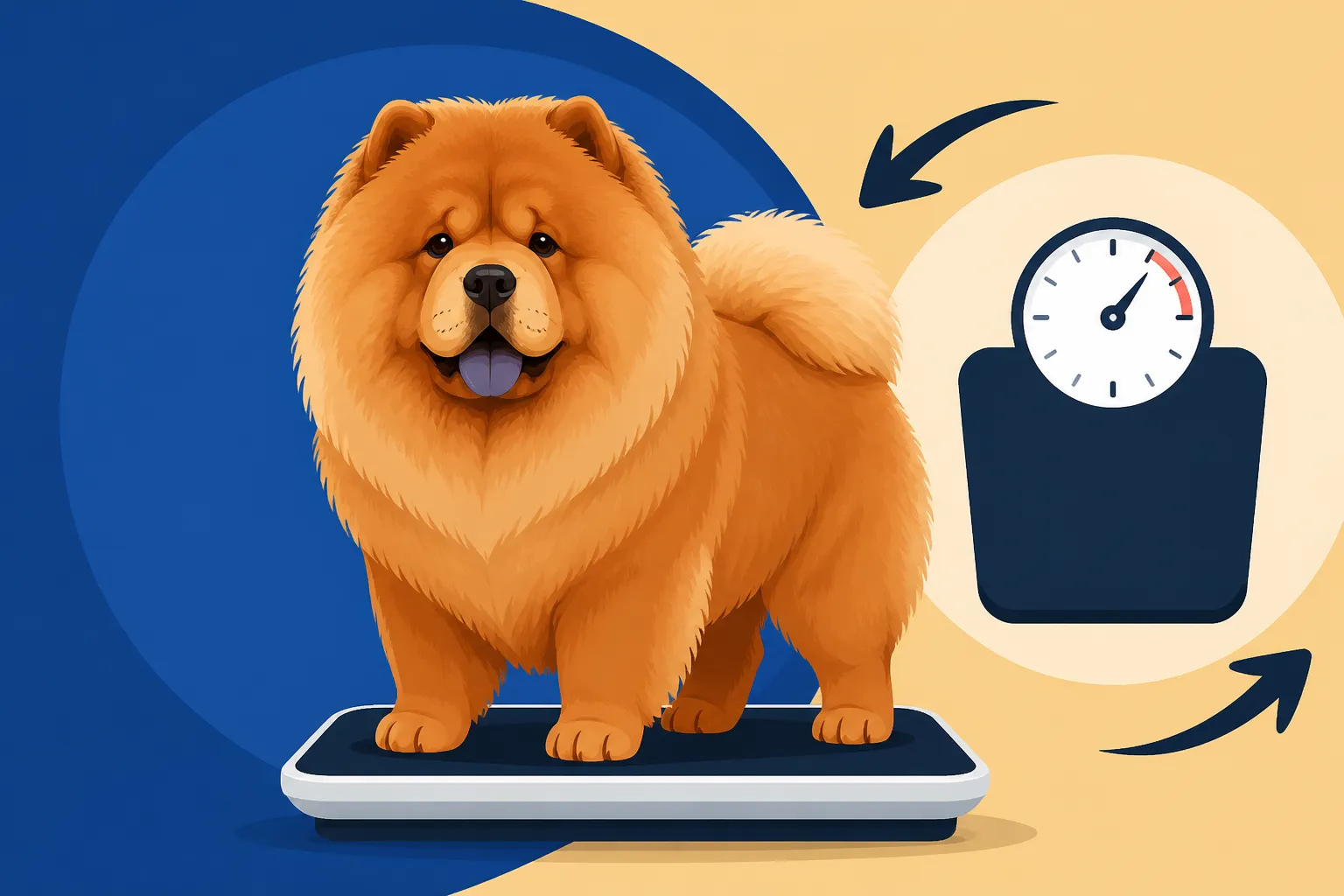
A mature male Chow Chow will usually fall into a weight range of approximately 55 to 70 pounds (about 25 to 32 kg). They tend to have broader heads and heavier bone structure. Females, while still substantial, are generally a little lighter and often present a more refined, feminine appearance. Their typical weight range is closer to 45 to 60 pounds (about 20 to 27 kg). These are averages, of course, and individual dogs can certainly fall slightly outside these numbers while still being perfectly healthy. When you're considering a puppy, it’s always a good idea to ask the breeder about the parents' weights, as genetics play a huge role in determining a puppy's potential adult size.
The Importance of Breed Standards
Breed standards aren't just for show rings; they are crucial guidelines for maintaining the health and integrity of a breed. For the Chow Chow, the standard details everything from coat texture and color to body proportions and temperament. When it comes to weight, the standard describes a "sturdy, squarely built, upstanding dog, with heavy bone." This description emphasizes their solid frame, which should support their overall structure without being excessively bulky or delicate.
Deviation too far from the standard can sometimes indicate health issues or poor breeding practices. For example, a Chow Chow that is significantly underweight might be experiencing nutritional deficiencies or an underlying illness, while one that is drastically overweight could be prone to joint problems like Elbow Dysplasia Ranks the Chow Chow Near the Top or heart issues. A responsible breeder will strive to produce Chows that fit within these guidelines, not just for aesthetics but for the long-term well-being of the dog. They understand that a dog bred to standard is often a healthier dog.
Factors Influencing a Chow Chow's Weight
While breed standards give us an ideal range, several individual factors can influence where your Chow Chow falls within or even slightly outside those numbers. It’s not just about genetics; how you raise and care for your Chow plays a huge part in their ultimate size and condition. Understanding these variables can help you proactively manage your dog’s health.
It's a common misconception that all Chow Chows will be the same size, but just like people, dogs have individual differences. Some might naturally be on the larger side of the standard, while others might lean towards the smaller end. Recognizing these nuances is key to responsible pet ownership.
Age and Growth Patterns
A Chow Chow puppy grows quite rapidly in its first year, but their growth isn't a straight line. They often reach most of their height and length by about 9-12 months, but they continue to fill out and gain muscle mass until they are closer to 18-24 months old. This means a one-year-old Chow Chow might look fully grown, but they still have some developing to do in terms of bulk.
During puppyhood, it's particularly important to manage their growth rate carefully. Rapid growth can put undue stress on developing joints, potentially exacerbating conditions like hip or elbow dysplasia. This is why many breeders and veterinarians recommend feeding large breed puppy food or a food formulated to promote Why a Chow Chow Puppy Needs Controlled Growth. Overfeeding a puppy in an attempt to make them bigger faster is counterproductive and can lead to long-term skeletal problems. Patience is a virtue when raising a Chow Chow.
Diet and Nutrition's Impact
What you feed your Chow Chow has a direct and significant impact on their weight. A diet that is too high in calories, especially when coupled with insufficient exercise, will inevitably lead to weight gain. Conversely, a diet lacking in essential nutrients or calories can result in an underweight dog. It's a delicate balance to strike.
Chow Chows, despite their sturdy appearance, often don't require as much food as some other large breeds might, as they aren't typically high-energy dogs. For example, a mature Chow Chow might eat less than you'd expect for their size. How Many Cups a Day an Adult Chow Chow Eats is a topic many owners grapple with. Always choose a high-quality dog food appropriate for their life stage, and pay close attention to the feeding guidelines provided by the manufacturer. Brands like Chewy often offer a wide selection of foods tailored for different breed sizes and activity levels, making it easier to find the right fit. Remember, these are starting points; your individual dog’s metabolism and activity will dictate the final amount.
Activity Level and Exercise Needs
The amount of exercise your Chow Chow gets directly correlates with their weight. A Chow Chow that leads a sedentary lifestyle, spending most of its day napping, will require fewer calories than one that enjoys regular, moderate walks and playtime. Despite their origin as working dogs, Chow Chows are not typically high-energy athletes. How Much Exercise a Chow Chow Actually Needs is often less than new owners might assume.
Two moderate walks a day, lasting 20-30 minutes each, are usually sufficient to keep a Chow Chow in good physical condition and help manage their weight. Too much strenuous exercise, especially in hot weather, can be dangerous for this breed due to their thick coat and brachycephalic (short-nosed) structure, making them prone to overheating. Finding the right balance of activity that keeps them trim without overexerting them is crucial. A bored Chow Chow can also be a destructive Chow Chow, so mental stimulation is also important alongside physical activity.
Recognizing a Healthy Chow Chow Weight
It can be surprisingly tricky to tell if your Chow Chow is at a healthy weight, largely because of that magnificent, dense double coat! All that fur can hide a multitude of sins, whether it's a few extra pounds or an underlying leanness. You can't just rely on looking at them from a distance. You need to get hands-on and use a tool vets use: body condition scoring. This method helps you feel past the fluff to assess their true physical state.
Maintaining a healthy weight is paramount for a Chow Chow's overall well-being. Excessive weight puts strain on their joints, heart, and other organs, while being underweight can signal nutritional deficiencies or serious health problems. It's a balance that directly impacts their quality of life and longevity.
Body Condition Scoring for Chow Chows
Body condition scoring (BCS) is a practical, non-invasive way to assess your Chow Chow’s fat reserves. It’s usually done on a scale of 1 to 9, where 1 is severely underweight, 9 is severely obese, and 4-5 is considered ideal. Since you can't always see your Chow's ribs or waistline, you have to feel for them.
To perform a BCS on your Chow:
- Feel the Ribs: Gently run your hands along your Chow Chow’s side. You should be able to feel their ribs without pressing hard, much like feeling the back of your hand. If you can see their ribs easily, they might be underweight. If you have to press firmly to feel them, or can’t feel them at all, they’re likely overweight.
- Check the Waist: With your Chow standing, look down at them from above. Ideally, you should see a slight tuck or indentation behind their ribs, even with all that fur. If they look like a barrel with no discernible waist, that's a red flag.
- Palpate the Spine: Gently run your hands along their backbone. You should be able to feel the bony prominences without them being sharply defined. If the spine feels like a ridge with no padding, they are too thin. If you can’t feel it at all, they carry too much fat.
Using this method consistently helps you monitor changes that the coat might otherwise conceal. Remember, What an Adult Chow Chow Should Weigh isn't just a number; it's about their body composition.
The Risks of Being Underweight
While obesity often gets more attention, a Chow Chow that is significantly underweight is also at risk. Being too thin can indicate a variety of underlying issues, from inadequate nutrition to more serious health problems. They might lack the energy for even moderate activity and be more susceptible to illness.
Reasons a Chow Chow might be underweight include:
- Poor Diet: Not enough food, or low-quality food that doesn't provide sufficient nutrients.
- Underlying Medical Conditions: Parasites, dental problems, metabolic diseases like hyperthyroidism (though less common in Chows than hypothyroidism), or even certain cancers can cause weight loss.
- Stress or Anxiety: Some Chows might lose their appetite if they are stressed or experiencing significant changes in their environment.
- Fussy Eating: Chows can sometimes be finicky eaters. If your Chow skips meals frequently, it might be worth exploring different food options, perhaps from a reputable retailer like Chewy, to find something more appealing.
If your Chow Chow is losing weight without a clear reason, or if they appear too thin despite eating what you believe is an adequate amount, a veterinary check-up is absolutely essential to rule out any medical causes.
The Dangers of Obesity in Chows
Obesity is a widespread problem in companion animals, and Chow Chows are certainly not immune. Their relatively lower exercise requirements and often strong food drive can make them prone to packing on extra pounds. The dangers of carrying too much weight are extensive and can significantly reduce your Chow's quality of life and lifespan.
Some of the major health risks associated with obesity in Chow Chows include:
- Joint Problems: Extra weight puts immense strain on joints, worsening conditions like hip and elbow dysplasia, and increasing the risk of arthritis. Keeping a Chow Chow at the Weight Its Elbows Can Carry is vital for their mobility as they age.
- Diabetes: Overweight dogs are more susceptible to developing insulin resistance and, subsequently, diabetes.
- Heart and Respiratory Issues: The heart has to work harder to pump blood through a larger body, and excess fat around the chest cavity can impede lung function, which is already a concern for brachycephalic breeds.
- Heat Intolerance: An overweight Chow Chow with their thick coat is at an even greater risk of overheating, especially in warmer climates.
- Reduced Mobility and Quality of Life: Simply put, an obese Chow Chow can't enjoy life to the fullest. They'll be less active, less playful, and may even struggle with basic movements.
- Increased Anesthesia Risk: Overweight dogs face higher risks during any surgical procedure requiring anesthesia.
Recognizing Signs a Chow Chow Is Overweight early, such as difficulty feeling ribs or a lack of waist, is the first step in addressing the issue and protecting their long-term health.
| Body Condition Score | Description | Chow Chow Example (Feel) |
|---|---|---|
| 1-3 (Underweight) | Ribs, spine, pelvic bones easily visible/felt. | Ribs very easy to see/feel, sharp. No fat. Severe muscle loss. |
| 4-5 (Ideal) | Ribs easily palpable. Waist visible (slight). | Ribs easily felt without pressure. Slight waist tuck behind ribs. |
| 6-7 (Overweight) | Ribs hard to feel. No visible waist. | Requires firm pressure to feel ribs. No waist, broad back. |
| 8-9 (Obese) | Ribs not palpable. Abdomen distended. | Cannot feel ribs at all. Massive fat deposits. Pronounced belly. |
Managing Your Chow Chow's Weight for Optimal Health
Once you understand the ideal weight range and how to assess your Chow Chow's body condition, the next step is active management. Keeping your Chow at a healthy weight is an ongoing commitment that involves consistent effort in diet, exercise, and regular health monitoring. It’s not a one-time fix but a lifestyle you create for your dog.
Remember, every Chow Chow is an individual. What works perfectly for one might need slight adjustments for another. The goal is to find a routine that keeps your specific dog happy, healthy, and within that ideal body condition score.
Tailoring Diet to Individual Needs
Diet is arguably the most critical component of weight management. Simply pouring a standard amount of food into a bowl without considering your Chow’s individual needs is a recipe for disaster. You need to be mindful of calories, portion sizes, and the quality of the food itself.
Start by consulting your veterinarian. They can help you determine an appropriate daily caloric intake based on your Chow's age, current weight, target weight, and activity level. Look for high-quality dog foods that list meat as the primary ingredient. Many excellent brands are available, often through pet supply retailers like Chewy, that cater to various dietary needs. If your Chow is gaining weight, you might need to slightly reduce portion sizes or switch to a lower-calorie formula. If they are underweight, increasing portions or choosing a more calorie-dense food might be necessary. Avoid free-feeding, where food is left out all day; instead, feed measured meals twice a day. This helps you monitor intake and manage portion control. Don't forget about treats – they are often hidden sources of calories, so factor them into the daily allowance.
Appropriate Exercise Routines
As mentioned earlier, Chow Chows are not extreme athletes, but they do require regular, moderate exercise to maintain muscle tone and a healthy weight. Their exercise needs are far more about consistency than intensity. Short, frequent outings are often much more beneficial than one long, grueling session.
Aim for two 20-30 minute walks daily, or equivalent playtime in a securely fenced yard. Consider the weather; Chow Chows are very susceptible to overheating, so avoid walks during the hottest parts of the day, especially in summer. Early morning and late evening are usually best. Activities that involve short bursts of energy followed by rest, like a game of fetch in a cool environment, can also be beneficial. Remember that Why a Chow Chow Overheats So Easily means careful planning of outdoor activity. For an aging Chow, exercise might need to be gentler, such as shorter, slower walks.
Regular Vet Check-ups and Monitoring
Even with the best home management, regular veterinary check-ups are indispensable for weight management and overall health. Your vet is your best partner in ensuring your Chow Chow stays healthy. They can spot subtle changes that you might miss and offer professional guidance.
During these visits, your vet will weigh your Chow, perform a body condition assessment, and discuss their diet and exercise routine. They can identify any underlying medical conditions that might be affecting your Chow's weight, such as thyroid issues or joint pain that limits activity. How Often a Chow Chow Needs a Wellness Exam is typically once a year for adult dogs, and more frequently for puppies and senior Chows. These visits are also an opportunity to discuss supplements, dental health (which can impact appetite), and other aspects of care. Early detection and intervention are key to successfully managing your Chow Chow's weight and ensuring they live a long, happy, and healthy life. For instance, if your Chow is starting to show signs of arthritis due to a bit of extra weight, your vet can recommend management strategies to prevent further deterioration and keep them comfortable.
Disclaimer
This article is for general informational purposes only and does not constitute professional advice. Laws, prices and regulations vary by location and change over time. Consult a qualified professional for guidance on your specific situation.