What Gives a Chow Chow Its Scowl
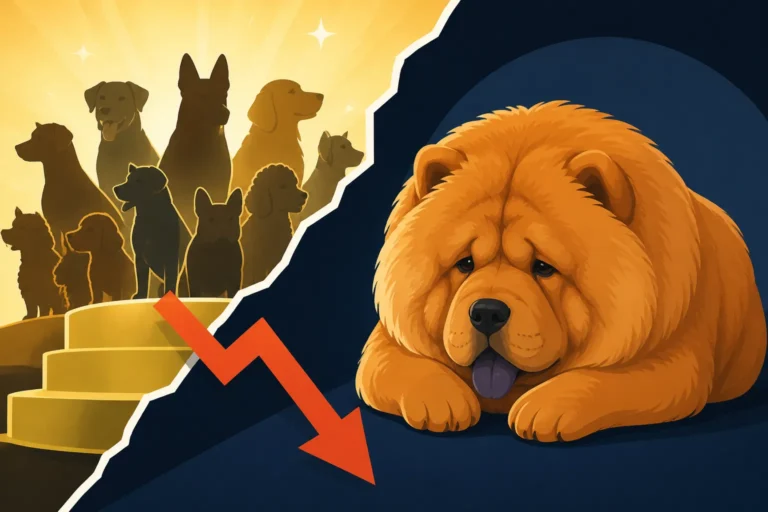
Many Chow Chow owners, and even those just observing this magnificent breed, are struck by their distinct facial expression, often described as a "scowl." This isn't just a fleeting mood; it's a fundamental part of their appearance, a result of their unique anatomical features working together. Understanding this characteristic means delving into the very structure of their head and face, and recognizing that it's a breed trait, not necessarily an indication of their mood.
The Unique Facial Structure of the Chow Chow
The Chow Chow's iconic appearance is instantly recognizable, and a huge part of that is its broad, powerful head. This isn't just about looking imposing; it's a carefully balanced set of features that combine to create that quintessential "scowl." Without understanding the foundation of their skull and muzzle, it’s hard to truly grasp why they look the way they do. Their head is much more than just a place for their eyes and nose; it's a structural masterpiece that dictates their entire facial aesthetic.
The Broad, Flat Skull
The Chow Chow's skull is one of its defining characteristics. It's notably broad and relatively flat between the ears, setting it apart from many other breeds. This width isn't merely for aesthetics; it plays a critical role in how the rest of their facial features are positioned and, consequently, how their expression is perceived. Think of it as the canvas upon which all other features are painted. A narrower skull would undoubtedly lead to a completely different look, perhaps more pointed or delicate, but the Chow Chow's robust skull contributes heavily to its sturdy, powerful image.
This broadness creates a substantial foundation, influencing the placement and prominence of their brow and cheekbones. It ensures a deep-set eye socket and the space for strong jaw muscles, both vital components of the breed's overall look. Without this wide base, the heavy brow that contributes to their "scowl" wouldn't have the same impact, nor would the powerful muzzle sit quite right. It's all interconnected, a beautiful example of how form follows function in canine anatomy. It also contributes to What Gives a Chow Chow Its Broad Skull.
The Powerful Muzzle and Jaw
Beneath that broad skull lies a muzzle that is equally distinctive: relatively short, broad, and deep. This is not the long, refined muzzle of a sighthound, nor the extremely flattened face of some brachycephalic breeds. Instead, the Chow Chow’s muzzle is substantial, contributing to the overall powerful and robust impression of their head. This particular muzzle shape, combined with strong, well-developed jaws, adds to the breed's formidable look.
The depth of the muzzle means there’s a good amount of tissue, skin, and muscle surrounding the mouth, which can affect how their lips and cheeks sit. When combined with the high-set, small ears and that dense ruff of fur around their neck, the muzzle's characteristics frame the face in a way that further accentuates the "scowl." It’s a sturdy, self-assured facial outline that hints at the breed's ancient origins and dignified presence.
How the Deep-Set Eyes Contribute to the Expression
Perhaps the most significant element contributing to the Chow Chow's scowling expression is the way their eyes are positioned and the unique interaction with the surrounding facial features. It's not just the eyes themselves, but how they are nestled within the skull and framed by other elements that create that perpetually serious look. This is a topic that many Chow Chow owners become intimately familiar with, as these deep-set eyes can sometimes lead to very real health concerns, as discussed in Why a Chow Chow's Deep Set Eye Causes Trouble.
The Positioning and Shape of the Eyes
Chow Chows have small, almond-shaped eyes that are set quite deep within their skull. This deep-set placement immediately gives the impression of them looking out from under a heavy brow, which is a major factor in their characteristic "scowl." Unlike breeds with prominent or round eyes, the Chow Chow's eyes don't fully reveal the whites, and they often appear partially obscured, adding to their somewhat enigmatic and serious demeanor.
The eyes themselves are generally dark, aligning with their coat color, which further enhances the depth of their gaze. This combination of shape, size, and depth creates an intense, almost watchful expression. When you look into a Chow Chow's eyes, you often get the feeling they are observing and assessing, rather than openly engaging. This isn't necessarily aloofness, but a result of their physical structure. For a deeper understanding of how this positioning impacts their world, you might want to read How a Chow Chow's Deep Set Eye Limits Its Vision.
The Interaction with Surrounding Skin and Fur
The deep-set nature of their eyes is further emphasized by the surrounding skin and the dense fur. The skin around their eyes isn't taut; instead, there's a certain looseness that allows for the characteristic "folds" to form, especially around the brow. This tissue, combined with the incredibly thick double coat, creates a furry overhang that shades the eyes. This natural shading effect significantly contributes to the perception of a furrowed, serious brow – the very essence of the "scowl."
Imagine a person with heavy eyebrows and hooded eyes; their expression often appears more intense or thoughtful even when they are feeling perfectly relaxed. The Chow Chow experiences a similar optical illusion due to its anatomy. The dense fur, particularly the lion-like mane around their head and neck, also frames the face in such a way that it draws attention to these features, making the scowl even more prominent. This interaction of fur and skin around the eyes is crucial to their signature look. Sometimes, these folds can even push the eyelid inward, creating problems like entropion, as detailed in How a Chow Chow's Face Folds Push the Lid In.
The Role of Prominent Brows and Wrinkles
Beyond the deep-set eyes, the actual structure of the brow and the presence of facial wrinkles are paramount in forging the Chow Chow's famous scowl. These aren't just minor details; they are key anatomical components that directly influence the overall expression. Without these specific features, the Chow Chow would simply not have that distinct, serious look that makes them so recognizable.
The Heavy Brow Ridge
The Chow Chow possesses a distinct, heavy brow ridge that physically protrudes above their eyes. This isn't just fur; it's the underlying bone structure combined with dense muscle and skin. This prominent brow casts a natural shadow over their already deep-set eyes, which instantly contributes to a more intense and often misinterpreted expression. It creates the illusion of constantly furrowed brows, even when the dog is completely relaxed or content.
Think of it as a permanent, natural visor over their eyes. This heavy brow is a fundamental part of the breed standard, intentionally bred for, and it is a major contributor to the perception of their "scowl." It frames their vision from above, directing their gaze forward and sometimes limiting their peripheral sight, which can also influence how they react to sudden movements, as explored in Why a Chow Chow Snaps at Someone It Did Not See.
The Distinctive Facial Folds
Adding to the brow are the unique facial folds and wrinkles, particularly those around the muzzle and eyes. These folds are not as exaggerated as in some other brachycephalic breeds, but they are significant enough to play a role in the Chow Chow’s expression. The way the skin gathers, especially above the nose and around the inner corners of the eyes, creates subtle lines and furrows. These folds naturally deepen the appearance of the "scowl" by adding texture and shadow to the face.
These wrinkles are more pronounced in some individuals than others, but they are a consistent feature of the breed's facial anatomy. They contribute to the dense, somewhat compact appearance of the Chow Chow's face and combine with the heavy brow and deep-set eyes to complete the overall impression of a serious, perhaps even stern, expression. It's a testament to how multiple small anatomical details converge to create such a powerful and characteristic look.
The Impact of the Breed's Musculature and Jawline
Beyond the more obvious features like eyes and wrinkles, the underlying musculature and jaw structure of the Chow Chow play a subtle yet significant role in crafting their distinctive "scowl." These are the less visible components that give their face its overall shape and strength, influencing how the skin and fur sit, and ultimately, how their expression is perceived.
The "Lion-Like" Appearance
The Chow Chow is often described as "lion-like," and much of this comparison comes from the powerful musculature around its head and neck, especially the impressive ruff. This dense, abundant fur around the head and shoulders, combined with strong underlying muscles, creates a broad, powerful outline that further accentuates the compact, serious look of their face. This isn't just a matter of fur; it's about the robust build beneath it.
These muscles, particularly those used for chewing and jaw movement, are well-developed and contribute to the broadness of their skull and the depth of their muzzle. This powerful build gives their head a solid, almost blocky appearance, which naturally enhances the perception of a formidable expression. The ruff, while primarily fur, also helps to visually narrow the gap between the head and body, making the head seem even more imposing and reinforcing the "scowl."
Muscle Tone and Jaw Structure
The inherent muscle tone in a Chow Chow's face, combined with the specific structure of their jaw, also contributes to their signature expression. Their strong, scissor-bite jaw is not delicate; it's designed for power. The muscles that control the jaw and mouth are firm, and this firmness can influence the set of their lips and the overall tightness of their facial skin. This isn't to say they are constantly tense, but their natural resting muscle tone contributes to that defined, unsmiling look.
Furthermore, the overall compact structure of their head means there isn't much "give" or flexibility in their facial expressions compared to some other breeds. They don't have the loose jowls or highly mobile eyebrows that allow for a wide range of easily readable emotional cues. This lack of overt expressiveness, combined with their strong, defined facial lines, culminates in that stoic "scowl." It’s a part of their ancient heritage, where a powerful, unreadable face might have served a purpose in their original working roles.
| Feature | Contribution to "Scowl" |
|---|---|
| Broad, Flat Skull | Provides a wide base for deep-set eyes and heavy brows |
| Deep-Set, Small Eyes | Creates a hooded, intense, and serious gaze |
| Heavy Brow Ridge | Casts shadows, creating a furrowed appearance |
| Distinctive Face Folds | Adds texture and lines around the muzzle and eyes |
| Powerful Jaw/Muzzle | Gives a strong, unyielding facial outline |
| Dense Ruff | Frames the face, making features appear more imposing |
Understanding the "Scowl" as a Breed Characteristic
It’s easy to look at a Chow Chow and assume their "scowl" means they're perpetually grumpy, aggressive, or unhappy. However, this is a common misconception that does a disservice to the breed. The "scowl" is, first and foremost, a physical characteristic, an inherent part of their breed standard, rather than a direct indicator of their emotional state. Understanding this distinction is crucial for anyone interacting with a Chow Chow, whether as an owner or an admirer.
Historical Significance and Purpose
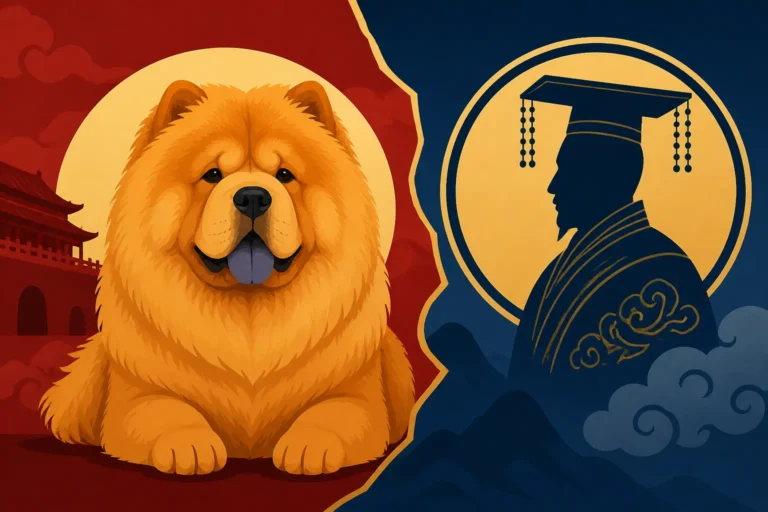
The Chow Chow's unique appearance, including its "scowl," is rooted deeply in its ancient history and original functions. Originating in China, these dogs were used for a variety of tasks, including guarding, hunting, and even pulling sleds. For a dog tasked with guarding property or acting as a formidable presence, an intimidating or serious facial expression could have been a beneficial trait. A dog that naturally looks formidable might deter intruders or predators without even having to act.
The breed standard for the Chow Chow explicitly describes its unique facial features, including the "scowl," or often referred to as a "puckered expression." For example, the American Kennel Club (AKC) standard refers to the "characteristic scowl," emphasizing that it's a desired and recognized feature, not a flaw. This means that generations of selective breeding have refined and maintained these specific anatomical traits that collectively create the scowl. It's a heritage feature, much like their blue-black tongue or stilted gait. This is part of What the Standard Means by a Chow Chow's Scowl.
The Difference Between Expression and Emotion
This is perhaps the most critical point: a Chow Chow's "scowl" is a static facial expression caused by their anatomy, not a dynamic one reflecting their current mood. While humans raise their eyebrows or furrow their brow to show anger or concern, a Chow Chow’s heavy brow and deep-set eyes create this look all the time. It's their resting face. This can be challenging for people who are used to more overtly expressive dogs like Golden Retrievers or Labradors, whose faces are often clear indicators of their feelings.
A Chow Chow can be perfectly happy, relaxed, or even playful, all while maintaining that stoic, scowling appearance. It’s important to learn to read their other body language cues – their tail, ears, posture, and overall demeanor – to understand their true emotional state. Relying solely on their facial expression can lead to misinterpretations, potentially causing misunderstandings or even problems if one assumes the dog is always grumpy or aggressive. Just like some people have a "resting bitch face," Chows have a "resting scowl face." Understanding How to Read a Chow Chow's Face goes beyond just looking at their eyes.
It’s also important to remember that while the scowl itself doesn't mean aggression, a Chow Chow, like any dog, can indeed feel uncomfortable or display signs of discomfort. These signs, however, will typically manifest through other body language cues, not just their fixed facial expression. A tucked tail, averted gaze (despite the deep set eyes), stiff posture, or a low growl are much more accurate indicators than their inherent "scowl." When shopping for supplies for your Chow, like special brushes for their dense coat or durable toys to keep them entertained, online retailers like Chewy often provide detailed product descriptions that can help you select items appropriate for their unique needs.
For example, a Chow Chow might exhibit Signs a Chow Chow Is Uncomfortable through yawning, lip licking, or turning their head away, even if their face still looks "scowling." These are the real signals to pay attention to, not their built-in facial architecture. Providing them with a comfortable and stimulating environment, perhaps with enrichment toys found on Chewy, can contribute to their overall happiness and well-being, regardless of their permanent expression. Just because they look stern doesn't mean they're not thrilled to chew on a new puzzle toy.
It can be a challenge for new owners to navigate these subtle cues, especially since Chow Chows are known for being quite independent and can be adept at How a Chow Chow Hides Pain. Therefore, learning to observe their whole body and their behavior patterns is key to truly understanding your Chow Chow, beyond their iconic, scowling visage. Finding a high-quality food or even specialty items for sensitive skin, often available through vendors like Chewy, can also ensure their comfort, which in turn influences their overall demeanor, regardless of their inherent "scowl."
Disclaimer
This article is for general informational purposes only and does not constitute professional advice. Laws, prices and regulations vary by location and change over time. Consult a qualified professional for guidance on your specific situation.