Whether a Chow Chow’s Nose Loses Pigment
It's quite startling to notice your beloved Chow Chow's usually dark, distinguished nose starting to lighten, isn't it? Many Chow Chow owners find themselves suddenly worried when their dog's nose pigment seems to fade, leaving patches of pink or a generalized pale hue. This guide is here to unravel the mystery behind nose depigmentation in Chow Chows, exploring both the harmless and the potentially concerning reasons, so you know exactly what to look for and when to seek veterinary advice.
Understanding the Chow Chow's Unique Nose Pigment
The Chow Chow is known for many distinctive features, and its dark, often black, nose is certainly one of them. This strong pigmentation is a breed standard and contributes to their magnificent appearance. However, just like human skin, a dog's nose pigment isn't always static. It can change for a variety of reasons, some completely benign and others indicative of an underlying health issue. It's important for us, as Chow Chow guardians, to understand these nuances.
The Standard Nose Color and Its Importance
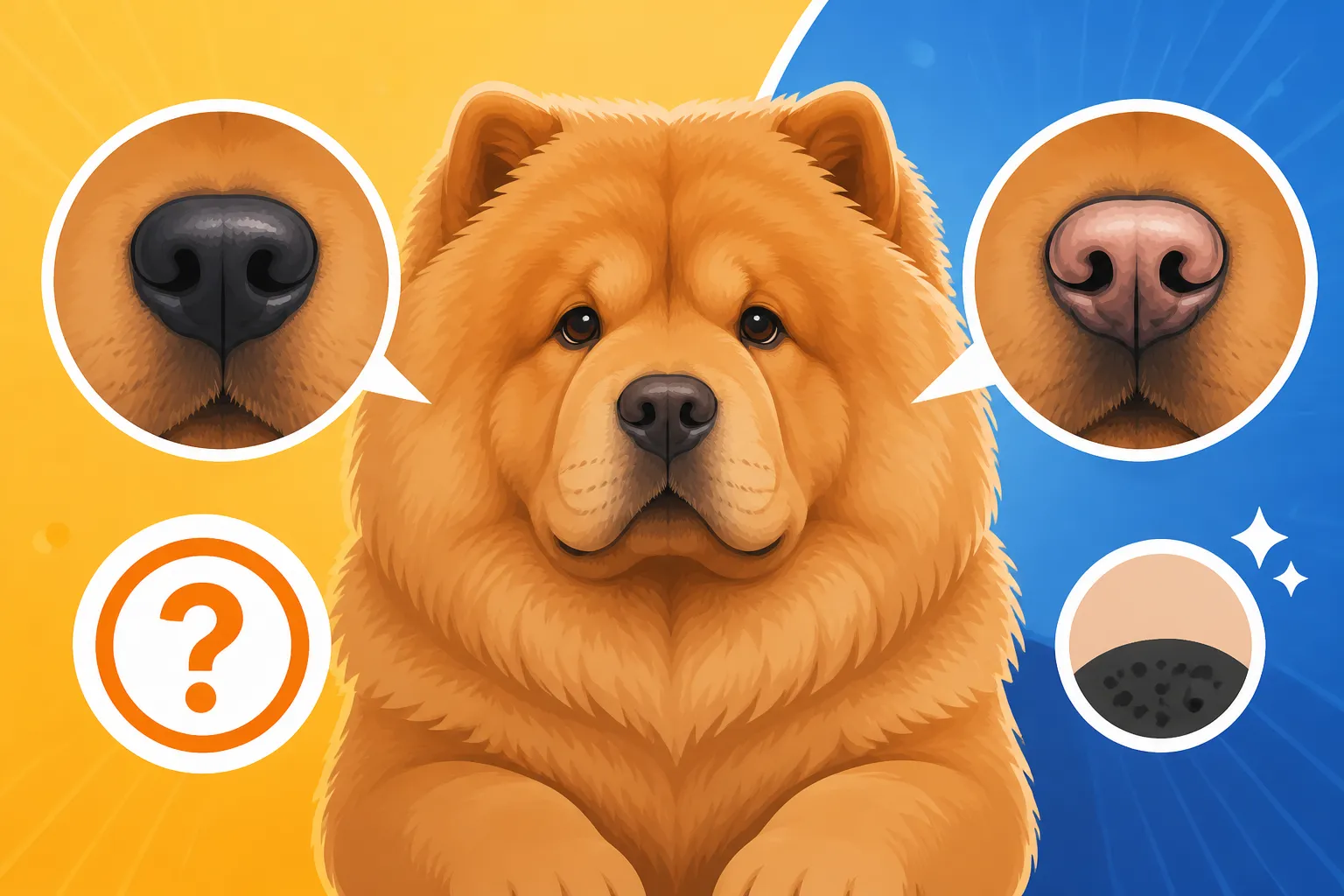
A healthy Chow Chow typically boasts a solid black nose, though blue Chow Chows might have a blue-gray nose, and cinnamon or cream Chows can sometimes have a self-colored nose that is still dark, often a dark brown or liver. This rich, uniform pigmentation is a sign of good health and is a key characteristic in the breed standard. The intensity of this color comes from melanin, the same pigment responsible for their distinctive blue-black tongues and deep eye color. When this melanin production falters or is interrupted, the nose color can change, leading to those worrying lighter patches. It’s not just about aesthetics; the nose leather is exposed and its condition can be a window into overall health.
Natural and Harmless Pigment Changes
Not every change in nose color is cause for alarm. There are several natural phenomena that can lead to a Chow Chow's nose losing some of its deep pigment temporarily or subtly. These are often seasonal or age-related, and understanding them can save you a lot of unnecessary worry.
"Snow Nose" or Seasonal Depigmentation
One of the most common and entirely harmless reasons a Chow Chow’s nose might lighten is a phenomenon often referred to as "snow nose" or seasonal depigmentation. This isn't unique to Chow Chows, but it's certainly something many owners observe. What happens is that the nose, which is typically dark black, will lighten to a brownish, pinkish, or even pale shade, particularly during the colder, darker months of winter. Then, almost as mysteriously as it appeared, the dark pigment returns in the spring and summer when there is more sunlight.
Researchers believe this is due to reduced melanin production during periods of less sunlight exposure. The enzyme tyrosinase, which is crucial for melanin synthesis, can be less active in colder temperatures or with less UV stimulation. So, if you notice your Chow Chow's nose getting a bit pinker in January and then darkening again by April, it's very likely just their personal version of "snow nose." It’s a completely benign condition and requires no treatment. It's just one of those quirks that reminds us how much our dogs' bodies react to their environment, much like we might notice our own skin tone change with the seasons.
Age-Related Fading
Just like humans develop grey hair, dogs can experience age-related pigment changes. As your Chow Chow enters its senior years, you might notice a general lightening of its nose pigment. This isn't usually a sudden, dramatic change but a gradual fading over time, often accompanied by the greying of the muzzle fur around their mouth and eyes. Think of it as a natural part of the aging process, much like those wisdom lines appearing around our own eyes.
The cellular mechanisms responsible for melanin production can simply become less efficient with age. This is perfectly normal and a common occurrence in many dog breeds, including the Chow Chow. If your Chow Chow is The Age a Chow Chow Is Considered Senior and you’re seeing this kind of gentle fading, especially without any other troubling symptoms, it's most likely just a sign of their distinguished maturity. This kind of depigmentation usually doesn't affect their health or comfort in any way.
When Nose Pigment Loss Signals a Health Issue
While some pigment changes are harmless, there are specific instances where a Chow Chow's nose losing pigment can be a red flag. These situations usually involve other symptoms, or the depigmentation itself is more extensive, sudden, or irregular. It's crucial for owners to differentiate between the benign "snow nose" and more serious underlying health conditions.
Autoimmune Diseases Affecting Pigment
One of the more concerning reasons for nose depigmentation in a Chow Chow can be an autoimmune condition. In these cases, the dog's immune system mistakenly attacks its own healthy cells, including those responsible for pigment production. These conditions can be serious and often require veterinary intervention.
Pemphigus Foliaceus
Pemphigus Foliaceus is an autoimmune skin disease that can manifest in various ways, and depigmentation of the nose is one of them. For a Chow Chow owner, noticing this can be particularly distressing because the nose might not just lose pigment, but it can also become crusty, flaky, or even ulcerated. You might see small pustules or scabs forming, particularly around the nostrils, on the bridge of the nose, and sometimes extending to the eyelids or paw pads. If you’re seeing these types of lesions along with pigment loss, it’s a strong indicator that something more than just "snow nose" is going on.
This condition is an autoimmune disease in a Chow Chow where the immune system targets the junctions between skin cells. It can be painful and itchy for your dog, leading to discomfort and potentially secondary infections if left untreated. It's not uncommon for Chow Chows to experience autoimmune issues, and this is certainly one to be vigilant about. Early diagnosis is key to managing this condition effectively. For more detail, you might want to read about What Pemphigus Foliaceus Does to a Chow Chow and Signs a Chow Chow Has an Autoimmune Skin Disease.
Discoid Lupus Erythematosus (DLE)
Another autoimmune condition that frequently affects the nose is Discoid Lupus Erythematosus (DLE), often considered a benign form of systemic lupus. DLE primarily targets the skin of the face, especially the nose. You'll typically see a loss of normal nose pigment, which usually starts as a fading from black to grey or pink. Beyond just depigmentation, the texture of the nose can change dramatically. It might become smooth, shiny, and lose its characteristic cobblestone appearance. In more severe cases, the nose can ulcerate, crack, or crust, leading to bleeding and discomfort for the dog.
Chow Chows, with their deep-set eyes and sometimes wrinkled muzzles, can sometimes have early signs of DLE mistaken for other issues. The lack of distinct pustules often seen with Pemphigus can help differentiate it, but ultimately a vet will need to perform diagnostics. Sun exposure can significantly worsen DLE, so protecting your Chow Chow's nose from direct sunlight is crucial if this is suspected. If your Chow Chow's nose suddenly loses its texture along with color, and maybe even Whether a Chow Chow's Nose Sunburns easily, DLE is a strong possibility.
Vitiligo
Vitiligo is another autoimmune condition, but it primarily affects only the pigment-producing cells (melanocytes), without typically causing inflammation or lesions. In dogs with vitiligo, irregular patches of skin and hair, including the nose, suddenly lose pigment and turn white. The affected areas are otherwise healthy. It’s a purely cosmetic condition and does not typically affect the dog's overall health or comfort. While not as common in Chow Chows as in some other breeds like Rottweilers or Dobermans, it can still occur. If your Chow Chow develops stark white patches on their nose or muzzle without any other skin issues, vitiligo might be the culprit.
Other Medical Causes for Depigmentation
Beyond autoimmune diseases, several other medical conditions, ranging from relatively minor to more significant, can cause a Chow Chow's nose to lose its pigment.
Contact Dermatitis
Imagine your dog sniffing around the garden or eating from a new plastic bowl, and suddenly their nose starts to lighten or become irritated. This could be contact dermatitis. Just like humans can get a rash from touching certain plants or metals, dogs can react to allergens or irritants they come into contact with. Plastic food bowls are a common culprit for contact allergies, as some dogs react to the dyes or chemicals in the plastic. Similarly, certain plants, fertilizers, or even strong cleaning agents could trigger a reaction.
The pigment loss from contact dermatitis is usually accompanied by redness, itching, or small bumps on the affected area. The depigmentation might appear patchy or along the edges of the nose where contact is most frequent. Switching to stainless steel or ceramic bowls is often the first step in diagnosing and treating suspected contact dermatitis around the muzzle. If you notice signs a Chow Chow has skin allergies, this is definitely something to consider.
Nutritional Deficiencies
While less common with modern, balanced dog foods, severe nutritional deficiencies can sometimes contribute to coat and skin issues, including depigmentation. Zinc deficiency, for instance, can lead to a condition called zinc-responsive dermatosis, which often affects the skin around the eyes, mouth, and nose. This can cause crusting, scaling, and sometimes a loss of pigment in these areas.
If your Chow Chow is on a diet that isn't complete and balanced, or if they have an underlying health issue affecting nutrient absorption, it's possible their nose pigment could suffer. However, this is relatively rare in well-fed dogs in developed countries. A balanced diet is always important for a Chow Chow's overall health, contributing to everything from coat quality to joint health, crucial given that Elbow Dysplasia Ranks the Chow Chow Near the Top.
Infections
Fungal or bacterial infections, although usually presenting with other more obvious skin symptoms, can sometimes cause localized depigmentation. For example, ringworm (a fungal infection, despite its name) can cause patchy hair loss, scaling, and sometimes depigmentation. Bacterial skin infections (pyoderma) can also create inflamed areas that, once healed, might leave behind lighter patches of skin or a loss of pigment. These infections are typically itchy or sore, and you’ll likely see redness, pustules, or hair loss alongside any pigment changes. It's often accompanied by your dog frequently rubbing or scratching their nose.
Trauma or Sunburn
Any injury to the nose, such as a scrape, burn, or even severe sunburn, can temporarily or permanently disrupt the pigment-producing cells in that area. Once the skin heals, it might grow back without its original dark pigmentation, leaving a pink scar. Chow Chows, especially those with already lightening noses or certain autoimmune conditions, can be susceptible to sunburn. Just like people, dogs can get sunburnt, and a severely burnt nose can lead to blistering, pain, and subsequent depigmentation. Taking steps to protect your Chow Chow from prolonged sun exposure, especially during peak hours, is always a good idea, particularly if their nose is already sensitive. This is especially important for a breed that already struggles with Heat Is the Chow Chow's Most Immediate Danger.
When to Seek Veterinary Advice
It's natural to observe changes in your Chow Chow, but knowing when a change warrants a trip to the vet versus simply monitoring it can be tricky. When it comes to nose depigmentation, there are clear indicators that suggest it's time for professional input.
Key Signs that Warrant a Vet Visit
Don't panic at the first hint of a pink spot, but do pay close attention to the context. A few specific signs should prompt you to schedule an appointment with your veterinarian.
Accompanying Skin Changes or Discomfort
If the pigment loss on your Chow Chow’s nose isn't just a color change but also involves alterations in skin texture, that’s a significant clue. Look for crusting, scabbing, bleeding, peeling, or ulceration. Is the nose raw or painful to the touch? Is your dog rubbing or scratching their nose excessively? Are there pustules or blisters? These symptoms strongly suggest an underlying inflammatory or autoimmune process rather than a benign seasonal change. For example, if you notice the cobblestone texture of their nose fading and becoming smooth and shiny, or if there are any open sores, these are urgent signs. These changes, especially with accompanying discomfort, are strong indicators of conditions like Pemphigus Foliaceus or Discoid Lupus Erythematosus and should be investigated immediately.
Sudden or Rapid Onset
While age-related fading and "snow nose" tend to be gradual and predictable, a sudden or rapid loss of pigment over days or a few weeks is more concerning. If your Chow Chow's nose went from perfectly dark to noticeably pink in a short period, it's worth a vet check. This sudden shift can indicate an acute inflammatory response, an allergic reaction, or the rapid progression of an autoimmune condition. It's the abruptness of the change that often signals a more active process at play that needs medical attention.
Generalized or Spreading Depigmentation
If the depigmentation isn't confined to just the nose but is also appearing on other parts of the face, around the eyes, on the lips, or even on the paw pads, it suggests a more systemic issue. While vitiligo can cause widespread depigmentation without health implications, other conditions like Pemphigus Foliaceus can also affect these areas, often with painful lesions. Any spreading of the pigment loss, especially if accompanied by other skin issues, requires a thorough veterinary examination to rule out or diagnose more serious autoimmune diseases or other systemic problems. The vet will be looking for patterns and distribution to help narrow down the cause.
The Diagnostic Process at the Vet
When you bring your Chow Chow in for nose depigmentation, your veterinarian will likely follow a structured diagnostic process to get to the bottom of the issue. Be prepared to provide a detailed history of when you first noticed the change, any other symptoms, and your dog's diet and environment.
Initial Examination and History
The vet will start with a comprehensive physical examination, paying close attention to the nose, surrounding facial skin, and other areas that might be affected, such as paw pads and mucous membranes. They’ll be looking for signs of inflammation, crusting, ulceration, or changes in texture. They will also ask you a series of questions:
- When did you first notice the pigment loss?
- Has it been gradual or sudden?
- Are there any other symptoms (itching, pain, lethargy, changes in appetite)?
- What is your Chow Chow’s diet?
- Have there been any recent changes to their environment or routine?
- Does your dog spend a lot of time in the sun?
- Has your dog been exposed to any new chemicals or plants?
This detailed history is incredibly important, as it helps the vet narrow down potential causes, from benign "snow nose" to more serious conditions. It's also a good time to discuss your Chow Chow's overall health and any other concerns, such as What Autoimmune Thyroiditis Does to a Chow Chow as sometimes systemic issues can have skin manifestations.
Diagnostic Tests
Depending on their initial findings, your vet might recommend specific diagnostic tests:
- Skin Scrapes and Cytology: To check for parasites (like mites) or microbial infections (bacterial or fungal). This involves gently scraping the surface of the skin or pressing a slide onto an affected area to collect cells for microscopic examination.
- Fungal Culture: If a fungal infection like ringworm is suspected, a sample of hair and skin will be sent to a lab to grow any present fungi.
- Biopsy: This is often the most definitive test, especially when an autoimmune disease is suspected. A small piece of the affected nose tissue is surgically removed under local or general anesthesia and sent to a specialized lab for histopathological examination. The pathologist can then identify specific cellular changes indicative of conditions like Pemphigus Foliaceus or DLE. This is typically the go-to if the vet suspects a serious autoimmune issue.
- Bloodwork: While not directly diagnosing nose depigmentation, general bloodwork (e.g., a complete blood count and chemistry panel, a thyroid panel if Signs a Chow Chow's Thyroid Is Low are present) can assess your dog's overall health and rule out systemic illnesses or nutritional deficiencies that might be contributing to the problem. What a Chow Chow's Yearly Bloodwork Should Cover is a topic many owners are interested in to maintain overall health.
This thorough approach helps ensure an accurate diagnosis, which is crucial for determining the most effective treatment plan.
Managing Nose Depigmentation in Your Chow Chow
Once a diagnosis is made, the management plan will vary greatly depending on the underlying cause. Some conditions require medication, while others might simply need environmental adjustments or time.
Treatment Based on Diagnosis
Effective management of nose depigmentation hinges entirely on the accurate diagnosis. A treatment that works for one cause might be ineffective or even harmful for another.
Autoimmune Conditions
If an autoimmune disease like Pemphigus Foliaceus or Discoid Lupus Erythematosus is diagnosed, treatment often involves immunosuppressive medications.
- Corticosteroids: Prednisone is a commonly prescribed corticosteroid that helps suppress the overactive immune system. The dose is usually started high to get the disease under control and then gradually tapered to the lowest effective dose to minimize side effects. Your vet will monitor your Chow Chow closely during this process.
- Other Immunosuppressants: In some cases, especially if corticosteroids aren't fully effective or if side effects are too severe, other immunosuppressive drugs like azathioprine or cyclosporine might be used, often in combination with steroids. These medications can help reduce the amount of steroid needed.
- Topical Treatments: For localized lesions, topical corticosteroid ointments or tacrolimus cream might be prescribed to apply directly to the affected areas, reducing inflammation and promoting healing.
- Sun Protection: For DLE, strict sun avoidance is critical. This means limiting walks during peak sun hours (10 AM to 4 PM), using dog-specific sunscreens on the nose (if recommended by your vet), or even having your Chow Chow wear a lightweight visor or hat when outside. You might recall How Sun Worsens a Chow Chow's Pemphigus, making sun protection a general good practice for these conditions.
It's important to remember that autoimmune diseases are often lifelong conditions that require ongoing management and regular veterinary check-ups. They cannot be cured, but they can be effectively controlled to give your Chow Chow a good quality of life.
Contact Dermatitis and Allergies
If contact dermatitis is identified, the primary treatment involves removing the offending irritant or allergen. This often means:
- Changing Bowls: Switching from plastic food and water bowls to stainless steel, ceramic, or glass.
- Environmental Cleanup: Identifying and removing any potential irritating plants, chemicals, or substances your Chow Chow might be rubbing their nose against.
- Medication for Symptoms: For acute flair-ups, your vet might prescribe a short course of antihistamines or topical corticosteroids to reduce itching and inflammation while the allergen is being removed.
- Hypoallergenic Diet: If a food allergy is suspected as a broader cause of skin sensitivities, your vet might recommend a limited ingredient or hydrolyzed protein diet. This is a common strategy to identify and manage What a Chow Chow Is Most Often Allergic To.
Infections
Bacterial infections will typically be treated with a course of oral antibiotics, sometimes for several weeks. Topical antibacterial ointments might also be prescribed. Fungal infections, like ringworm, require antifungal medications, which can be oral, topical, or a combination of both. It's crucial to complete the entire course of medication, even if symptoms improve quickly, to ensure the infection is fully cleared and prevent recurrence.
Supportive Care and Prevention
Beyond specific treatments, supportive care plays a vital role in managing nose depigmentation and preventing future issues.
Sun Protection
Regardless of the underlying cause, protecting your Chow Chow's depigmented nose from the sun is almost always a good idea. Lighter skin, whether human or canine, is more susceptible to sunburn and UV damage. This means:
- Shade: Encourage your Chow Chow to rest in shady areas when outdoors.
- Timing Walks: Schedule walks during cooler, less sunny times of the day, like early morning or late evening. This is especially critical for a breed that already struggles with heat, as The Hour of Day a Chow Chow Should Be Walked should always consider the sun.
- Dog-Specific Sunscreen: Consult your vet about safe, dog-specific sunscreens to apply to your Chow Chow's nose, especially if they are frequently outdoors. Never use human sunscreen without veterinary approval, as many contain ingredients toxic to dogs.
Regular Monitoring
Keep a close eye on your Chow Chow's nose and overall health.
- Daily Checks: A quick daily check of their nose for any new lesions, increased redness, or changes in texture can help you catch problems early.
- Photography: Taking weekly or monthly photos of your Chow Chow's nose can be a helpful way to track changes over time and share them with your vet. This provides objective evidence of progression or improvement.
- Prompt Vet Visits: If you notice any concerning new symptoms or if the condition worsens despite treatment, don't hesitate to contact your veterinarian. Early intervention is key for many conditions affecting pigment. Pet insurance, such as through Healthy Paws, can be incredibly beneficial in covering unexpected vet visits and diagnostic tests for such conditions, helping you provide the best care without financial stress.
Understanding the various reasons behind nose depigmentation in your Chow Chow empowers you to distinguish between harmless quirks and signs that need professional attention. Always err on the side of caution and consult your veterinarian if you have any doubts.
Disclaimer
The information provided in this guide is intended for educational purposes only and should not be considered a substitute for professional veterinary advice. Always consult with a qualified veterinarian for any health concerns or before making any decisions related to your pet's health and treatment.