Why a Chow Chow’s Dense Coat Hides Skin Disease
That magnificent, dense coat is truly the Chow Chow's crowning glory, but it's also a master at hiding secrets, especially when it comes to skin problems. It's incredibly frustrating when you suspect something's off – maybe excessive scratching or a change in smell – but you just can't get a good look underneath all that luxurious fluff. This guide is here to help you understand why their unique double coat makes detecting skin conditions such a challenge, what specific signs to watch for, and how to be proactive in keeping your Chow Chow’s skin healthy.
The Dual Nature of the Chow Chow's Lavish Coat
The Chow Chow's coat, whether rough or smooth, is a marvel of natural engineering, perfectly adapted to their origins in harsh climates. But what makes it so effective at keeping them warm and protected also makes it an excellent camouflage for underlying issues. Understanding the structure of this coat is the first step in appreciating why skin problems are so easily missed.
The Dense Double Layer
A Chow Chow’s coat isn't just one layer of hair; it's a sophisticated system comprising two distinct types. First, there's the harsh, straight outer coat, sometimes called guard hairs. This layer is coarse and designed to repel water and dirt, acting like a protective shield against the elements. Beneath this lies the undercoat, a wonderfully soft, dense, and woolly layer that provides incredible insulation. This undercoat can be incredibly thick, almost like a felted blanket, particularly on rough-coated Chows.
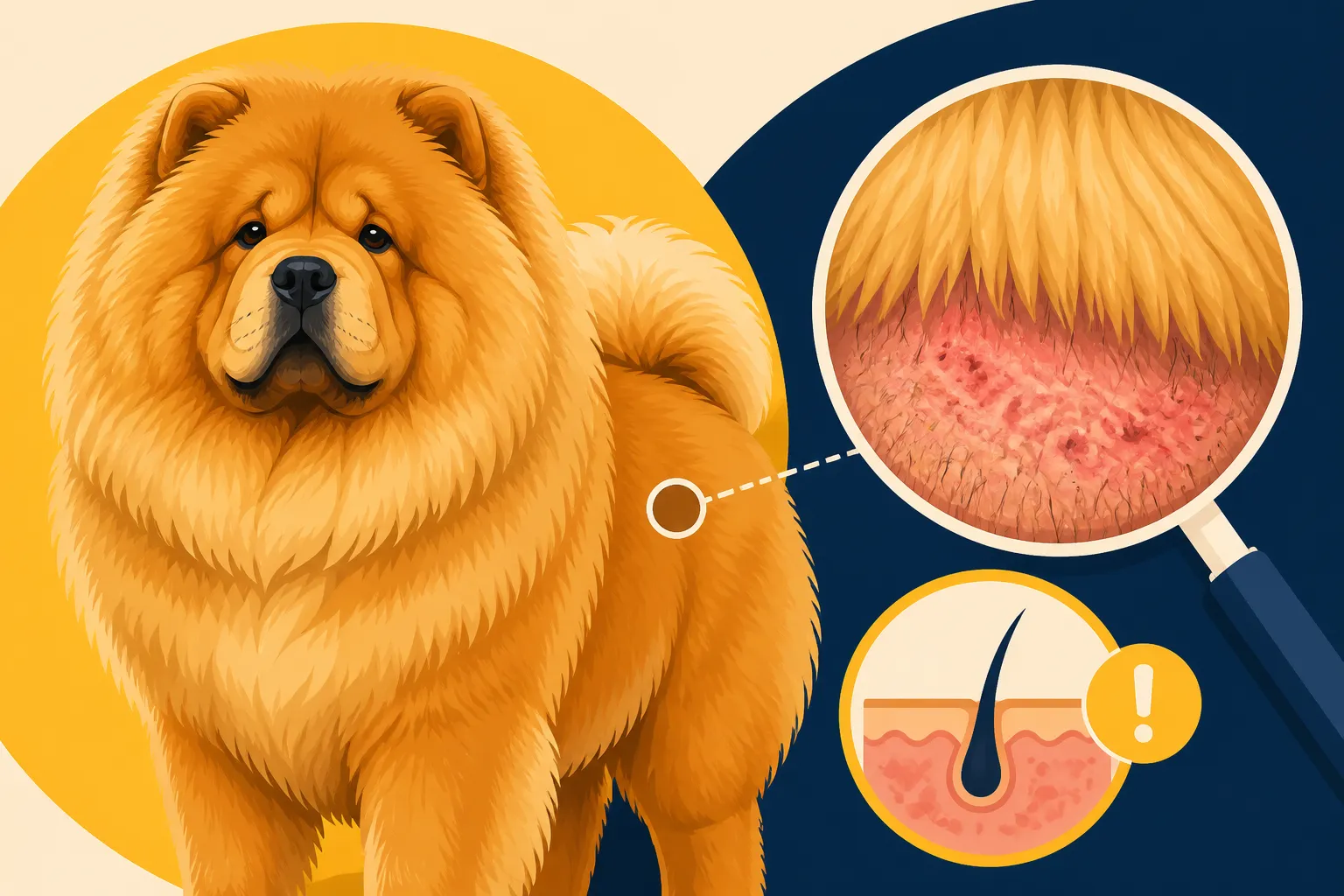
Imagine trying to find a small bruise or rash on your own skin if you were wearing a thick wool sweater and a heavy winter coat over it. That’s essentially the challenge facing a Chow Chow owner. The outer guard hairs might appear perfectly normal, laying flat and looking healthy, while underneath, a hot spot could be brewing, or an allergic reaction causing widespread irritation. This dual-layer system means that visual inspection alone is often insufficient, and you need to get your hands deep into the coat to truly assess what's happening at skin level. The sheer volume of hair creates a barrier that simply obscures the skin from view. This dense layering also means that air circulation can be limited close to the skin, creating a microclimate that can sometimes exacerbate certain skin issues. We delve deeper into the specific grooming needs for each type in our guide, Rough or Smooth: the Two Chow Chow Coats and What Each Needs.
The Challenges of Detecting Issues Visually
Because of this profound density, many common signs of skin disease are simply invisible to the naked eye until they become quite advanced. You can't just part the fur easily and glance at the skin the way you might with a short-haired breed. Redness, pustules, dry flakes, or even small bumps can remain hidden for days or even weeks. By the time these issues become visible – perhaps through an area of matted fur, excessive shedding in a localized spot, or a distinct foul odor – the problem has often progressed significantly, making it harder and more expensive to treat.
For instance, a tiny scratch that would be immediately noticeable on a Doberman's sleek coat could fester and become a full-blown infection on a Chow Chow before you even realize it's there. The coat traps moisture and heat against the skin, creating an ideal environment for bacteria or yeast to thrive once an irritation begins. This is why it’s so critical for Chow Chow owners to adopt a hands-on approach to their dog’s health, relying less on what they can see and more on what they can feel and smell. The beautiful ruff and thick britches, while characteristic, are also notorious hiding spots.
Common Skin Ailments That Hide Beneath the Fluff
Chow Chows are susceptible to a range of skin conditions, some of which are particularly challenging to detect due to their coat structure. Being aware of these common issues can help you be more vigilant and recognize subtle signs that might otherwise be dismissed.
Allergies and Secondary Infections
Like many breeds, Chow Chows can suffer from environmental allergies (atopy) or food allergies. The frustrating part is that the intense itching and inflammation they cause are often hidden. Your Chow Chow might be scratching incessantly, but the thick coat masks the resulting redness, rashes, or tiny scabs. Often, the first thing owners notice isn't the rash itself, but secondary issues like a sudden increase in licking of paws or specific body parts, or a change in their dog's scent.
When a Chow Chow scratches or licks excessively, they can break the skin, allowing bacteria or yeast to take hold, leading to a secondary infection. These infections can develop into what are commonly known as "hot spots" – moist, red, painful skin lesions that appear almost overnight. Because the coat holds moisture close, these hot spots can spread rapidly and become quite severe before they're discovered. It’s a vicious cycle where the initial itch leads to trauma, which then leads to infection, all hidden under the impressive fur. If you notice persistent scratching or chewing, even if you can't see anything, it’s worth considering Whether a Chow Chow Gets Skin Allergies and scheduling a vet visit.
Autoimmune Skin Diseases
Chow Chows are predisposed to certain autoimmune diseases, such as Pemphigus Foliaceus. This condition causes the immune system to attack the skin, leading to pustules, crusts, and hair loss. Again, the dense coat makes early detection incredibly difficult. These lesions might start small and spread across the body, often beginning on the face, ears, or paw pads, but they can be easily obscured. By the time hair loss becomes evident, the disease may have progressed significantly, requiring more aggressive treatment.
Observing changes in paw pads, which might appear crusty or swollen, or noticing an unusual scabbing around the muzzle or ear edges, can be crucial for early diagnosis. Owners might only notice their dog seems uncomfortable, or perhaps there's a subtle flaking in a usually smooth area that feels different during petting. Conditions like What Pemphigus Foliaceus Does to a Chow Chow require prompt veterinary attention and a thorough diagnostic process, often involving skin biopsies. These are serious conditions where early intervention can significantly improve the outcome and quality of life for your pet.
Endocrine Issues Affecting Skin and Coat
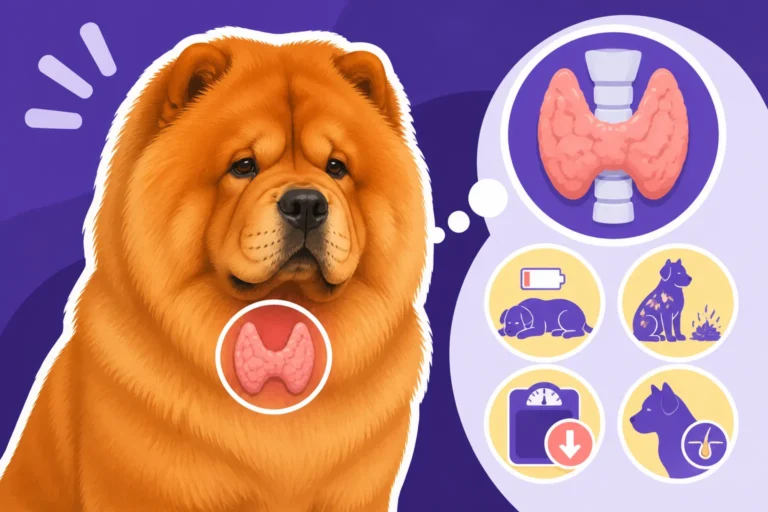
Hypothyroidism, a common condition in Chow Chows where the thyroid gland doesn't produce enough hormones, often manifests with dermatological symptoms. These can include a dull, dry, brittle coat, thinning hair (especially on the flanks and tail), hyperpigmentation of the skin, and recurrent skin infections. The problem is, these subtle changes are easily masked by the sheer volume and natural texture of a Chow's coat. A slight dullness might be written off as seasonal shedding, or thinning hair might be difficult to spot amidst the dense undercoat.
You might notice more significant shedding than usual, but without getting hands-on, you won’t see the underlying dry skin or darkened patches. Weight gain, lethargy, and cold intolerance are other signs of hypothyroidism, but skin changes are frequently an early indicator that goes unnoticed. If you observe any of Signs a Chow Chow's Thyroid Is Low, or other general lethargy and weight gain, it's wise to have their thyroid tested, which we discuss in When a Chow Chow's Thyroid Should Be Tested. These types of systemic issues often have their first visible signs in the skin and coat, making diligent inspection paramount.
Becoming a Detective: How to Spot Trouble When You Can't See It
Since visual inspection is often inadequate, Chow Chow owners must become adept at other detection methods. This involves a combination of regular hands-on checks, keen observation of behavior, and attention to subtle sensory cues.
The Power of Touch: Daily Pat-Downs and Brushing
Your hands are your best tools for early detection. Make a habit of performing a daily "pat-down" or thorough petting session where you systematically run your hands over your Chow Chow’s entire body, feeling the skin beneath the fur. Pay close attention to any bumps, lumps, scabs, tenderness, heat, or changes in texture. This is especially important during your regular grooming sessions. When brushing your Chow Chow, ensure you are not just skimming the surface but getting all the way down to the skin, using tools like a slicker brush and a sturdy comb to line brush. We’ll delve into the specific type of brushing needed in our article, Brushing a Chow Chow's Mane Down to the Skin.
Areas that often hide problems include the armpits, groin, between the paw pads, under the ruff around the neck, and beneath the tail. These are moist, warm areas where skin irritations and infections can easily take root. Feel for anything out of the ordinary – a small crust, a sticky patch, or even just an area that feels unusually warm. This tactile inspection should be a calming, positive experience for your dog, perhaps accompanied by treats, so they associate it with positive attention rather than discomfort. This way, they're more likely to tolerate it, and you're more likely to be thorough.
Olfactory Clues: Don't Ignore the Smell
Your nose is another invaluable diagnostic tool. Healthy dogs, including Chow Chows, have a natural doggy scent that shouldn't be overly strong or unpleasant. A sudden or persistent foul odor, especially one that is yeasty, sweetish, or distinctly "off," can be a significant indicator of a hidden skin problem. This smell often emanates from bacterial or yeast infections that thrive in moist, warm, and irritated skin. The dense coat can trap these odors, making them more noticeable to you.
If you catch a whiff of something unpleasant, try to pinpoint the area. It might be coming from deep within the armpit, from around the ears (which also have a tendency to hide issues due to their small, rounded shape and potential for limited airflow), or from the groin. A persistent foul odor can be a tell-tale sign of a hidden infection or even developing How Often a Chow Chow Gets Hot Spots. Sometimes, the odor might even be the very first sign you get that something is amiss, long before any visible changes appear or your dog shows outward signs of discomfort.
Behavioral Changes: The Subtle Cues
Chow Chows are known for their stoic and somewhat aloof nature. They don't always wear their discomfort on their sleeve (or fur, in this case). This means you need to be extra vigilant about subtle changes in their behavior. Increased scratching, licking, or chewing, even if it seems intermittent, can indicate underlying irritation. A Chow Chow might also rub against furniture, excessively scoot their rear, or even become more agitated or withdrawn if they are experiencing chronic skin discomfort.
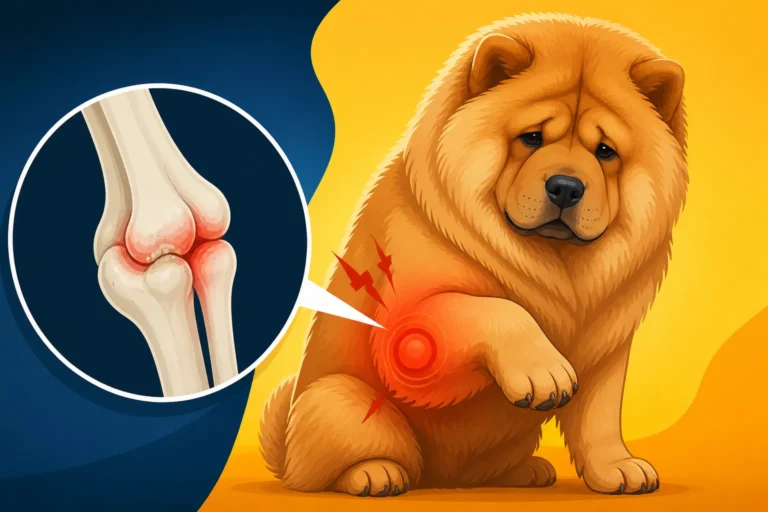
Watch for subtle shifts during normal activities. Do they seem to chew at their paws more often after a walk? Do they react with a flinch or a growl when you touch a particular area during petting that they usually enjoy? Are they more restless at night, shifting positions frequently? Any of these behavioral changes, even if slight, could be their way of communicating that their skin is bothering them. For instance, a subtle limp or tenderness might indicate issues such as What Elbow Dysplasia Does to a Chow Chow, but even that can be caused by secondary skin infections in the armpit area. Keep a mental log of any new or exaggerated behaviors, as these can provide crucial clues for your veterinarian.
Proactive Care and Professional Partnerships
Being proactive with your Chow Chow’s skin health requires a multi-faceted approach, combining diligent home care with regular professional support.
The Role of Regular Grooming
Consistent, thorough grooming is perhaps the single most important preventative measure for a Chow Chow's skin health. This isn't just about making them look pretty; it's a vital health check. Regular brushing, at least 2-3 times a week (more during shedding season), helps to remove loose undercoat, prevent matting, and allows for better air circulation to the skin. Matts can pull on the skin, causing pain and creating pockets where moisture and debris get trapped, leading to infections.
During these grooming sessions, you have the perfect opportunity to perform your tactile inspections. Use a high-velocity dryer after baths to ensure your Chow is completely dry, right down to the skin, which is crucial for preventing moisture-related issues. Remember, even during bath time, it’s vital to ensure they are Why a Chow Chow Must Be Dried to the Skin to prevent moisture-related skin problems. Professional groomers experienced with double-coated breeds like Chow Chows are invaluable. They have the tools and expertise to properly de-shed and dry the coat, and they are often the first to spot subtle skin issues because they handle many dogs and know what to look for. They understand that Why a Groomer Charges More for a Matted Chow Chow isn't just about time, but about the delicate and often painful process of detangling.
Regular Veterinary Check-ups and Diagnostics
Even with the most diligent home care, professional veterinary oversight is essential. Regular wellness exams provide your vet with opportunities to conduct a thorough physical examination, including a deep dive into the coat and skin. Don't hesitate to bring up any concerns, no matter how minor they seem. If you suspect an issue, your vet might recommend diagnostic tests such as skin scrapings, cytology, or blood work to identify the underlying cause.
Early diagnosis is key, especially with conditions that can be persistent or progressive. Your vet can also advise on appropriate shampoos, conditioners, or supplements that support skin health. Sometimes, a seemingly minor issue can be a symptom of a larger, systemic problem, such as an endocrine imbalance. For example, Signs a Chow Chow's Thyroid Is Low can include skin and coat changes that are easily missed. This meticulous process is also why it's so important to be proactive about testing for genetic predispositions, as outlined in What a Chow Chow Breeder Should Have Tested.
Diet, Supplements, and Environmental Control
A high-quality, balanced diet is fundamental to healthy skin and coat. Ensure your Chow Chow is eating appropriate dog food that meets their nutritional needs. Some dogs benefit from omega-3 fatty acid supplements, like fish oil, which can improve skin barrier function and reduce inflammation. Always consult your vet before adding supplements to your dog's diet.
Environmental control can also play a significant role, particularly for Chows with allergies. This might involve using air purifiers, frequent vacuuming, or wiping your dog’s paws after outdoor excursions to reduce allergen exposure. During warmer months, ensure your Chow Chow doesn't overheat, as excess moisture from sweat combined with their dense coat can exacerbate skin issues. We discuss how to manage their unique needs in Why a Chow Chow's Double Coat Traps Heat. You'll also want to know What an Adult Chow Chow Should Weigh to help ensure they aren't carrying extra pounds that could exacerbate skin issues by creating more skin folds prone to irritation.
The Value of Pet Insurance
Considering the potential for hidden skin issues and the often-costly diagnostic and treatment protocols, pet insurance can be a real lifesaver for Chow Chow owners. Policies from providers like Healthy Paws, for example, can help cover unexpected veterinary bills for chronic skin conditions, allergies, or even more serious autoimmune diseases. Given that skin problems can be notoriously difficult to pinpoint and treat, often requiring multiple vet visits, medications, and specialized care, having insurance can alleviate a significant financial burden.
It’s certainly an investment, but many owners find the peace of mind worth it, knowing they can make treatment decisions based on their Chow Chow's needs rather than their wallet. It allows you to pursue necessary diagnostics and treatments without hesitation, ensuring your beloved companion gets the best possible care for conditions that might otherwise become financially overwhelming. It's an important consideration for any Chow Chow owner, especially given their predispositions to certain health challenges.
| Symptom Observed (Behavioral/Sensory) | Potential Hidden Skin Issue | Recommended Action |
|---|---|---|
| Excessive Scratching/Licking/Chewing | Allergies, Hot Spots, Parasites, Infection | Vet visit for diagnosis, possible medication/diet change |
| Persistent Foul Odor | Bacterial/Yeast Infection, Hot Spot | Thorough coat inspection, vet visit for localized treatment |
| Head Shaking/Ear Rubbing | Ear Infection, Yeast Overgrowth | Vet check for ear canal, cleaning/medication |
| Restlessness/Agitation | Chronic Itching, Painful Lesion | Vet visit to identify source of discomfort |
| Dull/Brittle Coat, Localized Hair Loss | Hypothyroidism, Autoimmune Disease, Nutritional Deficiency | Vet visit for bloodwork/skin biopsy |
| Small Bumps/Scabs (felt, not seen) | Insect Bites, Folliculitis, Allergic Reaction | Monitor, vet visit if persistent or spreading |
| Changes in Paw Pad Texture (crusty/swollen) | Pemphigus, Zinc Responsive Dermatosis, Allergies | Vet visit, especially if accompanied by lameness |
Disclaimer
The information provided in this article is for educational and informational purposes only, and does not constitute veterinary advice. Always consult with a qualified veterinarian for any health concerns or before making any decisions about your pet's health or treatment.