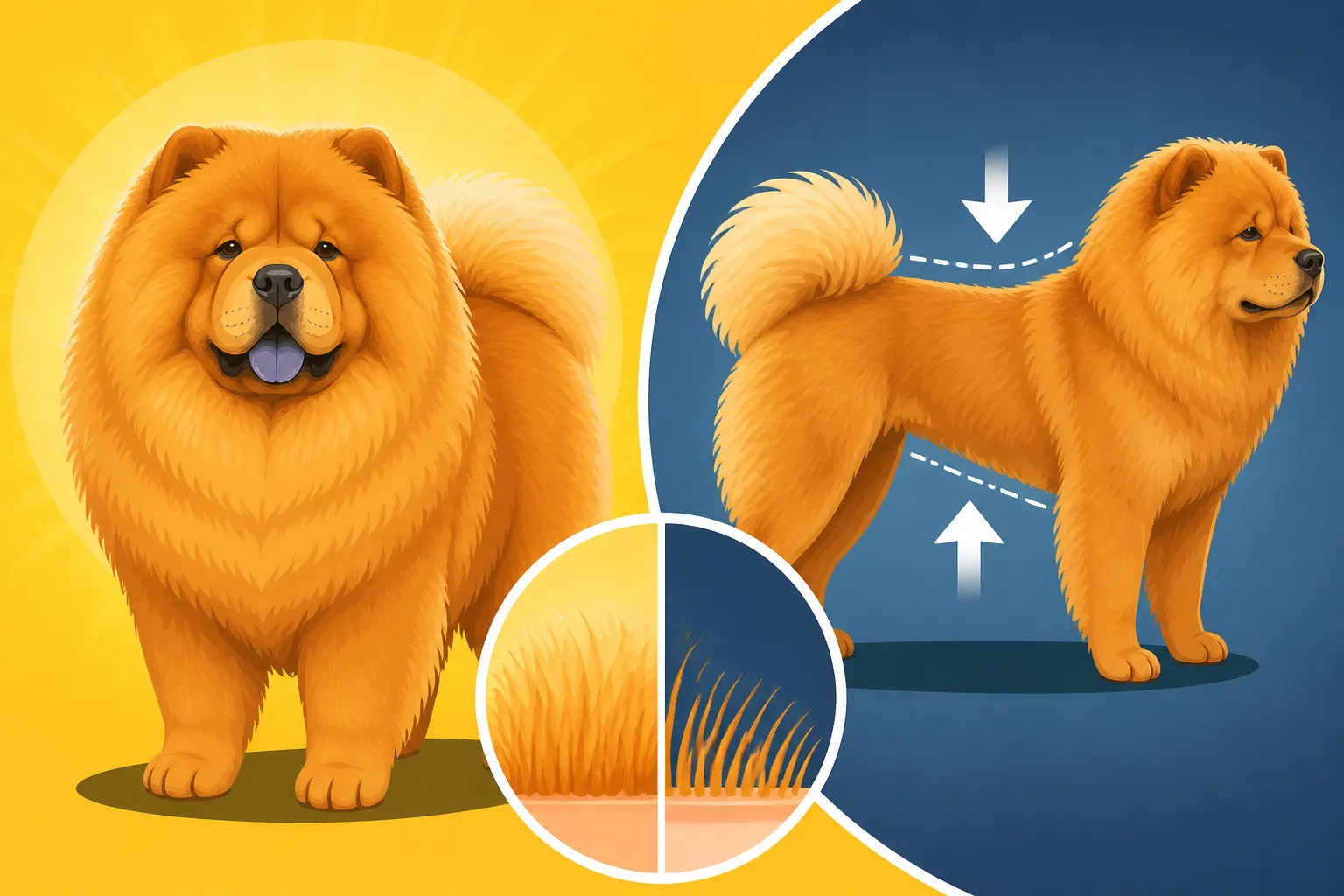
How a Chow Chow’s Coat Hides Weight Loss
It’s a frustrating reality for many Chow Chow parents: you look at your fluffy companion, all majestic mane and dense fur, and wonder if they’re truly as healthy and robust as they appear. Their incredible double coat, while beautiful, is a master of disguise, making it incredibly difficult to spot subtle changes in body condition, especially weight loss. This comprehensive guide is here to help you understand why their coat is such a brilliant camouflage and, more importantly, equip you with the practical strategies to accurately monitor your Chow Chow's weight and catch potential health issues long before they become emergencies.
The Deceptive Double Coat: Why Chows Are So Hard to Read
The Chow Chow's distinctive appearance is undeniably charming, making them look like a cuddly lion or a giant teddy bear. But this very feature, their luxurious coat, is the primary reason why noticing weight loss in these dogs is such a challenge. Unlike breeds with short, sleek fur where a protruding rib or hip bone immediately signals concern, a Chow Chow’s robust fluff conceals everything.
Understanding the Chow Chow's Unique Fur Structure
A Chow Chow’s coat isn't just one layer; it’s a magnificent double coat designed to protect them from extreme temperatures, both hot and cold. You have the dense, woolly undercoat, which acts as incredible insulation, and then the coarser, longer outer guard hairs that give them their signature texture and volume. This combination creates an almost impenetrable barrier, visually speaking, between their true body shape and what you perceive. Think of it like a very thick, expertly padded winter coat that always looks full, no matter how thin the person wearing it might be underneath. The sheer volume of fur around their neck, often called a "ruff" or "mane," and across their body means they always present a solid, weighty silhouette. This natural bulk is a constant, leading owners to believe their dog is perfectly healthy and well-fed, even when their actual body condition tells a different story. It’s truly a testament to nature's design, but a real headache for us attentive owners.
The Illusion of Fullness: How Weight Fluctuations Go Unnoticed
Because of this incredibly dense and voluminous fur, the usual visual cues we rely on for most other dog breeds simply don’t apply to a Chow Chow. You can't visually see their ribs, their spine, or their hip bones, even if they're starting to become quite prominent underneath the layers of fur. That sleek, tucked-up waistline that indicates a fit dog in many other breeds? Completely hidden by the Chow Chow’s abundant coat. A Chow Chow can slowly and steadily lose weight, perhaps due to a dental issue making eating painful or an underlying metabolic problem, and still look perfectly round and healthy to the casual observer, and often even to their dedicated owner. The changes are so gradual, and so effectively masked by the fur, that by the time you might actually see a noticeable difference in their physical appearance, a significant amount of weight may have already been lost, and the underlying health issue could be quite advanced. This illusion is why relying on sight alone for your Chow Chow's weight assessment is simply not enough.
Beyond the Fluff: Practical Ways to Monitor Your Chow Chow's Weight
Since visual assessment is largely useless, you need to develop hands-on and objective methods for keeping tabs on your Chow Chow's physical condition. This proactive approach is critical for their long-term health and well-being.
The Importance of Regular Hands-On Checks
The single most effective way to gauge your Chow Chow's body condition, regardless of how much fur they have, is to use your hands. This isn’t a quick pat on the head; it requires a thorough, gentle palpation of their body, reaching past that thick coat to feel what’s underneath. You'll want to make this a regular habit, perhaps weekly or bi-weekly, so you become familiar with what your dog's healthy weight feels like.
Start by gently running your hands along their sides. You should be able to feel their ribs, almost like feeling the knuckles on your hand with your palm flat. You shouldn't be able to see them, of course, but you should be able to feel them distinctly without having to press hard. If you have to really dig to find them, your Chow Chow might be carrying too much weight. Conversely, if their ribs feel very prominent, sharp, and easily discernible with very little padding over them, they might be underweight. Next, move your hands along their spine, from their neck down to their tail. Again, you should be able to feel the individual bumps of the vertebrae without them feeling overly sharp or bony. Finally, feel for their hip bones. They should be palpable but not jutting out. This How to Feel a Chow Chow's Ribs Under the Coat method is vital for catching subtle changes that the coat would otherwise hide. It also helps your Chow Chow get accustomed to being handled, which is a huge bonus for vet visits!
Consistent Weigh-Ins and Body Condition Scoring
While the hands-on check gives you a qualitative sense of your Chow Chow's condition, consistent weigh-ins provide crucial quantitative data. Ideally, you should weigh your Chow Chow at least once a month. Many veterinary clinics have walk-on scales that you can use, or you might invest in a large, sturdy pet scale for home use. If you have a smaller Chow Chow, you might even be able to weigh yourself, then weigh yourself holding your dog, and subtract the difference. The key is consistency – same time of day, same scale.
Beyond just the number on the scale, understanding Body Condition Scoring (BCS) is incredibly helpful. BCS is a standardized system that veterinarians use to assess an animal's fat reserves. Most systems use a 1-to-9 scale, where 1 is emaciated, 9 is obese, and 4 or 5 is ideal. While a Chow Chow's fur makes visual scoring challenging, combine it with your hands-on palpation. An ideal Chow Chow, despite its fluff, should have easily palpable ribs with a slight fat covering, a discernible waist when viewed from above (even if it's mostly felt), and abdominal tuck when viewed from the side (again, often more felt than seen). Regularly documenting their weight and your hands-on BCS assessment can reveal trends. Even a loss of a pound or two might not seem like much, but for a dog with such a deceiving coat, it could be a significant indicator of an underlying issue.
When Weight Loss Becomes a Red Flag: Potential Health Concerns
When you detect unexplained weight loss through regular hands-on checks or consistent weigh-ins, it's not something to dismiss. It's a critical signal that warrants immediate attention.
Common Reasons for Unexplained Weight Loss in Chow Chows
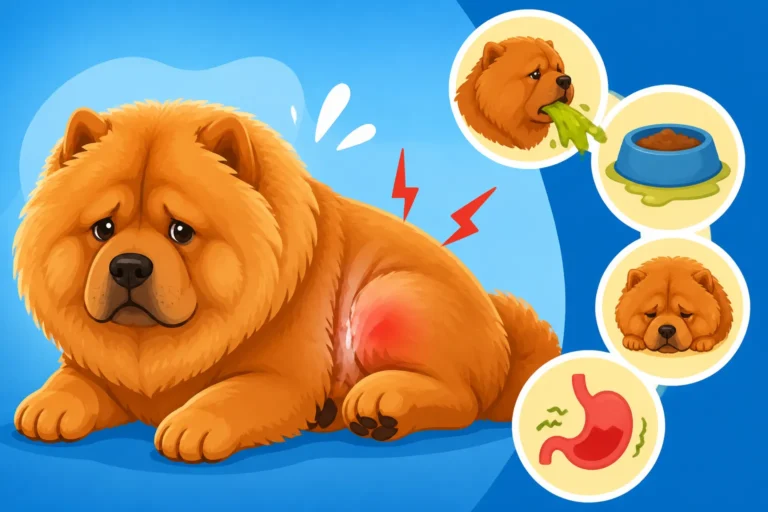
Unexplained weight loss in any dog breed, including our Chows, is often a symptom of an underlying medical problem. Their ability to hide these changes means that by the time you've noticed, the condition might have been progressing for some time. Here are some of the more common culprits that can lead to a Chow Chow dropping pounds:
- Dental Disease: Painful teeth, gum infections, or broken teeth can make eating uncomfortable, leading to reduced food intake and subsequent weight loss. Imagine trying to eat your favorite meal with a severe toothache – it's no fun!
- Parasites: Internal parasites like worms can rob your dog of vital nutrients, preventing them from absorbing enough calories to maintain their weight. Regular deworming and fecal checks are important.
- Gastrointestinal Issues: Conditions like inflammatory bowel disease, malabsorption disorders, or severe food allergies (which you can learn more about in What a Chow Chow Is Most Often Allergic To) can impair digestion and nutrient absorption, even if your dog is eating normally.
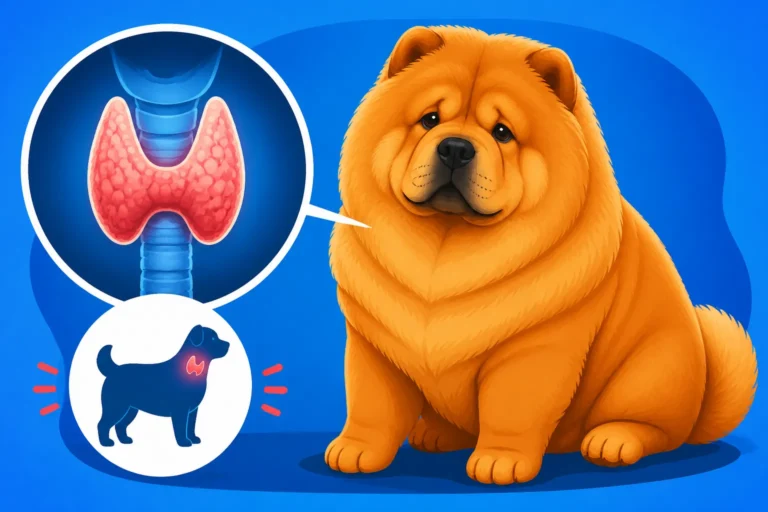
- Metabolic and Endocrine Disorders: A common one is hypothyroidism, where the thyroid gland doesn't produce enough hormones, affecting metabolism. While often associated with weight gain, some dogs with severe, untreated hypothyroidism can experience muscle wasting and weight loss. Watch for other Signs a Chow Chow's Thyroid Is Low.
- Kidney Disease: Conditions like Familial Renal Dysplasia Kills Young Chow Chows can lead to a dog not processing nutrients effectively, causing lethargy, increased thirst, and weight loss. These diseases can be insidious, progressing silently until symptoms become more pronounced.
- Diabetes: Although less common to manifest as initial weight loss in Chows (it can be varied), poorly controlled diabetes can lead to weight loss due to the body's inability to use glucose properly.
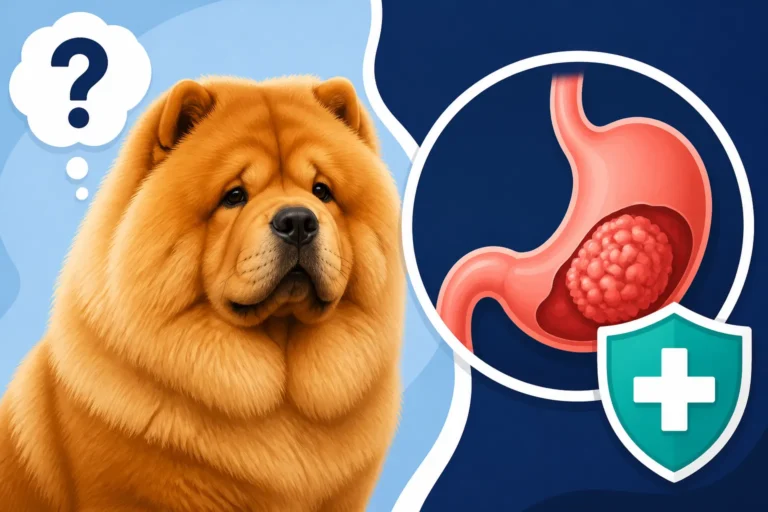
- Cancer: Unfortunately, cancer is a significant concern for all breeds, and Chows are no exception. Many types of cancer, especially those of the digestive system or those that are aggressive, can lead to unexplained and rapid weight loss. For more information on this, see Which Cancers a Chow Chow Gets.
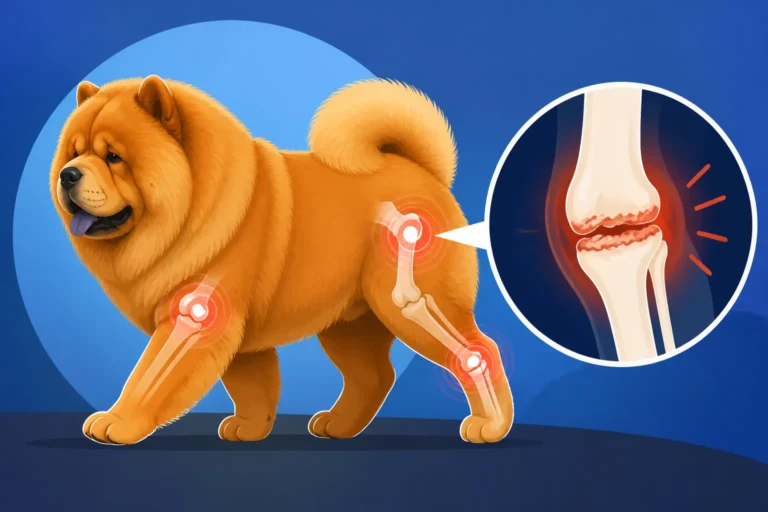
- Pain: Chronic pain from conditions like arthritis or even an injury can reduce appetite and activity levels, contributing to weight loss. Chows are known to be stoic and can be quite adept at How a Chow Chow Hides Pain.
Don't Delay: The Urgency of Veterinary Consultation
Given how effectively a Chow Chow's coat can hide subtle changes, any confirmed, unexplained weight loss – even a small amount – should be treated as an urgent matter. By the time you've detected it through your diligent hands-on checks or weigh-ins, the underlying condition could have been silently progressing for weeks or even months. Waiting to see if more weight is lost or if other symptoms appear could mean delaying critical treatment.
Your veterinarian will perform a thorough physical examination, which will likely include palpating your Chow Chow's abdomen, checking their teeth, and assessing their overall demeanor. They will almost certainly recommend diagnostic tests, such as What a Chow Chow's Yearly Bloodwork Should Cover, urinalysis, and possibly fecal exams, to get a clearer picture of their internal health. Depending on these initial findings, further diagnostics like radiographs (X-rays), ultrasound, or specialized blood tests might be necessary. Early detection and diagnosis significantly improve the prognosis for many conditions, leading to quicker treatment and a better quality of life for your beloved Chow Chow.
Maintaining a Healthy Weight for Your Chow Chow
Proactive care is the cornerstone of keeping your Chow Chow at a healthy weight and ensuring their long-term well-being. It's a combination of appropriate nutrition, suitable exercise, and consistent preventative health measures.
Tailored Nutrition and Exercise
When it comes to feeding your Chow Chow, it’s not a "one size fits all" situation. Their dietary needs will vary based on their age, activity level, and individual metabolism. You might find that your Chow Chow eats less than you expect for their size, as discussed in Feeding a Chow Chow That Eats Less Than You Expect. It's crucial to consult with your vet to determine the ideal caloric intake to maintain a healthy weight. Generally, a high-quality commercial dog food that meets AAFCO standards is a good starting point. Consider feeding measured meals twice a day rather than free-feeding, which can lead to overeating or make it harder to notice if their appetite changes. For puppies, particularly, controlled growth is essential, as rapid growth can exacerbate orthopedic issues like hip or elbow dysplasia. This is why Why a Chow Chow Puppy Should Grow Slowly is so important, and feeding a large breed puppy formula might be recommended. You can also monitor how much an adult Chow Chow eats (How Much an Adult Chow Chow Eats) to keep track of their intake.
Regarding exercise, Chow Chows are not high-energy dogs. While they appreciate a leisurely walk, they are not built for extensive running or strenuous activity, especially given their straight rear legs which affect their gait. Over-exercising them can put unnecessary strain on their joints, and due to their dense coat and brachycephalic (short-nosed) features, they are highly prone to overheating. Heat Is the Chow Chow's Most Immediate Danger, so walks should be kept short and during cooler parts of the day, particularly in warmer climates. Focus on mental stimulation and short, enjoyable walks rather than long, intense exercise sessions.
Proactive Health Management and Preventative Care
The best defense against hidden weight loss and other health issues in Chow Chows is a strong offense through preventative care. Regular veterinary check-ups are paramount, even if your dog seems perfectly fine. Your vet can perform comprehensive physical exams, including hands-on palpation, and recommend routine screenings. As mentioned, What a Chow Chow's Yearly Bloodwork Should Cover can help detect many conditions early, often before clinical signs are apparent.
Consider annual eye exams due to their deep-set eyes and predisposition to conditions like entropion or glaucoma. Maintaining excellent dental hygiene is also critical, as dental pain can lead to reduced food intake. Brushing their teeth regularly at home and scheduling professional cleanings as needed can prevent problems. For older Chows, the needs change, and Caring for an Old Chow Chow involves even more diligent monitoring and potentially tailored diets and supplements. Investing in pet insurance, like a plan from Healthy Paws, can also provide peace of mind. While it won't prevent health issues, it can significantly ease the financial burden if your Chow Chow develops an unexpected illness, allowing you to focus on getting them the best possible care without worrying about the cost.
Quick Reference: Checking Your Chow Chow's Body Condition
| Body Area | What to Feel For (Ideal) | What to Feel For (Underweight) | What to Feel For (Overweight) | How Often to Check |
|---|---|---|---|---|
| Ribs | Easily palpable, felt like knuckles on a flat hand, with slight fat covering. | Prominent, sharp, very little tissue over them. | Difficult to feel, covered by significant fat padding. | Weekly |
| Spine | Vertebrae palpable with slight fat covering, not overly sharp. | Bony, individual vertebrae very easy to feel and sharp. | Barely palpable, smooth contour, covered by heavy fat. | Weekly |
| Hip Bones | Palpable but rounded, not jutting out. | Prominent, easily seen or felt to protrude. | Difficult to feel, embedded in fat. | Weekly |
| Waistline | Discernible tuck behind the ribs (more felt than seen due to coat). | Obvious tuck, very narrow. | No discernible waist, broad or bulging at the sides. | Weekly |
| Overall Weight | Consistent with previous weigh-ins, no sudden drops. | Noticeable drop in weight over time. | Gradual increase in weight over time. | Monthly (Weigh-ins) |
Disclaimer
The information provided in this guide is for general informational purposes only and does not constitute veterinary advice. Always consult with a qualified veterinarian for any health concerns or before making any decisions about your Chow Chow's medical care or diet.