What a Chow Chow’s Lifetime Eye Bill Runs
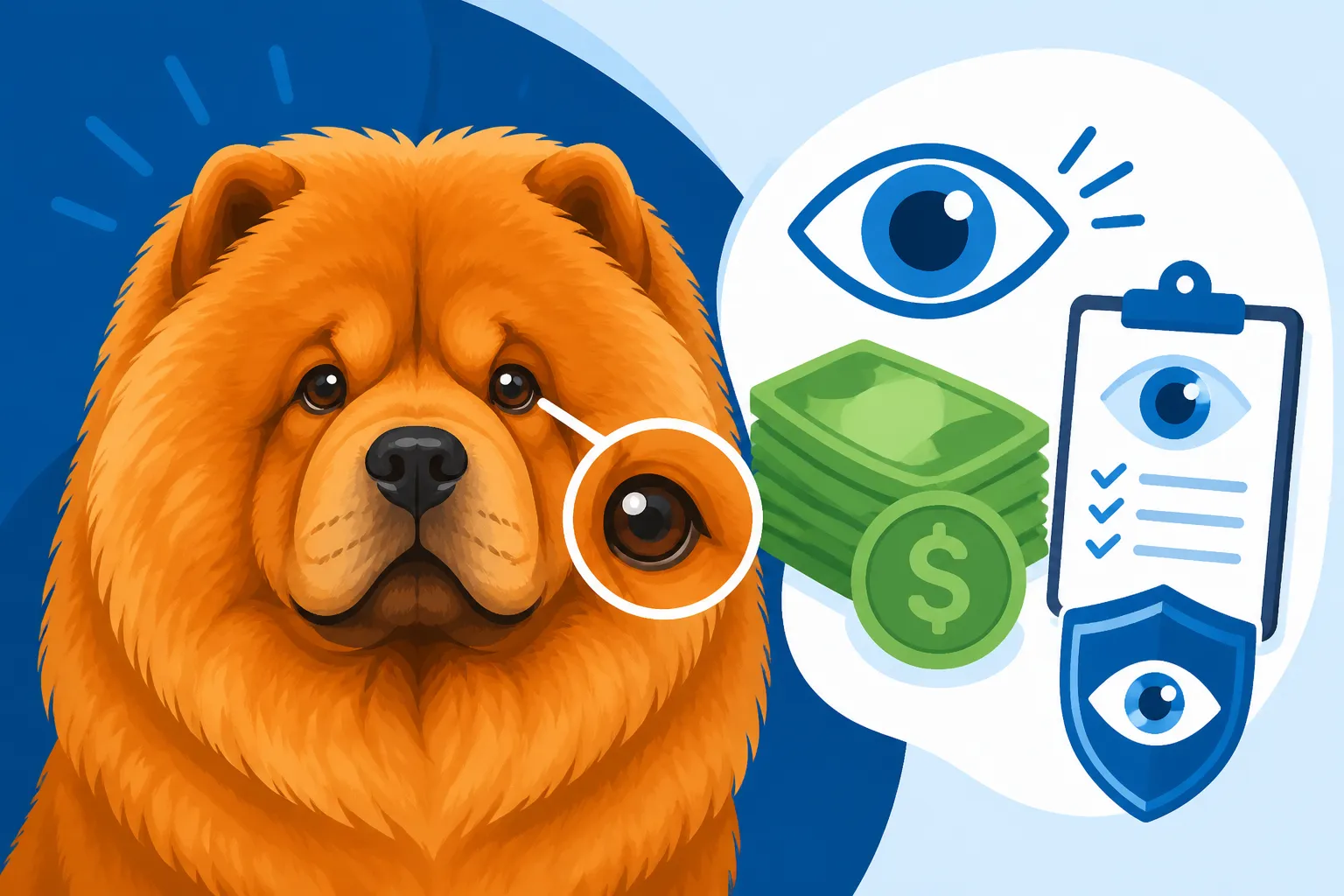
Bringing a Chow Chow into your life is an incredible joy, but let's be real: those magnificent, deep-set eyes, while a hallmark of the breed, often come with a hidden financial burden. Many new and even experienced Chow Chow owners feel overwhelmed by the sheer potential for eye-related health issues and the veterinary costs associated with them. This guide aims to demystify the potential lifetime eye bill for your beloved Chow Chow, helping you understand the financial landscape of keeping those beautiful eyes healthy.
Understanding the Unique Chow Chow Eye
The Chow Chow's distinctive appearance, from its lion-like mane to its signature scowl, is part of what draws us in. However, that deeply set eye and the natural folds of skin around it, while undeniably charming, are also the root of many breed-specific eye problems. It's not just about aesthetics; these physical traits directly contribute to conditions that can require extensive and expensive veterinary care throughout your dog's life. It's a reality that can be tough to face, especially when you're just falling in love with a fluffy puppy, but knowledge is power (and often, savings!).
Think about it: those wonderfully thick facial folds, the ones that give your Chow Chow such a distinguished look, are exactly what can cause the eyelids to roll inward. This isn't just a minor irritation; it's a structural issue that leads to chronic pain and potential blindness. Furthermore, the deep-set nature of their eyes means that any issues can sometimes go unnoticed until they're quite advanced, requiring more urgent and costly interventions. Understanding this foundational aspect of their anatomy is the first step in preparing for their lifelong eye care needs. Why a Chow Chow's Deep Set Eye Causes Trouble helps explain this in more detail.
Common Chow Chow Eye Conditions and Their Financial Impact
The journey of Chow Chow ownership often includes navigating a few key eye conditions. These aren't just minor inconveniences; they can be painful for your dog and, let's be frank, significant hits to your wallet. Being aware of these common issues and their typical treatment paths will give you a clearer picture of what you might encounter down the road.
Entropion: The Signature Eye Problem
Entropion is, without a doubt, the most common eye condition you'll hear about with Chow Chows. It’s when the eyelid, usually the lower one but sometimes the upper, rolls inward, causing the eyelashes and fur to rub constantly against the delicate surface of the eye. Imagine having grit in your eye all the time, but the "grit" is your own hair! This is excruciating for a dog and can lead to serious complications. Entropion Is the Chow Chow's Signature Problem is a must-read for any Chow Chow owner.
Initial diagnosis usually involves a general vet visit, where they'll confirm the entropion and check for any immediate damage like corneal ulcers. This first visit typically incurs a standard exam fee, plus any pain medication or antibiotic eye drops to address secondary infections. For puppies, temporary eyelid tacking might be recommended. This procedure involves stitching the eyelid into a more normal position as the puppy grows, sometimes needing to be done under light sedation. While less invasive than full surgery, each tacking procedure still comes with its own set of vet fees and potentially follow-up visits. For a deeper dive into what it looks like, What Entropion Does to a Chow Chow's Eye illustrates the discomfort your dog feels.
If entropion persists or is severe, which is often the case with Chow Chows, permanent surgical correction is usually required. This surgery, known as blepharoplasty, is performed by a veterinary ophthalmologist. The procedure involves removing a small section of skin and muscle from the eyelid to permanently roll it outward. While effective, it's a specialized surgery, often done under general anesthesia, and can be quite an investment. Remember, sometimes both eyes are affected, or even both upper and lower lids, which can double the surgical scope. Post-operative care includes follow-up visits, pain medications, and anti-inflammatory eye drops for weeks. The costs associated with such surgery, including anesthesia, the surgeon's fee, and follow-up care, can represent a significant portion of your Chow Chow's lifetime eye bill. How Entropion Is Repaired in a Chow Chow goes into the specifics of this procedure.
Glaucoma: The Silent Blinder
Another serious threat to your Chow Chow's vision is glaucoma, a condition characterized by increased pressure within the eye. Because a Chow Chow's eye is deep-set and their drainage angle can be narrow, they are predisposed to this painful and rapidly progressing disease. Unlike entropion, which might develop gradually, glaucoma can strike suddenly and progress incredibly fast, leading to blindness in a matter of days if not treated immediately. This sudden onset often means emergency veterinary visits, which are almost always more expensive than scheduled appointments.
The initial signs can be subtle: a slightly cloudy eye, squinting, or a dilated pupil. But once the pressure builds, it causes immense pain and rapid vision loss. An emergency vet visit will involve immediate measurement of eye pressure, powerful eye drops to reduce it, and possibly other medications to manage pain and inflammation. Signs a Chow Chow Has Glaucoma can help you recognize the subtle cues. This initial emergency treatment can be costly, often requiring overnight stays or specialized monitoring. How Fast Glaucoma Blinds a Chow Chow is not an exaggeration – it truly can be that quick.
Long-term management of glaucoma often requires a dedicated regimen of multiple types of eye drops daily, sometimes for the remainder of the dog's life, as well as regular check-ups with a veterinary ophthalmologist to monitor eye pressure. These specialized appointments can be more expensive than routine vet visits. If medical management isn't enough, surgical interventions like laser cyclophotocoagulation or a shunt implant can be considered, but these are highly specialized and come with their own substantial costs. In cases where the eye becomes irreversibly blind and painful, enucleation (surgical removal of the eye) might be the most humane option. This procedure also carries significant surgical and post-operative costs. What Glaucoma Does to a Chow Chow's Eye outlines the destructive nature of this disease.
Other Potential Eye Concerns
While entropion and glaucoma are the big two, Chow Chows can also experience other eye conditions that contribute to their lifetime veterinary bills.
- Corneal Ulcers: Often a secondary complication of entropion, where the constant rubbing of eyelashes creates an open sore on the cornea. These are painful and require immediate treatment with antibiotic eye drops to prevent infection and deeper damage. Uncomplicated ulcers can heal within days or weeks, but severe or infected ones may require surgical intervention or specialized contact lenses. Each visit for an ulcer, along with the necessary medications, adds up over time.
- Distichiasis/Ectopic Cilia: These involve extra eyelashes growing from an abnormal location, often inside the eyelid, and rubbing directly on the cornea. While sometimes mild, they can cause significant irritation and damage, similar to entropion. Treatment can range from manual plucking (which often needs to be repeated) to cryosurgery (freezing the hair follicles) or surgical removal, all of which incur costs.
- Dry Eye (Keratoconjunctivitis Sicca – KCS): While not as common as entropion or glaucoma in Chow Chows, KCS can occur. It's an autoimmune condition where the tear glands don't produce enough tears, leading to chronic dry, irritated eyes. This condition typically requires lifelong daily eye drops to stimulate tear production and manage inflammation. These medications can be expensive and represent a recurring monthly cost for the dog's entire life.
Ongoing Management and Recurring Eye-Related Expenses
It’s easy to focus on the big, one-off costs like surgery, but the truth is that managing a Chow Chow’s eye health often involves a steady stream of recurring expenses. These are the bills that build up over months and years, becoming a significant part of their lifetime eye care budget.
Regular Veterinary and Specialist Examinations
Even if your Chow Chow has had successful entropion surgery or is managing a chronic condition, regular check-ups are essential. For general eye health, your primary veterinarian will assess their eyes during annual wellness visits. However, if there's any history of eye trouble or a predisposition, specialized ophthalmologist visits may be recommended. What a Chow Chow's Yearly Eye Exam Costs illustrates that these are not minor appointments.
A veterinary ophthalmologist has specialized equipment and expertise to detect subtle changes in eye health, measure tear production, and perform detailed examinations of the retina and optic nerve. These specialist visits often come with a higher consultation fee than a standard vet visit. For dogs with glaucoma, pressure checks might be needed every few months, or even more frequently during active flare-ups. These routine, yet specialized, examinations are crucial for early detection of problems and for monitoring the effectiveness of ongoing treatments, but they consistently contribute to the total eye bill over a Chow Chow’s lifespan.
The Cost of Eye Medications and Supplies
Anyone who has given a dog daily eye drops knows that tiny bottles can hold a hefty price tag. For conditions like glaucoma or severe dry eye, daily eye drops are a necessity, not an option. These can include prostaglandin analogs to reduce eye pressure, immunosuppressants to stimulate tear production, or a rotation of various antibiotics and anti-inflammatories for corneal issues.
These medications are often specialized and can range from moderately priced to quite expensive, especially if multiple types are prescribed. And the kicker? They run out! This means monthly or bi-monthly refills, adding up year after year. Even simple saline rinses or lubricating drops for minor irritations become a recurring expense. Sometimes, you might find better pricing on reputable online pet pharmacies or retailers like Chewy for regular prescriptions once your vet approves the script. However, the cost of specialized ophthalmic medications remains a significant, ongoing line item in your Chow Chow's budget.
Preventative Care and Long-Term Wellness
Beyond specific medical treatments, there are general care practices and supplements that can contribute to overall eye health and, by extension, your lifetime eye bill. While not directly treating a condition, these can help minimize future issues or support recovery.
For instance, keeping the fur around your Chow Chow's eyes and face folds clean is vital. Their deep-set eyes and wrinkled faces can easily trap moisture, debris, and tear stains, creating a breeding ground for bacterial infections or irritation that could worsen existing eye conditions. Regular gentle wiping with pet-safe eye wipes or a damp cloth is important, and while the cost of these supplies might seem small, they are a consistent need. Think of it as preventative maintenance that helps avoid more expensive problems down the line. Additionally, some veterinarians might suggest omega-3 fatty acid supplements for general eye health or to support anti-inflammatory processes, which can be purchased through retailers like Chewy or as part of specialized diets from brands like Ollie if your vet approves. These are small, consistent additions to your monthly expenses but play a role in the long game of eye health.
| Condition | Common Treatment | Long-Term Cost Implications |
|---|---|---|
| Entropion | Eyelid tacking, Surgical repair (blepharoplasty) | Initial surgery is a major expense; potential for repeat surgeries; ongoing post-op medication. |
| Glaucoma | Emergency meds, daily eye drops, surgery (laser, shunt), enucleation | Emergency fees, lifelong daily medication is substantial; potential for expensive surgeries or eye removal. |
| Corneal Ulcer | Antibiotic drops, pain meds, protective contacts | Cost of vet visits and medications; severe cases may require surgery; often secondary to entropion. |
| Distichiasis | Plucking, cryosurgery, surgical removal | Repeated plucking adds up; specialized procedures are moderate to high cost; potential for recurrence. |
| Dry Eye (KCS) | Lifelong daily tear-stimulating eye drops | Consistent, high monthly medication costs for the dog's entire life; regular monitoring visits. |
Planning for the Future: Insurance and Budgeting Strategies
Looking at these potential costs can feel overwhelming, can't it? It's easy to get discouraged when you realize that keeping your Chow Chow healthy often involves significant financial commitment. But there are proactive steps you can take to mitigate the impact of these lifetime eye bills, ensuring you can provide the best care without completely draining your savings.
The Role of Pet Insurance in Managing Eye Costs
Pet insurance can be an absolute lifesaver for Chow Chow owners, especially when it comes to conditions like entropion or glaucoma. Imagine facing a multi-thousand-dollar surgery and knowing a significant portion will be covered. Many pet parents consider pet insurance specifically for these breed-specific health issues.
However, it's crucial to understand how pet insurance works and what it covers. Most policies will not cover pre-existing conditions. This means if your Chow Chow already showed signs of entropion or was diagnosed with it before you enrolled, that specific condition will likely be excluded. This highlights the importance of getting insurance when your Chow Chow is a young puppy, ideally before any eye problems manifest. Research providers carefully, looking at their coverage for hereditary and congenital conditions. Some companies, like Healthy Paws, are known for robust coverage, but you must read the fine print. Premiums can also increase as your Chow Chow ages, and some breeds, including the Chow Chow, might be subject to higher rates or specific exclusions due to their known predispositions. Whether Pet Insurance Excludes a Chow Chow's Eyes is a very important question to ask. For a more direct look into this, Whether Insurance Covers a Chow Chow's Entropion Repair might also be helpful.
Setting Up a Dedicated "Eye Fund"
Even with insurance, or if you decide against it, having a dedicated savings fund for your Chow Chow's medical needs is a wise financial strategy. Think of it as your emergency eye fund. By setting aside a fixed amount each month, you're building a buffer for unexpected veterinary emergencies or ongoing medication costs.
This approach offers flexibility. You control how much you contribute and where the money is invested (or simply saved). When a bill comes, you're not scrambling to find funds or putting it on a credit card. It provides peace of mind and ensures that when your Chow Chow needs urgent care for something like sudden glaucoma, you're ready to say "yes" to the best treatment without hesitation. Even a small amount consistently saved can grow into a substantial sum over your Chow Chow's The Eight to Twelve Years a Chow Chow Gets.
Understanding the Long-Term Commitment
Ultimately, understanding a Chow Chow's lifetime eye bill isn't just about dollars and cents; it's about acknowledging the long-term commitment you're making to their health and well-being. Their unique physical characteristics, while endearing, come with inherent vulnerabilities that require proactive and sometimes costly interventions.
From potential surgeries for entropion to daily eye drops for glaucoma, the financial outlay can be significant. By researching pet insurance options early, setting aside dedicated savings, and familiarizing yourself with potential issues, you empower yourself to provide the best possible care for your furry companion. The love they give us is priceless, and by being prepared, we can ensure their precious eyes stay healthy and comfortable for as long as possible.
Disclaimer
This article is for general informational purposes only and does not constitute professional advice. Laws, prices and regulations vary by location and change over time. Consult a qualified professional for guidance on your specific situation.