Which Home Insurers Name the Chow Chow on a Banned List
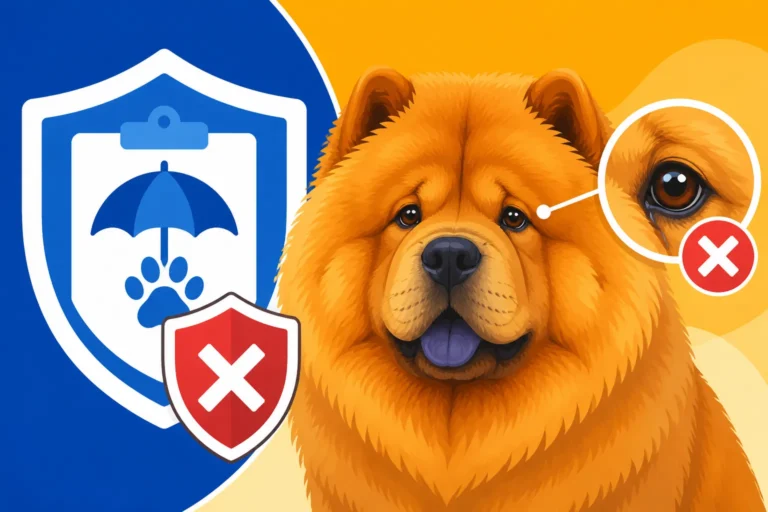
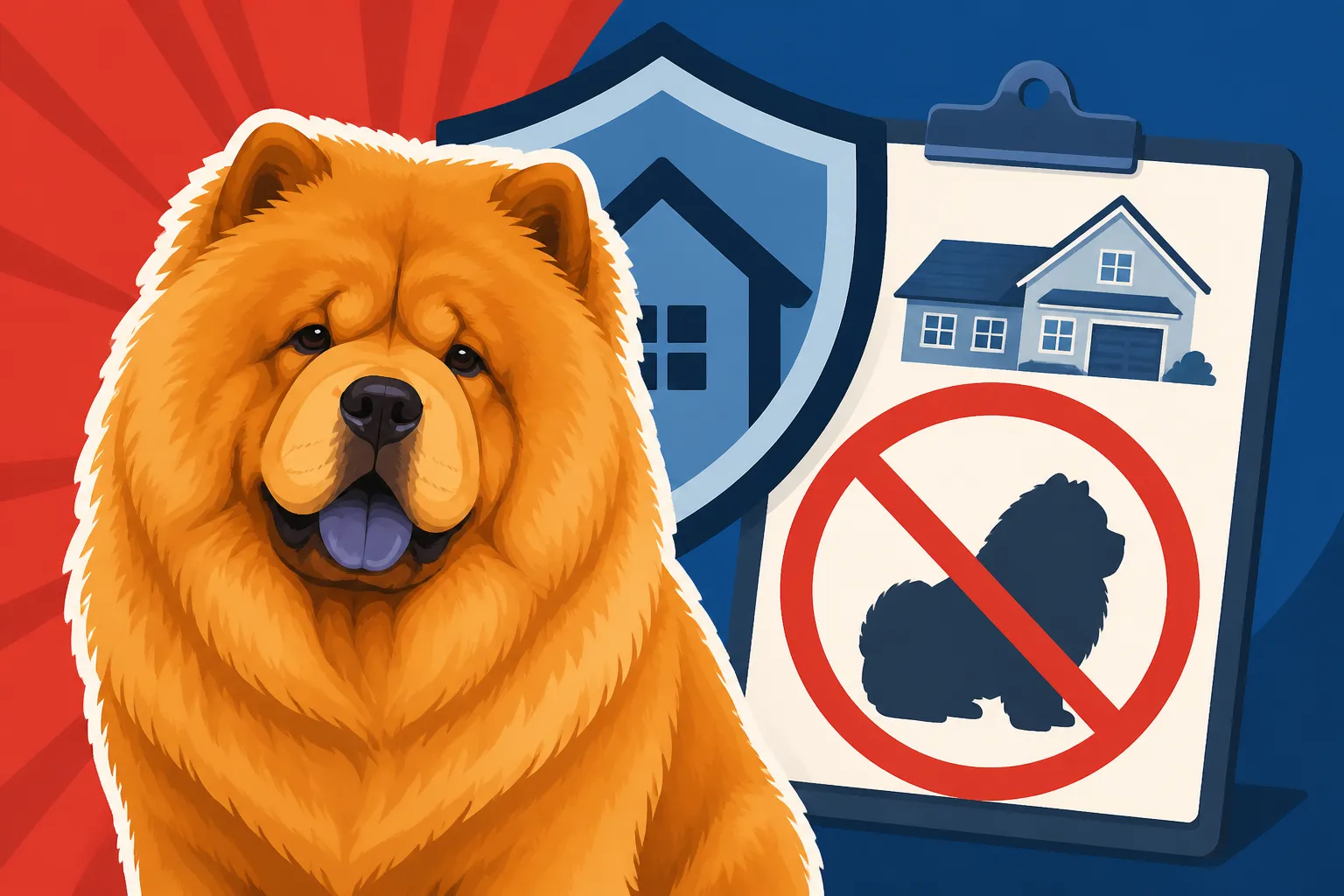
One of the most disheartening things about bringing a Chow Chow into your life is discovering that your fuzzy family member might be viewed as a liability by your home insurance provider. Many loving owners find themselves scrambling to understand why their peaceful companion could cause their rates to skyrocket, or worse, lead to policy cancellation. This guide is here to shed light on which home insurers often name the Chow Chow on a "banned breed" list, explore the reasons behind these policies, and offer practical steps you can take to secure coverage for your beloved bear-dog.
Understanding Breed-Specific Home Insurance Policies
It’s a frustrating reality that owning certain dog breeds, including our beautiful Chow Chows, can complicate obtaining home insurance. Many people assume that their homeowner's policy will cover everything, but when it comes to dog bites or related incidents, there are often specific exclusions. Insurers develop these lists based on perceived risk, and unfortunately, Chow Chows frequently appear on them. It’s not a judgment on your individual dog, but a broad generalization based on statistics that many of us dog lovers find unfair and unscientific.
Why Insurers Create "Banned Breed" Lists
Insurance companies are in the business of assessing and mitigating risk. When it comes to dogs, they often look at statistics related to bite incidents, the severity of those bites, and historical claims data. Breeds that are perceived as having a higher propensity for aggression or those that are physically capable of causing more damage (due to size or bite force) often end up on these lists. This can include breeds like Pit Bulls, Rottweilers, German Shepherds, Akitas, Doberman Pinschers, and, yes, Chow Chows.
For Chows specifically, their strong protective instincts, sometimes aloof nature, and powerful build contribute to this perception. They can be wary of strangers and intensely loyal to their family, which, while endearing to us, can be misinterpreted as aggression by others or by actuarial tables. It's a generalization that deeply affects responsible Chow Chow owners who know their dogs are well-socialized and loving members of their family. This often comes down to the breed's reputation rather than an individual dog's temperament, even if your particular Chow Chow has never shown an ounce of aggression. The frustration is real when you feel your dog is being judged before they even get a chance to be known.
Common Insurers with Breed Restrictions
While it's impossible to provide an exhaustive, real-time list, as policies and underwriting guidelines can change frequently and vary by state and even individual agent, there are some large carriers historically known to have breed-specific restrictions or exclusions. Some of these include major players in the insurance industry.
It's crucial to understand that these companies might not outright ban a breed nationwide. Instead, they might:
- Refuse to issue a new policy if you own a restricted breed.
- Exclude liability coverage specifically for incidents involving that breed, meaning if your Chow Chow bites someone, your policy won't pay out.
- Charge a significantly higher premium to cover the perceived increased risk.
- Require you to sign an exclusion waiver, essentially stating you understand your dog is not covered.
- Demand proof of canine liability insurance as a separate policy.
You might find that some national companies operate with regional variations. For example, a branch in one state might be more lenient than another, or an independent agent working with multiple carriers might have more options than a captive agent who only sells for one company. The best approach is always to be upfront and ask direct questions. You’ll want to know if the Whether a Landlord Can Refuse a Chow Chow you're trying to insure will be covered, and what the specific terms are.
Finding Home Insurance for Your Chow Chow
Navigating the insurance landscape with a restricted breed can feel like an uphill battle, but it's not insurmountable. There are strategies and types of insurance that can help you protect your home and your peace of mind without having to choose between your beloved pet and adequate coverage.
Be Upfront and Honest with Potential Insurers
The absolute worst thing you can do is hide the fact that you own a Chow Chow. If an incident occurs and your insurer discovers you withheld this information, they could deny your claim entirely and even cancel your policy retroactively. This would leave you personally responsible for potentially massive legal fees and medical bills.
When contacting insurance providers, be prepared to openly discuss your Chow Chow. Here's what to inquire about:
- "Do you have any breed restrictions or exclusions for homeowner's liability coverage?"
- "Is the Chow Chow on your list of restricted breeds?"
- "If so, what are my options for coverage? Can I get a policy with a breed exclusion, or is additional canine liability insurance required?"
- "What would be the premium difference if I owned a non-restricted breed versus my Chow Chow?"
Some companies might require a declaration stating your dog has no bite history, or they might ask for references from your veterinarian about your dog's temperament. This is where responsible ownership, including proper Why Early Socialization Decides What a Chow Chow Becomes and Teaching a Chow Chow to Wear a Muzzle for vet visits or emergencies, really pays off.
Explore Different Types of Coverage
If traditional homeowner's insurance proves difficult, don't despair. There are other avenues to pursue.
Canine Liability Insurance (Stand-Alone Policy)
This is a separate policy specifically designed to cover liability claims arising from dog bites or other dog-related incidents. It's often an option for owners of restricted breeds who can't get full coverage under their standard homeowner's policy. These policies are usually purchased from specialty carriers and can provide significant peace of mind. While it's an additional cost, it's often far less than the potential financial ruin of an uninsured lawsuit.
Umbrella Policies
An umbrella insurance policy provides additional liability coverage beyond the limits of your standard homeowner's and auto insurance policies. If your primary homeowner's policy covers your Chow Chow, but with lower limits, an umbrella policy can extend that coverage significantly. It acts as an extra layer of protection, kicking in when the limits of your underlying policies are exhausted. However, it's important to confirm that the underlying homeowner's policy does cover your Chow Chow, as an umbrella policy generally won't cover what your primary policy explicitly excludes.
| Coverage Type | Description | Pros | Cons |
|---|---|---|---|
| Standard Homeowner's | Broad coverage for property damage, theft, and liability, sometimes with breed exclusions. | Convenient, bundled with home coverage. | Often has breed restrictions or exclusions for Chow Chows. |
| Canine Liability | Stand-alone policy specifically for dog-related liability claims (bites, property damage by dog). | Designed for restricted breeds, fills coverage gaps. | An additional monthly cost, separate from your main home policy. |
| Umbrella Policy | Extends liability limits beyond homeowner's and auto policies. | High coverage limits for catastrophic events. | Only covers what underlying policies cover; won't override breed exclusions on primary policy. |
Seeking Out "Dog-Friendly" Insurers
Some insurance companies pride themselves on being "pet-friendly" and may not have breed restrictions, or they may assess risk on an individual dog basis rather than by breed. This can take some digging, as smaller, regional carriers or those that work with independent agents might be more flexible. An independent insurance agent can be a huge asset here; they work with multiple different insurance companies and can shop around on your behalf to find a policy that fits your needs and doesn't penalize you for owning a Chow Chow. They often have a deeper understanding of specific carrier guidelines and can sometimes make a case for your well-behaved dog.
Beyond just home insurance, remember that being a responsible pet owner extends to other aspects, such as health. Brands like Healthy Paws offer pet insurance that can help manage veterinary costs, which, while not directly related to home insurance, showcases your commitment to your Chow Chow's well-being. Similarly, ensuring your Chow Chow is well-fed with quality food from providers like Chewy or Ollie can contribute to overall health and temperament, indirectly supporting the image of a well-cared-for pet.
Mitigating Risk and Demonstrating Responsible Ownership
Even if your insurer doesn't have a "banned list," or you find one that's flexible, being a responsible Chow Chow owner is key to minimizing incidents and demonstrating your commitment to safety. This can sometimes even help your case with insurers or landlords.
Training and Socialization
A well-trained and socialized Chow Chow is a safer Chow Chow. While their independent nature means A Chow Chow Trains by Agreement, Not Obedience, consistent, positive reinforcement training from a young age is vital. Exposing your Chow Chow puppy to a variety of sights, sounds, people, and other calm, vaccinated dogs during their critical socialization window can help them grow into a more confident and less reactive adult.
Consider enrolling in obedience classes, or even working with a professional trainer experienced with independent breeds. A certificate of completion from an obedience course, or a Canine Good Citizen certification, might be viewed favorably by some insurers as evidence of responsible pet ownership. Remember, The Chow Chow Bonds to One Person and Tolerates the Rest, so ensure early and broad exposure to prevent over-reliance on a single individual.
Secure Containment and Supervision
One of the primary concerns for insurers is the possibility of a dog escaping and causing an incident. Ensuring your yard is securely fenced is paramount. Chows are not typically escape artists in the same way some terriers or hounds are, but a secure perimeter is essential for any dog. Also, supervising your Chow Chow when they are outdoors, especially if strangers (like delivery drivers or neighbors) are present, is crucial. Their guarding instincts mean What a Chow Chow Guards and Why, and they will protect their territory and family.
When guests visit, consider how your Chow Chow will react. Some Chows are quite tolerant once introductions are made, but others prefer to observe from a distance. How a Chow Chow Greets Visitors can vary greatly, so knowing your dog's preferences and managing interactions is important. Sometimes, a quiet space away from the hustle and bustle, or even a crate, is the best option for everyone.
Managing Interactions with Strangers
Chow Chows are known for their reserved nature. They aren't typically the type of dog to rush up to strangers for pets, which can be misunderstood. Their deep-set eyes can also limit their peripheral vision, meaning they might be startled if approached from behind or the side without warning. Why a Chow Chow Snaps at Someone It Did Not See highlights the importance of understanding their physical characteristics and behavior.
Always educate visitors on how to approach your Chow Chow, or better yet, manage the situation so your dog isn't put in an uncomfortable position. Simple things like avoiding direct eye contact and letting the dog approach them on their own terms can make a huge difference.
Veterinary Care and Health
A healthy dog is generally a happier and more predictable dog. Regular veterinary check-ups are important for any breed. While not directly related to liability insurance, ensuring your Chow Chow is current on vaccinations, well-fed with appropriate nutrition (perhaps using quality products from Chewy or Ollie), and free from pain or discomfort can contribute to a stable temperament. An annual wellness exam allows your vet to catch any potential health issues that could affect behavior.
This proactive approach to your Chow Chow's well-being, whether it's through vet visits or considering pet insurance from providers like Healthy Paws for unexpected medical costs, demonstrates your commitment to being a responsible and caring pet owner. This entire approach of attentive care contributes to a more stable and predictable dog, which, while not directly changing insurance policies, does reduce real-world risks.
Addressing Concerns About Chow Chow Behavior
The negative reputation often attributed to Chow Chows by insurance companies often stems from a misunderstanding of their breed-specific traits rather than inherent viciousness. It's a heavy burden for dedicated owners to constantly justify their choice of companion.
Understanding the Breed's Temperament
Chow Chows are indeed unique. They are not Golden Retrievers or Labradors in terms of their desire to please everyone. They are independent, dignified, and often described as "cat-like" in their aloofness. How Aloof a Chow Chow Really Is is a common question, and the answer is usually "quite a bit." They tend to bond fiercely with one or two people and are generally indifferent to others. This isn't aggression; it's just how they're wired.
However, this independence can sometimes be misinterpreted. A Chow Chow that doesn't solicit attention from strangers might be seen as unfriendly or even menacing. Their "scowl" is a natural expression due to their facial structure, not necessarily a sign of anger. Understanding How to Read a Chow Chow's Face can help you communicate their nuances to others.
The Importance of Early Intervention
For new Chow Chow owners, or those considering bringing one home, understanding that Whether a Chow Chow Suits a First Time Owner is a big decision based on commitment level is vital. These are not a "set it and forget it" breed when it comes to socialization and training. Early intervention, consistent positive reinforcement, and careful management of their environment are critical.
If you adopt an adult Chow Chow, especially from a rescue, be prepared for a slower process. Whether an Adult Rescue Chow Chow Can Change is possible, but it requires patience, understanding, and often the guidance of a professional trainer experienced with the breed. Building trust and helping them feel secure will be your primary goal.
Advocating for Your Breed
As Chow Chow owners, we are often ambassadors for our breed. By consistently demonstrating responsible ownership, maintaining control of our dogs in public, ensuring they are well-groomed (which can involve products from Chewy or professional grooming services), and seeking appropriate medical care (potentially supported by Healthy Paws), we can slowly chip away at the negative stereotypes.
While it's a long road, every well-adjusted, politely behaved Chow Chow helps to counter the broad, often unfair, generalizations made by some insurance companies. Your dedication to your Chow Chow's well-being and proper integration into society speaks volumes.
Disclaimer
This article is for general informational purposes only and does not constitute professional advice. Laws, prices and regulations vary by location and change over time. Consult a qualified professional for guidance on your specific situation.