How Territorial a Chow Chow Is
Many Chow Chow owners discover that their dignified companions possess a deeply ingrained protective streak, and this territorial nature can often be more intense than anticipated. It's not just about guarding the home; this instinct can extend to their beloved human family, cherished toys, food bowls, or even a favored sleeping spot. Understanding what makes a Chow Chow so territorial, recognizing the subtle and overt signs, and implementing effective, consistent management strategies is crucial for ensuring a peaceful and well-adjusted life together. This comprehensive guide will explore the roots of this behavior, how it manifests, and practical approaches to navigate the Chow Chow's strong guarding tendencies.
Understanding the Chow Chow's Natural Instincts
To truly grasp why a Chow Chow might be territorial, we need to look back at their ancient origins. These aren't just pretty faces; they come from a long line of working dogs whose very purpose revolved around protection and vigilance. Their instincts are not a flaw but a testament to their heritage.
Ancestral Roles and Guardianship
The Chow Chow’s lineage traces back thousands of years in China, where they served a multitude of roles. They were far from being mere companions. These sturdy dogs were relied upon as temple guardians, watchdogs for homes and properties, and even hunting partners. Imagine a majestic Chow standing sentinel, eyes scanning the horizon, ever alert to potential threats. This historical context reveals that their guarding instincts weren't just desirable; they were essential for survival and a critical part of their utility to humans.
In remote villages and expansive estates, a Chow Chow's ability to alert its family to intruders and deter unwelcome visitors was highly valued. They learned to assess situations quickly, relying on their keen senses and independent nature to protect what was theirs. This deep-seated drive to protect its territory and its people is hardwired into the breed's DNA. It's not a learned behavior in the sense of a trick; it's an intrinsic part of who they are, making them naturally inclined to view their environment and its contents as something to oversee and defend. When you bring a Chow Chow into your home, you're essentially activating these ancient protective circuits.
The One-Person Bond and Its Implications
One of the most defining characteristics of the Chow Chow is their tendency to form an incredibly strong, almost singular bond with one primary person. While they may tolerate or even be affectionate with other family members, there's usually one individual they consider "their" person. This intense loyalty is a beautiful trait, but it has significant implications for their territoriality. This special connection means that the Chow Chow often extends their protective instincts directly to their chosen human.
If you are that chosen person, your Chow Chow might view anyone approaching you—be it a stranger, a friend, or even another family member—with suspicion. This isn't necessarily aggression, but rather a deep-seated desire to keep their person safe and undisturbed. They might position themselves between you and others, give a low growl when someone gets too close, or simply plant their solid body firmly by your side. This protective behavior can be particularly pronounced when you're in your home, which they consider their shared territory. It’s a testament to their devotion, but it requires careful management to ensure it doesn't cross the line into possessiveness or aggression. Understanding this unique bond is key to navigating their protective nature. You can learn more about this in The Chow Chow Bonds to One Person and Tolerates the Rest.
How Territoriality Manifests in a Chow Chow
Territoriality in a Chow Chow isn't a single, uniform behavior; it's a spectrum of actions that can range from subtle warnings to more overt displays. Recognizing these signs early is paramount to effective management and training. It’s about being observant and understanding what your Chow is trying to communicate.
Guarding the Home and Yard
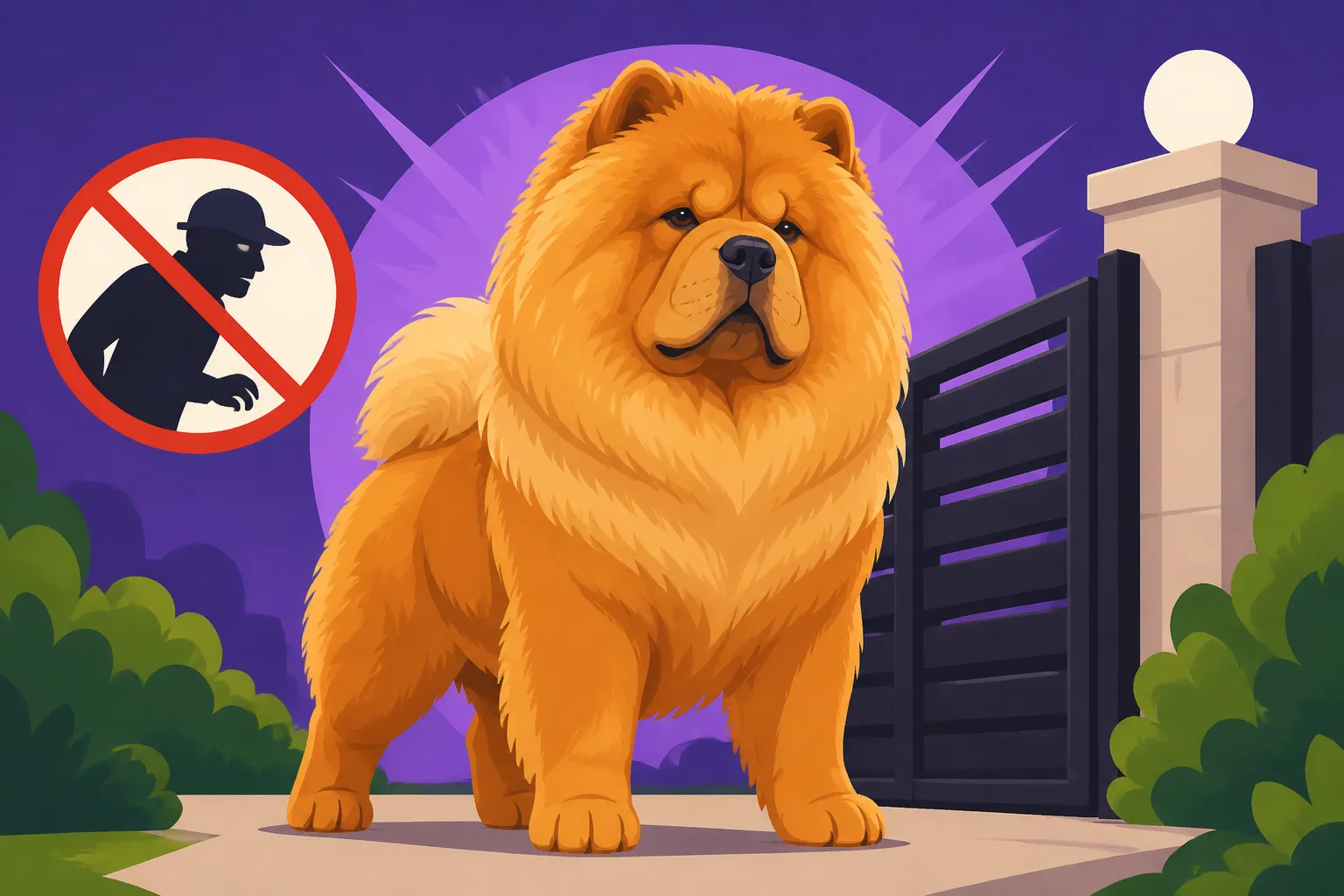
This is perhaps the most classic manifestation of a Chow Chow's territorial instincts. Your home and yard are, in their eyes, their domain, and they take the role of protector very seriously. This often starts with vocalizations: deep, resonant barks at the sight of anyone approaching the property, whether it's the mail carrier, a delivery driver, or simply a neighbor walking by. They might patrol the fence line, puff up their ruff to appear larger, and stand their ground with an air of unshakeable confidence.
Inside the home, guarding might look like an immediate alert when someone knocks at the door or rings the doorbell. They might rush to the entryway, barking emphatically, often positioning themselves between the door and their family. This isn't always aggressive, but rather a clear statement: "I see you, and this is my space." For Chow Chows with a strong guarding drive, a secure yard is non-negotiable, not just for containing them but for managing interactions with the outside world. An insecure fence or an open gate can lead to them expanding their "territory" beyond your property lines. Considerations for safe containment are important, which is discussed in Whether a Chow Chow Needs a Fenced Yard.
Possessiveness Over Resources
Beyond the physical boundaries of their home, Chow Chows can exhibit territoriality over resources they value. This is known as resource guarding and can be a significant challenge if not addressed properly. High-value items such as food bowls, favorite toys, chews, or even a comfortable sleeping spot can become subjects of intense guarding. Imagine your Chow happily chewing a new bone, and as you approach, you notice a subtle stiffening, a lowered head, or a quick, direct stare that says, "Don't even think about it."
This possessiveness can escalate if challenged directly. A Chow Chow might growl, snap, or even bite to protect what they perceive as theirs. It's important to understand that from their perspective, they are merely protecting what is valuable to them, much like an ancestor might have guarded a fresh kill. This behavior isn't malicious, but an instinct. Managing resource guarding involves careful prevention, teaching "trade" behaviors with positive reinforcement, and ensuring that your Chow feels secure that their resources won't be arbitrarily taken away. Creating a safe space for them to enjoy their treasures, perhaps a crate or a designated bed, can help minimize confrontations. This type of guarding, and how to manage it, is covered in more detail in What a Chow Chow Guards and Why.
Leash Reactivity and Stranger Suspicion
The Chow Chow's territorial tendencies aren't confined to their home environment. They can extend to public spaces, particularly when on leash. This often manifests as leash reactivity, where your Chow barks, lunges, or pulls intensely when they see other dogs, unfamiliar people, or even certain objects while out for a walk. From their perspective, the leash prevents them from effectively assessing or deterring perceived threats, leading to frustration and an exaggerated response.
Their deep-set eyes, while distinctive, also contribute to a limited peripheral vision. This means they can be startled by sudden movements or approaches from the side or behind, which can trigger a reactive, defensive response. A quick head turn might be necessary for them to fully register something, and by then, they might already be feeling uncomfortable or threatened. This often leads to the perception that they "snap" without warning, but it's often a lack of subtle warning signs combined with their visual limitations. Training and management on walks are critical to keeping both your Chow and the public safe. Learning Why a Chow Chow Snaps at Someone It Did Not See can offer deeper insight into this particular challenge.
The Role of Early Socialization and Training
Given their strong natural instincts, proper socialization and training are not just beneficial for a Chow Chow; they are absolutely critical. Without a foundation of positive experiences and clear guidance, their territoriality can become overwhelming and difficult to manage.
Critical Windows for Social Development
A Chow Chow puppy's early weeks and months are perhaps the most important period for shaping their future temperament. There's a "critical socialization window" during which puppies are most open to new experiences and learning that the world is a safe and interesting place. For Chows, this window is relatively short and closes quickly. During this time, it is vital to expose your puppy to a wide variety of sights, sounds, people, and safe, vaccinated dogs in a positive and controlled manner.
Think of it like building a mental rolodex of "things that are okay." Every positive interaction with a new person, every calm encounter with a different dog, every novel sound they hear without fear, adds to this list. If this window is missed, or if the puppy's experiences are negative or insufficient, they are far more likely to develop fear, suspicion, and pronounced territorial behaviors later in life. An undersocialized Chow Chow often grows into an adult who views anything unfamiliar as a potential threat, reinforcing their guarding instincts in an unhelpful way. Understanding When a Chow Chow's Socialization Window Closes and How Much Socialization a Chow Chow Puppy Needs are essential readings for any Chow Chow owner. Neglecting this crucial period can significantly impact What an Undersocialized Chow Chow Becomes.
Positive Reinforcement and Consistency
Training a Chow Chow requires a different approach than many other breeds. They are intelligent and capable of learning, but they are also independent thinkers who rarely respond well to harsh corrections or repetitive, drill-like training sessions. Their strong will means that positive reinforcement is not just the preferred method; it's often the only effective method. This means rewarding desired behaviors with high-value treats, praise, or toys, making training a positive and motivating experience.
Consistency is key. Every member of the household must be on the same page with rules, commands, and expectations. A Chow Chow will quickly learn which person they can "ignore" or "negotiate" with if boundaries are inconsistent. When dealing with territoriality, this consistency is vital. If one person allows them to guard a toy and another tries to take it away forcefully, it creates confusion and reinforces the guarding behavior. Short, engaging training sessions that focus on building a strong relationship and clear communication will yield far better results than confrontation. Remember, a Chow Chow needs to agree with your request, not merely obey it. This particular trait is explored in Why a Chow Chow Ignores a Cue It Knows.
Managing Triggers and Environmental Control
Part of effectively managing a territorial Chow Chow is identifying and managing their triggers. What consistently sets off their guarding instincts? Is it the sight of dogs outside the window? The sound of the doorbell? Someone reaching for their food bowl? Once you identify these triggers, you can implement strategies to either avoid them or desensitize your Chow to them gradually. Environmental control plays a huge role here.
For example, if your Chow barks excessively at people walking past your window, consider using privacy film, frosted glass, or simply closing curtains during peak foot traffic times. If they guard their food bowl, feed them in a quiet, undisturbed area. Management isn't a cure, but it's a vital tool to prevent practiced behaviors from becoming ingrained habits. By reducing exposure to triggers, you reduce the opportunities for your Chow to practice their territorial responses, making future training more effective.
Living with a Territorial Chow Chow
Living with a territorial Chow Chow requires understanding, patience, and proactive management. It's about setting them up for success and teaching them appropriate responses to situations that might otherwise trigger their guarding instincts.
Introducing New People and Pets
One of the biggest challenges for owners of territorial Chow Chows is introducing new people or, even more so, new pets into their lives or home. A Chow's instinct is to protect their existing family unit and territory, and newcomers can be viewed with suspicion or even as a threat. Introductions should always be slow, controlled, and on neutral ground whenever possible. For people, this might mean a quick meet-and-greet outside the home, followed by allowing the visitor to ignore the Chow Chow initially, letting the dog approach on its own terms.
When introducing another pet, particularly another dog, a meticulous, multi-step process is crucial. Never force interactions. Consider consulting with a professional trainer for these complex introductions. They can guide you through techniques like parallel walking, short supervised interactions, and creating separate safe spaces within the home. Always remember that your Chow Chow's acceptance, especially of other dogs, is never guaranteed, and careful management may be a lifelong commitment. For guidance on how to facilitate safe introductions, refer to How to Introduce a Chow Chow to a Stranger.
Setting Boundaries and Routines
Chow Chows thrive on predictability and clear boundaries. A well-structured routine helps them feel secure in their environment, reducing the need for them to take on the "manager" role. When they know what to expect, they are often less likely to feel the need to guard against the unknown. This means consistent feeding times, regular walk schedules, and clear household rules that everyone follows.
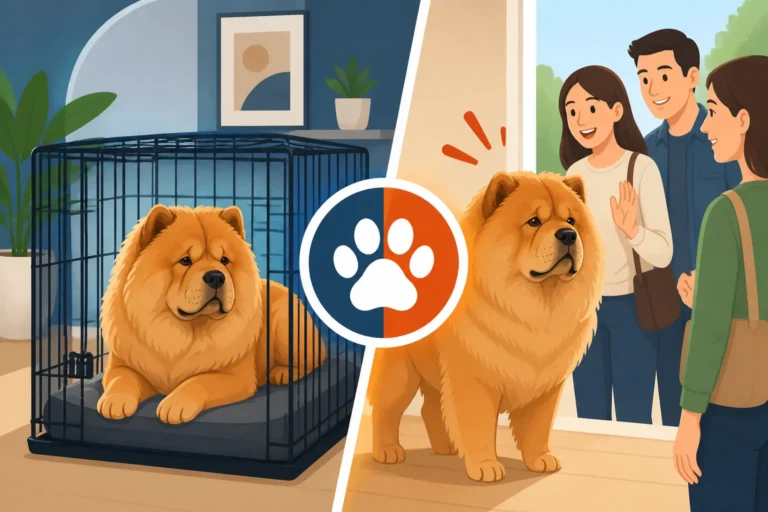
Boundaries are not about being harsh, but about defining roles and expectations. For example, if your Chow guards the sofa, establish that the sofa is your territory, and they are only allowed on it by invitation. Use verbal cues and gentle guidance to move them off if they are guarding, and reward them for calmly moving. Crate training can also be an invaluable tool. A crate provides a secure, personal den where your Chow can retreat and feel safe, reducing the impulse to guard other areas of the home. It becomes their private sanctuary where they are not expected to be "on guard."
Practical Tools and Resources for Management
Managing a territorial Chow Chow often involves a combination of training and strategic tools. These aren't shortcuts, but aids to help you and your dog navigate challenging situations more safely and effectively.
- Leashes and Harnesses: A sturdy, well-fitting harness (like those found on Amazon) that discourages pulling without causing discomfort can make walks more manageable, especially if your Chow is leash reactive. A regular collar might not provide enough control for a strong, determined Chow.
- Muzzles: Muzzle training is not a punishment; it's a responsible safety tool. A well-fitted basket muzzle allows your dog to pant, drink, and even take treats, but prevents bites. It's invaluable for vet visits, grooming, or during introductions to new people or dogs if there's any bite risk. Training your Chow to happily wear a muzzle is a kindness, not a cruelty.
- Privacy Screens/Window Film: As mentioned, if window guarding is an issue, simple window film or strategically placed screens can block visual triggers without isolating your dog entirely. You can find many options on Amazon to suit your home's aesthetic.
- Online Training Programs: For consistent, structured training, online programs can be incredibly helpful. Platforms like BAXTER & Bella offer comprehensive puppy and dog training courses that cover foundational behaviors, socialization, and problem-solving, all from the comfort of your home. These programs can provide the step-by-step guidance needed to build a strong, positive relationship and address territorial behaviors.
- Interactive Toys and Chews: Providing appropriate outlets for mental and physical energy can reduce overall anxiety and the likelihood of resource guarding due to boredom. Durable chew toys and puzzle feeders (also widely available on Amazon) can keep your Chow engaged and satisfied, directing their energy constructively.
Remember, tools are there to assist, but they work best when combined with consistent training and a clear understanding of your Chow Chow's individual needs.
| Behavior | Potential Triggers | Management Strategy | Outcome |
|---|---|---|---|
| Barking at the Doorbell | Mail carrier, delivery person, visitors | Desensitize with doorbell sound, teach "go to mat" | Reduced barking, calm greeting, clear boundary |
| Guarding Food/Toys | Approach while eating/playing, other pets | Trade-and-reward, feed in designated safe space | Reduced possessiveness, willingness to share |
| Leash Reactivity | Other dogs, people, bikes on walks | Counter-conditioning, parallel walking, distance control | Calm walks, reduced lunging, more relaxed demeanor |
| Guarding a Specific Spot | Someone trying to sit on "their" couch spot | Teach "off" command, reward for moving willingly | Respect for boundaries, less possessive over furniture |
| Suspicion of New People | Strangers entering home or approaching owner | Slow introductions, reward calm acceptance, "ignore" protocol | Calm acceptance, less stress for dog and guests |
When to Seek Professional Help
While a certain level of territoriality is inherent in the Chow Chow, there's a point where it can become problematic, unsafe, or simply unmanageable for the average owner. Recognizing when professional intervention is necessary is a sign of responsible ownership.
Recognizing Escalating Behavior
It's crucial to differentiate between typical Chow Chow aloofness and a genuinely escalating territorial issue. If your Chow's guarding behaviors begin to involve aggression—snapping, lunging, biting, or consistently showing teeth—that you cannot reliably manage, it's a clear red flag. Other signs of escalating behavior include:
- Increased Frequency: The territorial displays are happening more often, even with familiar people or in previously safe situations.
- Increased Intensity: The reactions are stronger, harder to interrupt, and take longer for your Chow to calm down from.
- Broader Scope: Your Chow is guarding more resources or expanding the "territory" they feel they need to protect (e.g., now guarding entire rooms, not just their bed).
- Unpredictability: You can no longer predict what will trigger a severe reaction, making daily life stressful and uncertain.
- Risk to Others: Family members, visitors, or other pets are genuinely at risk of being bitten or injured.
If you find yourself constantly walking on eggshells around your Chow Chow, or if you're avoiding certain situations entirely because you fear a negative reaction, it's time to seek help. This isn't just about your peace of mind; it's about your dog's quality of life, too. A constantly stressed or reactive dog isn't a happy dog.
Finding a Qualified Professional
When territorial behaviors escalate to a concerning level, relying solely on internet advice or basic obedience classes might not be enough. You need the guidance of a professional experienced in behavior modification, particularly with independent and protective breeds like the Chow Chow.
Look for a Certified Professional Dog Trainer (CPDT-KA), a Certified Applied Animal Behaviorist (CAAB), or a Veterinary Behaviorist (DACVB). The latter two are particularly well-suited for cases involving aggression, as they have advanced degrees and can often prescribe medication if anxiety or fear plays a significant role in the territoriality. When you're searching for a professional, don't hesitate to ask questions:
- Do they have experience working with Chow Chows or similar guardian breeds?
- What methods do they use? (Ensure they use positive, force-free methods, as harsh punishment will only exacerbate a Chow's territoriality and erode trust).
- Can they provide references?
- How do they structure their consultations and follow-up sessions?
A good professional will work with you to understand the root cause of the behavior, develop a customized training plan, and provide ongoing support. Remember, addressing territorial aggression takes time, commitment, and often a team approach, but it is a worthwhile investment for the safety and happiness of everyone involved. Seeking help from a professional trainer, especially early on, can make a significant difference, as highlighted in Whether a Chow Chow Needs a Professional Trainer Early.
Disclaimer
This article is for general informational purposes only and does not constitute professional advice. Laws, prices and regulations vary by location and change over time. Consult a qualified professional for guidance on your specific situation.