Whether a Chow Chow Puppy Should Meet Children
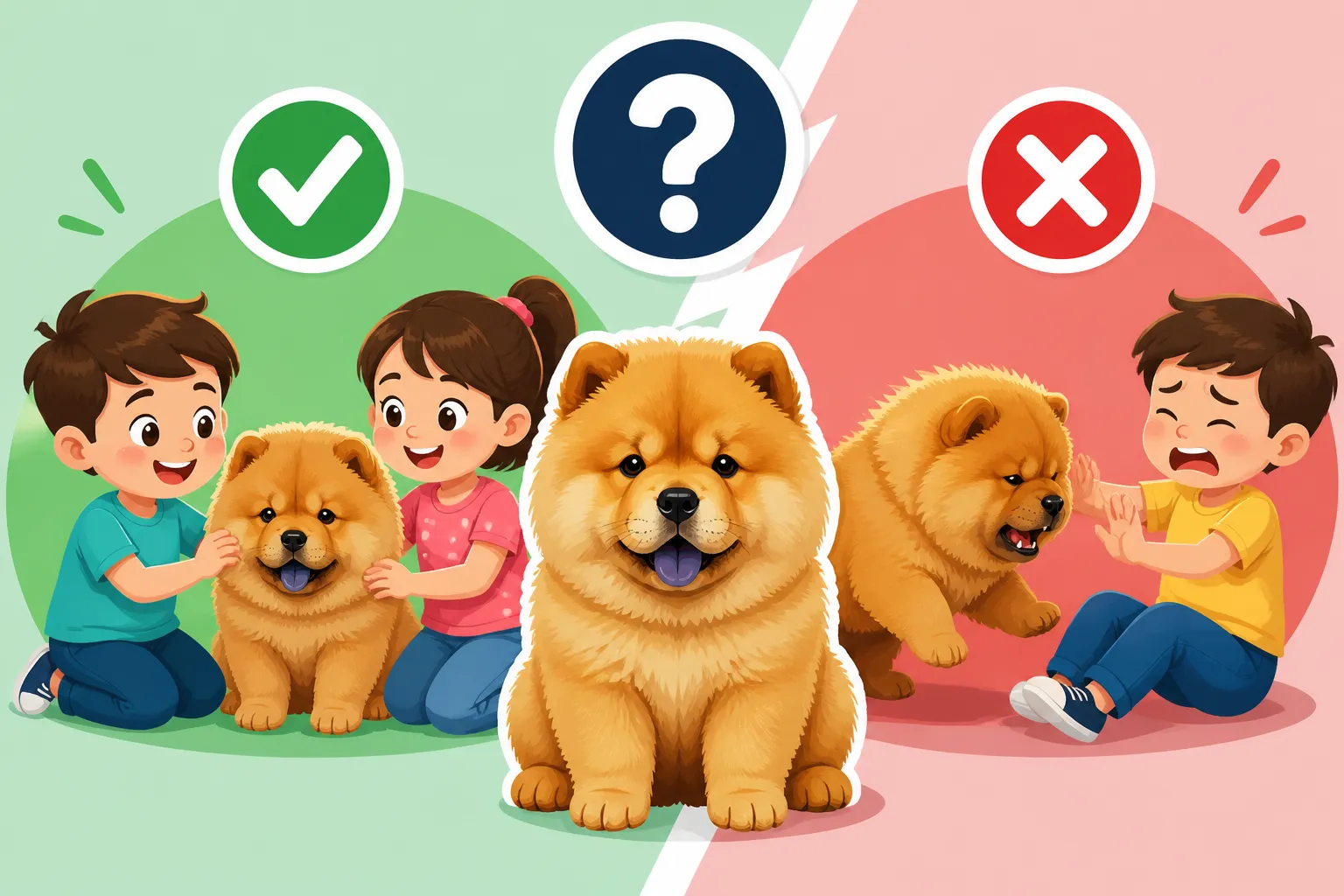
Bringing a new Chow Chow puppy home is such an exciting time, but if you have children, a very real and valid concern often bubbles up: how will they all get along? It's not just about wanting a harmonious home; it's about ensuring everyone, especially the vulnerable little ones and your precious pup, stays safe and happy. This guide is here to walk you through the essential steps and considerations for introducing your Chow Chow puppy to children, aiming for positive, respectful interactions from day one.
The Critical Window for Chow Chow Puppy Socialization
One of the most crucial things to understand when you bring a Chow Chow puppy into a home with children is the importance of early and correct socialization. This isn't just a "nice to have"; for a breed known for its independent and often reserved nature, it's absolutely fundamental.
Why Early Exposure Matters But Wisely
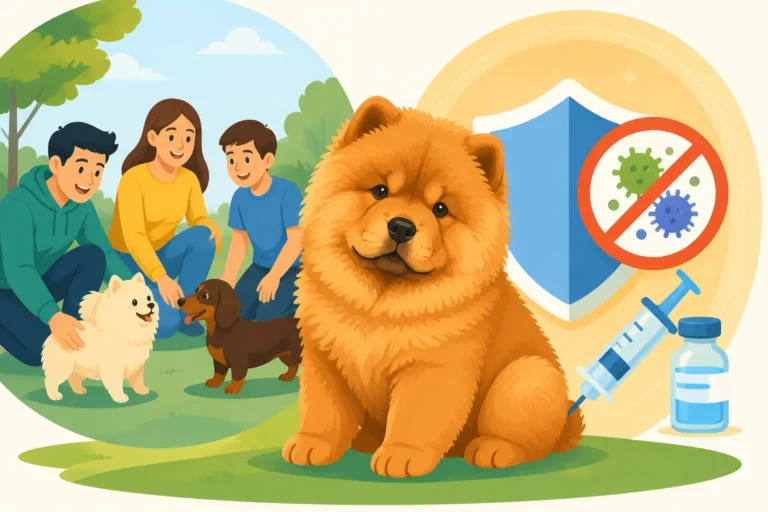
Every puppy goes through a critical socialization period, usually from about 3 to 16 weeks of age. During this time, their brains are like sponges, eagerly soaking up experiences and forming associations that will shape their adult personality. For a Chow Chow, this window is particularly significant. Positive, well-managed exposure to various sights, sounds, people, and yes, children, can help them develop into well-adjusted adults who are comfortable and confident in different situations.
However, "exposure" doesn't mean "throw them into the deep end." It means carefully curated, positive encounters. A puppy overwhelmed by a group of boisterous children, or subjected to rough handling, can quickly develop fear or defensive behaviors that are incredibly difficult to undo later. Imagine being a tiny, fluffy creature suddenly surrounded by giant, unpredictable beings who make loud noises and move erratically. It can be terrifying! The goal is to build positive associations, where children equal good things, like gentle pets, calm voices, and perhaps a tasty treat. This careful approach can make all the difference in whether your Chow Chow views children as friendly companions or something to be wary of. Remember, The Weeks That Matter Most for a Chow Chow Puppy are fleeting, so make every interaction count.
Understanding the Chow Chow's Natural Temperament Towards Strangers and Children
Chow Chows are not your typical Golden Retriever who wants to be best friends with everyone they meet. They are an ancient breed, often described as cat-like in their independence and aloofness. They tend to bond deeply with one or two primary people and can be quite reserved, even suspicious, of strangers, including children they don't know. This isn't aggression; it's often a natural caution and a desire for personal space.
This inherent temperament means that simply assuming your Chow puppy will naturally love children is a risky gamble. Without careful, consistent, and positive introductions, a Chow Chow might tolerate children at best, or, at worst, become defensive if they feel their boundaries are being invaded. Their deep-set eyes can also make it harder for people to read their facial expressions, leading to misunderstandings. It's vital to recognize that your Chow Chow's comfort zone might be smaller than that of other breeds, especially when it comes to unexpected pokes or hugs. Understanding this innate trait is the first step toward creating a safe environment for both your puppy and your children. Getting How Much Socialization a Chow Chow Puppy Needs right is paramount for their future comfort.
Setting the Stage for Successful Introductions
Successfully integrating a Chow Chow puppy into a home with children is a two-way street. It requires preparing both the children for the puppy and the puppy for the children, all within a structured and positive framework.
Preparing the Children for the Puppy
Before your Chow Chow puppy even sets a paw in your home, or certainly before the first meeting, your children need a solid education. This isn't just a quick chat; it's an ongoing lesson in canine etiquette, tailored specifically to the unique needs of a Chow. Teach them that a puppy, especially a Chow, is not a toy. They are living creatures with feelings, personal space, and sharp teeth if provoked or frightened.
Here are some key lessons to instill:
- Gentle Hands Only: Emphasize soft, slow strokes, avoiding grabbing or poking. Show them how to pet the puppy on the back or chest, rather than the head or face, which can be perceived as threatening.
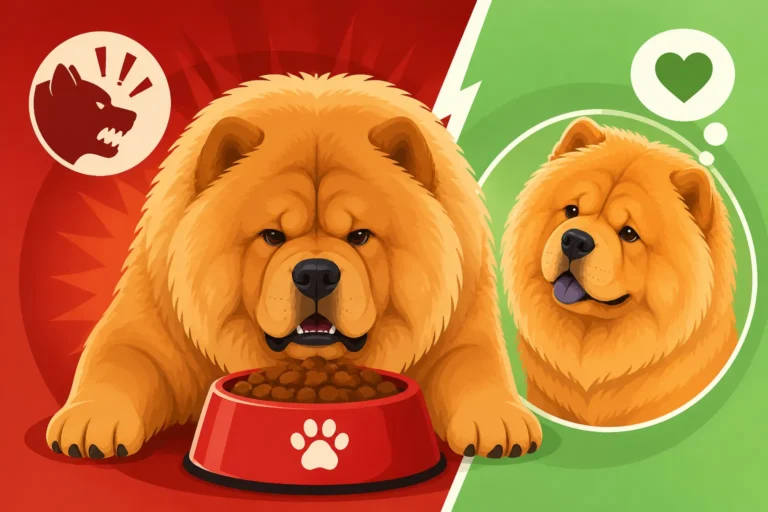
- Respecting Space: Teach children that a sleeping puppy should never be disturbed. A puppy eating or chewing a toy also needs its space respected. Interrupting these activities can lead to resource guarding or a startled snap.
- No Startling: Children should learn to approach the puppy calmly and announce their presence, rather than running up, screaming, or surprising it from behind. The Chow Chow's deep-set eyes mean they have limited peripheral vision, making them easily startled by sudden movements from the side or rear.
- Calm Voices: Loud noises and high-pitched squeals can be overwhelming for a puppy, particularly one as sensitive as a Chow. Encourage children to use quiet, soothing voices around their new companion.
- Understanding "No": Teach children what "no" means from you, the parent, and what a puppy's "no" might look like (growling, backing away, lip licking). Explain that a puppy needs to be able to retreat if it feels uncomfortable. It's imperative that children learn Why Children Misread a Chow Chow so they can react appropriately.
Consider reading age-appropriate books about dog safety with your children or watching videos together. Role-playing interactions can also be incredibly effective. Make it a fun, learning experience where they become "puppy helpers" rather than just curious spectators.
Preparing the Puppy for Children and the World
Just as children need preparation, your Chow Chow puppy needs to be set up for success in a world that includes little humans. This involves gradual, positive exposure and creating a sense of security.
Start by introducing your puppy to various positive stimuli in general. Play soft children's music, expose them to the sounds of children playing (from a distance, perhaps outside or from another room), and let them get used to different textures and gentle handling. This can be as simple as allowing different adults to gently touch their paws, ears, and mouth, always paired with high-value treats and praise. This helps them learn that being handled is a positive experience.
When it comes to direct interactions with children, think "quality over quantity." Short, positive encounters are far more beneficial than long, potentially overwhelming ones. Always have treats on hand to reward calm behavior from your puppy when children are present. This creates a powerful positive association: "children means yummy snacks!" A designated safe space, like a comfortable crate or a raised dog bed from Amazon, where your puppy can retreat and not be disturbed, is absolutely essential. This gives them a sanctuary when they feel overwhelmed or just need a nap. Remember, How Many People a Chow Chow Puppy Should Meet is about gradual exposure, not inundation.
The First Meeting: Controlled and Brief
The initial introduction between your Chow Chow puppy and children should be meticulously planned, calm, and brief. This is not the time for a free-for-all.
- Choose the Right Environment: A quiet, neutral space in your home is best, free from distractions or other pets. Have your children sit calmly on the floor or a couch, making themselves small and non-threatening.
- Puppy on Leash: Keep your puppy on a leash, but hold it loosely. This gives you control if the puppy tries to jump or if a child gets too enthusiastic, but it shouldn't feel like restraint.
- One Child at a Time (Initially): If you have multiple children, introduce them one by one. This reduces the overwhelming sensory input for the puppy.
- Gentle Approach: Instruct the child to hold out a closed fist for the puppy to sniff, then gently pet the puppy on the back, avoiding the head or tail. Guide the child's hand if necessary.
- Treats and Praise: As the child pets the puppy calmly, reward the puppy immediately with a small, high-value treat and verbal praise. This reinforces the positive association.
- Keep it Short: A few minutes is plenty for the first few sessions. End on a positive note, even if it feels like it could go longer. You want the puppy to associate children with pleasant, brief encounters, leaving them wanting more, not feeling relieved when it's over.
- Constant Supervision: This cannot be stressed enough. Never leave your Chow Chow puppy unsupervised with children, not even for a second. This is crucial for their safety and helps build trust for both parties. How to Introduce a Chow Chow to a Stranger is a good baseline, but children require extra thought.
For ongoing guidance on structured socialization and training techniques, consider an online program like BAXTER & Bella. They often provide step-by-step videos and resources that can be incredibly helpful for new puppy owners, guiding you through these sensitive introductions with expert advice.
Ongoing Management and Safety Protocols
Even after successful initial introductions, the work isn't over. Living safely and happily with a Chow Chow and children requires continuous management, vigilance, and a deep understanding of your dog's subtle cues.
Constant Supervision and Safe Spaces
The rule of "never leave a Chow Chow unsupervised with children" holds true throughout their lives, especially during puppyhood. Chows, by nature, can be less forgiving of perceived invasions of their space or unexpected handling than some other breeds. Their loyalty is intense, but it's often directed at their chosen person, and they may be less tolerant of others.
This doesn't mean you have to be a hawk 24/7, but it does mean setting up your home to facilitate safe interactions and prevent unsupervised ones. Baby gates can be invaluable tools, creating physical barriers that allow your Chow to see and hear children without direct contact, or vice versa. A designated "puppy-free zone" or "dog-only zone" in your home is also vital. This could be a crate in a quiet room, a bed in a corner, or even just an area behind a baby gate where your Chow can retreat and relax, knowing they will not be disturbed. Teach your children that when the puppy is in its special spot, it's off-limits. This fosters respect for the dog's boundaries and reduces stress for the Chow. Understanding How a Chow Chow Tolerates a Toddler is particularly important here, as toddlers lack impulse control.
Recognizing Stress Signals in Your Chow Chow
One of the biggest challenges with Chow Chows is that their impressive double coat and deep-set eyes can make their body language incredibly difficult to read. Unlike many other breeds whose ears, tail, and facial expressions are quite obvious, a Chow Chow might be giving off clear stress signals that are completely missed by an inexperienced eye. This is a common frustration for Chow Chow owners and can lead to dangerous misunderstandings.
Here are some subtle (and not-so-subtle) signs of discomfort or stress in a Chow Chow, which you should teach yourself and older children to recognize:
| Sign of Discomfort | Description | Why it's important for Chows |
|---|---|---|
| Lip Licking | Quick flick of the tongue over the nose or lips, often when no food is present. | A classic appeasement signal, indicating stress or a desire to de-escalate. |
| Yawning | Slow, exaggerated yawn, often without being tired. | Another appeasement signal, frequently seen when uncomfortable or stressed. |
| Head Turning / Body Turning | Puppy turns its head or entire body away from the interaction. | Attempting to disengage or create distance. Often ignored in other breeds but crucial for Chows. |
| Stiffening | Body becomes rigid, muscles tense. | A freeze response, indicating high stress and often a precursor to a bite if ignored. |
| "Whale Eye" | Showing the whites of the eyes, especially when the head is turned away. | Sign of anxiety or fear, trying to monitor the threat without engaging. |
| Low Growl / Muzzle Punch | A barely audible growl or a quick, open-mouthed push without biting down. | These are clear warnings! They often come with little escalation in Chows, so listen and react immediately. |
| Freezing | Stopping all movement, standing perfectly still, sometimes staring. | A critical moment – the dog is likely contemplating fight or flight. Remove them from the situation immediately. |
Your job is to be an advocate for your Chow Chow. If you see any of these signals, even a single lip lick, immediately intervene. Gently remove the puppy from the situation, or calmly redirect the child. The key is to act before the situation escalates. Many incidents occur because early warning signs were not recognized or respected. Learning How to Read a Chow Chow's Face can genuinely save you heartache, because these subtle signals are often the only ones they give. It's truly a test of your observational skills to spot Signs a Chow Chow Is Uncomfortable.
Tools and Resources for Safe Integration
Successfully living with a Chow Chow and children often means utilizing helpful tools and not being afraid to seek professional guidance.
- Crates and Pens: Invest in a sturdy, appropriately sized crate or an exercise pen (many excellent options are available on Amazon). These are not punishments but safe havens for your puppy. They provide a secure place to rest, eat, and feel safe from potentially overwhelming interactions, especially during busy times in the household.
- Long Lines: A lightweight long line (10-20 feet) can be invaluable for supervised outdoor play or for keeping your puppy tethered to you indoors during periods of high activity, allowing you to quickly intervene if needed.
- Professional Training: Don't hesitate to seek help from a qualified, positive reinforcement trainer. A good trainer can observe your family dynamics, your puppy's temperament, and your children's interactions, offering tailored advice and hands-on guidance. They can help you implement strategies that might be difficult to figure out on your own. Programs like BAXTER & Bella also offer comprehensive online resources that can supplement in-person training, providing structure and support for socialization and manners training. Knowing Whether a Chow Chow Needs a Professional Trainer Early can be a game-changer.
- Continued Education: Continue to educate your children as they grow. What's appropriate for a 5-year-old might not be for a rambunctious 8-year-old. Reinforce the rules consistently.
- Emergency Plan: Discuss with your family what to do if a puppy seems stressed or if an interaction goes awry. Having a clear plan of action can prevent panic and ensure safety.
- Regular Vet Checks: Ensure your Chow Chow puppy is healthy. Pain or discomfort can drastically change a dog's temperament, making them more prone to irritability.
Remember, raising a well-adjusted Chow Chow alongside children is an ongoing commitment. It requires patience, consistency, and a proactive approach, but the reward is a lifetime of safe and loving companionship. What Puppy Socialization Classes Cost a Chow Chow Owner might seem like an expense, but it's an investment in lifelong harmony.
| Interaction Type | Safe Practice | Unsafe Practice |
|---|---|---|
| Greeting | Child sits quietly, allows puppy to approach, offers closed fist for sniff, gentle back stroke. | Child runs at puppy, hugs tightly, pokes face, screams. |
| Playtime | Structured play with appropriate toys (e.g., fetch, gentle tug-of-war), supervised. | Rough-housing, chasing, pulling tail/ears, allowing puppy to mouth hands or clothes. |
| Boundaries | Child respects puppy in crate/bed, allows puppy to retreat, leaves puppy alone while eating. | Child climbs into crate, startles sleeping puppy, takes food/toys from puppy. |
| Supervision | Adult actively observes all interactions, ready to intervene. | Puppy and child left alone, adult distracted, assuming "they'll be fine." |
| Handling | Gentle petting on back/chest, short periods, always rewarding calm behavior. | Lifting puppy against its will, dragging, forcing interactions. |
| Communication | Adult teaches child puppy's stress signals, child reports concerns. | Child ignores puppy's warning signs, adult dismisses child's fears or puppy's discomfort. |
Bringing a Chow Chow puppy into a family with children can be an incredibly rewarding experience, but it's one that demands forethought, education, and unwavering commitment. By understanding your Chow Chow's unique temperament, proactively preparing both your children and your puppy, and maintaining constant, vigilant supervision, you can foster a home where everyone feels safe, respected, and loved. It's a journey that requires effort, but building those positive foundational experiences will ensure a harmonious future for your fluffy companion and your little ones.
Disclaimer
This article is for general informational purposes only and does not constitute professional advice. Laws, prices and regulations vary by location and change over time. Consult a qualified professional for guidance on your specific situation.