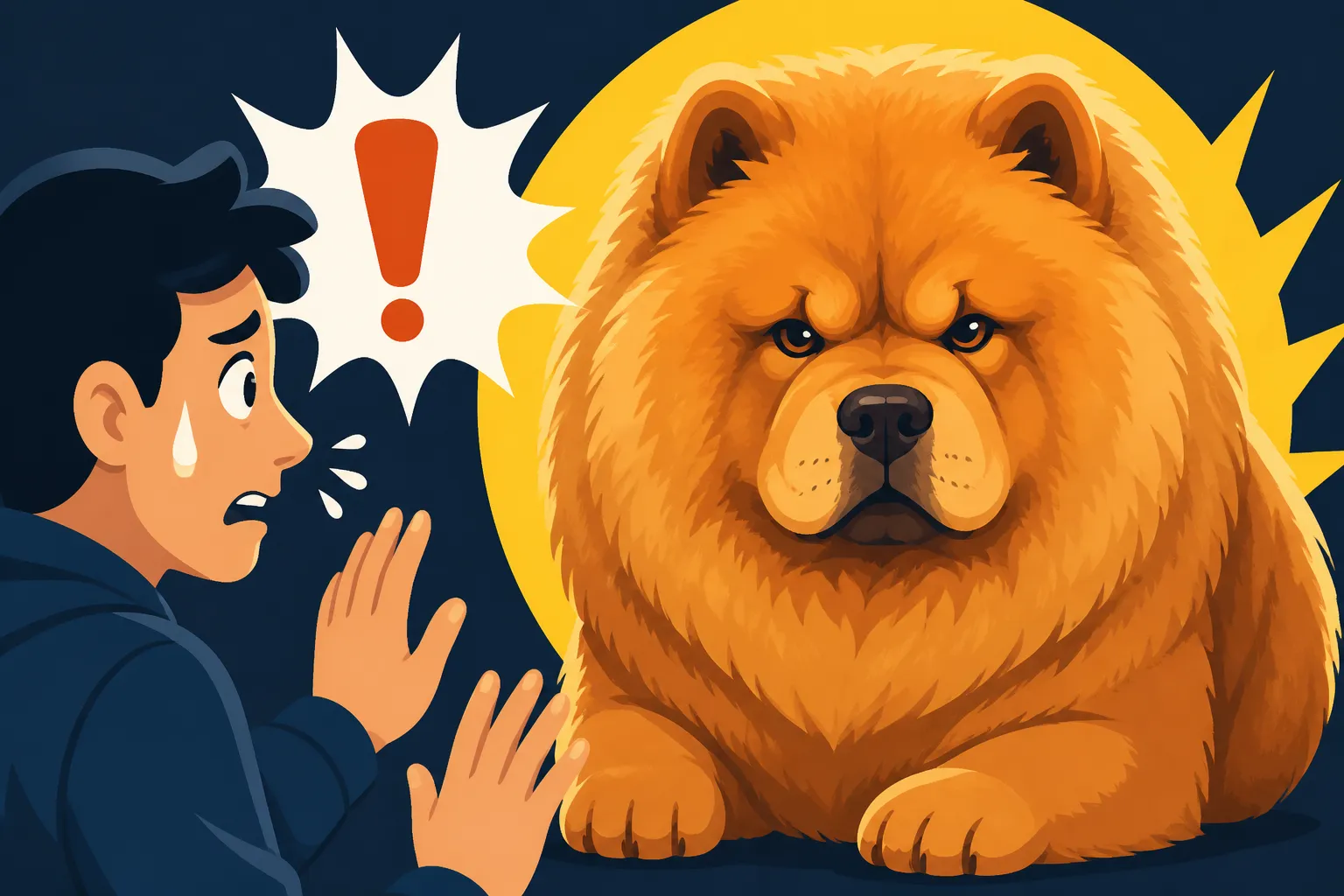
Why a Chow Chow Gives Little Warning
It’s a scenario many Chow Chow owners and those who’ve encountered them know all too well: one moment, your furry friend seems perfectly calm, perhaps even indifferent, and the next, there’s a sudden growl, a snap, or a quick lunge. This perceived "lack of warning" can be incredibly unsettling, leading to misunderstandings and even fearful interactions. This guide is here to unravel the truth behind why Chow Chows often appear to give little warning before reacting, offering insights into their unique communication style and how you can foster safer, more harmonious relationships.
The Chow Chow's Mask: Why Their Appearance Can Be Misleading
One of the biggest hurdles in understanding a Chow Chow's communication is their very appearance. Their distinctive features, while beautiful, can inadvertently mask the subtle cues that other breeds might display more overtly. It’s like they're wearing a poker face, and unless you know exactly what to look for, you might miss the tell-tale signs.
The Stoic Expression and Deep-Set Eyes
A Chow Chow's natural expression is often described as a "scowl" or a "frown." This isn't because they're inherently grumpy or ill-tempered, but rather due to their facial structure. The heavy brows and deep-set eyes, while contributing to their majestic lion-like appearance, mean that subtle eye movements or changes in expression that might signal discomfort in another dog are simply harder to see. Where a Labrador might widen its eyes in apprehension or dart them nervously, a Chow Chow’s eyes might remain largely obscured or seemingly unchanging, making it challenging to gauge their mood at a glance. Why a Chow Chow's Deep Set Eye Limits Its Vision explores this further, explaining how their physical features affect their field of vision and, consequently, how they perceive and react to their environment.
Furthermore, their plush, dense fur, particularly the magnificent ruff around their neck, can obscure other body language signals. A slight stiffening of the neck or a subtle twitch of the shoulders might be completely hidden under all that luxurious coat. This isn't an intentional deception on their part; it's simply a biological reality that makes reading them a more nuanced task. Owners must learn to look beyond the general impression and focus on smaller, less obvious indicators.
Body Language That Is Easily Missed or Misinterpreted
Because of their physical traits, a Chow Chow’s body language is often incredibly understated compared to many other breeds. They aren't typically "wigglers" or effusive tail-waggers. Their natural gait, often described as stilted, and their tail, which curls tightly over their back, mean that typical canine signals like a wagging tail might not mean the same thing, or be as pronounced, as in a Golden Retriever. You might see a slight stiffening of the body, a barely perceptible shift in weight, or a slight turn of the head as their only pre-warning.
Many dogs will give a series of escalating warnings: a hard stare, a slight growl, a lip curl, a baring of teeth, before finally snapping. A Chow Chow, however, often skips several of these steps, or compresses them into such a short timeframe that it feels like an instant reaction. This isn't because they don't warn; it's because their warnings are brief, subtle, and require a highly observant eye to catch. A quick glance, a slight tensing of the jaw, or a barely audible huff might be all you get. How to Read a Chow Chow's Face provides excellent insights into decoding these often-missed signals.
A Different Language: Their Independent Nature and Communication Style
Beyond their physical appearance, the Chow Chow's distinct personality and historical purpose also play a significant role in their communication style. They are an ancient breed, known for their independence and discerning nature, which translates into how they interact with the world and express their boundaries.
The Discerning Greet: Not Necessarily Aloof, But Reserved
Chow Chows are often labeled as aloof, and while they aren't typically effusive, this shouldn't be confused with an absence of emotion or a disregard for their people. They tend to be one-person dogs, forming deep, unwavering bonds with their chosen human. With others, they can be reserved and discerning, and this applies to how they prefer to be greeted and interacted with. A typical dog might tolerate a stranger reaching over their head for a pat, or a child rushing in for a hug. A Chow Chow, on the other hand, is much less likely to appreciate such an approach. Why a Chow Chow Dislikes Being Hugged goes into detail about their preferences for physical contact.
Their warnings, when they do come, are often a firm declaration of boundaries rather than an invitation for further interaction or negotiation. If they feel crowded, disrespected, or threatened, their response might be swift and without the typical canine preamble. They don't always feel the need to politely request space; they simply take it, or defend it. This makes it crucial for owners to advocate for their dog's space and educate others on appropriate ways to interact with them, which usually means no direct eye contact, no reaching, and letting the dog initiate contact, if at all.
Low Tolerance for Perceived Intrusions
Chow Chows, by nature, often have a lower tolerance for perceived intrusions into their personal space or routine. This isn't aggression for aggression's sake, but rather a strong sense of self-preservation and a clear understanding of their boundaries. Things that might be minor annoyances for a more gregarious breed – like an unexpected touch from behind, a child pulling on their fur, or another dog getting too close to their food bowl – can be significant triggers for a Chow Chow. Signs a Chow Chow Is Uncomfortable details many of these triggers and their corresponding subtle cues.
Because their physical warnings are subtle and their tolerance can be low, the gap between their "warning" and their "action" can be very short. If a Chow Chow has subtly shifted its weight, stiffened its body, and given a hard stare, and that warning is missed, the next step might be a snap. They don't often linger in an intermediate state of mild annoyance; they escalate quickly if their initial, subtle boundary setting is ignored. This is particularly relevant when considering interactions with children or unfamiliar guests, where proactive management is key.
Factors That Exacerbate the Lack of Warning
While the Chow Chow's inherent traits contribute to their unique communication style, external factors and past experiences can significantly impact how much (or how little) warning they give. These are areas where owners have a direct influence on their dog's behavior and reactivity.
Insufficient Socialization During Critical Periods
A major contributor to a Chow Chow’s tendency to give little warning is insufficient or improper socialization during their critical developmental period, typically between 3 and 16 weeks of age. This period is a short window where puppies are most open to new experiences, sights, sounds, people, and other animals. If a Chow Chow puppy isn't exposed to a wide variety of positive, low-stress experiences during this time, they can grow up to be fearful or wary of the unfamiliar. The Weeks That Matter Most for a Chow Chow Puppy underlines the importance of this developmental stage.
An undersocialized Chow Chow might perceive novel situations or interactions as threatening, and if they haven't learned appropriate coping mechanisms or how to communicate their discomfort effectively, their default response can be an immediate defensive reaction. Instead of a growl that allows for de-escalation, they might go straight to a snap because they haven't learned that subtle warnings are understood or respected. This makes early, controlled, and positive socialization absolutely critical for a well-adjusted Chow Chow. It doesn't mean forcing interactions, but rather exposing them to the world in a safe, positive way.
Pain, Fear, or Past Negative Experiences
A dog in pain, or one that has a history of negative experiences, will almost always have a reduced tolerance and a quicker, less-warned reaction. If a Chow Chow is suffering from an underlying health issue, like joint pain from Elbow Dysplasia Ranks the Chow Chow Near the Top or a dental problem, an unexpected touch in a sensitive area can trigger an immediate defensive response. They might not have the luxury of giving a long warning when they are already feeling vulnerable or uncomfortable. It’s a natural instinct to protect themselves when hurting.
Similarly, a Chow Chow that has been mishandled, abused, or consistently ignored when giving subtle warnings in the past might learn that warnings are futile. They might then skip directly to a more assertive response, believing it's the only way to be understood or to make the perceived threat retreat. This is why understanding a rescue Chow Chow's history is so important, and why approaching them with patience and respect for their past is paramount.
Strategies for Understanding and Safe Interaction
Living with a Chow Chow that gives little warning requires diligence, observation, and a proactive approach to management and training. It’s about meeting them where they are and learning their language, rather than expecting them to conform to typical dog behavior.
Learning to Read the Micro-Expressions and Subtle Cues
For Chow Chow owners, becoming an expert in their dog’s unique body language is essential. This means observing them closely in various situations, not just when they seem agitated, but also when they are relaxed. Pay attention to the subtle shifts:
- Eyes: Is there a slight narrowing, a hard stare, or a sudden avoidance of eye contact?
- Mouth: Is the mouth tightly closed, corners pulled back even slightly, or lips tensed? Are the whiskers stiff?
- Body: Is the weight shifting back, the posture stiffening, or the head lowering slightly?
- Ears: Are they slightly pulled back, pressed flatter, or rotated away from the source of discomfort, despite their small size?
- Tail: Even if it’s curled, is there a stiffening, or a slight change in the tightness of the curl?
It takes practice, but by paying close attention, you can start to piece together their subtle signals. Think of it like learning a new dialect; it's still English, but the nuances are different. This focused observation is your most powerful tool in anticipating their reactions.
Proactive Management and Controlled Introductions
Because Chow Chows can be slow to warm up and quick to react, proactive management is key. This means controlling their environment and interactions to set them up for success.
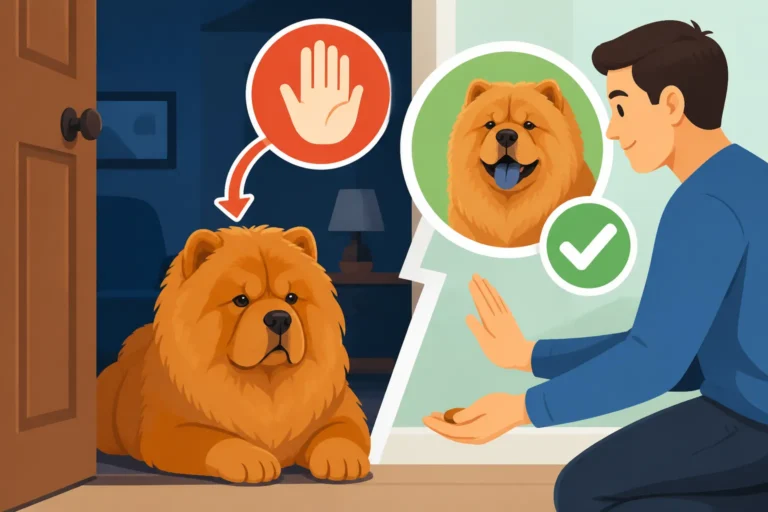
- Guest Management: When visitors come over, ensure your Chow Chow has a safe, comfortable space where they can retreat if overwhelmed. Consider crating them in another room with a puzzle toy, or keeping them on a leash with you initially. How to Manage a Chow Chow When Guests Arrive offers practical tips for these situations.
- Children and Strangers: Teach children (and adults!) how to interact safely, which usually means no rushing, no hugging, and no reaching over the head. Always supervise interactions, and never leave a Chow Chow unsupervised with children. How to Teach a Child to Approach a Chow Chow can be a valuable resource.
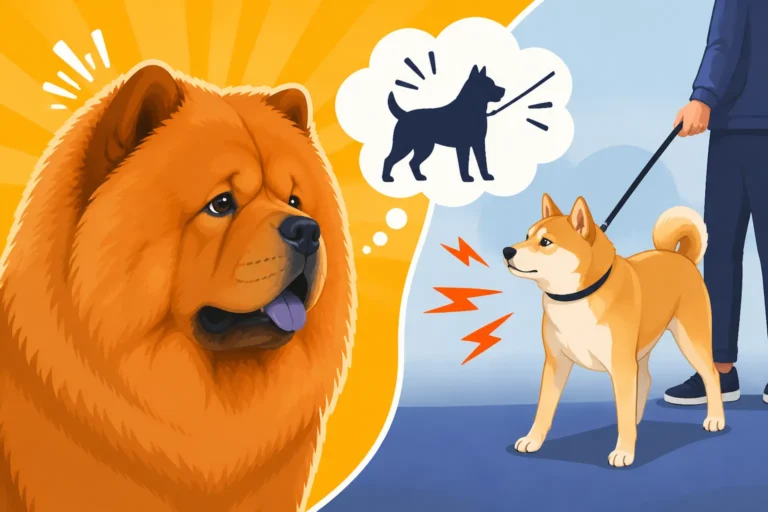
- Leash Manners: A good, sturdy leash and harness are essential. If your Chow Chow reacts to other dogs on leash, work on desensitization and counter-conditioning in controlled environments.
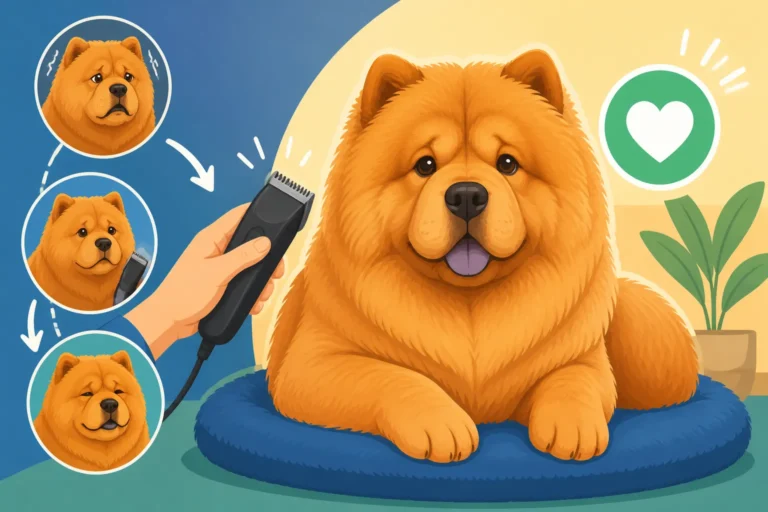
One excellent way to teach a Chow Chow to accept handling for grooming or vet visits is through positive reinforcement and gradual exposure. Many owners find online puppy training programs, like those offered by BAXTER & Bella, incredibly helpful for foundational manners and desensitization exercises. They teach you how to build a positive association with handling, making future interactions much smoother and safer for everyone.
Training for Clear Communication and Building Trust
Training isn't just about teaching commands; it's about building a language and a bond of trust with your Chow Chow. Positive reinforcement methods work best, as harsh corrections can backfire, eroding trust and potentially exacerbating reactive behaviors. Why Harsh Correction Backfires on a Chow Chow explains this dynamic.
Focus on:
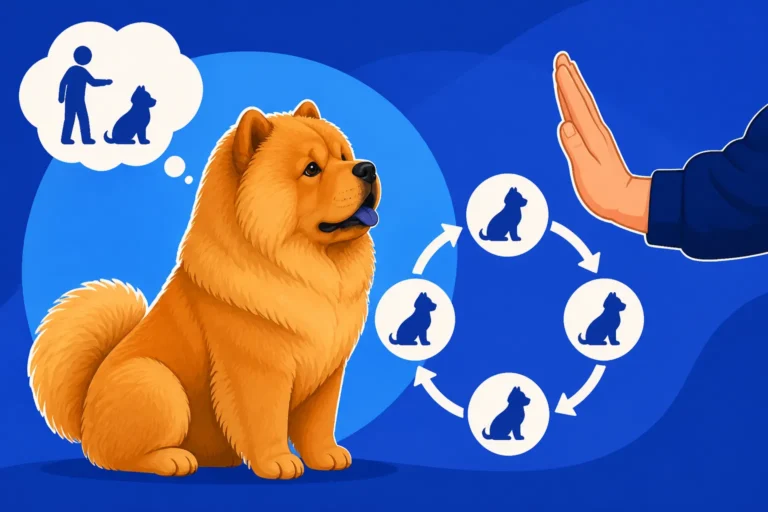
- Rewarding Calmness: Acknowledge and reward your Chow Chow when they display calm, relaxed behavior in potentially stressful situations.
- Consent Test: Teach your Chow Chow to offer consent for petting or handling. If you reach out and they lean in, great. If they lean away, respect that. How Much a Chow Chow Wants to Be Petted highlights their preference for consent.
- Muzzle Training: For some Chow Chows, especially those with a history of reactivity or those who are particularly sensitive to handling, muzzle training can be a life-saving tool. A comfortable muzzle, found easily on platforms like Amazon, isn't a sign of a "bad" dog; it's a responsible safety measure that allows your Chow Chow to participate in necessary vet visits, grooming, or public outings safely and stress-free. Teaching a Chow Chow to Wear a Muzzle walks you through this important process.
By understanding their unique language, proactively managing their environment, and building a strong, trust-based relationship through positive training, you can significantly reduce the likelihood of "unwarned" reactions and enjoy a much more predictable and peaceful life with your magnificent Chow Chow.
| Chow Chow Warning Signal (Subtle) | Interpretation | What it might look like in other breeds | Action to Take |
|---|---|---|---|
| Stiffening of body or tail | Tension, discomfort | "Frozen" stance, slight tail tuck | Give space, stop interaction |
| Hard stare / direct eye contact | Challenge, warning | Growl, lip curl, direct bark | Avoid eye contact, turn sideways |
| Head turn / lip lick | Stress, appeasement (often missed) | Yawning, looking away | Reduce pressure, change environment |
| Tight-lipped mouth / pulled back lips | Discomfort, preparing to snap | Wrinkled muzzle, teeth baring | Cease interaction immediately |
| Small, quick movements with head | Frustration, warning | Quick lunge, bark | Give space, use known commands for calm |
| Shifting weight back / leaning away | Wishing to retreat, uncomfortable | Cowering, trying to hide | Create an exit path, respect boundaries |
Disclaimer
This article is for general informational purposes only and does not constitute professional advice. Laws, prices and regulations vary by location and change over time. Consult a qualified professional for guidance on your specific situation.