Whether a Chow Chow Chases Small Animals
One common concern that weighs heavily on the minds of potential and current Chow Chow owners is how their dignified, lion-maned companion will react to smaller creatures in the environment. It's a valid worry, born from their ancient lineage and sometimes misunderstood temperament. This guide aims to shed light on the Chow Chow's natural instincts regarding small animals, from the squirrels darting across the yard to the beloved family cat, and provide practical advice on managing these behaviors safely and effectively.
Understanding the Chow Chow's Natural Instincts
The Chow Chow, with its distinctive appearance and reserved demeanor, carries a rich history that has shaped many of its inherent behaviors. Understanding where these instincts come from is the first step in appreciating and managing them.
The Chow Chow's Ancient Working Roots
Let's face it, the Chow Chow wasn't originally bred to be a cuddly lap dog, though many owners find they are quite affectionate with their chosen person! Their ancestors in ancient China served a variety of roles that required a keen sense of awareness, independence, and, yes, a certain level of prey drive. These dogs were used for hunting, guarding, and even herding, which means they needed to be capable of pursuing and dispatching smaller game, as well as protecting their territory and flock from threats. This isn't just a quaint historical fact; it’s etched into their genetic makeup.
Imagine a Chow Chow centuries ago, patrolling a Chinese village or accompanying a hunter through the wilderness. They weren't just looking for big game; they were likely expected to flush out smaller animals like rabbits, pheasants, or even rodents. This history means that while your Chow Chow might be a pampered pet today, that ancient programming for chasing and capturing is still very much present, even if dormant. It's not a flaw in their personality; it's a testament to their heritage. This historical context also gives us clues as to Why a Chow Chow Snaps at Someone It Did Not See, as their territorial instincts were once essential for survival.
What "Prey Drive" Really Means for a Chow Chow
So, what exactly is "prey drive"? It's a natural instinct in many dog breeds, including the Chow Chow, that encompasses the sequence of behaviors involved in hunting: searching, stalking, chasing, biting to capture, and often, killing. For most modern pet dogs, this sequence is rarely completed in its entirety, thankfully. However, the urge to chase and "capture" can be very strong.
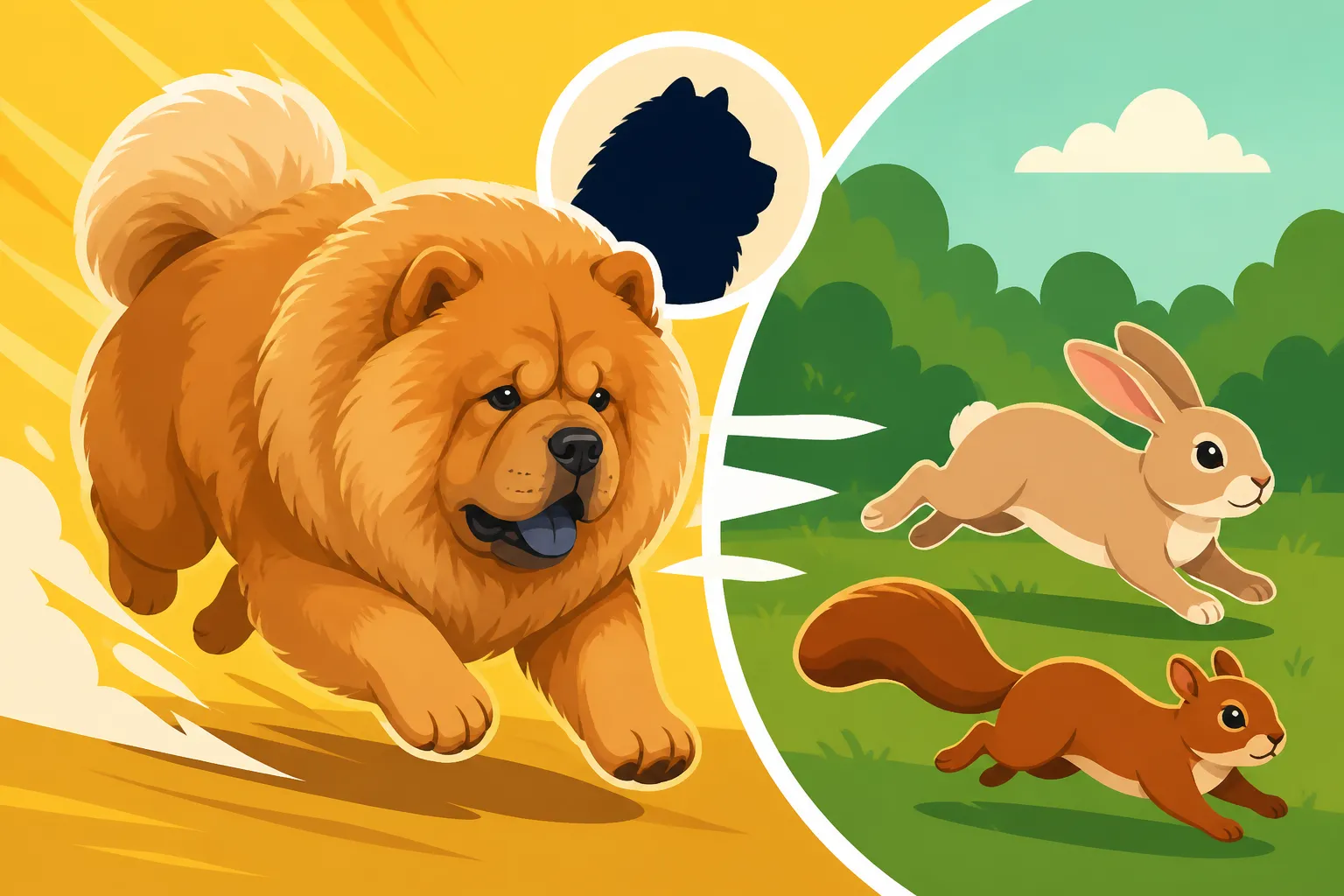
For a Chow Chow, this can manifest as a sudden surge of interest in a squirrel that dashes up a tree, a rabbit bolting across a field, or even a leaf blowing erratically in the wind. It's often triggered by movement, especially quick, darting movements, or by specific scents. This isn't aggression in the malicious sense; it's a hardwired response. It means your Chow might be perfectly calm one moment and then, seeing a small animal, become completely focused, pulling strongly on the leash, or, if off-leash, taking off in pursuit. It's a powerful instinct that can override even the best training if not properly managed.
The strength of this prey drive varies widely among individual Chow Chows, just like any other breed. Some may have a very low drive, barely noticing a rabbit, while others might have an intense, almost uncontrollable urge to chase. This variation highlights why understanding your individual Chow Chow is so crucial.
Living with a Chow Chow and Small Animals
Navigating life with a Chow Chow means being mindful of their potential prey drive, especially when they encounter various small animals, both wild and domesticated.
The Squirrel in the Yard and the Rabbit on the Walk
It’s a classic scenario: you're enjoying a peaceful walk with your Chow Chow, perhaps admiring the way their glorious coat catches the sunlight, when suddenly, a squirrel zips up a tree. Or a rabbit hops into view from a bush. In an instant, your calm companion transforms into a determined hunter, lunging forward with unexpected strength, sometimes pulling you right off your feet. This isn't unusual for a Chow. Their instinct to chase is often powerful, fueled by millennia of selective breeding for certain roles.
Managing this on walks means being constantly aware of your surroundings. Using a sturdy leash and a comfortable, secure harness is non-negotiable. A long line, perhaps from a brand you can find easily on Amazon, can also be a valuable tool for practicing recall in a safe, enclosed space, allowing your Chow some freedom while still being securely connected. Remember, a Chow Chow’s recall, even when well-trained, can be completely forgotten in the face of a strong prey drive trigger. Teaching a Chow Chow a Reliable Recall is a vital skill, but one you can never entirely trust when a wild animal is involved. Always err on the side of caution.
In your yard, if it's securely fenced, a Chow might chase away squirrels, birds, or other small critters that enter their territory. This is part of their guarding instinct combined with their prey drive. It keeps your yard free of pests, but it also means you should never rely on your fence alone to keep them from pursuing something tempting if a gate is accidentally left ajar or a determined squirrel provides too much temptation.
Introducing a Chow Chow to Cats or Other Small Pets
This is where the nuances of prey drive become critical. While a wild rabbit is one thing, a beloved family cat or guinea pig is entirely another. The Chow Chow’s strong prey drive can make living with smaller household pets a significant challenge, sometimes an insurmountable one.
If you are considering bringing a Chow Chow into a home with existing cats or other small animals, or vice versa, the utmost caution and slow, controlled introductions are absolutely essential. It's paramount that your Chow Chow is well-socialized from a young age, as Why Early Socialization Decides What a Chow Chow Becomes can significantly impact their acceptance of other creatures. Even then, there's no guarantee. A puppy raised with a cat might learn to tolerate that specific cat, but it doesn't mean they'll be friendly with all cats or other small animals.
When introducing them, always supervise closely and keep the Chow Chow on a leash. Use positive reinforcement to reward calm behavior. Never leave them unsupervised until you are absolutely certain of their safety, and even then, many owners prefer to keep small prey animals completely separate when they can't be watched. A secure crate for your Chow Chow or separate rooms for your cat are wise measures. Living With a Chow Chow and a Cat delves deeper into the complexities of this specific relationship. It's not about the Chow being "mean"; it's about a deep-seated instinct.
Small Dogs and the Chow Chow
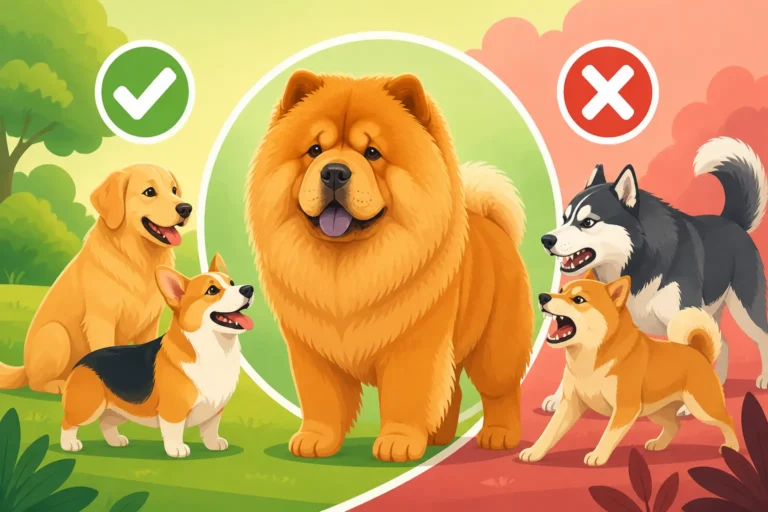
The term "small animals" often extends to small dog breeds. While many Chow Chows can coexist peacefully with other dogs, especially if they are well-socialized and introduced properly, the dynamic with very small dogs can be tricky. Some Chow Chows, especially those with a high prey drive, might view a tiny, yappy terrier or a chihuahua as something more akin to prey than a fellow canine. This is a tough reality to face, but it's important to be realistic.
This isn't to say it's impossible for a Chow Chow to live with a smaller dog, but it requires diligent training and management. Proper introductions, always on neutral territory and under strict supervision, are critical. Pay close attention to body language from both dogs. A Chow Chow’s communication can be subtle, and they often give little warning before reacting. How a Chow Chow Gets Along With Other Dogs explains more about their typical interactions with other canines. For multi-dog households, understanding Which Pairing Works Best for a Chow Chow can be invaluable.
Consider the size difference: a Chow Chow is a robust, powerful dog. Even an accidental bump during play could injure a toy breed. If you have a multi-dog household with a significant size disparity, constant supervision and careful management of play are a must. Many Chow owners find that same-sex aggression can also be an issue, adding another layer of complexity.
Managing and Minimizing Prey Drive Behaviors
While you can't erase a Chow Chow's natural instincts, you can certainly manage them effectively through consistent training, responsible socialization, and smart environmental controls.
Training and Early Socialization Are Key
From the moment you bring a Chow Chow puppy home, their socialization window is wide open, and it's your most critical time to shape their perception of the world. Expose them to a wide variety of sights, sounds, people, and safe animals. This doesn't mean letting them freely interact with every squirrel they see, but rather teaching them to observe calmly. Puppy classes, especially those from reputable trainers or online programs like BAXTER & Bella, can be invaluable for structured socialization in a controlled environment.
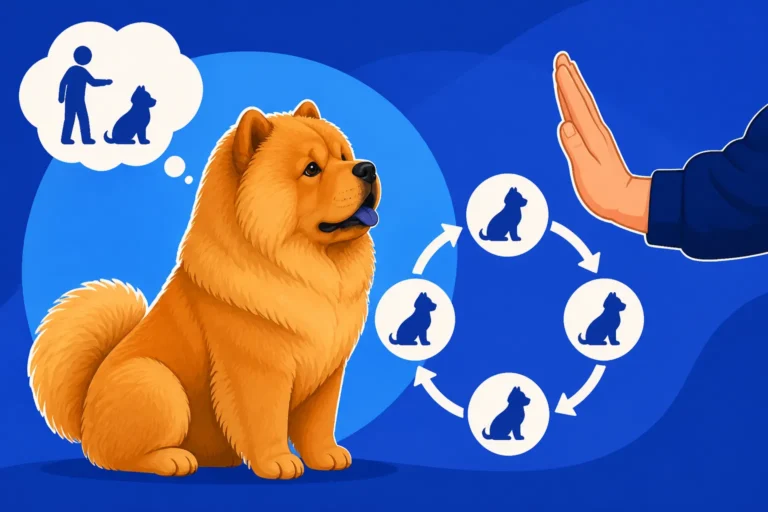
Training should focus heavily on impulse control and developing a strong "leave it" command. This means teaching your Chow Chow to disengage from something tempting on command. Start in low-distraction environments and gradually increase the challenge. Use high-value treats to reward successful disengagement. Remember, A Chow Chow Trains by Agreement, Not Obedience; they respond best to positive reinforcement and clear, consistent communication rather than harsh methods.
For Chow Chows, who can be inherently aloof and independent, building a strong bond and mutual respect through positive training methods will make them more likely to listen to you, even when their instincts are screaming at them to chase. Regular, short training sessions are more effective than long, boring ones.
Environmental Management and Safety Protocols
When dealing with a strong prey drive, prevention is often the best medicine. This means setting up your home and outdoor spaces to minimize opportunities for your Chow Chow to act on their chasing instincts.
At Home:
- Secure Fencing: Ensure your yard has a tall, sturdy fence that your Chow Chow cannot dig under or jump over. Regularly check for weak spots.
- Controlled Access: If you have smaller pets, create separate, secure zones. Use baby gates or close doors to prevent unsupervised interactions.
- Crate Training: A comfortable crate can be an excellent safe space for your Chow Chow when you can't supervise directly, or when small guests (human or animal) are visiting.
Out and About:
- Leash Discipline: A Chow Chow with a prey drive should almost always be on a leash when outside a securely fenced area. Invest in a good quality, non-retractable leash and a well-fitted harness that prevents slipping.
- Awareness: Be observant on walks. If you spot a squirrel or rabbit ahead, get your Chow Chow's attention immediately and redirect them with a command or treat before they notice the potential "prey."
- Avoid Off-Leash Areas: Dog parks or open fields where small wildlife might be present are generally not safe for a Chow Chow with a strong prey drive. Even if they are usually good with other dogs, the presence of a darting squirrel could trigger an unwanted chase response.
Tools and Resources for Owners
You're not alone in managing a Chow Chow's prey drive. There are many tools and resources available to help you keep your dog and other animals safe.
| Tool/Resource | Benefit for Prey Drive Management |
|---|---|
| Sturdy Leash & Harness | Provides control and prevents escapes, essential for walks. |
| Long Line | Allows safe, supervised practice of recall in open but secure areas (e.g., from Amazon). |
| High-Value Treats | Essential for rewarding "leave it" and recall commands, especially when distractions are high. |
| Interactive Toys | Redirects chasing energy into appropriate play, like flirt poles or fetch. |
| Online Training Programs | Offers structured lessons on impulse control, "leave it," and recall (e.g., BAXTER & Bella). |
| Secure Crate/Kennel | Provides a safe, calm space for your Chow Chow, and security for other pets when you're not supervising. |
| Professional Trainer | Can assess your Chow Chow's specific prey drive and develop a tailored management plan. |
Remember, managing prey drive is an ongoing commitment. It’s about building a trusting relationship with your Chow Chow and providing them with clear boundaries and outlets for their natural behaviors in a safe way. Some Chow Chows may thrive with structured "chase" games involving toys, satisfying that instinct without harming live animals. Ultimately, success lies in understanding your Chow Chow, respecting their ancient instincts, and creating an environment where everyone can live safely and happily. How Much Exercise a Chow Chow Actually Needs can also tie into managing excess energy that might fuel a chase response.
Disclaimer
This article is for general informational purposes only and does not constitute professional advice. Laws, prices and regulations vary by location and change over time. Consult a qualified professional for guidance on your specific situation.