When a Chow Chow’s Eye Discharge Means Entropion
It’s a sight that can instantly make a Chow Chow owner’s heart sink: that tell-tale discharge collecting in the corner of your beloved companion’s deep-set eyes, or even running down their majestic facial folds. While some eye discharge can be completely normal, figuring out when it’s just a bit of morning gunk versus a serious indicator of an underlying problem like entropion can be incredibly stressful and confusing. This guide is here to unravel that mystery, helping you understand when your Chow Chow's eye discharge is a sign that their eyelids might be rolling inward.
Understanding Eye Discharge in Your Chow Chow
Seeing something unusual around your Chow Chow’s eyes can be alarming, but not all eye discharge signals an emergency. Just like humans, dogs produce tears to keep their eyes lubricated and to flush out irritants. Sometimes, these tears can dry and accumulate in the corners, leading to what we might call "sleep crust" or "eye boogers." The trick is knowing when this is just a normal part of your Chow Chow's daily grooming routine and when it's a symptom pointing to something more serious, potentially even entropion.
Normal vs. Concerning Discharge
Normal eye discharge in a Chow Chow is typically clear or a very light, almost transparent, yellowish-white. It should be minimal, easily wiped away, and not accompanied by redness, swelling, or any obvious discomfort from your dog. You might see a small amount after they wake up, and it shouldn't reappear rapidly throughout the day after cleaning. This kind of discharge is usually just dried tears, mixed with a little dust or dead cells, and is no cause for concern.
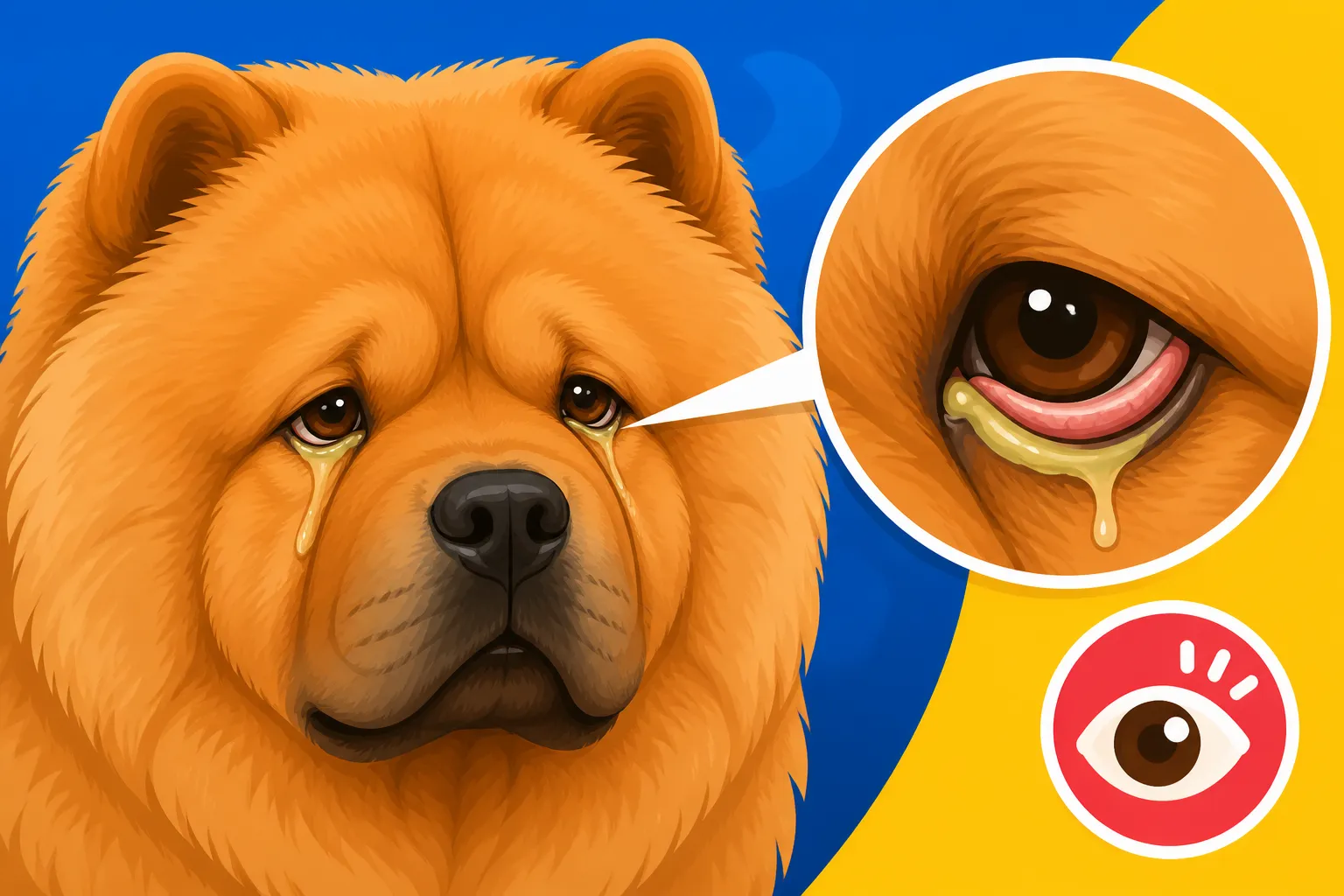
On the other hand, discharge becomes concerning when it changes in color, consistency, or volume. If you notice a thick, yellowish-green discharge, a sticky, mucoid substance, or clear, watery tears that are suddenly excessive and constant, it’s time to pay closer attention. Any discharge accompanied by redness of the whites of the eyes, swelling of the eyelids, squinting, rubbing at the face, or a change in your Chow Chow's overall demeanor (like being lethargic or losing appetite) absolutely warrants investigation. These are red flags that something more than just harmless dust is irritating their eyes, and an examination is crucial.
Common Causes of Minor Eye Discharge
Before jumping to the conclusion of entropion, it’s worth understanding some of the more benign reasons your Chow Chow might have minor eye discharge. Environmental irritants are a big one. Dust, pollen, smoke, or even strong cleaning product fumes can cause temporary irritation, leading to a slight increase in clear tearing as the eye tries to flush out the offending particles. Think about how your own eyes water when you get a speck of dust in them – it’s a similar response.
Allergies can also play a role, manifesting as itchy eyes, redness, and clear, watery discharge. If your Chow Chow also has other allergy symptoms like sneezing, paw licking, or skin irritation, environmental or food allergies might be the culprit. Sometimes, a tiny hair from their thick coat might simply be tickling their eye, causing some irritation and a little extra tear production. While these causes are generally less serious, persistent or worsening symptoms still mean a trip to the vet is a good idea to rule out anything more complex and to provide relief for your furry friend.
The Specific Connection Between Entropion and Eye Discharge
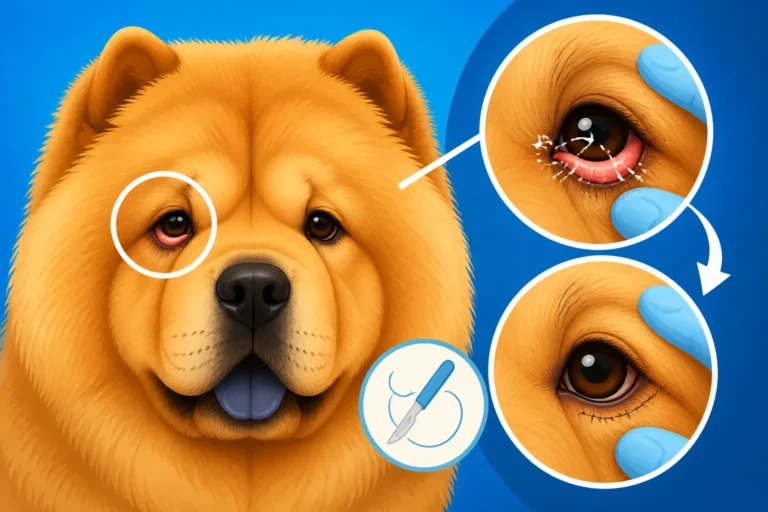
Now, let's talk about entropion, a condition particularly common in our beloved Chow Chows due to their distinctive facial structure. Entropion occurs when a portion of the eyelid, usually the lower one, rolls inward towards the eyeball. This might not sound like a huge deal, but imagine having your eyelashes constantly scraping against the delicate surface of your eye. That’s exactly what happens to a Chow Chow with entropion, and it’s as uncomfortable as it sounds.
Why Entropion Causes Discharge
The primary reason entropion leads to eye discharge is the relentless irritation caused by the inward-rolling eyelid and its associated lashes. These hairs, which are meant to protect the eye, instead act like tiny, abrasive brushes, constantly rubbing against the cornea, the clear outer layer of the eye. This constant friction is incredibly painful and triggers the eye’s natural defense mechanisms. The eye tries to wash away the irritants and soothe itself by producing an excessive amount of tears.
Initially, this might appear as profuse, clear, watery discharge, almost like the Chow Chow is constantly crying. However, over time, this irritation can lead to more serious complications. The constant rubbing can damage the cornea, creating tiny abrasions or even a full-blown What a Corneal Ulcer Does to a Chow Chow. These open sores are highly susceptible to bacterial infections, which then change the nature of the discharge from clear tears to something much more ominous – thick, yellowish, or greenish pus. The discharge, therefore, is not just a side effect, but a direct consequence of the physical trauma and potential infection stemming from the entropion.
Identifying Entropion-Related Discharge
Identifying entropion-related discharge often involves looking for specific characteristics. As mentioned, excessive, clear tearing is a classic early sign. Your Chow Chow might seem to always have wet fur beneath their eyes, or you might constantly be wiping away clear liquid. This isn’t just a few stray tears; it's a persistent, high volume of moisture. As the condition progresses and the cornea becomes irritated or damaged, the discharge can evolve. It might become thicker, more mucoid, appearing greyish-white and sticky, forming crusts in the corners of the eyes. This mucoid discharge is the eye’s attempt to protect itself and clear away debris, often mixed with dead cells and inflammatory byproducts.
The most concerning type of entropion-related discharge is thick, yellow, or green pus. This almost always indicates a secondary bacterial infection of the cornea or conjunctiva (the pink lining of the eyelids). This pus is a collection of white blood cells, bacteria, and tissue debris, and it signals a serious infection that requires immediate veterinary attention. Alongside the discharge, you'll likely observe other signs of discomfort: squinting, holding the eye partially or fully closed, rubbing the face against furniture or paws, and noticeable redness of the eye. If you see Signs a Chow Chow Has Entropion, especially coupled with purulent discharge, don't delay in seeking professional help.
The Role of the Chow Chow's Unique Anatomy
The Chow Chow's distinctive appearance, while charming, is unfortunately a significant predisposing factor for entropion. Their deep-set eyes, combined with the breed's characteristically loose skin and heavy facial folds, create a perfect storm for the eyelids to roll inward. Why a Chow Chow's Deep Set Eye Causes Trouble is a question many owners ponder, and it boils down to the mechanics of their facial structure. The eyes are recessed within the orbit, and when combined with the thick padding of their fur and skin, it can create an environment where the eyelids are naturally pushed or allowed to invert.
Furthermore, How a Chow Chow's Face Folds Push the Lid In highlights another anatomical challenge. The breed standard calls for a broad skull and a "scowl" expression, which is often achieved by prominent skin folds around the muzzle and eyes. These folds, especially in puppies, can be quite heavy. As the puppy grows, or even in adult Chows, these folds can exert pressure or simply allow the lower eyelid margin to collapse inward. This structural predisposition means that Entropion Is the Chow Chow's Signature Problem and a significant concern for responsible breeders and owners alike. Understanding this unique anatomy is key to recognizing why entropion is so prevalent in the breed and why vigilance is so important.
Recognizing Other Serious Causes of Eye Discharge
While entropion is a major concern for Chow Chow owners when it comes to eye discharge, it's not the only serious condition that can manifest this way. There are several other eye problems that require prompt veterinary attention, and recognizing them is vital for your dog’s health and comfort. Often, the type of discharge and accompanying symptoms can help your vet differentiate between these conditions.
Conjunctivitis and Infections
Conjunctivitis, commonly known as "pink eye," is an inflammation of the conjunctiva – the mucous membrane that lines the inside of the eyelids and covers the white part of the eyeball. It can be caused by various factors, including bacteria, viruses, fungi, allergies, or irritants. When conjunctivitis is bacterial, you'll typically see a thick, sticky, yellowish-green discharge, often accompanied by redness, swelling of the eyelids, and a reluctance to open the eye fully. The discharge can be quite prolific and may cause the eyelids to stick together, especially after sleep.
Viral conjunctivitis might present with more watery or clear discharge, often affecting both eyes, and can sometimes be accompanied by other signs of a respiratory infection, like sneezing or nasal discharge. Allergic conjunctivitis usually involves clear, watery discharge, redness, and intense itching, leading your Chow Chow to rub at their eyes frequently. Distinguishing between these can be tricky, as symptoms can overlap, but any persistent, colored, or excessive discharge that suggests an infection means it's time to see the vet. They can accurately diagnose the cause and prescribe appropriate treatment, which might include antibiotic eye drops or anti-inflammatory medications.
Corneal Ulcers and Injuries
A corneal ulcer is an open sore on the cornea, the clear, dome-shaped surface at the front of the eye. These are incredibly painful and can range from superficial scratches to deep wounds that penetrate through layers of the cornea. As we discussed, entropion is a common cause of corneal ulcers in Chow Chows due to constant rubbing, but they can also result from direct trauma (like running into a branch), foreign bodies lodged in the eye, chemical burns, or even chronic dry eye. What a Corneal Ulcer Does to a Chow Chow is truly devastating, causing immense pain and potentially permanent vision impairment if not treated swiftly.
The discharge associated with a corneal ulcer can vary. Initially, it might be excessive clear tearing as the eye tries to flush out the injury. However, as the ulcer progresses or becomes infected, the discharge will likely become thick, purulent (yellow or green), and sticky. Other definitive signs include severe squinting, holding the eye tightly shut, sensitivity to light, redness around the cornea, and sometimes a cloudy or bluish appearance to the surface of the eye itself. Since ulcers can quickly worsen and even lead to eye rupture, this is considered a true ocular emergency.
Glaucoma and its Impact
Glaucoma is another extremely serious eye condition that can cause discharge, though it's typically not the first or most prominent symptom. This condition involves increased pressure within the eye, which damages the optic nerve and can lead to rapid and irreversible blindness. Chow Chows are unfortunately predisposed to certain types of glaucoma. Glaucoma Can Blind a Chow Chow in Days and requires immediate veterinary intervention to save vision.
While the classic signs of glaucoma are a dilated pupil, a cloudy or bluish appearance to the cornea, intense pain (manifesting as rubbing, squinting, or withdrawal), and a visible enlargement of the eyeball, eye discharge can also be present. This discharge is often watery at first, due to the pain and irritation, but can become mucoid or even purulent if the eye becomes secondarily infected from the stress and inflammation. It's crucial to be aware of Signs a Chow Chow Has Glaucoma as it’s a medical emergency. If you ever suspect glaucoma, head to an emergency vet immediately.
What to Do If You Suspect Entropion
Discovering your Chow Chow has worrying eye discharge, especially if you suspect entropion, can be a moment of panic. But don't fret too much—there are clear steps you can take to manage the situation and ensure your furry friend gets the care they need. Early detection and intervention are always key when it comes to eye health.
Immediate Steps at Home
Before you rush to the vet, there are a few gentle things you can do at home to help your Chow Chow and gather more information. First, try to gently clean around their eyes with a soft, clean cloth or cotton ball soaked in warm water. Always wipe away from the eye, from the inner corner outwards, and use a fresh part of the cloth for each swipe to avoid spreading any potential infection. This can remove crusts and discharge, making your Chow Chow more comfortable and allowing you to get a clearer look at the eye itself.
Observe your Chow Chow closely. Note the color, consistency, and amount of discharge. Is it constantly tearing? Is the discharge thick and colored? Are they squinting, rubbing their eyes, or showing any signs of pain or irritation like holding the eye shut? Also, try to get a good look at their eyelids. Does the lower lid appear to be rolling inward, particularly in the outer corners or along the entire length? This might be subtle, but a careful observation can provide valuable clues for your vet. Take pictures if you can, as symptoms might fluctuate, and a picture can really help your vet understand what's been happening.
When to Seek Veterinary Care
While some minor, clear discharge can wait for a regular vet appointment, many signs warrant more urgent attention. If your Chow Chow is showing any of the following symptoms, it’s time to call your veterinarian immediately:
- Thick, yellowish or greenish pus-like discharge: This strongly indicates a bacterial infection, often secondary to entropion or a corneal ulcer.
- Persistent, excessive clear tearing: If it’s more than just a morning crust and continues throughout the day, it's a sign of constant irritation.
- Squinting, holding the eye shut, or rubbing the face: These are clear indicators of pain and discomfort.
- Redness of the eye or swelling of the eyelids.
- A cloudy or bluish appearance to the cornea.
- Any change in eye appearance, pupil size, or visible injury.
Remember that Signs a Chow Chow Puppy's Eyes Are Sore can appear quite young, sometimes even by eight to twelve weeks. The Age Entropion Shows in a Chow Chow Puppy can vary, but it's important to be vigilant from an early age. If your Chow Chow is exhibiting any of these more severe signs, don't wait. Eye issues can escalate quickly, and prompt veterinary care can prevent serious complications, including vision loss. A regular check-up might not catch subtle signs, but specific concerns about eye discharge should always prompt a call to your vet.
Diagnostic Process and Treatment Options
When you take your Chow Chow to the vet for eye discharge, they will perform a thorough ophthalmic examination. This isn't just a quick glance; it's a systematic approach to pinpoint the problem. They'll likely use a special light source and magnifying tools to examine the eyelids, conjunctiva, and cornea. A fluorescein stain test is a common diagnostic tool; a harmless orange dye is dropped onto the eye, and if there's an ulcer or corneal abrasion, the dye will stick to the damaged area and glow green under a blue light. This quickly confirms the presence of corneal damage. Your vet might also measure tear production (Schirmer Tear Test) and intraocular pressure (tonometry) to rule out dry eye or glaucoma.
If entropion is diagnosed, the permanent solution is typically surgical correction. For puppies, a temporary procedure called eyelid tacking might be done to relieve irritation as they grow, hoping they grow into their skin. For adults or severe cases in puppies, a surgical procedure called blepharoplasty is performed to remove a small strip of skin and muscle from the affected eyelid, tightening it and rolling it outward. How Entropion Is Repaired in a Chow Chow involves careful surgical precision to ensure the eyelid margin is in the correct position without over-correcting.
It's important to note that surgical costs can be a significant concern for owners. This is where pet insurance, like plans offered by Healthy Paws, can be incredibly beneficial, helping to cover unexpected veterinary expenses for conditions like entropion. Many owners find peace of mind knowing they have support for procedures that can significantly improve their Chow Chow's quality of life. Without correction, entropion can lead to chronic pain, recurrent infections, and even Whether Entropion Can Blind a Chow Chow due to severe corneal damage. After surgery, your Chow Chow will likely need antibiotics, anti-inflammatory eye drops, and an Elizabethan collar during the recovery period, which typically lasts a couple of weeks.
Comparing Eye Discharge Symptoms
To help you quickly differentiate between various causes of eye discharge, here's a handy table summarizing the common symptoms. Keep in mind that these are general guidelines, and a veterinary examination is always necessary for a definitive diagnosis.
| Symptom Feature | Normal Discharge | Entropion-Related Discharge (Early) | Entropion-Related Discharge (Advanced/Infected) | Conjunctivitis (Bacterial) | Corneal Ulcer (Infected) | Glaucoma |
|---|---|---|---|---|---|---|
| Color | Clear, light yellowish-white | Clear, watery | Yellow, green, purulent, mucoid | Yellow, green, thick | Yellow, green, thick | Clear, watery (early), mucoid (late) |
| Consistency | Dry, crusty | Watery, excessive | Sticky, thick, pus-like | Sticky, thick | Sticky, thick, pus-like | Watery, then sometimes sticky |
| Amount | Minimal, occasional | High, constant | High, persistent | Moderate to high | Moderate to high | Variable, can be high |
| Accompanying Signs | None | Squinting, rubbing, redness | Severe pain, squinting, redness, swollen lid, cloudy cornea | Redness, swelling, itching | Severe pain, squinting, cloudy/bluish cornea, light sensitivity | Pain, dilated pupil, cloudy/bluish cornea, enlarged eyeball |
| Urgency | Low | High | Immediate Emergency | High | Immediate Emergency | Immediate Emergency |
It’s worth mentioning that while this table provides useful distinctions, there are always exceptions, and symptoms can overlap. For instance, a mild entropion might only cause clear tearing, making it harder to distinguish from allergies or simple irritation. This is why a vet's trained eye and diagnostic tools are so important. Don't try to self-diagnose your Chow Chow, but use this information to better communicate with your veterinarian about what you're observing. Consistent and detailed reporting of symptoms can greatly assist your vet in reaching an accurate diagnosis. Even for general health over time, understanding Caring for a Chow Chow Past Eight often means being extra vigilant about subtle changes in their eyes or behavior.
Disclaimer
The information provided in this article is for general informational purposes only and is not a substitute for professional veterinary advice. Always consult with a qualified veterinarian for any health concerns or before making any decisions related to your pet's care.