Whether a Hypothyroid Chow Chow Loses Coat
It's incredibly frustrating when your beloved Chow Chow starts to show changes in their glorious coat, isn't it? You cherish that magnificent double coat, and seeing it thin, dull, or just not quite right can be a real worry. Often, these changes aren't just cosmetic; they can be a major clue that something deeper is going on with your furry friend's health. This guide is here to shed some light on one common culprit: hypothyroidism, and exactly how it impacts your Chow Chow's beautiful, dense coat.
Understanding Hypothyroidism in Our Beloved Chow Chows
Let's get straight to it: hypothyroidism is a condition where your Chow Chow's thyroid gland doesn't produce enough thyroid hormones. These hormones are like the conductors of an orchestra, responsible for regulating pretty much every metabolic process in their body. When the conductor goes missing, the whole orchestra starts to play out of tune, leading to a cascade of problems that affect everything from energy levels to, yes, their gorgeous coat.
Chow Chows, unfortunately, are among the breeds genetically predisposed to developing hypothyroidism. Often, this is due to a condition called autoimmune thyroiditis, where their own immune system mistakenly attacks and slowly destroys the thyroid gland. It's a cruel twist of fate for such a stoic and independent breed. Because this can be an inherited trait, it's one of the reasons why understanding What Autoimmune Thyroiditis Does to a Chow Chow is so important for owners and breeders alike. This isn't just a condition that happens overnight; it's a gradual decline that can take time to manifest clearly, making early detection a bit of a challenge in our fluffy friends.
The Distinctive Coat Changes of a Hypothyroid Chow Chow
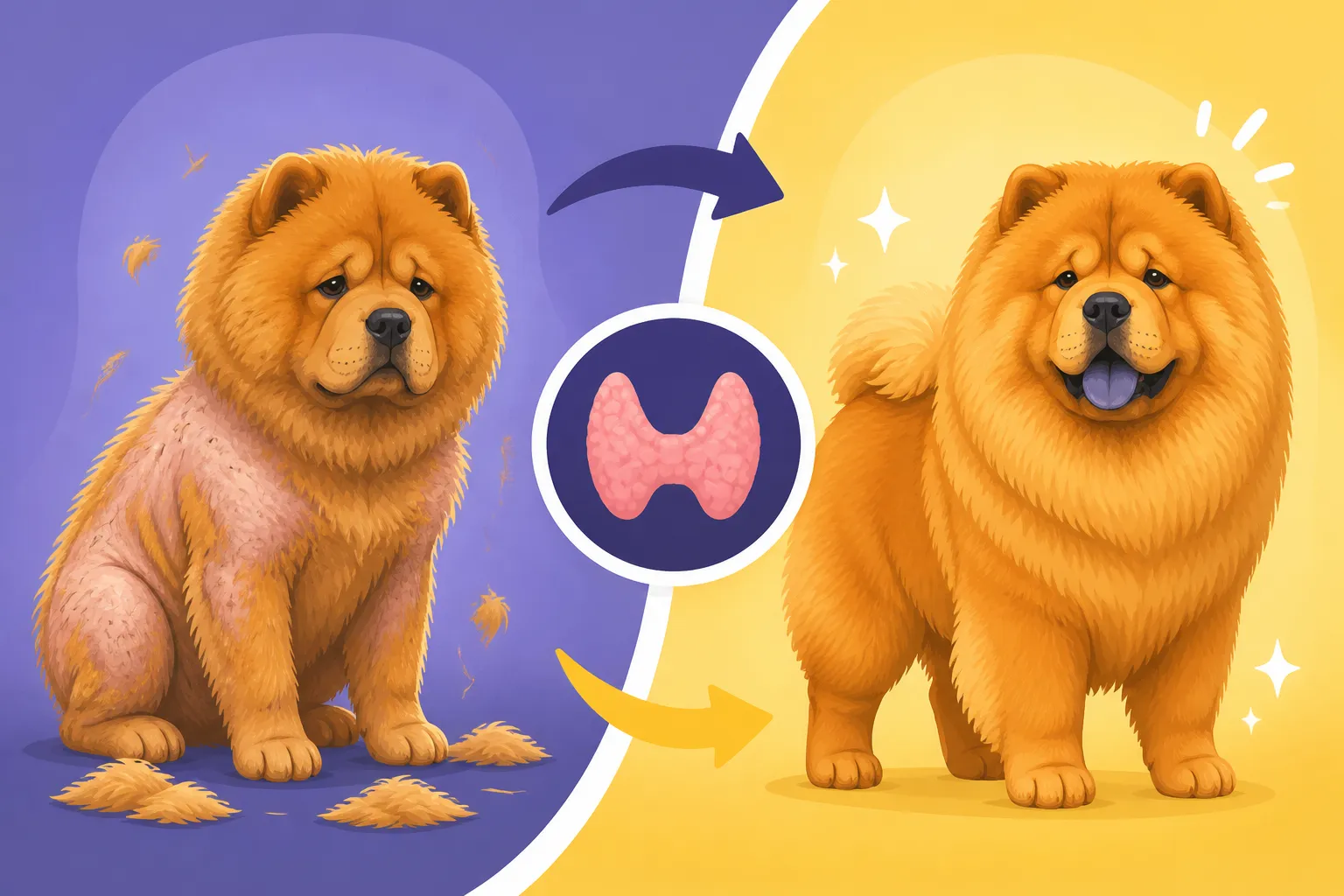
So, you're wondering if that change in your Chow Chow's coat is actually related to their thyroid. The answer, often, is a resounding yes. Thyroid hormones play a crucial role in the health and growth cycle of hair follicles. When these hormones are deficient, the hair follicles essentially go on an extended vacation, lingering in the resting phase (telogen) for far too long, and failing to regrow new hair. This isn't typically the intense, seasonal shedding that Chow Chow owners are all too familiar with during a "coat blow," but rather a distinctive pattern of hair loss and coat deterioration.
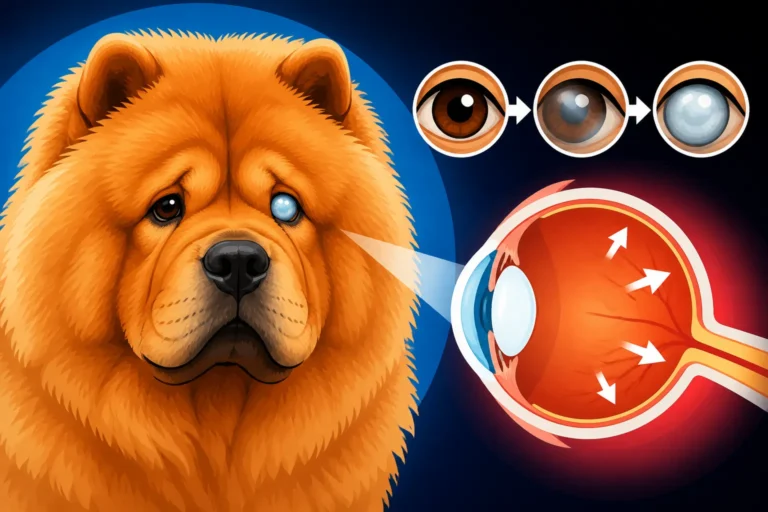
You'll often notice a symmetrical thinning of the coat, particularly on the flanks, chest, and the bridge of the nose. The luxurious fur might become dull, dry, and brittle, losing its characteristic density and sheen. Owners sometimes describe the coat feeling "cottony" or "dead." A classic sign in some hypothyroid dogs is the development of a "rat tail," where the fur on the tail thins significantly, leaving it looking sparse and unattractive. Because a Chow Chow's deep set eye causes trouble, you might be focused on their eyes, but remembering to check the entire body for coat changes is crucial.
Beyond just the hair loss itself, the skin underneath can suffer. Without proper thyroid hormone levels, the skin can become dry, flaky, and prone to secondary issues. You might notice increased dandruff, or even recurrent skin infections due to a compromised skin barrier. It’s a vicious cycle where the underlying hormonal imbalance makes the skin less resilient, and then bacterial or yeast infections can take hold, causing further irritation and discomfort for your Chow Chow. This makes it particularly challenging for Chow Chow owners, as Why a Chow Chow's Dense Coat Hides Skin Disease makes these subtle changes even harder to spot until they are quite advanced.
Beyond the Fur: Other Telltale Signs of Low Thyroid
While coat changes are a significant indicator, hypothyroidism in a Chow Chow rarely comes alone. It's a systemic problem, affecting various bodily functions. Recognizing these additional signs is key to getting an accurate diagnosis. One of the most common complaints owners report is a noticeable drop in energy levels. Your once-active Chow Chow might become lethargic, sleeping more than usual, and showing less enthusiasm for walks or playtime. They might even seem a bit mentally dull, less responsive to commands, or just generally "off."
Another prominent sign is unexplained weight gain, even if your Chow Chow's diet hasn't changed. Their metabolism slows down so drastically that they simply aren't burning calories efficiently. This can be especially tricky to notice in a Chow Chow due to their dense coat, which can easily hide a few extra pounds. Understanding When a Chow Chow's Weight Gain Is Thyroid is crucial, as this isn't just about overfeeding; it's about a fundamental internal imbalance.
Chow Chows are already known for being somewhat sensitive to heat due to their thick double coat, but a hypothyroid Chow Chow might exhibit an increased intolerance to cold, seeking out warm spots even indoors. Their body temperature regulation is simply not as efficient as it should be. Their demeanor might shift subtly, too. While Chow Chows are naturally aloof, a hypothyroid dog might become even more withdrawn or appear depressed. Some owners even report a more pronounced scowl or a general lack of sparkle in their eyes. These subtle shifts can be hard to pinpoint, especially given the breed's naturally independent and reserved nature. If you're observing these kinds of changes in behavior, alongside those coat issues, it's definitely time to consider a vet visit. You should also consult resources like Signs a Chow Chow's Thyroid Is Low for a comprehensive list of what to look out for.
The Challenge of Detection in a Chow Chow
Let's be real, Chow Chows are masters of disguise when it comes to pain or discomfort. Their stoic nature and dense fur can make identifying health issues particularly challenging for even the most attentive owners. A thinning coat might be dismissed as seasonal shedding, and lethargy could be attributed to age or simply their "Chow-ness." This is why regular veterinary check-ups are so important, even when your Chow Chow seems fine. A good veterinarian understands the unique characteristics of the breed and knows what to look for.
During these visits, your vet might recommend specific screenings. For a breed predisposed to conditions like this, routine bloodwork is invaluable. This is especially true when considering When a Chow Chow's Thyroid Should Be Tested, which often starts with initial symptoms but can also be part of a proactive wellness plan as your Chow Chow ages. Insurance providers like Healthy Paws often cover the diagnostic testing and ongoing medication costs for conditions like hypothyroidism, which can be a huge relief for owners facing chronic health management.
Diagnosis, Treatment, and Restoring That Magnificent Coat
If you suspect your Chow Chow might be hypothyroid, the first and most important step is a trip to your veterinarian. They will likely recommend a comprehensive thyroid panel, which goes beyond a simple screening. This usually includes measuring total T4, free T4 (fT4), and Canine TSH (thyroid-stimulating hormone), and sometimes even autoantibodies to check for autoimmune thyroiditis. These tests help paint a full picture of your Chow Chow's thyroid function and confirm a diagnosis. Understanding What a Chow Chow's Thyroid Panel Costs is helpful for budgeting, as it's an investment in your dog's health.
Once diagnosed, the good news is that hypothyroidism is typically very manageable. Treatment involves lifelong thyroid hormone replacement therapy, usually in the form of a daily oral medication called levothyroxine. Your vet will determine the appropriate starting dose, and regular follow-up blood tests will be necessary to fine-tune it until your Chow Chow's thyroid levels are consistently within the normal range. These follow-up tests are often done a few weeks after starting medication and then every 6-12 months thereafter. This ongoing monitoring is a critical part of managing the condition effectively.
The Patience Required for Coat Recovery
Now, about that coat! While other symptoms like lethargy and weight gain often start to improve within a few weeks of starting medication, the coat takes much longer to recover. Hair growth cycles are slow, and it can take anywhere from 3 to 6 months, or even longer, for significant regrowth and improvement in coat quality. Don't be disheartened if you don't see immediate changes. The new hair will grow in slowly, often starting with a softer, sometimes even "puppy-like" coat, before regaining its full density and texture.
During this recovery period, continue with regular grooming, but be extra gentle with any dry or brittle areas. A good quality diet rich in omega fatty acids can also support skin and coat health. Remember that consistent medication is key to sustained improvement. Missing doses or stopping medication can quickly lead to a relapse of symptoms, including further coat deterioration. This is where a reliable pet insurance plan, like those offered by Healthy Paws, can really make a difference, helping to cover the recurring costs of medication and routine monitoring, making lifelong management less of a financial burden.
Here’s a quick overview of how a normal Chow Chow coat compares to one affected by hypothyroidism:
| Feature | Healthy Chow Chow Coat | Hypothyroid Chow Chow Coat |
|---|---|---|
| Density | Thick, dense double coat (rough or smooth) | Thinned, sparse, often with bald patches |
| Texture | Coarse outer guard hairs, soft undercoat | Dry, brittle, sometimes "cottony" or dull |
| Luster | Healthy sheen | Dull, lifeless |
| Symmetry | Uniform growth | Symmetrical hair loss, particularly on flanks, chest, tail |
| Skin Condition | Healthy, supple skin underneath | Dry, flaky, possibly prone to infections, increased dandruff |
| Growth Rate | Normal shedding and regrowth cycle | Slowed growth, hair remains in resting phase, poor regrowth |
| Specific Signs | Seasonal coat blow, otherwise full and even | "Rat tail," "puppy coat retention," easy hair breakage |
Remember, managing hypothyroidism in your Chow Chow is a marathon, not a sprint. It requires patience, consistency, and a close working relationship with your veterinarian. With proper treatment, your Chow Chow can regain their vitality, and their magnificent coat will slowly but surely return to its former glory. Regular wellness exams and bloodwork, as covered in topics like What a Chow Chow's Yearly Bloodwork Should Cover, are vital for ensuring their thyroid levels remain optimal throughout their life, allowing them to enjoy The Eight to Twelve Years a Chow Chow Gets with comfort and health.
Disclaimer
The information provided in this article is for general informational purposes only and is not a substitute for professional veterinary advice. Always consult with a qualified veterinarian for any health concerns or before making any decisions about your pet's medical care.