Signs a Chow Chow Puppy Cannot Rise
Seeing your adorable Chow Chow puppy struggle to get up, or worse, completely unable to rise, is one of the most terrifying moments a dog owner can face. Those playful, clumsy puppy antics suddenly transform into a deeply worrying sign that something is seriously wrong. This comprehensive guide is here to walk you through the various signs to watch for, the potential underlying causes behind this alarming symptom, and crucially, what immediate steps you need to take to help your beloved furry friend.
The Alarming Reality When a Chow Chow Puppy Cannot Rise
There’s a profound difference between a wobbly, clumsy puppy figuring out its legs and a Chow Chow puppy that genuinely cannot rise. When your fluffy companion, usually a ball of curious energy, is suddenly unable to push itself to a standing position, or collapses after a few steps, it’s a clear signal that something significant is happening internally. This isn't just about mild discomfort; it often points to a serious health concern that requires swift attention.
The Chow Chow's Unique Anatomy and Early Development
Chow Chows, with their sturdy build, deep-set eyes, and dense double coat, are undeniably majestic. However, their unique physical characteristics can sometimes mask underlying health issues, making early detection a challenge. For puppies, their bodies are undergoing rapid growth and development. Their bones are growing quickly, and growth plates, which are areas of cartilage at the ends of long bones, are still open and vulnerable. This intense growth phase means that any developmental abnormalities, injuries, or genetic predispositions can manifest quickly and dramatically. It's easy to dismiss a puppy's stiffness as just "growing pains" or "clumsiness," but with a Chow Chow, especially given some breed-specific predispositions, it’s always better to err on the side of caution.
Why Immediate Veterinary Attention is Crucial
Let's be blunt: a puppy that cannot rise on its own is an emergency. This isn't a situation to "wait and see" if it gets better. Many of the potential causes behind this symptom can rapidly worsen, leading to permanent damage, prolonged pain, or even becoming life-threatening. The alarm bells should be ringing loudly. Delaying veterinary care can significantly complicate treatment and reduce the chances of a full recovery. Your veterinarian needs to assess the situation quickly to diagnose the issue and start appropriate treatment. Think of it this way: if a child suddenly couldn't stand, you wouldn't hesitate to go to the emergency room, and the same urgency applies to your precious Chow Chow puppy.
Recognizable Signs Beyond Just "Can't Get Up"
When you observe your Chow Chow puppy struggling to rise, it’s important to pay close attention to the nuances of their behavior. It’s not just the core symptom, but the way it presents and any accompanying signs that can provide crucial clues for your veterinarian.
Gradual Weakness Versus Sudden Collapse
Understanding the onset and progression of your puppy's mobility issue is key. Is this a new development, or has it been building for a while?
- Gradual Weakness: This often looks like a slow decline in mobility and willingness to move. Your puppy might start being reluctant to jump onto furniture, avoid stairs, or slow down significantly during playtime. You might notice them favoring a limb, or shifting their weight awkwardly. Perhaps they take longer to get up after a nap, or they seem stiff and uncomfortable. They might struggle to initiate movement, appearing hesitant or shaky when they eventually do try to stand. This insidious onset can sometimes be harder to spot, especially in a breed known for its calm and somewhat aloof demeanor, which might make it seem like they’re just being lazy or stubborn. However, if they consistently look stiff after resting or seem to "warm up" out of it, it's a significant warning sign. You might also notice that what should be an excited greeting now involves a slow, painful lumber rather than a joyous bounce.
- Sudden Collapse: This is much more dramatic and immediately alarming. One moment your puppy is walking, and the next, they are down, unable to bear weight or push themselves up. This can sometimes be associated with a specific incident, like a fall or a clumsy landing after a jump. However, it can also happen seemingly out of nowhere, indicating a sudden acute event like a severe injury, a neurological crisis, or even a systemic shock. In these cases, the puppy often shows obvious distress and pain, and there's no mistaking the severity of the situation. They might lie in an awkward position and show no desire or ability to correct it.
Accompanying Symptoms to Watch For
The inability to rise rarely occurs in isolation. Other symptoms can provide important context for diagnosis:
- Loss of Appetite or Reluctance to Drink: A puppy that refuses food or water is a red flag. This indicates significant discomfort, pain, or systemic illness, and can quickly lead to dehydration.
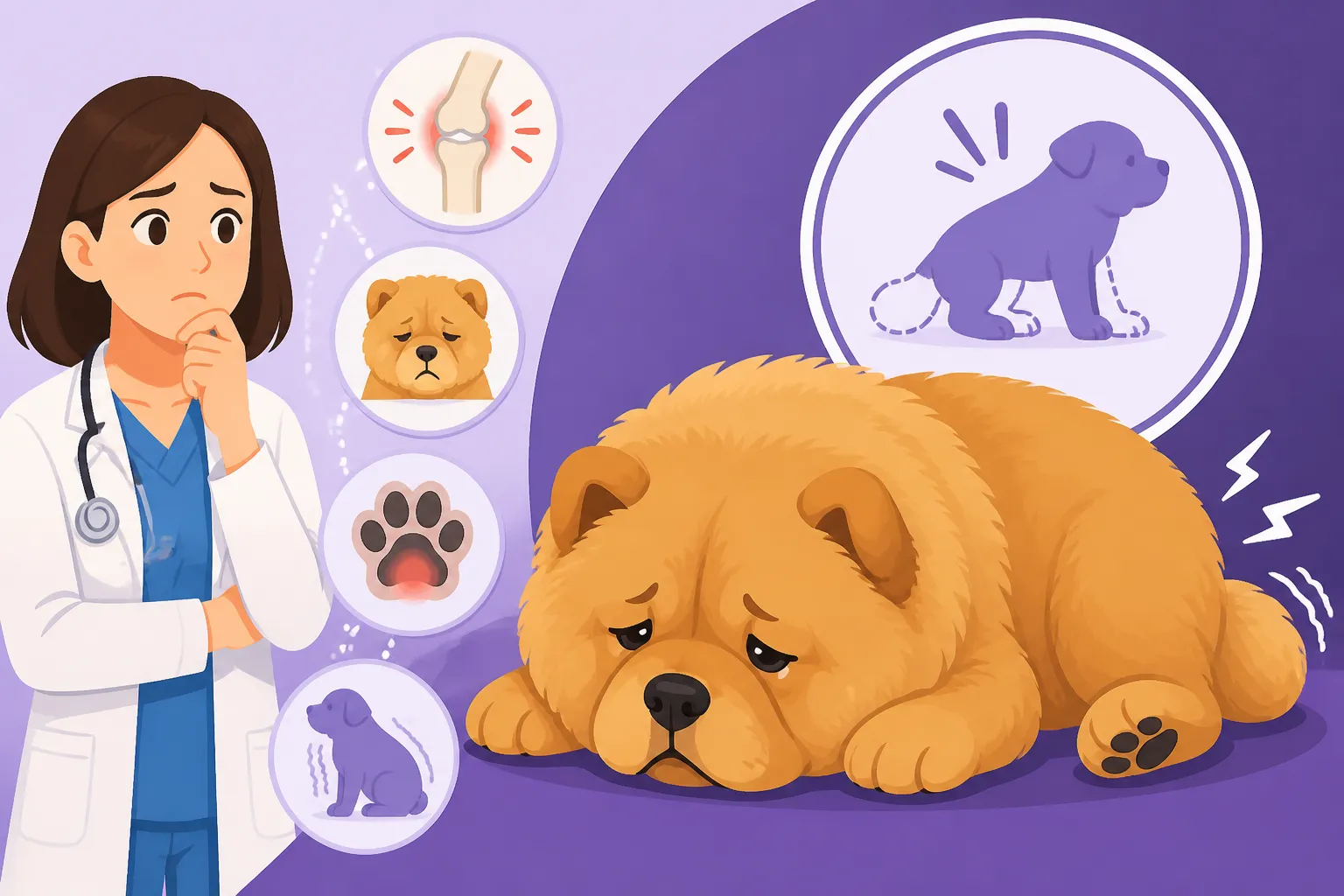
- Pain Vocalization: Whining, yelping, growling when touched, or crying out when trying to move are clear indicators of pain. Chows are known for being stoic, so any vocalization of pain should be taken very seriously, as it means their discomfort level is likely quite high. You might also notice them panting excessively, even when not hot or exercising, which can be a sign of pain. As a general rule, a Chow Chow can be quite adept at How a Chow Chow Hides Pain, so any outward sign is cause for concern.
- Swelling or Tenderness in Joints: Visibly swollen joints, or flinching when specific areas are touched, points directly to localized pain or inflammation, often associated with orthopedic issues. Check their elbows, hips, and hocks gently.
- Lethargy and Unusual Quietness: While Chows are generally calmer dogs, a puppy that is unusually subdued, sleepy, or uninterested in play is abnormal. This can signal fever, infection, severe pain, or neurological impairment.
- Changes in Urination/Defecation: Difficulty urinating or defecating, or accidents in the house (if previously housetrained), could indicate neurological issues affecting bladder and bowel control, or simply that they are unable to get to their usual spot due to pain.
- Muscle Tremors or Stiffness: Shivering, muscle fasciculations (twitches), or extreme stiffness, especially after periods of rest or excitement, can point to muscular or neurological conditions like Myotonia Congenita, where the muscles fail to relax properly. (How Myotonia Stiffens a Chow Chow's Muscles)
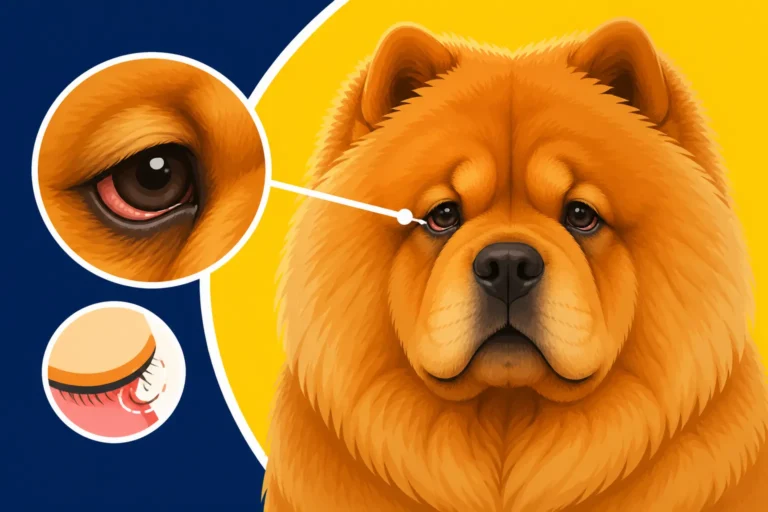
- Eye Changes: While less direct, intense pain can sometimes lead to squinting or pupils that are abnormally dilated or constricted. If your puppy is struggling with their eyes, it's worth noting, especially given that many Chows have What a Chow Chow's Deep Set Eye Limits Its Vision naturally, which can make them more prone to certain eye conditions.
Common Conditions That Affect a Chow Chow Puppy's Mobility
Several conditions, ranging from orthopedic to neurological, can cause a Chow Chow puppy to struggle with or be unable to rise. Understanding these can help you communicate more effectively with your veterinarian.
Orthopedic Issues Affecting Young Chows
These are often developmental or traumatic and affect the bones and joints.
- Elbow Dysplasia: This is a group of inherited developmental abnormalities that affect the elbow joint. It's unfortunately quite prevalent in Chow Chows, with the breed ranking quite high among those affected. (Elbow Dysplasia Ranks the Chow Chow Near the Top) In puppies, it can lead to pain, lameness, and a reluctance to bear weight on the front limbs. If both elbows are severely affected, a puppy may struggle significantly to push itself up from a lying position. The symptoms might initially be subtle, such as a slight limp after rest or exercise, but can progress to persistent lameness and an obvious inability to get up or walk normally. The cartilage and bone within the joint don't develop correctly, leading to abnormal wear and tear and ultimately arthritis. What Elbow Dysplasia Does to a Chow Chow to your puppy's movement and long-term comfort is profound.
- Hip Dysplasia: While often associated with hind leg issues in older dogs, severe Hip Dysplasia in a Chow Chow can manifest in puppies. It occurs when the hip joint doesn't form correctly, leading to a loose fit of the thigh bone into the hip socket. Puppies with severe hip dysplasia may exhibit a "bunny hopping" gait, reluctance to run or jump, difficulty getting up, or pain when the hips are manipulated. If a puppy struggles to get its rear end up, this could definitely be a contributing factor.
- Panosteitis (Growing Pains): Often called "growing pains," panosteitis is an inflammatory condition of the long bones, typically affecting rapidly growing large breed puppies between 5 and 18 months of age. It can cause shifting lameness, meaning the limping might switch from one leg to another. While usually not severe enough to prevent a puppy from rising completely, a particularly bad flare-up could cause enough pain to make them very reluctant to stand or move. It typically resolves on its own, but pain management is often necessary.
- Trauma: Accidents happen, especially with clumsy puppies. A fall, being stepped on, rough play, or an impact from a solid object can cause sprains, fractures, or dislocations. These injuries can lead to acute pain and immediate inability to bear weight on the affected limb, making it impossible for the puppy to rise without severe discomfort. Always consider the possibility of an injury, even if you didn't witness an obvious event.
Neurological and Muscular Disorders
These conditions affect the nervous system or muscles directly, impacting coordination, strength, and the ability to move.
- Myotonia Congenita: This is a fascinating and concerning inherited muscular disorder that has been identified in Chow Chows. (Myotonia Congenita in a Chow Chow) Puppies with Myotonia Congenita experience prolonged muscle contractions (stiffness) after voluntary movement or excitement. This means they might struggle to stand up after lying down, or freeze and collapse during play. The stiffness can be particularly noticeable after a sudden burst of activity or excitement, making it difficult for the puppy to relax their muscles. How Myotonia Stiffens a Chow Chow's Muscles can be quite dramatic, giving the appearance that the puppy is "locked up" or unable to move their limbs normally. While generally not painful, it severely impacts their mobility and quality of life. Genetic testing is available for this condition.
- Spinal Cord Issues: Though less common in Chow Chow puppies than in some other breeds (like Dachshunds), congenital vertebral anomalies or early-onset intervertebral disc disease (IVDD) can lead to neurological deficits. These can manifest as weakness in the hind limbs, incoordination, or partial to complete paralysis, making it impossible for the puppy to use its rear legs to stand.
- Polyneuropathy: This is a general term for a disorder affecting multiple peripheral nerves. It can be inherited or acquired and can cause progressive weakness, muscle wasting, and an inability to stand or walk.
Systemic Illnesses and Other Concerns
Sometimes, the inability to rise is a symptom of a broader health problem affecting the entire body.
- Severe Infections or Inflammation: A severe bacterial or viral infection can make a puppy feel extremely weak, feverish, and generally unwell, leading to an inability to stand. This might include severe generalized infections or even conditions like meningitis. Sometimes, a puppy might also be Signs a Chow Chow Puppy Is Drinking Too Much due to fever or kidney issues, which, in turn, can contribute to overall weakness and collapse.
- Nutritional Deficiencies/Imbalances: While less common with reputable breeders and quality puppy food, severe nutritional deficiencies or imbalances (e.g., too much calcium in a growing puppy, or a lack of essential vitamins) can lead to bone deformities, muscle weakness, and metabolic bone disease, hindering a puppy's ability to stand. This is why controlled growth and appropriate nutrition are so important, especially considering When a Chow Chow's Growth Plates Close and how crucial that developmental window is.
- Toxic Ingestion: If a puppy has ingested toxins (e.g., certain plants, medications, household chemicals, rodenticides), it can cause a wide range of neurological symptoms, extreme weakness, muscle tremors, seizures, and ultimately collapse. Always consider potential access to harmful substances.
- Hypoglycemia (Low Blood Sugar): Especially in very young or small breed puppies (though less common in Chows unless they are unwell or have underlying issues), severe hypoglycemia can lead to weakness, lethargy, disorientation, and collapse.
| Possible Cause | Key Signs | Urgency for Vet Visit |
|---|---|---|
| Elbow/Hip Dysplasia | Gradual lameness, stiffness after rest, difficulty jumping/running, pain on palpation, reluctance to rise. | High |
| Myotonia Congenita | Muscle stiffness after movement/excitement, "freezing," difficulty initiating movement, sometimes muscle tremors. | High |
| Trauma/Injury | Sudden lameness, non-weight bearing, swelling, crying out in pain, obvious deformity, acute inability to rise. | Emergency |
| Panosteitis | Shifting lameness, mild to moderate pain, resolves over time (but painful), reluctance to put weight on leg. | Moderate-High |
| Severe Infection/Illness | Lethargy, fever, loss of appetite, vomiting/diarrhea, general weakness, inability to rise. | Emergency |
| Neurological Issues | Weakness in limbs (especially hind), incoordination, seizures, changes in gait, dragging limbs, collapse. | Emergency |
| Toxic Ingestion | Vomiting, diarrhea, tremors, seizures, disorientation, sudden collapse, unusual behavior. | Emergency |
What to Do When Your Chow Chow Puppy Cannot Rise
When your Chow Chow puppy is struggling to get up, it's natural to feel a wave of panic. But taking calm, decisive action is the best thing you can do for them.
Immediate Steps for Owners
Your priority is to ensure your puppy's safety and get them professional help.
- Do Not Force Movement: If your puppy cannot rise, there's a good chance they are in pain or have an injury that could be worsened by forced movement. Trying to make them stand or walk could cause further damage, especially if there's a spinal or joint injury. Gently try to assess the situation where they are.
- Gentle Assessment (If Safe): If your puppy is not showing aggression or severe pain when approached, you can gently observe them. Look for any visible swelling, bruising, or obvious deformities. Carefully and gently touch their limbs, joints, and spine, watching for any reaction to pain. Check their paws. Is there any obvious source of discomfort? Note down everything you see. What is their breathing like? Are they vocalizing pain?
- Contact Your Veterinarian Immediately: This is not a "wait and see" situation. Call your regular vet right away. Describe the symptoms clearly: when it started, what it looks like, and any other accompanying signs. They will advise you on the next steps, whether to bring them in immediately or head to an emergency clinic.
- Consider an Emergency Veterinary Clinic: If your regular vet is closed or advises it, do not hesitate to go to the nearest emergency veterinary hospital. Time can be critical for many of these conditions.
Preparing for the Veterinary Visit
Being prepared can help the veterinary team quickly understand the situation and begin diagnostics.
- Gather Information: Before you call or leave, jot down notes on:
- Onset: When did you first notice your puppy couldn't rise? Was it sudden or gradual?
- Progression: Has it gotten worse, stayed the same, or improved slightly?
- Accompanying Symptoms: Any vomiting, diarrhea, lethargy, decreased appetite, pain vocalization, tremors, etc.?
- Recent Events: Any falls, fights, new foods, exposure to toxins, or changes in environment?
- Breeder Information: If available, any health history from the breeder, especially regarding parents' orthopedic health or genetic testing for conditions like Myotonia Congenita. This is why finding a breeder who performs Which Health Tests a Chow Chow Breeder Should Run is so crucial.
- Safe Transportation: If you need to transport your puppy, do so carefully. Use a sturdy crate or a flat board (like a piece of plywood or a rigid pet stretcher) to keep them stable and minimize movement, especially if a spinal injury is suspected. Avoid bending or twisting their body. Have someone help you carry them if needed.
- Financial Preparedness: Veterinary emergencies, especially those requiring extensive diagnostics and potentially surgery, can be costly. It's wise to have a plan for unexpected vet bills. Many owners find that pet insurance, such as Healthy Paws, can be an absolute lifesaver in these situations, helping to cover a significant portion of the costs. While you might be thinking about What the First Year With a Chow Chow Costs in terms of food and toys, medical emergencies are often the biggest unexpected expense.
The Diagnostic Process and Treatment Options
Once at the vet, they will systematically work to pinpoint the cause.
- Veterinary Examination: The vet will perform a thorough physical exam, checking vital signs, palpating limbs and spine, and conducting a neurological assessment to check reflexes, proprioception (awareness of body position), and pain response.
- Diagnostics:
- Radiographs (X-rays): These are usually the first step to look for fractures, dislocations, or signs of hip or elbow dysplasia. They can also reveal abnormalities in the spine.
- Blood Tests: These can help identify infections, inflammation, organ dysfunction (like kidney issues, which can be a concern with conditions like Familial Renal Dysplasia Kills Young Chow Chows), electrolyte imbalances, or muscle damage.
- Advanced Imaging (MRI/CT Scans): If a neurological issue like a spinal cord compression or brain problem is suspected, an MRI or CT scan may be necessary to get a detailed view of soft tissues and bone.
- Genetic Testing: For suspected inherited conditions like Myotonia Congenita, genetic testing can provide a definitive diagnosis.
- Joint Fluid Analysis: If an inflammatory joint condition is suspected, a sample of fluid from the joint may be analyzed.
- Treatment: The treatment will entirely depend on the diagnosis. It could range from:
- Rest and Pain Medication: For conditions like panosteitis or mild sprains.
- Anti-inflammatory Drugs: For joint inflammation or certain neurological issues.
- Surgery: For severe fractures, dislocations, or advanced cases of hip or elbow dysplasia.
- Physical Therapy/Rehabilitation: To help regain strength and mobility after injury or surgery.
- Specialized Diets or Supplements: To address nutritional deficiencies or support joint health.
The key takeaway is that early, accurate diagnosis and prompt treatment offer your Chow Chow puppy the best chance for recovery and a good quality of life.
Disclaimer
The information provided in this guide is for informational purposes only and does not constitute veterinary medical advice. Always consult with a qualified veterinarian for any health concerns or before making any decisions related to your pet's health and treatment.