What an Undersocialized Chow Chow Becomes
Bringing a Chow Chow into your home is an incredible journey, but sometimes, despite our best intentions, a puppy or even an adult dog might not have received the crucial exposure they needed during their formative weeks. The reality of an undersocialized Chow Chow can be a heartbreaking challenge, manifesting as fear, aggression, and a constant state of unease for both the dog and its family. This guide will delve deep into what exactly an undersocialized Chow Chow can become, exploring the specific behaviors, the impact on their quality of life, and what steps you can take to help them.
Understanding the Chow Chow's Natural Disposition
Before we dive into the specifics of undersocialization, it’s vital to understand the Chow Chow’s natural temperament. This breed isn't your typical Golden Retriever or Labrador, eager to please and befriend every living creature. Their inherent traits, when misunderstood or mishandled, can sometimes be mistaken for poor socialization, or worse, can amplify the negative effects of true undersocialization.
The Independent, Aloof Nature
Chow Chows are often described as cat-like in their independence and aloofness. They tend to bond fiercely with one or two primary people and are generally reserved, even indifferent, towards strangers. This isn't a flaw in their character; it's a defining trait of the breed. They aren't prone to effusive greetings, tail wags for everyone, or craving constant attention. If you’re looking for a dog that will enthusiastically welcome every guest with slobbery kisses, a Chow Chow is likely not the right fit. Their affectionate moments are often quiet and deeply personal, shared only with their chosen few. This natural reserve means that a Chow Chow needs careful, consistent, and positive socialization to distinguish between healthy caution and debilitating fear.
Their independence also means they aren't inherently driven by a strong desire to please, unlike many working breeds. This impacts how they interact with their environment and people. Without proper guidance, their natural caution can easily tip into suspicion and fear, especially when faced with novel situations or unfamiliar individuals. It’s a fine line to walk, appreciating their unique personality while ensuring they develop into confident, well-adjusted members of society. Understanding How Aloof a Chow Chow Really Is is the first step in recognizing the signs of genuine behavioral issues versus breed-typical traits.
The Importance of Early Experiences
Every dog breed benefits immensely from early socialization, but for a Chow Chow, it's not just beneficial – it's absolutely critical. The period from roughly 3 to 16 weeks of age is often referred to as the "critical socialization window." During this time, a puppy's brain is highly receptive to new experiences, forming positive associations with sights, sounds, smells, people, and other animals. For a Chow Chow, with their predisposed reserve, missing this window can have profound and lasting consequences.
During these crucial weeks, a Chow Chow puppy needs to be exposed, in a safe and positive manner, to a wide variety of stimuli. This means meeting different types of people (men, women, children, people with hats, glasses, beards), experiencing different environments (parks, quiet streets, car rides), and hearing various sounds (traffic, household noises, other dogs barking). This isn't about making them extroverted; it's about teaching them that the world isn't a scary place and that new things can be neutral or even positive. Without these early, positive experiences, their natural caution has no framework, leaving them vulnerable to an exaggerated fear response. The Weeks That Matter Most for a Chow Chow Puppy are paramount for shaping a balanced temperament.
The Hallmarks of an Undersocialized Chow Chow
When a Chow Chow misses out on that vital early socialization, or when their experiences are consistently negative, their natural reserve often escalates into pronounced fear, anxiety, and sometimes even aggression. These behaviors aren't typically malicious but stem from a deep sense of insecurity and a perceived need for self-preservation.
Exaggerated Wariness and Fearfulness
One of the most immediate and distressing signs of an undersocialized Chow Chow is an exaggerated wariness or outright fearfulness. Instead of observing new situations with a cautious curiosity, they might react with intense anxiety, cowering, trying to hide, or attempting to flee. This fear isn't just a fleeting emotion; it can be a pervasive state of being that affects their every interaction outside their immediate comfort zone. They might startle easily at sudden movements or unexpected sounds, even those that would barely register with a well-adjusted dog. This constant state of alert can be incredibly taxing on the dog's mental and physical health.
For instance, a doorbell ringing might send them into a barking frenzy followed by retreat, rather than a curious investigation. A new object placed in the home, like a vacuum cleaner or even a new piece of furniture, can be treated as a terrifying monster for days. This heightened sensitivity means their world shrinks, as they struggle to cope with the normal variations of daily life. This fear isn't something they can simply "get over"; it requires patient, consistent, and expert intervention to build their confidence.
Intolerance of Strangers and Novel Situations
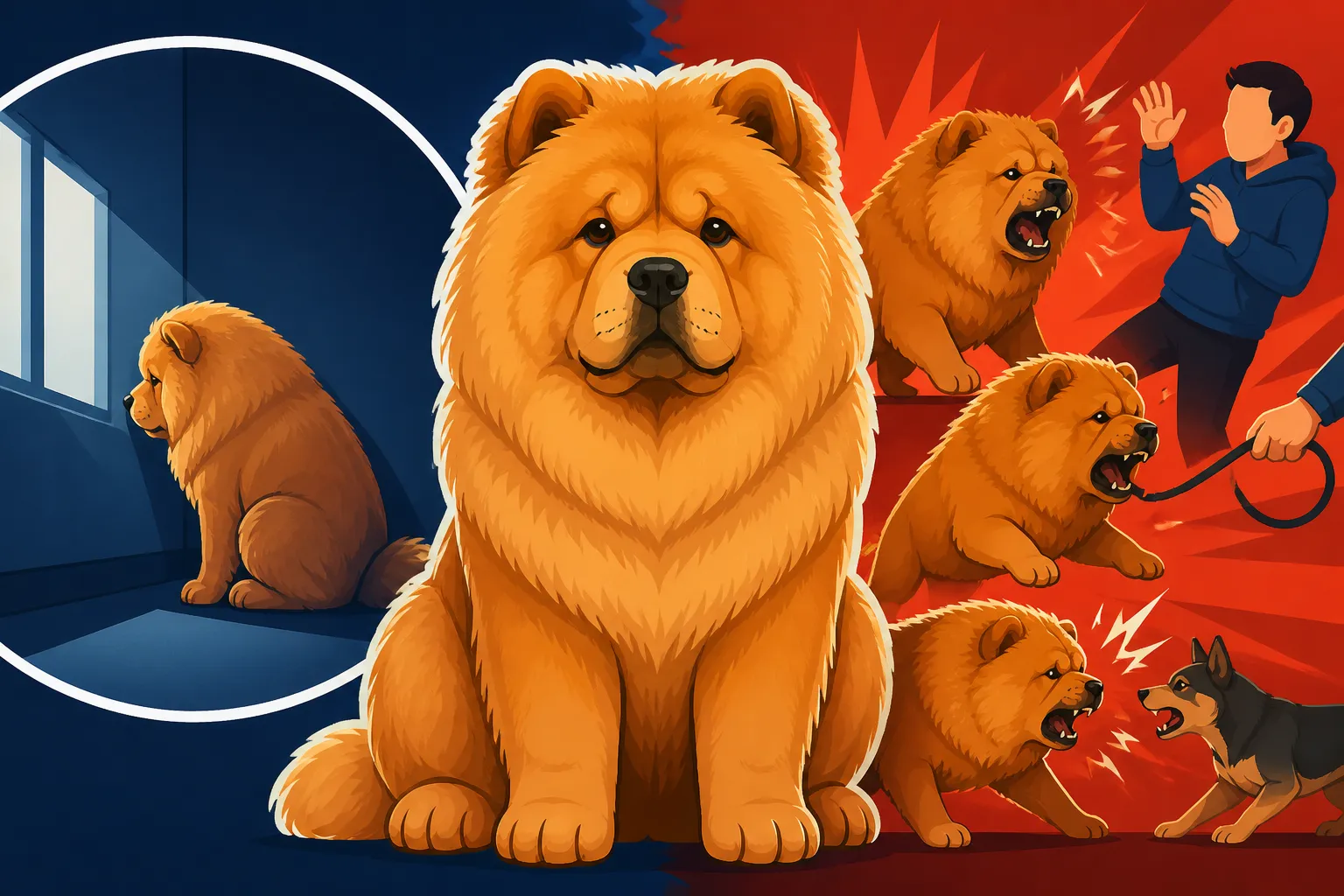
An undersocialized Chow Chow often develops a profound intolerance for strangers and new situations. Where a well-socialized Chow Chow might acknowledge a visitor with a brief glance before returning to their nap, an undersocialized one might react with intense barking, growling, or even lunging. This is often a fear-based response – they perceive unfamiliar people or environments as threats, and their instinct is to drive them away or protect themselves. How to Introduce a Chow Chow to a Stranger becomes an extremely delicate dance, requiring careful planning and management to prevent escalation.
Vet visits, which are a necessary part of a dog’s life, can become highly traumatic events. The presence of unfamiliar people, strange smells, and invasive handling can trigger extreme stress. Grooming, too, can be a battle, with the dog becoming defensive and potentially aggressive when touched by an unfamiliar groomer. Such a dog struggles to adapt to anything outside their routines, making travel, changes in living arrangements, or even a simple walk in a new park a source of immense stress. Their deep-set eyes already limit their peripheral vision, making them prone to startling when approached from behind or the side, and a lack of socialization only exacerbates this natural tendency, making unexpected encounters even more frightening.
Behavioral Consequences in Daily Life
The fundamental issues of fear and intolerance in an undersocialized Chow Chow don't just exist in isolation; they permeate every aspect of their daily lives, turning what should be simple routines into complex challenges. These behaviors not only stress the dog but also significantly impact the quality of life for the entire household.
Resource Guarding and Territoriality Amplified
Chow Chows have a natural inclination towards being protective and territorial. In a well-socialized Chow Chow, this manifests as a watchful nature, making them excellent guardians of their home and family. However, in an undersocialized Chow Chow, these natural instincts are often amplified by insecurity and fear, leading to problematic resource guarding and territorial aggression. They might guard their food bowl, toys, or even specific resting spots with intensity, growling or snapping if anyone (human or animal) comes too close. This isn’t a sign of dominance; it’s a desperate attempt to control their environment and secure their limited perceived safe resources in a world they find frightening.
This behavior can extend beyond physical objects. An undersocialized Chow Chow might aggressively guard their chosen person, reacting negatively if another family member or guest approaches too closely, especially when the dog is resting or seeking affection. For example, if you're petting your Chow Chow on the couch and another family member tries to sit nearby, the dog might emit a low growl or stiffen, warning them to stay away. Addressing How to Stop a Chow Chow Guarding a Room becomes less about asserting authority and more about building trust and security, proving to the dog that their resources are not threatened.
Reactivity on Leash and Towards Other Dogs
One of the most common and difficult challenges for owners of an undersocialized Chow Chow is leash reactivity. A lack of positive exposure to other dogs and novel sights and sounds in the world can cause the Chow Chow to perceive every passing dog or person as a potential threat. This manifests as barking, lunging, pulling frantically on the leash, growling, or even snapping when encountering triggers during walks. It’s a frightening display that often earns the dog a reputation as aggressive, when in reality, it's typically a desperate attempt to create distance from something they fear.
These reactive outbursts make walks incredibly stressful and often lead owners to restrict their dog's outings, further limiting crucial exposure and perpetuating the cycle of undersocialization. It also means that dog parks or casual strolls in busy areas are entirely out of the question, severely limiting the dog's ability to engage with the world in a positive way. Understanding Why a Chow Chow Reacts to Dogs on Leash is crucial for effective management, which often involves counter-conditioning and desensitization rather than punishment. Finding an appropriate way for How a Chow Chow Gets Along With Other Dogs requires careful, controlled introductions under expert guidance, focusing on quality over quantity.
| Behavior Aspect | Well-Socialized Chow Chow | Undersocialized Chow Chow |
|---|---|---|
| Reaction to Strangers | Reserved, may ignore or offer a brief, calm sniff. | Barks, growls, lunges, attempts to hide, or shows fear-aggression. |
| Reaction to Other Dogs | Cautious, may ignore or engage in brief, polite interactions. | Reactive on leash, barks frantically, lunges, avoids. |
| Handling Tolerance | Accepts routine handling (vet, grooming) with calm patience. | Resists handling, nips, struggles, shows extreme stress. |
| Adaptability | Tolerates new environments, sounds, and routines with minimal stress. | Panics in new places, highly sensitive to sounds, rigid in routine. |
| Resource Guarding | Mildly protective, easily redirected from valued items. | Intense guarding of food, toys, space, or person; may snap. |
| Confidence Level | Self-assured within their known world. | Constantly anxious, perceiving threats everywhere. |
Challenges for Owners and the Dog's Well-being
Living with an undersocialized Chow Chow presents a unique set of challenges that can test the patience and dedication of even the most experienced dog owner. The constant management and emotional toll can be overwhelming, and critically, the dog's own quality of life is severely compromised.
Stress and Management Difficulties
The daily stress of managing an undersocialized Chow Chow can be immense. Every outing, every visitor, and even routine care can become a high-stakes event. Owners often find themselves constantly on alert, scanning for potential triggers, anticipating their dog's reactions, and strategizing ways to avoid confrontations. This vigilance is exhausting and can lead to owners feeling isolated, as they may stop inviting friends over or taking their dog to public places. The desire to provide their dog with a good life clashes with the dog's inability to cope with the wider world.
Simple tasks like vet visits can necessitate extensive planning, sedation, or specialized "fear-free" veterinary practices. Grooming might be impossible without professional sedation, adding significant cost and stress. Finding pet sitters or boarders who are equipped to handle a reactive or fearful Chow Chow is incredibly difficult, further restricting the owner’s freedom. Whether a Chow Chow Should Be Left With a Sitter or Whether Boarding Will Take a Chow Chow becomes a major logistical hurdle. This constant state of management can lead to owner burnout, guilt, and even resentment, despite a deep love for their pet.
Limited Quality of Life for the Chow
Perhaps the most tragic consequence of undersocialization is the profound impact it has on the Chow Chow's quality of life. A dog living in a perpetual state of anxiety, fear, or hyper-vigilance isn't truly living its best life. Their world becomes small and constricted, limited to the safest corners of their home or yard. They miss out on the joy of exploring new smells, meeting interesting people (under controlled circumstances), or simply relaxing in varied environments. The mental energy expended on constantly evaluating threats leaves little room for contentment or playful exploration.
Chronic stress can also have tangible physical effects, including a weakened immune system, digestive issues, and even shortened lifespan. These dogs are always "on edge," which is an incredibly draining way to exist. While a Chow Chow is known for being independent and enjoying its own space, an undersocialized one isn't just independent; it's isolated by fear. They may struggle with separation anxiety when their primary person leaves, or conversely, be unable to truly relax even when their person is present, if the environment feels threatening. A Chow Chow that is constantly reactive or withdrawn isn’t just a challenge for its owner; it’s a sad reflection of a life unfulfilled due to a lack of crucial early experiences. How a Chow Chow Copes Alone can be severely impacted by their underlying anxiety and lack of confidence in the world.
The Path to Rehabilitation and Management
While reversing the effects of severe undersocialization in an adult Chow Chow is an uphill battle, it's not a hopeless one. With immense patience, consistency, and the right professional guidance, significant improvements can be made, allowing the dog to live a more comfortable and less fearful existence. The goal isn't to turn them into an outgoing social butterfly, but rather to help them tolerate the world without constant panic or aggression.
Realistic Expectations and Professional Guidance
It's crucial for owners to set realistic expectations. An undersocialized adult Chow Chow may never become the type of dog that happily greets everyone or thrives in bustling environments. The aim is often to reduce fear, manage reactivity, and increase their comfort level in predictable, controlled situations. This is a journey of management, not necessarily a "cure." The most important step is to seek professional help. A certified professional dog trainer specializing in positive reinforcement, or ideally, a veterinary behaviorist, can assess the dog's individual triggers and develop a tailored behavior modification plan. Trying to address these deep-seated issues without expert guidance can inadvertently worsen the problem, reinforce fear, or even put people or other animals at risk.
These professionals can teach you how to read your Chow Chow's subtle body language cues for stress or discomfort, empowering you to intervene before an aggressive display occurs. They can also guide you through the process of desensitization and counter-conditioning safely and effectively. Resources like online puppy and adult dog training programs, such as those offered by BAXTER & Bella, can provide a wealth of foundational knowledge and ongoing support for owners looking to understand dog behavior and positive reinforcement techniques, though direct, in-person professional help is usually indispensable for an undersocialized Chow Chow.
Structured Desensitization and Counter-Conditioning
The cornerstone of rehabilitating an undersocialized Chow Chow lies in structured desensitization and counter-conditioning.
- Desensitization involves gradually exposing the dog to its triggers at a level so low they don't react negatively. This means starting far away from the trigger, or with a very mild version of it. For example, if your Chow Chow barks at strangers, you might start by simply having a "stranger" (a friend the dog hasn't met) stand across the street, barely visible. The goal is to keep the dog under their threshold of reactivity.
- Counter-conditioning means changing the dog's emotional response to the trigger. This is done by pairing the low-level trigger with something highly positive and rewarding, like high-value treats or a favorite toy. So, as your friend stands across the street, you would feed your Chow Chow delicious treats. The dog begins to associate the presence of a stranger with good things, rather than fear. You might find a good selection of high-value treats on Amazon to help with this.
This process is slow, incremental, and requires immense patience. It's about tiny victories, gradually moving closer to the trigger or increasing its intensity over weeks or months, always ensuring the dog remains calm and positive. If the dog reacts, you've gone too far, too fast, and need to retreat to a more comfortable distance or lower intensity. Specialized equipment, like a comfortable, well-fitting muzzle, might also be introduced safely through positive association during training sessions. Teaching a Chow Chow to Wear a Muzzle can be a valuable tool for safety and peace of mind during necessary exposures or vet visits, without causing further stress to the dog.
Prevention: Socializing a Chow Chow Puppy
While rehabilitation is possible for an undersocialized adult, preventing the issue in the first place is always the best approach. Proactive, positive socialization during puppyhood is the most effective way to ensure a Chow Chow grows into a confident, well-adjusted companion who can navigate the world without undue fear or aggression.
The Critical Window and Beyond
As mentioned earlier, the critical socialization window from 3 to 16 weeks is paramount. During this time, a Chow Chow puppy should be gently and positively exposed to as many new sights, sounds, smells, people, and appropriate animals as possible. This doesn't mean overwhelming them; it means controlled, positive experiences. For example, inviting a few calm, dog-savvy friends over one at a time, or taking short, quiet car rides to different safe locations. It's about building a positive foundation. How Much Socialization a Chow Chow Puppy Needs isn't a fixed number, but a consistent, varied, and positive regimen during these crucial weeks.
However, socialization isn't a one-and-done event. It's a lifelong process. Even after the critical window closes, continued positive exposure to the world is necessary to maintain and build upon that foundation. A Chow Chow who receives excellent early socialization but then lives in isolation for years can still develop fear-based behaviors. Think of it like a language: you learn it as a child, but you need to keep practicing to stay fluent. Regular, positive experiences throughout their lives will reinforce their confidence and adaptability.
Diverse, Positive Experiences
The key to effective socialization is diversity and positivity. It’s not just about meeting other dogs; it’s about experiencing the world.
- People: Expose your Chow Chow puppy to a wide variety of people: men, women, children of different ages, people with hats, glasses, beards, different skin tones, people using wheelchairs or walkers. Always ensure these interactions are calm and positive, with treats involved. Teach children How to Teach a Child to Approach a Chow Chow safely and respectfully.
- Environments: Take your puppy to different places: quiet parks, sidewalks (before vaccinations are complete, carry them or use a stroller in public areas), pet-friendly stores, friends' houses, or even just sitting in the car watching the world go by. The sounds of traffic, children playing, or city noises should become normal background sounds, not startling events.
- Sounds: Introduce them to common household sounds like vacuums, blenders, doorbells, and unfamiliar noises from outside, always pairing these with treats and calm reassurance.
- Textures and Objects: Let them explore different surfaces (grass, pavement, carpet, tile) and encounter various objects (umbrellas opening, skateboards, bicycles) from a safe distance, making sure to reward their calm curiosity.
- Other Dogs (Safely): Introduce them to a few known, vaccinated, calm, and friendly adult dogs one-on-one. Puppy classes can also be incredibly beneficial, provided they are well-run with an emphasis on positive experiences and appropriate play, and Whether Puppy Class Suits a Chow Chow often depends on the individual Chow and the class structure. Avoid dog parks or uncontrolled group play where negative experiences are more likely.
Always remember that for a Chow Chow, quality over quantity is paramount. A few deeply positive and well-managed exposures are far more valuable than dozens of overwhelming or negative ones. If you're adopting an adult Chow Chow, especially a rescue, they may already have gaps in their socialization. In these cases, understanding Whether an Adult Rescue Chow Chow Can Change is vital, and a very slow, patient, and professional approach to counter-conditioning is your best bet, focusing on building trust and positive associations.
Disclaimer
This article is for general informational purposes only and does not constitute professional advice. Laws, prices and regulations vary by location and change over time. Consult a qualified professional for guidance on your specific situation.