Why Two Same Sex Chow Chows Fight
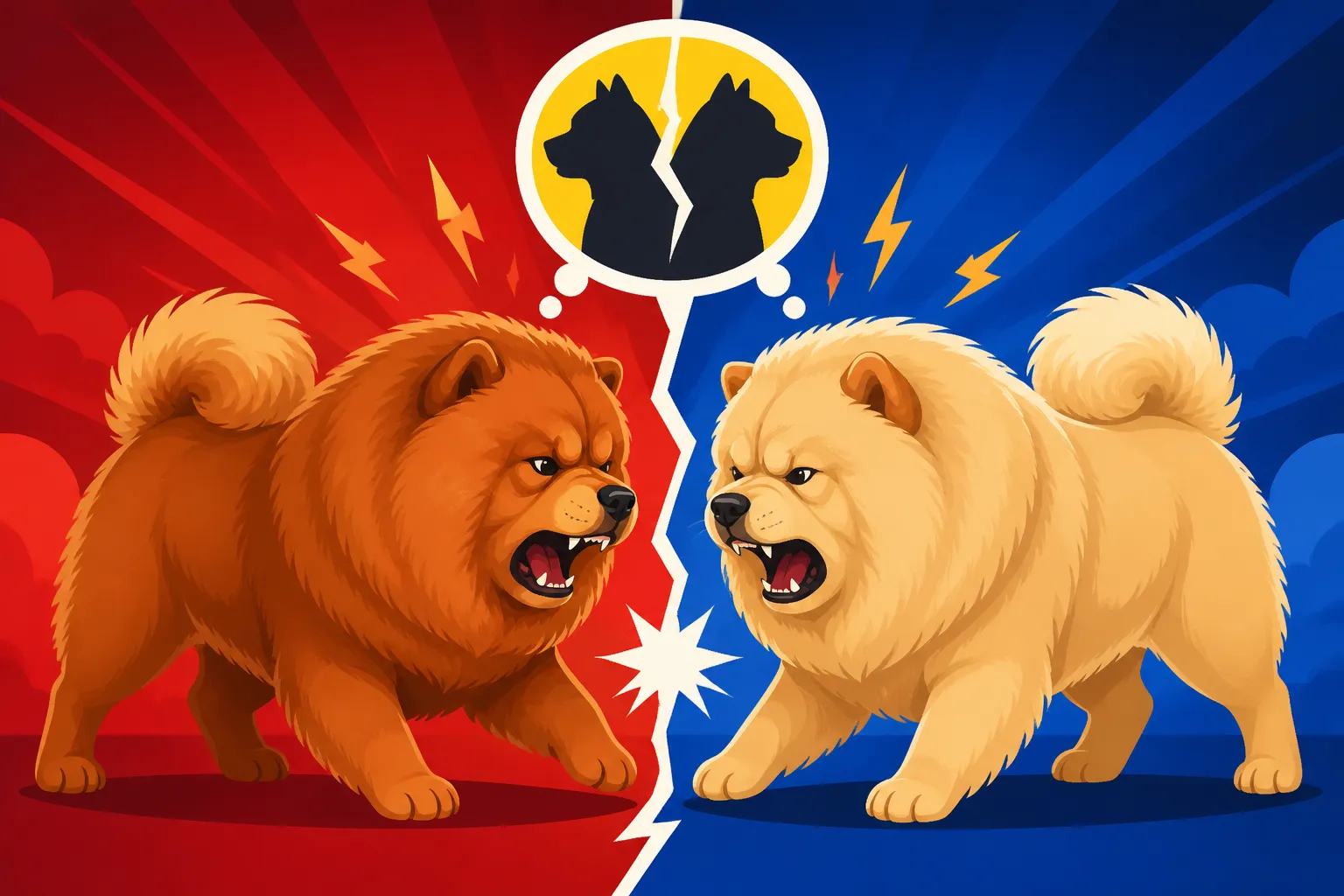
It’s a heartbreaking situation to watch unfold: two of your beloved Chow Chows, dogs you brought into your home with hopes of companionship, suddenly turn on each other. When you have two same-sex Chow Chows living under the same roof, especially as they mature, the peace can shatter without warning, leaving you scrambling to understand why and how to stop it. This guide will delve deep into the complex world of same-sex aggression in Chow Chows, exploring the underlying reasons for their conflicts and offering practical, empathetic strategies to manage and prevent these often-devastating fights.
The Unique Temperament of the Chow Chow
To understand why same-sex Chow Chows might fight, we first need to appreciate the breed's distinct personality. Chows are not your typical Labrador; they possess a dignified, often aloof, and deeply independent nature that sets them apart. This isn't a flaw, but a characteristic that requires specific understanding and handling, especially when living in multi-dog households.
The Independent and Dominant Nature
Chow Chows are renowned for their self-possessed and often stubborn demeanor. They aren't typically eager-to-please dogs that live to fetch or constantly seek affirmation from their humans. Instead, they prefer to be equal partners, often making their own decisions. This independence can manifest as a strong will, which, in a multi-dog household, can lead to clashes over perceived status. Each Chow Chow, particularly within the same sex, might view themselves as the rightful leader or the one in charge of the household "pack," even if their human doesn't see it that way.
Imagine two highly confident, unyielding individuals attempting to coexist without a clear, consistent hierarchy established by a strong leader – in this case, you. If both dogs believe they are the ones who should be dictating terms, even subtle interactions can become challenges. A shared glance, a doorway crossed, or a favorite sleeping spot can inadvertently trigger a power struggle. It's not about malice, but about an innate drive to establish order in their world, a drive that can be particularly pronounced in this breed.
Territoriality and Resource Guarding
Chow Chows, by their very nature, tend to be highly territorial. They are excellent guardians of their home and family, often viewing strangers or other animals with suspicion. This guarding instinct extends not just to their physical space but also to their resources, which can include food, toys, sleeping areas, and even their favorite person. When you have two same-sex Chows, this resource guarding can become a flashpoint for conflict.
Consider a scenario where one Chow has a favorite chew toy. If the other same-sex Chow approaches it, even innocently, the first Chow might see it as an infringement on their personal property and issue a low growl or stiffen their body. This isn't just about the toy; it's about control and boundaries. These types of interactions, if not properly managed, can quickly escalate. We’re talking about everything from the prime spot on the couch to who gets attention first when you walk through the door. This ingrained territoriality, when combined with their strong will, can make shared living challenging, leading to tensions over who claims what. You might find yourself constantly mediating silent stand-offs over preferred sunbeams or the best napping cushion. What a Chow Chow Guards and Why delves deeper into these protective instincts.
Limited Social Grace with Other Dogs
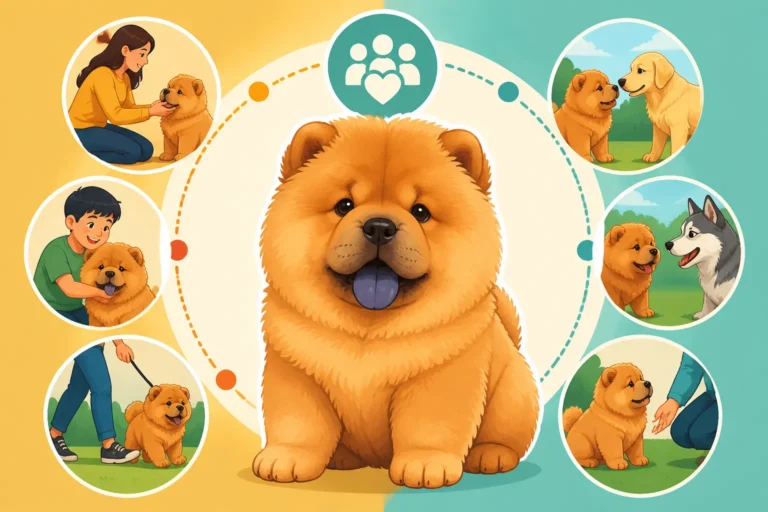
Unlike many breeds bred for cooperative work, Chow Chows typically aren't known for their effusive social skills with other dogs. They can be quite discerning, often preferring their own company or that of their bonded human. While proper Why Early Socialization Decides What a Chow Chow Becomes is crucial for any puppy, Chows generally have a shorter leash when it comes to tolerating the boisterous play or perceived challenges of other canines. This inherent aloofness means they might lack the subtle communication skills that more socially adept dogs use to de-escalate potential conflicts.
When two same-sex Chows interact, they may miss or ignore typical canine appeasement signals, leading to misunderstandings that can quickly escalate to aggression. One Chow might interpret a playful nudge from the other as a challenge, or a prolonged stare might be taken as an invitation to fight rather than a simple assessment. They often don't have the "go-with-the-flow" attitude that helps prevent squabbles among other breeds. This can make them less forgiving of perceived transgressions, turning minor annoyances into significant confrontations.
Factors Contributing to Same-Sex Aggression
While the Chow Chow's natural temperament lays the groundwork, several specific factors can exacerbate same-sex aggression, pushing latent tensions into overt conflict. Understanding these triggers is key to effective management.
Hormonal Influences and Neutering Status
Hormones play a significant role in canine behavior, and this is especially true for aggression. Intact (unspayed) female Chow Chows can exhibit aggression linked to their heat cycles, false pregnancies, or maternal instincts. The fluctuating hormones can lead to irritability and a heightened sense of territoriality, not just towards other females but sometimes even towards neutered males. If you have two intact females, their heat cycles might not align perfectly, leading to ongoing stress and competition.
Similarly, intact male Chow Chows are generally more prone to displaying aggression, including same-sex aggression, due to the influence of testosterone. They have a stronger drive to compete for mates and territory. While neutering can reduce some forms of aggression, it’s not a magic bullet, especially if the aggressive behaviors are already ingrained. For both sexes, the presence of intact animals in the household or even nearby can heighten tension, as their hormonal signals can trigger a competitive response in other Chows. It's a complex interplay where biology meets learned behavior, making a blanket solution difficult.
Lack of Early Socialization
We talk about socialization a lot, but for a Chow Chow, it's not just important; it's absolutely critical. The period when a Chow Chow puppy's brain is most receptive to new experiences, often referred to as their socialization window, is relatively short. If a Chow Chow is not exposed to a wide variety of dogs, people, sounds, and environments during this crucial time, they can develop fear, anxiety, or an inability to properly interpret canine social cues. An undersocialized Chow Chow often grows into an adult who is wary, distrustful, and quicker to resort to aggression when uncomfortable or challenged. What an Undersocialized Chow Chow Becomes outlines the serious challenges this can lead to.
When you have two same-sex Chows, especially if both were inadequately socialized, their lack of social skills can be a recipe for disaster. They haven't learned the nuances of dog-dog communication, like offering a calming signal or backing down gracefully. Instead, they might go straight to a confrontational stance, leading to a fight rather than a diplomatic resolution. Early, positive exposure to well-behaved dogs of various temperaments is invaluable, ideally starting before their vaccinations are complete in safe, controlled environments, then continuing consistently as they mature. This isn't about making them love every dog they meet, but about teaching them polite disengagement.
Perceived Competition and Status
Chow Chows are very aware of their social standing, both within their human family and with other dogs. In a multi-Chow household, particularly with same-sex pairs, there's an unspoken but ever-present dance around who holds which position in the perceived hierarchy. This isn't always about a clear "alpha" and "beta" in the traditional sense, but more about who gets preferred access to resources, attention, and prime resting spots.
Even subtle cues can be interpreted as challenges. If one Chow consistently approaches you first for attention, the other might see it as vying for higher status. If a new toy enters the house, both might feel compelled to claim it. These small, daily interactions build up, creating a simmering pot of resentment that can boil over into a fight. It’s vital for owners to understand that they inadvertently contribute to this dynamic by how they distribute resources and attention. Any perceived favoritism, even unintentional, can fuel a sense of competition between same-sex Chows. Ensuring fair and equal treatment, and managing access to high-value items, becomes paramount in preventing these status-driven conflicts.
Here's a quick look at common factors:
| Factor | Male Chow Chows | Female Chow Chows |
|---|---|---|
| Hormonal Influence | Stronger territorial and dominance drives if intact. | Aggression linked to heat cycles, false pregnancies. |
| Socialization | Crucial for preventing reactivity towards other males. | Important for tolerating other females, especially strangers. |
| Competition | Often over territory, perceived status, access to females. | Often over social standing, resources, owner attention. |
| Triggers | Unfamiliar intact males, perceived challenges. | Other intact females, perceived threats to resources/family. |
Recognizing the Signs of Trouble
Preventing serious fights means being incredibly observant and recognizing the subtle, and not-so-subtle, cues that indicate rising tension between your Chow Chows. They aren’t always going to broadcast their intentions with a full-blown growl before a skirmish.
Subtle Cues Before an Outbreak
Chow Chows, with their often stoic demeanor and deeply set eyes, can be hard to read for the uninitiated. This means that owners need to pay extra close attention to subtle shifts in body language that signal discomfort or rising tension. Before an outright fight, you might notice a Chow Chow becoming stiff, a slight tightening of the lips, or a low, rumbling growl that's almost imperceptible. One might avoid eye contact, while the other might stare intently, a direct challenge in the canine world.
You might also observe subtle "blocking" behaviors, where one Chow positions itself between the other and a resource (like you, a doorway, or a favorite toy). Changes in routine, such as one Chow suddenly refusing to enter a room if the other is present, or a noticeable increase in pacing and panting when both are in the same vicinity, are all red flags. These are often precursors to more serious altercations. Learning How to Read a Chow Chow's Face and Signs a Chow Chow Is Uncomfortable can be incredibly helpful here, as their warning signals can be very understated compared to more overtly expressive breeds.
Escalation Patterns in Conflict
When tensions rise, a predictable pattern of escalation often emerges, and learning to identify these stages is vital for intervention. It usually starts with those subtle cues – stiff body language, direct stares, perhaps a low growl. If these warnings are ignored or unaddressed, the behavior can escalate to a harder stare, a raised hackle, a more audible growl, or a curled lip showing teeth.
From there, it can quickly move to air snaps (biting the air near the other dog), a lunge without contact, or even a hard body block. The final stages, if not interrupted, are full-blown fights, which can be swift, silent, and incredibly destructive. What's particularly concerning with Chow Chows is their capacity for intense, committed aggression once a fight begins, and they may give very little warning before reaching that point. Their compact, muscular build and thick coats can make these encounters look less severe than they actually are, but bites can be deep and serious. The quicker you can intervene at the earlier stages, the safer everyone will be.
The Dangers of a Chow Chow Fight
A fight between two Chow Chows is not just a loud squabble; it carries significant risks for all involved. Chow Chows are powerful dogs with strong jaws, and when they engage in a fight, they can inflict serious injuries on each other, often targeting vulnerable areas like legs, necks, and faces. These bites can lead to deep punctures, lacerations, nerve damage, and severe bruising, requiring immediate veterinary attention. Beyond physical injuries, there’s the lasting psychological trauma. A single severe fight can permanently damage the relationship between the dogs, making future coexistence nearly impossible without extreme management.
Furthermore, there is a very real danger to human interveners. When two Chows are locked in conflict, their adrenaline is high, and they may redirect their aggression onto anyone who tries to break up the fight, leading to accidental but serious bites. Owners, in their desperation to separate their beloved pets, often put themselves in harm's way, resulting in broken bones, deep lacerations, or other injuries. The emotional toll of witnessing such a violent interaction between your own pets is also immense, creating a home environment filled with anxiety and fear.
Managing and Preventing Conflict
The good news is that with proactive management and consistent effort, it's often possible to mitigate or prevent same-sex aggression between Chow Chows. This isn't about curing a "bad" dog, but about structuring their environment and interactions to reduce triggers and promote peace.
Structured Routines and Resource Management
A predictable environment can significantly reduce anxiety and competition among Chows. Establishing clear, consistent routines for feeding, walks, potty breaks, and playtime helps them understand what to expect, reducing potential friction. The cornerstone of preventing same-sex aggression, especially regarding resource guarding, is meticulous management of all high-value items. This means separate feeding stations, preferably in different rooms, so each Chow can eat undisturbed. All toys, bones, and chews should be given out when the dogs are separated and put away when unsupervised. If they have favorite beds or resting spots, ensure there are enough for both, and perhaps even a few extras, strategically placed to avoid conflict over prime real estate.
Consider using crates as safe, personal spaces for each dog, especially if you need to leave them unsupervised. Crates from reliable brands found on sites like Amazon can be a lifesaver for creating individual havens. This isn't a punishment; it's their personal den where they can feel secure and relax without worrying about the other dog encroaching. Regular rotation of individual playtime and attention from you can also help ensure each Chow feels equally valued, diminishing the perception of favoritism that often fuels rivalry.
Training and Muzzle Conditioning
Consistent, positive reinforcement training is paramount for all Chow Chows, but especially so in a multi-dog household where conflict is a concern. Teaching rock-solid "stay," "leave it," and "come" cues can be life-saving in defusing tense situations before they escalate. A Chow Chow trains by agreement, not obedience, so finding what truly motivates them (often high-value treats!) is essential. Tools like online training programs, such as those offered by BAXTER & Bella, can provide structured guidance and support for building these crucial skills.
Furthermore, muzzle conditioning is not a sign of failure; it's a responsible and proactive safety measure. Properly introducing a comfortable basket muzzle to both Chows means that if you ever need to introduce them in a potentially high-stress situation, or if you're working on behavior modification, you can do so safely without fear of bites. This isn't about punishing them but providing a layer of protection that allows you to manage situations more calmly. Teaching a Chow Chow to Wear a Muzzle is a valuable skill for any Chow owner, giving you greater control in potentially volatile situations.
Environmental Management and Separation
Sometimes, despite your best efforts, the safest and most humane solution for same-sex Chows prone to fighting is careful environmental management, which might include permanent or semi-permanent separation within the home. This could mean using baby gates, crates, or even designated "dog zones" to ensure they are never unsupervised together. A well-designed gate system can allow them to be in the same general area, see and smell each other, but not physically interact in a way that could lead to conflict.
When taking them out, always walk them separately or with two handlers. Never risk walking them together if there's any history of fighting, as an outside trigger (another dog, a person, a squirrel) could cause a redirected fight between them. The goal is to prevent any opportunity for conflict, rather than constantly trying to intervene in a fight. This might feel like a lot of work, and it is, but the safety and well-being of your Chows, and yourself, depend on it. This careful management is a lifestyle commitment, ensuring that neither dog feels constantly on edge or threatened.
When Professional Help Is Needed
Recognizing when you've reached the limits of DIY management is a sign of responsible pet ownership, not failure. Sometimes, the complexities of same-sex aggression in Chow Chows require specialized expertise to navigate safely and effectively.
Consulting a Veterinary Behaviorist
If your Chow Chows are engaging in serious, injurious fights, or if their aggression is escalating despite your best management efforts, the most crucial step is to consult a board-certified veterinary behaviorist. These professionals are veterinarians who have gone on to specialize in animal behavior, understanding the medical and neurological underpinnings of aggression. They can rule out any underlying health issues that might be contributing to the behavior (because a dog in pain, for instance, might be more irritable), and they can prescribe medication if appropriate to help manage anxiety or reactivity, creating a window for behavioral modification to be effective.
A veterinary behaviorist will conduct a thorough assessment of both dogs, your home environment, and your daily routines. They'll then develop a comprehensive, tailored behavior modification plan that takes into account the specific dynamics of your Chows and your household. This isn't a quick fix, but a structured approach to address the root causes of the aggression, often involving significant changes to how you interact with and manage your dogs.
Working with Certified Professional Trainers
Alongside or after consulting a veterinary behaviorist, working with a certified professional dog trainer, particularly one experienced with Chow Chows and dog-dog aggression, can be incredibly beneficial. Look for trainers who use positive reinforcement methods and have a solid understanding of canine body language and behavior. A good trainer can help you implement the behaviorist's plan, teaching you practical skills to manage interactions, reinforce desired behaviors, and safely interrupt potential conflicts.
They can help you refine your handling techniques, teach both Chows individual obedience cues that build confidence and responsiveness, and guide you through structured desensitization and counter-conditioning protocols if applicable. It's important to find a trainer who understands the unique temperament of the Chow Chow, as a heavy-handed or confrontational approach will likely backfire with this sensitive, independent breed. A Chow Chow Trains by Agreement, Not Obedience highlights why this approach is so critical. Remember, not all trainers are equal, so seek out someone with specific credentials and experience in aggression.
Considering Rehoming as a Last Resort
While it’s a painful thought, sometimes, despite every effort, medication, training, and strict management, two same-sex Chow Chows simply cannot safely coexist. If the aggression is severe, persistent, and poses a constant threat to the well-being of the dogs or the humans in the household, rehoming one of the Chows might be the kindest, albeit heartbreaking, solution. This is an absolute last resort, only considered after exhausting all other professional avenues.
Living in a constant state of tension and fear is not fair to either dog, nor is it sustainable for the human family. A responsible rehoming process involves finding a new home where the Chow can thrive as an only dog or with an appropriate, well-matched companion of the opposite sex, with full disclosure of their behavioral history. Rescue organizations specializing in Chow Chows or specific breeds can often assist in finding suitable placements, understanding the nuances of the breed's needs. This decision is never made lightly but is sometimes necessary to ensure a peaceful and safe life for all involved.
Disclaimer
This article is for general informational purposes only and does not constitute professional advice. Laws, prices and regulations vary by location and change over time. Consult a qualified professional for guidance on your specific situation.