Whether a Chow Chow Should Be Restrained or Released
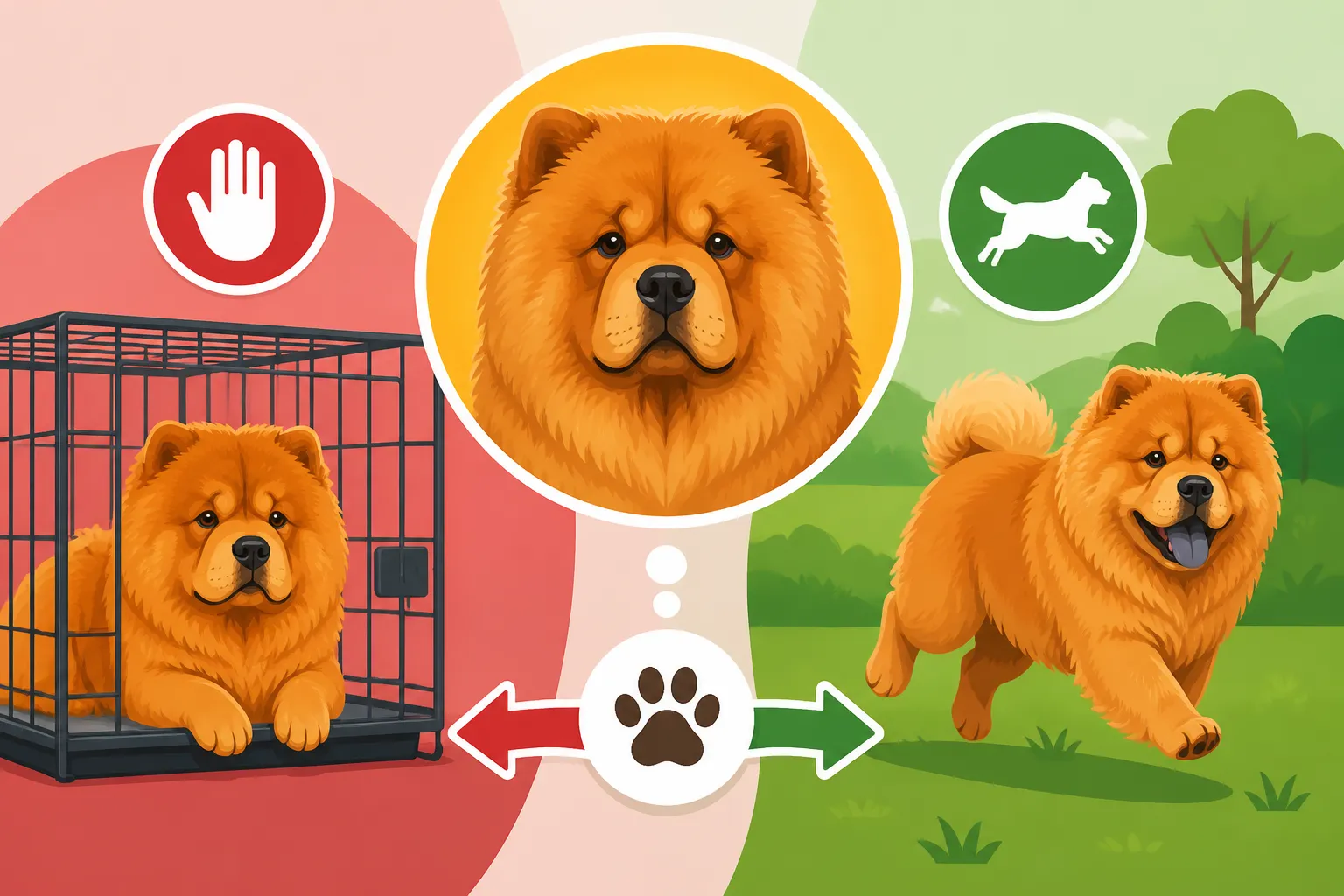
Chow Chows present a unique paradox for their owners: they are intensely loyal to their chosen person, yet famously independent and aloof with others. This strong sense of self, combined with their guardian instincts, means that deciding when to restrain your Chow and when to allow them space – a form of "release" – is a constant negotiation. Misjudging the situation can lead to stress for your dog, or even a snap, making it vital to understand the delicate balance. This guide will help you navigate those critical decisions, ensuring both your Chow's comfort and everyone's safety.
The Chow Chow's Unique Temperament and How It Shapes Handling
Chow Chows aren't like many other breeds that eagerly seek constant interaction or easily defer to every command. Their heritage as ancient, independent guardians means they approach the world on their own terms, often with a dignified aloofness. This isn't stubbornness for the sake of it, but a deeply ingrained sense of self-reliance. Understanding this fundamental aspect of their personality is the first step in deciding whether to restrain or release them in various situations.
Independence, Aloofness, and Limited Patience
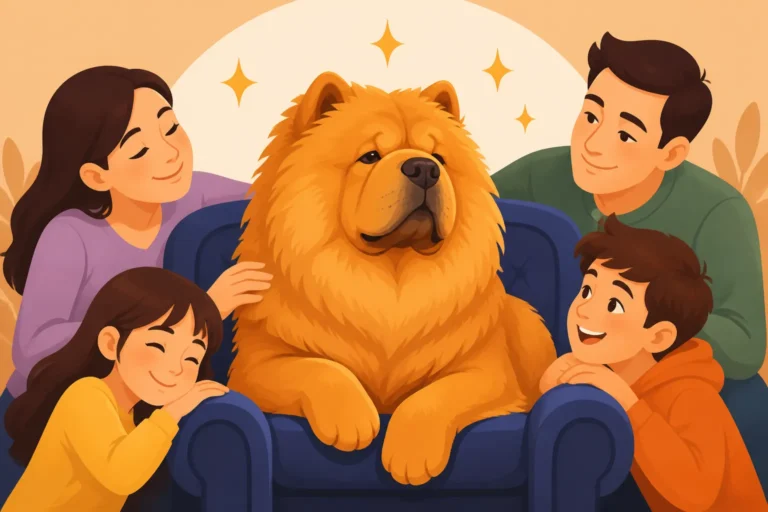
A Chow Chow typically forms a deep, unwavering bond with its primary person, often tolerating the rest of the family rather than actively seeking their constant attention. They aren't usually "velcro dogs" and might not appreciate being constantly petted, hugged, or doted upon. This inherent independence means that forcing physical contact or prolonged handling when they're not in the mood can easily lead to tension. They have a limit to their patience for unsolicited interaction, and it's absolutely essential to respect it. This is where the concept of "release" – giving them space and autonomy – becomes incredibly important. You might often find yourself pondering How Much a Chow Chow Wants to Be Petted or Why a Chow Chow Dislikes Being Hugged.
They rarely jump on people or enthusiastically solicit attention from strangers. In fact, many are quite reserved and wary of newcomers. If a situation demands they be handled by someone other than their trusted person, such as at the vet or groomer, their natural wariness can heighten significantly. This isn't aggression for the sake of it, but a protective instinct kicking in, a clear signal that they are saying, "I'm not comfortable with this, and I don't fully trust you." This aloofness also means that How a Chow Chow Treats the Rest of the Family can be different than how they treat their primary person, requiring consistent respectful handling from everyone.
The Impact of Deep-Set Eyes and Limited Vision
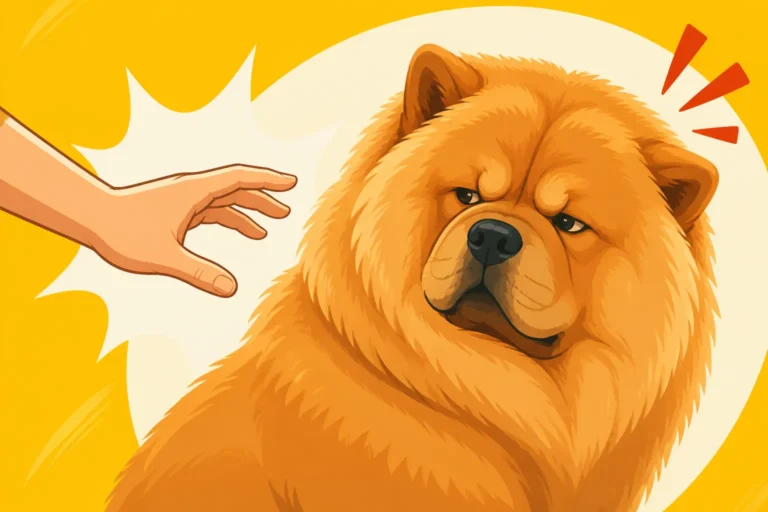
One of the most defining physical characteristics of a Chow Chow is their deep-set eyes, which contribute to their signature "scowl" expression. While aesthetically striking, this feature has practical implications: it significantly limits their peripheral vision. They often have noticeable "blind spots" directly behind them and to their immediate sides. This means they can be easily startled if approached from these angles, even by someone they know and trust. You might have heard discussions about How a Chow Chow's Deep Set Eye Limits Its Vision and its behavioral ramifications.
This visual limitation is a critical factor when considering handling or restraint. If you suddenly grab, touch, or even just loom over a Chow Chow from an angle they can't easily see, their instinct might be to react defensively out of surprise and perceived threat, rather than malicious intent. It’s a self-preservation response. Therefore, it's crucial to always approach your Chow from the front, allowing them to see you coming, process your intentions, and choose whether to engage. This physical reality underscores why proactive, thoughtful handling that respects their visual field is crucial to prevent misunderstandings and undesirable reactions. A sudden approach is often Why a Chow Chow Snaps at Someone It Did Not See.
When Restraint Is Necessary and How to Do It Safely
Despite their independent nature, there are absolutely times when restraining your Chow Chow is not just advisable, but essential for their safety, your safety, and the safety of others. This isn't about applying force or punishment, but about responsible management and protection. The key is to implement restraint in a way that minimizes stress and maximizes cooperation, using tools and techniques that foster trust rather than fear.
Vet Visits and Medical Procedures
Veterinary appointments are often high-stress situations for many dogs, and Chow Chows are certainly no exception. The unfamiliar environment, strange smells, the presence of other animals, and being handled by strangers can all trigger their reserved and protective instincts. For procedures like examinations, vaccinations, or drawing blood, gentle but firm restraint is usually unavoidable. It’s for their own good, preventing injury to themselves, the veterinary staff, or even the owners who might be trying to hold them. This is precisely Why a Chow Chow Fails at the Vet Without Practice if they haven't been prepared.
Tools like a properly fitted muzzle (ideally a basket muzzle that allows panting and drinking, readily available on Amazon) can be invaluable here. Introducing a muzzle positively at home, long before it’s needed in a stressful situation, can make a world of difference. It should be associated with treats and positive experiences, not just emergencies. For some Chows, mild sedation might be recommended by the vet for routine exams, especially if they are particularly wary or if the procedure is uncomfortable. Don't be afraid to ask your vet if Whether a Chow Chow Needs Sedation for a Checkup is a viable option if your Chow consistently exhibits high levels of stress.
Grooming Sessions
A Chow Chow's dense double coat is magnificent, but it requires diligent and consistent care. Brushing, bathing, and nail trims are non-negotiable aspects of their routine, and these activities invariably involve a degree of physical restraint or at least very close handling. Many Chows are not naturally fond of being brushed, especially in sensitive areas like their rear britches, paws, or behind their ears, where mats frequently form. Learning effective techniques for Teaching a Chow Chow to Be Brushed is a critical skill for any owner.
Using a grooming table with a noose or restraint loop can provide a safe and secure environment, preventing your Chow from jumping off or squirming away during brushing. Again, positive reinforcement is absolutely key. Associate grooming with high-value treats and praise. Start with very short sessions and gradually increase the duration as your Chow becomes more comfortable. For nail trims, some Chows tolerate a Dremel tool better than traditional clippers, but both require patience, desensitization, and often, some form of gentle restraint. If your Chow strongly resists home grooming, a professional groomer who specializes in Chows and uses a calm, fear-free approach might be necessary. It's also wise to consider Teaching a Chow Chow to Wear a Muzzle early on for safe and stress-free nail trims.
Public Safety and Controlled Introductions
When out in public, a leash is your most important restraint tool. A Chow Chow should always be on a leash, especially in unfenced areas or places with distractions. Their independent nature and potential for selective hearing when something exciting (or threatening) catches their attention means that even a well-trained Chow cannot always be trusted off-leash. Leash restraint is also crucial for preventing accidental, and potentially unwanted, interactions with strangers or other dogs, which can be highly stressful for a reserved Chow.
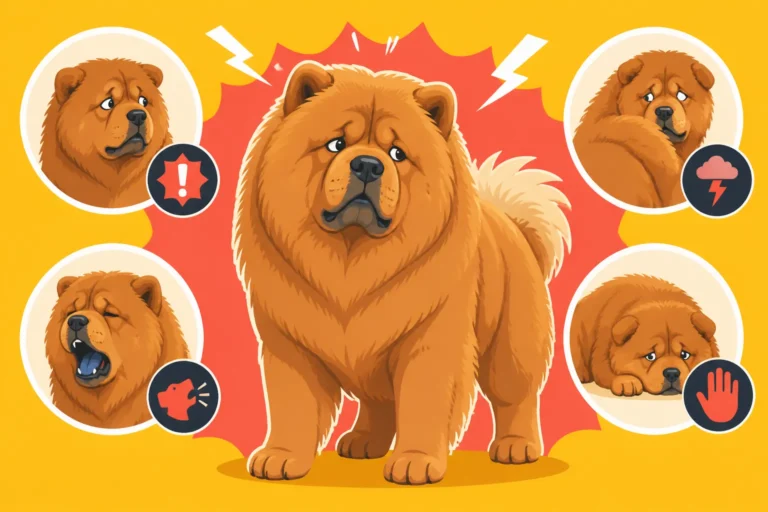
For introductions to new people or dogs, a controlled, on-leash approach is always best. Never allow someone to rush up to your Chow, or allow your Chow to rush another dog. A good guide to How to Introduce a Chow Chow to a Stranger involves maintaining respectful distance and letting the Chow initiate contact if it chooses to. If your Chow shows any Signs a Chow Chow Is Uncomfortable, such as lip-licking, yawning, a stiff body posture, or turning its head away, it's a clear signal to create more space or end the interaction altogether. A securely fenced yard at home is also crucial for their outdoor time, providing a safe "release" space where they can be themselves without constant human interaction or the risk of wandering off.
When Thoughtful "Release" (Giving Space) Is the Better Choice
While restraint has its necessary place, understanding when to "release" – meaning giving your Chow Chow space, autonomy, and control over their interactions – is equally, if not more, vital for building a strong, trusting relationship and preventing negative reactions. This doesn't mean letting them run wild and unsupervised, but rather respecting their boundaries and preferences within a structured environment.
Respecting Personal Space and Body Language
Chow Chows often have a particularly strong sense of personal space. Unlike some breeds that crave constant physical touch and attention, many Chows are content to simply be near you rather than directly on you. They might even find direct hugs, prolonged petting, or overly enthusiastic physical affection intrusive. Learning to accurately read your Chow's subtle body language is paramount to understanding their comfort levels. Averting eyes, a slight head turn, a stiffening of the body, or even a soft growl are all clear signals that they need space. Forcing interaction when these signals are present is a recipe for disaster and a quick way to erode trust.
Instead, "release" them from the obligation to interact. Allow them to walk away, find a quiet spot, or simply exist in the same room without being constantly engaged. This builds trust and teaches them that you respect their boundaries, making them more likely to seek out affection on their own terms when they are ready. Ignoring their subtle cues can lead to them feeling cornered or misunderstood, which can quickly escalate into a defensive snap. Understanding that how a Chow Chow shows affection can be subtle and different from other breeds is key to honoring their nature.
Managing Interactions with Children and Other Pets
For families with children, teaching both the Chow Chow and the children how to interact safely is crucial. Children, with their sudden movements, high energy, and eagerness to hug, can easily startle or overwhelm a Chow Chow. They might not understand a dog's subtle warnings or need for space. Instead of constantly restraining the Chow to prevent interaction, it's often more effective to "release" the Chow into a quiet, child-free zone or, conversely, to teach the children to give the dog space and respect its boundaries. Whether a Chow Chow Bonds to a Child also plays a role in how these interactions unfold.
Similarly, when it comes to other dogs or cats, "release" can mean providing separate spaces or carefully managed interactions. Chows are known for being particular about other dogs, especially those of the same sex. Why Two Same Sex Chow Chows Fight is a common concern among Chow owners. Instead of forcing them to coexist in close quarters, providing separate enrichment areas, rotating access to common spaces, or ensuring they each have their own safe haven allows them to feel secure and reduces tension. A crate can be an excellent "safe space" where they can be "released" from social obligations and have undisturbed rest.
Choosing Their Own Engagement
A Chow Chow thrives on choice and agreement. This doesn't mean they run the household, but it means they typically respond much better to requests and invitations than to demands. When it comes to playtime, walks, or even learning new cues, offering choices rather than forcing participation can lead to greater engagement and cooperation. For example, instead of dragging them on a walk when they seem uninterested, try a different route, a shorter stroll, or engage them with a stimulating puzzle toy indoors.
"Release" can also mean allowing them to choose their comfort level with new situations or environments. If you’re at a park and your Chow seems overwhelmed or stressed, finding a quieter spot or simply leaving the area is giving them the "release" they need from overstimulation. Don't push them past their comfort zone, especially if they are an Whether an Adult Rescue Chow Chow Can Change with a less known history. This mindful approach fosters a calmer, more confident Chow Chow who trusts your judgment and feels secure in their environment, making them more likely to cooperate when restraint is genuinely necessary.
Training and Tools for Balanced Handling
Achieving that sweet spot between necessary restraint and respectful release comes down to proactive training, appropriate tools, and a deep understanding of your individual Chow Chow. It's an ongoing process of building clear communication and trust, ensuring that your Chow feels safe and understood, even when challenging situations arise.
Building Cooperative Care Through Positive Reinforcement
The foundation of balanced handling for a Chow Chow lies in cooperative care. This means training them to voluntarily participate in procedures and interactions that might otherwise require force. Think about it: if your Chow willingly offers a paw for nail trims, happily goes into a crate, or allows you to check their ears, the need for heavy-handed restraint diminishes dramatically. Online platforms like BAXTER & Bella offer puppy training programs that focus heavily on positive reinforcement and cooperative care, which can be incredibly helpful for teaching these crucial skills from a young age.
Start early, consistently associating all handling with positive experiences. For brushing, give high-value treats and praise. For vet-like handling, practice "happy visits" where nothing scary happens, just treats and praise for tolerance. Teach them a "chin rest" cue, where they voluntarily rest their chin in your hand, making eye drops or face-wiping much easier. This approach transforms potentially stressful situations into opportunities for teamwork and reward, rather than battles of wills. This is also how you lay the groundwork for skills like Teaching a Chow Chow to Wear a Muzzle calmly and without fear, making future vet or grooming visits much less stressful for everyone involved.
Essential Tools for Safe Management
Having the right equipment can make all the difference in managing your Chow Chow safely and comfortably, whether you're needing to restrain them or provide freedom.
- Sturdy Leash and Collar/Harness: A well-fitting, strong leash and a sturdy collar or a front-clip harness are indispensable for walks. For powerful Chows, a harness can provide better control and reduce strain on their neck, while a sturdy leash ensures you maintain control in unexpected situations.
- Muzzle: As mentioned, a well-fitting basket muzzle (like those you can find on Amazon) is a responsible tool for vet visits, grooming, or other high-stress situations. It should be comfortable enough for them to pant and drink, and introduced positively so it’s not associated with punishment.
- Crate: A crate is not a punishment tool; it's a safe den and a valuable management tool. It provides a "release" space where your Chow can retreat from overstimulation, rambunctious children, or curious guests. It's also an invaluable tool for house-training and safe transport. Make it a positive place with soft bedding and engaging chew toys.
- Grooming Table: For home groomers, a sturdy grooming table (also available on Amazon) with a restraint arm keeps your Chow secure and at a comfortable height, making the process safer and more efficient for both of you during those necessary grooming sessions.
The choice between restraining and releasing your Chow Chow is rarely black and white. It's a continuous calibration, informed by their unique personality, the current situation, and the strong, trusting relationship you've built. By understanding their needs, preparing them with positive training, and using appropriate tools, you can navigate these decisions with confidence and ensure a happy, safe life together.
| Situation | When to Restrain/Manage Closely | When to Release/Give Space |
|---|---|---|
| Vet Visits | During examinations, vaccinations, blood draws, or when meeting new staff. | Waiting in a quiet, low-traffic area; post-procedure recovery at home. |
| Grooming | During brushing, nail trims, bathing, or professional grooming sessions. | After grooming, allowing them to relax and decompress in their designated spot. |
| Public Outings | On busy streets, in crowded parks, near unfamiliar dogs, or in new, potentially overwhelming environments. | In a securely fenced yard, on quiet walking trails (if safe), or in designated off-leash areas (if permitted and well-managed). |
| Introductions | When meeting new people, other dogs, or young children for the first time. | Allowing them to retreat to a safe space; facilitating introductions on their own terms and pace. |
| Home Environment | During meal times (if there's resource guarding), when boisterous guests arrive, during children's active play. | When they seek a quiet spot for rest, after a stimulating walk, during independent chew toy time. |
Disclaimer
This article is for general informational purposes only and does not constitute professional advice. Laws, prices and regulations vary by location and change over time. Consult a qualified professional for guidance on your specific situation.