Why Children Misread a Chow Chow
It’s a heart-wrenching scenario: a child, full of innocent affection, reaches out to pet a fluffy Chow Chow, only for the dog to unexpectedly snap or growl. This isn't a reflection of a "mean" dog or a "bad" child, but often a profound misunderstanding rooted in the Chow Chow's unique temperament and communication style. Owners often grapple with how to bridge this gap, ensuring safety for both their beloved pet and the children in their lives. This guide will explore the specific reasons why children commonly misinterpret a Chow Chow's signals and provide actionable steps to foster safe, respectful interactions.
The Chow Chow's Unique Communication Style: A Hidden Language
Chow Chows are a magnificent, ancient breed, but their communication can be a subtle art, easily missed by those not intimately familiar with their ways – especially active, boisterous children. Unlike many breeds that wear their emotions on their sleeves, Chows often keep theirs tucked deep within their dense fur and stoic expressions. This can lead to crossed wires and unfortunate incidents.
Subtle Body Language: The Silent Warnings
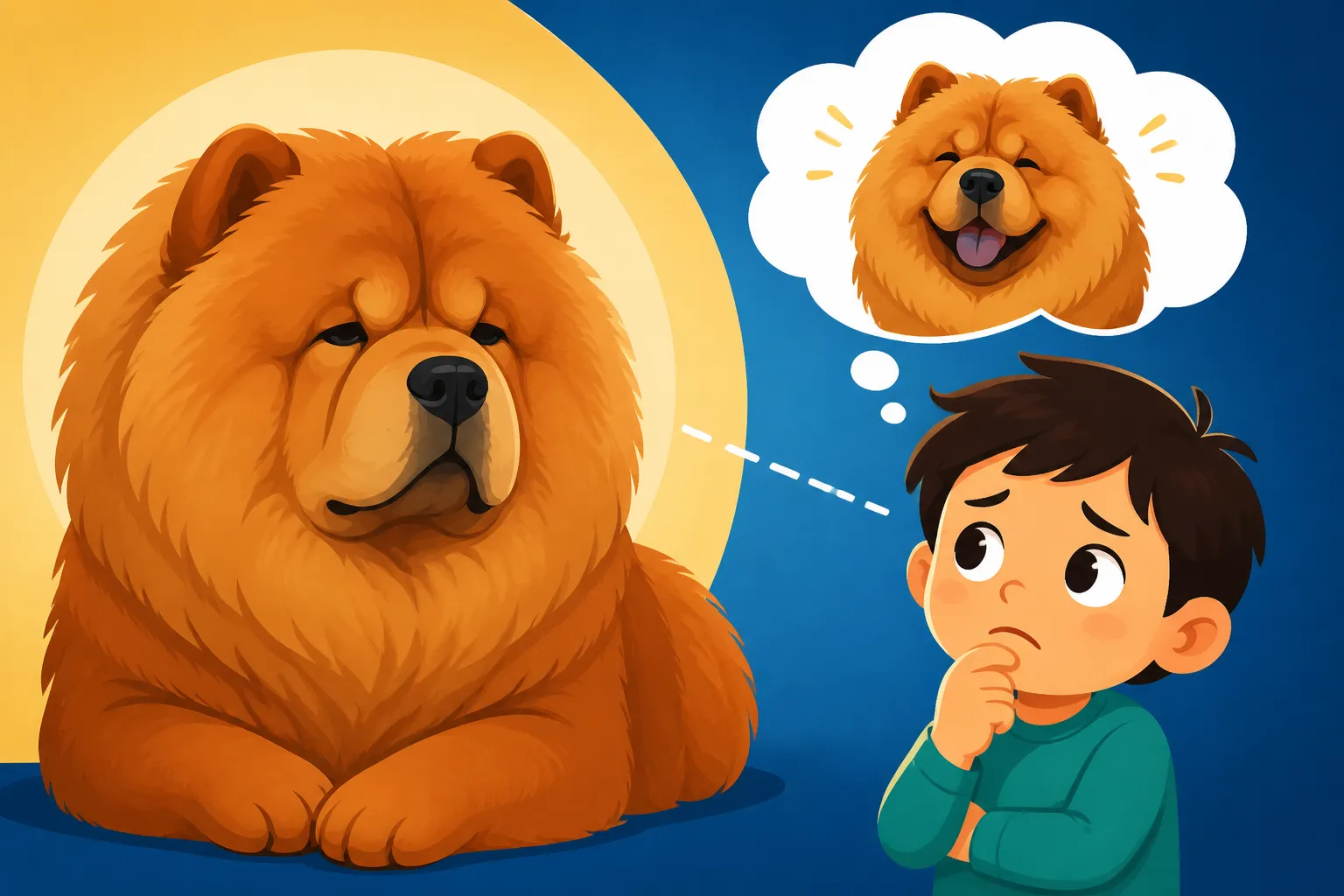
One of the biggest challenges with Chow Chows is that their initial signs of discomfort are incredibly subtle. Many popular breeds will offer clear warnings: a lowered head, a stiff tail, a direct stare, or even a growl. A Chow Chow, however, might simply stiffen imperceptibly, offer a fleeting averted gaze, or subtly shift their weight away. Their "scowl," a characteristic facial feature caused by their deep-set eyes and wrinkled forehead, can also be misleading. What looks like a perpetual frown might just be their natural expression, not necessarily a sign of anger or displeasure.
Children, with their developing understanding of social cues and natural exuberance, often miss these nuanced signals entirely. They might interpret the Chow's stoicism as an invitation, unaware that the dog is already feeling overwhelmed or anxious. Imagine a child approaching a Chow Chow who is simply resting. The dog might feel a moment of unease, perhaps a slight twitch of an ear or a subtle shift of its gaze, but a child, focused on the soft fur, will likely not register these minute changes. This puts the child, and potentially the dog, in a precarious position where boundaries are crossed without clear warning being perceived. Understanding How to Read a Chow Chow's Face is a skill many adults struggle with, let alone children.
Limited Peripheral Vision: The Surprise Factor
Another critical aspect of Chow Chow anatomy that affects their interactions, especially with children, is their deep-set eyes. While beautiful and contributing to their distinctive appearance, these deep sockets restrict their peripheral vision significantly. Most dogs have a wider field of vision, allowing them to see movement from the sides without turning their heads. A Chow Chow, on the other hand, has a much narrower visual field, similar to how we might see through binoculars.
This means that a Chow Chow needs to turn its entire head to see things that are not directly in front of it. When a child, full of energy and unpredictable movements, approaches from the side or from behind, the Chow Chow might not see them until they are very close. This can be incredibly startling for the dog, triggering a fear response or a defensive reaction. Think about how you would react if someone suddenly appeared right next to you without you having seen or heard them approach; it’s unsettling, to say the least. For a Chow, this can lead to a quick snap or growl, seemingly out of nowhere, but in reality, it's a reaction to being surprised and feeling vulnerable. This is why a Chow Chow may Why a Chow Chow Snaps at Someone It Did Not See, especially a child who might run up or hug them from behind. Their limited vision also means they may How a Chow Chow's Deep Set Eye Limits Its Vision.
Minimal Vocal Cues: The Quiet Approach to Discomfort
While some dogs are very vocal, using barks, growls, or whines to communicate their feelings, many Chow Chows are relatively quiet. They might not offer a loud, clear growl as a warning, making their discomfort even harder for a child to detect. This silence can be deceiving. A child might perceive a quiet dog as a calm, friendly one, when in fact, the Chow Chow might be internalizing its stress until it reaches a breaking point.
This lack of explicit vocal cues means that when a Chow does react, it can seem sudden and out of proportion to the child's actions. The dog may have been sending subtle signals for some time – a tense body, a quick lick of the lips, a yawn – but these went unnoticed. Without a verbal "Stop, I'm uncomfortable!" message, the child continues their interaction, inadvertently pushing the Chow Chow past its tolerance threshold. It's a fundamental mismatch in communication styles, where one party is speaking in whispers and the other is listening for shouts.
Temperament Traits That Can Be Misunderstood by Children
Beyond their unique communication, several core temperament traits of the Chow Chow can be easily misinterpreted by children, often leading to clashes. Their ancient heritage as guardians and companions for Chinese nobility has shaped a distinct personality that doesn't always align with the boisterous energy of youth.
Aloofness vs. Aggression: Not a Lack of Affection
Chow Chows are renowned for their dignified, independent, and often aloof nature. They typically bond strongly with one or two primary individuals but tend to be quite reserved with strangers and even other family members. This isn't a sign of aggression or dislike; it's simply their personality. They aren't the type of dog to enthusiastically greet every visitor with a wagging tail and licks. Many might ignore new people or offer a polite, brief sniff before retreating to their preferred spot. How Aloof a Chow Chow Really Is is often a surprise to new owners.
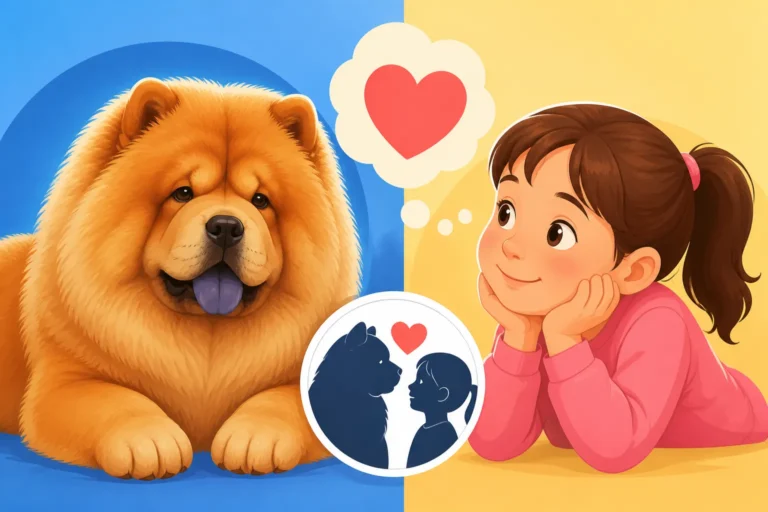
Children, however, are often accustomed to dogs that crave attention and reciprocate affection with overt enthusiasm. When a child approaches a Chow Chow seeking a hug or playtime and is met with polite indifference, or even a subtle turning away, they might misinterpret this as the dog disliking them or being "mean." This can lead to persistent attempts to gain the dog's attention, perhaps by being louder, more physically demonstrative, or by chasing them, all of which are highly stressful for a Chow Chow and can escalate their discomfort to a defensive reaction. It's crucial for adults to explain to children that the Chow's aloofness is not personal; it's just how they are wired. How a Chow Chow Shows Affection is often in subtle ways, not overt cuddles.
Strong Guardian Instincts: Protecting Their Space and People
Historically, Chow Chows were bred for guarding temples and property, and this strong protective instinct remains deeply ingrained in the breed. They are naturally territorial and possessive of their home, their belongings, and their chosen human family members. While this makes them excellent watchdogs, it can also create problematic situations with children, especially if not managed correctly. What a Chow Chow Guards and Why can extend to anything they consider theirs.
A child's innocent play, such as running around the house, shouting, or even roughhousing with another child or an adult, can be misconstrued by a Chow Chow as a threat to their "pack" or territory. The dog might step in to "protect" its people or space, which can manifest as barking, growling, or even nipping. Similarly, if a child tries to take a toy, a food bowl, or even approaches the Chow's favorite resting spot, the dog's guardian instincts can kick in, leading to resource guarding. Children, not understanding this inherent trait, might inadvertently challenge the Chow Chow's boundaries, leading to a defensive response that seems aggressive but is, from the dog's perspective, a protective action.
Low Tolerance for Rough Play and Unsolicited Physicality
Unlike many retriever or terrier breeds that thrive on rough-and-tumble play, Chow Chows generally have a low tolerance for physical exuberance, especially from children. They are not typically fond of being chased, pulled, or subjected to sudden hugs. While a Golden Retriever might tolerate a child climbing all over it, a Chow Chow will likely find this overwhelming and invasive. Why a Chow Chow Dislikes Being Hugged is a common trait.
Children, particularly toddlers, often don't understand personal space, especially with animals. Their natural inclination is to grab, pull, or throw their arms around a furry friend. For a Chow Chow, this unsolicited physicality, especially when coupled with their limited peripheral vision and subtle warning signs, can be incredibly stressful. They might feel cornered or threatened, leading to a quick, defensive reaction. It's vital for parents to understand that a Chow Chow's dense coat and teddy bear-like appearance belie a powerful, independent dog that demands respect for its personal boundaries.
Practical Steps for Safe Interactions Between Children and Chow Chows
Understanding why children misread Chow Chows is the first step, but the real work lies in implementing practical strategies to ensure safety and foster a respectful relationship. It requires diligence, education, and proactive management from every adult in the household.
Educating Children: The Language of Respect
The most crucial step is to educate children about how to interact with a Chow Chow safely and respectfully. This isn't just about telling them "don't pull the tail"; it's about teaching them the Chow Chow's unique language and needs. Teach them that Chows are not like other dogs they might encounter and require a different approach. Emphasize that a Chow Chow needs space and quiet.
Here's how to frame it:
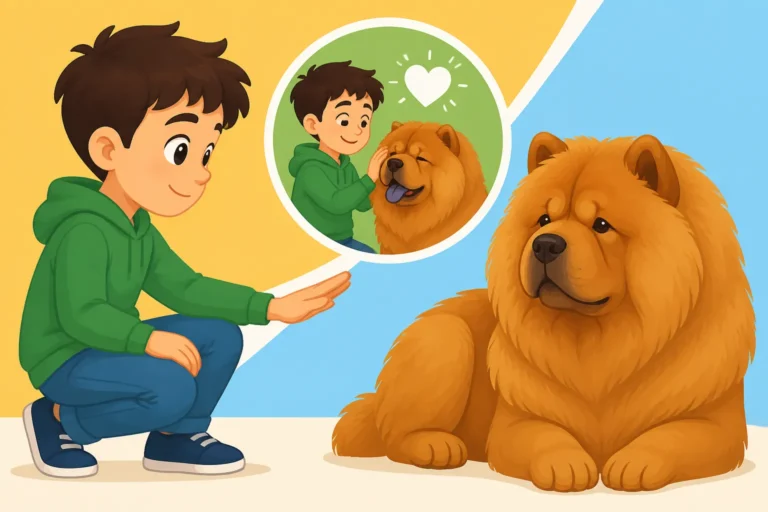
- "Ask with your eyes first.": Teach children to observe the Chow Chow from a distance. If the dog is sleeping, eating, or chewing a toy, it's a definite "no." If the dog is awake and calm, they can quietly ask an adult if it's okay to approach.
- "Slow and gentle.": When permitted to approach, teach them to move slowly, without sudden movements or loud noises. Never run toward the dog.
- "Pet in safe zones.": Instruct children to only pet the dog on its shoulders or chest, never the top of the head, face, or hindquarters. These are less invasive areas.
- "Stop when the dog walks away.": Crucially, teach children that if the Chow Chow moves away, turns its head, or seems disinterested, the interaction is over. Never chase or force interaction. This is detailed in How to Teach a Child to Approach a Chow Chow.
- Role-playing: Practice safe interactions with a stuffed animal first.
Supervising All Interactions: Your Constant Presence
This cannot be stressed enough: never, ever leave a child unsupervised with a Chow Chow, even for a moment. This rule applies regardless of how well-behaved you believe your dog is, or how gentle your child seems. Accidents happen in a split second, and the consequences can be severe. Your presence ensures that you can intervene at the first sign of discomfort from either the dog or the child.
Active supervision means:
- Being physically present and engaged: Don't be distracted by your phone or other tasks. Your eyes should be on the dog and child at all times.
- Knowing your Chow's cues: Learn to recognize your Chow's subtle signs of stress or discomfort – a quick lip lick, a yawn, a head turn, stiffening, or even just freezing in place. Intervene before these escalate. Signs a Chow Chow Is Uncomfortable are often easy to miss.
- Creating physical barriers: If you cannot provide 100% active supervision, ensure the dog and child are in separate, secure areas. This might mean using baby gates or crating the Chow Chow. A sturdy, appropriately sized crate, which you can easily find on Amazon, can serve as a safe haven for your Chow when children are around. Whether a Chow Chow Should Be Crated for Visitors is a topic many owners grapple with.
Proactive Training and Socialization: Building a Foundation
The responsibility for a well-adjusted Chow Chow lies squarely with the adults. Early and ongoing socialization and training are paramount, especially if children are part of the household.
- Early, Positive Socialization: From the moment you bring a Chow Chow puppy home, expose them to a variety of positive experiences, sounds, sights, and appropriate interactions with calm, supervised children. This should happen during their critical socialization window. The Weeks That Matter Most for a Chow Chow Puppy are crucial. The goal isn't to make them love every child, but to tolerate and be neutral around them.
- Structured Training: Enroll in puppy classes and continue with adult obedience training. Focus on positive reinforcement methods. A structured online program, like the one offered by BAXTER & Bella, can provide a fantastic framework for consistent training, helping your Chow Chow learn impulse control and how to calmly respond to commands even amidst distractions. Teaching your Chow basic commands like "sit," "stay," "leave it," and "go to your mat" can be invaluable for managing interactions.
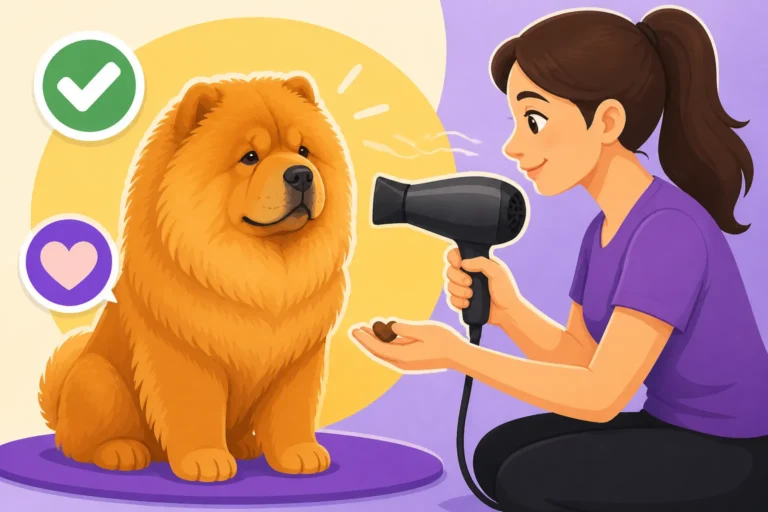
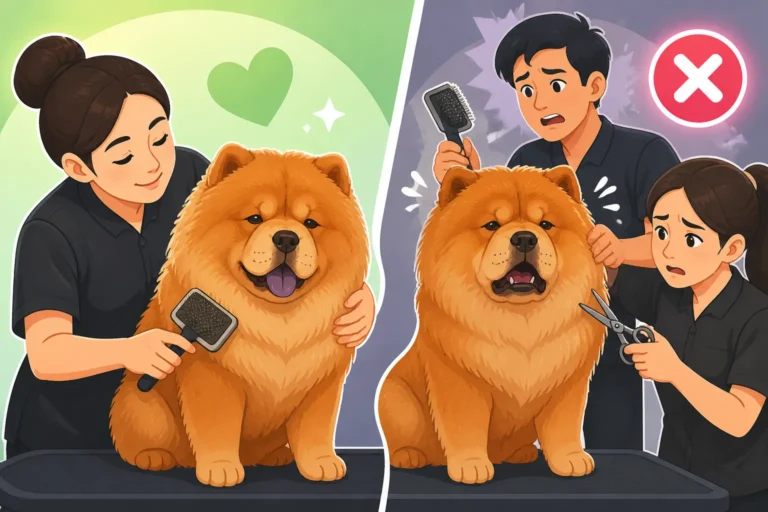
- Desensitization to Handling: Gently and positively accustom your Chow Chow to being handled, especially in areas children might inadvertently touch (paws, ears, tail). Pair these experiences with high-value treats to create positive associations.
Creating Safe Spaces: Retreat and Recharge
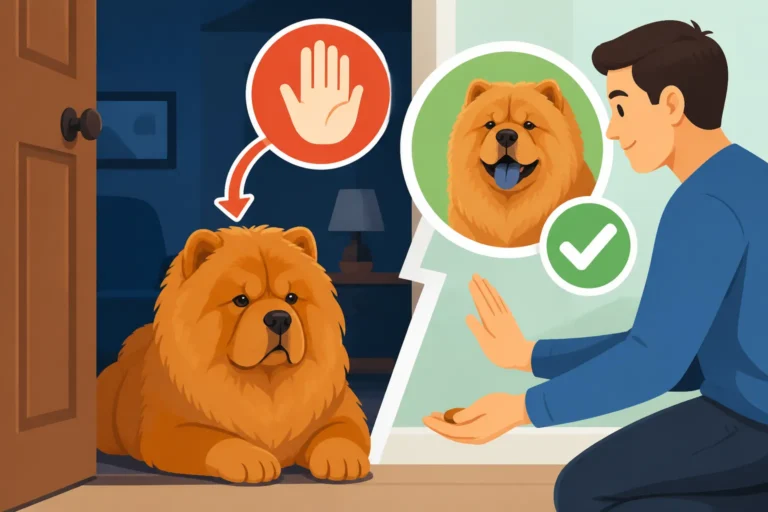
Every Chow Chow, especially one living with children, needs a designated safe space where they can retreat and be undisturbed. This is their sanctuary, a place where they can escape when they feel overwhelmed, tired, or simply need quiet time.
- A Crate or Dedicated Room: An open crate (covered to make it den-like) or a separate room with a comfortable bed can serve as this safe haven. Teach children that when the Chow Chow is in its safe space, they are absolutely not to disturb it. This is a non-negotiable rule.
- Management During High-Traffic Times: During busy times, like playdates or family gatherings, it might be best to proactively put the Chow Chow in their safe space or behind a baby gate. This prevents potential stress before it even starts. Remember, a Chow Chow needs time to recharge away from constant stimulation, which children often provide in abundance. How Many Hours a Chow Chow Can Be Left alone to decompress is something to consider.
Common Misconceptions and How to Address Them
Beyond the direct behavioral and physiological reasons, there are societal perceptions and common owner mistakes that contribute to the challenges of Chow Chows and children.
The "Fluffy Teddy Bear" Illusion: More Than Just a Cute Face
One of the biggest hurdles is the Chow Chow's undeniable cuteness. With their lion-like mane, fluffy coat, and often serious expression, they resemble living teddy bears. This appearance tragically leads many, especially children, to believe they are naturally cuddly, docile, and tolerant of any interaction. This is a dangerous misconception.
Chow Chows are powerful, ancient dogs with independent spirits and strong protective instincts. Treating them like a plush toy invites disaster. Adults must actively counteract this "teddy bear illusion" by consistently educating children and enforcing strict rules about interaction. It’s not about dimming the Chow Chow's appeal, but about fostering respect for their true nature. We need to remember that under all that fluff is a dog with specific needs and boundaries, not a plaything.
Ignoring Subtle Warnings: Missing the Prequel to the Problem
As we've discussed, Chow Chows often give very subtle warning signs before escalating to a growl or snap. These might be a quick head turn, a stiffening of the body, yawning, lip licking, or turning away. Children, naturally, are unlikely to pick up on these cues. What's more concerning is when adults, too, miss or dismiss these subtle signals.
Ignoring these warnings, even by well-meaning adults, teaches the Chow Chow that their polite requests for space are not respected. This can lead to the dog feeling it needs to escalate its warnings to be understood. When a Chow Chow finally snaps, it's usually because all its earlier, subtle communications have been ignored. Teaching children – and adults – to recognize and respect these "whispers" is critical to preventing more overt and potentially dangerous "shouts." It's about proactive intervention rather than reactive damage control. If a Chow Chow starts to Why a Chow Chow Backs Away From a Hand, it's a clear signal to stop the interaction.
The Myth of "Good with Kids": Every Dog is an Individual
While some Chow Chows may be more tolerant than others, there's no such thing as a dog that is "naturally good with children" as a blanket statement for the breed. Every Chow Chow is an individual, and their tolerance levels are shaped by genetics, early experiences, and ongoing training and management. Never assume a Chow Chow will automatically be patient or gentle with children simply because you've seen other dogs behave that way.
Instead, operate from a position of caution and respect. It's not fair to the Chow Chow, or safe for the child, to expect the dog to inherently understand and tolerate all childish behaviors. It's up to the adults to create a structured, safe environment and teach both child and dog how to coexist respectfully.
Summary of Chow Chow-Child Interaction Considerations
Here's a quick comparison of how common dog behaviors might differ for a Chow Chow when interacting with children:
| Behavior | Typical Dog Reaction (often seen by children) | Chow Chow Reaction (often misinterpreted by children) |
|---|---|---|
| Child approaches with excitement | May greet with tail wags, leans in for pets | May stiffen, turn head slightly, give averted gaze, remain still |
| Child tries to hug or get close | Tolerates, sometimes reciprocates a cuddle | May tense up, subtly move away, a quick lip lick or yawn, then snap if ignored |
| Child makes sudden movements | May be unfazed, playful | Startled due to limited peripheral vision, may react defensively |
| Child pulls ear/tail (accidental) | May yelp, move away, offer a clear growl | Less likely to offer clear warning, may go straight to a defensive snap |
| Child attempts to take a toy | May drop toy, engage in playful tug, or allow it | May show resource guarding (growl, stiffen, pin toy), perceives as a threat |
| Dog wants space | May leave room, hide | May just sit still and tolerate until overwhelmed, making warnings invisible |
The dynamic between a Chow Chow and children is complex, requiring a deep understanding of the breed's unique traits and a proactive approach from responsible adults. By recognizing their subtle communication, respecting their innate independence and guardian instincts, and diligently educating children on safe interaction, we can ensure both our majestic Chow Chows and the children in our lives can coexist safely and harmoniously. It takes effort, but the peace of mind is priceless.
Disclaimer
This article is for general informational purposes only and does not constitute professional advice. Laws, prices and regulations vary by location and change over time. Consult a qualified professional for guidance on your specific situation.