How Far a Chow Chow Should Walk Daily
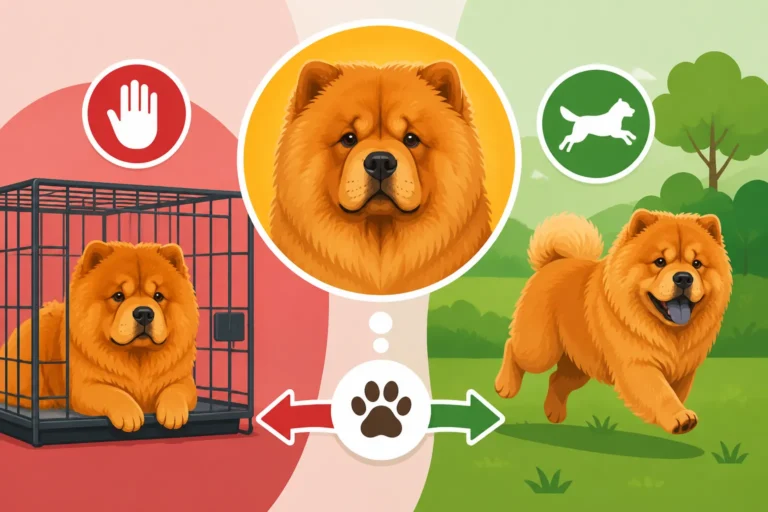
Many Chow Chow owners find themselves wondering just how much exercise their fluffy companion truly needs. It's a common misconception that all dogs require extensive, high-impact daily walks, and trying to force a Chow into that mold can lead to frustration for both of you, and even health issues for your dog. This guide will help you understand the unique exercise requirements of your Chow Chow and how to craft a daily walking routine that keeps them healthy, happy, and well-adjusted without overdoing it.
The Unique Physiology and Temperament of a Chow Chow
Before we even talk about miles or minutes, it’s vital to appreciate that the Chow Chow isn't your average dog when it comes to physical exertion. Their ancient lineage and distinctive physical traits mean they have different needs and limitations compared to many other breeds. Pushing a Chow beyond its natural inclinations or physical capabilities isn't just unproductive; it can be detrimental to their health and well-being.
Built for Stout Work, Not Speed
If you've ever watched a Chow Chow move, you've probably noticed their rather distinctive gait. Their stocky build, broad chest, and straight rear hocks give them a somewhat "stilted" movement. They aren't built for long-distance running or agile jumps. Imagine a powerful, compact freight train rather than a sleek racing car. Their bone structure and musculature are designed for strength and endurance in short bursts, perhaps guarding or pulling light loads in their historical context, not for covering miles at a trot. This unique structure impacts how far and how quickly they can comfortably walk. Many new Chow owners, especially those accustomed to more athletic breeds, are surprised by how quickly their Chow seems to "run out of steam" or simply decide they've had enough. You can learn more about this distinctive movement by reading Why a Chow Chow Moves With a Stilted Gait.
Their dense double coat, while beautiful and protective in cold climates, is another significant factor. This insulating layer, designed to keep them warm in harsh winters, makes them incredibly susceptible to overheating, even in mild weather. A short walk that might be refreshing for another dog can quickly become a dangerous ordeal for a Chow if the conditions aren't just right. Owners must constantly be aware of the temperature and humidity, adjusting walk times and durations accordingly.
The "Cat-Like" Approach to Exercise
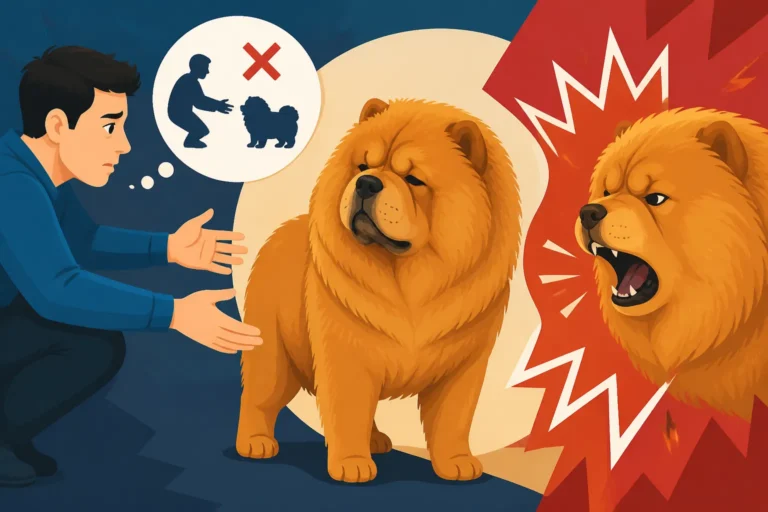
Chow Chows are often described as having a "cat-like" personality, and this extends to their approach to exercise. They are generally independent, dignified, and often quite content to observe the world from a comfortable spot. Unlike some breeds that live to run, fetch, and endlessly engage in physical activity, a Chow typically values quality over quantity when it comes to their outings. They enjoy exploring, sniffing, and marking their territory, but they're not usually looking for an hour-long power walk. Forcing them into activities they dislike can make them resistant and even stubborn, which, as any Chow owner knows, is a battle you rarely win.
Their enjoyment often comes from mental stimulation during a walk – the new smells, the sights, the chance to patrol their perceived boundaries – rather than the sheer physical exertion. A Chow might prefer a shorter, meandering walk through an interesting neighborhood to a brisk, long trek on a repetitive path. Understanding this aspect of their temperament, often explained by Why a Chow Chow Is Called Cat Like, is key to figuring out a walking routine that truly benefits them.
Overheating Risks: A Constant Concern
This point bears repeating because it is critical for a Chow Chow's safety. Their thick double coat and somewhat brachycephalic (short-nosed) facial structure mean they struggle to cool themselves efficiently. They don't pant as effectively as longer-nosed breeds, and their fur traps heat. Heat Is the Chow Chow's Most Immediate Danger is not an exaggeration. A quick walk in what feels like comfortable weather to you could easily tip your Chow into dangerous overheating territory. This is why understanding Why a Chow Chow Overheats So Easily is paramount for every Chow owner.
Signs of overheating can escalate rapidly, from heavy panting and bright red gums to staggering and collapse. Always be vigilant, especially on warmer days or during high humidity. Even overcast days can be deceptive. Prioritizing their safety means being conservative with walk lengths and times when the weather is not ideal.
Tailoring the Walk: Key Factors to Consider
There's no single "right answer" for how far every Chow Chow should walk daily. It’s not a one-size-fits-all situation, and what works for one Chow might be too much or too little for another. To determine the ideal routine for your specific companion, you need to consider several individual factors that play a huge role in their capacity for exercise.
Age and Development
A Chow Chow's age is perhaps the most significant factor in determining appropriate walk distances.
- Puppies (8 weeks to 6 months): Young Chow puppies are bundles of energy, but their bones and joints are still developing. Excessive, high-impact exercise can cause irreversible damage. Focus on very short, frequent outings – 5 to 10 minutes, several times a day – for potty breaks and gentle exploration. Think supervised playtime in a secure yard, not structured walks. Their growth plates are still open, and you absolutely want to avoid stressing them. You can learn more about When a Chow Chow's Growth Plates Close to understand the delicacy of this developmental period.
- Adolescents (6 months to 2 years): As they mature, you can gradually increase walk duration. However, caution is still advised. Their bodies are still growing, and they might have more energy than their developing joints can safely handle. Aim for two 15-20 minute walks daily, or one longer 30-minute walk, always observing for signs of fatigue or discomfort.
- Adults (2 to 7-8 years): This is generally when a Chow is at its physical peak. Most healthy adult Chows can comfortably handle two 20-30 minute walks per day, or one solid 45-minute walk. The emphasis should still be on a leisurely pace with plenty of sniffing opportunities, rather than a forced march. Some may enjoy a bit more, some a bit less.
- Seniors (8+ years): As your Chow ages, their stamina will naturally decrease, and joint stiffness may become more pronounced. Walks should become shorter and more frequent. Two to three 10-15 minute gentle strolls might be ideal. Watch for signs of pain or fatigue, and never push them. Understanding How an Aging Chow Chow Stiffens can help you recognize changes in your senior Chow's mobility. Even short walks are crucial for maintaining muscle tone and mental well-being in their golden years.
Health and Underlying Conditions
A Chow Chow's overall health significantly dictates their exercise capacity. Any underlying medical condition can dramatically alter how far or how long they should walk.
- Orthopedic Issues: Chow Chows, like many larger breeds, can be prone to joint problems such as Elbow Dysplasia Ranks the Chow Chow Near the Top and Hip Dysplasia in a Chow Chow. If your Chow has been diagnosed with these conditions, or even if you suspect joint pain, their walks will need careful modification. Shorter, softer surface walks are often recommended, and your veterinarian might prescribe pain management or joint supplements. High-impact activities should be avoided entirely.
- Cardiac or Respiratory Problems: Any issues with the heart or lungs will severely limit your Chow's ability to exert themselves. Even mild panting can be a sign of distress in a dog with respiratory difficulties. Always consult your vet for guidance on exercise levels if your Chow has any cardiac or respiratory concerns.
- Weight: An overweight Chow Chow will find any exercise more strenuous and will put extra strain on their joints. If your Chow is carrying extra pounds, focus on a controlled diet and very gradual, gentle increases in activity, always under veterinary supervision. The goal isn't to walk off the weight, but to support a healthy lifestyle.
Environmental Conditions
The weather outside plays a monumental role in how far your Chow can safely walk.
- Heat and Humidity: This is the Chow Chow's nemesis. As discussed, they are extremely prone to overheating. On hot or humid days, walk only during the coolest parts of the day – early morning or late evening. Even then, keep walks very short (5-10 minutes for potty breaks) or skip them entirely in favor of indoor play and mental stimulation. The pavement can also get dangerously hot and burn their paw pads. A simple rule: if it's too hot for you to walk barefoot on the pavement, it's too hot for your Chow. Knowing What Temperature Is Too Hot for a Chow Chow is a critical piece of information.
- Cold Weather: While their dense coat makes them more tolerant of cold than many breeds, extreme cold or icy conditions still pose risks. Icy sidewalks can lead to slips and falls, especially for older Chows, and prolonged exposure in freezing temperatures can still lead to hypothermia, particularly if they are not actively moving. Use paw protection in snow and ice.
- Rain/Snow: Wet weather can make their coat heavy and lead to skin issues if not dried thoroughly. Monitor their comfort and dry them completely after any wet outing.
Individual Personality and Energy Levels
Just like people, every Chow Chow has their own unique personality and energy levels. Some Chows are naturally more active and enjoy longer walks, while others are truly couch potatoes who view a short stroll as a monumental effort.
Observe your Chow:
- Do they eagerly greet the leash, or do they give you a look that says, "Do we have to?"
- Do they maintain a comfortable pace, or do they lag behind, stopping frequently?
- Are they happy and engaged during the walk, or do they seem stressed or reluctant?
Never try to force a Chow Chow to be more active than they want to be. Their health and happiness come first. If you have an active Chow, fantastic! Just ensure their activity is appropriate for their age and physical condition. For the less enthusiastic Chow, embrace their inner sloth and focus on quality over quantity.
Crafting the Ideal Daily Walk Routine for Your Chow Chow
Once you understand your Chow Chow's unique needs and the factors influencing their exercise capacity, you can build a walking routine that’s both effective and enjoyable for them. Remember, consistency is often more important than intensity.
The "Goldilocks" Zone of Distance and Duration
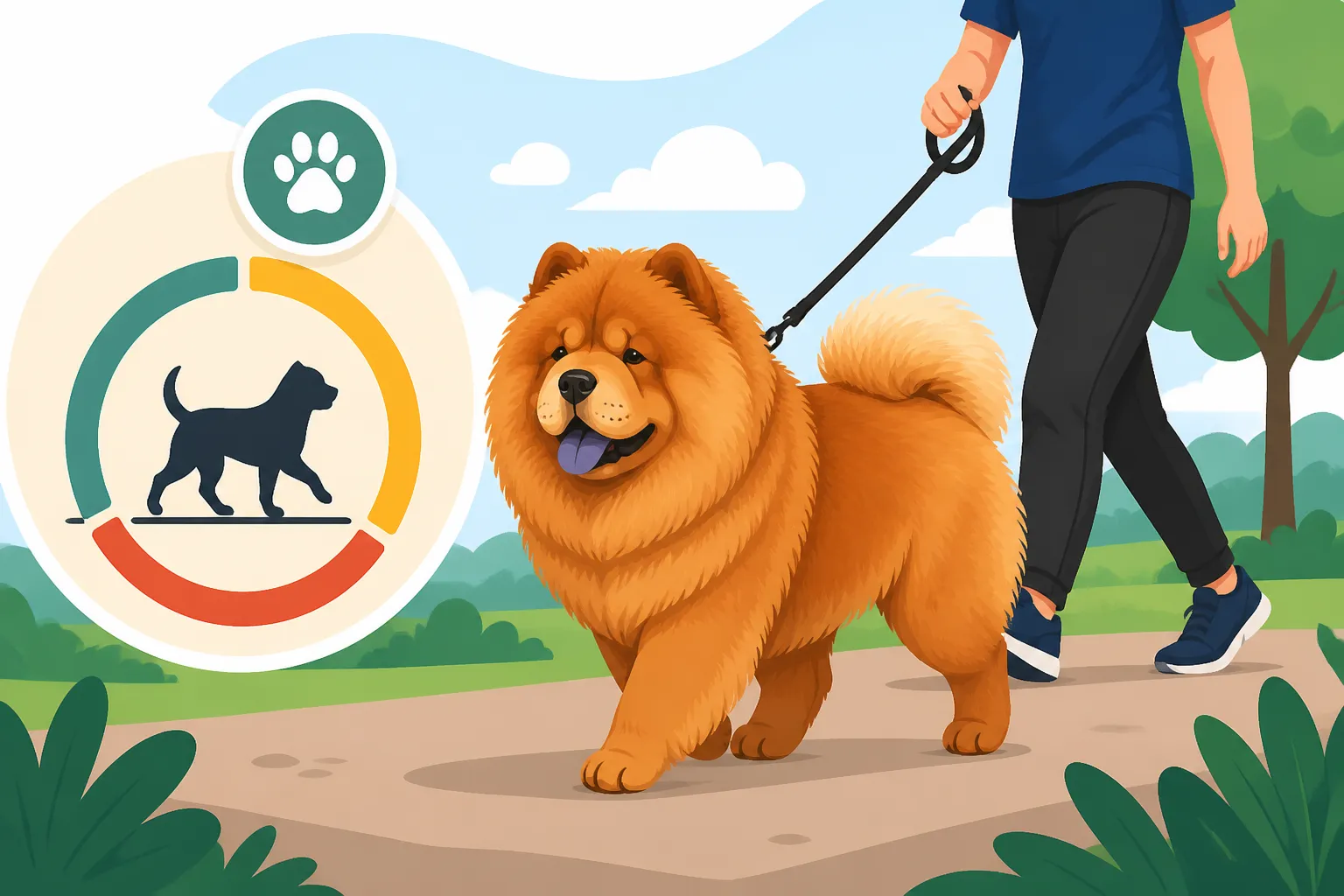
For most healthy adult Chow Chows, the "just right" amount of walking typically falls into the following range:
- Duration: Two 20-30 minute walks per day, or one 45-minute walk.
- Distance: Generally, 1 to 2 miles in total per day, spread across these outings.
However, these are guidelines, not strict rules. The quality of the walk is far more important than the exact distance. Focus on a leisurely pace that allows for plenty of sniffing, exploring, and mental engagement. Think of it as a moving meditation for your Chow, not a workout session.
- Morning Walk: A great way to start the day, especially in warmer climates, when temperatures are lowest. This can be slightly longer and more exploratory.
- Evening Walk: A shorter, calmer walk before bedtime, serving as a final potty break and a chance to unwind.
If you live in a very hot climate, you might even break up their "exercise" into multiple, very short 5-10 minute potty breaks throughout the day, combined with indoor mental games.
Reading Your Chow's Cues
Your Chow Chow will tell you if they're having a good time or if they've had enough, but you need to learn their subtle language. Chows are notoriously stoic and can hide discomfort, so it's essential to be observant.
Signs your Chow is doing well:
- Loose body language, tail held naturally (curled over the back, but not stiffly).
- Engaged sniffing, exploring surroundings.
- Even, comfortable pace.
- Moderate panting, which subsides quickly after stopping.
Signs your Chow has had enough, or is overheating:
- Lagging behind, dragging their feet, or stopping frequently.
- Heavy, labored panting, especially if their tongue is hanging out far and flat.
- Bright red gums or tongue.
- Seeking shade or trying to lie down.
- Excessive drooling.
- Staggering, stumbling, or appearing disoriented.
- Reluctance to move or ignoring cues.
If you see any of these signs, especially the more severe ones (heavy panting, red gums, staggering), stop the walk immediately. Find shade, offer water, and consider if your Chow is showing Signs a Chow Chow Is in Heat Stroke. It's always better to cut a walk short than to push them too far.
Essential Gear for Safe and Enjoyable Walks
Having the right equipment can make all the difference in making walks safe and comfortable for your Chow.
- Harness vs. Collar: For Chow Chows, a well-fitting harness is almost always preferred over a neck collar. Their dense ruff can make collars uncomfortable, and their brachycephalic tendencies mean pressure on the neck can restrict breathing. A front-clip harness can also help with leash pulling, offering better control without harming their throat. You can find a wide variety of excellent harnesses on Amazon.
- Leash: A standard 4-6 foot leash is ideal. Avoid retractable leashes, as they offer less control and can be dangerous, especially with a strong-willed breed like a Chow.
- Water Bottle & Bowl: Always carry fresh water, especially during warmer months. There are many portable dog water bottles with attached bowls available that make it easy to offer a drink mid-walk.
- Cooling Vest/Bandana: For warmer climates or summer walks, a cooling vest or bandana, soaked in cold water, can help regulate your Chow's body temperature. Again, Amazon offers numerous options for these helpful tools.
- Booties: If walking on very hot pavement or in icy/salty conditions, paw protection is a must to prevent burns or irritation.
Training for a Pleasant Walk
A pleasant walk isn't just about distance; it's about good manners on the leash. A Chow Chow is strong and can be stubborn, so consistent leash training is crucial from an early age.
- Loose Leash Walking: Teach your Chow to walk politely beside you without pulling. Positive reinforcement, using treats and praise, works best. Short, frequent training sessions are more effective than long, frustrating ones.
- "Leave It" and "Look at Me": These commands are invaluable for managing their reactions to distractions like other dogs, squirrels, or interesting smells.
- Doorway Manners: Teaching your Chow to wait patiently at doorways before bolting out is a foundational safety lesson. This also builds impulse control. Learning Teaching a Chow Chow to Wait at a Door can significantly improve your daily routine.
Resources like BAXTER & Bella offer excellent online training programs that can guide you through these fundamental skills, providing structure and support for Chow Chow owners who might appreciate the convenience of learning from home. Positive, reward-based training is the key to building a strong relationship and a well-behaved walking companion.
Beyond Leash Walks: Supplemental Activities for a Healthy Chow
While daily walks are important for physical health and mental stimulation, they shouldn't be the only form of activity for your Chow Chow. Integrating other forms of enrichment can contribute greatly to their overall happiness and prevent boredom. Remember, Chows often thrive more on mental challenges than on extensive physical exertion.
Structured Play in the Yard
If you have a secure, fenced yard, short bursts of structured play can be a fantastic way to burn off some energy without the risks of a long walk, especially on hotter days.
- Gentle Fetch: Many Chows enjoy a quick game of fetch, though they might not be as enthusiastic as a retriever. Keep it brief, just a few throws, and ensure they're not overheating.
- Tug-of-War: This is a great game for Chows, as it engages their powerful jaws and can be mentally stimulating. Teach a "drop it" command to ensure it remains a fun, controlled game.
- Exploration: Simply letting them sniff around their own yard, investigating new scents, provides valuable mental enrichment. Hide treats for them to find.
Always supervise outdoor play, even in a fenced yard, to ensure they don't get into trouble or overheat.
Mental Enrichment Activities
For a breed that doesn't always need intense physical exercise, mental stimulation is absolutely vital. A bored Chow can become destructive or develop unwanted behaviors. Understanding What a Bored Chow Chow Does can motivate you to prioritize these activities.
- Puzzle Toys: These toys require your Chow to figure out how to get treats, engaging their minds and keeping them occupied.
- Scent Work: Hiding treats around the house or yard and encouraging your Chow to sniff them out is a natural and rewarding activity. It taps into their primal instincts and is surprisingly tiring for their brains.
- Training Sessions: Short, positive training sessions (5-10 minutes) using force-free methods are excellent for mental engagement. Work on basic obedience, new tricks, or even just reinforcing known commands. This is where resources like BAXTER & Bella can truly shine, offering structured courses that keep your Chow's mind active and engaged.
- Interactive Games: "Find the toy" or "which hand is the treat in" can be fun, low-impact ways to stimulate their minds.
Socialization (Cautiously Applied)
While not strictly exercise, appropriate socialization contributes to a well-adjusted Chow Chow, making all outings more pleasant. Chows are not typically effusive with strangers or other dogs, and they certainly aren't candidates for dog parks. However, controlled, positive exposure is still important, especially for puppies.
- Early, Positive Exposure: Introduce your Chow puppy to a variety of sights, sounds, and calm people during their critical socialization window. This helps them learn to accept the world without fear. Read Where to Socialize a Chow Chow Puppy for important considerations.
- Controlled Introductions to Dogs: If your Chow is accepting of other dogs, arrange one-on-one playdates with calm, well-behaved canine companions in a neutral, secure environment. Avoid off-leash dog parks, as Chows can be prone to same-sex aggression and may not appreciate the boisterous play of other breeds. Understanding How a Chow Chow Gets Along With Other Dogs is crucial for these interactions.
- Vet Visits and Grooming: Regular positive experiences at the vet and groomer, even if it's just a "happy visit" for treats and praise, can make necessary care much less stressful.
By combining appropriate daily walks with structured play and engaging mental activities, you can ensure your Chow Chow leads a happy, healthy, and fulfilled life, respecting their unique physical and temperamental needs.
Disclaimer
This article is for general informational purposes only and does not constitute professional advice. Laws, prices and regulations vary by location and change over time. Consult a qualified professional for guidance on your specific situation.