How a Chow Chow Tolerates a Toddler
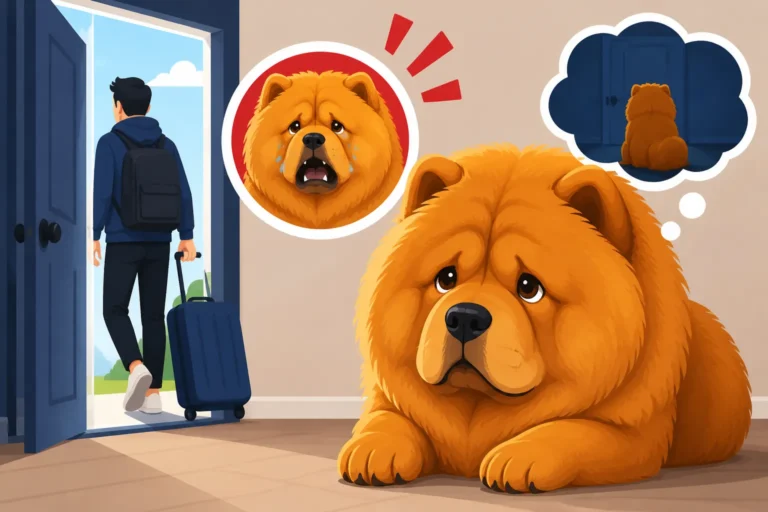
Bringing a new toddler into a home with a Chow Chow, or introducing a Chow Chow to a household that already has a little one, can feel like navigating a minefield. Many people worry about the breed's reputation for being aloof or protective, and the unpredictable nature of toddlers certainly adds to that anxiety. This guide is here to walk you through the realities of Chow Chows and toddlers, offering practical, empathetic advice to help you create a safe and harmonious environment for everyone.
Understanding the Chow Chow Temperament Around Children
Chow Chows are a unique breed with a distinct personality that isn't always compatible with the boisterous energy of toddlers. It’s not that they are inherently bad with children, but their natural instincts and physical characteristics mean that careful management and understanding are paramount. Their serene, dignified demeanor can often be misinterpreted, leading to misunderstandings that put both child and dog at risk. We need to remember that while our Chows are beloved family members, they are still dogs with primal instincts.
Their Natural Inclination and Guarding Instincts
Chow Chows were originally bred as guard dogs, hunters, and even draft animals in ancient China. This history has instilled in them a strong guarding instinct and a tendency to be reserved with strangers. While they bond fiercely with their chosen person or family, their tolerance for external stimuli, including the unpredictable antics of a toddler, can be limited. They are not the type of dog to tolerate rough play or invasive handling from a child they don't fully trust or understand. This isn't aggression for aggression's sake; it's often a defensive reaction to feeling cornered, surprised, or disrespected. They take their role as protectors seriously, which can sometimes manifest as resource guarding – whether it's their food, their space, or even their favorite human. The Chow Chow Bonds to One Person and Tolerates the Rest provides more insight into their unique bonding patterns.
When a toddler, still learning about personal space and gentle touch, approaches a Chow Chow, the dog might perceive their movements or sounds as a threat or an invasion. A sudden grab, a loud shriek, or an unsteady push could trigger a defensive response. It's crucial to understand that their first instinct isn't always to retreat. Sometimes, it's to stand their ground, which is where problems can arise. They are often less forgiving than other breeds of perceived trespasses, making proactive management absolutely vital.
Why Their Affection Differs from Other Breeds
If you've grown up with Golden Retrievers or Labradors, the Chow Chow's expression of affection might surprise you, especially concerning children. They aren't typically "cuddle monsters" or dogs that will gleefully endure being climbed on or have their fur pulled. How a Chow Chow Shows Affection delves into their unique ways of expressing love. Their affection is often subtle and earned, showing itself through quiet companionship, leaning against your leg, or choosing to be in the same room. With toddlers, who thrive on overt displays of attention and physical interaction, this can be a mismatch.
A toddler might interpret a Chow Chow's stillness or quiet retreat as an invitation to engage further, perhaps by trying to hug them or pat them forcefully. From the Chow's perspective, this can feel overwhelming and intrusive. They may not give clear, easily readable signals like a wagging tail or playful bark before they've had enough. Instead, they might stiffen, turn their head away, or give a hard stare. It's not a sign of dislike for the child, but rather a profound discomfort with the interaction style. Teaching both dog and child how to respect each other's boundaries is key to preventing negative encounters.
Understanding Their Limited Peripheral Vision
One often overlooked aspect of Chow Chow anatomy that significantly impacts their interactions, especially with small, fast-moving children, is their deep-set eyes. This characteristic, which contributes to their distinctive "scowling" expression, also means they have limited peripheral vision. This isn't just a minor detail; it's a critical factor in how they perceive their environment and react to sudden movements. Why a Chow Chow's Deep Set Eye Causes Trouble explains more about this anatomical feature.
Imagine trying to navigate your day with blinders on, unable to easily see what's approaching from your sides. This is somewhat akin to a Chow Chow's experience. A toddler running up from the side, or suddenly appearing in their immediate personal space without prior warning, can genuinely startle them. Because they can't easily track peripheral movement, their natural reaction might be to react defensively to a sudden, unexpected stimulus. Why a Chow Chow Snaps at Someone It Did Not See highlights the dangers this can present. This physical limitation means that approaching a Chow Chow should always be done calmly and from the front, especially by small children who might not understand the concept of giving a dog fair warning.
Preparing Your Chow Chow for a Toddler's Arrival
Whether you're expecting a baby to become a toddler or bringing a toddler into a new Chow Chow home, preparation is crucial. You can't just expect your Chow to inherently know how to act around a small human. This breed thrives on routine, predictability, and clear boundaries, and introducing a toddler throws a significant wrench into all of that. The more groundwork you lay, the smoother the transition will be for everyone.
Early Socialization and Exposure to Children
The foundation for a well-adjusted Chow Chow, especially one that will live with children, is extensive and proper socialization starting from puppyhood. This isn't just about meeting other dogs; it's about positive exposure to a wide variety of sights, sounds, people, and experiences, including calm, well-behaved children of various ages. However, this must be done carefully and under strict supervision. How Much Socialization a Chow Chow Puppy Needs is a fantastic resource on this topic.
If you have a puppy, seek out opportunities for them to observe children from a safe distance, associating them with positive experiences like treats or praise. Enroll in well-run puppy classes, like those offered through BAXTER & Bella, that emphasize controlled exposure and positive reinforcement. For an adult Chow Chow, especially a rescue dog with an unknown history, the process requires even more patience and careful management. Start with very brief, highly controlled encounters with calm, older children first, always with a barrier between the dog and child, and always ending the interaction before either party shows signs of stress. The goal is desensitization and positive association, not forced interaction.
Establishing Boundaries and Routines Beforehand
Toddlers disrupt everything. Their schedules are erratic, their movements unpredictable, and their demands constant. For a Chow Chow who values a calm, predictable environment, this can be incredibly stressful. Long before a toddler enters the picture or starts becoming mobile, it's wise to establish clear boundaries and routines for your Chow Chow. This means defining their personal space, their feeding times, and their exercise schedule, and sticking to it rigidly.
Teach your Chow Chow to 'go to their bed' or 'place' on command, associating this with a comfortable, safe spot they can retreat to. This space should be off-limits to the toddler, a sanctuary where the dog can relax without fear of intrusion. Use baby gates or a sturdy crate, like those found on Amazon, to create these physical barriers and reinforce the idea of separate spaces. Practice these routines consistently so that when the chaos of a toddler arrives, your Chow has a predictable structure to rely on. This predictability offers a sense of control and reduces anxiety for your dog.
Desensitizing to Toddler Sounds and Movements
Toddlers are loud and move in jerky, unpredictable ways. Their cries, giggles, sudden sprints, and toy crashes can be jarring for a dog. To help your Chow Chow adjust, begin desensitizing them to these stimuli well in advance. Play recordings of baby cries, toddler babble, and children playing at low volumes, gradually increasing the sound over several weeks, always pairing it with something positive like high-value treats or a favorite toy.
Mimic typical toddler movements yourself. Waddle, crawl, make sudden lunges, and drop toys unexpectedly, all while your Chow Chow observes from a safe distance. Reward calm behavior. This helps your dog build a positive association with these potentially startling actions. It’s also wise to practice handling your Chow Chow’s ears, tail, and feet gently, simulating the less-than-gentle touches a toddler might accidentally deliver, rewarding them for tolerance. This isn’t about making them immune to pain, but about increasing their threshold for minor, accidental contact.
Teaching Toddlers to Interact Safely with a Chow Chow
This might be the most challenging part of the equation, as toddlers are not rational beings driven by logic. They are driven by curiosity and instinct, and they often lack impulse control. However, consistent teaching and unwavering supervision are non-negotiable for the safety of both your child and your Chow Chow. This is an ongoing process that starts early and never truly ends.
The "No Hugs, No Kisses" Rule
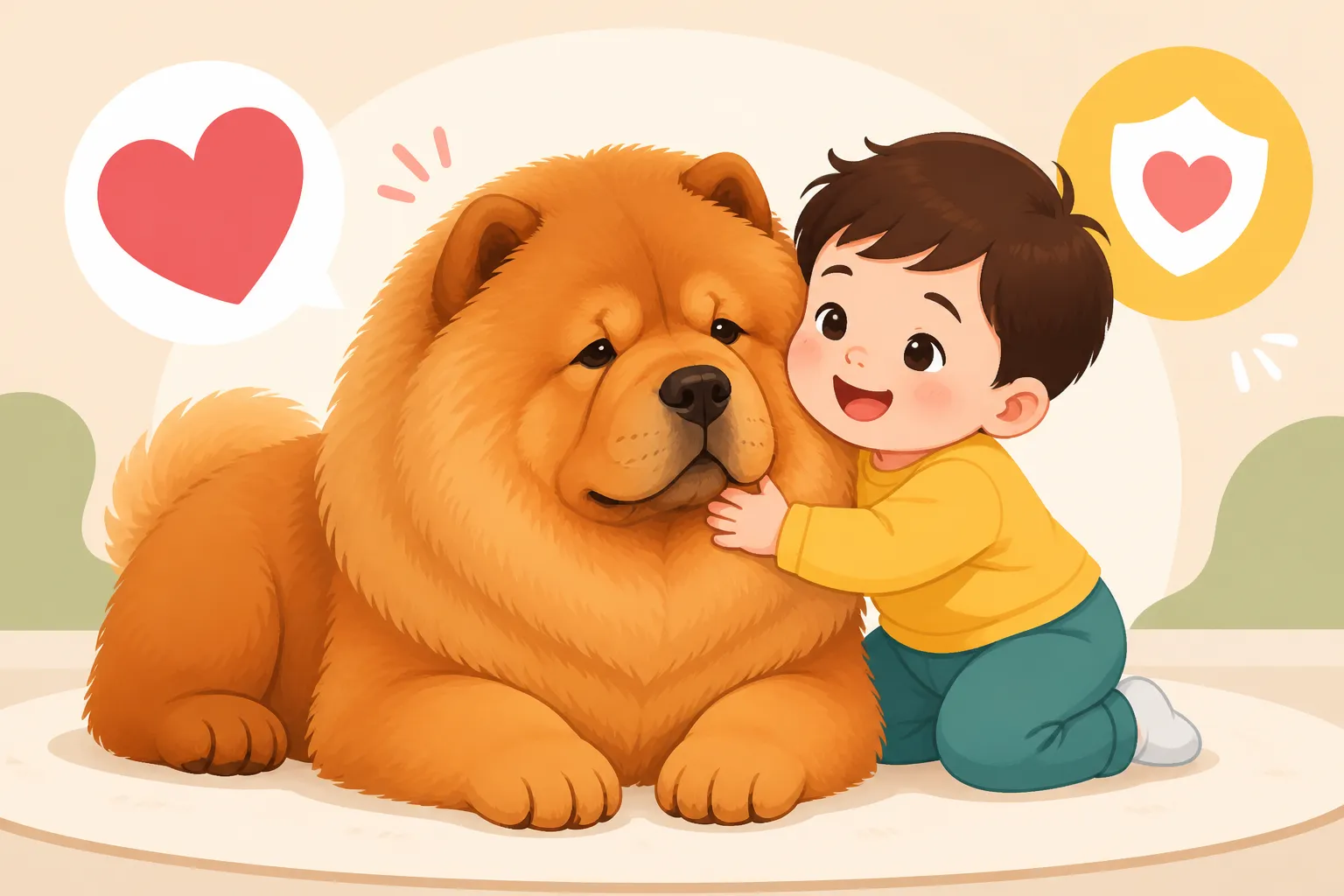
This rule is paramount and cannot be stressed enough. While it's natural for children to want to show affection to their furry friends with hugs and kisses, this is often highly intimidating and uncomfortable for dogs, especially Chows. A child wrapping their arms around a dog's neck, pressing their face close, or climbing on top of them can be perceived as a threat. The dog feels trapped and may react defensively.
Teach your toddler, from the earliest age possible, that hugs and kisses are for people, not for the dog. Instead, encourage gentle "pat-pats" on the dog's side or shoulder, only when the Chow is calm and approaches the child willingly. Emphasize "gentle hands" and demonstrate what that means. Never allow a child to put their face near the dog's face. Reinforce this message constantly, through your words and actions. Every interaction between child and dog should be guided by this principle of mutual respect and safety.
Gentle Touching and Respectful Play
Toddlers need to learn how to interact with a dog in a way that respects the dog's boundaries. This means teaching them gentle touching. Demonstrate with your own hand how to softly stroke your Chow Chow's back or chest, avoiding sensitive areas like the head, tail, or paws, which many Chows dislike having handled. Always model the desired behavior.
Instead of roughhousing or chasing, encourage supervised, calm activities. Rolling a soft ball across the floor, or gently dropping treats for the dog to find (under strict supervision to prevent resource guarding), can be good ways to interact. Emphasize that the Chow Chow is not a toy. Teach your child to recognize when the dog is trying to disengage – turning their head away, walking away, or lying down in their designated safe space. Instill in them the understanding that when the dog walks away, the interaction is over. How to Teach a Child to Approach a Chow Chow offers more specific guidance on this.
Supervised Interactions: The Golden Rule
This isn't just a recommendation; it's a non-negotiable, golden rule: never leave a Chow Chow and a toddler unsupervised, even for a second. This applies even if you trust your Chow implicitly and your toddler seems perfectly well-behaved. Accidents happen incredibly quickly, and a moment of inattention can have devastating consequences. This might mean constantly having an adult in the room with them, using baby gates to separate them, or crating your Chow when you can't actively supervise.
Supervision doesn't just mean being in the same room. It means actively watching and managing the interaction. Be present, be engaged, and be ready to intervene immediately if you see any signs of discomfort from your dog or inappropriate behavior from your child. This also means educating any caregivers, babysitters, or visitors about these strict rules. The safety of both your child and your Chow Chow depends entirely on consistent, diligent supervision.
Managing Interactions: Supervision and Safe Spaces
Proactive management of the environment is as important as training and teaching. Toddlers are naturally curious and impulsive, and Chow Chows can be sensitive to perceived invasions of their space. Creating a structured environment where both feel secure and respected is fundamental to a peaceful household. This involves physical barriers, dedicated retreats, and consistent routines.
Creating a Retreat for Your Chow Chow
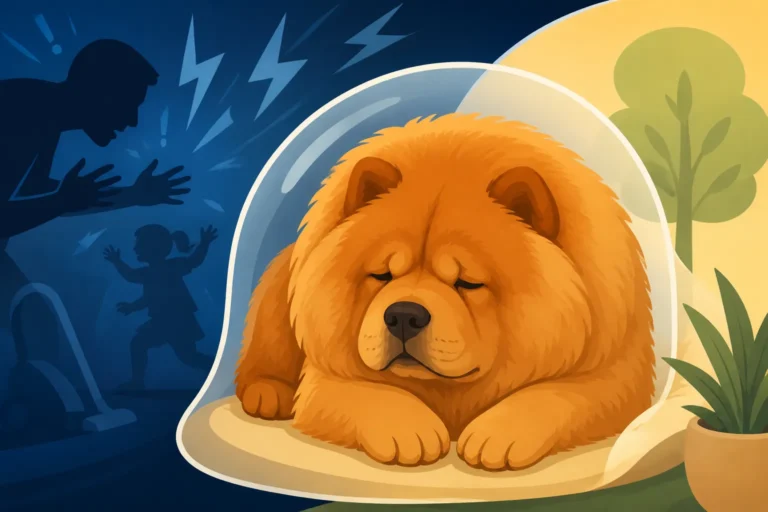
Every dog, especially a Chow Chow living with a toddler, needs a sanctuary – a place where they can go to escape, relax, and feel completely safe from intrusion. This space should be sacred and always accessible to your Chow, and strictly off-limits to your child. This could be a designated dog bed in a quiet corner of the living room, a crate in a den, or even a separate room with a baby gate. What a Crate for a Chow Chow Costs can help you budget for a good quality retreat.
Train your Chow Chow to use this retreat regularly, making it a positive place with soft bedding, a favorite toy, or a long-lasting chew. When the toddler is particularly rambunctious, or if your Chow seems overwhelmed, gently guide them to their retreat. Teach your child that when the dog is in its bed or crate, they are to be left alone. This not only gives your Chow a crucial mental break but also teaches your child respect for boundaries and signals.
Using Crates and Gates Effectively
Crates and baby gates are invaluable tools for managing the Chow Chow-toddler dynamic. They allow for safe separation when direct supervision isn't possible or when either party needs a break. A sturdy crate provides a den-like retreat for your Chow, offering security and a feeling of privacy. It's a place where they can chew a bone or nap without fear of being bothered. When chosen carefully, a crate from Amazon can be a worthwhile investment.
Baby gates, on the other hand, allow you to physically separate areas of your home. You can gate off the living room, allowing your Chow to observe the family from a distance without direct interaction, or restrict your toddler's access to your Chow's feeding area or bed. These physical barriers are not punishments; they are management tools that prevent unwanted interactions and help keep everyone safe. Consistency in their use is key, so both your dog and your child understand the boundaries.
Never Leaving Them Unattended
This point bears repeating and cannot be overstated. A Chow Chow and a toddler should never be left alone together, even if you are just stepping out of the room for a moment. What seems like a harmless interaction can escalate in an instant. The unpredictable nature of a toddler (a sudden grab, a loud noise, falling on the dog) combined with the Chow's potential for low tolerance means the risk is always present.
If you need to leave the room, even for a minute, either take your toddler with you, or separate your Chow into their crate or behind a secure baby gate. This level of vigilance might seem extreme, but it is the most effective way to prevent incidents. It's about being responsible and realistic about the potential challenges and proactively mitigating risks. This approach ensures peace of mind for you and safety for both your beloved family members.
Recognizing and Responding to Stress Signals in Your Chow Chow
Chow Chows, with their deep-set eyes and often stoic expression, can be notoriously difficult to read for the untrained eye. Unlike some breeds that might offer a clear growl or retreat, a Chow's signals of discomfort can be subtle, and often escalate quickly if ignored. Learning to interpret these signals is critical for preventing negative interactions with toddlers. How to Read a Chow Chow's Face offers deeper insights into their unique expressions.
Subtle Signs of Discomfort
Before a Chow Chow resorts to more overt warnings, they will almost always give subtle cues that they are feeling uneasy or stressed. These might include:
- Lip licking: Especially when no food is present.
- Yawning: When not tired, this can be a sign of stress.
- Turning head or body away: An attempt to avoid interaction.
- Stiffening: Their body language becomes rigid, less fluid.
- Half-moon eye (whale eye): The whites of their eyes are visible at the corner, indicating stress or fear.
- Flattened ears: Pinned back against the head, signaling anxiety.
- Walking away: Trying to escape the situation.
- Freezing: Becoming completely still, hoping the perceived threat will pass.
If you observe any of these signs when your Chow is near a toddler, it's a clear indication that the dog is uncomfortable and needs space immediately. Do not wait for the situation to escalate. Gently redirect the toddler or remove your Chow to their safe space. Ignoring these subtle signals is like ignoring the rumble before an earthquake.
Escalation: Growling and Snapping
If the subtle signs of discomfort are ignored, a Chow Chow's signals will escalate. A growl is a warning – it's your dog communicating, "I'm uncomfortable, and if you don't stop, I will defend myself." It should never be punished, as punishing a growl teaches a dog to bite without warning. Instead, a growl should be seen as valuable communication, giving you a chance to intervene before a bite occurs. Signs a Chow Chow Is Uncomfortable expands on these crucial signals.
Snapping is the next level of escalation, often a "warning bite" that doesn't make full contact or barely breaks the skin. This is a very serious signal that your Chow Chow is feeling threatened and has moved beyond simply warning. If your Chow growls or snaps at a toddler, it's a definitive sign that your management strategies need immediate re-evaluation and professional intervention might be required. This isn't a problem that will fix itself, and ignoring it puts everyone at severe risk.
Intervention and De-escalation Techniques
When you observe any signs of discomfort or escalation, immediate intervention is key. The goal is to separate the dog and the toddler calmly and efficiently, without making a big fuss or scolding either party.
- Calmly redirect the toddler: Use a cheerful tone to distract your child, offering an alternative activity or toy away from the dog.
- Guide your Chow to their safe space: Gently lead your dog to their crate or designated retreat, praising them for moving away from the situation.
- Create distance: Use a baby gate to put a physical barrier between them.
- Analyze the situation: Once everyone is safe, think about what triggered the discomfort. Was the toddler too close? Did they make a sudden noise? Understanding the triggers helps you prevent future incidents.
De-escalation is about respecting your Chow's need for space and control. Never force an interaction, and always provide an escape route. If these incidents become frequent, it's time to seriously consider consulting a professional positive reinforcement dog trainer or a veterinary behaviorist who specializes in dog-child dynamics.
Long-Term Strategies for a Harmonious Household
Living with a Chow Chow and a toddler is a marathon, not a sprint. It requires ongoing commitment, consistent effort, and a willingness to adapt as both your child and your dog grow and change. There's no "one-and-done" solution; it's a continuous process of learning, teaching, and managing.
Continued Training and Reinforcement
Even after the initial adjustment period, continued training and reinforcement for your Chow Chow are vital. Regularly practice basic obedience commands such as "sit," "stay," "leave it," and "go to your place." These commands are not just tricks; they are communication tools that allow you to manage your dog's behavior in various situations, including those involving a curious toddler. Using positive reinforcement methods keeps training fun and strengthens your bond. Consider ongoing online programs or resources like those provided by BAXTER & Bella to keep your training fresh and engaging.
Just as importantly, continue to reinforce good behavior around your toddler. Whenever your Chow Chow calmly tolerates your child's presence (even if from a distance), offer praise and a high-value treat. Reward them for retreating to their safe space when the toddler gets too boisterous. Consistency is everything; every interaction is a learning opportunity for both your dog and your child.
Enrichment and Exercise for Both
A well-exercised and mentally stimulated Chow Chow is generally a calmer, happier dog, and less likely to be stressed by a toddler's presence. While Chow Chows are not high-energy dogs, they do need regular, moderate exercise to stay physically and mentally fit. Short, leashed walks twice a day, puzzle toys, and interactive play can help burn off excess energy and prevent boredom. Ensure your Chow gets their exercise and mental stimulation away from the toddler whenever possible, to give them focused time and attention. How Much Exercise a Chow Chow Actually Needs offers more specific guidance on this.
Similarly, a tired toddler is often a more manageable toddler. Ensuring your child gets enough playtime and stimulation can reduce their tendency to pester the dog out of boredom. When both members of the household have their needs met, the likelihood of conflict decreases significantly. Think about balancing their individual needs in your daily routine.
Seeking Professional Help When Needed
There's absolutely no shame in seeking professional help. In fact, it's a sign of a responsible pet owner. If you find yourself struggling to manage the Chow Chow-toddler dynamic, if you've witnessed growling or snapping, or if you simply feel overwhelmed, don't hesitate to reach out to a certified professional. A qualified positive reinforcement trainer or a veterinary behaviorist can assess your specific situation, help identify triggers, and develop a tailored plan to improve safety and harmony in your home. Whether a Chow Chow Needs a Professional Trainer Early is a good read if you're considering this option.
They can offer invaluable insights into canine body language, behavior modification techniques, and strategies for teaching both your Chow Chow and your toddler how to coexist safely and respectfully. Early intervention is always better than waiting until an incident occurs. Investing in professional guidance is an investment in the long-term well-being and safety of your entire family.
| Interaction Type | Safe Interactions | Unsafe Interactions | Why it Matters |
|---|---|---|---|
| Physical Contact | Gentle, slow pats on the side/back (adult supervised), offering a treat. | Hugging, kissing, climbing on, pulling ears/tail, poking eyes, sitting on the dog. | Chows dislike feeling trapped or having sensitive areas touched. Sudden, rough contact can provoke a defensive reaction. |
| Approach & Space | Approaching calmly from the front, allowing the Chow to initiate contact. | Rushing up, startling from behind, cornering the dog, invading its bed/crate. | Chows have limited peripheral vision and value their personal space. Feeling surprised or trapped can lead to a snap. |
| Vocalization | Calm, quiet talking to the dog (under supervision). | Loud shrieks, yelling, screaming, excessive high-pitched noises. | Sudden, loud noises can be startling and overwhelming for a dog, especially one as sensitive as a Chow Chow, contributing to anxiety. |
| Play | Rolling a soft ball, gentle tug with a sturdy toy (adult holding toy). | Chasing, roughhousing, wrestling, taking toys from the dog, teasing. | Chows are not typically playful in a rough way and can develop resource guarding. Play should be structured and calm to prevent overstimulation or fear. |
| Eating & Resources | Allowing the Chow to eat undisturbed in its crate/safe space. | Approaching dog during mealtime, touching food bowl, taking toys/bones. | Chows can be prone to resource guarding. Interrupting them during eating or with high-value items is a major trigger for aggression. |
| Supervision Level | 100% active adult supervision whenever Chow and toddler are in the same area. | Leaving them alone, even "just for a second," turning your back to them. | Accidents happen instantly. Even the most trusted dog can react unexpectedly to a toddler's unpredictable actions. Constant vigilance is essential. |
Disclaimer
This article is for general informational purposes only and does not constitute professional advice. Laws, prices and regulations vary by location and change over time. Consult a qualified professional for guidance on your specific situation.