Why a Chow Chow Dislikes Being Hugged
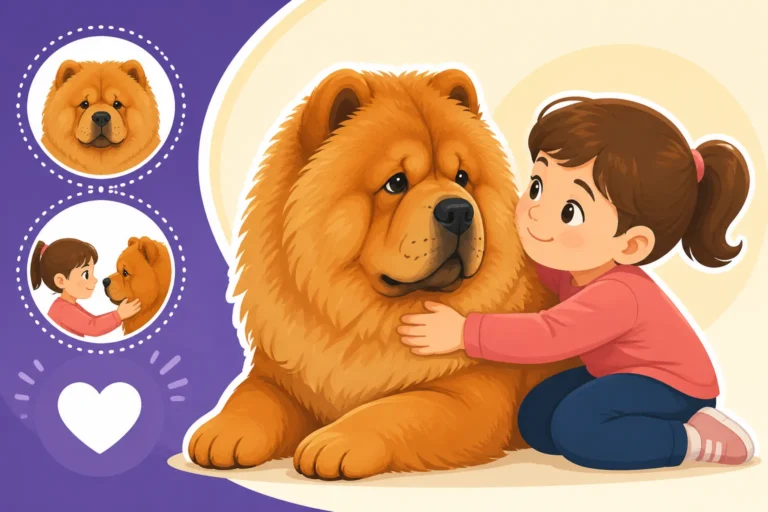
If you're a proud Chow Chow parent, you've probably noticed that your fluffy companion isn't exactly a fan of big, bear hugs. It can be a little disheartening when all you want to do is wrap your arms around your beloved dog, only for them to stiffen, turn their head, or even try to wriggle away. This guide will dive deep into why Chow Chows often dislike being hugged, helping you understand their unique perspective and find better ways to show your love.
Understanding Canine Communication and Personal Space
It’s easy to project our human understanding of affection onto our dogs, but the truth is, dogs communicate and perceive physical touch very differently than we do. A hug, for us, is a sign of love and comfort. For many dogs, especially a breed as independent and discerning as the Chow Chow, it can be anything but.
A Dog's Natural Instincts vs. Human Affection
Think about how dogs interact with each other. When was the last time you saw two friendly dogs embrace in a tight hug? You haven't, because it's simply not part of their natural social repertoire. Dogs show affection through things like leaning against you, nuzzling, licking, or playing together. When a dog places a paw on another, or if they are in close quarters, it's usually a dominance display, a play invitation, or a precursor to a fight, not a loving embrace. Being wrapped up by a human can trigger a primal instinct of being restrained or trapped, which is inherently uncomfortable and even threatening for an animal whose survival often depends on its ability to flee.
For dogs, personal space is a big deal. They operate on a nuanced system of body language, and invading that space without permission can be a huge misstep. Many human gestures, like reaching over their head or holding them tightly, can be perceived as dominant or aggressive. It's crucial for us to learn their language, rather than expecting them to fully adapt to ours.
The Chow Chow's Unique Temperament
The Chow Chow is a breed often described as aloof, independent, and dignified, and this isn't just a charming personality quirk – it's deeply ingrained in their history and genetics. They are known for bonding intensely with one or two individuals, their chosen people, and can be quite reserved with everyone else. This reserve extends to physical affection. They aren't typically the type of dog to constantly seek out cuddles or revel in prolonged physical contact. If you’ve ever wondered How Aloof a Chow Chow Really Is, you'll find that their independence often translates to preferring a bit more personal space than many other breeds.
Their heritage as guardians and companions to royalty in ancient China means they were bred for a certain self-possession and wariness of strangers. They are observant and protective, but not necessarily outwardly demonstrative. This isn't to say they don't love you; they simply express it in different ways, often subtle and profound, like a quiet presence in the same room or a gentle lean against your leg. Understanding How a Chow Chow Shows Affection can truly transform your relationship.
Why Hugs Are Often Misinterpreted by Chow Chows
The human act of hugging is complex and involves several elements that can be unsettling for a Chow Chow. It combines physical restraint, close proximity to the face, and often, an inability for the dog to see what's happening around them.
The Physical Restraint Aspect
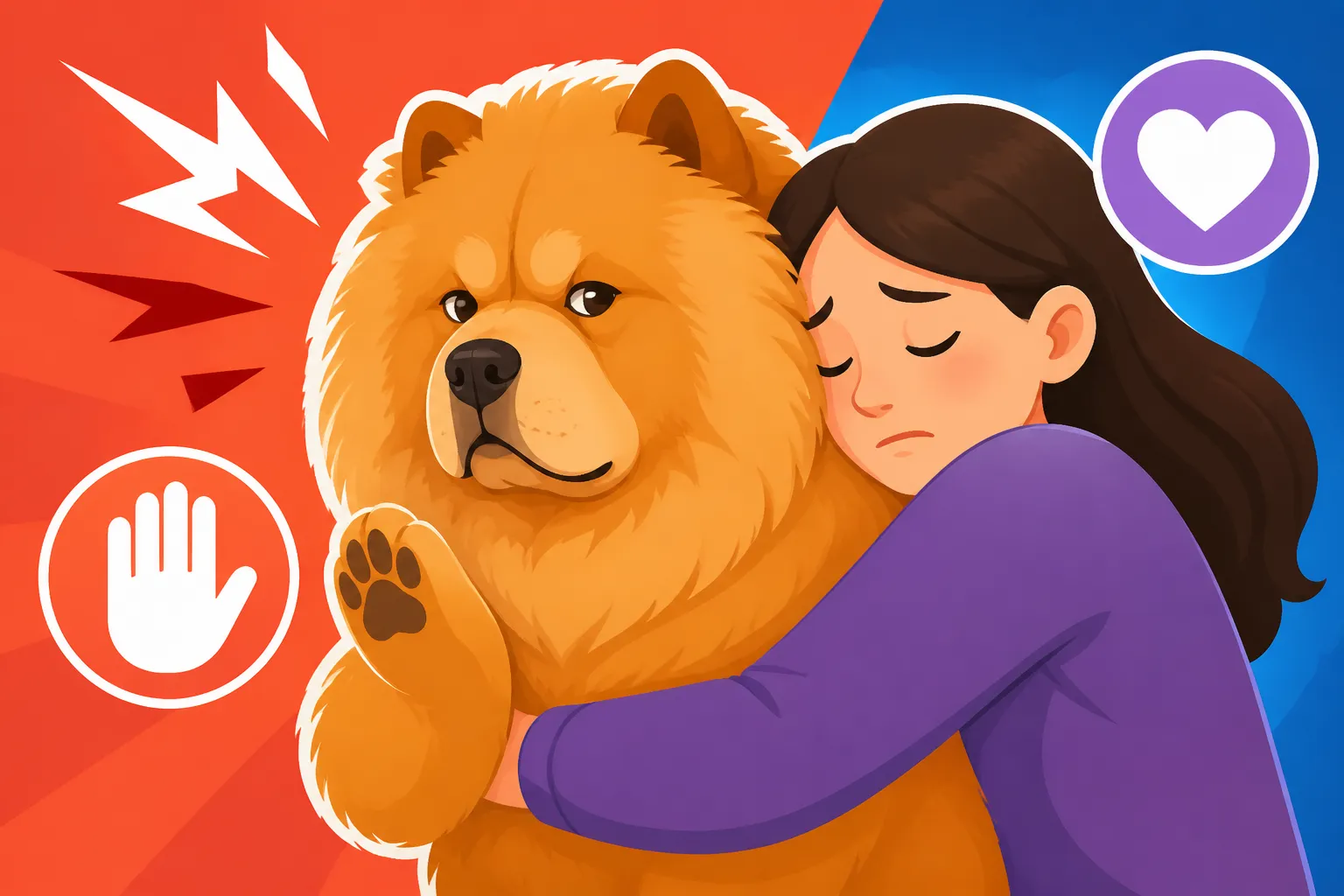
Imagine being suddenly held tight by someone much larger than you, unable to move freely. That’s often what a hug feels like to a dog. They might perceive it as a threat because it limits their ability to escape if they feel in danger. This natural "fight or flight" response can be quite powerful. Even if they trust you implicitly, the instinct to avoid restraint is strong. When their movement is restricted, especially around their legs or torso, it can create a feeling of vulnerability and unease. This isn't about your intent, but their interpretation of the physical act. For a breed that values its independence, this loss of control can be particularly distressing.
Some Chows might tolerate it from their most trusted person for a brief moment, but most will still prefer to have all four paws on the ground and the ability to move away if they choose. This is why you'll often see them try to pull back or stiffen their body when hugged.
Body Language Cues We Miss
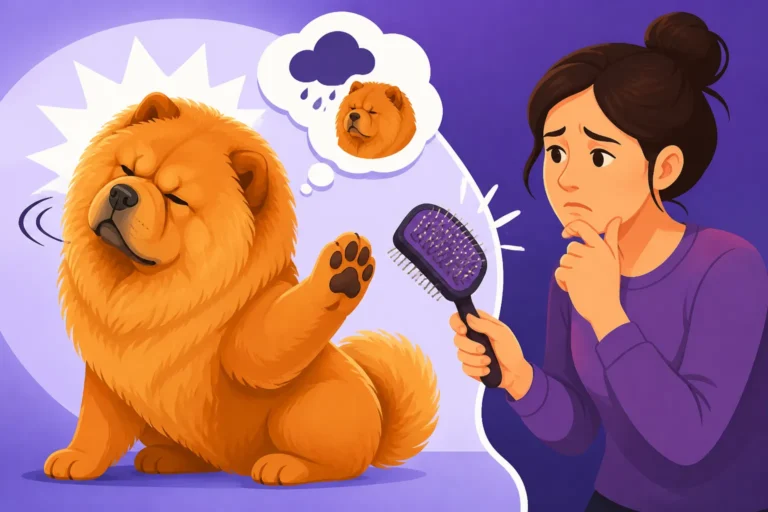
Chow Chows, like all dogs, constantly communicate through their body language, but their signals can be subtle, and sadly, often missed by humans. Before a Chow Chow resorts to a growl or snap, they usually offer a host of appeasement or stress signals. These can include:
- Lip licking: A quick flick of the tongue over the lips.
- Yawning: Not necessarily a sign of tiredness, but often stress.
- Head turning/averting gaze: Avoiding direct eye contact.
- Stiffening of the body: Their muscles tighten, and they become rigid.
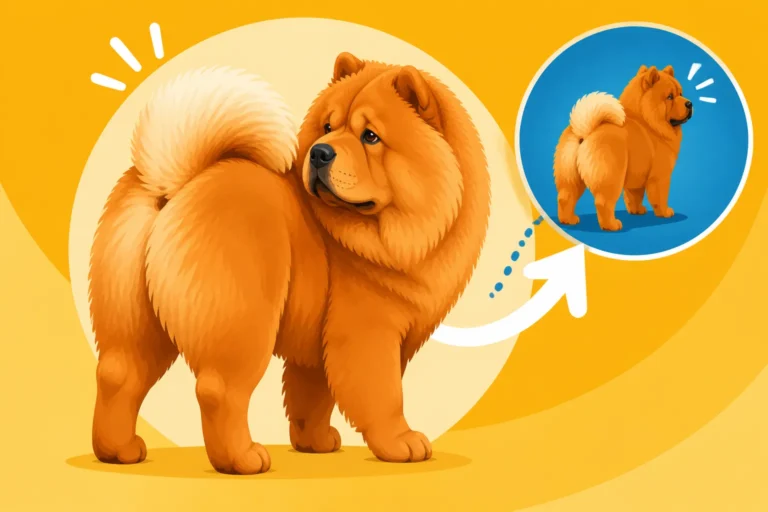
- Tail tucking (though Chows naturally carry their tails over their backs, a change in how tightly it curls or if it drops is a sign): A less obvious cue for a Chow Chow due to their natural tail carriage.
- Ears flattened or pulled back: Indicating anxiety or submission.
- Half-moon eye (whale eye): Showing the whites of their eyes as they turn their head away but keep their gaze on you.
If these subtle cues are ignored, the dog might feel they have no option but to escalate to a more overt warning, such as a growl or a quick snap. This is often misinterpreted as "aggression out of nowhere," when in reality, the dog has been trying to communicate their discomfort all along. It’s crucial to learn How to Read a Chow Chow's Face and other body language signals to ensure you understand when they're saying "no thanks." Understanding Signs a Chow Chow Is Uncomfortable can prevent misunderstandings and build a stronger, more trusting relationship.
Deep-Set Eyes and Limited Peripheral Vision
One fascinating physical characteristic of the Chow Chow that plays a role in their discomfort with hugs is their unique facial structure. Chow Chows have deeply set eyes, which contributes to their distinctive "scowling" expression. While charming, this anatomical feature actually limits their peripheral vision. When you hug a Chow Chow, especially from the front or side, you can effectively block a significant portion of their already restricted field of vision.
Imagine if someone suddenly enveloped you, and you couldn't see what was happening to your sides or behind you. This would naturally make you feel vulnerable and anxious. For a Chow Chow, this limitation on their vision, combined with the physical restraint, can be particularly unsettling. They may feel trapped and unable to properly assess their surroundings, which is a stressful situation for any dog, especially one bred with guardian instincts. This reduced visual awareness can make them feel more defensive and potentially lead them to react strongly if they feel cornered. If you want to learn more, check out Why a Chow Chow's Deep Set Eye Limits Its Vision. This visual limitation is also a reason Why a Chow Chow Snaps at Someone It Did Not See when approached unexpectedly from certain angles, further emphasizing the need to respect their space and approach them carefully.
Building a Relationship Based on Mutual Respect (and No Hugs!)
So, if hugs are generally off-limits, how do you show your Chow Chow how much you adore them? It’s all about finding ways of interaction that they understand and appreciate, fostering a bond built on trust and respect for their boundaries.
Alternative Ways to Show Affection
Instead of hugs, focus on forms of affection that align with a Chow Chow's natural preferences and comfort levels. This could include:
- Gentle petting on their terms: Most Chows appreciate a good scratch behind the ears, under the chin, or on their chest. Always let them initiate contact by nudging your hand or leaning into you. If they move away, respect that.
- Quiet companionship: Simply sitting near your Chow Chow, sharing space without demanding interaction, is a huge sign of affection for them. They often value your presence over your touch.
- Playtime: Engaging in games they enjoy, like a short walk or a game of fetch (if they're inclined), can be a wonderful bonding experience.
- Training sessions with positive reinforcement: Spending time teaching them new tricks or reinforcing good behavior with tasty treats and praise strengthens your bond and stimulates their minds. Products like those from BAXTER & Bella offer excellent online training resources that focus on positive methods, which align perfectly with the Chow Chow's independent nature.
- Grooming: While some Chows are not huge fans, if introduced properly, regular brushing can be a soothing ritual for both of you. It's also vital for their dense coat!
- Speaking softly to them: Using a calm, reassuring tone of voice can convey comfort and affection.
The key is to observe your Chow Chow's body language closely. They will tell you what they like and what they don't. Learn How a Chow Chow Shows Affection and reciprocate in kind. Remember, the Chow Chow typically The Chow Chow Bonds to One Person and Tolerates the Rest, so their affection, even when subtle, is a powerful indicator of their bond with you.
Teaching Children and Guests How to Interact
This is perhaps one of the most critical aspects of living harmoniously with a Chow Chow. Because of their reserved nature and potential for reacting strongly if their boundaries are crossed, it's essential to educate everyone who interacts with your dog.
- Set clear rules: Explain to children and guests that the Chow Chow is not a "cuddly" dog in the traditional sense. Emphasize that hugging, leaning over, or trying to pick them up is off-limits.
- Supervise all interactions: Never leave young children unsupervised with a Chow Chow. Even older children need guidance.
- Teach respectful greetings: Instruct people to let the Chow Chow approach them. They should offer a hand, palm up, for the dog to sniff, and only pet if the dog leans in or solicits attention. Petting should be limited to the chest or under the chin, avoiding the top of the head or hindquarters, which many Chows dislike.
- Respect "no": If the Chow Chow moves away, turns its head, or shows any signs of discomfort, the interaction must cease immediately.
- "Tree" game: Teach children to become "trees" – stand still, hands by their sides, and look away – if a dog approaches them too quickly or they feel nervous. This makes them less threatening. You can find excellent resources and guides on teaching kids how to safely interact with dogs through organizations that promote responsible pet ownership. For more detailed advice, consider reading How to Teach a Child to Approach a Chow Chow.
Establishing these boundaries not only protects your dog but also teaches everyone to respect animal autonomy.
Respecting the Chow Chow's Boundaries
This boils down to observation and empathy. Your Chow Chow might not bark or growl every time you do something they dislike, but they will communicate their feelings through subtle shifts in posture, gaze, and tension.
- Observe consistently: Pay attention to how your Chow Chow reacts to different types of touch, approaches, and sounds. Learn their individual preferences.
- Actively listen to their body language: Don't dismiss a lip lick or a head turn. These are significant messages. If you approach them and they turn their head away, take that as a polite request for space.
- Give them choice and control: Always allow your Chow Chow the option to leave an interaction. Don't trap them in a corner or hold them when they want to go. This empowers them and builds trust.
- Create safe spaces: Ensure your Chow Chow has a quiet retreat – a crate, a bed in a low-traffic area – where they can go and be undisturbed. This is their sanctuary.
- Avoid prolonged staring: Direct, sustained eye contact can be perceived as challenging by many dogs, including Chows. A soft gaze or looking slightly away is often better.
By understanding and respecting their unique boundaries, you foster a sense of security and trust. This mutual respect is the foundation of a truly strong bond with your Chow Chow. Remember, their personality is part of what makes them so special.
When Discomfort Escalates: Recognizing Warning Signs
It's absolutely vital to recognize and respond to the subtle signs of discomfort your Chow Chow exhibits before they escalate to more overt warnings. Ignoring these signals can lead to a breakdown in trust and potentially an unwanted incident.
Subtle Signals of Stress
Dogs are masters of subtle communication, and Chow Chows, with their often stoic demeanor, can be particularly good at masking their discomfort until it reaches a critical point. Before a growl or a snap, there’s a whole spectrum of behaviors indicating they’re unhappy with a situation. These are often called "calming signals" or "stress signals."
Beyond the lip licking and head turns we discussed earlier, look for:
- Excessive yawning: A prolonged, wide yawn when not sleepy.
- "Whale eye": When the dog turns their head away slightly but keeps their eyes fixed on the source of stress, revealing the whites of their eyes.
- Ears pinned back or flattened: A clear sign of fear or anxiety.
- Tension in the face or body: A tight mouth, furrowed brow, or stiff posture. Their fur might also appear "raised" along their back.
- Paw lifting: A tentative lifting of one front paw, sometimes accompanied by a shift in weight.
- Turning their back or moving away: A polite way of saying "I don't want to engage."
- Sniffing the ground: A displacement behavior to avoid interaction.
Many of these are quiet indicators that your Chow Chow needs space. If you notice a consistent pattern of these behaviors when you approach for a hug or close physical contact, it's a huge sign to back off. Remember that Why a Chow Chow Gives Little Warning means you need to be extra vigilant in observing even the slightest change in their demeanor.
The Importance of Early Socialization
A Chow Chow's early experiences are incredibly formative and play a massive role in how they perceive and react to the world, including human interaction. Socialization isn't just about meeting other dogs; it's about positive exposure to a wide variety of sights, sounds, people, and experiences during their critical developmental window.
- Exposure to gentle handling: From a very young age, puppies should be accustomed to being gently touched all over their bodies – their ears, paws, mouth, tail. This helps them learn that human touch can be safe and pleasant. However, this doesn't automatically translate to enjoying hugs.
- Meeting diverse people: Controlled, positive interactions with different types of people (men, women, children, people with hats, glasses, etc.) help a Chow Chow puppy develop confidence and a more tolerant outlook.
- Puppy classes: Enrolling in well-run puppy socialization classes can provide a safe environment for your Chow Chow to learn appropriate social skills with other dogs and people. Look for classes that focus on positive reinforcement and allow puppies to explore at their own pace. BAXTER & Bella offers comprehensive puppy programs designed to guide owners through this critical period.
- Controlled environmental exposure: Introducing them to various sounds, surfaces, and environments (car rides, walks in different neighborhoods, visits to pet-friendly stores like those on Amazon that allow well-behaved dogs) helps them become more adaptable and less prone to fear-based reactions.
An undersocialized Chow Chow may be more fearful, anxious, and prone to reacting defensively when they feel threatened or overwhelmed, which a hug can easily trigger. While socialization won't necessarily turn a Chow Chow into a hug-loving lap dog, it can help them develop a more balanced temperament and be more tolerant of general handling and interaction. This foundational work in their The Weeks That Matter Most for a Chow Chow Puppy is paramount to their overall well-being and temperament. For more on this, explore Why Early Socialization Decides What a Chow Chow Becomes.
| Human Affection Display (Often Disliked by Chow Chows) | Chow Chow Preferred Affection / Interaction | Why They Prefer It |
|---|---|---|
| Tight hugs (around neck or body) | Gentle petting (chest, chin, behind ears) | Respects personal space, no restraint, feels good. |
| Leaning over, direct eye contact | Sitting nearby, quiet presence, soft gaze | Non-threatening, allows them to initiate or move away. |
| Lifting or carrying | Walking alongside, playing favored games | Maintains their autonomy and feeling of control. |
| Loud, boisterous greetings | Calm, measured approach, letting them sniff an offered hand | Allows for assessment, reduces perceived threat. |
| Grabbing paws or tail | Grooming (if desensitized), positive touch associated with treats | Avoids sensitive areas, builds positive associations. |
| Rushing into their space | Letting them approach first, inviting interaction | Gives them choice, builds trust, reduces anxiety. |
Disclaimer
This article is for general informational purposes only and does not constitute professional advice. Laws, prices and regulations vary by location and change over time. Consult a qualified professional for guidance on your specific situation.