Whether a Dog Park Suits a Chow Chow
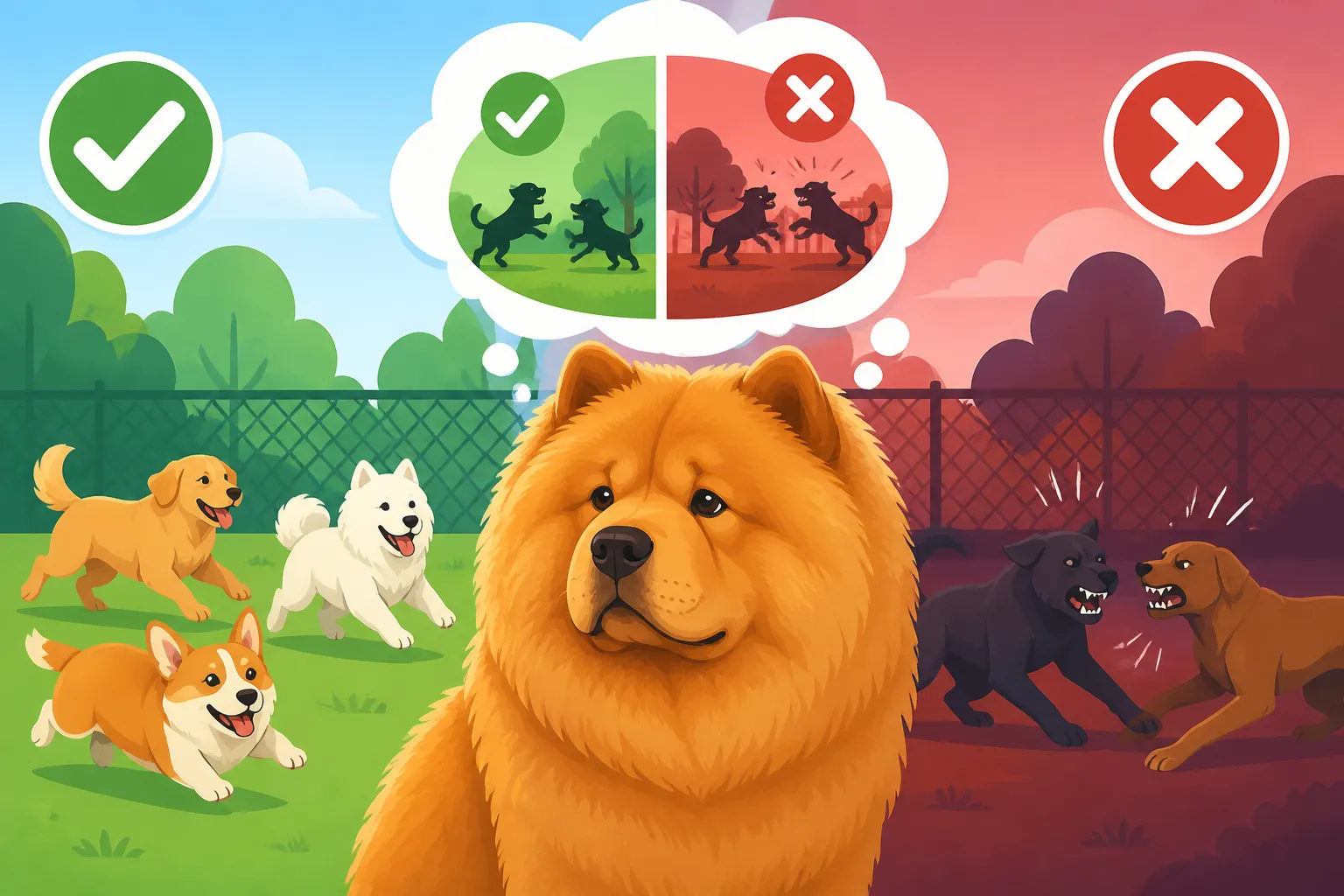
The idea of a dog park can sound wonderful: a big, open space where your beloved Chow Chow can run, play, and make friends. But if you're a Chow Chow owner, you know these majestic, often reserved dogs aren't like every other breed. The truth is, dog parks often present more risks and stress than benefits for a Chow Chow, and understanding why can help you make better, safer choices for your furry companion. This guide will delve into the unique aspects of Chow Chow temperament and physical traits that make dog parks a less-than-ideal environment, and suggest healthier, happier alternatives.
The Unique Temperament of a Chow Chow and Dog Park Dynamics
Chow Chows are not your typical "happy-go-lucky" Golden Retriever, bounding up to every dog and human with an open invitation to play. Their ancient lineage and original purpose as guardians and hunting companions have deeply ingrained traits that simply don't mesh well with the often chaotic and unpredictable nature of a public dog park. It's not a flaw in their character; it's just who they are.
Reserved Nature and Selective Socialization
Chow Chows are renowned for their dignified, somewhat aloof nature. They typically form an incredibly strong, singular bond with one person, and while they tolerate others in their family, strangers, both human and canine, are often met with indifference or a wary watchfulness. This isn't shyness; it's a deep-seated reserve. In a dog park, where multiple unknown dogs and people are constantly entering and exiting, this reserved nature can quickly turn into anxiety or defensiveness. They aren't looking for a large group of friends to romp with; they prefer the company of their chosen few. Attempting to force them into boisterous, free-for-all play often backfires, leading to stress and potential altercations rather than joyful interaction. This is why understanding How Aloof a Chow Chow Really Is is so crucial.
Limited Peripheral Vision and Startle Reflex
One of the most defining physical characteristics of a Chow Chow is their deep-set eyes, nestled within their prominent facial folds and heavy brow. While this gives them their distinctive "scowling" or lion-like appearance, it also significantly impacts their peripheral vision. Unlike many breeds that have a wide field of view, a Chow Chow needs to turn its entire head and body to see what's happening to its sides or behind it. Imagine trying to navigate a crowded room when you can only see directly in front of you.
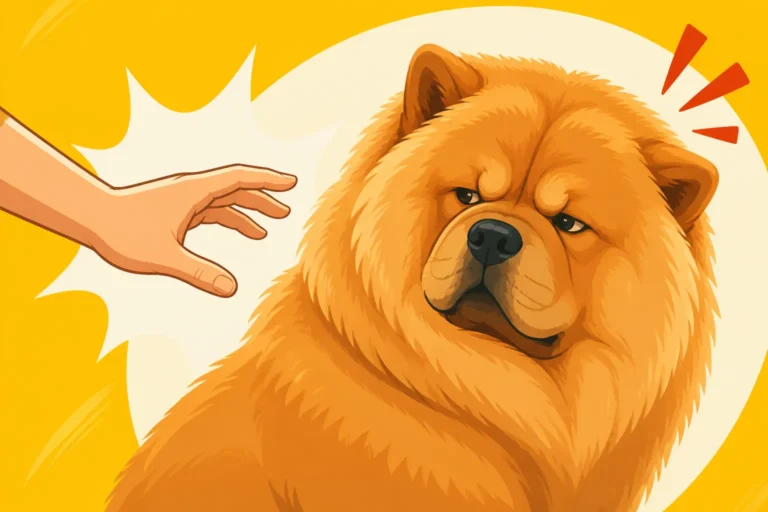
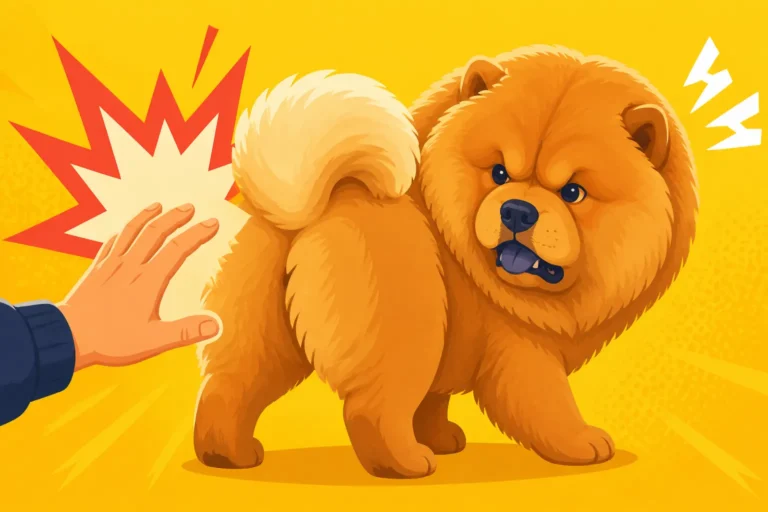
In a dog park, where dogs are constantly approaching from all angles, this limited vision is a huge liability. A Chow Chow can easily be startled by an unseen dog rushing up from the side or behind, and their natural instinct can be to react defensively, often with a quick snap or growl, simply because they felt threatened. Other dogs, especially those not used to such a reaction, can then escalate the situation, leading to fights. This physical trait makes places with unpredictable, fast-moving activity a minefield for them. Why a Chow Chow Snaps at Someone It Did Not See explains this in more detail.
Independent Play Style
Most Chow Chows aren't built for, nor do they particularly enjoy, the rough-and-tumble wrestling or high-speed chase games common in dog parks. Their unique, somewhat stilted gait, a result of their straight rear legs, isn't designed for agile, prolonged sprinting or sudden turns like a Greyhound or a Border Collie. While they might enjoy a short burst of play with a familiar companion, they are generally more inclined to observe, patrol, or engage in quiet, solitary activities.
When forced into an environment where other dogs are intensely physical, a Chow Chow can become overwhelmed, frustrated, or even injured trying to keep up or defend itself. Their thick double coat also makes them prone to overheating, especially during strenuous activity, turning a playful outing into a dangerous situation quickly. Their enjoyment comes from companionship, not necessarily chaotic group play, and pushing them beyond their comfort zone is unfair and potentially unsafe.
The Inherent Risks of Dog Parks for Chow Chows
Beyond their natural predispositions, dog parks themselves present a unique set of challenges and dangers that are amplified for a breed like the Chow Chow. These aren't criticisms of dog parks themselves, but rather an honest assessment of how these environments interact with the Chow Chow's specific needs and characteristics.
Unpredictable Interactions and Owner Behavior
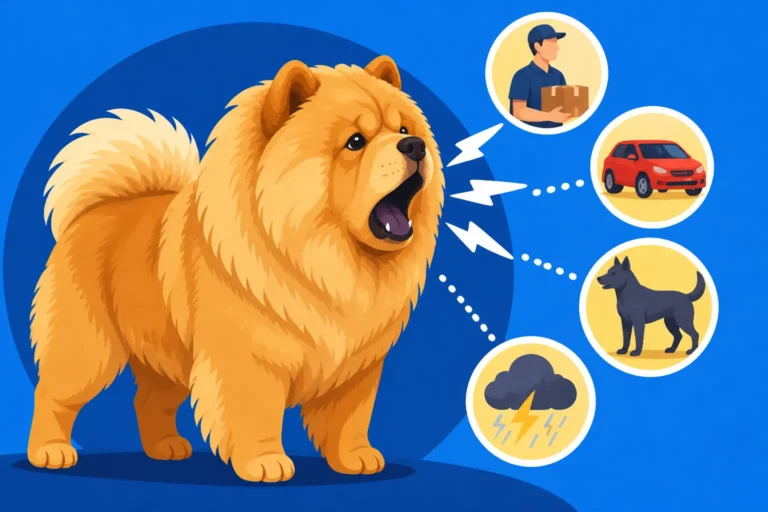
The biggest variable in any dog park is the unpredictable behavior of other dogs and, frankly, other owners. You might be the most diligent Chow Chow owner, constantly monitoring your dog, but you cannot control the twenty other dogs and their people. Many dogs at dog parks lack proper socialization, have poor recall, or exhibit aggressive tendencies that their owners ignore or misunderstand. For a Chow Chow, who typically gives little warning before reacting to a perceived threat, this unpredictability is a recipe for disaster.
A well-meaning but over-exuberant Labrador might try to "herd" your Chow, or a small terrier might repeatedly nip at their heels. These interactions, which might be brushed off as "just playing" by some owners, can be deeply unsettling or threatening to a Chow Chow, leading to a defensive response. Furthermore, many owners bring unneutered males or dogs with known behavioral issues to dog parks, creating an even more volatile environment. For such a sensitive and protective breed, the lack of control over potential threats is simply too high a risk.
Resource Guarding and Territoriality
Chow Chows often have a strong instinct to guard resources, whether it's their food, toys, their chosen human, or even a particular spot. In a dog park, where there are often shared water bowls, toys left by other dogs, or even just patches of grass, these instincts can be triggered. A Chow Chow might take possession of a ball someone else dropped, and then react aggressively if another dog tries to take it. Similarly, they might perceive another dog getting too close to their person as a threat, escalating to guarding behavior.
This isn't necessarily a sign of a "bad" dog, but rather a manifestation of their deeply ingrained protective instincts. In a neutral, controlled environment, these tendencies can be managed with training and awareness. However, in the high-stimulus, low-control environment of a dog park, these behaviors are much harder to predict and prevent, leading to conflicts that can be dangerous for all parties involved. This territoriality is a core aspect of What a Chow Chow Guards and Why.
Health Risks and Overheating
Beyond behavioral issues, dog parks also pose significant health risks. Chow Chows, with their dense double coats and brachycephalic (short-nosed) tendencies, are highly susceptible to overheating, especially in warmer weather or during strenuous exercise. A seemingly mild day can quickly become dangerous if they're engaging in active play with other dogs. Signs of overheating can escalate rapidly, and heatstroke can be fatal. Why a Chow Chow Overheats So Easily goes into further detail about this critical concern.
Furthermore, dog parks are breeding grounds for various parasites and diseases, from kennel cough to giardia, simply due to the high volume of dogs sharing the same space. Even with up-to-date vaccinations, the exposure risk is elevated. For a breed that already requires careful health management, adding these preventable risks to the equation makes dog parks even less appealing.
Safer Alternatives for Chow Chow Socialization and Exercise
So, if dog parks aren't ideal, what's a loving Chow Chow owner to do? The good news is there are plenty of ways to ensure your Chow Chow is well-socialized, exercised, and happy without putting them in a high-risk situation. The key is quality over quantity, and control over chaos.
Structured Walks and Leashed Adventures
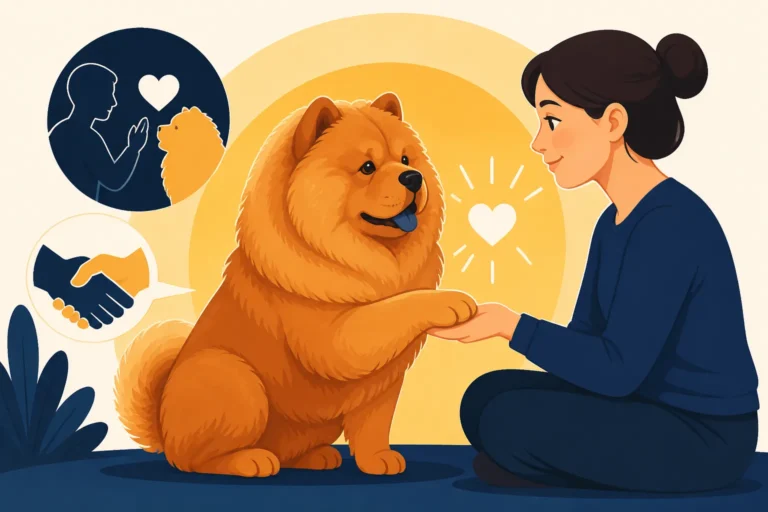
For many Chow Chows, a leashed walk in a quiet neighborhood, a park trail during off-peak hours, or even a local nature preserve is far more enriching and less stressful than a dog park. These walks provide excellent physical exercise, mental stimulation through new sights and smells, and valuable one-on-one bonding time with their person. It allows you to control interactions, ensuring that any encounters with other dogs are calm and brief, or avoided entirely if necessary.
Consider exploring places like a nearby state park with dog-friendly trails or a quieter section of a city park. Carrying high-value treats and being prepared to create distance from other dogs or people is always a good idea. Brands like Amazon offer a wide range of comfortable, secure harnesses and leashes that can make these walks more enjoyable for both you and your Chow Chow, offering better control than a standard collar.
Private Playdates and Controlled Groups
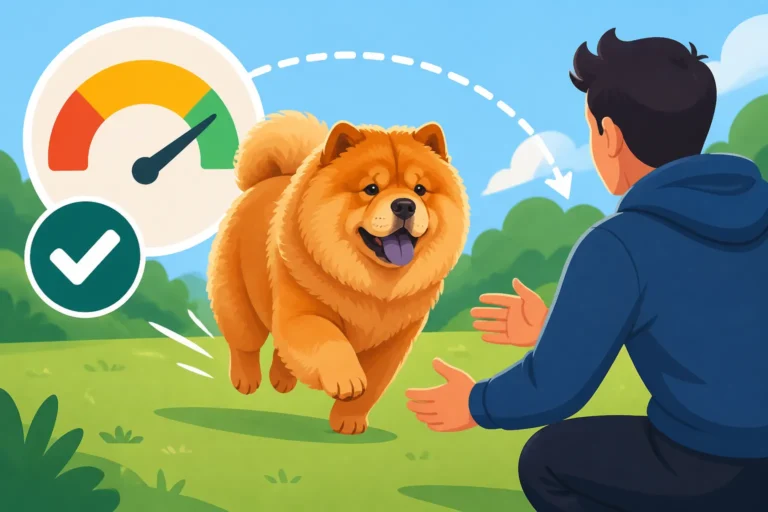
Instead of an open-for-all dog park, opt for carefully arranged playdates with one or two known, compatible dogs. These should be dogs that you know well, whose temperaments are calm and respectful, and whose owners understand Chow Chow body language and boundaries. This might be a friend's dog or a dog from a local reputable breeder or rescue group that understands the breed.
These interactions should take place in a neutral, enclosed space, like a friend's fenced yard, or even a rented private dog run if available in your area. Supervise closely, keep the sessions short, and always be ready to intervene if either dog shows signs of stress. This controlled environment reduces the risk of surprise encounters and allows your Chow Chow to interact on their own terms, leading to more positive experiences. Learning about Whether Two Chow Chows Can Live Together or Which Pairing Works Best for a Chow Chow might also inform your choices.
Puppy Socialization Classes and Training
For Chow Chow puppies, early, positive, and controlled socialization is paramount. This doesn't mean throwing them into a dog park free-for-all. It means carefully introducing them to a variety of sights, sounds, people, and well-behaved dogs in a safe, structured way. Puppy classes led by experienced, positive reinforcement trainers are an excellent option. These classes are designed to expose puppies to new experiences in a managed setting, teaching them appropriate dog-dog communication and building confidence.
Online training platforms can also be invaluable resources. For example, BAXTER & Bella offers comprehensive online puppy training programs that emphasize positive reinforcement and controlled socialization scenarios, which are perfect for a Chow Chow. These programs can guide you through appropriate introductions and help you build a strong foundation of trust and good manners before your Chow Chow even considers meeting other dogs. Continuing training into adulthood, focusing on obedience and manners, further strengthens your bond and gives you better control in various situations.
Recognizing Signs of Stress and When to Intervene
Even in seemingly controlled environments, it's vital to be able to read your Chow Chow's body language and recognize subtle signs of stress or discomfort. Chow Chows are not always overtly demonstrative, but they communicate their feelings if you know what to look for. Being proactive is always better than waiting for a situation to escalate.
Subtle Cues and Body Language
Unlike some breeds that might offer clear barks or growls, a Chow Chow can communicate discomfort with very subtle signals. These might include:
- Lip Licking: Not in response to food, but when stressed.
- Yawning: Again, not out of tiredness, but as a calming signal in an uncomfortable situation.
- Head Turns or Averting Gaze: A polite way to say, "I don't want to interact."
- Stiffening Body: Their body might become rigid, their tail might drop slightly, or their ears might be held back.
- "Whale Eye": Showing the whites of their eyes.
- Slowed Movement or Freezing: A sign they are unsure or preparing to react.
- Panting (without exertion): Can indicate stress or anxiety.
These cues are your Chow Chow's way of asking for space or indicating they are overwhelmed. Ignoring them can lead to a more overt, defensive reaction because their earlier, softer warnings were missed. Pay close attention to Signs a Chow Chow Is Uncomfortable and How to Read a Chow Chow's Face.
When to Leave Immediately
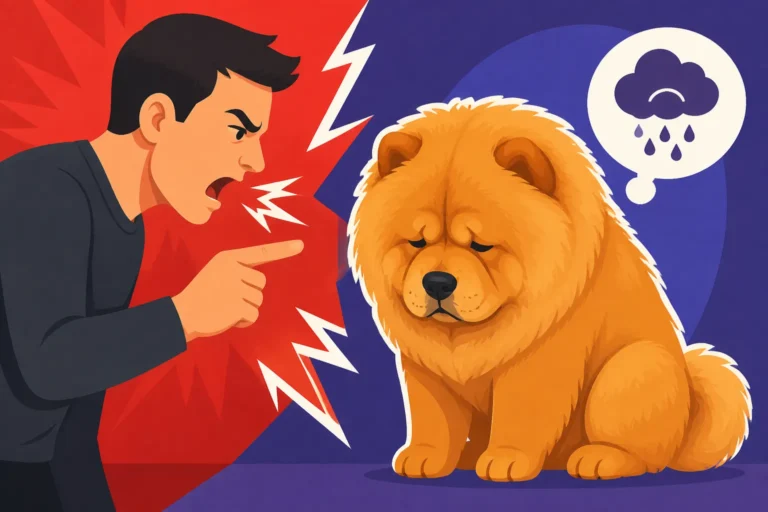
If you find yourself in a situation where your Chow Chow is showing any of these stress signals, or if the environment becomes too chaotic, the best course of action is to remove your dog immediately. Don't try to "wait it out" or force them to "get used to it." Doing so can erode their trust in you and create lasting negative associations.
Always have an exit strategy, especially when introducing your Chow Chow to new places or other dogs. If a situation arises where another dog is being pushy, overly boisterous, or aggressive, simply leave. Your Chow Chow's safety and emotional well-being are paramount. A quick exit prevents the situation from escalating and reinforces that you are their protector. It's perfectly okay to be the "overprotective" owner when it comes to a Chow Chow; it's often what they need.
Dog Park Suitability Comparison
To summarize, here's a quick comparison of why dog parks typically aren't the best fit for Chow Chows compared to more controlled socialization methods.
| Feature | Dog Park Environment | Controlled Socialization (e.g., private playdates, structured classes) |
|---|---|---|
| Control | Very low; unpredictable dogs and owners. | High; you choose the dogs, location, and duration. |
| Interaction Quality | Often chaotic, overwhelming, potential for conflict. | Calm, respectful, positive, tailored to individual needs. |
| Chow Chow Temperament | Clashes with reserved, protective nature. | Respects boundaries, builds confidence, fosters positive associations. |
| Vision Impact | High risk of startling due to limited peripheral vision. | Minimized risk, allows for controlled introductions and awareness. |
| Play Style | Often too rough; can lead to stress or injury. | Gentle, observational, or low-key play with known companions. |
| Health Risks | Higher exposure to disease, increased overheating risk. | Lower exposure; activities can be temperature-controlled. |
| Resource Guarding | Can be triggered by shared items/space; high risk. | Managed by choice of environment and dogs, minimizing triggers. |
Ultimately, for most Chow Chows, the dog park environment is simply not conducive to their happiness, safety, or well-being. By choosing intentional, controlled, and positive interactions, you can ensure your majestic Chow Chow thrives and enjoys a rich, fulfilling life by your side. They might not be the life of the dog park party, but they'll be a deeply devoted companion in the comfort of their own carefully curated world.
Disclaimer
This article is for general informational purposes only and does not constitute professional advice. Laws, prices and regulations vary by location and change over time. Consult a qualified professional for guidance on your specific situation.