The Chow Chow Bonds to One Person and Tolerates the Rest
It's a common lament among Chow Chow owners, or those who adore them from afar: "My Chow Chow loves me, but everyone else? They just tolerate them." This isn't just a quirky personality trait; it's a fundamental aspect of the breed's ancient nature, deeply rooted in their history and genetics. If you've ever felt frustrated by your Chow Chow's seeming indifference to others, or wondered how to foster a harmonious household where everyone feels (at least somewhat) appreciated, this guide is for you. We'll dive deep into understanding this unique bonding style, explain why they choose one special person, and how to successfully navigate living with a dog who is deeply loyal but notoriously selective with their affections.
Understanding the Chow Chow's Unique Affection
The Chow Chow is often misunderstood, with many people mistaking their reserved nature for a lack of affection or even hostility. But for those of us who share our lives with these magnificent lion-dogs, we know the truth is far more nuanced. They simply express their love differently, and it’s a privilege to earn their trust and devotion.
The Myth of the Unaffectionate Chow Chow
Let's address the elephant in the room – or rather, the bear-dog in the living room. The idea that Chow Chows are unaffectionate is a persistent myth, one that often leads to disappointment for new owners expecting a Golden Retriever-level greeting. Chows aren't typically the type to shower everyone with slobbery kisses or frantic tail wags. They are dignified, independent, and discerning. This isn't a flaw; it's a characteristic that has been bred into them for centuries.
In their historical roles as guardians and companions in ancient China, they needed to be observant and somewhat aloof, not overly friendly with strangers. Their affection isn't given lightly, but when it is, it's profound and unwavering. It's a quiet, steadfast loyalty that speaks volumes to their chosen person, even if it's expressed through a gentle lean, a soft nudge, or simply choosing to be in the same room. Dismissing them as "unaffectionate" misses the subtle, deep bond they form.
How a Chow Chow Actually Shows Affection
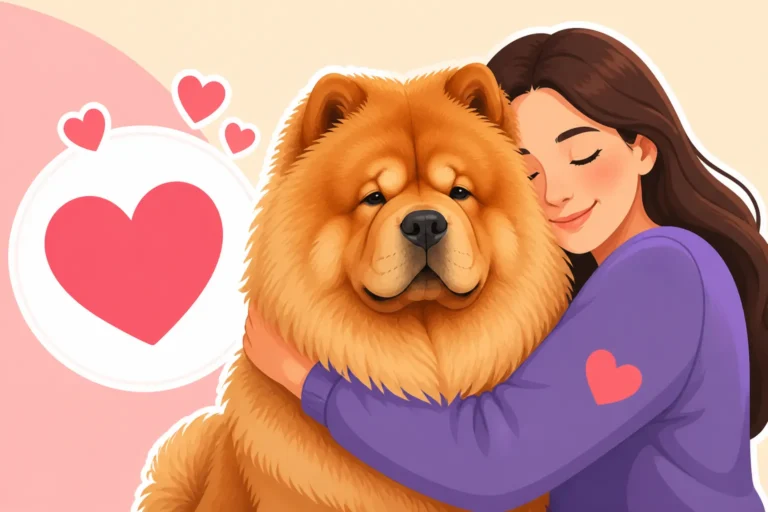
So, if they're not fawning all over you, how does a Chow Chow show love? It’s often in the small, almost imperceptible ways that only their chosen person truly recognizes. They might follow you from room to room, not for direct interaction, but just to be near. They might rest their head on your foot while you're working, or gently press against your leg as you walk. How a Chow Chow Shows Affection often involves proximity, quiet companionship, and a sense of calm presence.
My own Chow, Misha, will often come into my office and flop down with a dramatic sigh right under my desk, just to be close. She won't demand petting, but if I reach down, she'll lean into my hand, her body melting with contentment. It's not boisterous; it's intimate. They might bring you a favorite toy, not necessarily for a game, but as an offering. They're also incredibly attuned to your emotions; a truly bonded Chow Chow will sense your mood and offer silent support, perhaps by just settling nearby when you're feeling down. These gestures are their unique love language, and learning to speak it is a deeply rewarding experience.
Why They Might Seem Aloof to Strangers
The perception of aloofness, particularly towards strangers, stems from the Chow Chow's protective instincts and their inherent wariness. This isn't aggression, but rather a cautious assessment of new people and situations. They were bred to guard, and part of guarding is not being overly friendly with every newcomer. How Aloof a Chow Chow Really Is often depends on their early socialization, but even a well-socialized Chow will likely remain reserved with people they don't know.
Imagine you're at a gathering, and someone you've just met tries to hug you. Your natural instinct might be to politely step back. A Chow Chow operates on a similar principle, but with higher stakes from their perspective. They need to observe, to understand, and to feel safe before they offer even a shred of acknowledgment. Forcing interaction or pushing them to accept strangers can backfire, increasing their anxiety and potentially leading to a defensive reaction. It's best to let them approach on their own terms, if they choose to do so at all, rather than demanding immediate acceptance.
The One-Person Bond: How a Chow Chow Chooses
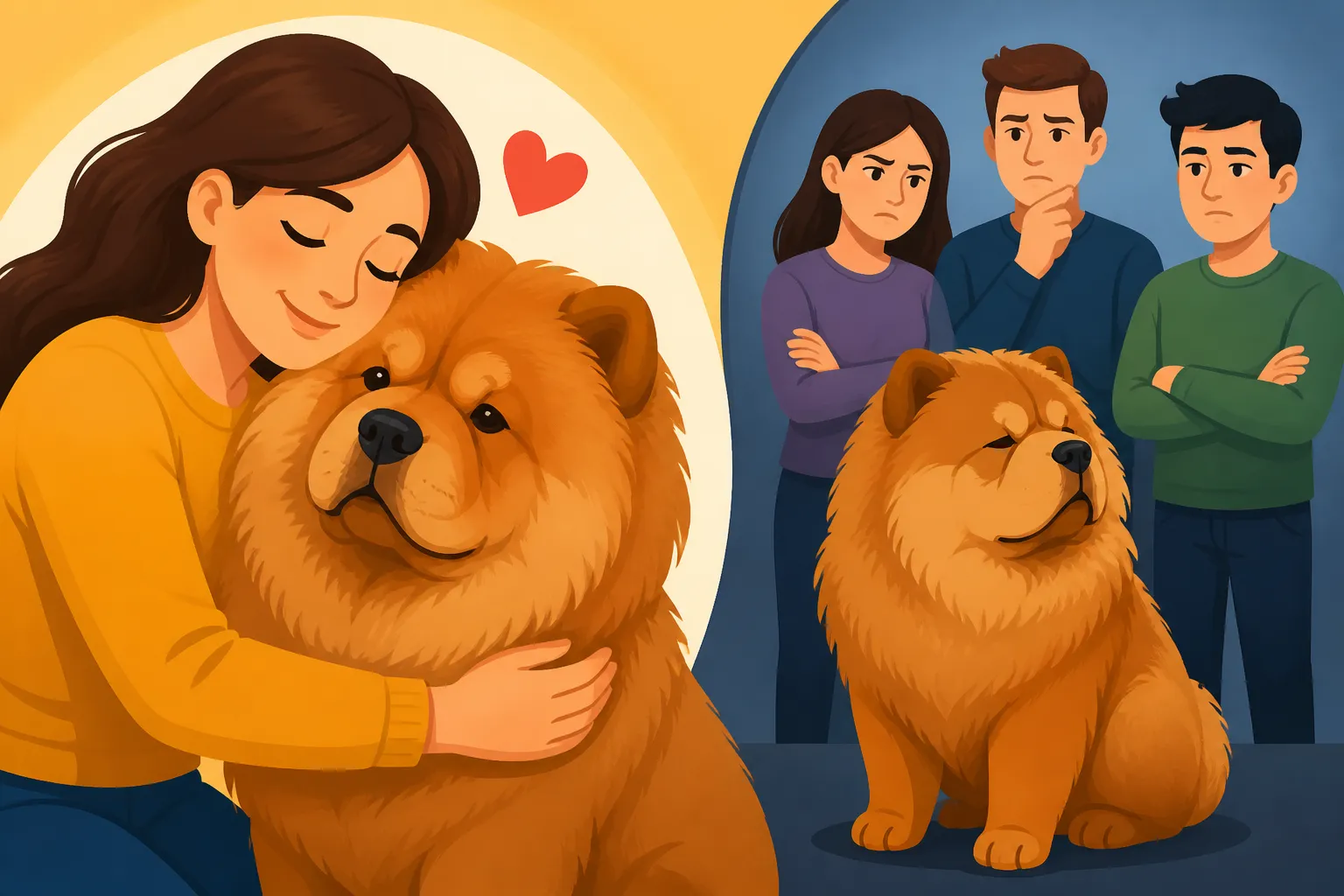
This is perhaps the most famous (or infamous) trait of the Chow Chow: their tendency to bond deeply with one primary individual. While they will certainly acknowledge and even show affection to other family members, there's usually one person who holds a special, almost sacred, place in their heart.
Factors Influencing Their Choice of Person
Why does a Chow Chow pick one person over all others? It's not always straightforward, and it doesn't always align with who feeds them or spends the most time walking them. While consistency and positive experiences play a role, their choice can sometimes seem almost arbitrary to us. Often, the chosen person is the one who provides the most calm, consistent, and respectful leadership. It’s not about dominance, but about clear, fair boundaries and a quiet confidence that the Chow Chow can rely on.
They might gravitate towards the person who understands their subtle cues, respects their need for space, and doesn't force interaction. This individual often becomes their anchor, the one they turn to for reassurance, and the one whose presence brings them the most comfort. Sometimes, it's the person who spent the most time with them during their critical socialization period as a puppy, but other times, it's a bond that blossoms later in life. Why a Chow Chow Picks One Person isn't just about treats; it's about a profound emotional connection and trust.
The Depth of the Chosen Bond
Once a Chow Chow chooses their person, that bond is incredibly deep and steadfast. This isn't a casual attachment; it's a profound loyalty that can last their entire lives. They become your shadow, your confidant, and your silent protector. This chosen person will often be the only one allowed to perform certain care tasks without protest, like nail trims or ear cleanings, simply because they trust that person implicitly.
My neighbor, Sarah, has a Chow named Leo, and while he’s friendly enough with her husband and kids, he reserves his deepest affections for Sarah. He'll follow her from room to room, sleep by her side, and respond to her voice with an immediate, attentive tilt of his head. With others, he's polite but distant. This deep connection means that the chosen person often has a unique ability to calm their Chow, even in stressful situations. It's a bond built on mutual respect and an unspoken understanding that words can rarely convey.
Can the Bond Shift Over Time?
While the primary bond is incredibly strong, it’s not necessarily immutable. Life changes, and sometimes the primary bond can shift, or a strong secondary bond can form. If the chosen person is no longer present, for instance, a Chow Chow can, and often will, eventually re-bond with another family member. This process isn't instant and can take time, patience, and understanding. It involves the remaining family member stepping into that role of consistent, calm leadership and earning the Chow Chow’s trust anew.
In multi-person households, while there's usually a primary person, a Chow Chow might form strong secondary bonds with others who are consistent and respectful. These aren't just "tolerated" relationships; they're genuine connections, though perhaps not with the same intensity as the primary one. It's crucial for everyone in the household to understand this dynamic and work to build their own respectful relationship with the Chow. You can find excellent resources on establishing clear, positive communication with your dog, even for complex breeds, through platforms like BAXTER & Bella, which offer online training programs that can be adapted for the whole family.
Tolerating the Rest: Navigating Family Dynamics
The phrase "tolerates the rest" might sound harsh, but it accurately describes the Chow Chow's approach to individuals outside their primary bond. It doesn't mean they dislike them, but rather that their emotional investment is simply different. Understanding this dynamic is key to creating a peaceful multi-person household.
How Chow Chows Interact with Family Members Beyond Their Person
For family members who aren't the chosen one, a Chow Chow will typically be polite, respectful, and cooperative, but often without the overt displays of affection seen with their primary person. They'll recognize you as part of their "pack" and will usually follow household rules set by everyone. However, they might not seek you out for petting, or might only accept brief interactions on their own terms. How a Chow Chow Treats the Rest of the Family can be a source of frustration if not understood.
For example, a family member might try to call the Chow to them, only for the dog to look at them, then back to their chosen person, waiting for a cue. Or, if the chosen person leaves the room, the Chow might follow them, rather than staying with other family members. It's not a snub; it's simply their hierarchy of attachment playing out. This is why it’s so important for all family members to learn to respect the Chow’s space and their subtle signals. Overly enthusiastic greetings or attempts at forced affection from non-chosen individuals can be met with disinterest or even a grumble.
Managing Interactions with Children
Chow Chows and children can coexist, but it requires careful management and education for both the dog and the children. Due to their independent nature and preference for respectful interaction, Chow Chows are not always the best choice for homes with very young children who might not understand boundaries. It's absolutely crucial that children are taught How to Teach a Child to Approach a Chow Chow with gentleness and respect, and that parents are always supervising interactions.
Chows generally have a lower tolerance for rough play, incessant pulling, or being treated like a toy. Their deep-set eyes limit their peripheral vision, meaning they can be startled if approached suddenly from behind or the side. A child running up for an uninvited hug might be perceived as a threat. Teach children to always ask permission before petting, to approach calmly, and to understand that a Chow Chow might not want to interact at that moment. Establishing clear boundaries for both the dog and the child from day one is paramount to preventing misunderstandings and ensuring safety.
Introducing New Partners or Roommates
Bringing a new partner or roommate into a Chow Chow's established home can be a delicate situation. Your Chow Chow views their home and their people as their domain, and a new presence can be seen with suspicion. Patience is key here. Don't expect immediate acceptance. The new individual should adopt a strategy of calm, respectful presence, allowing the Chow Chow to approach them on their own terms.
Encourage the new person to participate in positive interactions that don't involve direct physical contact initially, such as throwing treats (not hand-feeding at first), or being the one who opens the door for walks. They should avoid direct eye contact or overly enthusiastic greetings. Over time, as the Chow Chow learns this new person is not a threat and is consistent in their behavior, a level of acceptance, and perhaps even a secondary bond, can form. This slow, steady approach is far more successful than trying to force friendship.
Building Trust and Respect Beyond the Primary Bond
While the primary bond is unique, it doesn't mean other family members are relegated to mere background noise. Everyone in the household plays a vital role in the Chow Chow's well-being and contentment. The goal is to foster a relationship built on trust and mutual respect, even if it's not the same kind of deep affection shared with the chosen person.
The Importance of Consistent, Gentle Handling from Everyone
Consistency is the bedrock of any successful relationship with a Chow Chow. Every family member should strive to interact with the dog in a predictable, calm, and respectful manner. This means no roughhousing, no sudden movements, and always giving the Chow Chow space when they ask for it. Even tasks like brushing, which many Chows dislike initially, should be approached with patience and positive reinforcement by all members who interact with the dog. For example, if you're introducing the concept of being brushed to a young Chow, How to Start Brushing a Chow Chow Puppy should involve short, positive sessions with plenty of treats and praise, not just from the primary person, but from anyone who might need to groom them.
Using treats (like those readily available on Amazon) and praise can make even potentially stressful situations, like nail trims or vet visits, more manageable if everyone is on the same page. If one person is gentle and another is harsh, the Chow Chow will quickly learn to mistrust the latter, making interactions difficult. The key is to be a united front in your calm, respectful approach to your Chow.
Training and Management Strategies for the Whole Family
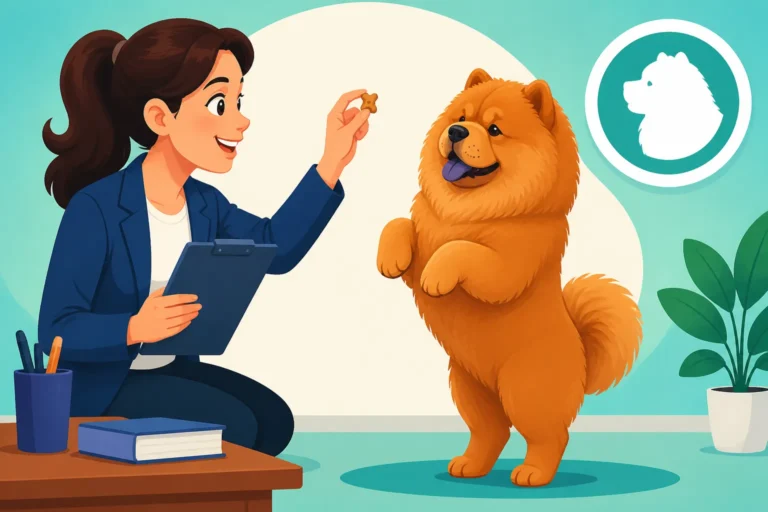
Training isn't just for the primary owner; it's a family affair with a Chow Chow. Basic obedience cues ("sit," "stay," "come") should be practiced by everyone, using consistent commands and rewards. This helps the Chow Chow understand that commands come from all family members, even if they respond with more enthusiasm for their chosen person. Online training platforms, such as those offered by BAXTER & Bella, can be invaluable here, providing structured lessons that everyone can follow from the comfort of your home. They often break down training into manageable steps, making it easier for multiple family members to participate in building positive associations.
Beyond formal training, managing the Chow Chow's environment is also a family responsibility. This includes ensuring they have a quiet, safe space to retreat to (like a crate or dog bed) that everyone respects. Teaching everyone in the home How to Introduce a Chow Chow to a Stranger with careful management and setting clear boundaries when guests visit will ensure a calm environment for your Chow and safety for your visitors. This also ties into How a Chow Chow Gets Along With Other Dogs and other pets, where consistent management by all household members is vital.
Creating a Predictable and Safe Environment
Chow Chows thrive on predictability and a sense of security. A chaotic or inconsistent environment can lead to anxiety and reactivity. Every family member contributes to this stability. This means:
- Consistent routines: Feeding times, walk times, and quiet times should be predictable.
- Respecting boundaries: If the Chow Chow is resting in their bed, leave them be. Do not disturb them.
- Clear house rules: Everyone needs to enforce the same rules consistently, whether it’s about jumping on furniture or begging for food.
- Safe spaces: Ensure the Chow Chow has a designated "den" where they can retreat and feel safe, away from the hustle and bustle, especially if there are children or frequent visitors. A sturdy crate with a comfortable bed, perhaps purchased from Amazon, can be an excellent sanctuary.
When a Chow Chow feels secure in their environment and understands their place within the family, they are much more likely to be calm and tolerant of everyone. It reduces stress and allows their natural, dignified personality to shine through without feeling constantly on guard.
Socialization and Its Impact on General Tolerance
Socialization is a critical process for any dog, but it holds particular importance for a breed like the Chow Chow, known for its reserved and sometimes wary nature. Proper socialization from a young age can significantly influence how well they "tolerate the rest" of the world.
Early Puppy Socialization for a Well-Adjusted Chow Chow
The period between 8 and 16 weeks of age is often referred to as the critical socialization window for puppies. For a Chow Chow, this window is absolutely vital. During this time, a Chow Chow puppy needs to be exposed to a wide variety of sights, sounds, people, and other well-mannered dogs in a positive and controlled manner. How Much Socialization a Chow Chow Puppy Needs cannot be overstated. This isn't about forcing interactions but about creating positive associations. For example, meeting different types of people (men with hats, women with scarves, children of various ages), hearing different noises (traffic, vacuums), and experiencing different environments (parks, stores where dogs are allowed).
Every positive new experience helps build a foundation of confidence and reduces fear. If a Chow Chow puppy is isolated during this period, they are much more likely to grow into an anxious, fearful, or even reactive adult, making them even less tolerant of anyone outside their immediate circle. Puppy classes can be beneficial, provided they are structured, positive, and the instructor understands the unique needs of a Chow Chow.
Continued Socialization into Adulthood
Socialization isn't a one-and-done event; it's an ongoing process throughout a Chow Chow's life. Even after the critical puppy window closes, continuing to expose them to new, positive experiences helps maintain their comfort level with the world. This doesn't mean taking your Chow Chow to a busy dog park if they're not naturally inclined to enjoy it, but rather making sure they regularly encounter different people and environments in a low-stress way. A calm walk around a new neighborhood, a quiet visit to a friend's house (with prior permission and proper introductions), or even just sitting outside a coffee shop (at a respectful distance from patrons) can contribute to their ongoing socialization.
The goal is not to make your Chow Chow into an outgoing social butterfly – that's typically not their nature – but to ensure they are comfortable and calm in various situations, rather than being fearful or defensive. This continued exposure helps reinforce that new experiences aren't always threatening, making them more generally tolerant.
What Happens Without Proper Socialization
Without adequate early and ongoing socialization, a Chow Chow can become excessively wary, fearful, or even aggressive towards strangers, other animals, and unfamiliar situations. What an Undersocialized Chow Chow Becomes is often a dog who lives in a constant state of anxiety, perceiving threats where none exist. This can manifest as barking, lunging, snapping, or trying to escape new interactions.
An undersocialized Chow Chow is not only a danger to others but also lives a much more stressful and restricted life. Taking them to the vet, having guests over, or even going for a walk can become monumental challenges. This is why investing time and effort into proper socialization is not just a recommendation; it's a critical responsibility for any Chow Chow owner, ensuring a happier, safer life for both the dog and their family.
Living with a Chow Chow: Practical Expectations
Embracing a Chow Chow means embracing their unique personality, including their preference for a one-person bond and general tolerance of others. It requires adjusting our expectations and learning to appreciate their distinct qualities rather than trying to force them into a mold that doesn't fit.
Respecting Their Personal Space
One of the most important things to learn when living with a Chow Chow is to respect their personal space. Unlike some breeds that crave constant physical contact, many Chows prefer to interact on their own terms. They might enjoy a good scratch behind the ears or a gentle rub, but often only for a limited time. Trying to force cuddles or prolonged petting sessions can make them uncomfortable, leading them to retreat or, if pushed too far, to grumble or snap. How Much a Chow Chow Wants to Be Petted is often less than you might expect.
Teach everyone in the household, especially children, to recognize and respect when your Chow Chow wants to be left alone. This means giving them space when they're sleeping, eating, or simply resting quietly. A safe retreat, like a comfy bed in a quiet corner or their crate, is essential. Understanding and honoring this need for personal space is a cornerstone of building a trusting relationship with your Chow Chow.
Reading a Chow Chow's Subtle Cues
Chow Chows are not always overtly expressive dogs. Their deep-set eyes, often hidden by their ruff, and their somewhat stiff gait can make their body language harder to read than more demonstrative breeds. They often give very subtle signals before they escalate to more obvious signs of discomfort or warning. Learning How to Read a Chow Chow's Face and body language is incredibly important for preventing misunderstandings.
Signs of discomfort might include:
- A stiffening of the body
- A subtle shift in gaze or looking away
- A slight lip lick
- A yawn (in a non-sleepy context)
- A low growl or huff
- Turning their head away
- Trying to move away
These are often quiet warnings that they're feeling uneasy or have had enough. Failing to recognize these subtle cues and continuing to push interaction can lead to a more overt reaction. Understanding their quiet communication is vital for maintaining harmony in the home.
The Role of Independence in Their Nature
The Chow Chow's independence is a defining characteristic, and it directly influences their bonding style. They are not typically a breed that constantly seeks your attention or needs to be by your side at all times. They are quite content to entertain themselves, observe their surroundings, or simply rest quietly. This independence is often why they seem so "cat-like" to many owners. Why a Chow Chow Does Not Follow You Room to Room as constantly as some breeds is part of their self-sufficient nature.
This doesn't mean they don't value your company; it simply means their need for constant human interaction is lower than many other breeds. They are perfectly happy being in the same room as you, without needing to be physically touching or engaged. This independence is part of what makes them such dignified and unique companions, but it does require an owner who appreciates this quality rather than being frustrated by it.
Addressing Common Misconceptions and Frustrations
Even with a good understanding of the Chow Chow's nature, living with one can present its own set of unique frustrations if expectations aren't managed. Let's tackle some of the most common ones.
When a Chow Chow Appears to Disobey
It's not uncommon for Chow Chow owners to feel like their dog sometimes "disobeys" commands, even ones they know perfectly well. For example, you call your Chow, and they look at you, then slowly turn their head and walk in the opposite direction. This isn't necessarily disobedience in the malicious sense; it's often a display of their independent nature and a moment of internal negotiation. They might be weighing whether the effort is worth the reward, or simply deciding they have other priorities. Why a Chow Chow Ignores a Cue It Knows comes down to their independent streak.
Harsh corrections or demanding compliance often backfire with a Chow Chow, making them more stubborn or shut down. Instead, positive reinforcement, high-value treats, and making training a collaborative, rather than confrontational, experience are far more effective. Sometimes, it's about making your request seem like their idea, or at least a highly desirable option. They respond best to fair, consistent leadership, not dictatorial commands.
The Difference Between Aloofness and Aggression
This is a critical distinction that many people, including sometimes even dog professionals, struggle with. Aloofness is a characteristic; aggression is a behavioral problem. A Chow Chow’s natural wariness and reserved demeanor toward strangers should not be conflated with aggression. An aloof Chow Chow will choose to ignore, avoid, or simply observe a stranger. An aggressive Chow Chow will display clear warnings, such as growling, snarling, lunging, or biting.
While an undersocialized or mishandled Chow Chow can become aggressive, their natural tendency is to be reserved. It’s crucial to understand the difference and to work with a qualified, positive reinforcement-based trainer if you ever see signs of genuine aggression. Never confuse a Chow Chow's dignified lack of enthusiasm for everyone they meet with a dangerous temperament. It is important to know Why a Chow Chow Gives Little Warning if they are pushed beyond their comfort zone, meaning that early recognition of subtle cues is paramount.
Why They Might Not Be a "Cuddle Bug"
If your ideal dog is one who wants to be constantly draped over you, spooning on the couch, or sleeping directly on your head, a Chow Chow might not be the right fit. While some Chows do enjoy cuddles with their chosen person, many are simply not "cuddle bugs" in the traditional sense. How Close a Chow Chow Sits to You might be just enough to touch your foot, or simply be in the same room.
Their affection is often expressed in quieter ways, as discussed earlier – proximity, a gentle lean, a soft gaze. Expecting them to be something they're not will only lead to disappointment. Instead, learn to appreciate their unique expressions of love and respect their boundaries. The quiet, dignified companionship of a Chow Chow is a treasure for those who understand it, even if it doesn't always come with slobbery kisses and constant physical touch. For first-time owners considering this breed, it’s worth asking Whether a Chow Chow Suits a First Time Owner and if your expectations align with their independent nature.
| Trait | Typical Chow Chow Behavior | Common Misinterpretation | What it Actually Means |
|---|---|---|---|
| Affection | Subtle leans, quiet presence, following their person quietly. | Unaffectionate, cold, dislikes people. | Deep, selective, and respectful love for their chosen person. |
| Interaction | Prefers to observe strangers, approaches on own terms. | Snobbish, unfriendly, aggressive. | Wary, dignified, assesses new situations cautiously. |
| Obedience | May "consider" commands, sometimes ignores if unmotivated. | Stubborn, disobedient, defiant. | Independent thinker, weighing options, often needs high-value motivation. |
| Physical Contact | Enjoys brief, respected petting; needs personal space. | Doesn't like being touched, hates cuddles. | Appreciates respectful interaction, not constantly seeking physical affection. |
| Family Bond | Deep bond with one person, tolerant of other family members. | Only loves one person, dislikes the rest of the family. | Forms strong primary bond, respects and acknowledges others in the "pack." |
| Body Language | Can be subtle, stiff, less overtly expressive. | Hard to read, unpredictable, no warnings. | Communicates discomfort through subtle cues; requires careful observation. |
Disclaimer
This article is for general informational purposes only and does not constitute professional advice. Laws, prices and regulations vary by location and change over time. Consult a qualified professional for guidance on your specific situation.