How Much Exercise a Chow Chow Actually Needs
One of the most common misconceptions about Chow Chows is that they're content to be glorified throw pillows, requiring little more than a short stroll around the block. While it’s true that they might not be the breed you see jogging marathons or leaping hurdles in agility competitions, dismissing their exercise needs entirely is a disservice to their health and well-being, and can lead to a host of behavioral and physical issues. This guide is going to dive deep into what a Chow Chow actually needs to thrive, debunking myths and offering practical advice for keeping your majestic fluffball happy and healthy.
The Myth of the Lazy Chow Chow: Debunking Stereotypes
It’s easy to look at a Chow Chow, with their lion-like mane, perpetually serious expression, and often calm demeanor, and assume they’re perfectly content with a sedentary life. But this widespread belief often leads new owners down a path of misunderstanding, under-exercising their Chows, and then wondering why they're exhibiting undesirable behaviors or struggling with their weight. The truth is, while they aren't hyperactive, they are not naturally lazy.
The Myth of the Couch Potato Chow
Many people fall in love with the Chow Chow's regal appearance and independent nature, often hearing tales of their "cat-like" personality. This often translates, incorrectly, into the idea that they are happy to simply lounge around all day, requiring minimal effort from their human companions. While a Chow Chow certainly appreciates a good nap in a cool spot, especially on a plush bed, this doesn't mean they don't have an inherent need for physical and mental activity. They are, after all, a robust working breed from history, not just ornamental companions.
This "couch potato" stereotype can be particularly damaging because it sets owners up for failure. If you bring home a Chow Chow expecting them to be perfectly content with only a quick potty break, you'll soon find yourself with a dog that might become bored, destructive, or even more aloof than their typical nature suggests. A bored Chow Chow isn't necessarily a loud or frantic one; they might simply become withdrawn, unengaged, or start engaging in quiet but persistent mischief, like finding ways to open cabinets or chewing on inappropriate items when you’re not looking.
Furthermore, perpetuating this myth ignores the health implications. Just like humans, dogs need regular movement to maintain a healthy weight, strong muscles, and a functioning cardiovascular system. A Chow Chow who is under-exercised is far more prone to obesity, which exacerbates joint issues like Elbow Dysplasia Ranks the Chow Chow Near the Top or Hip Dysplasia in a Chow Chow, and can shorten their overall lifespan. We want our Chows to enjoy their The Eight to Twelve Years a Chow Chow Gets to the fullest, and that means keeping them active.
Why Their Appearance Can Be Deceiving
The Chow Chow's distinctive physical traits, while beautiful, can indeed mask their true activity requirements and even influence how others perceive their needs. Their dense, fluffy double coat, especially in the rough variety, makes them look larger and heavier than they often are, and can also give the impression of a slow-moving, cumbersome dog. This visual can easily lead people to assume they are less agile or require less movement than they truly do.
Adding to this deception is their unique "stilted gait," which is a characteristic of the breed. This movement, often described as a short, quick, chopping motion, makes them look less athletic and powerful than a dog with a more flowing, extended stride. It's a natural consequence of their relatively straight rear angulation, which gives them a distinctive appearance but doesn't necessarily indicate a lack of desire or capacity for activity, just a different style of movement. Why a Chow Chow Moves With a Stilted Gait explains this trait in more detail.
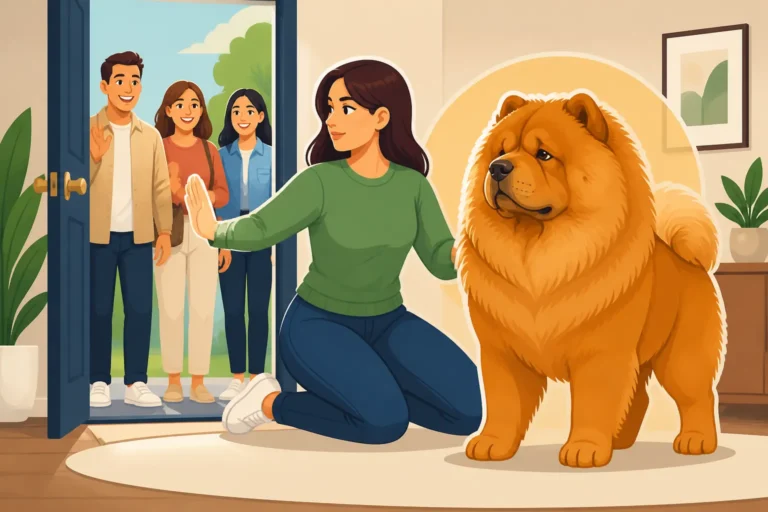
Moreover, their deep-set eyes and often serious, almost scowling expression can make them appear less excitable or enthusiastic than many other breeds. While they certainly aren't typically bouncy and effusive, this stoic demeanor can be misinterpreted as disinterest in play or exercise. It's important for owners to learn to read their Chow's subtle cues of engagement and happiness, which might be a wagging tail that barely clears their back, a soft lean, or an eager tilt of the head when a leash appears.
Understanding the Chow Chow's Natural Temperament and Build
To truly grasp a Chow Chow's exercise needs, it helps to understand their unique combination of physical traits and inherent temperament. These factors all play a role in how they move, how much they can endure, and what kinds of activities they're likely to enjoy. It's about working with their natural predispositions, not against them.
The Stilted Gait and Its Implications for Movement
The Chow Chow's characteristic "stilted gait" isn't just a quirky feature; it's a direct result of their straighter-than-average rear angulation. Unlike many breeds with well-angled hindquarters designed for powerful propulsion and extended reach, the Chow Chow's straighter rear assembly means their legs swing more like pendulums. This gives them that choppy, almost bounce-less walk that can look a bit stiff or deliberate.
This unique gait affects their endurance and speed. They aren't built for sustained, fast running or agile, quick turns like a Border Collie or a Greyhound. Their movement is more suited to a steady, purposeful trot, making them excellent companions for regular, moderate-paced walks rather than intense sprints or long-distance jogs. Trying to force a Chow Chow into activities that require extreme agility or extended high-speed running can put unnecessary strain on their joints and lead to injury. Understanding How a Chow Chow's Gait Wears Its Joints is crucial for long-term health.
Therefore, when planning exercise, it's essential to consider this physiological reality. Instead of focusing on speed or distance records, aim for consistent, moderate activity. Think of it as a steady engine rather than a race car. The goal is to build stamina and maintain muscle tone without overtaxing their unique structure. Regular, measured walks help strengthen their leg muscles and maintain flexibility within the natural limits of their conformation.
How a Chow Chow's Deep Chest Affects Stamina
The Chow Chow possesses a deep, broad chest, which is a hallmark of their powerful build and contributes to their distinctive profile. While this chest provides ample room for their lungs and heart, indicating a capacity for sustained work, it's important to differentiate between general stamina and aerobic capacity. Their working history suggests they were capable of enduring tasks, but not necessarily those that demanded high-intensity, explosive bursts of energy over long periods.
Their compact body and heavy bone structure, combined with that deep chest, means they carry a considerable amount of mass for their height. Moving this mass requires effort, and while they have the lung capacity, their body type isn't optimized for the kind of rapid oxygen exchange needed for prolonged, high-speed activity. They are more like sturdy, consistent laborers than sprinters. This means they can walk for a good duration, but they might not be able to keep up with a much lighter, more athletic breed for an equivalent distance at the same pace.
Owners should interpret this to mean that consistency is key. Short, intense bursts of play are less suitable than a steady, moderate walk. Their stamina is best utilized in activities that allow for a rhythmic, controlled pace, where they can breathe deeply and maintain a comfortable rhythm. This prevents them from becoming quickly winded and ensures they get a good, steady workout without pushing their cardiovascular system into overdrive, which can be particularly important for a breed that can also be prone to overheating.
The Impact of Their Dense Coat on Activity in Warm Weather
Perhaps one of the most significant factors influencing a Chow Chow's exercise capacity, especially in many climates, is their incredibly dense double coat. This magnificent coat, designed to protect them from the harsh, cold winters of their ancestral origins, acts like a heavy winter coat that they can never take off. While fantastic for cold weather, it makes them exceptionally susceptible to overheating.
In warmer temperatures, this thick insulation traps body heat, making it very difficult for them to cool down effectively. Panting, their primary method of cooling, becomes less efficient when their body core temperature rises too quickly, especially in humid conditions. This means that an activity level that would be perfectly fine for a short-haired dog might be dangerously strenuous for a Chow Chow, even on a moderately warm day. Why a Chow Chow Overheats So Easily delves deeper into this critical issue.
Owners must be extremely vigilant about environmental conditions. Exercise should be relegated to the coolest parts of the day – early mornings or late evenings – during spring, summer, and even warmer autumn days. Water breaks are non-negotiable, and carrying water for them is a must. During peak summer, indoor activities or very short, necessary outdoor breaks are often the only safe options. Failing to account for their coat in warm weather isn't just uncomfortable for them; it can quickly lead to life-threatening heatstroke.
The Right Amount of Daily Exercise for a Chow Chow
So, if they're not marathon runners but not couch potatoes either, what's the sweet spot for a Chow Chow's daily exercise? It's all about balance: combining consistent, moderate physical activity with plenty of mental stimulation. This isn't just about preventing boredom; it's about fostering their overall health, temperament, and bond with you.
Daily Walks: Quality Over Quantity
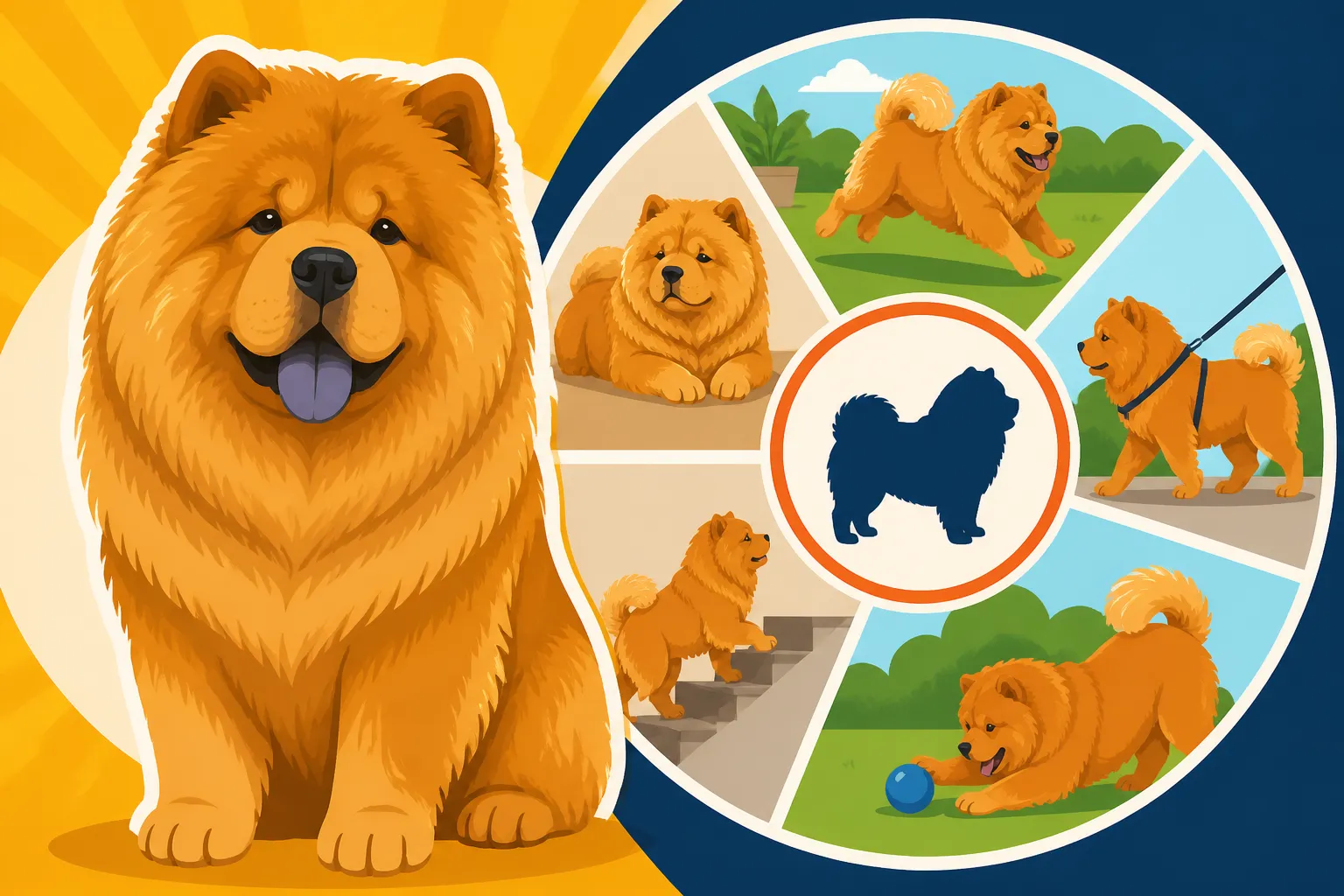
For most adult Chow Chows, two moderate-length walks per day are ideal. Think of a brisk 20 to 30-minute walk in the morning and another in the evening. The emphasis here is on "moderate" and "brisk," not fast or exhaustive. These aren't just potty breaks; they are opportunities for exploration, sniffing, and purposeful movement. A good pace means you might be slightly winded if you were talking, but not gasping for air.
The "quality" aspect comes from allowing them to engage with their environment safely. Letting them sniff around, explore new scents, and observe their surroundings provides crucial mental stimulation alongside the physical exertion. For Chows, who are naturally curious but also quite reserved, these walks are their window to the world. It’s also an important routine that builds structure and predictability, which many Chows appreciate. Remember, Why a Chow Chow's Deep Set Eyes Limit What It Sees, so approaching them from the front and being mindful of their surroundings is always a good idea, even on a walk.
On days when the weather is less cooperative – too hot, too cold, or rainy – the duration might need to be adjusted down, or a walk might be swapped for indoor enrichment. However, consistency is key. Chow Chows thrive on routine, and even a shorter walk is better than no walk at all for maintaining their physical condition and mental equilibrium. These walks are also prime opportunities to reinforce leash manners and polite public behavior, as they are naturally protective and independent.
Mental Stimulation: Just as Important as Physical
Many owners underestimate the power of mental exercise, especially for an intelligent and independent breed like the Chow Chow. While they might not be keen on endless repetitions of "fetch," their minds are always at work. Providing puzzles and training challenges can be just as tiring, if not more so, than a physical walk, and it helps prevent boredom-driven behaviors.
Think about incorporating puzzle toys, where they have to figure out how to get a treat out, or snuffle mats that encourage their natural foraging instincts. These activities engage their problem-solving skills and can keep them occupied and mentally stimulated for a good portion of the day. A simple Kong stuffed with peanut butter or plain yogurt and frozen can provide a long-lasting challenge and a delicious reward. Many of these enrichment toys are readily available on platforms like Amazon.
Training sessions, even short 5-10 minute ones, are also fantastic for mental exercise. Chows are smart but can be stubborn, and they respond best to positive reinforcement and a sense of "agreement" rather than rote obedience drills. A Chow Chow Trains by Agreement, Not Obedience means making it a collaborative effort. Teaching new tricks, practicing existing cues in new environments, or even just working on polite leash walking contributes significantly to their mental well-being. Using a positive, reward-based training system, such as what BAXTER & Bella advocates, can be very effective for engaging a Chow Chow's mind without resorting to harsh methods that can backfire.
Structured Playtime vs. Free Roam
While a fenced yard is incredibly beneficial for any dog, especially a Chow Chow known for its independent streak and potential to wander, simply letting them out to "free roam" isn't a substitute for structured exercise. A Chow Chow left to their own devices in a yard might just lie down, or patrol the fence lines rather than actually engaging in physical activity. Whether a Chow Chow Needs a Fenced Yard is a good question to explore further, but even with a fence, structured playtime is often required.
Structured playtime means actively engaging with your Chow. This could be a gentle game of tug-of-war (with rules, of course), rolling a soft ball for them to chase, or even just a game of "find the treat" hidden around the yard. These activities not only provide physical movement but also reinforce your bond and give you an opportunity to practice impulse control and other basic commands in a fun, low-pressure environment. Keep sessions relatively short, perhaps 10-15 minutes, as their stamina for vigorous play might be limited.
In contrast, letting them out for a bathroom break in a yard, or even just lounging on the patio, doesn't count towards their exercise quota. While fresh air and sunshine are lovely, they don't replace the benefits of a purposeful walk or interactive play. Think of it this way: you wouldn't count sitting on your porch as your daily workout, and neither should you for your Chow Chow. Intentional movement and engagement are what truly contribute to their health.
Tailoring Exercise to Your Chow Chow's Age and Health
Just like people, a Chow Chow's exercise needs aren't static; they change throughout their life. What's appropriate for a rambunctious puppy could be detrimental to a senior dog, and underlying health conditions always need to be taken into account. Being mindful of these stages ensures your Chow receives the right kind of care at every phase of their life.
Puppy Exercise: Preventing Injury and Overexertion
Chow Chow puppies are bundles of fluffy energy, but their developing bodies are incredibly fragile. Their growth plates (the areas of new bone growth at the ends of their long bones) are still open and highly susceptible to injury from excessive or high-impact exercise. Overdoing it with a puppy can lead to long-term orthopedic problems.
For young Chow Chow puppies (up to about 6-8 months), short, frequent play sessions are far better than long, strenuous ones. Think 5 minutes of play for every month of age, a couple of times a day, in addition to gentle walks. For example, a 3-month-old puppy might get two 15-minute walks/play sessions. Leash walks should be kept short and on soft surfaces like grass, avoiding hard pavement or excessive stairs. Puppy romping in the yard for short bursts is great, but don't encourage prolonged, high-impact running or jumping.
The goal at this stage is to build muscle tone gently, encourage good social skills (once vaccinations are complete, through carefully selected interactions as discussed in When a Chow Chow's Socialization Window Closes), and instill a positive association with exercise. Puppy classes, which often include supervised play, can be wonderful for both socialization and controlled physical activity, but always monitor your Chow puppy to ensure they aren't overexerting themselves. Remember, controlled growth is essential for this breed to help minimize the risk of developing conditions like elbow or hip dysplasia.
Adult Chow Chows: Finding Their Rhythm
Once your Chow Chow matures, typically around 12-18 months, their exercise routine can become more consistent and structured. This is when you'll truly get a feel for their individual energy levels, which can vary even within the breed. Some Chows are quite content with the two daily moderate walks, while others might appreciate a longer adventure on a cooler day or more structured playtime.
The key is finding their rhythm. Observe your Chow: Do they seem restless or bored if they miss a walk? Do they come alive with a certain toy? Are they lagging behind or panting excessively on walks, signaling you've pushed too hard? An adult Chow Chow will generally benefit from 45-60 minutes of combined daily exercise, which can be split into two walks and a play session. On weekends, a longer hike on a leash in a cool, safe environment can be a great enrichment activity.
For adult Chows, the balance of physical and mental stimulation remains paramount. While their bodies are stronger, continued care for their joints is important, especially considering their predisposition to conditions like elbow dysplasia. Keeping them at a healthy weight is vital for reducing strain on their joints, as explored in Keeping a Chow Chow at the Weight Its Elbows Can Carry. Consistent, moderate exercise helps maintain muscle mass and flexibility without undue stress.
Senior Chow Chows: Gentle Movement and Comfort
As your Chow Chow enters their senior years, typically around 8 years old, their exercise needs will shift again. They won't have the same stamina, and arthritis or other age-related conditions may make movement more challenging. The goal for senior Chows is to maintain mobility, prevent muscle atrophy, and keep them comfortable, rather than aiming for vigorous workouts.
Short, gentle walks, perhaps 15-20 minutes, two to three times a day, are often more appropriate. The pace should be dictated by your dog. If they want to stop and sniff for a long time, let them. If they start to lag, it’s time to head home. Soft surfaces are always preferable to hard pavement, which can be jarring on aging joints. Pay close attention to their comfort levels; some days they might feel better than others.
Consider low-impact activities like slow, controlled leash walks in a quiet park, or even shallow water therapy if available and recommended by your vet. Mental stimulation remains important, but might transition to easier puzzle toys or shorter, less demanding training sessions. Caring for a Chow Chow Past Eight provides more insights into the needs of an aging Chow. Regular vet check-ups become even more crucial to monitor for pain or mobility issues, and your vet can advise on supplements or pain management to keep your senior Chow moving comfortably.
Signs Your Chow Chow Needs More or Less Exercise
One of the most valuable skills as a Chow Chow owner is learning to interpret your dog's subtle cues. They aren't always overtly expressive, so understanding the signs that indicate they are under-exercised, over-exercised, or just right is crucial for their well-being.
Behavioral Cues of Underexertion
A Chow Chow who isn't getting enough physical and mental exercise might not bark incessantly or zoom around the house like some other breeds. Their signs of boredom or pent-up energy are often more subtle, but they are there if you know what to look for. One common sign is increased destructive chewing. If your Chow starts gnawing on furniture, shoes, or other inappropriate items, it could be a cry for more engagement. This isn't naughtiness; it's often a self-soothing or boredom-busting activity.
Another behavioral cue can be increased aloofness or withdrawal. While Chows are naturally independent, an under-exercised Chow might become even more disengaged, sleeping excessively, or showing less interest in interaction. This isn't laziness; it's often a sign of a lack of purpose or stimulation. They might also become more persistent in seeking attention, not always in positive ways, such as nudging you constantly or dropping toys at your feet without clear invitation to play.
Furthermore, an under-exercised Chow Chow might exhibit mild anxiety or restlessness. This could manifest as pacing, an inability to settle, or being easily startled. They might also become more prone to resource guarding (of toys, food, or even space) if they feel their environment isn't meeting their intrinsic needs for activity and purpose. These aren't necessarily "bad" behaviors, but indicators that their foundational needs aren't being met.
Physical Signals of Overexertion
Just as important as recognizing underexertion is knowing when you've pushed your Chow Chow too far. Given their dense coat and unique build, overexertion, particularly in warm weather, can quickly become dangerous. The most critical sign is excessive panting that doesn't subside quickly after stopping activity. This isn't just normal heavy breathing; it's rapid, deep, and often accompanied by a wide-open mouth with the tongue splayed out.
Other physical signals include dark red gums, glazed eyes, stumbling or uncoordinated movement, and seeking out cool places to lie down immediately, with an inability to get back up easily. Vomiting or diarrhea are also serious signs of heat stress or overexertion and require immediate attention. Drooling excessively, especially if it's thick and foamy, is another red flag. Remember, Signs a Chow Chow Is in Heat Stroke are an emergency.
If you notice any of these signs, stop activity immediately, get your Chow to a cool, shaded area, and offer small amounts of water. If they don't recover quickly, or if the symptoms are severe, contact your veterinarian right away. It's always better to err on the side of caution and end an activity early rather than risk heatstroke or injury. Learning How to Cool a Chow Chow Down Fast is a vital skill for every Chow owner, even when just walking.
Monitoring Weight and Muscle Tone
Beyond behavioral and immediate physical signs, consistently monitoring your Chow Chow's weight and muscle tone provides long-term indicators of whether their exercise regimen (and diet) is appropriate. A Chow Chow's dense coat can make it incredibly difficult to assess their body condition visually, leading many owners to underestimate weight gain. How a Chow Chow's Coat Hides Weight Loss can also apply to weight gain; the fluff hides all.
You should be able to feel your Chow Chow's ribs with slight pressure, but not see them. Their waist should tuck in slightly when viewed from above, and there should be a discernible abdominal tuck when viewed from the side. If you can't feel their ribs easily, or if they have a "barrel" shape, they are likely overweight and need more exercise and/or dietary adjustment. Obesity puts immense strain on their joints, heart, and respiratory system, significantly impacting their quality of life and lifespan.
Conversely, an under-muscled Chow Chow, while possibly at a healthy weight, might not be getting enough appropriate exercise to maintain strength. You should feel firm muscle along their back and hindquarters. If they feel soft or "flabby," even if not overweight, it suggests a need for more consistent, moderate physical activity to build and maintain muscle mass. Regular hands-on checks are essential because their magnificent coat is such an effective camouflage.
Creative Ways to Exercise a Chow Chow
So, you've got the basics down: two moderate walks, mental games, and understanding their unique needs. But sometimes you need to shake things up, or circumstances (like extreme weather) force a change. That's when getting creative with exercise becomes crucial.
Indoor Activities for Inclement Weather
When it's scorching hot, freezing cold, pouring rain, or covered in ice, outdoor walks might be impossible or unsafe. This is where indoor activities shine. Mental games, as mentioned, are paramount. Nose work games, where you hide treats around the house and encourage your Chow to find them, are fantastic. Start easy and gradually increase the difficulty. This engages their powerful sense of smell and tires them out mentally without much physical exertion.
Indoor obstacle courses, made from household items like pillows, blankets, or low boxes, can also provide a fun challenge. Guide your Chow over, around, or through them with treats. This builds confidence and body awareness. Even simple games of indoor fetch, using a soft, lightweight toy, can work if you have enough space. Remember, short bursts of activity are key, especially if you have slippery floors. A durable tug toy for a controlled game of tug-of-war can also be a great energy burner indoors.
Training sessions are another excellent indoor activity. Teaching a new trick, practicing "stay" and "come" from different rooms, or working on impulse control exercises like "leave it" provides valuable mental stimulation. Consider an online training program, like BAXTER & Bella's, which offers a variety of engaging lessons you can do from the comfort of your home, catering to the Chow Chow's intelligent but independent nature.
Low-Impact Outdoor Adventures
Beyond the daily neighborhood stroll, look for low-impact outdoor adventures that your Chow Chow can enjoy. Leashed hikes on soft, natural trails in wooded areas are often ideal. The varied terrain provides a good workout for their muscles and balance, and the natural scents offer immense mental enrichment. Always choose trails that are relatively flat or have gentle inclines, avoiding steep climbs or descents that can be hard on their joints.
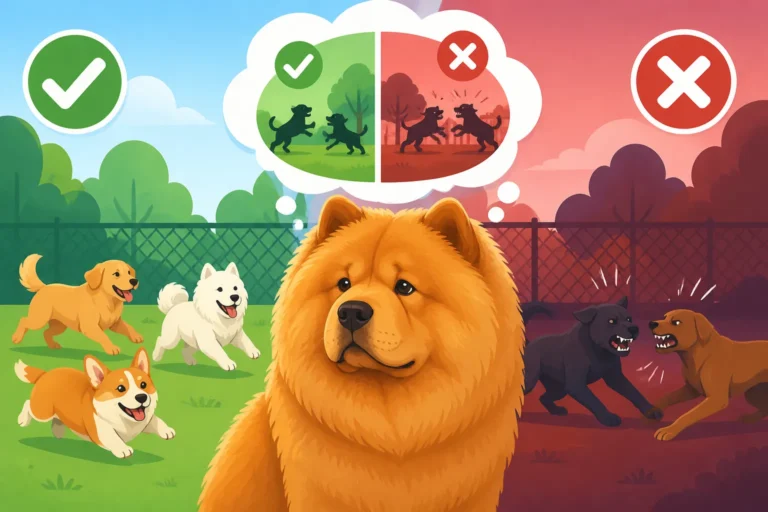
Visiting a quiet, well-maintained dog park (during off-peak hours) can sometimes work, but only if your Chow Chow is well-socialized and enjoys the company of other dogs, which isn't always the case for this breed. If they are tolerant of other dogs, a short, supervised visit could allow for some natural exploration and sniffing, but aggressive games of chase or wrestling are best avoided. For many Chows, a better alternative is a large, fenced area where they can explore on their own or with a trusted human, rather than interacting with unknown dogs. A Chow Chow With Other Dogs is a complex topic, so choose carefully.
Another option could be a visit to a local park with plenty of open space, where you can play a gentle game of retrieve or simply enjoy a longer, exploratory walk. Always keep them on a leash, especially if they have a high prey drive or are prone to wandering. The change of scenery, new smells, and different textures underfoot all contribute to a richer exercise experience, even if the physical exertion remains moderate.
Training for Body and Mind
Training isn't just about obedience; it's a fantastic way to exercise both a Chow Chow's body and mind simultaneously. Beyond basic commands, consider teaching them more complex behaviors or tricks. This requires focus, problem-solving, and often involves movement, providing a holistic workout. For example, teaching them to "find" a specific toy requires mental effort, a nose work component, and physical movement to locate it.
Canine fitness exercises, even simple ones, can be incredibly beneficial. Learning to sit pretty, do a low bow, or weave between your legs are not only impressive tricks but also help build core strength, flexibility, and body awareness. These kinds of exercises are low-impact and can be tailored to your Chow Chow's physical capabilities, making them suitable for all ages, including seniors with appropriate modifications. Many resources, including books and online tutorials found on Amazon, can guide you through these simple fitness routines.
Ultimately, training should be a positive, engaging experience for your Chow Chow. Their independent nature means they respond best to clear communication, positive reinforcement, and sessions that feel like a partnership. Make it fun, keep it short, and always end on a high note. A well-trained Chow Chow is not only a joy to live with, but they're also a mentally and physically healthier dog. Whether a Chow Chow Needs a Professional Trainer Early is a question worth considering if you're struggling to find engaging training methods.
Essential Considerations for Exercising a Chow Chow Safely
Exercising a Chow Chow isn't just about getting them moving; it's about doing so safely, minimizing risks, and always prioritizing their well-being. Their unique physical characteristics mean that certain precautions are even more critical for this breed than for others.
Managing Heat Risk During Exercise
This is, without a doubt, the single most important consideration when exercising a Chow Chow. Their thick double coat and somewhat brachycephalic (short-nosed) tendencies mean they struggle immensely in heat and humidity. Heatstroke is a genuine and life-threatening danger that can develop rapidly. Never, ever underestimate this risk.
Always check the temperature and humidity levels before heading out. A general rule of thumb is that if the combined temperature and humidity (often called the "heat index") is over 120-130, it's too risky for a Chow Chow to be outside for anything more than a quick potty break. On warm days, stick to early mornings or late evenings when the sun is low and temperatures are coolest. Asphalt and concrete can retain heat for hours after the sun goes down, so test the pavement with your hand – if it's too hot for your bare hand for 5 seconds, it's too hot for their paws. What Temperature Is Too Hot for a Chow Chow is a crucial piece of knowledge.
Carry water and a portable bowl for your Chow, even on short walks. Offer frequent water breaks. Consider cooling aids like cooling vests, bandanas, or even a kiddie pool for supervised splashing on very warm days in the yard. Never leave a Chow Chow unsupervised in a car, even with the windows cracked, as temperatures can soar inside quickly. Be vigilant for Signs a Chow Chow Is Overheating on a Walk and know How to Cool a Chow Chow Down Fast if needed.
Avoiding Joint Stress and Impact
Given the Chow Chow's genetic predisposition to orthopedic issues like hip and elbow dysplasia, protecting their joints throughout their life is paramount. This means choosing appropriate types of exercise and being mindful of surfaces and intensity. High-impact activities such as prolonged jumping, intense agility work, or running long distances on hard surfaces like concrete should generally be avoided.
Instead, favor low-impact exercises. Walking on grass, dirt trails, or sandy beaches (when not too hot) provides softer surfaces that are much kinder to their joints. Swimming, if your Chow enjoys it and is safely introduced, is an excellent low-impact exercise that builds muscle without stressing joints, but always supervise closely and ensure they can exit the water easily. Consistent, moderate walks strengthen the muscles around the joints, providing better support and stability.
For puppies, strict control over their activity is even more important to protect their developing growth plates. Avoid forced, repetitive exercise or situations where they are jumping off high surfaces. As they age, continuing to provide joint-supportive nutrition and considering supplements like glucosamine and chondroitin, discussed with your vet, can also be beneficial in managing joint health. The Age a Chow Chow Gets Arthritis can be influenced by how well their joints are managed throughout their younger years.
The Importance of Leash Training and Control
Chow Chows are independent and can be strong-willed, making good leash training not just about manners, but about safety during exercise. A Chow Chow who pulls on the leash constantly can put strain on their neck and your arm, and makes walks a chore rather than an enjoyable activity. More importantly, given their protective instincts and potential wariness of strangers or other dogs, having reliable control on a leash is essential for managing encounters and preventing undesirable situations.
Early and consistent positive reinforcement leash training is critical. Start with short sessions in a quiet environment, rewarding loose-leash walking. Using a front-clip harness can be very effective for Chows, as it redirects their pulling power towards their side, making it harder for them to drag you along. Flat collars can put pressure on their windpipe if they pull, so a well-fitting harness is often a better choice.
A well-trained Chow Chow on a leash allows for more enjoyable and varied exercise opportunities, as you can confidently take them to different parks, trails, or even dog-friendly establishments. It provides security for both you and your dog, allowing them to explore and exercise safely within your control. Teaching a Chow Chow a Reliable Recall is also important, even if you plan to keep them mostly on leash, as an emergency backup.
Exercise Type Comparison
To help summarize, here's a quick comparison of different exercise types and their suitability for a Chow Chow:
| Exercise Type | Suitability for Chow Chow | Key Considerations |
|---|---|---|
| Brisk Walking | Excellent. Ideal for daily physical and mental exercise. | Moderate pace, 20-30 minutes, twice daily. Prioritize cool times of day. Allow sniffing. |
| Hiking | Good (leashed, low-impact trails). Offers varied terrain and scents for enrichment. | Choose soft, gentle trails. Avoid steep inclines/declines. Always on leash due to prey drive/independence. Watch for overheating. |
| Running/Jogging | Generally Not Recommended. Their stilted gait and body type aren't built for sustained speed. | Can stress joints. High risk of overheating. Very short, controlled bursts might be tolerated by some exceptionally fit Chows, but not as a regular activity. Why a Chow Chow's Straight Rear Leg Limits Running is key. |
| Dog Park (Off-leash) | Varies by individual Chow. Some may tolerate, others find it overwhelming or may be reactive. | Only if your Chow is well-socialized and enjoys other dogs. Go during quiet times. Supervise closely. Not a substitute for human-led exercise. Whether a Dog Park Suits a Chow Chow is a big question. |
| Swimming | Good (supervised, gentle). Excellent low-impact muscle builder. | Not all Chows like water. Supervise constantly. Ensure easy entry/exit. Their dense coat takes ages to dry and can weigh them down. |
| Agility/High Jump | Not Recommended. High-impact movements can be very hard on their joints and structure. | Can lead to injury. Not suited to their body type. |
| Puzzle Toys/Nose Work | Excellent. Provides crucial mental stimulation, especially indoors. | Can be done daily. Great for bad weather days. Engages natural instincts and tires them out mentally. Many options available on Amazon. |
| Training Sessions | Excellent. Engages mind and body, strengthens bond. | Keep sessions short (5-10 mins). Use positive reinforcement. Teaches manners and fun tricks. BAXTER & Bella offers good training frameworks. |
| Tug-of-War | Good (controlled, with rules). Great for physical exertion and bonding. | Establish rules (e.g., "drop it" on command). Use appropriate toys. Avoid aggressive tugging that could strain their neck or jaw. |
| Fetch | Varies by individual Chow. Some enjoy it briefly, others find it boring. | Use soft, easy-to-pick-up toys. Keep sessions short, especially if they lose interest quickly. Not all Chows are natural retrievers. |
Disclaimer
This article is for general informational purposes only and does not constitute professional advice. Laws, prices and regulations vary by location and change over time. Consult a qualified professional for guidance on your specific situation.