How a Chow Chow Chooses Its Person
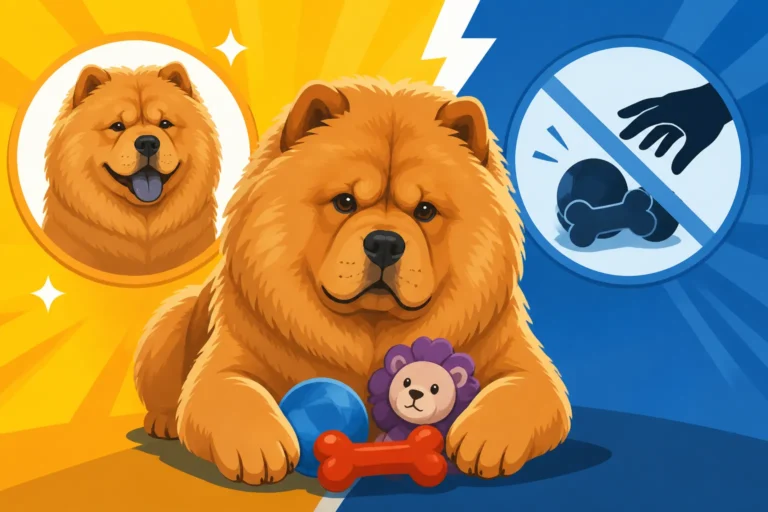
It's a common worry for many prospective Chow Chow owners, and a reality for those who already share their homes with these majestic dogs: the Chow Chow often seems to choose one special person, leaving others feeling a bit like background characters. This unique bond isn't about favoritism in the way a child might pick a favorite parent; rather, it’s a deep, unwavering loyalty formed through a specific set of circumstances and mutual understanding. This guide will explore the fascinating process by which a Chow Chow selects its primary person and what you can do to foster a strong relationship, even if you’re not the chosen one.
The Myth of the "One-Person Dog" and the Reality for Chows
When you hear about Chow Chows, the phrase "one-person dog" often comes up, and it can sometimes paint a picture of an aloof, almost unfriendly animal to anyone outside that inner circle. But the reality is far more nuanced, and understanding this distinction is key to appreciating the Chow Chow's unique emotional landscape. They aren't inherently aggressive or unsociable; their affections simply run deeper and more selectively.
What "One-Person Dog" Really Means for a Chow Chow
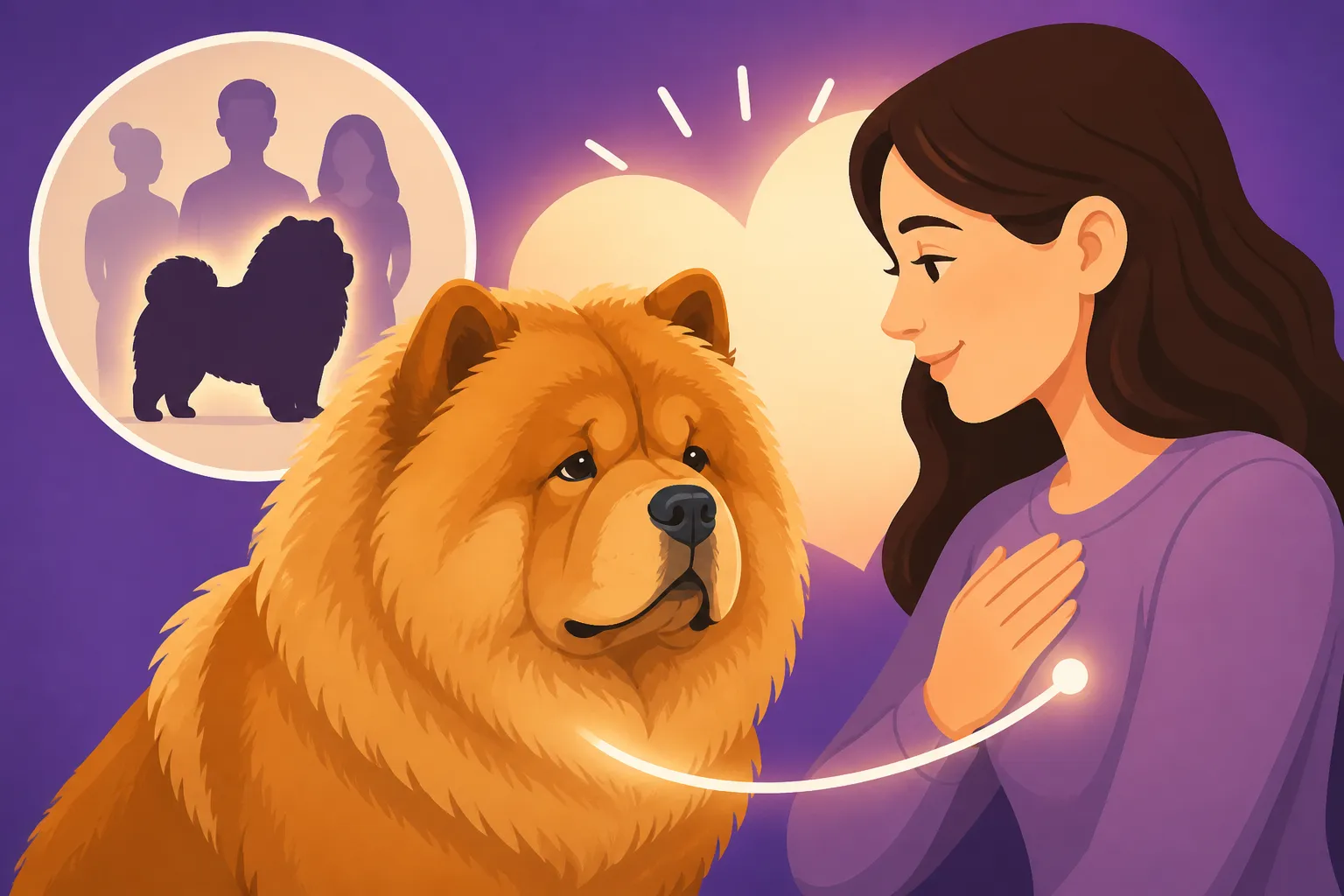
For a Chow Chow, being a "one-person dog" doesn't mean they'll actively dislike or ignore every other human on the planet. Instead, it signifies that they will form an intense, almost spiritual bond with one individual above all others. This chosen person becomes their anchor, their confidant, and often, their primary focus in terms of loyalty and attention. Think of it less as an exclusive club with only one member, and more like a vast social circle where one friend holds a special, irreplaceable spot in their heart.
This primary bond doesn't preclude them from interacting with, and even showing affection to, other family members. However, the depth of connection, the immediate response, and the comfort they seek in moments of stress will almost invariably point back to their chosen person. It's a testament to their independent yet deeply loyal nature. They value quiet companionship and mutual respect, and when they find it in one individual, that bond becomes incredibly strong and enduring. You can read more about this in The Chow Chow Bonds to One Person and Tolerates the Rest.
Why Chows Are Often Misunderstood in Their Affections
Chow Chows have a reputation for being aloof, and it's not entirely unfounded. They aren't typically the type of dog to greet every stranger with a wagging tail or demand constant belly rubs from anyone who walks by. Their reserved demeanor can easily be misinterpreted as disinterest or even coldness, especially by people accustomed to more demonstrative breeds like a Labrador Retriever or a Golden Retriever. These are dogs whose default setting is often "joyful greeting" for all.
A Chow Chow, however, operates on a different frequency. They observe, they assess, and they grant their trust and affection carefully. Their expressions of love are often subtle: a quiet presence at your feet, a gentle lean against your leg, or a soft nudge of their head into your hand. They might not jump and lick your face, but they will follow you from room to room, settle nearby, and offer a deep, knowing glance. This quiet devotion can be missed if you're not attuned to their particular language of love. Understanding How Aloof a Chow Chow Really Is and How a Chow Chow Shows Affection can help you recognize these nuanced signals. It’s crucial for owners and family members to learn to read these subtle cues, rather than expecting overt displays of adoration.
Factors Influencing a Chow Chow's Choice
So, what exactly draws a Chow Chow to one person more than others? It's not usually about who gives the most treats or the most playtime, although those things certainly don't hurt! Instead, it's a complex interplay of consistent care, mutual respect, and the early experiences they share. Chows are intelligent and discerning, and they pay close attention to who provides for their needs, protects them, and understands their unique personality.
Who Provides Consistency and Care
In many cases, a Chow Chow chooses the person who consistently provides their primary care. This isn't just about feeding them a meal or taking them out for a quick potty break. It encompasses the entirety of their daily routine:
- Feeding: The person who regularly presents their meals, ensuring their bowl is full and their dietary needs are met.
- Walking & Exercise: The individual who takes them on their daily walks, exploring the world together and providing mental and physical stimulation.
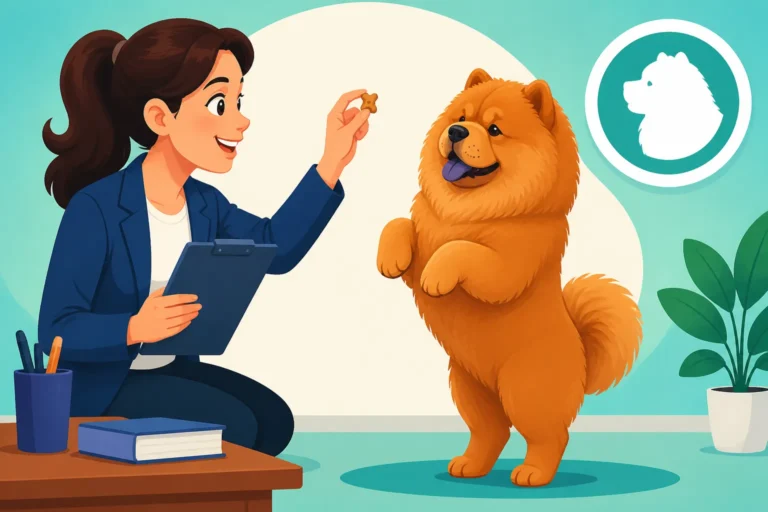
- Training: The one who engages in consistent training sessions, using positive reinforcement to teach commands and build good habits. This consistent interaction, whether through formal sessions or simply reinforcing good behavior throughout the day, creates a strong communication channel. Tools and programs like those offered by BAXTER & Bella, which focus on positive, at-home training, can be incredibly effective in helping foster this bond through consistent guidance.
- Grooming: Even if they grumble about it, the person who patiently brushes their dense coat, cleans their ears, and trims their nails is seen as vital. This person is providing comfort and maintaining their well-being, even when the process isn't their favorite.
- Comfort & Security: The one who offers comfort during thunderstorms, vet visits, or other stressful situations.
This consistent, reliable provision of care builds immense trust. A Chow Chow values stability and routine, and the person who embodies that stability often becomes their rock. It's a deep form of appreciation and reliance. When you consider the full scope of what it costs to raise one of these dogs, like outlined in What a Chow Chow Costs to Buy in 2026, you quickly realize that the person providing all this care is investing heavily, not just financially, but emotionally and with their time. That investment pays dividends in the form of an unparalleled bond.
Early Socialization and Handling
The formative months of a Chow Chow puppy's life are incredibly influential in shaping their personality and their attachments. The person who takes charge during this crucial period often cements their place as the primary attachment figure. This involves:
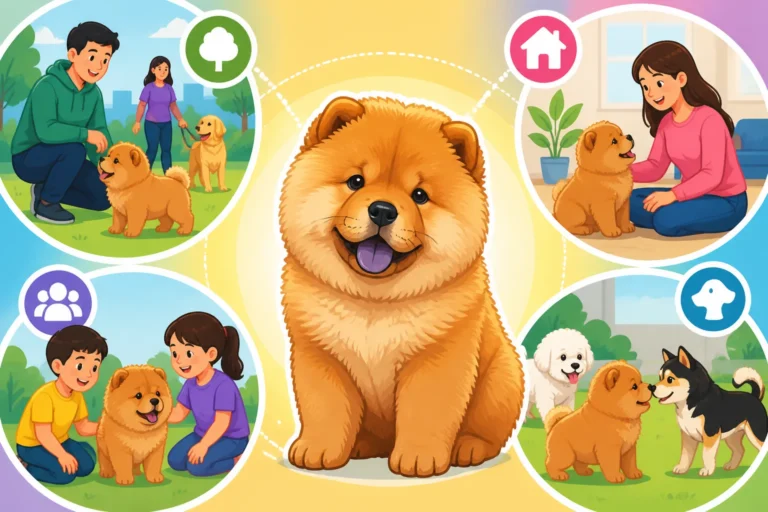
- Exposure to the World: Carefully introducing the puppy to new sights, sounds, people, and experiences in a positive, controlled manner. This helps them develop confidence and a sense of security. Why Early Socialization Decides What a Chow Chow Becomes highlights just how vital this is.
- Gentle Handling: The person who consistently handles the puppy – picking them up, checking their paws, looking in their ears and mouth – in a calm and reassuring way teaches them that touch is not threatening. This is particularly important for a breed that can be sensitive to handling.
- Managing Interactions: Guiding interactions with strangers and other animals, ensuring they are positive and not overwhelming. The weeks that matter most for a Chow Chow puppy are critical for these experiences, as detailed in The Weeks That Matter Most for a Chow Chow Puppy.
When a person consistently provides these foundational experiences, navigating the puppy through potentially intimidating situations with a steady hand, the Chow Chow learns to trust them implicitly. This trust forms the bedrock of their lifelong bond. Teaching a Chow Chow to accept regular grooming, for instance, requires immense patience and positive association, and the person who successfully achieves this often solidifies their special status. You can learn more about this in Teaching a Chow Chow to Accept Being Groomed. It's about being their guide and protector during their most vulnerable developmental stages.
Respecting Their Space and Independence
Chow Chows are not golden retrievers in fluffy suits. They possess a profound sense of dignity and independence, and they deeply appreciate when their personal space and preferences are respected. The person who understands and honors this often becomes the chosen one. This means:
- No Forced Affection: Unlike some breeds that crave constant physical contact, Chow Chows generally don't enjoy being smothered with hugs or relentless petting. They might tolerate it from their chosen person for a brief moment, but they often prefer to initiate contact on their own terms. Forcing physical affection can actually backfire, leading them to withdraw. Understanding Why a Chow Chow Dislikes Being Hugged is crucial for building trust.
- Inviting Interaction: The person who waits for the Chow Chow to approach, who offers a gentle hand for a head scratch rather than grabbing for a full embrace, often builds a stronger connection. It shows respect for their autonomy.
- Reading Their Cues: Being attuned to their subtle body language – a slight shift of weight, a blink, a direct gaze – allows the chosen person to know when to engage and when to simply exist peacefully nearby. A Chow Chow appreciates someone who understands How Much a Chow Chow Wants to Be Petted and when they've had enough.
This mutual respect fosters a unique dynamic where the Chow Chow feels truly seen and understood. They thrive in an environment where their individuality is acknowledged, and the person who provides that understanding earns their deepest loyalty.
Recognizing the Signs of a Chosen Person
So, how can you tell if you are your Chow Chow's chosen person, or if they've bestowed that honor upon someone else in the household? Their displays of affection and loyalty can be subtle, but they are undeniably present once you know what to look for. It’s not about grand gestures, but about consistency and subtle preference.
Subtle Gestures of Affection and Preference
A Chow Chow's love language isn't always overt. You won't typically see them bouncing with unbridled joy every time you enter a room or demanding to be in your lap constantly. Instead, their affection manifests in quieter, more profound ways. The chosen person will notice their Chow Chow:
- Following Them: While Chows are independent, they will often follow their chosen person from room to room, not necessarily to demand attention, but simply to be in the same space.
- Choosing Proximity: When settling down, they will often choose a spot closest to their special person, even if there are other comfortable spots available. This is a quiet declaration of their preferred company. Learning How Close a Chow Chow Sits to You can give you insight into their bond.
- Seeking Comfort: During moments of stress (like a loud noise or a stranger at the door), they will often look to their chosen person for reassurance or physically move closer to them.
- Initiating Contact: While generally reserved, they might initiate contact with their chosen person more frequently, perhaps by resting their head on their lap, leaning against them, or offering a gentle lick.
- Direct Gaze: They may hold eye contact longer and more meaningfully with their chosen person, a sign of deep trust and connection.
Here's a simple comparison of how a typical demonstrative dog might show affection versus a more reserved Chow Chow:
| Trait | Typical Dog (e.g., Lab) | Chow Chow (Often) |
|---|---|---|
| Greeting | Full-body wag, jumping, vocal excitement | Quiet observation, subtle tail wag, may approach calmly |
| Physical Contact | Demands petting, leans, seeks belly rubs | Tolerates petting, initiates contact with a nudge or lean |
| Proximity | Follows constantly, sits on lap | Stays in the same room, chooses nearby spot |
| Response to Departure | Whines, paces, shows anxiety | Observes calmly, may settle down near the door |
| Playfulness | Brings toys, nudges to play, boisterous | Might engage in short, structured play sessions, less boisterous |
| Eye Contact | Frequent, open, happy | Measured, deep, and often initiated by the dog |
Even if they don't jump for joy, the quiet presence and steady gaze of a Chow Chow speak volumes to their chosen individual. When you leave the house, the way they react can also give you clues to their bond, as explored in How a Chow Chow Reacts When You Leave.
The Role of Protection and Alertness
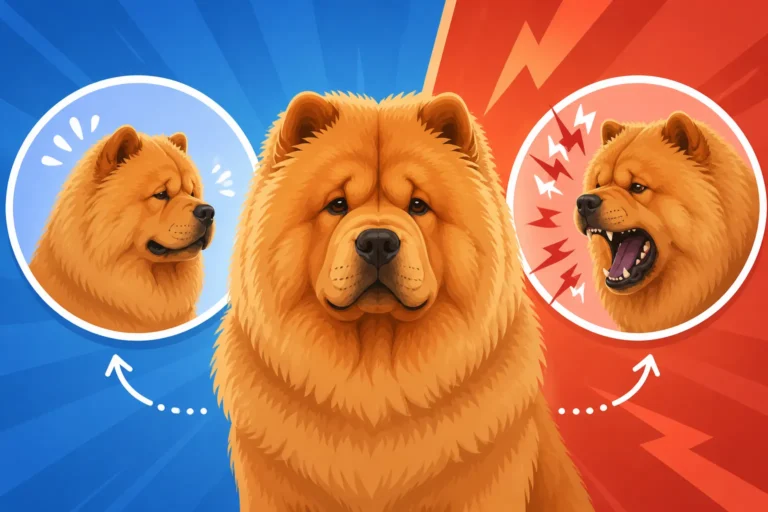
Chow Chows were historically guard dogs, and that protective instinct is deeply ingrained in their nature. This protective drive often extends most intensely towards their chosen person. They act as vigilant guardians, often being more alert and watchful when their preferred human is around.
You might notice that your Chow Chow:
- Monitors Your Location: They keep a mental track of where their chosen person is in the house, even if they aren't physically following them.
- Acts as a Buffer: If a stranger approaches their chosen person, especially in a way the Chow perceives as too direct or threatening, they might subtly position themselves between the person and the stranger, or offer a low growl or bark of warning.
- Increases Vigilance: Their alertness levels often spike when their chosen person is perceived to be in danger or when new people enter the home. This deep-seated instinct to protect their own is a significant part of What a Chow Chow Guards and Why.
This isn't necessarily aggression, but a powerful display of loyalty and dedication. They see their chosen person as part of their pack to be safeguarded. This guardian instinct is a powerful testament to the strength of their bond. Many Chow Chow owners find that their dogs are incredibly effective at signaling perceived threats, making them excellent, albeit sometimes overzealous, watchdogs. This protective nature is also why it's so important to ensure they are well-socialized and trained, so their guarding instincts are appropriately channeled. You can find many useful items to support this, such as puzzle feeders or durable chew toys for enrichment, easily on Amazon, which can help redirect their energy and focus. Ultimately, understanding Whether a Chow Chow Makes a Good Guard Dog helps you manage these tendencies.
What if Your Chow Chow Chooses Someone Else?
It can be a little disheartening if you’re trying your best, providing all the love and care, and your Chow Chow still seems to prefer another family member. This is a common experience, and it's important not to take it personally. Chow Chows are complex, and their affections are earned, not automatically given. The good news is, you can absolutely still build a strong, loving relationship, even if you’re not the absolute "chosen one."
Building a Bond Even if You're Not the "Chosen One"
If your Chow Chow has clearly selected someone else as their primary person, don't despair! Your bond with your dog is still valuable and can certainly deepen over time. It's not a personal failing on your part, but rather a reflection of the Chow Chow's unique personality and bonding patterns. Here's how you can actively work to strengthen your relationship:
- Be the Provider of High-Value Resources: While the main "chosen" person might handle most primary care, you can take over some specific high-value activities. Perhaps you're the only one who gives them their absolute favorite treat, or the only one who takes them on specific, exciting outings like a hike to a new park.
- Consistent, Positive Interaction: Make sure every interaction you have with your Chow Chow is positive and respectful. Keep your greetings calm and never force interaction. Offer a gentle scratch behind the ears or a quiet word, then let them come to you. Patience is key.
- Engage in Training: Take an active role in their training. Even if they know the basics, teaching them a new trick or practicing existing commands for short, fun sessions can be a great bonding experience. This is where tools from BAXTER & Bella can come in handy, offering structured training methods that promote positive interactions without pressure. Consistency in training from you will show them that you are also a reliable leader.
- Respect Their Boundaries: Always respect their space and learn to read their subtle cues for when they want interaction and when they prefer to be left alone. This reinforces trust and shows you understand them.
- Be the Play Partner: Some Chows enjoy short bursts of play. Find out what kind of play they enjoy – a gentle tug, chasing a favorite toy in the yard – and be the person who consistently provides that fun.
Remember that a Chow Chow's bond, while strong, isn't always set in stone. Circumstances can change, and with consistent, loving effort, you can absolutely shift the dynamic and forge a truly meaningful connection. The good news is that Whether a Chow Chow's Bond Can Shift is indeed possible with time and effort.
Managing Family Dynamics with a One-Person Dog
Living with a Chow Chow who has a clear "chosen" person requires thoughtful management of family dynamics to ensure everyone, human and canine, feels secure and respected. The goal isn't to force the Chow Chow to love everyone equally, but to ensure they tolerate and respect all family members, while all family members respect the dog.
- Establish Clear Boundaries for Everyone: It's essential that all family members understand and respect the Chow Chow's need for space and their sometimes-reserved nature. This means teaching children, especially, How to Teach a Child to Approach a Chow Chow safely and respectfully, avoiding sudden movements or attempts to hug.
- Supervise Interactions: Particularly with young children or new visitors, always supervise interactions to prevent any misunderstandings or accidental boundary crossings. A Chow Chow will often tolerate familiar family members but might be less forgiving of rambunctious play from a child they don't know well.
- Consistent Leadership from the Chosen One: The chosen person should reinforce that all family members are part of the "pack" and should be respected. This can involve having the Chow Chow perform a "sit" or "stay" for another family member to receive a treat, thereby associating positive outcomes with others.
- Equal Opportunities for Positive Reinforcement: Encourage all family members to engage in brief, positive interactions, such as offering a treat for a calm sit, or a short, gentle stroke. This builds positive associations, even if it doesn't create the same depth of bond.
- No Jealousy: It's vital for family members not to compete for the dog's affection. This can create confusion and stress for the Chow Chow. Instead, focus on building individual, respectful relationships.
While a Chow Chow might always have their favorite, a well-managed household ensures that the dog views all family members as part of its secure environment. Through understanding, patience, and consistent positive interactions, every member of the family can enjoy a meaningful and respectful relationship with their Chow Chow, even if one person holds that extra special place in their heart.
Disclaimer
This article is for general informational purposes only and does not constitute professional advice. Laws, prices and regulations vary by location and change over time. Consult a qualified professional for guidance on your specific situation.