Keeping a Chow Chow at the Weight Its Elbows Can Carry
It's a truth universally acknowledged in the Chow Chow world that these majestic, lion-like companions come with a unique set of challenges. One of the most insidious, often hidden beneath that glorious double coat, is the struggle to maintain a healthy weight – a struggle that directly impacts their elbow health, a common Achilles' heel for the breed. Many Chow Chow owners find themselves constantly second-guessing meal portions or wondering if that slight limp is just stiffness or something more serious. This guide is here to walk you through understanding why proper weight management is crucial for your Chow Chow's joints, how to assess their ideal weight, and practical strategies to keep them happy, active, and comfortable for years to come.
The Hidden Burden: Why a Healthy Weight is Critical for Chow Chow Elbows
Anyone who has loved a Chow Chow knows their distinct presence and sturdy build. What might not be immediately obvious is the significant predisposition they have to certain orthopedic issues, particularly in their elbows. While genetics play a huge role, a Chow Chow's weight can be the difference between managing a mild condition and facing severe, debilitating pain.
The Unfortunate Reality of Elbow Dysplasia in Chow Chows
Elbow dysplasia (ED) is not just a fancy vet term; it's a real, painful condition that affects many Chow Chows. Essentially, it's a catch-all term for several developmental abnormalities that occur in the elbow joint, leading to malformation and degeneration. This includes things like fragmented coronoid process, ununited anconeal process, osteochondrosis, and elbow incongruity. Instead of a smooth, perfectly aligned joint, the bones might not fit together properly, or fragments of cartilage and bone can break off, causing immense discomfort. Imagine walking with a pebble in your shoe all day, every day – that's a mild comparison to the chronic pain a Chow with ED can experience.
The genetic component of Elbow Dysplasia Ranks the Chow Chow Near the Top is well-documented, which is why responsible breeders go to great lengths to screen their breeding stock. However, even with the best genetics, environmental factors like rapid growth in puppies and, critically, excess weight, can exacerbate these underlying predispositions. A puppy that's genetically prone to ED might develop a more severe form, or develop symptoms earlier in life, if it's carrying extra pounds. The integrity of the joint, already compromised, is simply not equipped to handle the sustained pressure.
The condition often manifests as stiffness, lameness (limping), or a reluctance to exercise. You might notice your Chow Chow struggles to get up after lying down, or that they Why a Chow Chow Limps After Rest. It's heartbreaking to watch your beloved companion in discomfort, and often, by the time symptoms become obvious, the joint damage is already significant. Understanding What Elbow Dysplasia Does to a Chow Chow means recognizing that while we can't always prevent it entirely, we absolutely can mitigate its severity through diligent care, with weight being a primary factor.
The Extra Strain: How Excess Weight Worsens Joint Issues
Think of your Chow Chow's joints like the suspension system in a car. They're designed to absorb shock and facilitate smooth movement, but they have limits. When you add extra weight, you're essentially overloading that suspension system. Every step, every jump (even a small one), every time they lie down and stand up, the already compromised elbow joints are subjected to exponentially greater force. This isn't just about the physical burden; it's also about the biological response.
Adipose tissue, or fat, isn't just inert storage; it's an active endocrine organ. This means it produces hormones and inflammatory mediators that circulate throughout the body. So, beyond the mechanical strain, excess fat contributes to a systemic inflammatory state. This chronic inflammation further degrades joint cartilage and exacerbates the pain associated with conditions like elbow dysplasia. It creates a vicious cycle: the pain from their joints makes them less willing to move, which leads to more weight gain, which then increases pain and inflammation even further. It's a downward spiral that can severely impact their health and happiness.
The analogy of a car's suspension system helps to visualize the impact. A car designed to carry four passengers will perform fine with four, but if you consistently load it with six, not only will the shocks wear out faster, but other components will also be under strain. For a Chow Chow, this translates to accelerated cartilage wear, increased pain sensitivity, and a faster progression of degenerative joint disease. Even a few extra pounds can make a significant difference in how much discomfort your Chow Chow experiences daily.
A Lifetime of Consequences: Impact on Mobility and Quality of Life
The long-term effects of elbow dysplasia, especially when compounded by excess weight, are profound and heartbreaking. Initially, it might be a subtle stiffness after a nap, but over time, it can progress to chronic, debilitating pain that severely limits their mobility. A Chow Chow with advanced ED and extra weight might struggle with basic movements – getting up from a lying position, navigating stairs, or even just shifting their weight comfortably. Their natural desire to explore or engage in playful activities diminishes, replaced by a preference for stillness, which in turn leads to further muscle atrophy and weight gain.
This isn't just about physical pain; it deeply affects their quality of life. A dog that can't move comfortably can't enjoy walks, can't greet you at the door with the same enthusiasm, and can't comfortably snuggle on the couch. Their world shrinks. This decreased activity can also lead to secondary health problems like cardiovascular issues, diabetes, and even impact their mental well-being, potentially leading to anxiety or depression. The cumulative effect can significantly shorten The Eight to Twelve Years a Chow Chow Gets, robbing both you and your beloved companion of precious time together.
As Chows age, joint issues naturally become more prevalent, and an already damaged joint will only worsen with time. Managing their weight effectively throughout their life is a critical preventative measure, potentially delaying the onset of severe symptoms or reducing their intensity. It's about ensuring that your Chow Chow remains as comfortable and mobile as possible for every year they are with you, preventing them from becoming another statistic among those suffering from significant joint pain. The changes in their gait and stiffness, often dismissed as normal aging, can often be alleviated or slowed down by proactive weight management and joint care. How an Aging Chow Chow Stiffens is a natural process, but it doesn't have to be agonizing.
Deciphering Your Chow Chow's Ideal Weight
Determining your Chow Chow's ideal weight can feel like a guessing game, especially with that magnificent, dense coat obscuring their physique. Unlike some breeds where ribs are clearly visible, a Chow's plush fur often hides the nuanced contours of their body. Relying solely on a scale or breed standard ranges can be misleading; a more holistic approach is needed to truly understand if your Chow is at their healthiest.
More Than Just Numbers: Understanding Body Condition Scoring (BCS)
Body Condition Scoring (BCS) is a universally recognized tool used by veterinarians that goes beyond the number on the scale. It's a hands-on, visual assessment that allows you to evaluate your dog's fat reserves and muscle mass, giving you a much clearer picture of their health than weight alone. For a Chow Chow, with their double coat, the "hands-on" part is absolutely critical. You need to get past the fluff and actually feel their body underneath.
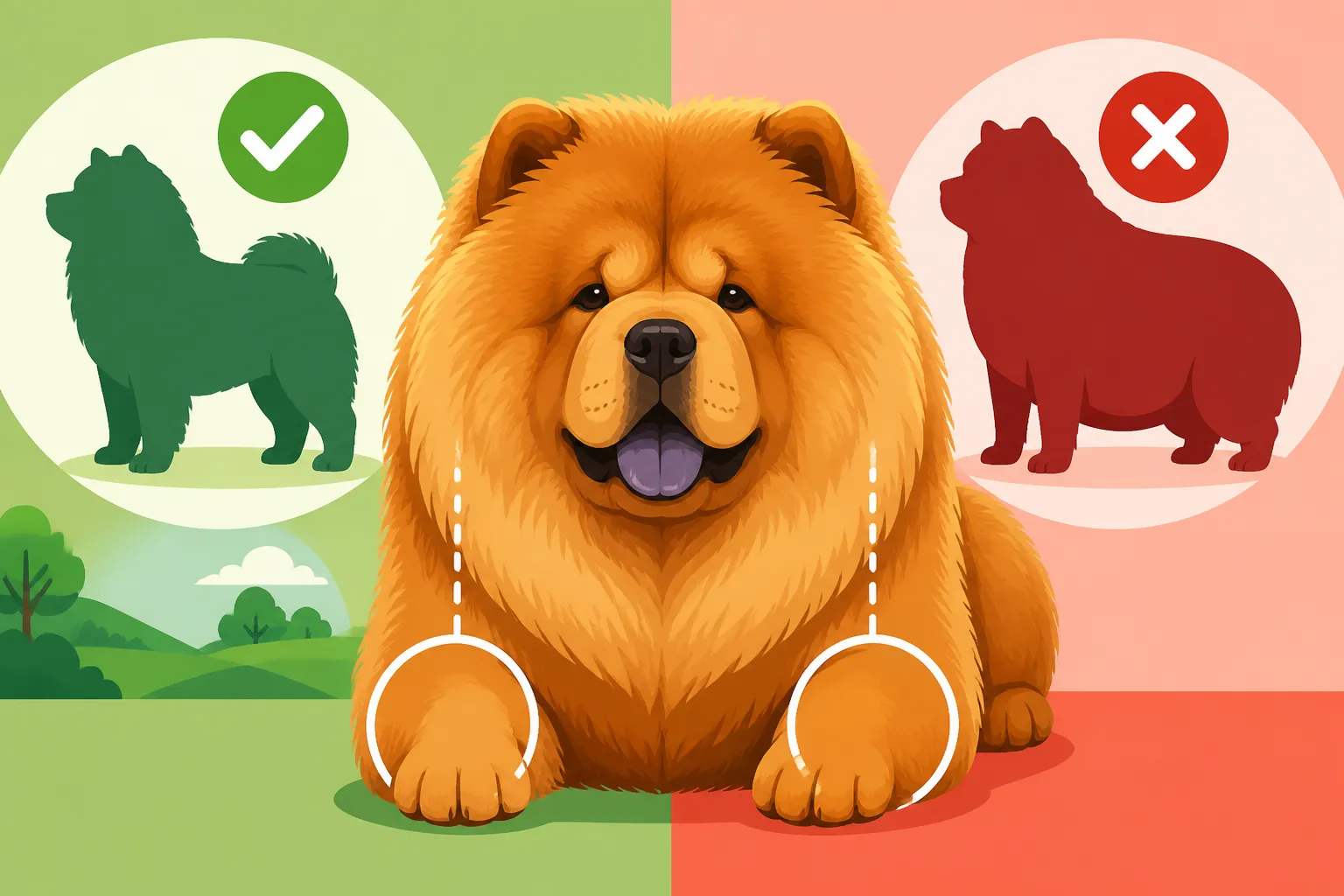
A common BCS scale ranges from 1 to 9, where 1 is emaciated, 5 is ideal, and 9 is morbidly obese. An ideal Chow Chow, despite its volume of fur, should have ribs that are easily palpable without excess fat covering them. You should be able to feel them distinctly, almost like the knuckles on your hand, but not see them protruding. There should also be a discernible waist when viewed from above, and an abdominal tuck when viewed from the side, though this can be harder to spot in Chows due to their straight rear leg structure and dense coat.
Here’s a simplified guide to assessing your Chow Chow’s body condition, focusing on touch:
| Body Condition Score (BCS) | Visual Assessment (Hard for Chows) | Tactile Assessment (Crucial for Chows) |
|---|---|---|
| 1-2 (Underweight) | Ribs, spine, hip bones easily visible. | Ribs, spine, hip bones very prominent with no fat covering. |
| 3-4 (Lean) | Ribs possibly visible; obvious waist. | Ribs easily felt, slight fat cover. Waist easily felt behind ribs. |
| 5 (Ideal) | Well-proportioned; visible waist tuck. | Ribs easily felt with minimal fat cover. Waist visible or easily felt. |
| 6-7 (Overweight) | Waist less obvious; broader body shape. | Ribs palpable with moderate fat cover. Waist requires firm pressing to feel. |
| 8-9 (Obese) | No waist; rounded body; rolls of fat. | Ribs difficult or impossible to feel due to heavy fat cover. No discernible waist. |
Remember, for a Chow, you really have to get your hands on them, especially along their sides and hips, to accurately How to Feel a Chow Chow's Ribs Under the Coat. Don't be fooled by the sheer volume of their fur; what lies beneath is what truly matters for their health.
Navigating Breed Standards and Individual Variation
The breed standard for Chow Chows typically specifies a weight range, often around 45-70 pounds, and a height of 17-20 inches at the shoulder. While these numbers provide a general guideline, they are just that – a guideline. It's vital to remember that individual Chow Chows, like people, come in a variety of builds and sizes. A perfectly healthy Chow Chow might fall slightly outside these ranges based on its genetic lineage, bone structure, and even its coat type (a rough-coated Chow might appear larger than a smooth-coated one of the same weight, for example).
For instance, a heavily boned male Chow Chow at the upper end of the height standard might comfortably weigh 70 pounds and still be lean, while a daintier female could be overweight at 55 pounds. This is why coupling the scale weight with a thorough BCS assessment is so crucial. A vet will consider How Much a Chow Chow Weighs in conjunction with their overall build, muscle mass, and body condition. They will also factor in How Tall a Chow Chow Stands to understand proportionality.
Never fixate solely on a number on the scale. Instead, aim for that ideal BCS of 5, where ribs are easily felt, and there's a slight tuck behind the ribs, regardless of the numerical weight. Your vet can provide the best individual assessment, taking into account all these variables to help you determine your specific Chow Chow's healthy weight target. It’s a personalized journey, not a one-size-fits-all solution, especially for a breed with such unique physical characteristics.
Spotting the Subtle Clues: Recognizing Overweight in a Chow Chow
Given their dense, magnificent double coat, recognizing when a Chow Chow is carrying too much weight can be incredibly tricky. That plush fur, while beautiful, is a master at hiding extra padding. It's not like with a short-haired breed where every ripple of fat is immediately obvious. This means owners need to be particularly vigilant and look for subtle, often behavioral, clues in addition to regular hands-on checks.
One of the first signs you might notice isn't visual at all, but a change in their activity level. An overweight Chow may be even more reluctant to exercise than usual, pant heavily after minimal exertion, or take longer to recover after a short walk. They might also appear stiff when getting up or lying down, or hesitate before jumping on furniture (if they're allowed) or entering a car. Watch for these subtle shifts in enthusiasm and ease of movement. Their tendency to hide pain also complicates matters, as they might not vocalize discomfort until it's severe.
Beyond behavior, look for less obvious physical indicators. The "mane" around their neck and shoulders might appear even more expansive, or their face might seem rounder. Their unique Why a Chow Chow's Dense Coat Hides Skin Disease makes it hard to see other issues, so weight gain also stays hidden. You might also notice that their collar feels tighter, or that they struggle to groom themselves as effectively. Pay attention to how their harness or existing clothing fits; if it’s suddenly snugger, it’s a strong hint. Finally, if you're ever in doubt, a quick check with your veterinarian is always the best course of action. They can give you an objective assessment and help you develop a plan if needed. Being proactive now can prevent many issues later, as these subtle signs are often the first Signs a Chow Chow Is Overweight.
Crafting a Balanced Diet for Optimal Joint Health
Feeding your Chow Chow isn't just about filling their bowl; it's about providing the right nutrients in the right amounts to support their overall health, especially their joints. A well-planned diet can go a long way in managing weight and mitigating the effects of orthopedic issues, giving your Chow Chow the best chance at a comfortable life.
Choosing the Right Fuel: Exploring Food Options for Chows
When it comes to feeding your Chow Chow, you have several options, each with its own pros and cons. The key is to select a food that is high-quality, nutritionally balanced, and appropriate for their age, activity level, and any specific health needs.
High-Quality Kibble: For many owners, a premium dry kibble forms the cornerstone of their Chow Chow's diet. Look for foods where a named meat source (e.g., "chicken meal," "lamb") is listed as the first ingredient, rather than generic "meat by-products" or excessive fillers like corn. Reputable brands invest in research and quality control. When considering kibble, remember that calorie density varies wildly between brands. A food designed for active sporting dogs will likely be too calorie-rich for a sedentary Chow, leading to unintended weight gain. Many brands also offer specific "weight management" or "large breed" formulas that might be beneficial due to their controlled calorie content and often, added joint-supporting nutrients. You can find a vast selection of these options readily available from online retailers like Chewy or Amazon.
Wet Food: While often more expensive per serving, wet food can be a great addition or primary diet, especially for Chows who need more moisture in their diet or are less enthusiastic eaters. The higher moisture content can help them feel fuller on fewer calories, which can be beneficial for weight management. Some Chows find wet food more palatable, making it easier to ensure they're getting adequate nutrition. It's often lower in calories than an equivalent volume of kibble, but again, check the nutritional panel carefully.
Fresh or Gently Cooked Diets: A growing number of owners are exploring fresh food options, which are often prepared with human-grade ingredients and minimally processed. Companies like Ollie deliver pre-portioned, customized meals that can be an excellent choice for Chows, especially those with sensitive stomachs or picky palates. These diets can offer highly digestible protein and fresh vegetables, providing robust nutrition. However, they tend to be more expensive and require refrigeration. If you're considering a fresh diet, ensure it's formulated by veterinary nutritionists to be complete and balanced, as homemade diets can easily become deficient without expert guidance.
Regardless of the type of food you choose, always consult with your veterinarian. They can help you decipher labels, understand calorie content, and recommend the best option tailored to your Chow Chow's individual needs.
The Art of Portion Control and Smart Meal Scheduling
Once you've chosen a high-quality food, the next crucial step is precise portion control. This is where many well-meaning owners inadvertently sabotage their Chow Chow's weight management efforts. Eyeballing amounts or simply filling the bowl can lead to significant overfeeding, especially if you're not factoring in treats or table scraps.
Always start by following the feeding guidelines on the food packaging, but remember these are just starting points. They are often based on the needs of an average dog of that weight, and your Chow Chow's metabolism or activity level might differ. It’s far better to underfeed slightly and adjust up if needed, than to consistently overfeed. Use a dedicated measuring cup – don't rely on a random scoop – to ensure accuracy. A digital kitchen scale can be even more precise, especially for kibble or fresh food where small differences in volume can add up to many calories. For an adult Chow, typically How Many Cups a Day an Adult Chow Chow Eats will be lower than you expect for a dog of their size, due to their often-lower metabolism and moderate energy levels.
Meal scheduling is also important. Instead of free-feeding (leaving food out all day), which can lead to overconsumption and make it hard to monitor intake, opt for two distinct meals a day. This helps regulate their metabolism, gives you control over portions, and can also help reduce the risk of bloat, a serious concern for deep-chested breeds. If your Chow Chow is a "fussy eater" or occasionally What to Do When a Chow Chow Skips a Meal, structured meal times help them learn to eat when food is available. After about 15-20 minutes, pick up any uneaten food. This teaches them that food isn't always accessible and can encourage them to eat more consistently. Remember, consistency is key, and every calorie counts! By carefully controlling portions and sticking to a schedule, you are actively working to How to Feed a Chow Chow to Reduce Bloat Risk.
The Role of Joint-Supporting Supplements
Even with a perfectly balanced diet and ideal weight, providing targeted nutritional support for your Chow Chow's joints can be a wise preventative measure or an excellent adjunct therapy for existing issues. There's a wide array of supplements available, but the most common and well-researched for joint health include glucosamine, chondroitin, MSM, and omega-3 fatty acids.
-
Glucosamine and Chondroitin: These are often found together and are fundamental building blocks of cartilage. Glucosamine helps synthesize new cartilage, while chondroitin helps maintain existing cartilage and block enzymes that break it down. They are thought to improve the viscosity of joint fluid and reduce pain and inflammation. While they won't "cure" conditions like elbow dysplasia, they can significantly improve comfort and slow the progression of cartilage degeneration. Many owners find these beneficial as their Chows approach the age when Whether a Chow Chow Needs Joint Supplements becomes a common question.
-
MSM (Methylsulfonylmethane): A natural sulfur compound, MSM is known for its anti-inflammatory and pain-relieving properties. It can work synergistically with glucosamine and chondroitin to further reduce discomfort and support joint health.
-
Omega-3 Fatty Acids (Fish Oil): These essential fatty acids, particularly EPA and DHA found in fish oil, are powerful natural anti-inflammatories. They can help reduce the chronic inflammation that exacerbates joint pain and supports overall skin and coat health. Many vets recommend Whether a Chow Chow Needs Fish Oil for Its Coat not just for shine, but for its systemic anti-inflammatory benefits. You can find high-quality fish oil supplements from reputable brands on Amazon or Chewy.
It's crucial to discuss any supplement regimen with your veterinarian before you begin. They can help you choose the right product, determine the correct dosage for your Chow Chow's size and condition, and ensure there are no potential interactions with other medications or underlying health issues. Not all supplements are created equal; look for products from reputable manufacturers that have undergone third-party testing for purity and potency.
Exercise Strategies to Support Healthy Joints
Exercise is undeniably vital for a Chow Chow's overall well-being, but when it comes to joint health, the type and amount of exercise are far more important than just "getting them moving." For a breed prone to elbow issues and prone to overheating, a thoughtful approach is essential to support, not strain, their joints.
Gentle Movement: Low-Impact Activities for Chows
High-impact activities, like intense running, jumping, or abrupt turns, can put excessive stress on a Chow Chow's joints, especially those already predisposed to or affected by elbow dysplasia. The goal is to encourage consistent, gentle movement that builds muscle strength to support the joints without causing undue wear and tear.
Leash Walking: This is the cornerstone of exercise for most Chow Chows. Aim for regular, moderate-length walks on soft surfaces like grass or dirt trails, rather than hard pavement. A steady pace, allowing them to sniff and explore, is ideal. Short, frequent walks (15-20 minutes, two to three times a day) are often better than one long, grueling session. This gentle activity helps maintain muscle tone, promotes joint lubrication, and burns calories without significant impact. For an adult Chow, How Far a Chow Chow Should Walk Daily is often less than you might think, focusing on quality over distance.
Swimming: If your Chow Chow enjoys water and you have access to a safe, supervised environment, swimming can be an excellent low-impact exercise. The buoyancy of water reduces the strain on joints while providing a full-body workout. However, not all Chows are natural swimmers, and their dense coats can make them heavy when wet, so always supervise closely and ensure they have a safe exit point.
Controlled Indoor Play: For days with inclement weather or for those Chows who prefer indoor lounging, short sessions of controlled indoor play can be beneficial. Gentle tug games (avoiding sudden jerks), hide-and-seek with toys, or working on simple obedience commands can provide mental and physical stimulation. Remember that What Tires a Chow Chow Out Indoors is often mental engagement as much as physical. Avoid activities that involve slipping on slick floors or high jumps from furniture.
The key is moderation and consistency. Think of movement as a gentle lubrication for their joints, rather than a rigorous workout. This approach minimizes stress while still contributing to overall fitness and weight management.
Striking a Balance: Activity vs. Heat Sensitivity and Energy Levels
One of the Chow Chow's most defining characteristics is its glorious, thick double coat and unique physiology, which makes them highly susceptible to overheating. This inherent trait significantly impacts their exercise routine and requires careful consideration, especially in warmer climates or during summer months. Ignoring this can quickly lead to a medical emergency.
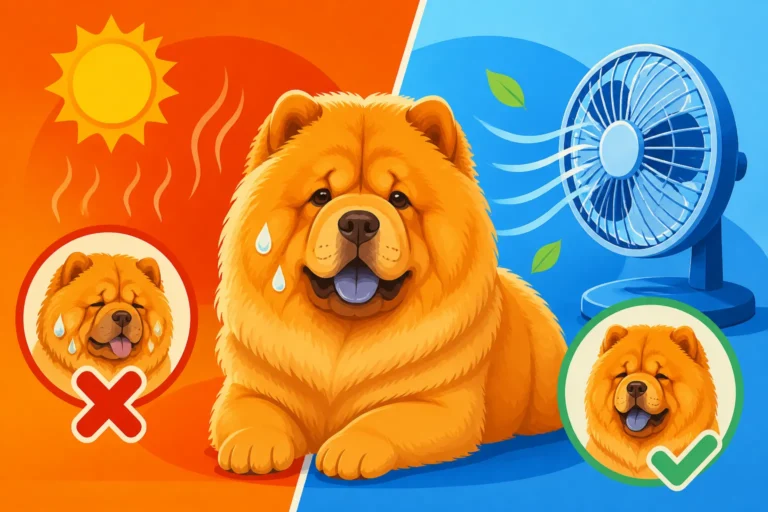
Chow Chows have a moderate energy level; they're not typically high-octane dogs needing miles of running. They are often quite content with a couple of short, brisk walks a day and some yard time. However, their physical limitations, including their brachycephalic (short) muzzle and dense coat, mean they struggle to dissipate heat efficiently. Their unique Why a Chow Chow's Short Muzzle Cools Poorly combined with Why a Chow Chow's Double Coat Traps Heat means special precautions must be taken. This is why Why a Chow Chow Overheats So Easily is a critical piece of Chow Chow care.
To prevent overheating, always schedule walks during the coolest parts of the day – early morning and late evening. Avoid walks during midday heat, even if it "doesn't feel that hot" to you. Pavement can retain heat intensely, burning paws and radiating heat back up to their bodies. Carry water and offer frequent breaks. Watch for Signs a Chow Chow Is Overheating on a Walk, such as excessive panting, drooling, staggering, or a blue-tinged tongue. If you see these signs, stop immediately and seek to cool them down. You can find more specific advice on When a Chow Chow Should Be Walked in Summer. The goal is consistent, comfortable movement that supports their joints without pushing them into a dangerous heat-related situation.
Vigilant Observation: Monitoring for Discomfort During and After Exercise
One of the most frustrating aspects of caring for a Chow Chow, especially when it comes to pain, is their stoic nature. They are notoriously good at hiding discomfort, a trait rooted in their ancient survival instincts. This means that by the time you notice overt limping or vocalizations of pain, the underlying issue might be quite advanced. Therefore, vigilant observation and knowing what subtle signs to look for are absolutely critical.
During and immediately after exercise, pay close attention to any changes in their gait. Does one leg seem stiffer than the other? Do they favor a particular limb? Do they lag behind more than usual? Are they reluctant to go as far as they normally would? Subtle shifts in weight distribution, a slightly shorter stride, or a less enthusiastic wag of the tail might be early indicators. Don't dismiss these as just "being a Chow." How a Chow Chow Hides Pain makes these tiny clues invaluable.
Also, observe their behavior after a period of rest, especially first thing in the morning or after a long nap. A Chow Chow with joint discomfort might struggle more to get up, take longer to "warm up" and move normally, or show signs of stiffness. Pay particular attention to their elbows – do they extend them fully, or do they seem hesitant? Signs a Chow Chow Puppy's Elbows Hurt might present as subtle lameness after play or difficulty standing. If you notice any consistent changes in their movement, activity level, or demeanor, even if they're subtle, it warrants a conversation with your veterinarian. Early intervention can make a significant difference in managing joint pain and maintaining their quality of life.
Addressing the Challenges: When Weight Management Gets Tough
Even with the best intentions, maintaining your Chow Chow's ideal weight isn't always a straightforward path. These independent, sometimes stubborn, dogs can present unique challenges, from picky eating habits to a general disinterest in strenuous activity. It’s during these times that patience, persistence, and a willingness to seek professional guidance become your greatest assets.
When Your Chow Chow Says "No": Dealing with Picky Eaters
Despite their sturdy appearance, many Chow Chows can be surprisingly finicky eaters. This can be a double-edged sword: sometimes it helps with weight management, but other times it can make it hard to ensure they're getting consistent, balanced nutrition. If your Chow Chow is a Whether a Chow Chow Is a Fussy Eater, you know the struggle is real. They might turn up their nose at a perfectly good meal one day, only to devour it the next. This inconsistency can make it difficult to regulate their caloric intake effectively.
The key here is to establish a routine and stick to it. Offer meals at the same time each day, and give them about 15-20 minutes to eat. If they don't finish, pick up the bowl. This teaches them that food is available at certain times and discourages grazing or holding out for "better" options. Avoid offering table scraps or excessive treats between meals, as this can both contribute to weight gain and reinforce picky behavior. If they are truly skipping meals, as in What to Do When a Chow Chow Skips a Meal, then consulting with your vet to rule out any underlying health issues is always the first step.
Sometimes, simply rotating protein sources (e.g., chicken, lamb, fish) or trying different textures (kibble mixed with a bit of wet food or a fresh food topper) can pique their interest. For some Chows, the problem isn't pickiness but a lower metabolic rate, meaning they simply don't need as much food as other breeds of similar size. As long as your Chow Chow is maintaining a healthy BCS and is otherwise energetic, a slightly smaller appetite isn't necessarily a cause for alarm. However, if they consistently refuse to eat, lose weight rapidly, or seem lethargic, it's definitely time for a veterinary check-up.
The Stubborn Streak: Overcoming Exercise Resistance
Let's be honest: the Chow Chow isn't typically going to be your jogging partner or agility star. They have a well-earned reputation for being independent and, at times, downright stubborn, especially when it comes to exercise. This inherent trait can make it challenging to ensure they get the consistent, moderate activity needed for joint health and weight management. Why Repetition Bores a Chow Chow is a common frustration for owners trying to train or motivate them.
Forcing a Chow Chow into activities they dislike or find uncomfortable will likely backfire, creating a negative association with exercise. Instead, think about making walks and activity more enjoyable and engaging on their terms. Short, frequent walks rather than one long, arduous trek are often more successful. Vary your routes to keep things interesting – exploring new scents and sights can be highly motivating. Incorporate positive reinforcement with praise and small, low-calorie treats for cooperation. Understanding How Far Praise Gets You With a Chow Chow may be key to their cooperation.
Consider low-key games in a secure yard, like a gentle game of fetch (avoiding high jumps or sudden stops) or hide-and-seek with their favorite toy. If they are resistant to walking, break it down into smaller steps. Start with short outings around the block and gradually increase duration as they become more comfortable. Consistency is key, even if it means short bursts of activity. The goal is to make movement a positive experience, not a chore, helping them burn calories and maintain muscle without creating stress or injury.
Partnering with Your Vet: Seeking Professional Guidance for Persistent Issues
There will be times when, despite your best efforts, managing your Chow Chow's weight feels like an uphill battle, or you suspect something more is going on. This is precisely when your veterinarian becomes your most invaluable partner. Don't hesitate to reach out for professional guidance; they have the expertise and tools to help you navigate these challenges.
If your Chow Chow is struggling to lose weight despite a carefully controlled diet and exercise, your vet can rule out underlying medical conditions that might contribute to weight gain. For instance, a common culprit is hypothyroidism (an underactive thyroid), which can significantly slow metabolism and lead to weight gain, lethargy, and coat issues. When a Chow Chow's Weight Gain Is Thyroid related, a simple blood test can confirm it, and medication can often resolve the issue, making weight management much easier. Other conditions, like Cushing's disease or certain metabolic disorders, can also impact weight. If you notice Signs a Chow Chow's Thyroid Is Low, such as unexplained weight gain, lethargy, or hair loss, it's important to get it checked out.
Your vet can also help you create a customized weight loss or maintenance plan tailored specifically for your Chow Chow. This might involve recommending a prescription diet, which is specially formulated to be lower in calories but still provide complete nutrition, or suggesting specific exercises. They can also provide guidance on managing existing joint pain, offering medications (like NSAIDs), physical therapy referrals, or other treatments that can improve your Chow Chow's comfort and willingness to be active. Remember, a professional diagnosis and a tailored plan are often the missing pieces of the puzzle when you're struggling with persistent weight issues.
Proactive Steps: Preventative Measures and Long-Term Joint Health
When it comes to your Chow Chow's joint health, an ounce of prevention is truly worth a pound of cure. Taking proactive steps from the moment you bring your Chow home, and continuing throughout their life, can significantly impact their long-term comfort and mobility, potentially delaying or mitigating the severity of conditions like elbow dysplasia.
The Value of Early Screening for Joint Health
The journey to healthy joints for your Chow Chow often begins even before they enter your home. This is where the importance of responsible breeding and early screening cannot be overstated. Reputable Chow Chow breeders are deeply committed to the health of their lines and will meticulously screen their breeding stock for common hereditary conditions, including elbow and hip dysplasia.
When selecting a breeder, always inquire about the health clearances of the sire and dam. They should be able to provide documentation from organizations like the Orthopedic Foundation for Animals (OFA) for hips and elbows, and potentially from the Canine Eye Registry Foundation (CERF) for eye health. These certifications indicate that the parent dogs have been screened and deemed free (or within acceptable limits) of certain genetic conditions. What a Chow Chow Breeder Should Have Tested will always include elbow and hip evaluations. Understanding When a Chow Chow's Elbows Should Be X Rayed allows breeders to make informed decisions and reduce the likelihood of passing on predispositions to their puppies.
While clearances don't guarantee that a puppy will never develop these conditions, they significantly reduce the risk. It's a foundational step in preventative care. If you've adopted a rescue Chow Chow, or if early history is unknown, routine veterinary check-ups are even more vital for early detection. Your vet can assess their gait, palpate joints, and recommend X-rays if they suspect an issue, allowing for intervention before symptoms become severe. This proactive approach, starting with informed breeder choices and continuing with regular vet visits, establishes a strong foundation for a lifetime of joint health for your Chow Chow. Knowing Where the Chow Chow Ranks in OFA Elbow Scores can help you understand the breed's particular challenges.
Developing a Comprehensive Joint Health Plan with Your Vet
Managing a Chow Chow's joint health, especially as they age or if they have a diagnosed condition like elbow dysplasia, requires an ongoing, collaborative effort with your veterinarian. It’s not a one-time fix but a dynamic process that evolves with your dog’s needs. Establishing a comprehensive joint health plan ensures that all aspects of their care are aligned to support their comfort and mobility.
This plan should involve regular veterinary exams, perhaps even more frequently than annually if your Chow Chow has existing joint issues. During these visits, your vet will assess their mobility, check for any changes in their gait or pain response, and discuss their weight and overall condition. Be open and honest about any subtle changes you've observed at home, no matter how minor they seem. This is the time to review their diet, exercise routine, and any supplements they are taking. You might want to consider What a Chow Chow's Yearly Bloodwork Should Cover as part of this plan, to catch any other issues early on.
The plan might also involve:
- Dietary Adjustments: Moving to a prescription joint-supportive diet or adjusting current food intake to ensure optimal weight.
- Supplement Regimen: A vet-approved combination of glucosamine, chondroitin, omega-3 fatty acids, or other nutraceuticals.
- Medication Management: If pain is present, your vet may prescribe non-steroidal anti-inflammatory drugs (NSAIDs) or other pain management medications, carefully balancing efficacy with potential side effects.
- Physical Rehabilitation: For some Chows, particularly those recovering from surgery or with chronic issues, a referral to a certified canine rehabilitation therapist can be invaluable. These specialists can provide exercises, hydrotherapy, and other modalities to build muscle, improve range of motion, and reduce pain.
The key is to maintain open communication with your vet, asking questions and advocating for your Chow Chow's comfort. This ongoing partnership ensures that your Chow Chow receives the most effective and compassionate care throughout their life. Your vet can provide precise guidance on How Often a Chow Chow Needs a Wellness Exam, tailoring the schedule to your dog's specific health profile.
Lifestyle Adjustments for a Lifetime of Comfort
Beyond diet, exercise, and veterinary care, there are numerous practical lifestyle adjustments you can make at home to support your Chow Chow's joint health and enhance their comfort, especially if they have existing orthopedic issues or are aging. These seemingly small changes can collectively make a significant difference in their daily life.
- Orthopedic Beds: Invest in a high-quality orthopedic dog bed that provides ample cushioning and support for their joints. Firm, supportive foam helps distribute their weight evenly and reduces pressure points, making it easier for them to rest comfortably and get up without stiffness.
- Ramps and Stairs: If your Chow Chow loves to be on the couch or bed, consider providing ramps or pet stairs. This eliminates the need for jumping up and down, which can put immense strain on their elbows and other joints over time. Similarly, a ramp for getting into and out of the car can be a lifesaver for their joints and your back. Even as your Chow starts to show signs of stiffness, like How an Aging Chow Chow Stiffens, these tools can provide much needed support.
- Non-Slip Flooring: Slippery floors (hardwood, tile) can be treacherous for dogs with joint issues, leading to falls and further injury. Use rugs, carpet runners, or paw grippers to provide traction in high-traffic areas.
- Weight Management Consistency: As emphasized throughout, maintaining an ideal body condition is the single most impactful lifestyle adjustment. It's a lifelong commitment that pays dividends in comfort and longevity. Regularly assess their BCS and adjust their food intake as needed.
- Temperature Control: For Chows, maintaining a comfortable ambient temperature is not only about preventing overheating but also about joint comfort. While their double coat protects from cold, extreme damp or cold can sometimes exacerbate joint stiffness. Ensuring they have a warm, dry place to rest can be beneficial.
By proactively incorporating these lifestyle adjustments, you're not just reacting to problems; you're creating an environment that actively supports your Chow Chow's joint health, ensuring they can enjoy their daily life with as much comfort and ease as possible for many years to come. Caring for a Chow Chow Past Eight becomes less daunting when you've already established these supportive habits.
Disclaimer
This article is for general informational purposes only and does not constitute professional advice. Laws, prices and regulations vary by location and change over time. Consult a qualified professional for guidance on your specific situation.